








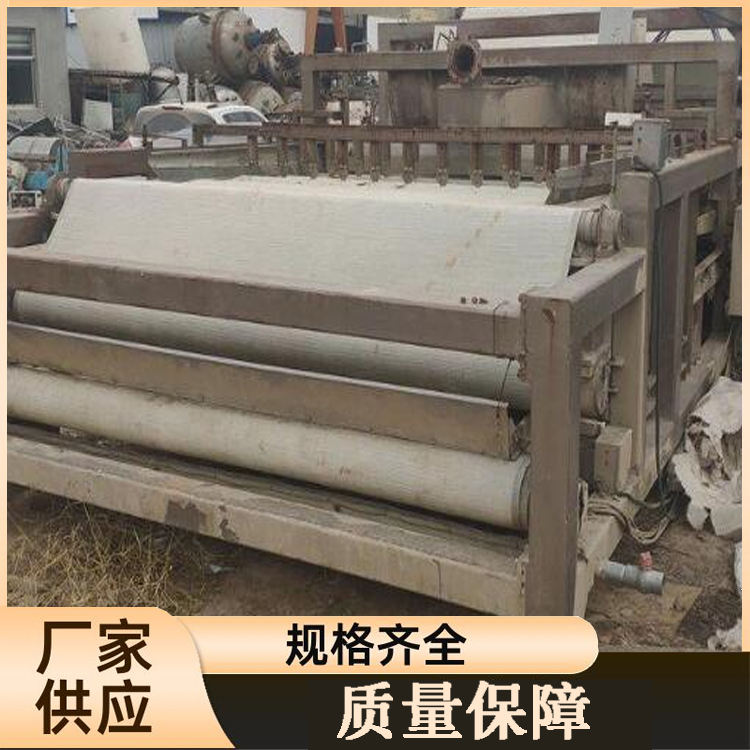
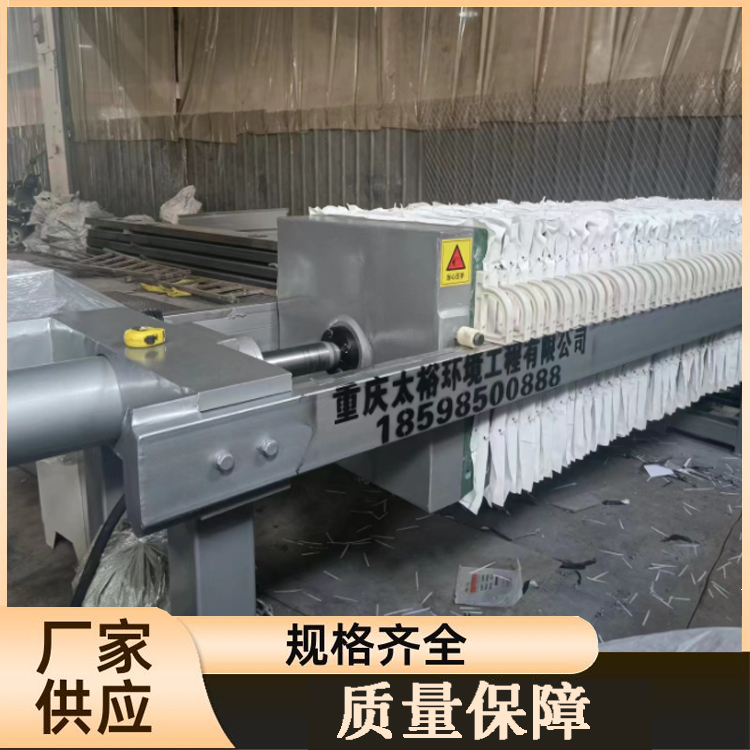
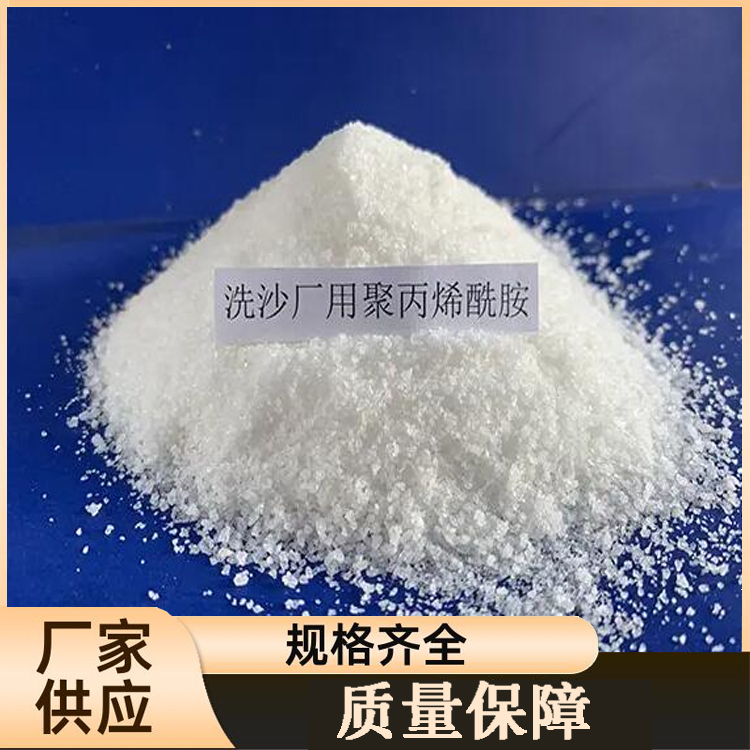

With the rapid development of the economy and society, a multitude of electronics factories have sprung up like mushrooms after the rain. As is well known, during the production and processing, electronics factories generate a large amount of wastewater, which can generally be categorized into chrome wastewater, nickel wastewater, cadmium wastewater, copper wastewater, zinc wastewater, gold wastewater, and silver wastewater. If these wastewaters are discharged directly without treatment, they will cause serious environmental impact.
Wastewater Source
Wastewater primarily originates from the wet processing of PC boards, including inner layer brushing, inner layer imaging, inner layer etching, inner layer stripping, electroplating, chemical copper plating, and more. Various chemical materials are used in the liquid of each wet processing unit, releasing a variety of aged high-concentration wastewater and low-concentration cleaning wastewater during production. The wastewater from printed circuit board production is complex in composition and has a wide range of concentrations. The wastewater mainly contains pollutants such as Cu2+, Ni2+, COD, acids, bases, EDTA, and copper-ammonia complex ions.
Wastewater Composition
The main components of the wastewater from an electronic factory include: acids, alkalis, copper, surfactants, and organic solvents. Depending on the different types of printed circuit boards and processing technologies, there may also be tin, lead, cyanides, hexavalent chromium, and trivalent chromium. All of these, except for tin, must be treated strictly according to standards before the discharge of toxic and harmful substances.
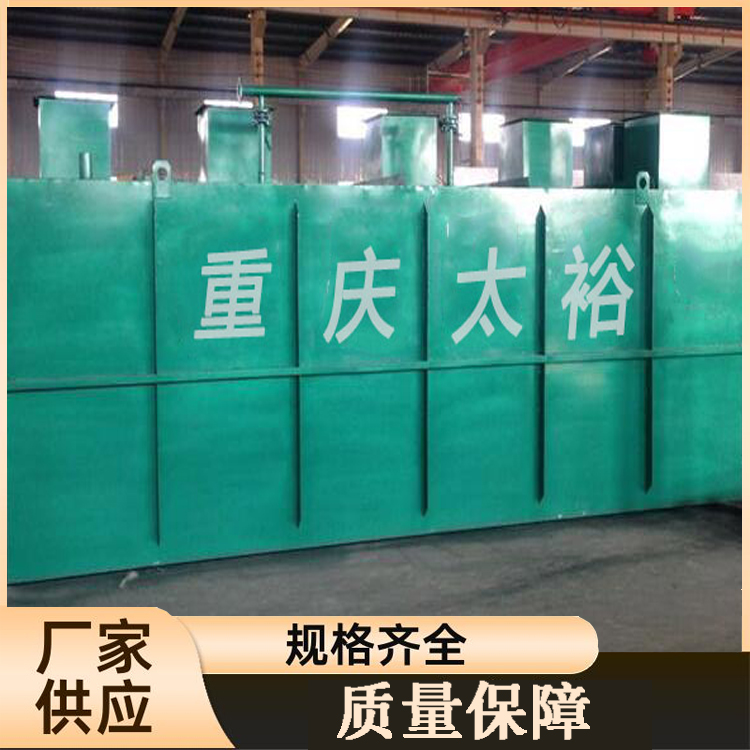
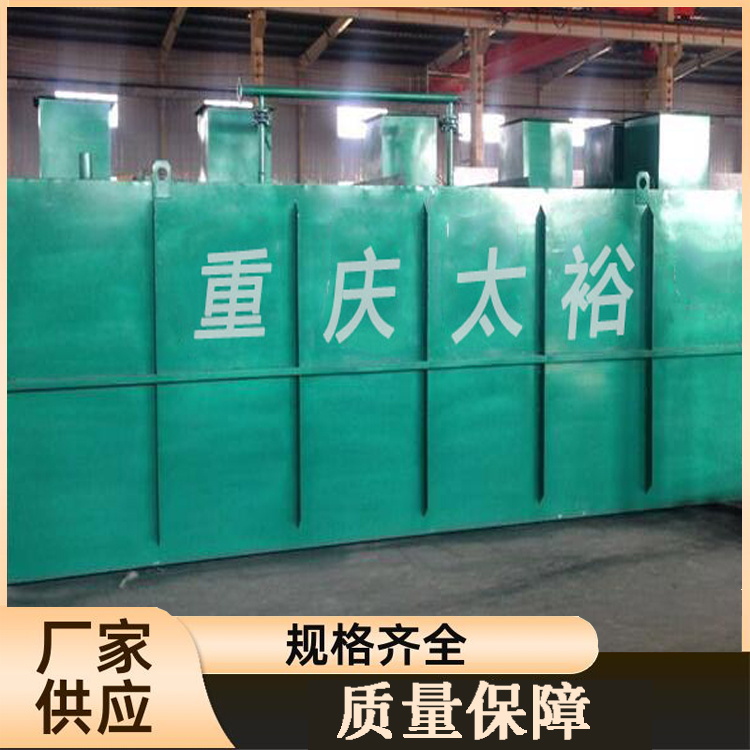
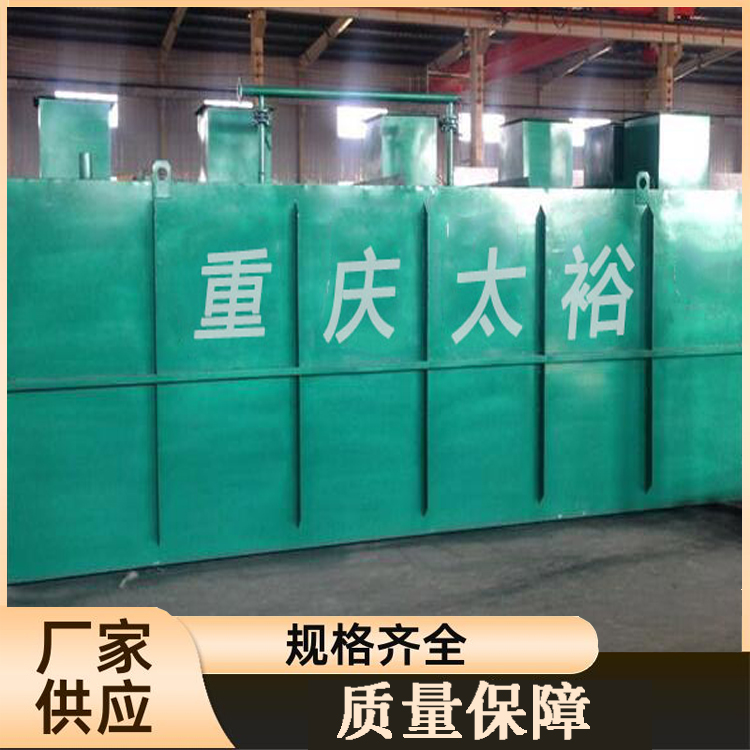
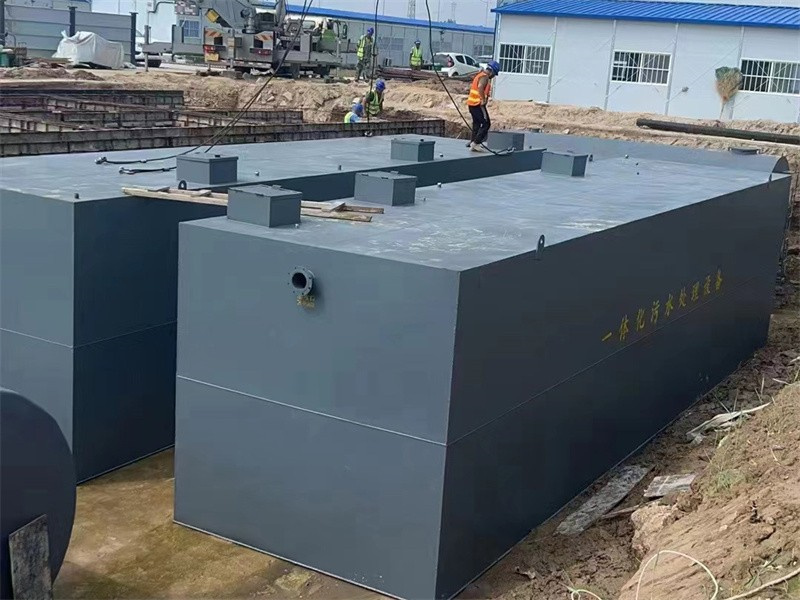
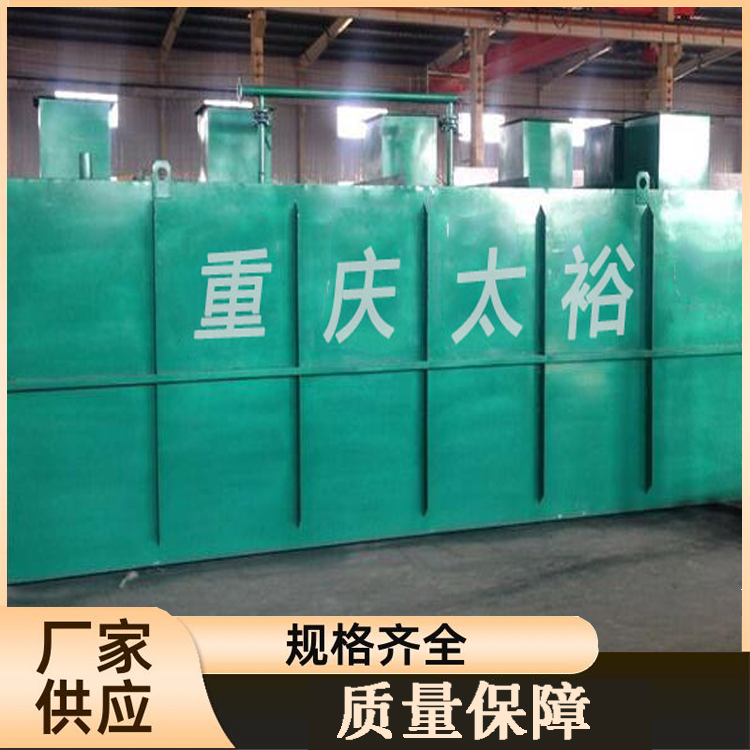
Electronic Factory Wastewater Treatment Equipment Technology
Currently, the market has two common treatment processes for copper amines and copper槽 wastewater: one involves separating the two as two separate wastewater treatment methods; the other combines them for offline treatment. In terms of process principle, separating the two types of wastewater for treatment is feasible. However, as copper amines and copper-containing EDTA wastewater are similar in nature and complex, separating them would increase the number of equipment, raise initial investment costs, and enhance equipment repair rates and operating electricity expenses. Merging the two types of wastewater into one, as in process two, can simplify equipment, reduce control, decrease the control system, making operation more practical.