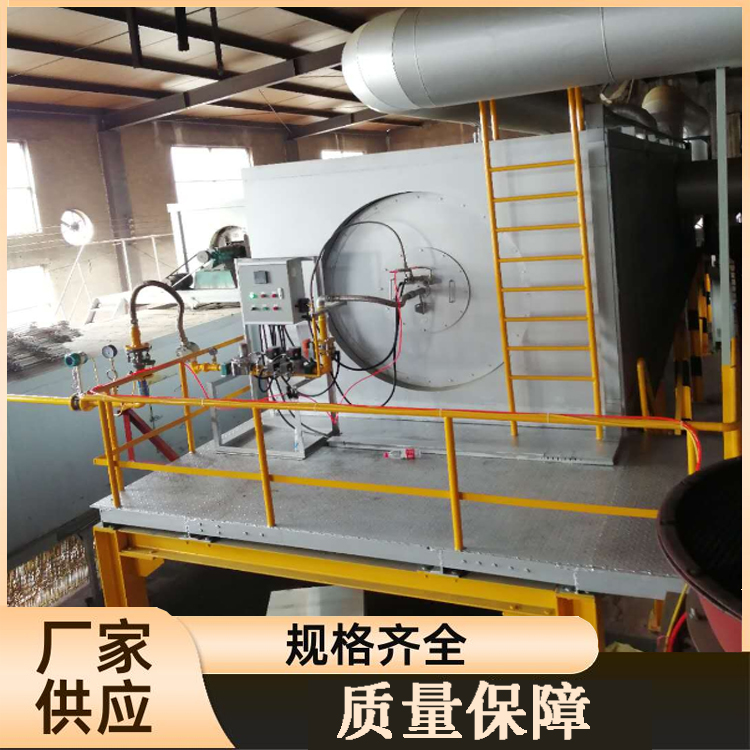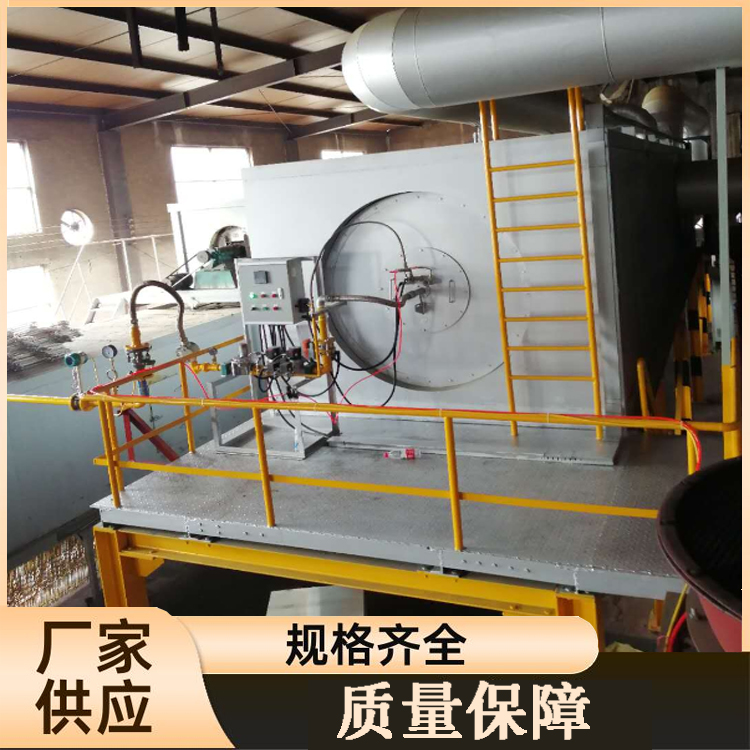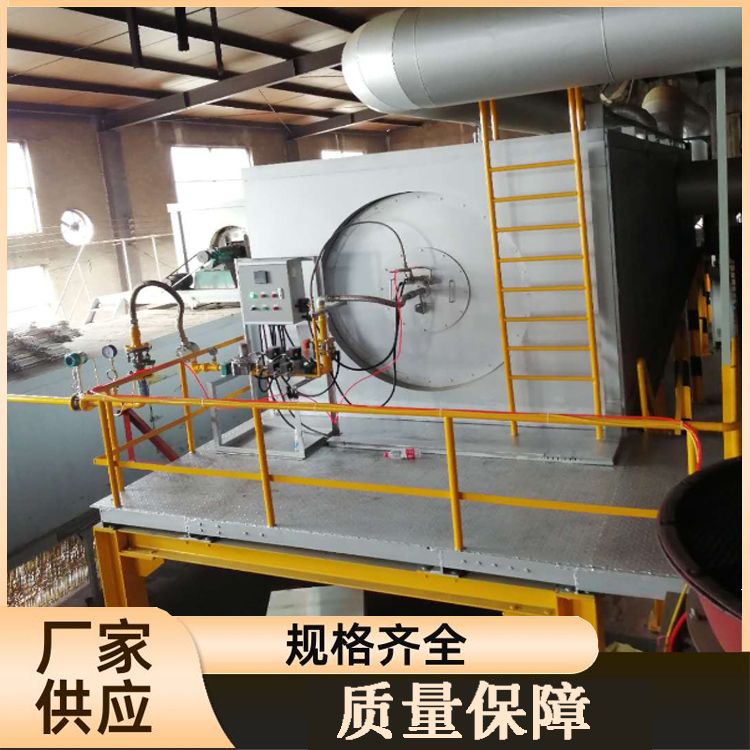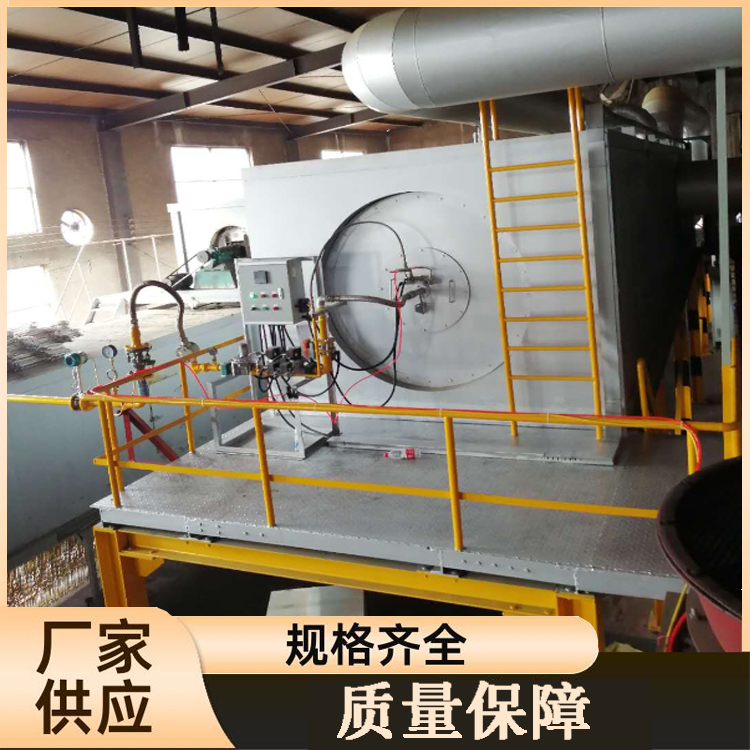

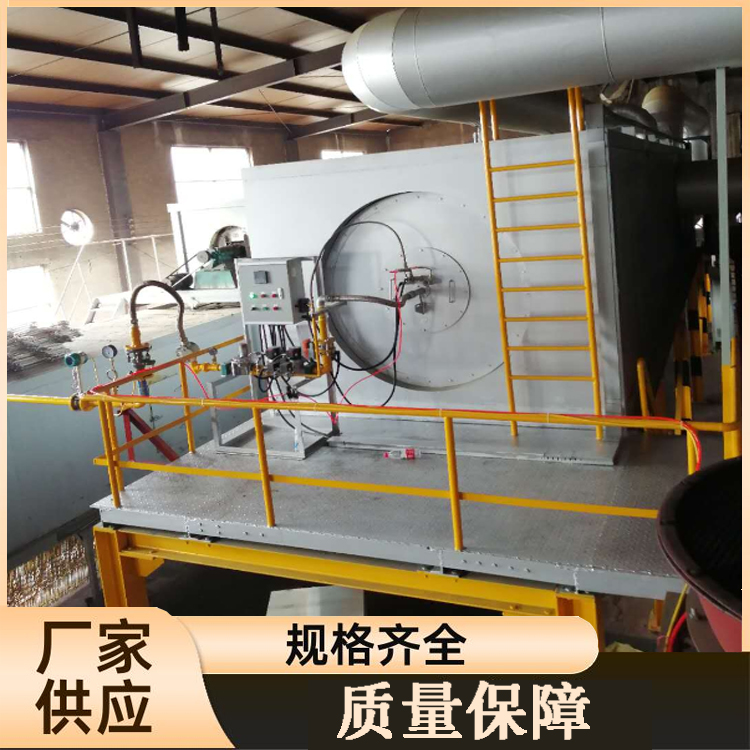
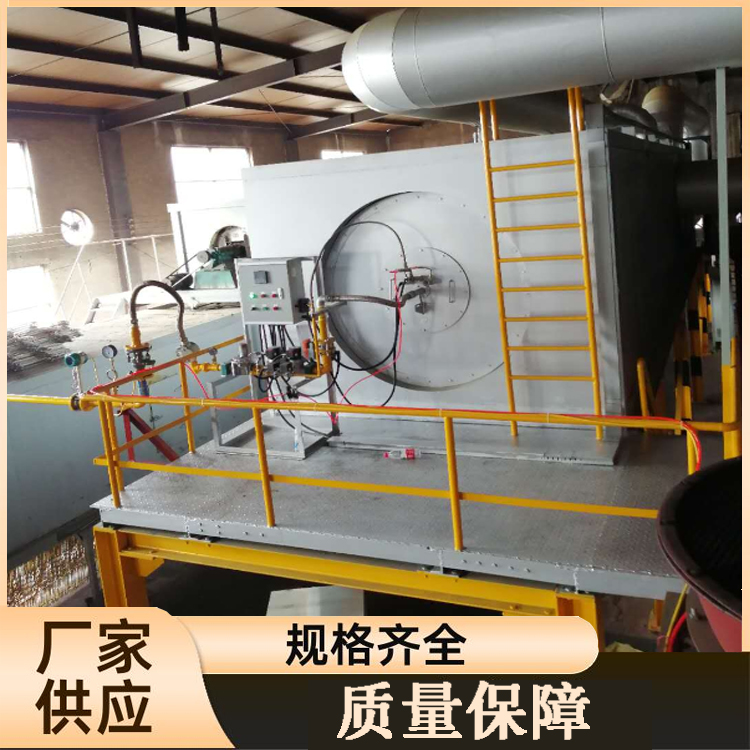
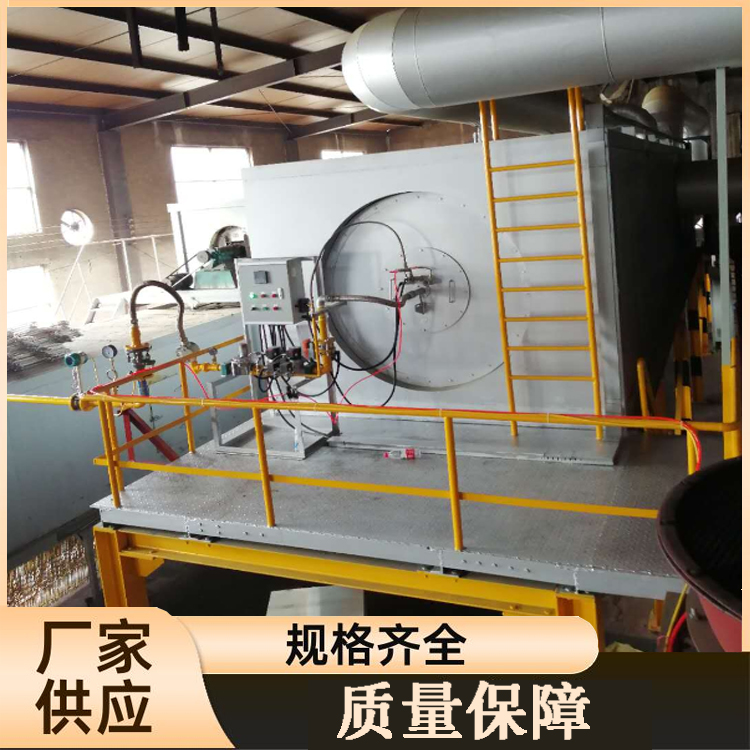









Synopsis of spray painting exhaust treatment equipment:
Coating technologies are widely used in industries such as machinery, electronics, home appliances, automobiles, ships, and furniture. Paint materials consist of non-volatile components, including film-forming materials and auxiliary film-forming materials; volatile components, including solvents and thinners. Organic gases in the spray painting waste air come from the evaporation of solvents and thinners. Organic solvents do not adhere to the spray painting surface but are released as organic gases during the spray painting and curing process. During the painting process, the amount of gas volatilization accounts for about 30% of the thinner amount, and during the drying process, the volatilization amount is approximately 70%.
Painting and varnishing in mechanical workshops and furniture factories release two-phase suspended particles into the surrounding air, consisting of paint and solvent mist. Collecting and separating the paint mist from the polluted air is a key method to improve paint quality, enhance the environment, and protect it.
The paint mist waste treatment technology consists of two main parts: liquid paint mist and gaseous VOCs. For liquid paint mist, a mist collector is required; however, for non-soluble VOCs, the mature industrial technology should be a "combination waste gas purification system of spray tower filter + desiccant + photocatalytic oxidation and desorption" and a "combination waste gas purification system of spray tower filter + desiccant + photo-catalytic oxidation and desorption." Compared to the latter, the former saves some costs.