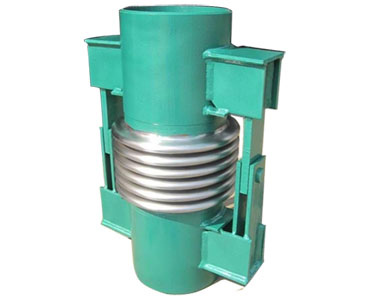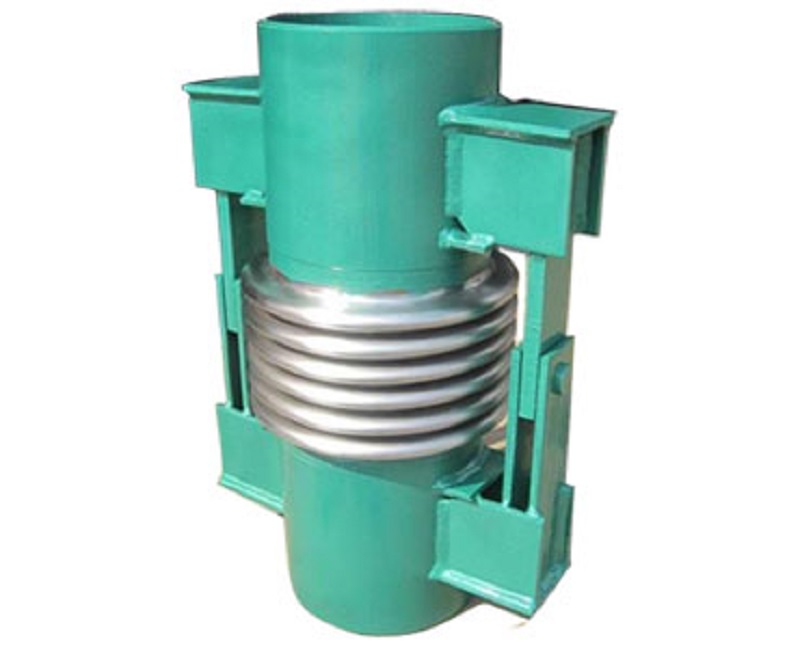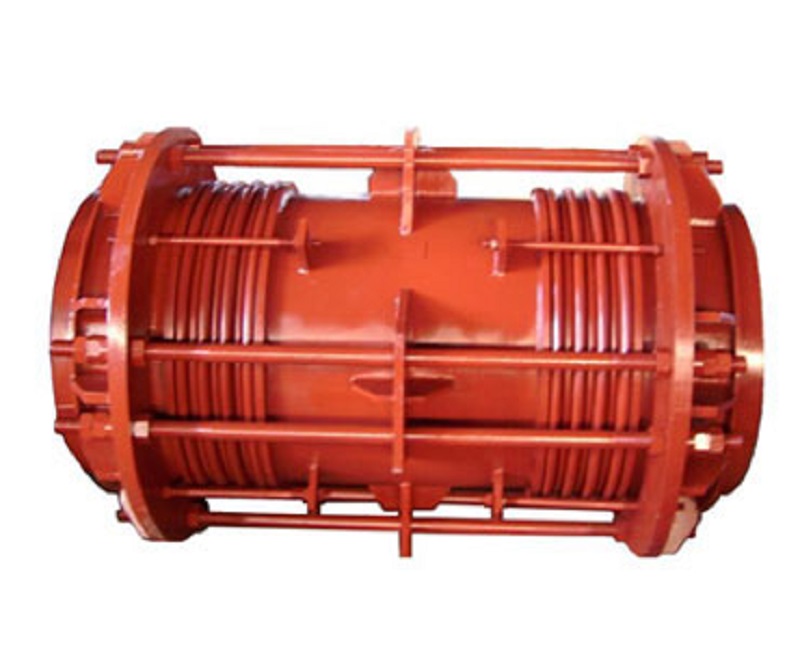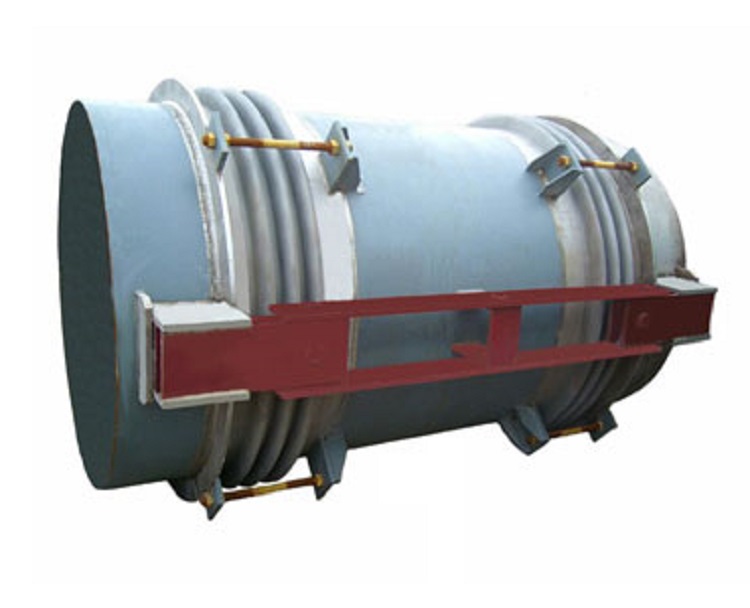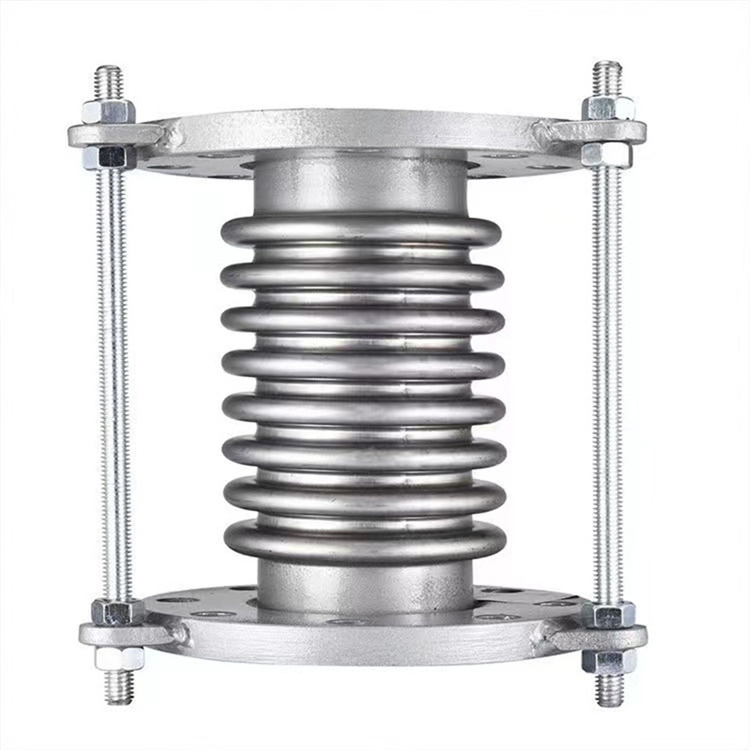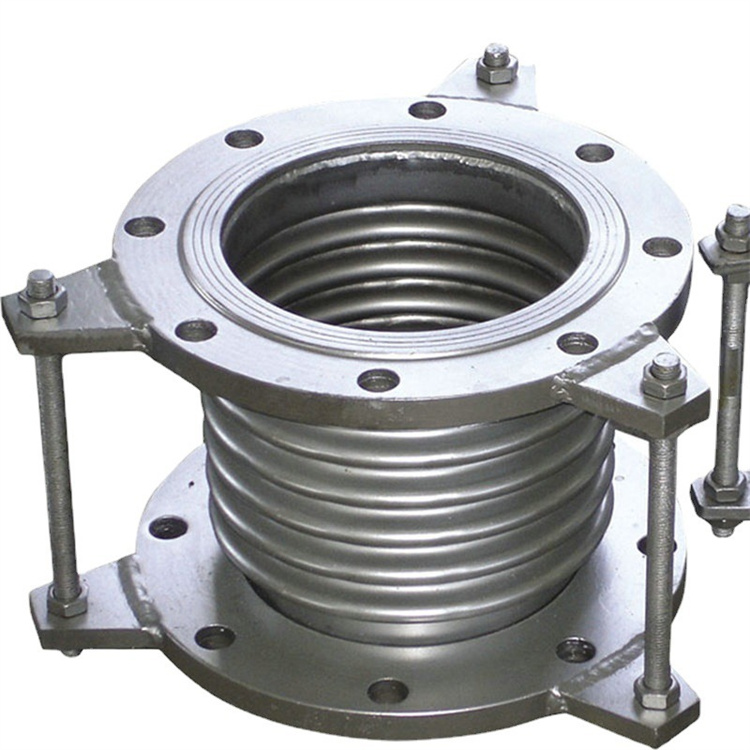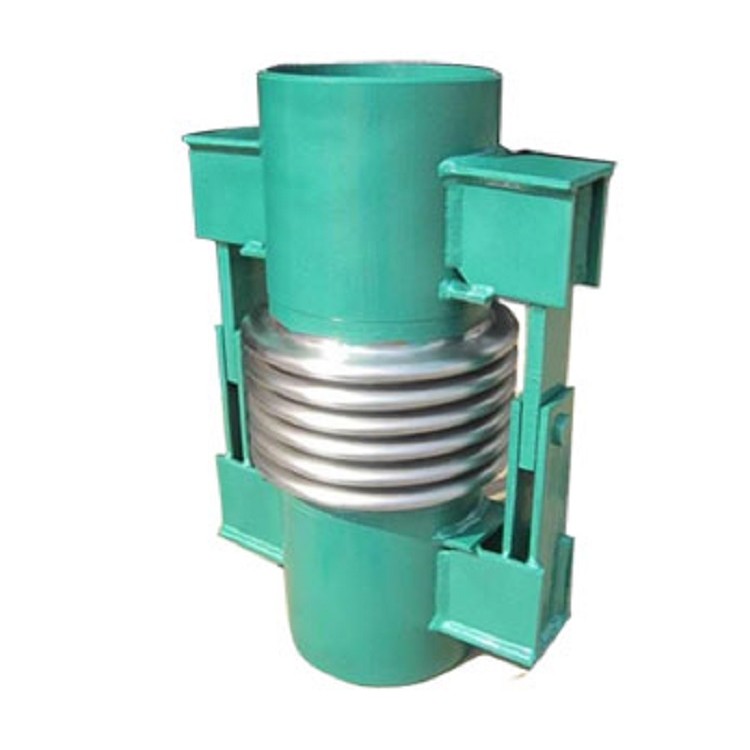

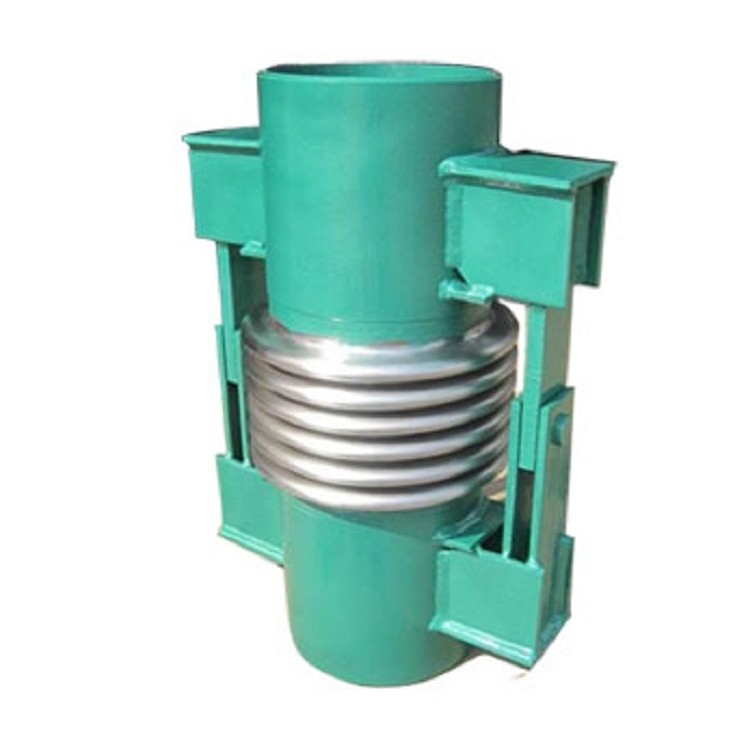
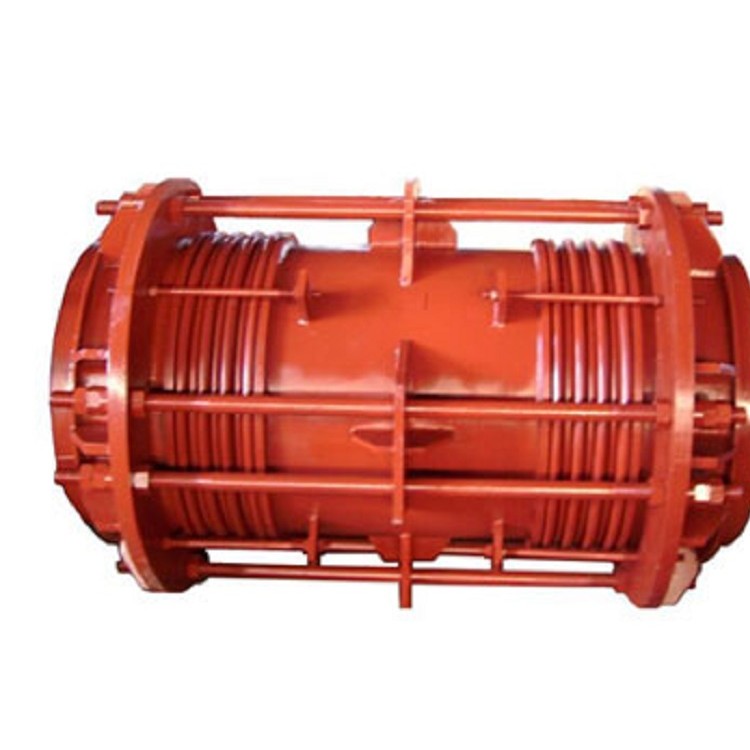


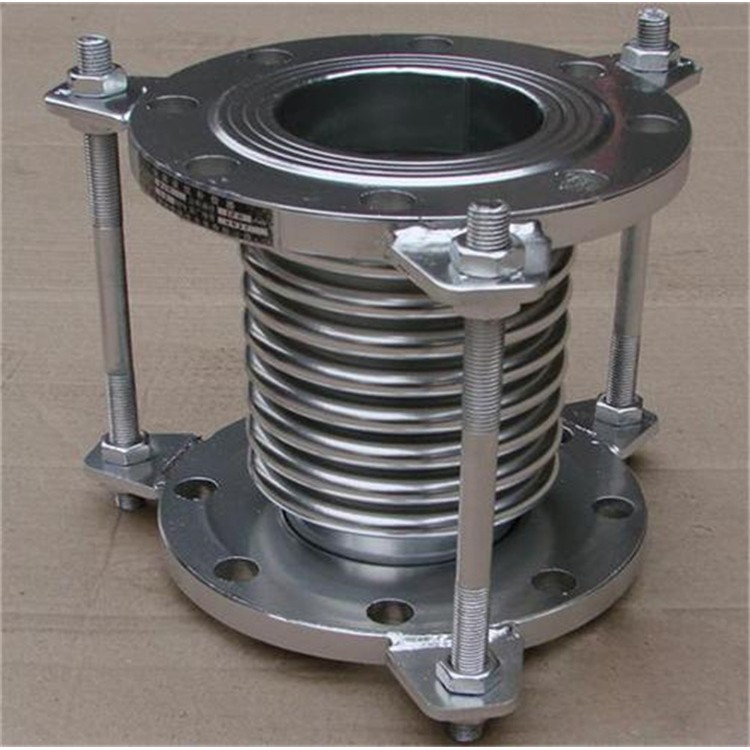
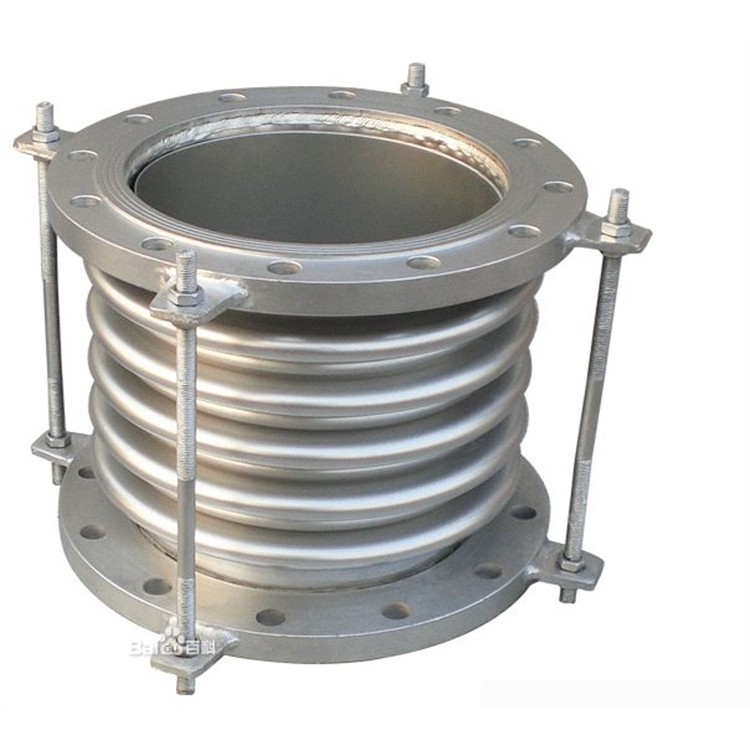
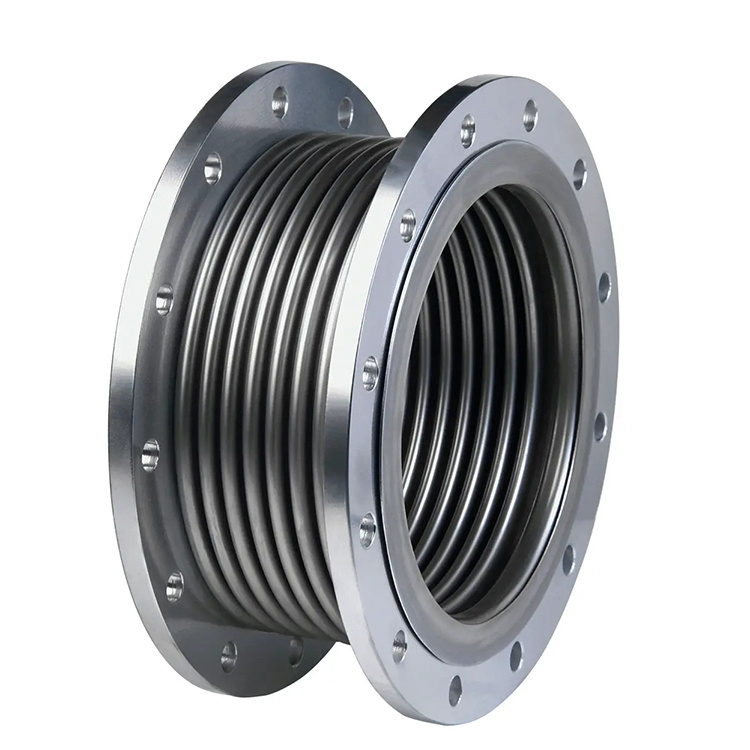
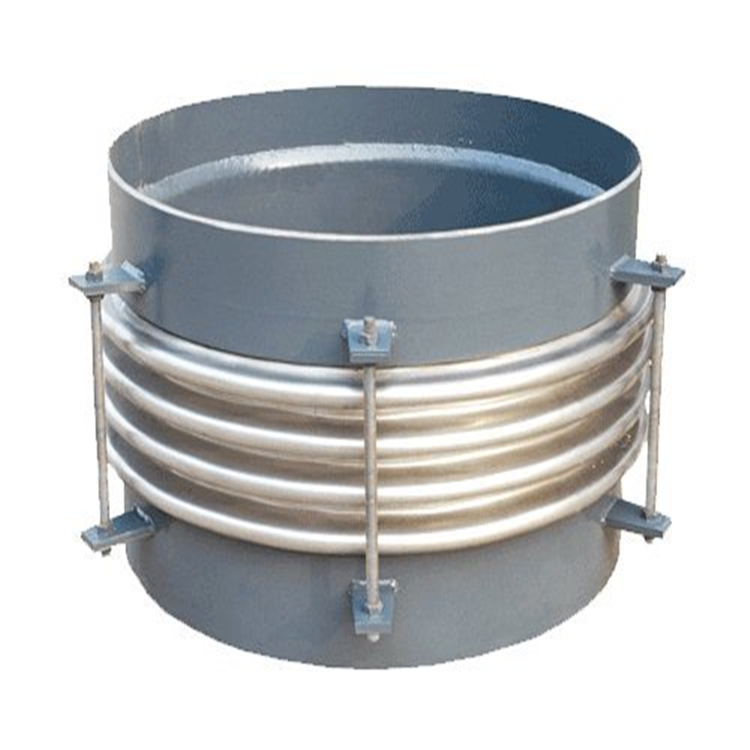





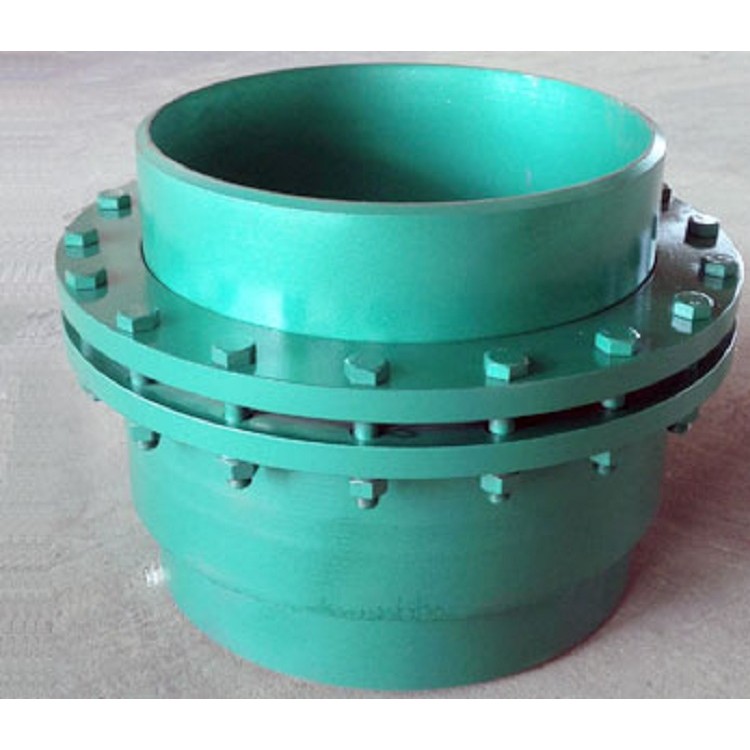
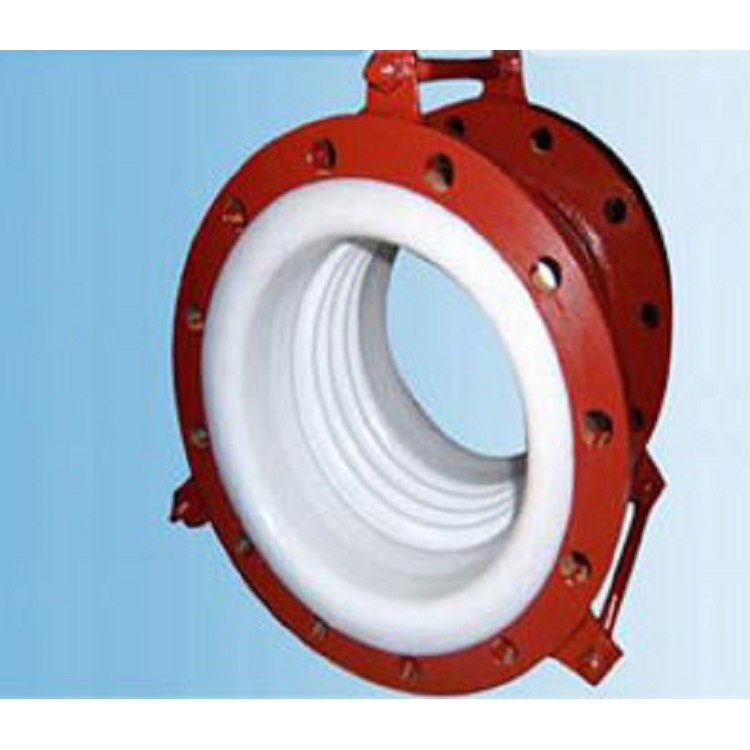
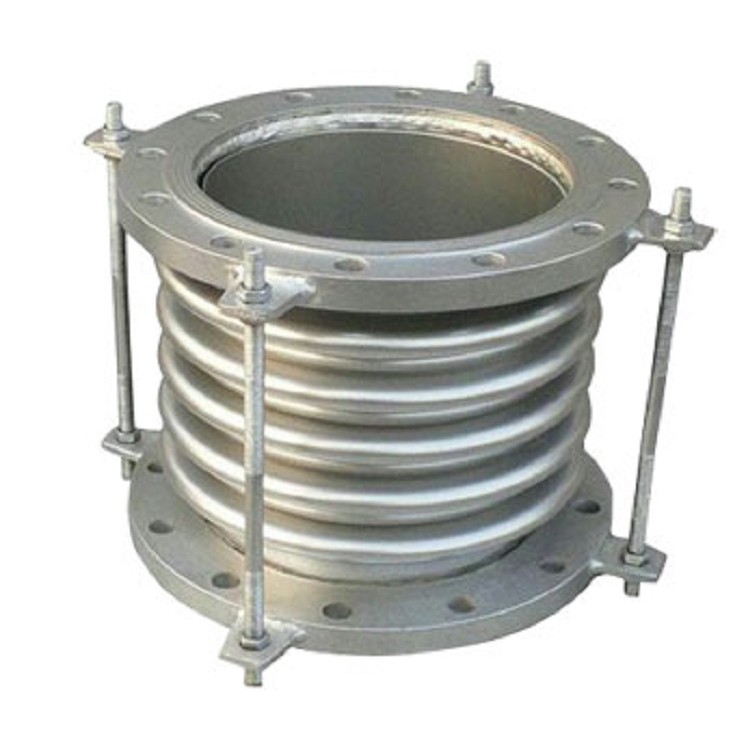
The rotary compensator is a new type of compensator for thermal expansion in thermal pipelines. The construction of the rotary compensator mainly consists of components such as an integral sealed base, sealing cover, elbows, antifriction locating bearings, sealing materials, and a rotating cylinder. Installation on the thermal pipeline requires two or more sets to be assembled, forming a relative rotation to absorb the thermal displacement of the pipeline, thereby reducing the pipeline stress.
Advantages of the rotary compensator:
(1) Large compensation volume; can be arranged according to natural terrain and pipeline strength; a group of large compensators can compensate for an 800-meter pipeline section.
(2) Does not generate blind flange force caused by medium pressure; the fixed bracket can be made very small, especially suitable for large-diameter pipelines.
(3) Excellent sealing performance, no maintenance required for long-term operation.
(4) Significant investment savings.
(5) Easy design calculation
(6) The rotary compensator can be installed on steam and hot water buried pipelines, significantly saving investment and enhancing operational safety.
Rotary compensators are typically installed in sets of 150 to 500 meters on pipelines (determined by natural terrain), with over a dozen installation options, which can be determined based on the pipeline's direction. After using this type of compensator, the spacing between fixed supports is increased, and guide supports should be appropriately added to avoid pipe segment deflection. To reduce friction resistance during pipe segment operation, rolling supports should be installed on sliding supports.