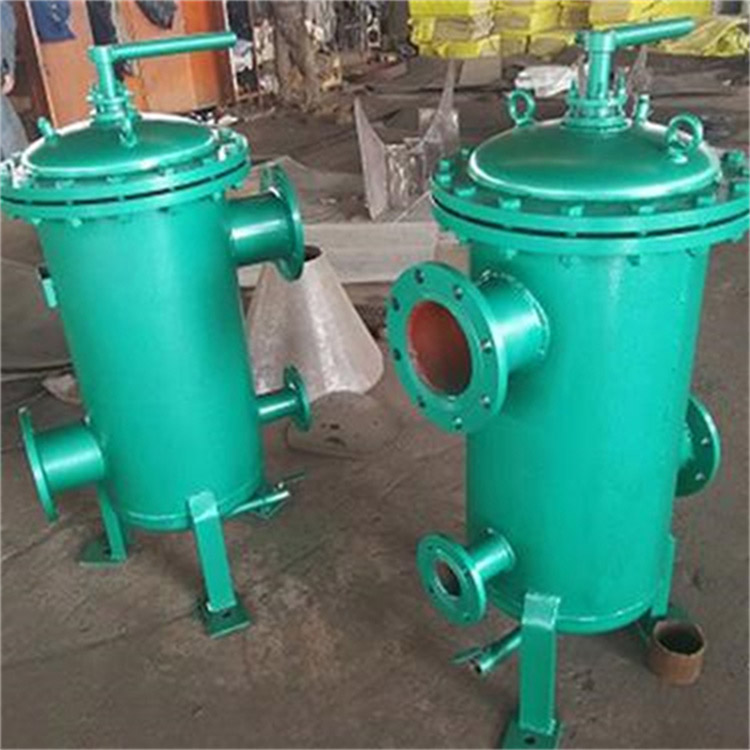
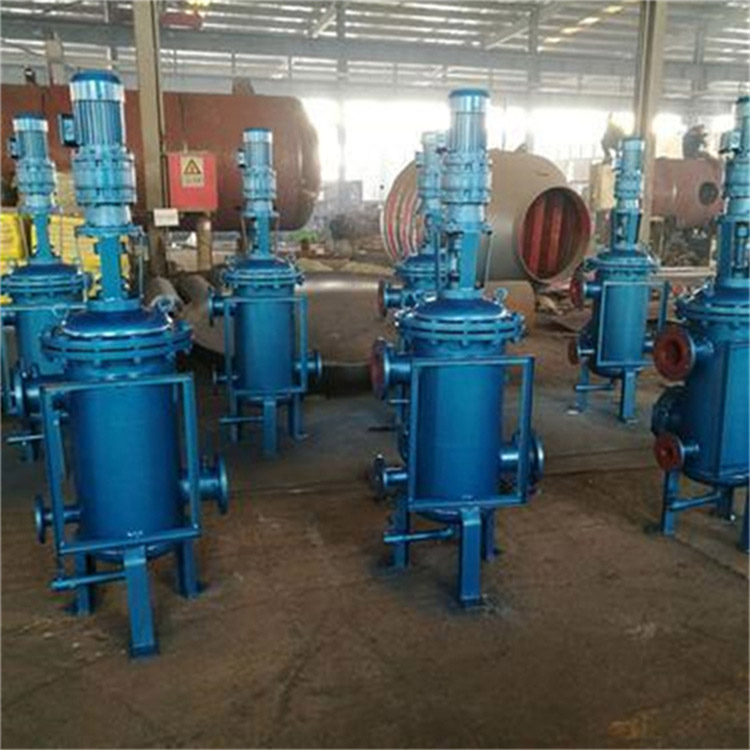
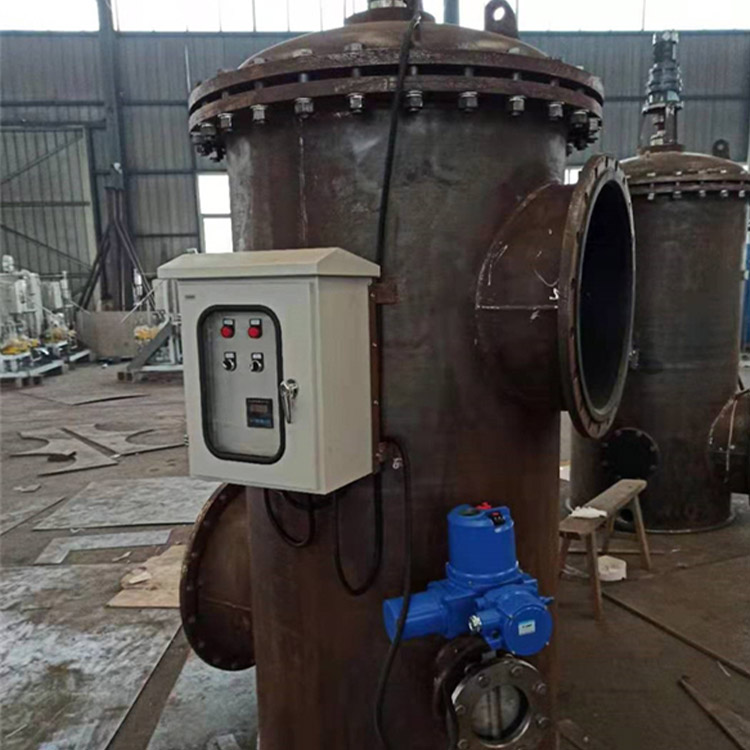
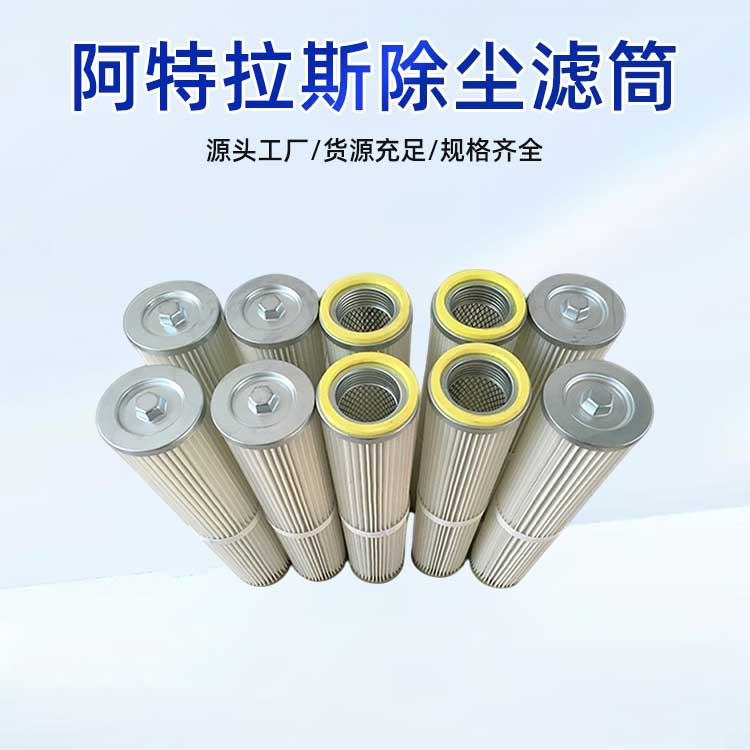








Product Features
Who offers the cheapest price for the Wuhan TF series oil absorbent filters?
Primary performance indicators of oil absorption filters
Filter Precision
Filtering accuracy refers to the ability of a filter to remove particles of different sizes. It is commonly evaluated by indicators such as filter accuracy, filter ratio, and filter efficiency. Filtering accuracy is divided into four levels: coarse (d≥0.1mm), standard (d≥0.01mm), fine (d≥0.005mm), and ultra-fine (d≥0.001mm).
2. Pressure Drop Characteristics
The filter in a hydraulic system acts as a liquid resistance to the oil, thus causing a pressure drop when the oil passes through. Generally, with a constant filter element size and oil flow rate, the higher the filtration accuracy of the filter element, the greater the pressure drop. Additionally, with a constant flow rate, a larger effective filtering area of the filter element or a lower viscosity of the oil results in a smaller pressure drop.
The maximum pressure drop allowed by the filter core should be based on the principle of not causing structural damage to the filter core. Typically, the initial pressure drop of aviation and shipboard filters should not exceed 0.25 MPa; for mechanical filters, the pressure drop should not be more than 0.08 MPa to 0.15 MPa.
3. Filth Capacity
The amount of pollutants that a filter retains before the pressure drop exceeds its specified limit is known as the loading capacity, expressed in weight (g). The larger the filter's loading capacity, the longer its lifespan, making it a significant indicator of the filter's life. The larger the effective filtering area of the filter, the greater its loading capacity.
Product Real Photos