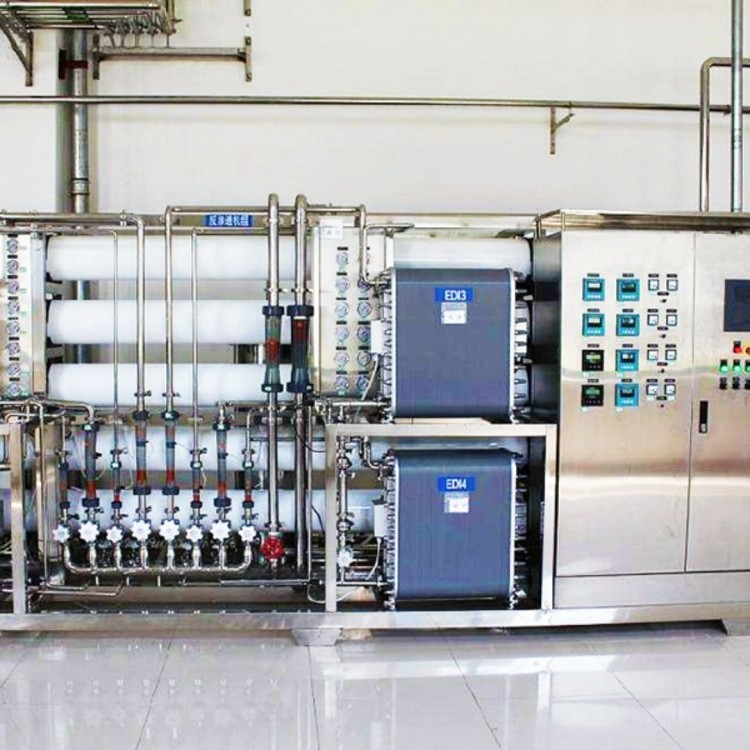

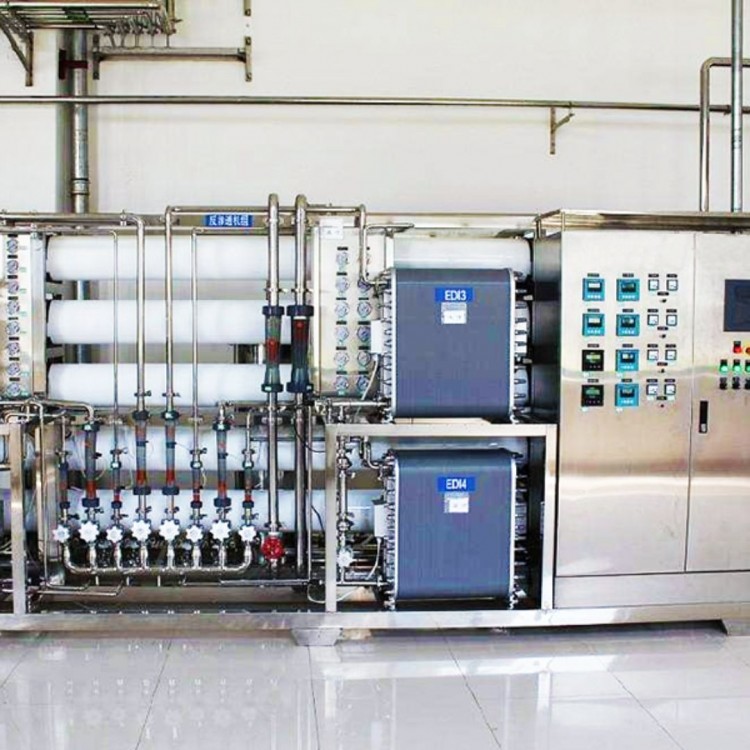
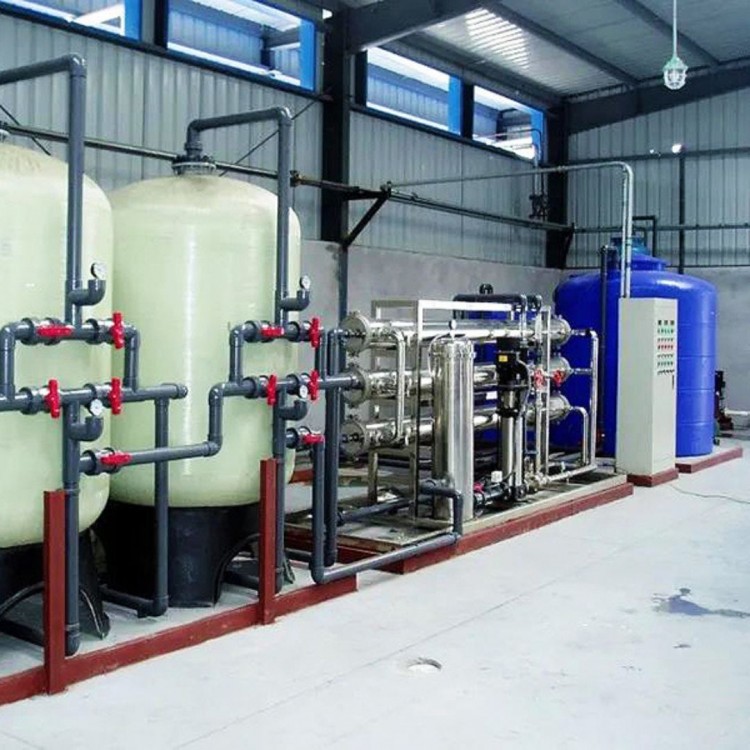


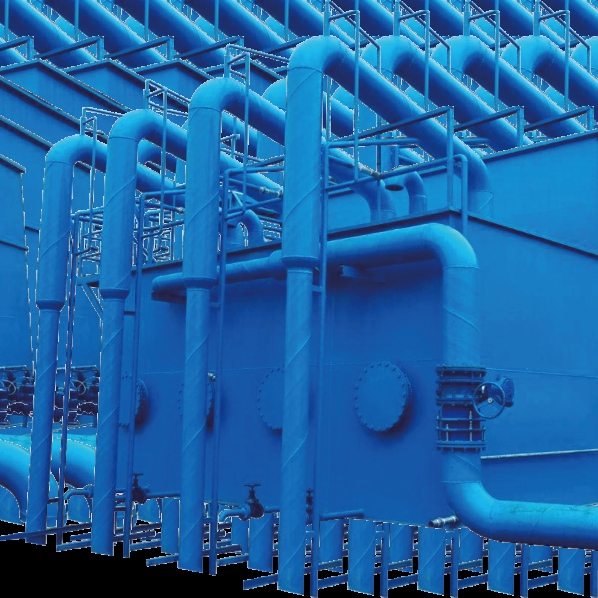
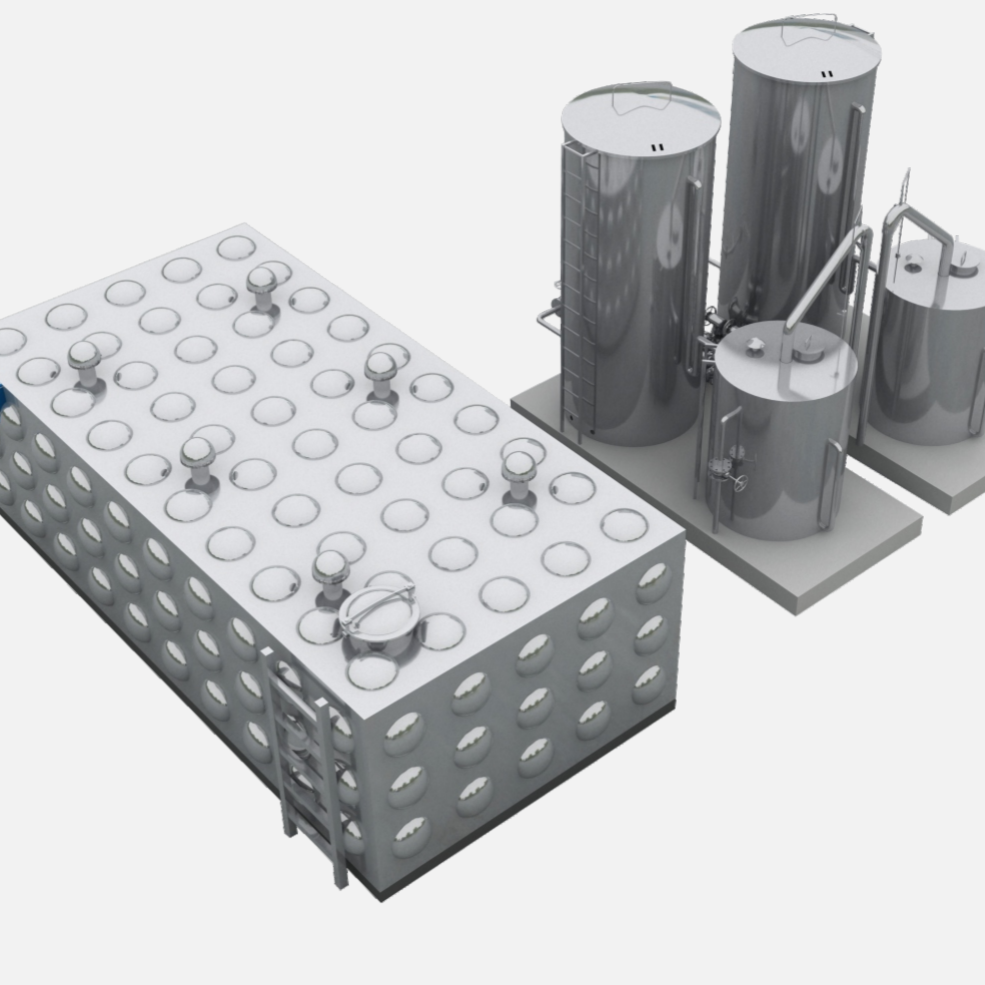






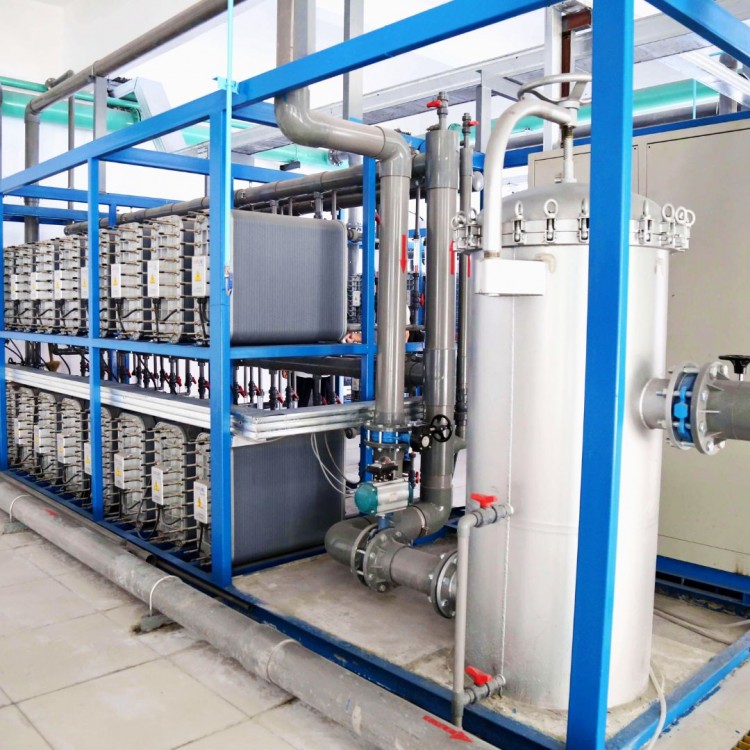
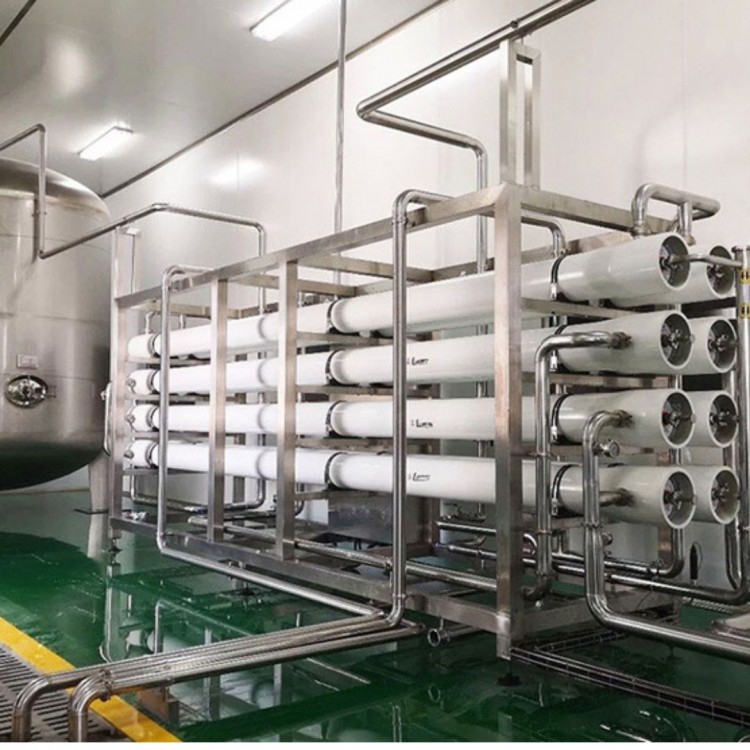
The working principle of high-purity water equipment mainly involves the following steps:
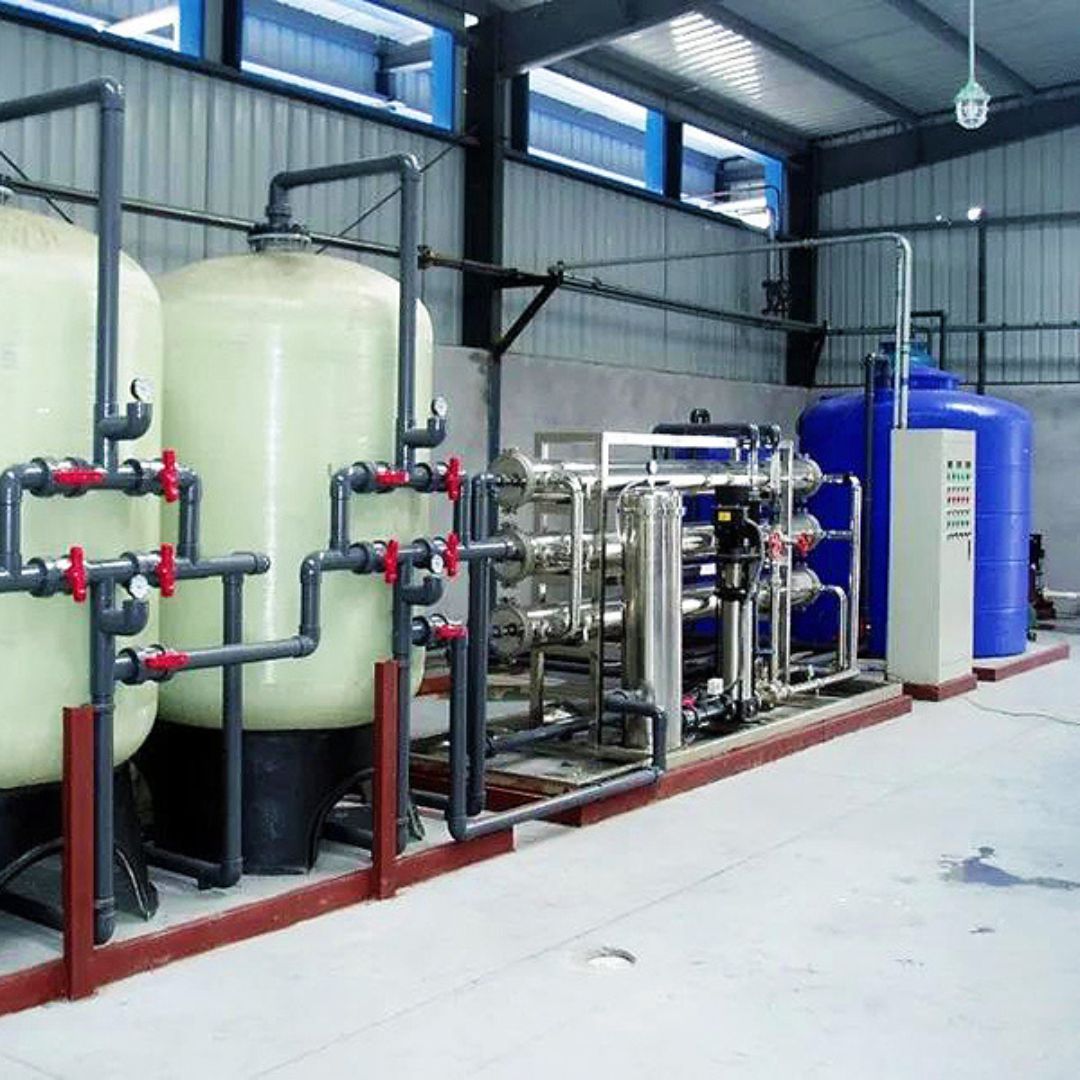
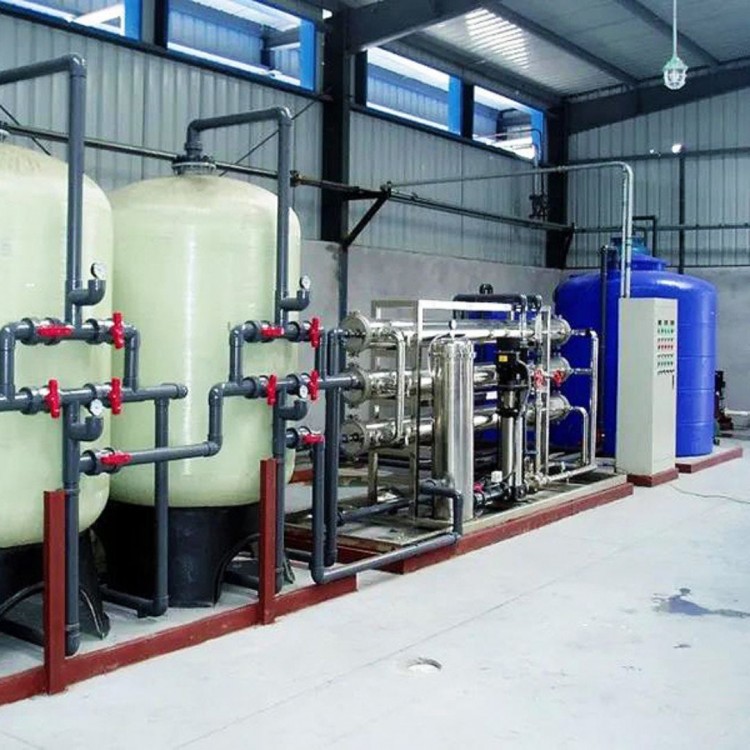
Pre-treatment: Water first undergoes pre-treatment, which includes processes such as filtration and softening to remove most suspended particles, dissolved solids, and hardness substances from the water.
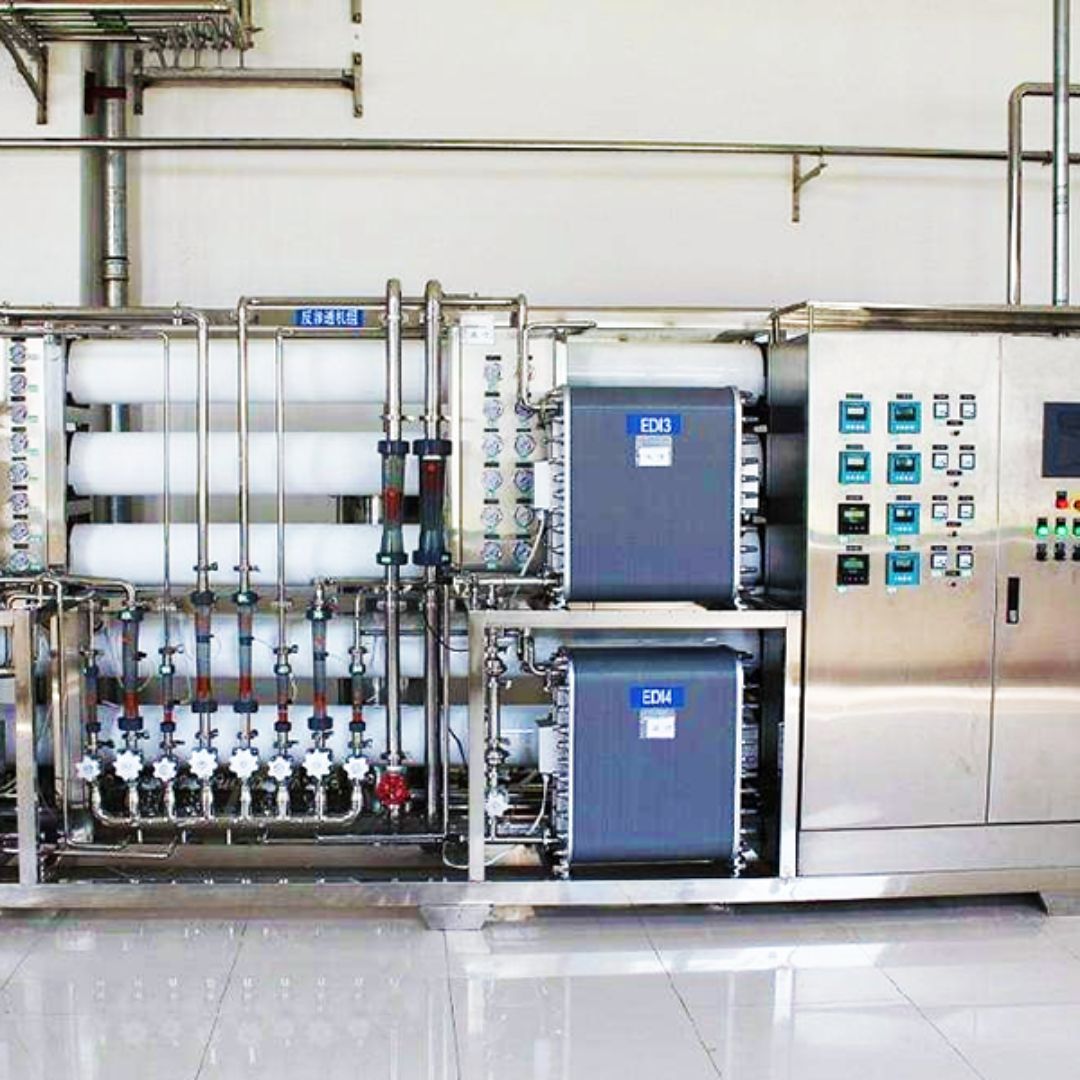
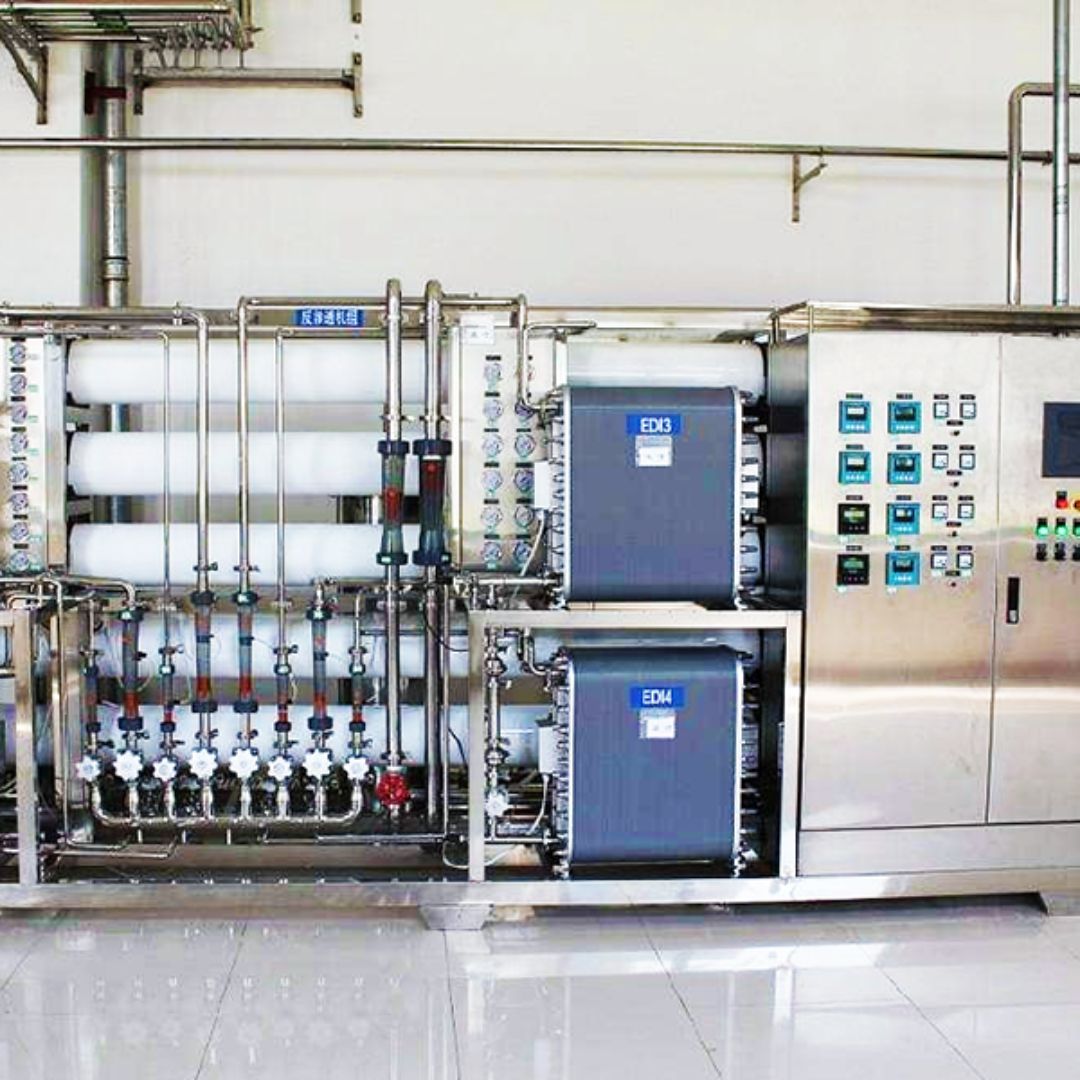
Reverse Osmosis: After pretreatment, water passes through a reverse osmosis membrane under pressure. Water molecules and ionic mineral elements can pass through the membrane, while most inorganic salts (including heavy metals), organic matter, and bacteria, viruses, etc., cannot pass through, thereby separating water from solutes. The pore size of the reverse osmosis membrane is extremely small, at only 0.0001 micrometers, which allows it to effectively retain larger particles such as viruses and common bacteria.
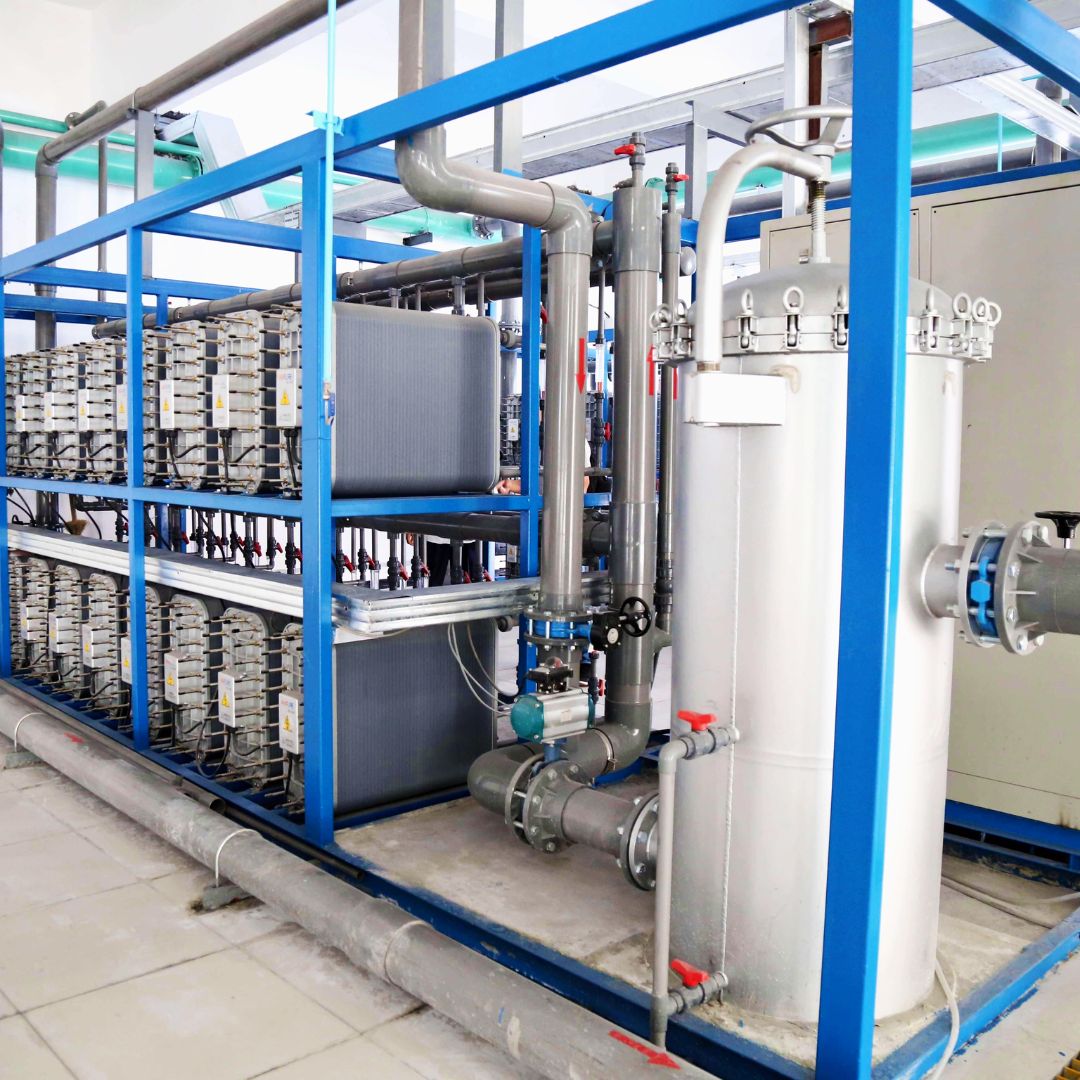
Ultra-Purification: Water treated by reverse osmosis enters the ultra-purification unit, which may include processes such as ionization, removal of organic pollutants and microorganisms, to further reduce ion and organic content in the water, enhancing its purity.
Terminal Treatment: Post-processing with UV ultrafiltration and other technologies ensures that the microorganisms, organic matter, and pyrogens in the water meet the requirements for various experimental applications, such as scientific research, which have stringent water quality standards.
In summary, high-purity water equipment removes large particle impurities through pretreatment, utilizes the filtration capability of reverse osmosis membranes to eliminate ions and microorganisms, and ensures high purity water through subsequent ultra-pure and terminal treatments.