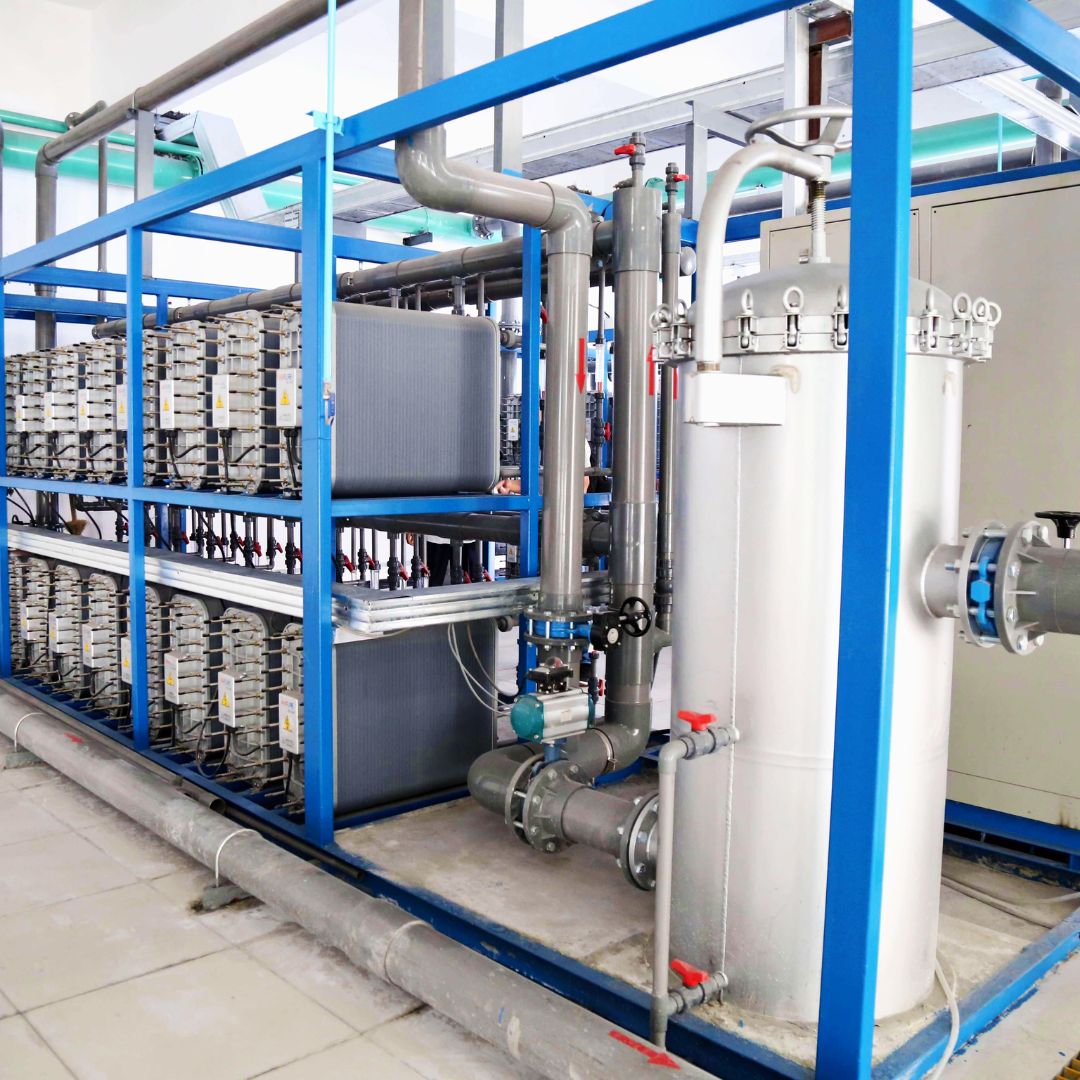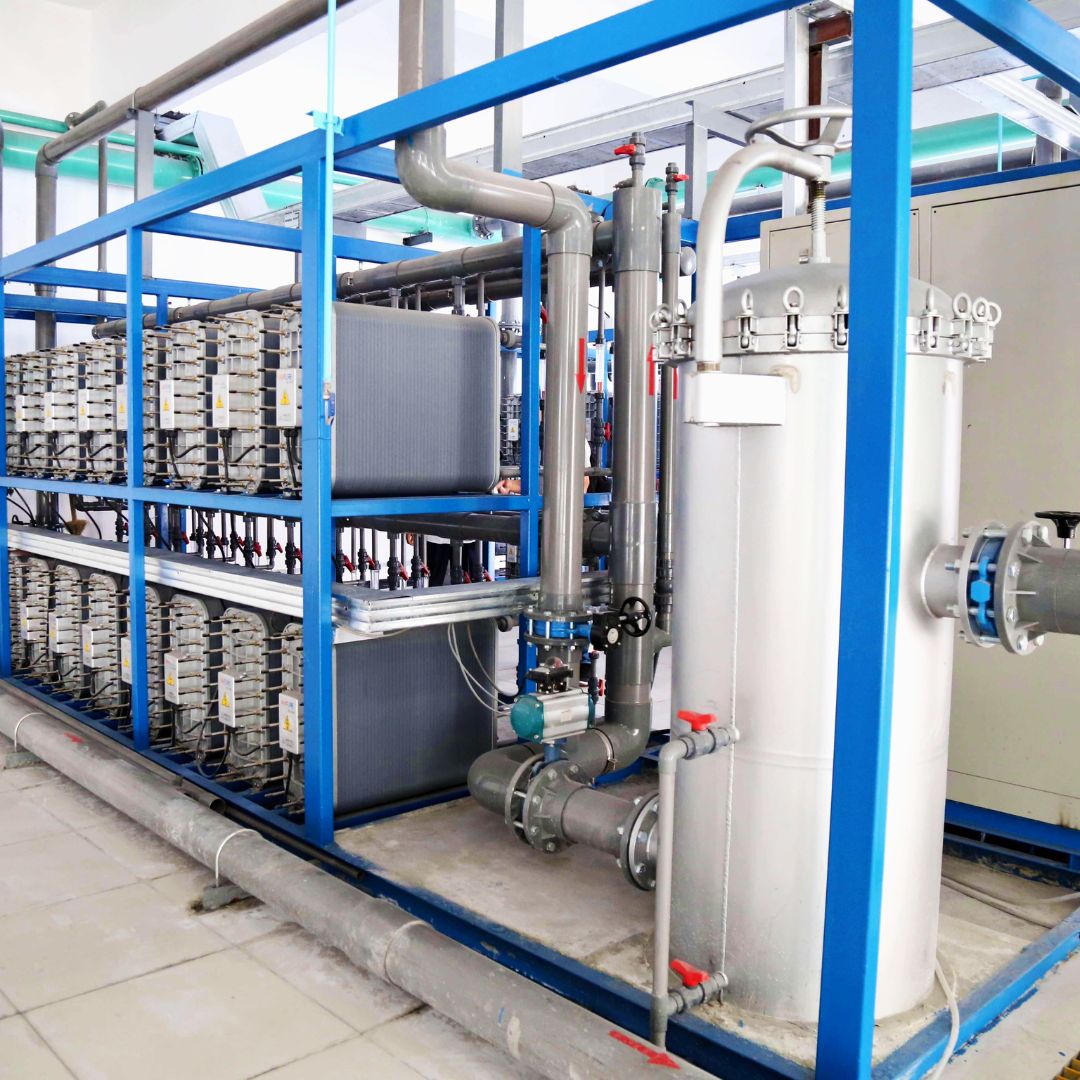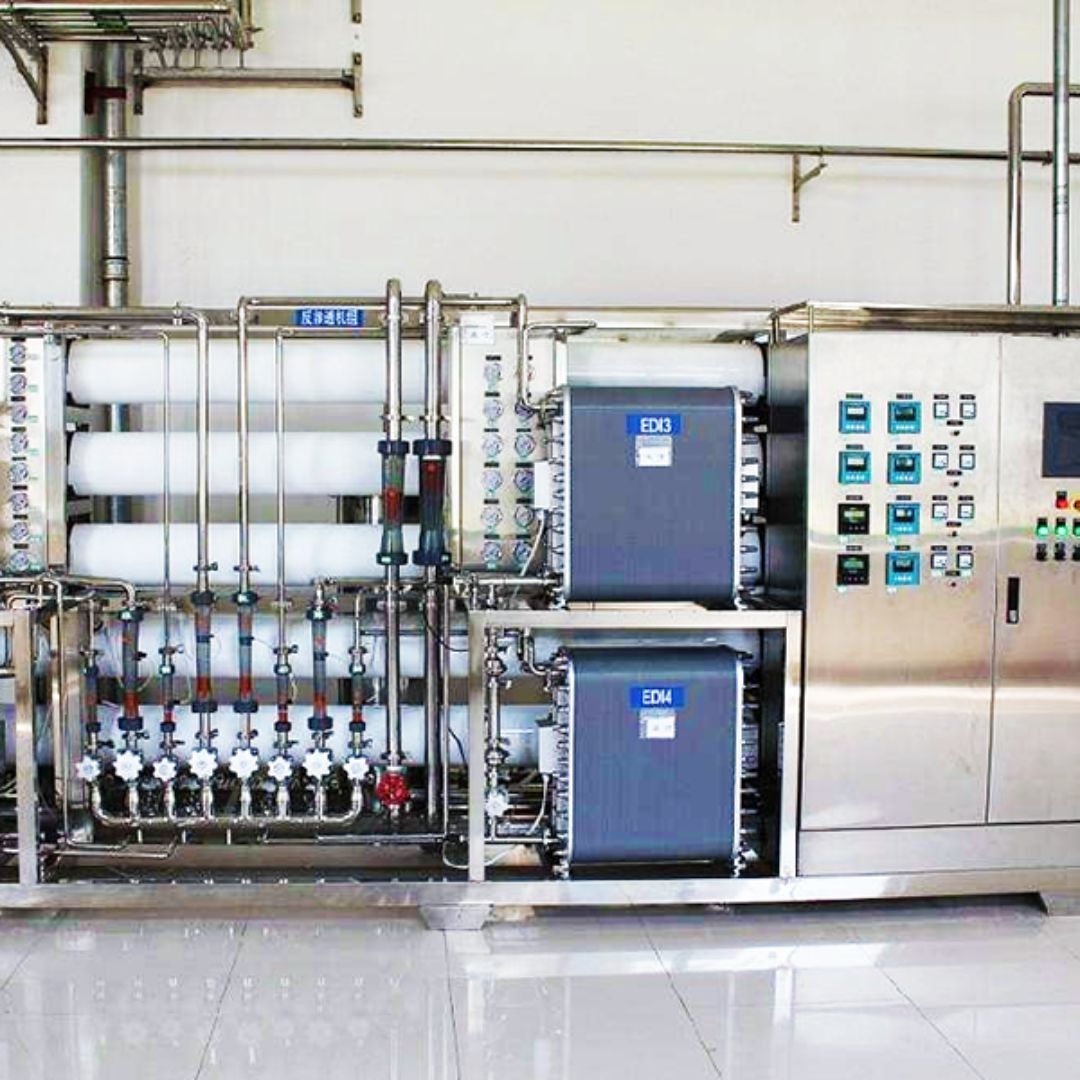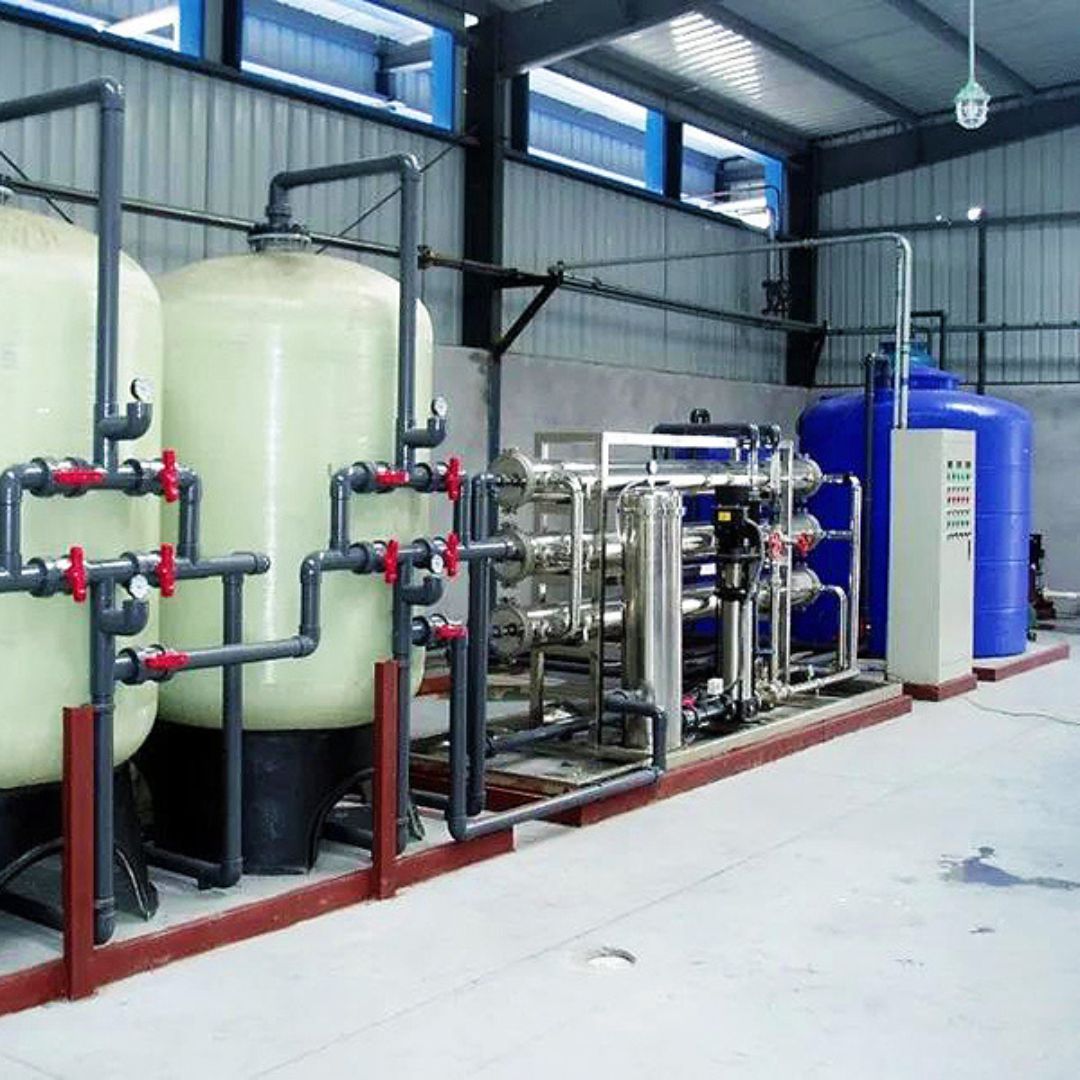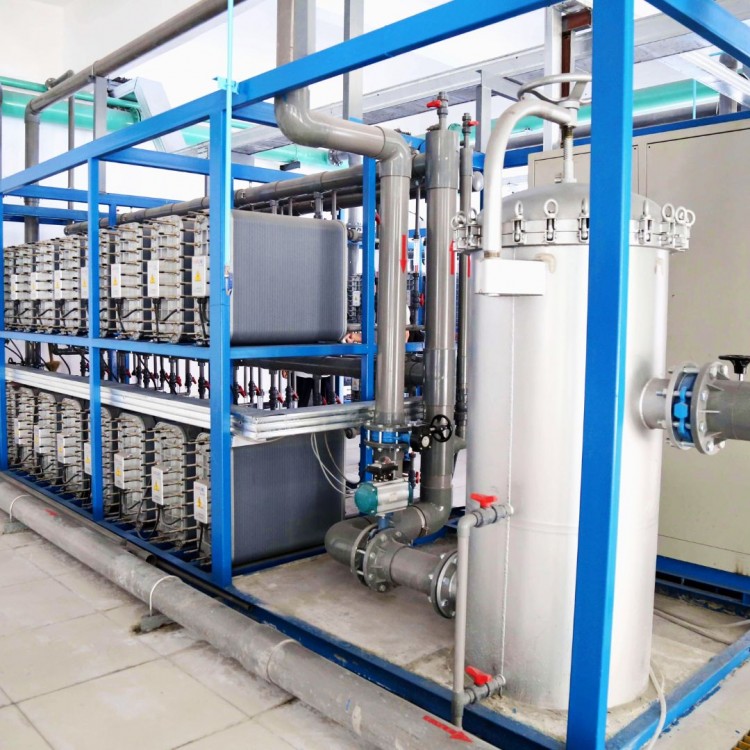

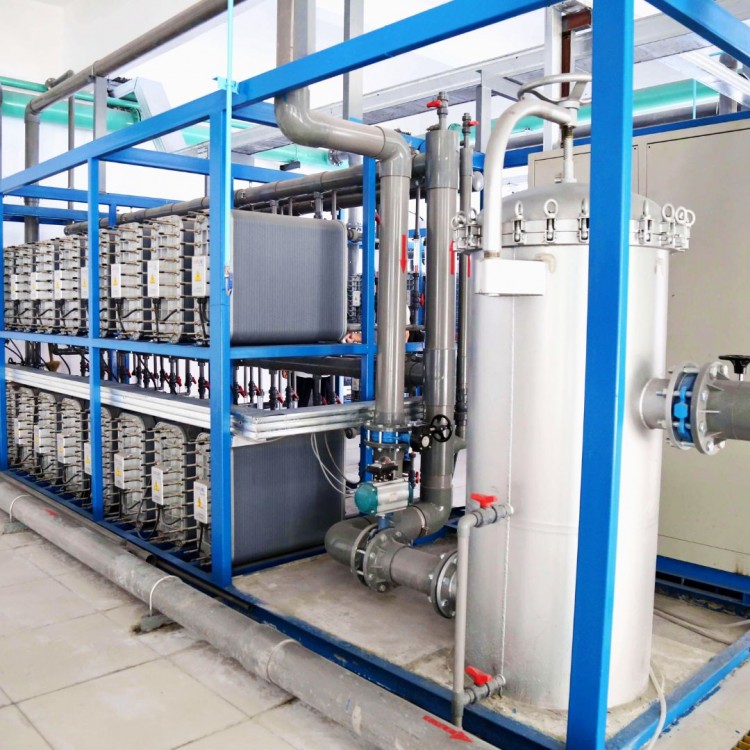



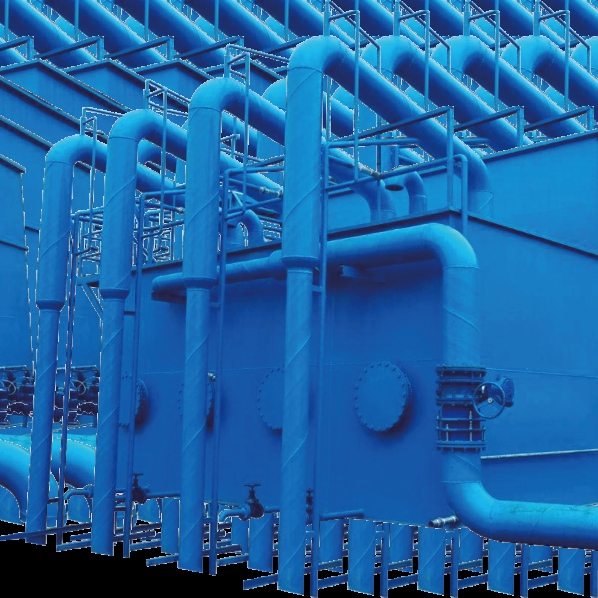
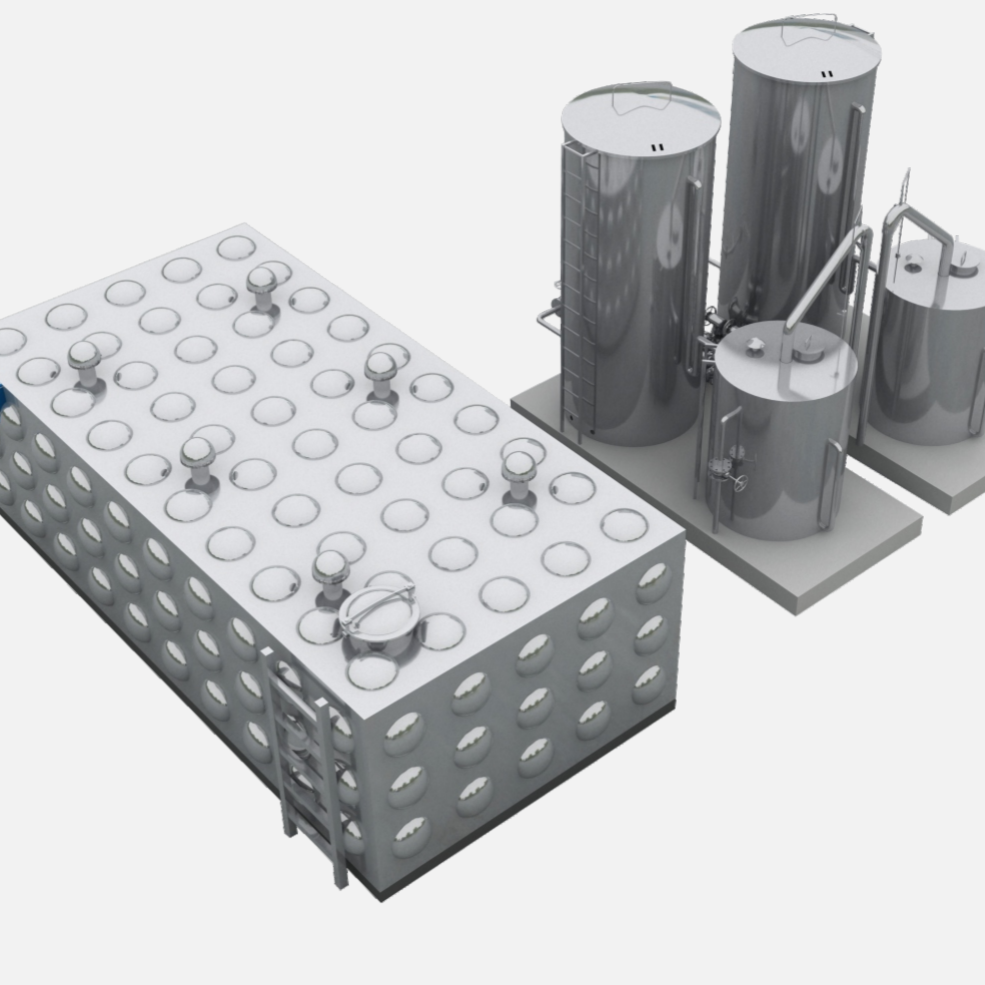






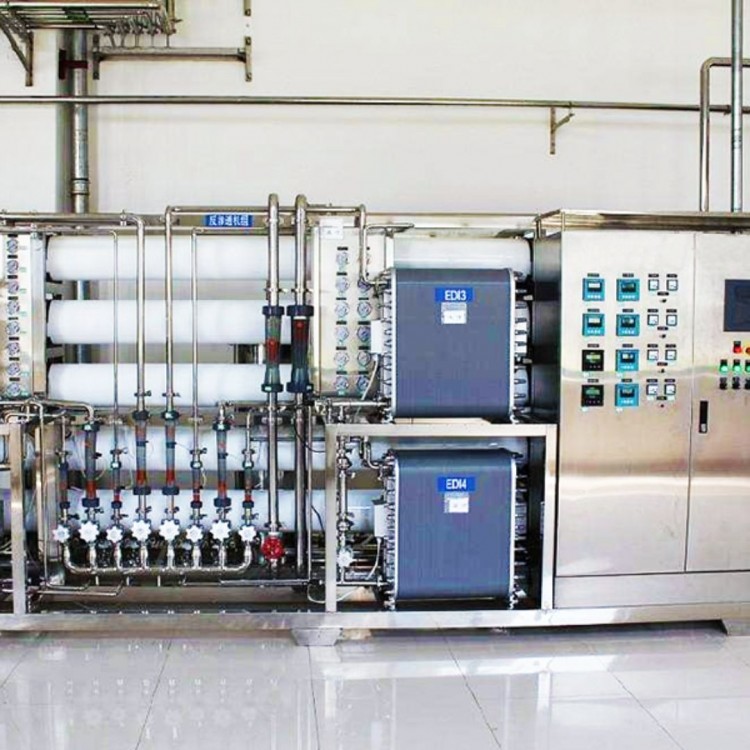
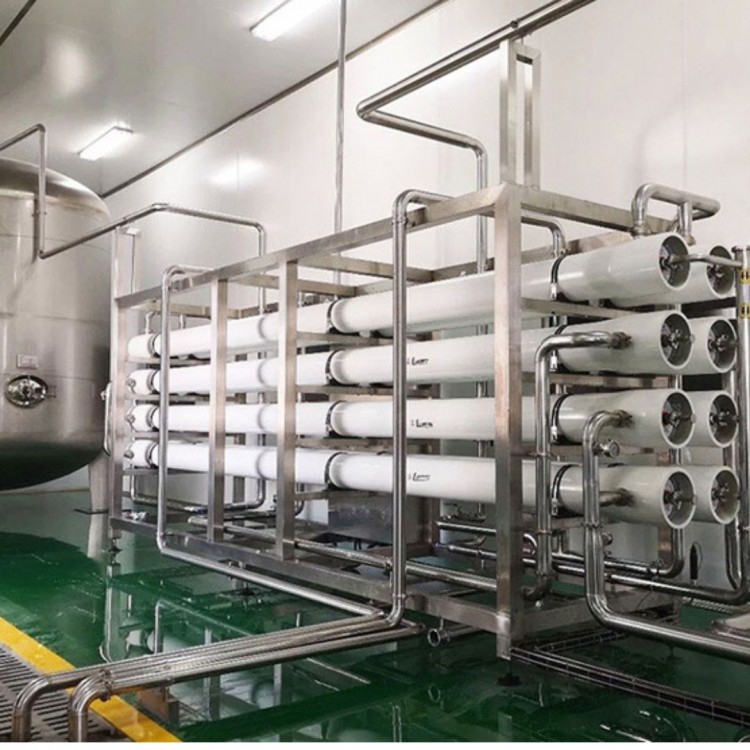
The working principle of ultra-pure water equipment mainly consists of the following steps:
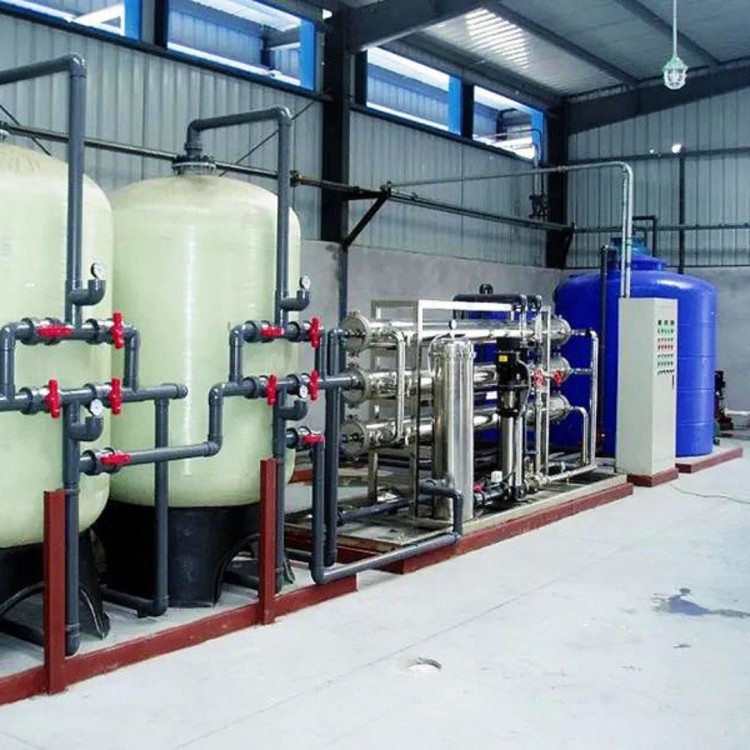
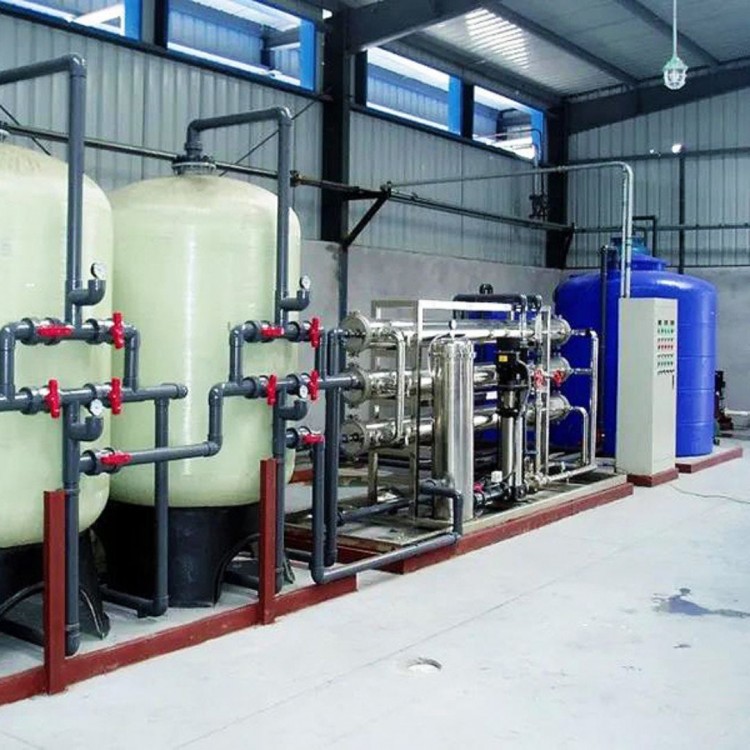
Pre-treatment. Utilizing multi-media filters, activated carbon filters, and security filters to remove suspended solids, silt, fine particles, organic silica gel, organic matter, odors, residual chlorine, and other impurities from the raw water. This ensures the raw water meets the requirements for subsequent treatment units.
Reverse Osmosis. By applying pressure greater than natural osmotic pressure, water molecules are forced to permeate from the side of higher concentration to the side of lower concentration. The pores of the reverse osmosis membrane are extremely small, capable of blocking viruses, bacteria, heavy metals, solid solubles, and pollutants, thereby purifying the water quality.
Ion exchange. Utilize mixed bed ion exchange for deep desalination to further reduce the ion content in water.
Post-treatment. Prevents secondary bacterial contamination through ultraviolet sterilizers and precise filters, ensuring the water meets the national technical standards for electronic-grade water.
The process of ultra-pure water equipment involves combining various filtration methods to progressively purify the raw water to meet ultra-pure water standards. These steps work together to ensure the produced water meets the demands of precision cleaning and processing in applications such as semiconductor, electronics, and laboratory industries.