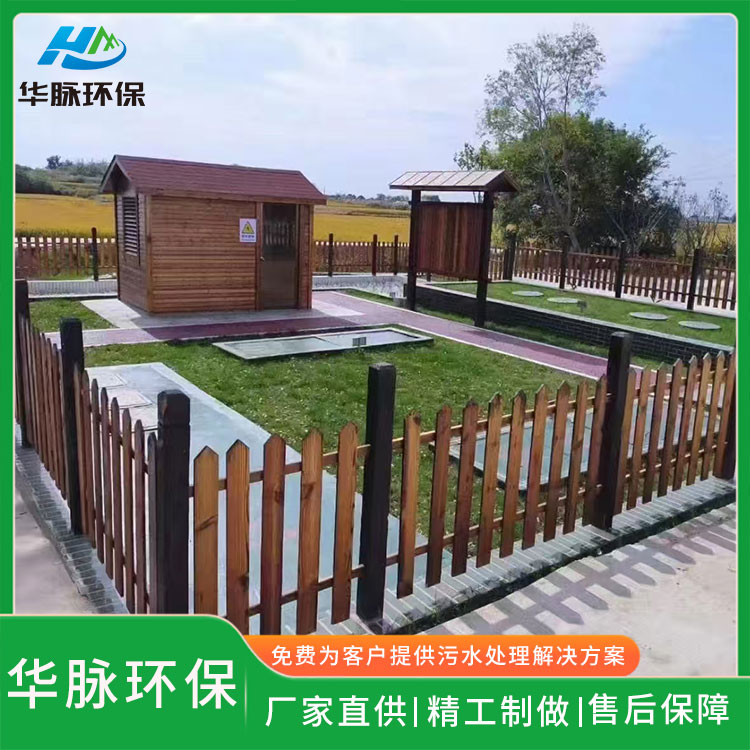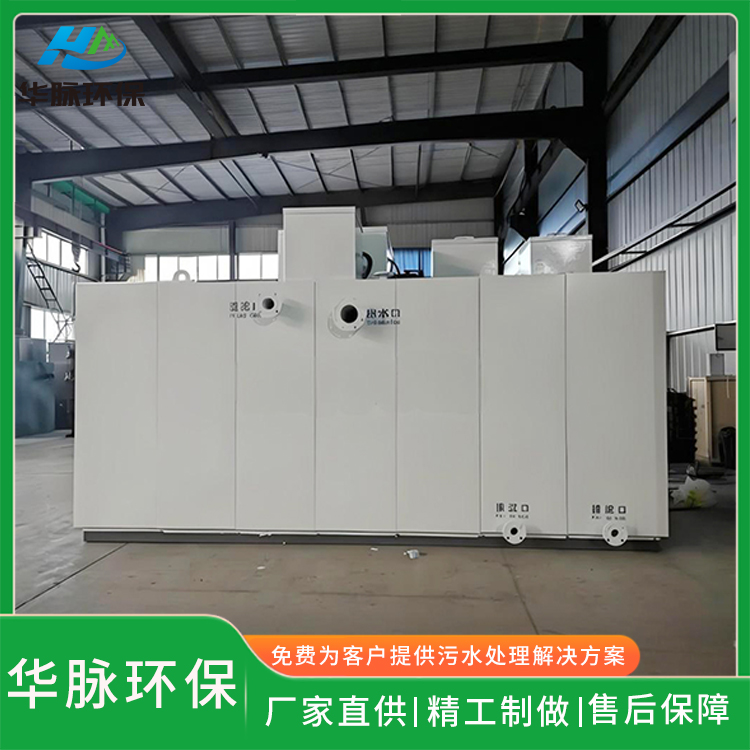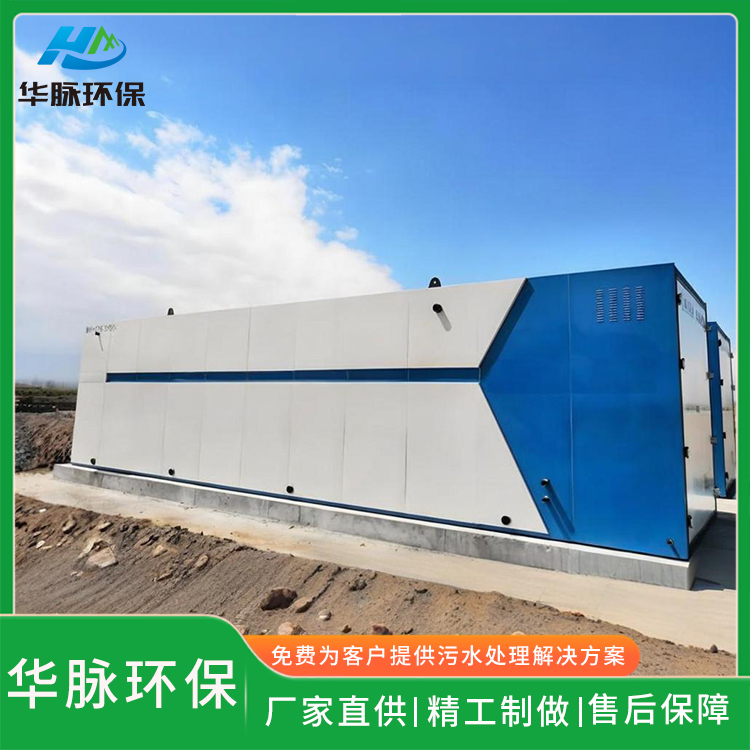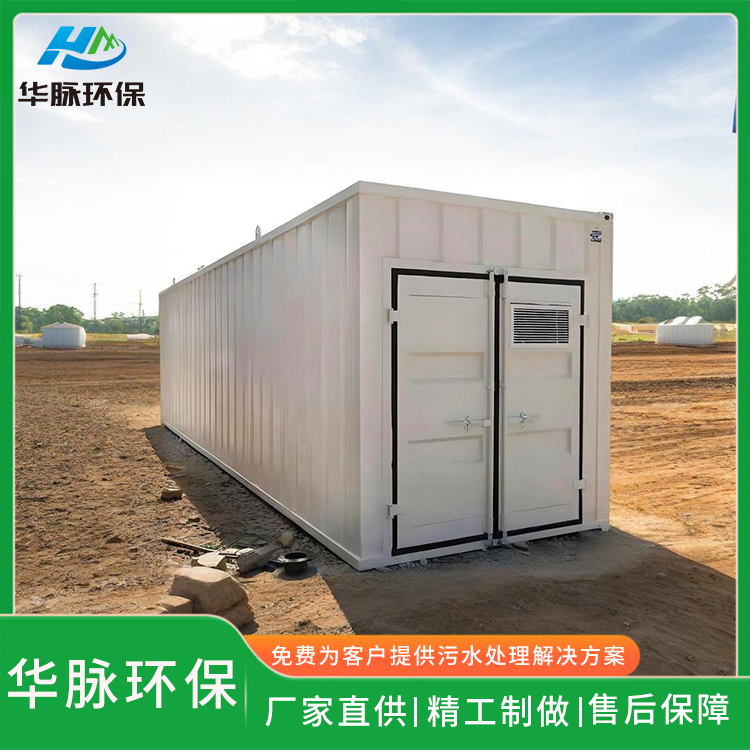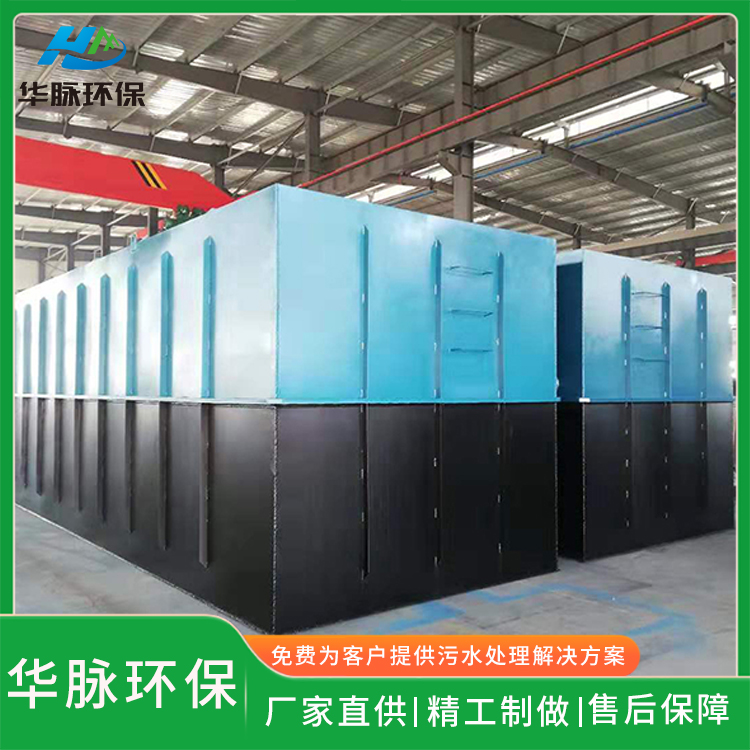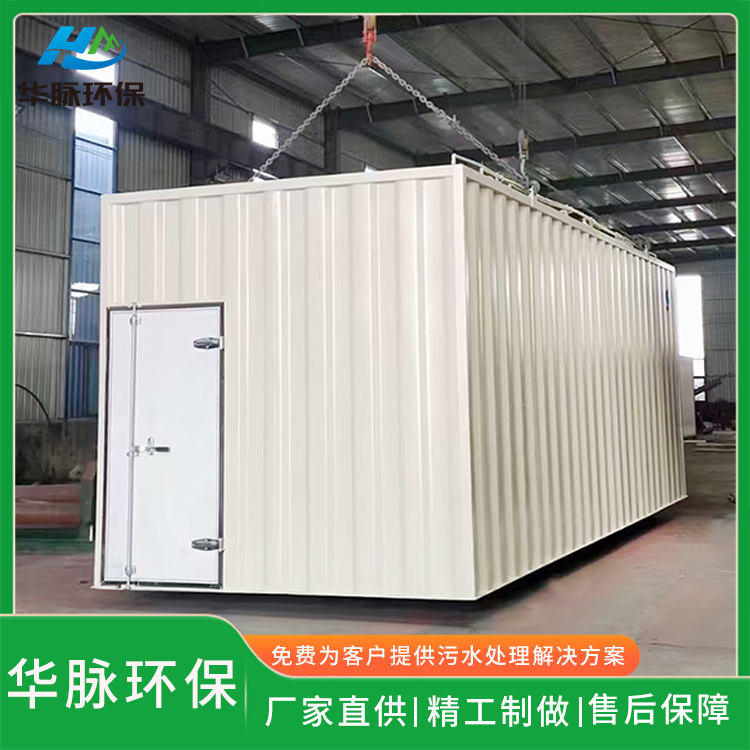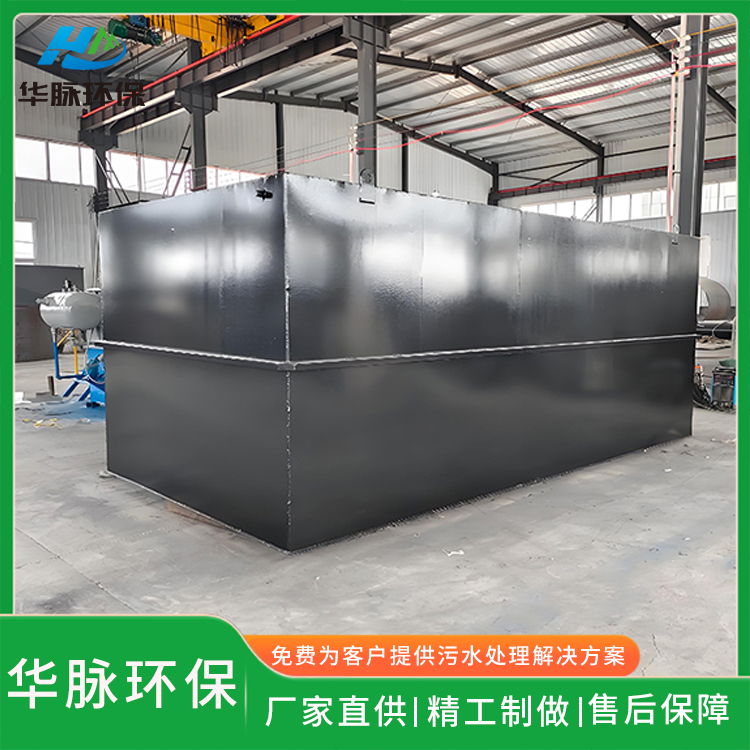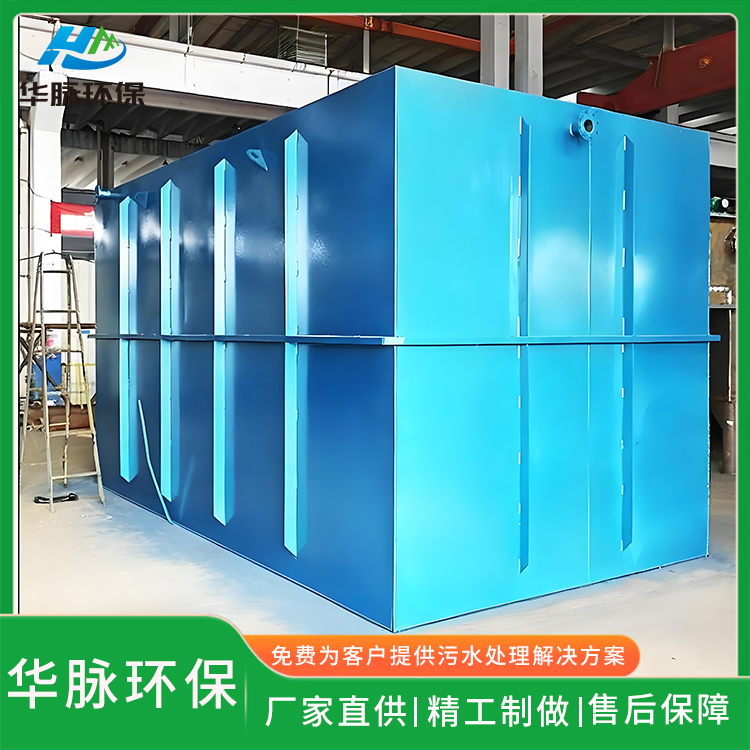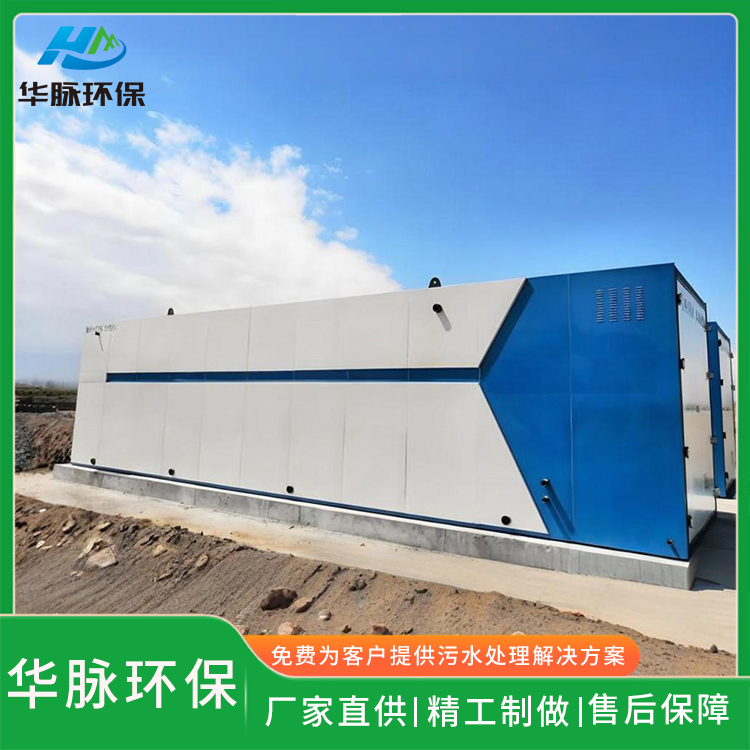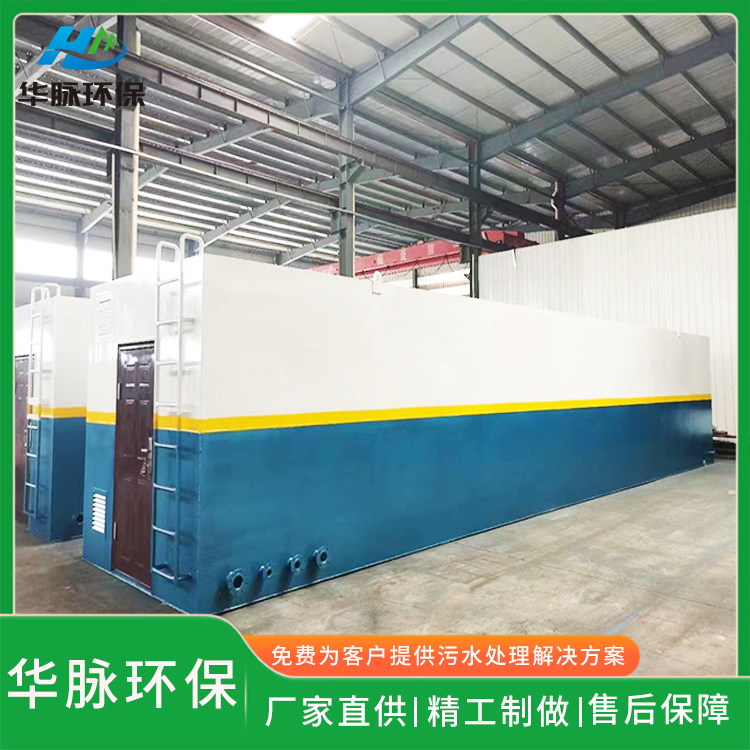





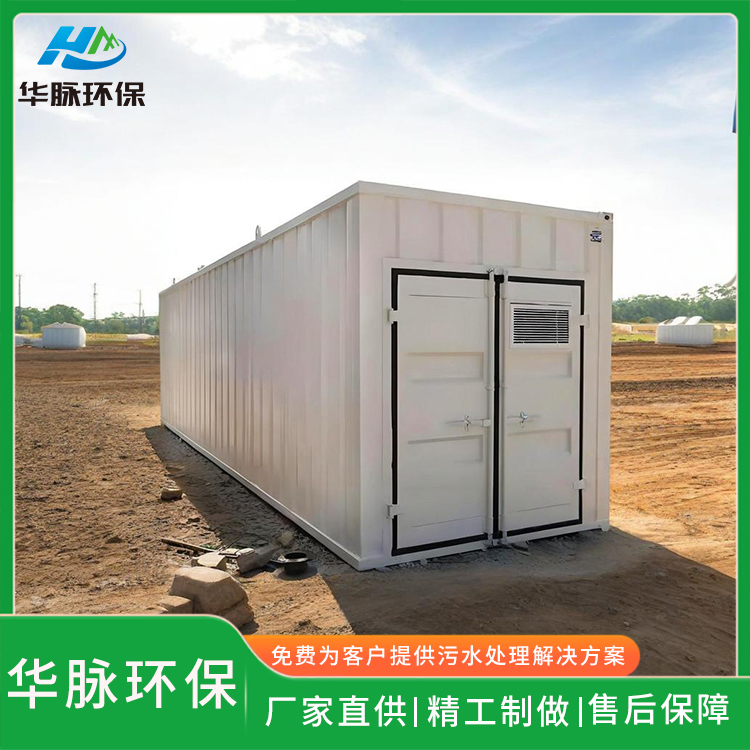
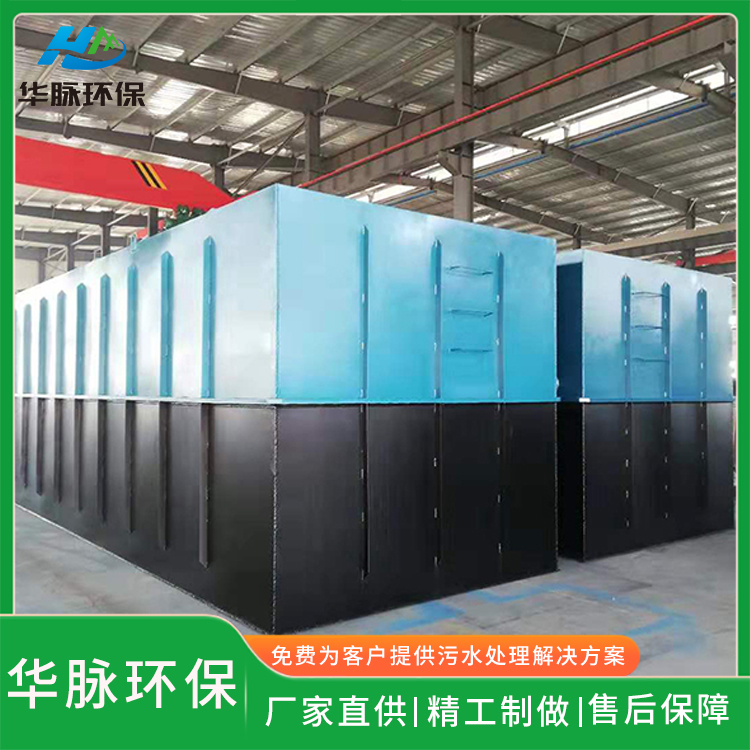





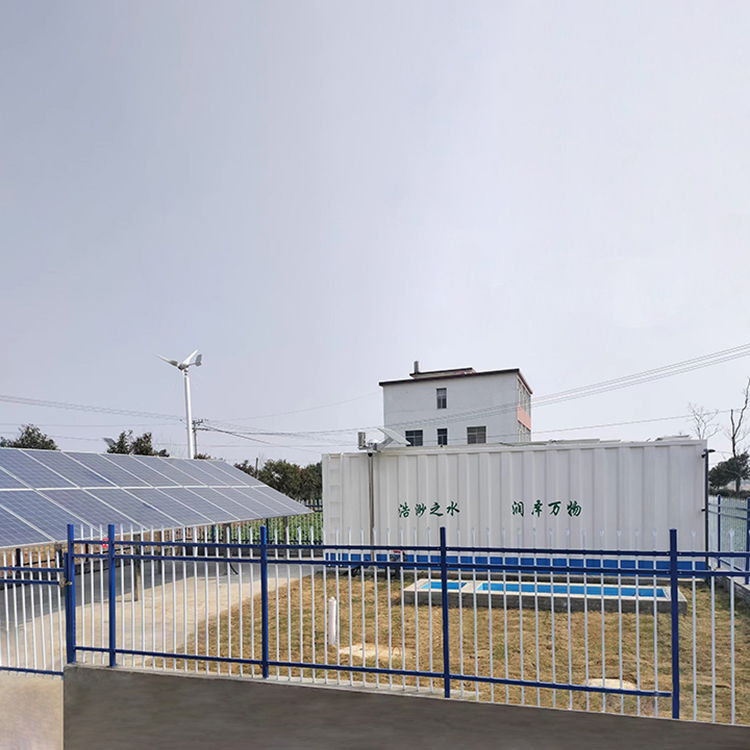


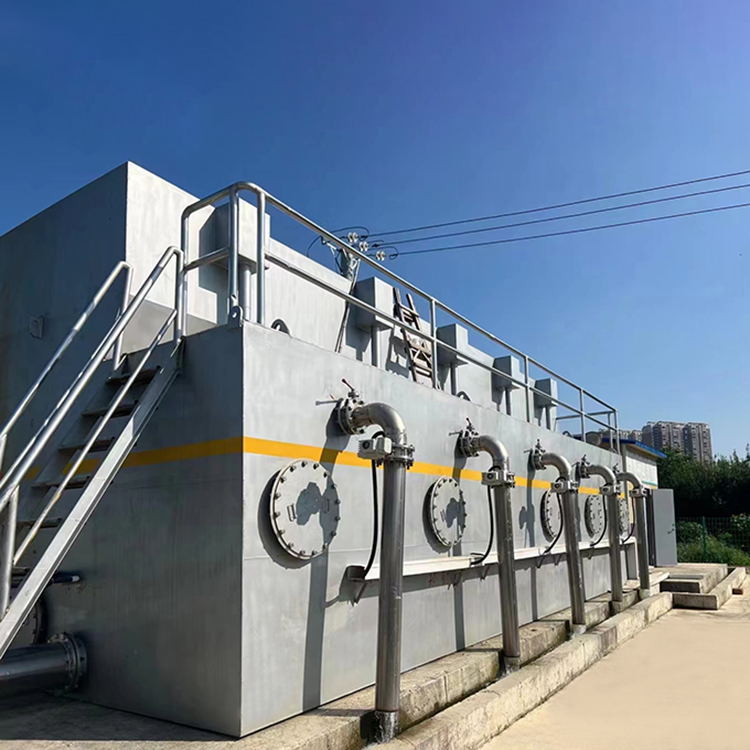
Rural Village Wastewater Treatment Equipment
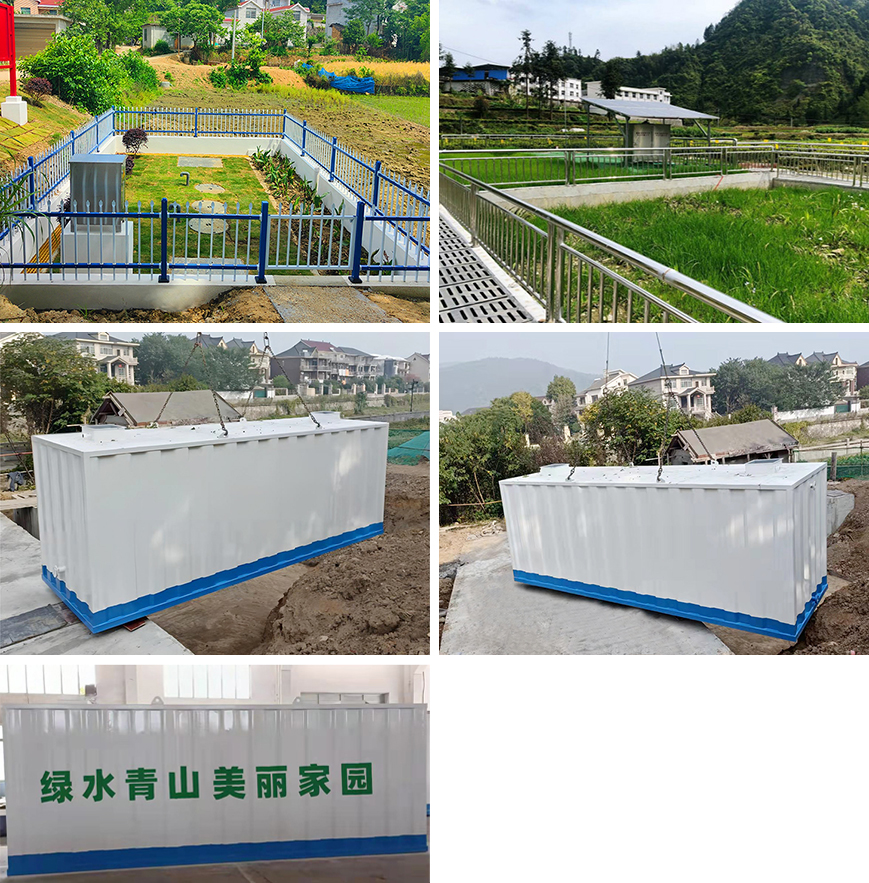
Background
Rural Area Wastewater Treatment Equipment, also known as Rural Wastewater Treatment Equipment, primarily handles wastewater from household toilets, kitchen洗涤 water, laundry drainage, shower drainage, and other drainage sources. With the rapid development of beautiful rural areas, the continuous advancement of urbanization, and the significant improvement in living conditions for farmers, the volume of rural domestic wastewater discharge is increasing. If not effectively treated, the resulting environmental pollution poses not only potential safety risks to rural water sources but also exacerbates the crisis of freshwater resources, compromising the effective irrigation of farmland and threatening the survival and development of farmers. Moreover, due to the scattered nature of rural areas, a large population, and difficulties in collection, the issue of rural wastewater has not been adequately addressed. Therefore, strengthening the construction of rural domestic wastewater treatment facilities and preventing pollution of rural water bodies, soil, and agricultural products from direct wastewater discharge is an urgent issue to be resolved in the process of new rural construction.
Technical Principle
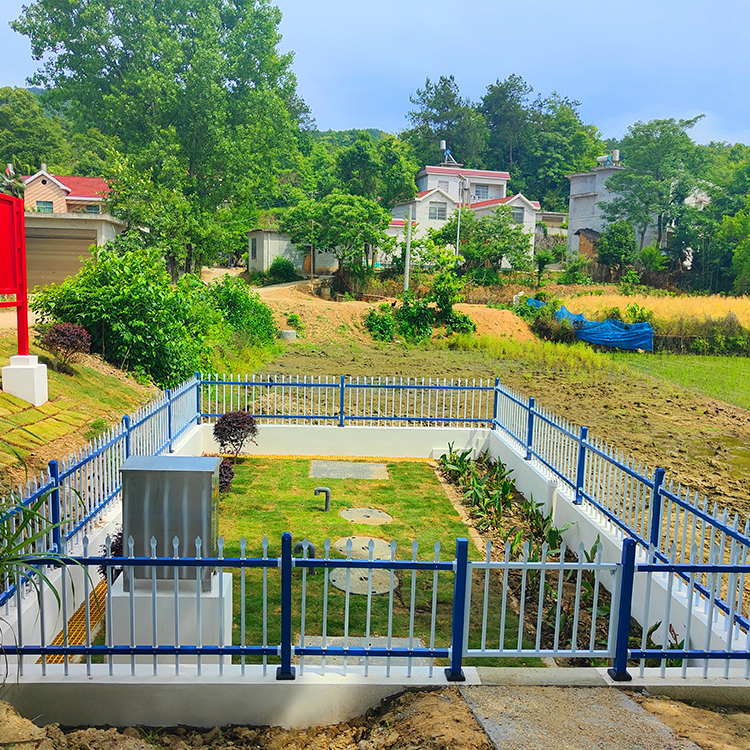
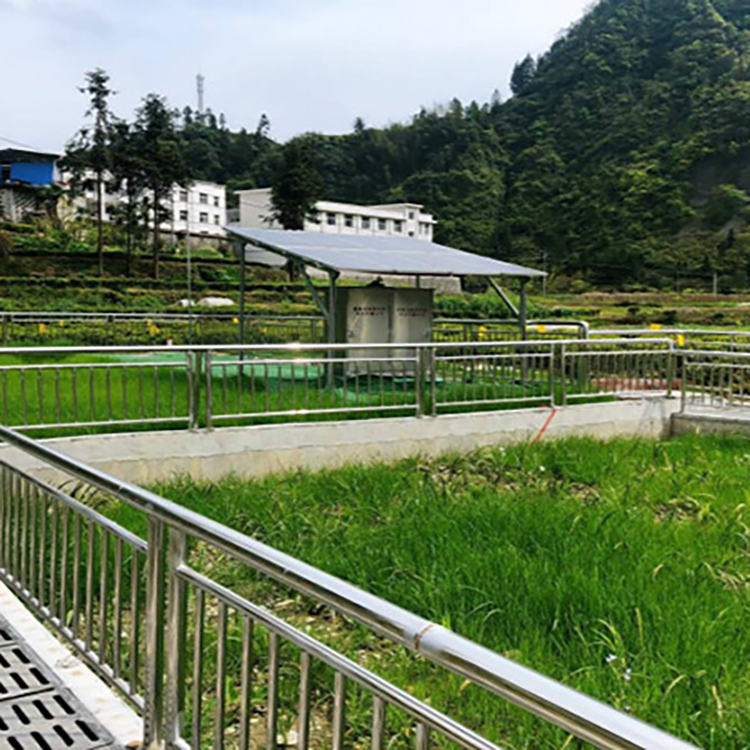
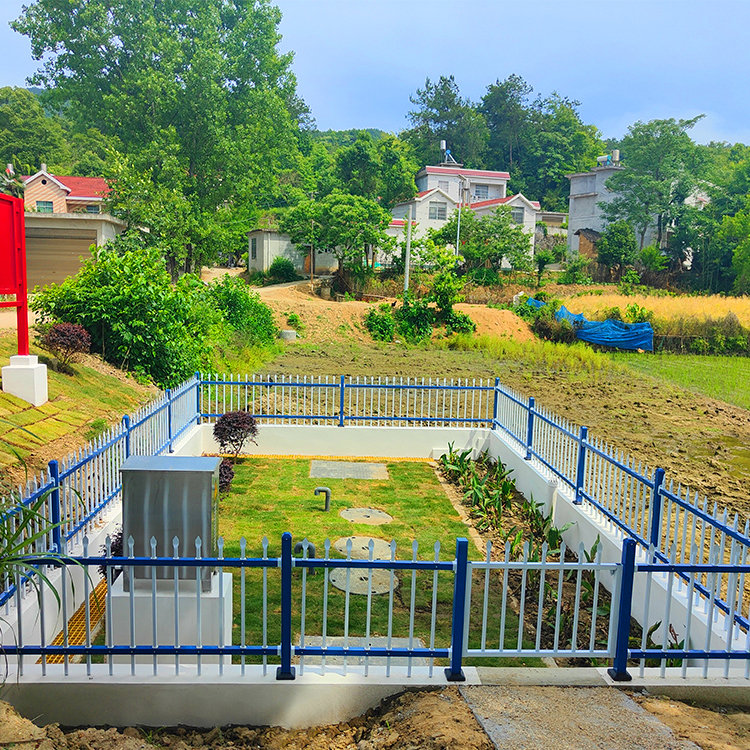
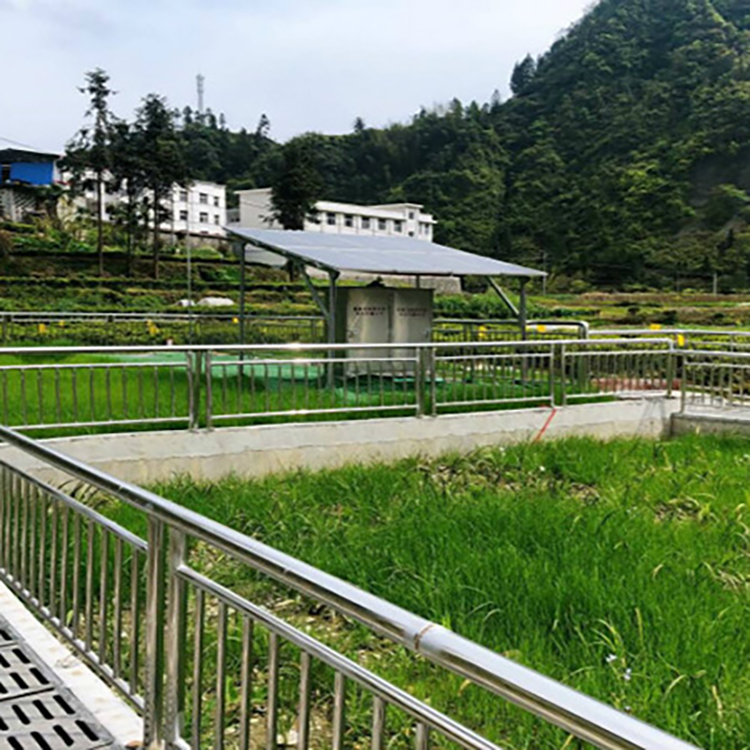
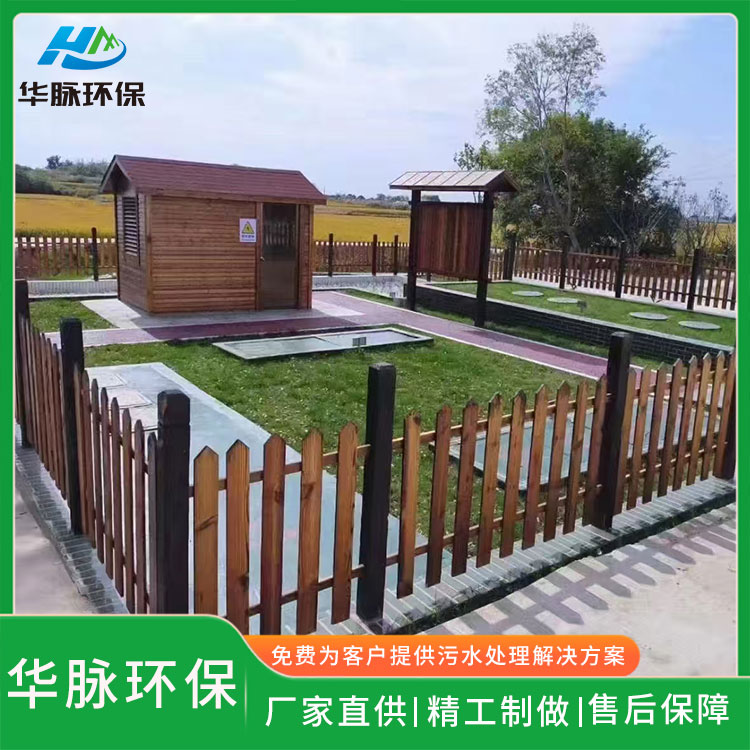
Wastewater first enters the ABR anaerobic pond, where anaerobic microorganisms degrade solid, large molecules, and non-biodegradable organic matter in the wastewater into easily biodegradable small molecules, enhancing the biochemical properties of the wastewater. The effluent from the ABR anaerobic pond is retained for the contact oxidation zone. In the contact oxidation zone, aerobic microorganisms rapidly multiply and degrade organic pollutants in the wastewater, removing COD and ammonia nitrogen to meet treatment quality standards. The effluent from the contact oxidation zone flows directly into the filtration zone, where suspended solids are retained. The clear liquid at the bottom flows into the clear water zone, which, after water storage, is purified through artificial wetlands. The wetland media is a mixture of soil and fillers (such as gravel) to form a media bed. Wastewater can flow through the gaps in the media bed or on the surface. Surface plants with good treatment performance, high survival rates, strong water resistance, long growth cycles, aesthetic appeal, and economic value (such as reeds, phragmites australis, etc.) are planted on the bed, creating a unique ecological environment. Insoluble organic matter in the wastewater is quickly retained and utilized by microorganisms through the sedimentation and filtration processes in the wetland. Soluble organic matter in the wastewater is decomposed and removed through the adsorption, absorption, and biological metabolic degradation processes by the plant root biofilm, achieving deep treatment.
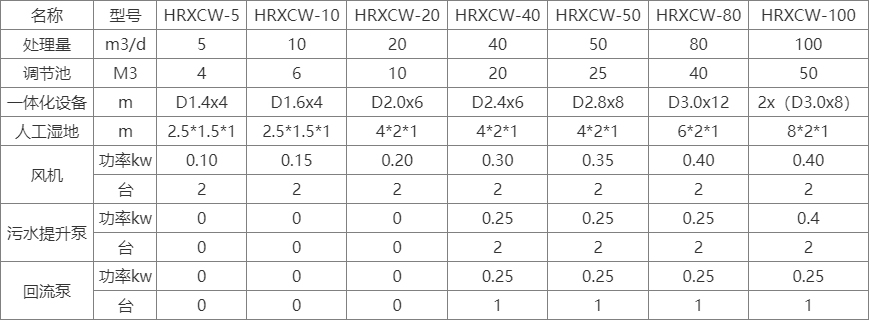
Equipment Technical Specifications