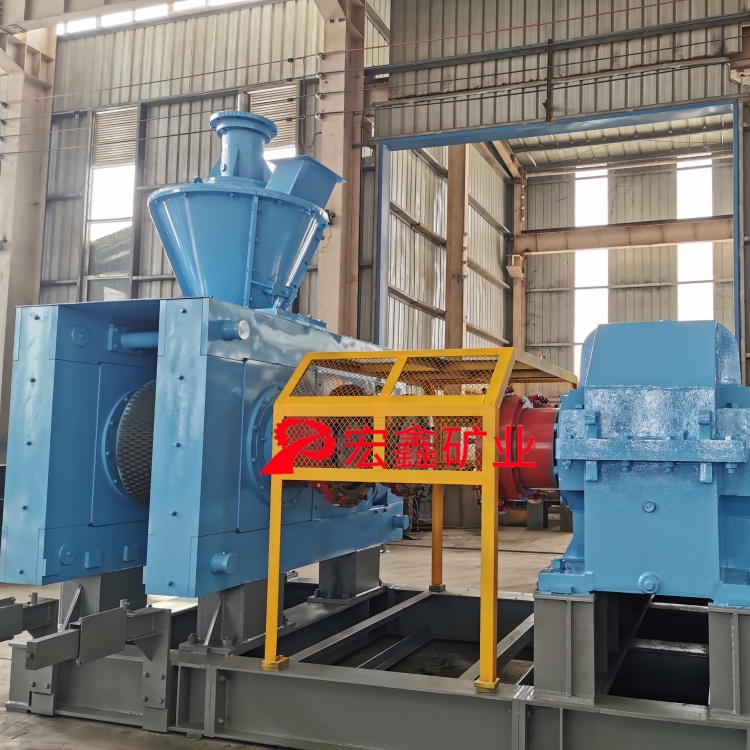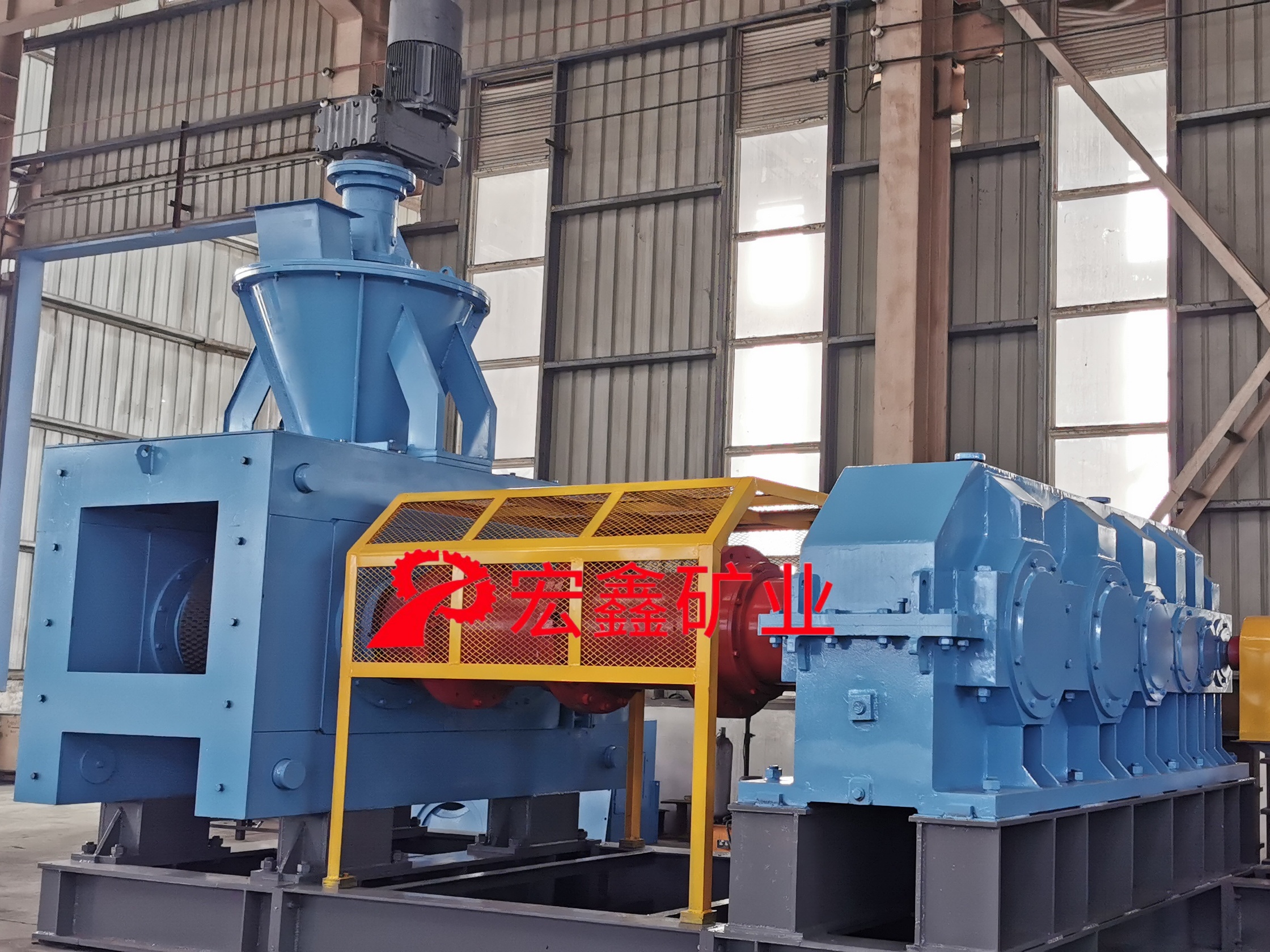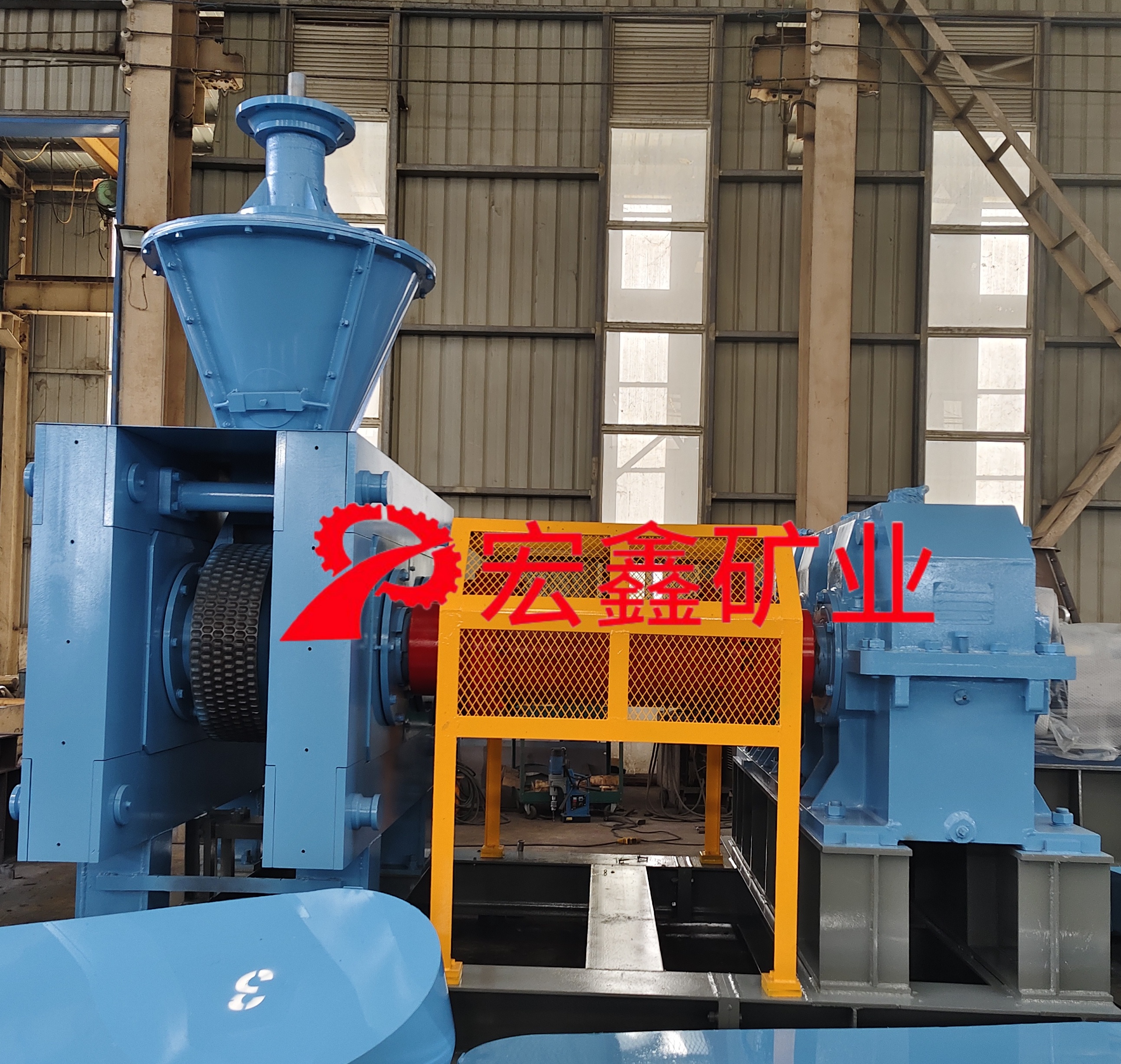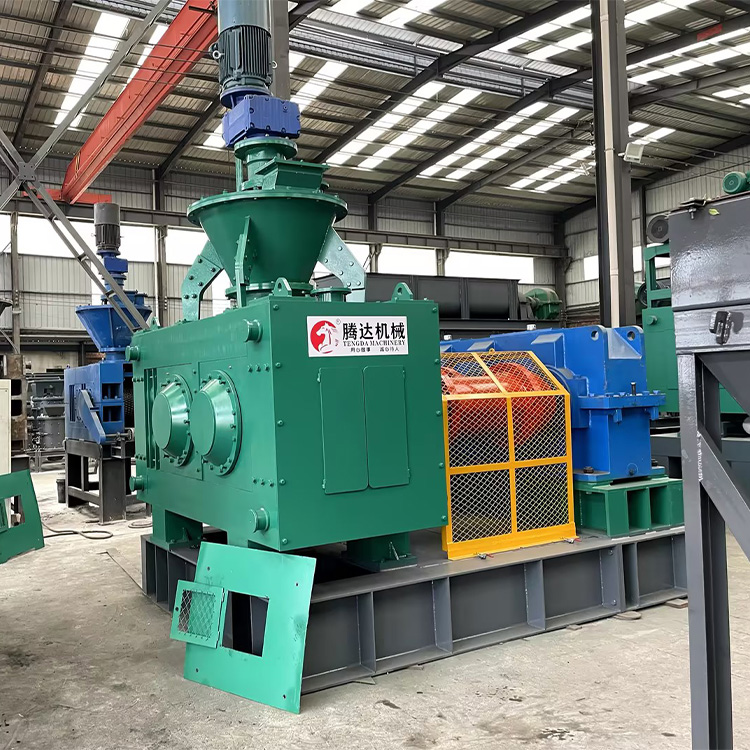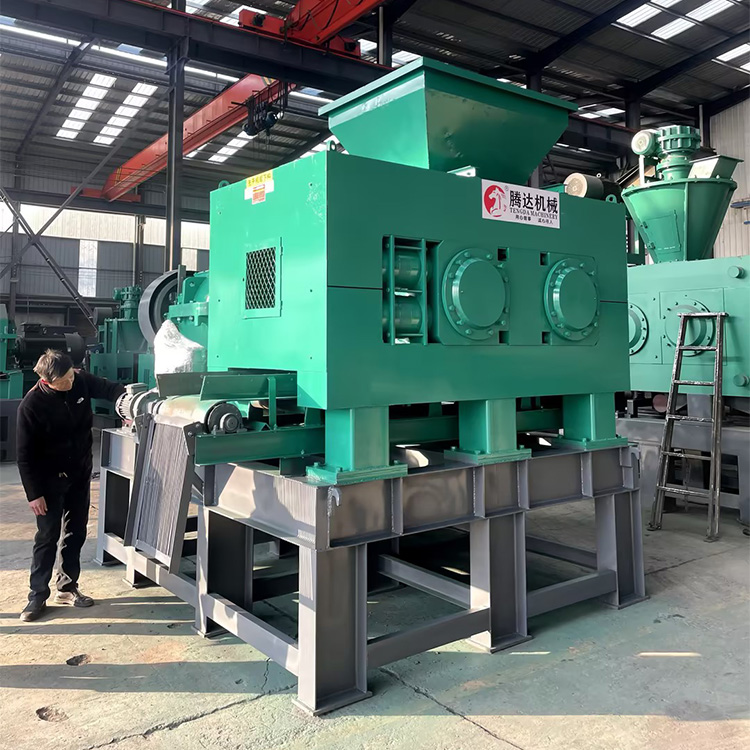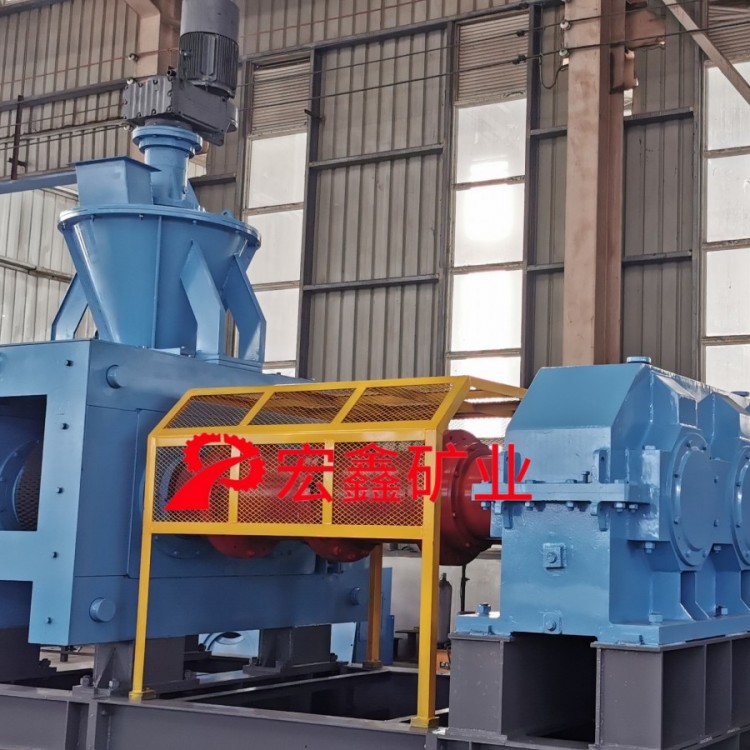

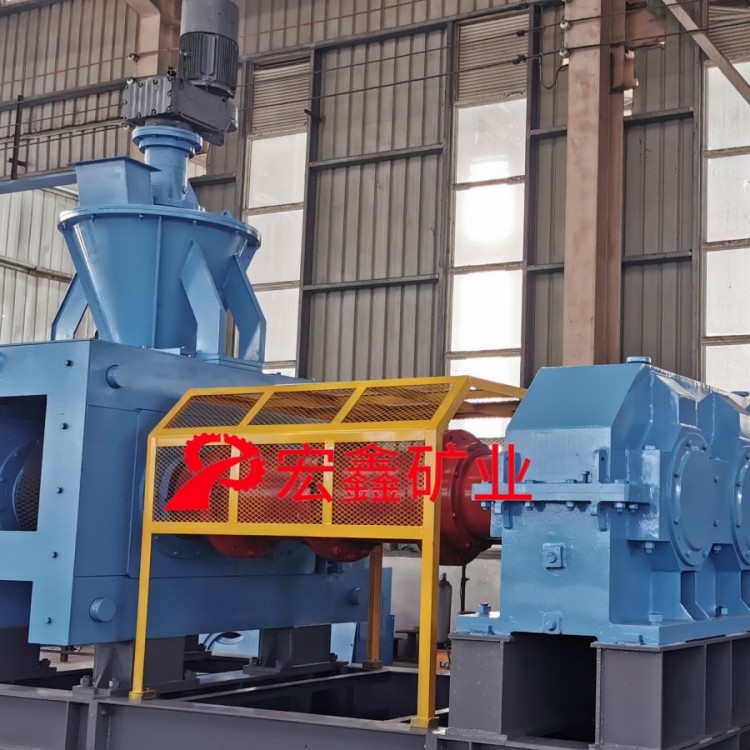
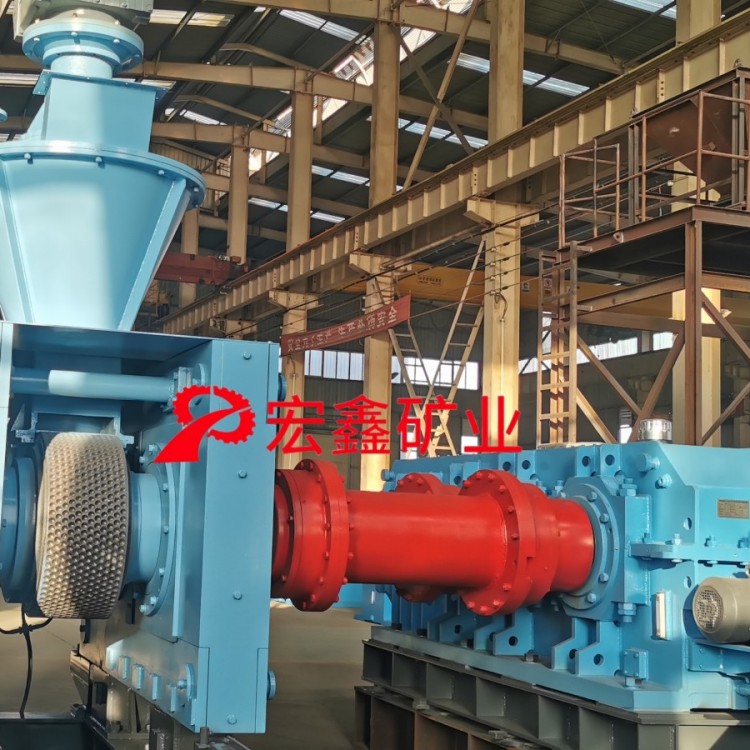
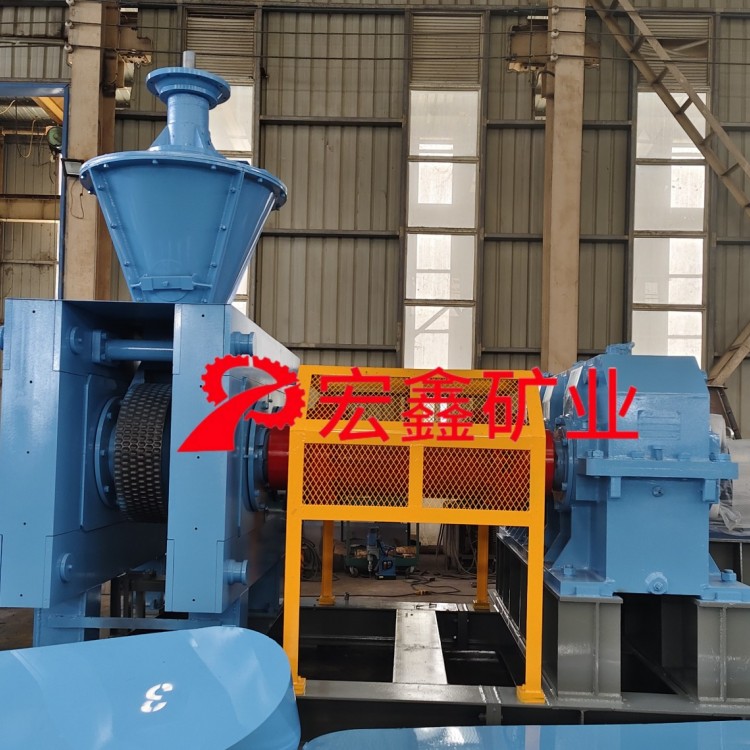







Metal magnesium pellet press machine application range
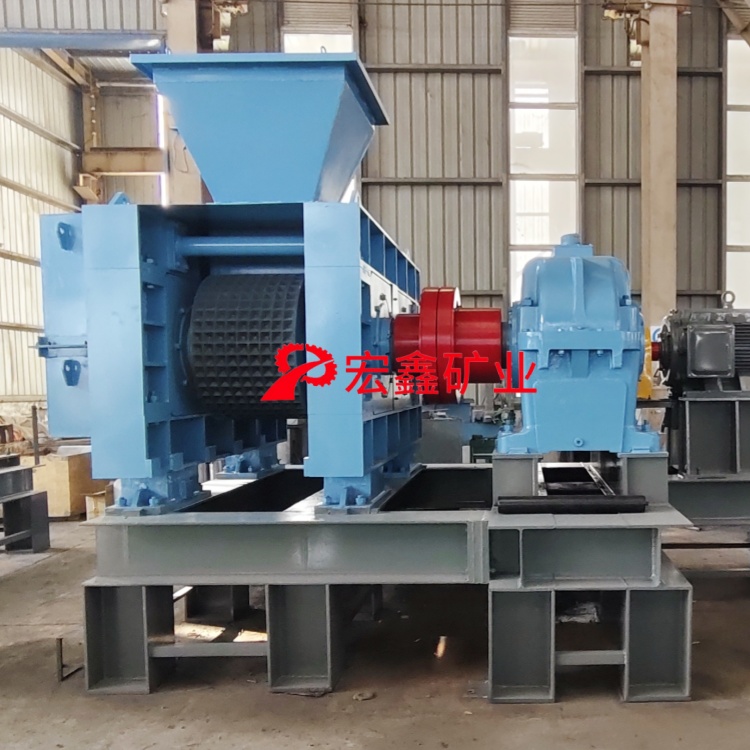
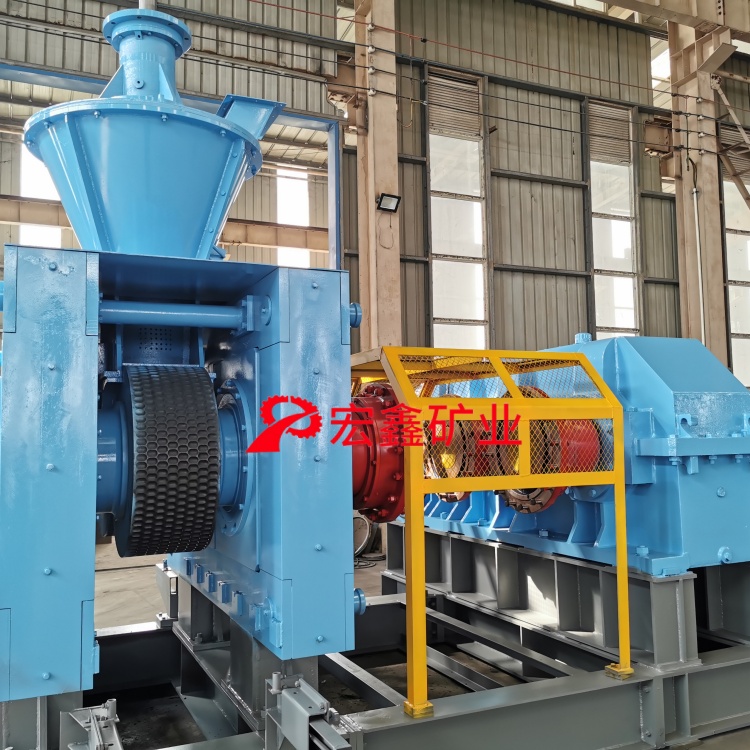
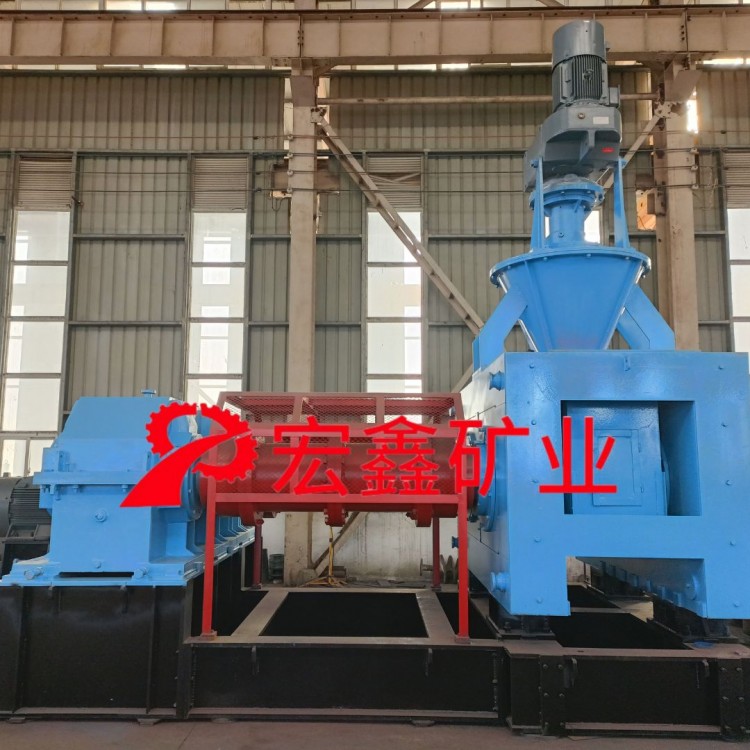
The Metal Magnesium Pellet Press is primarily used for making pellets and briquettes from non-ferrous and ferrous metal ore powders, which are then directly melted in the furnace to enhance value-added. Any waste or auxiliary materials in the metallurgy industry that require melting must be processed through a pellet press. Examples include: carbon powder, anode paste, carbon electrodes, metal magnesium, dedusting ash, sludge, scale, steel slag, iron concentrate powder, aluminum ash powder, and silicon manganese ore powder, etc.
Material Selection for Magnesium Metal Pellet Press
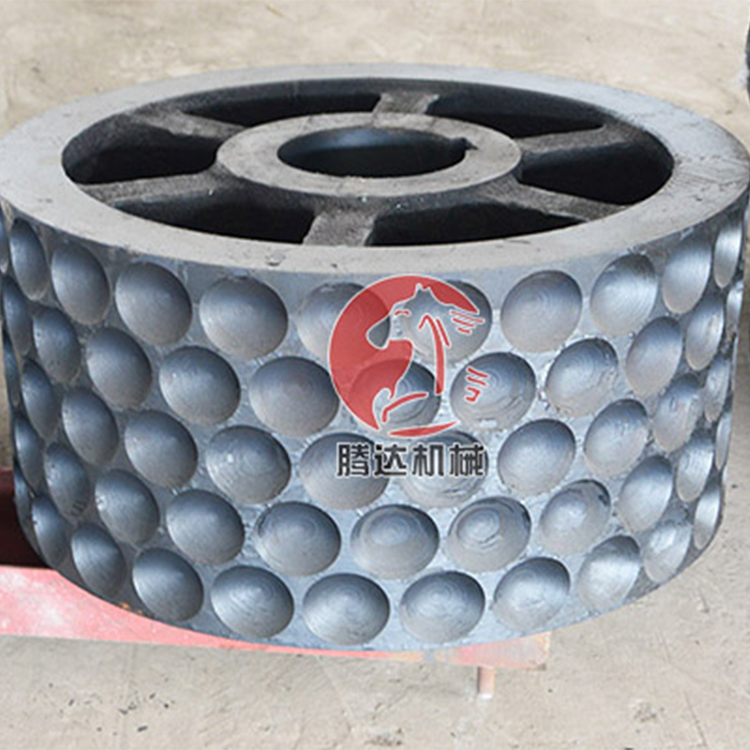
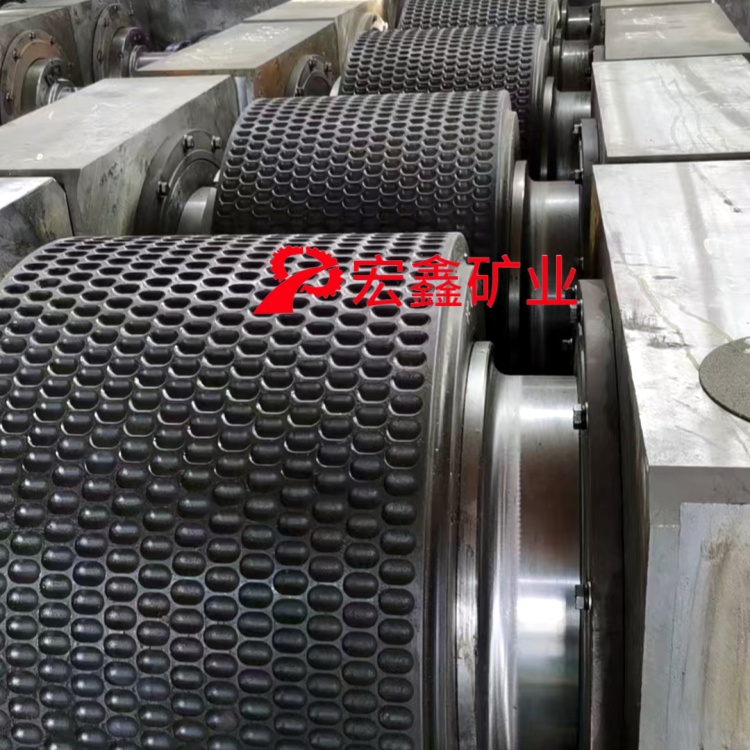
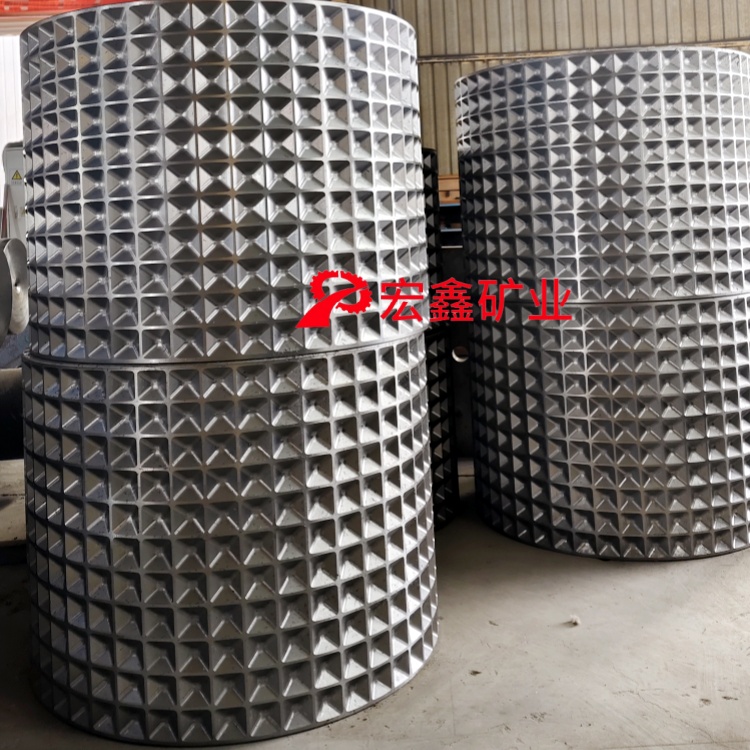
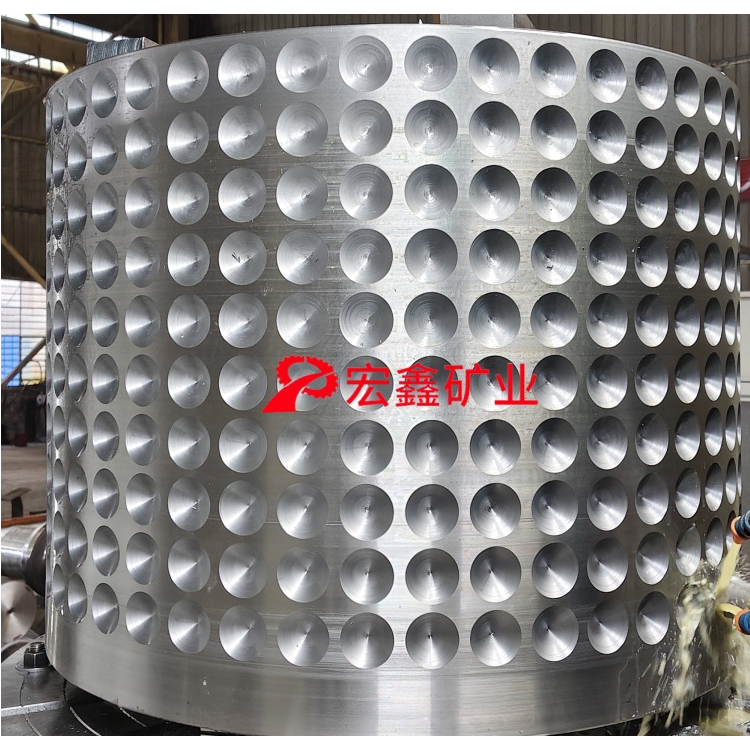
The magnesium metal ball press roller is forged from high-wear-resistant material, the bearing uses the rolling mill bearing series, the main shaft is made of large-diameter steel forging with heat treatment, and the hydraulic system is equipped by a reputable manufacturer.
Magnesium metal pellet press finished product ball shape
This machine can produce finished steel balls in special shapes such as square, egg-shaped, circular, duck egg-shaped, and pillow-shaped. The specific shape can be defined by the user.
Development direction of magnesium metal production
The Pyramidal Jiangfa magnesium process is divided into four stages: calcination, balling, reduction, and refining. Calcination and balling prepare the raw magnesium for the reduction stage.
Magnesium smelting raw materials should meet what requirements?
(1) Magnesium Limestone: For use in the magnesium production process via the silicothermic method, magnesium limestone must not only meet the chemical composition requirements for the process, but more importantly, it must also satisfy the requirements of the metallurgical process in terms of mineral structure. This is because the chemical composition and mineral structure of the limestone significantly influence each stage of the metallurgical process.
(2) Silicon Iron: Silicon iron is a reducing agent used in the thermal reduction process for magnesium production. The mass fraction of silicon in the silicon iron should be 75%, and it is not ideal to use either high-grade or low-grade silicon iron as the reducing agent.
(3) Fluorspar: Generally, natural fluorspar is used as an additive in the silicate thermal reduction process for magnesium production.