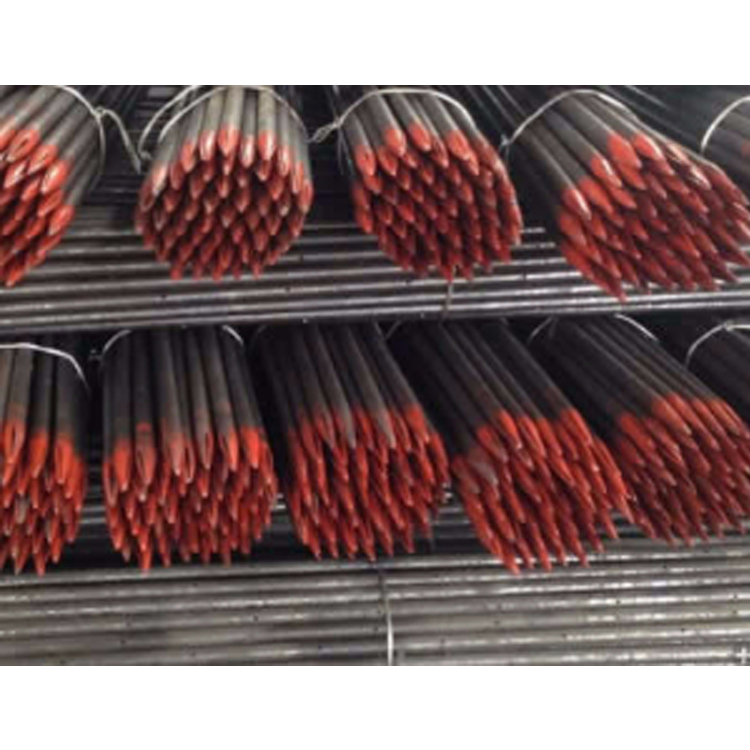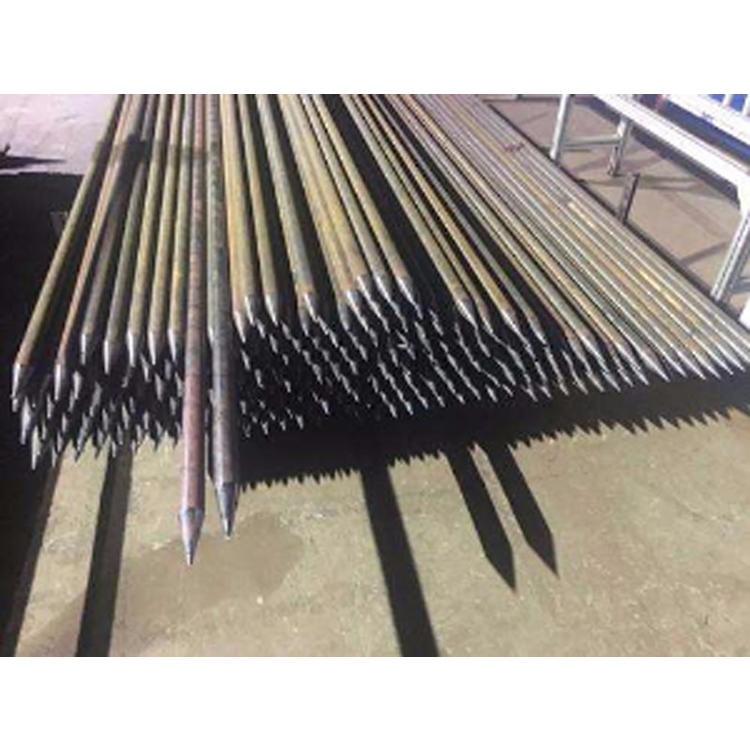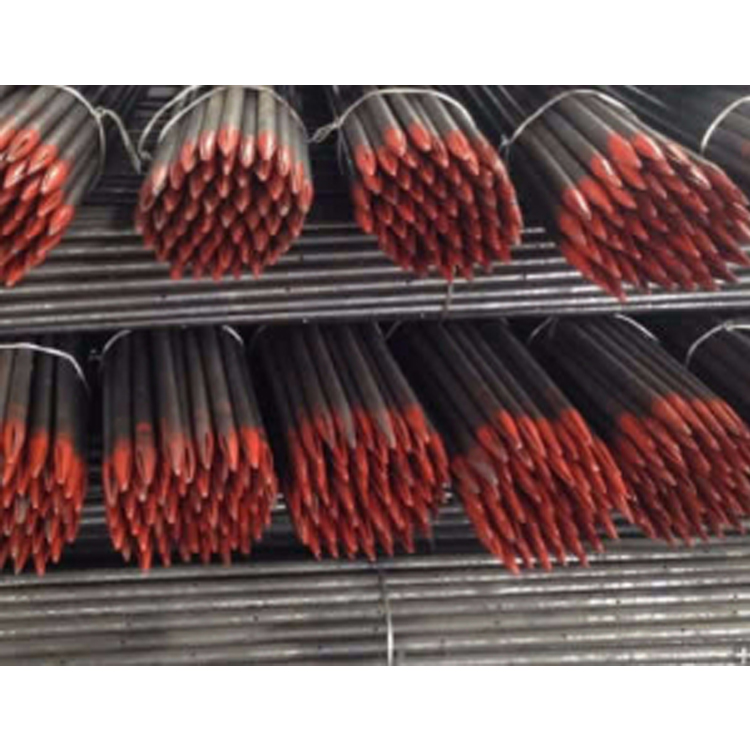

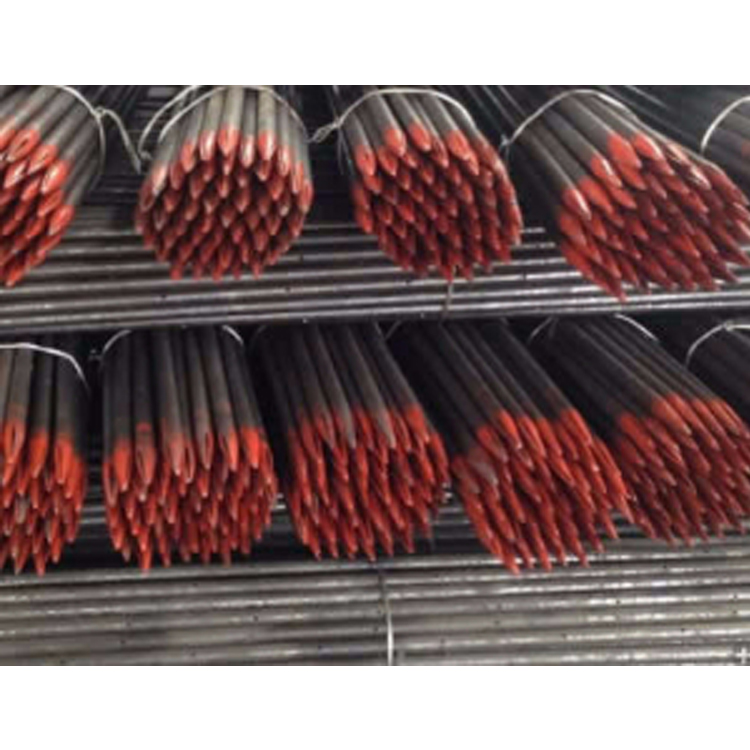

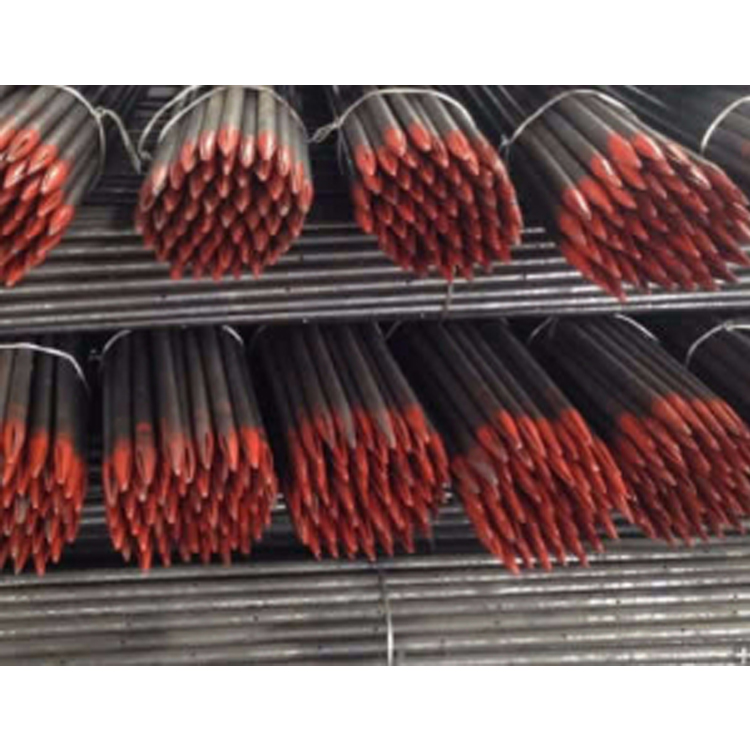
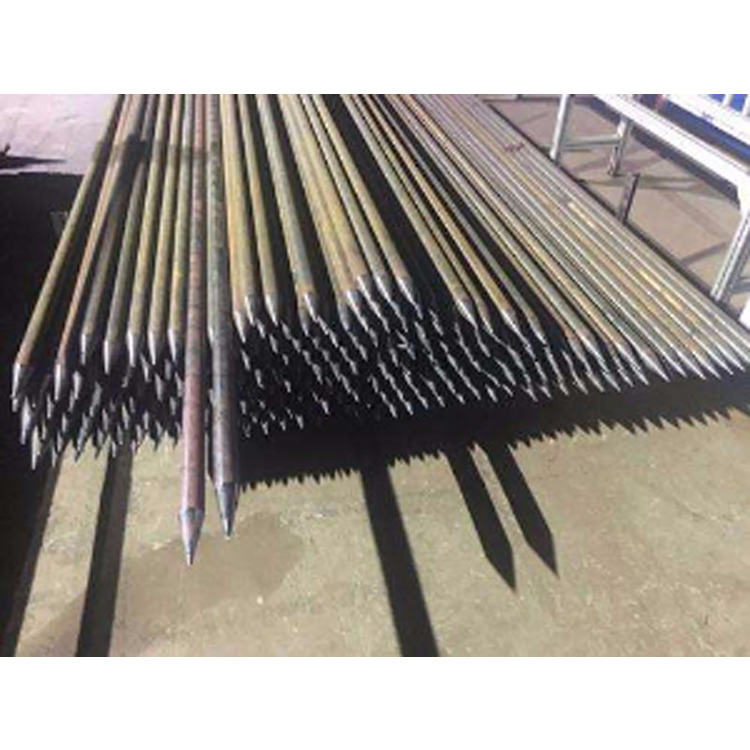
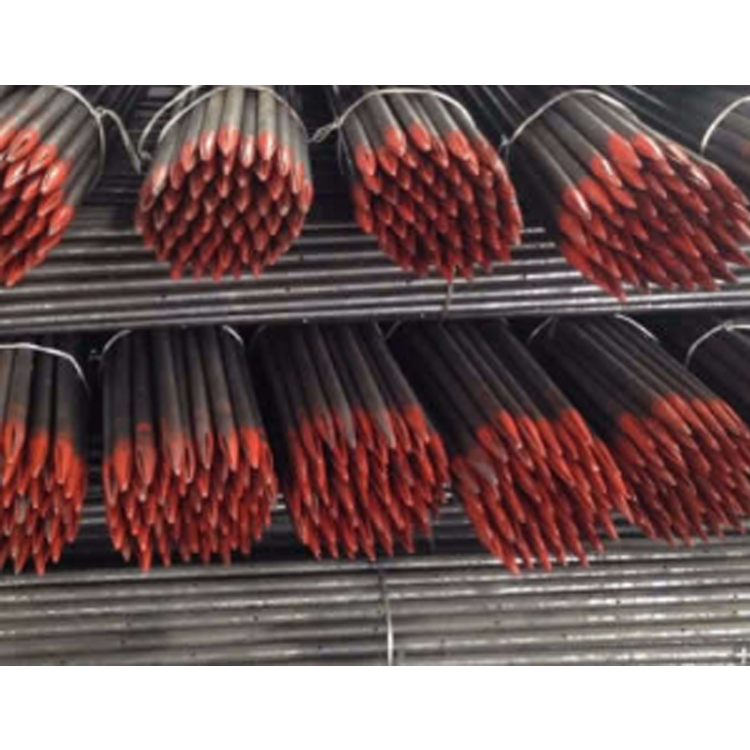











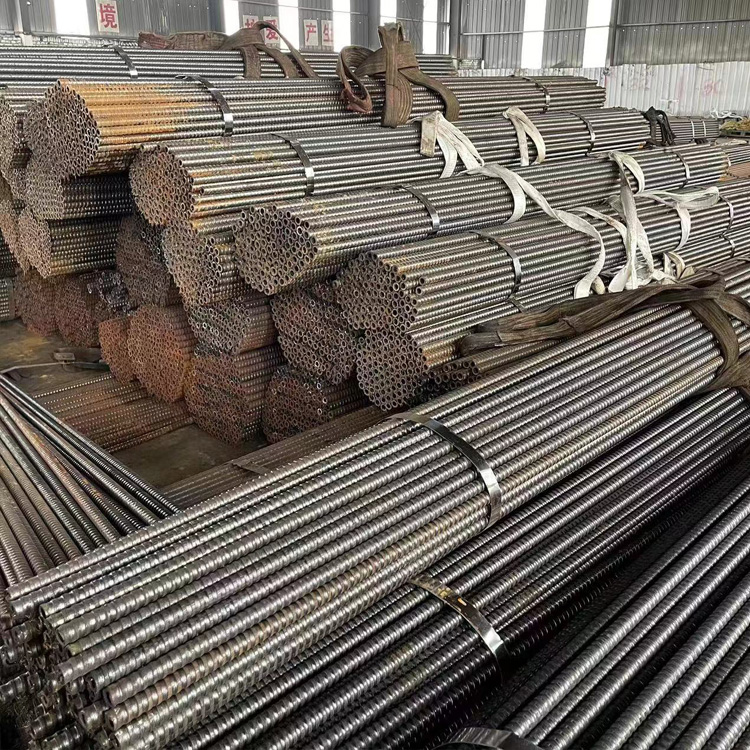
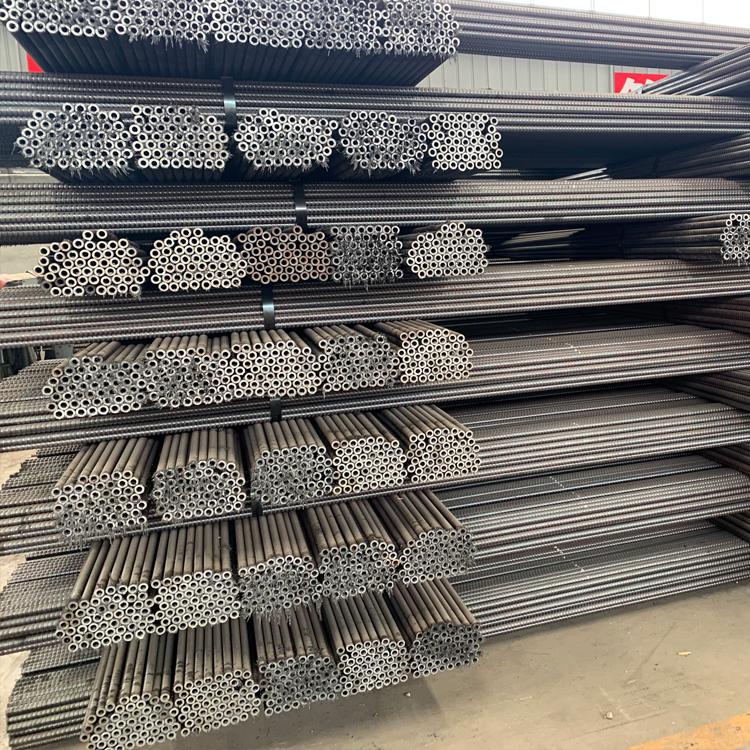
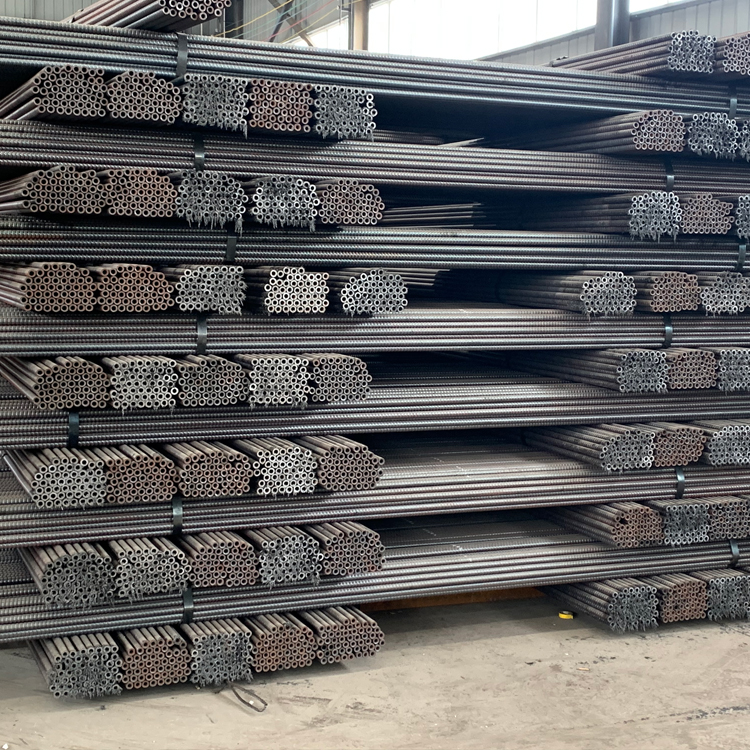
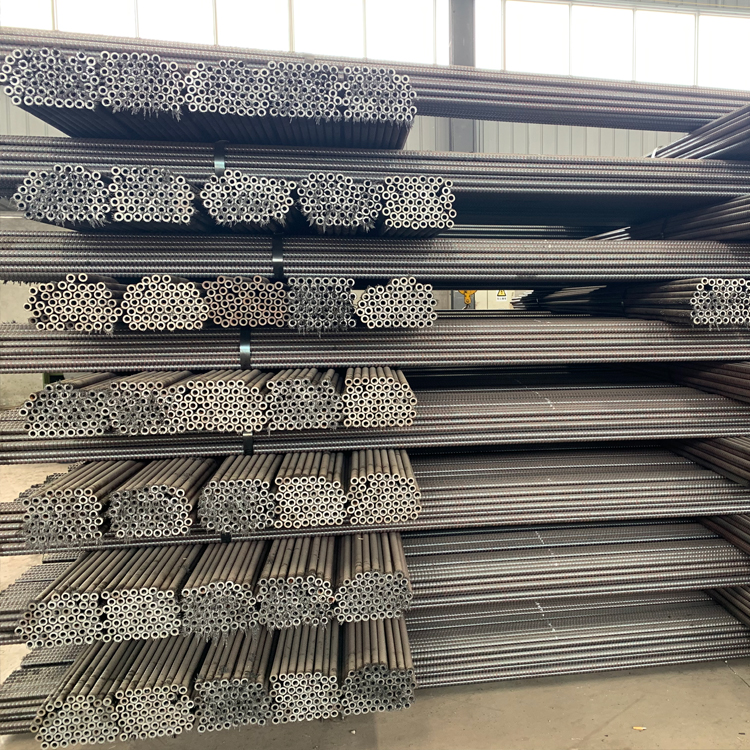
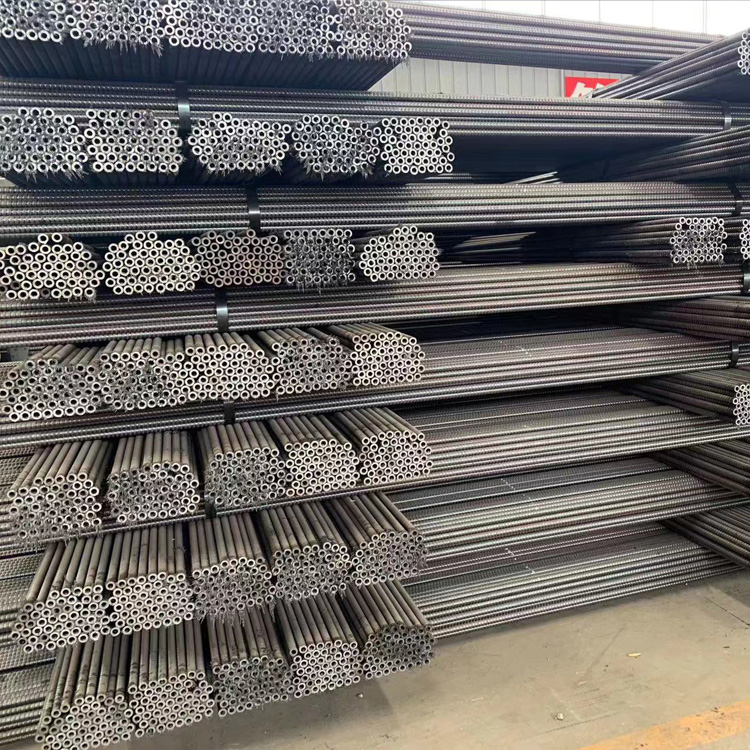
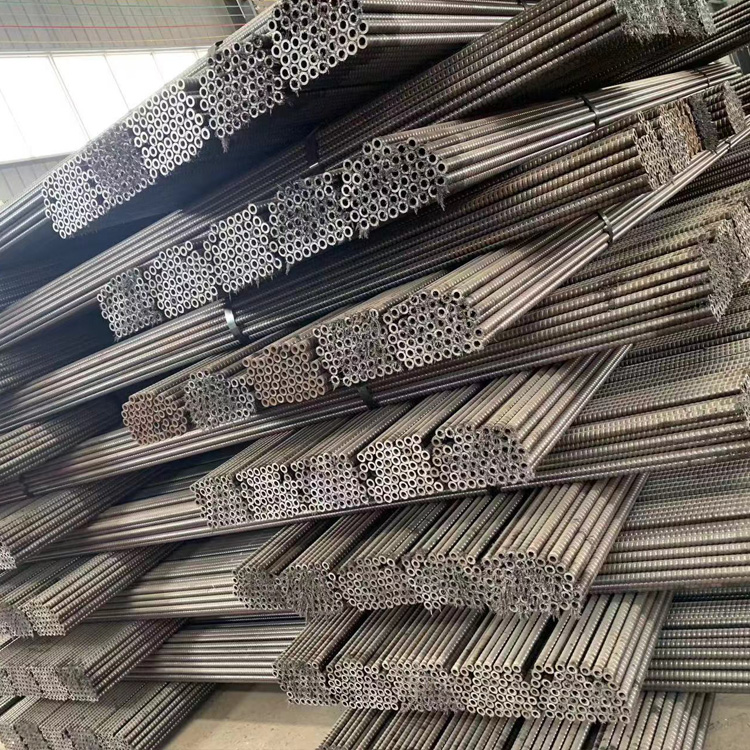
Advanced small conduit is a construction technique used during tunneling projects, primarily for pre-supporting in soft and broken zones, shallow buried sections, segmental overpressure areas at the tunnel mouth, sand layers, sand gravel sections, and fault broken zones.
Supporting Principle
The超前小导管 is a highly effective auxiliary construction method for stabilizing the excavation face. In the construction of soft and broken rock strata, the超前小导管 plays a reinforcing role in loose rock strata, enhancing the stability of loose and soft surrounding rocks after grouting. This is beneficial for maintaining the stability of the surrounding rocks between excavation completion and initial support completion, preventing instability, damage, and eventual collapse of the surrounding rocks.
2 Advanced small diameter pipe grouting is suitable for soft surrounding rock of tunnel arches, loose and unbound soil layers, sand layers with poor self-stabilization, and broken rock layers of sand and gravel (pebbles and cobblestones).
3 Advanced small conduit grouting can alter the conditions and stability of the surrounding rock. After the grout is injected into the soft, loose strata or fractured rock containing water, it can come into close contact and solidify. The grout, by filling and splitting, displaces the water and air between soil particles and within rock fissures, taking their place. After a certain period of time, it solidifies, bonding the original loose soil particles or fissures into a single mass, forming a new structure with high strength and good waterproofing performance, significantly improving the loose and fractured condition of the surrounding rock.
Parameters
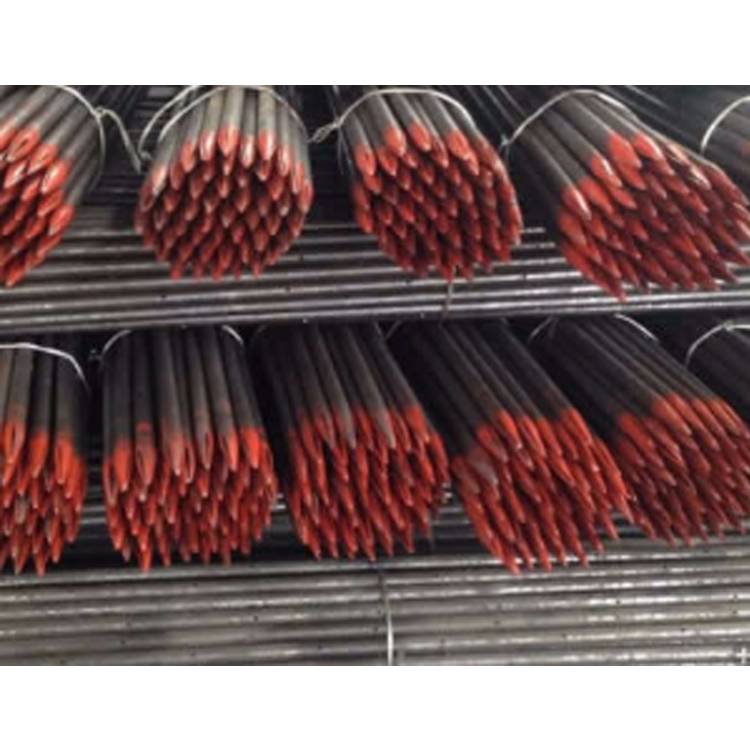
The parameters for the construction of advanced small conduits should be determined based on the geological conditions of the surrounding rock boundaries, the condition of the surrounding rock, the form of support structure, and the cross-sectional dimensions of the tunnel. Generally, the construction of advanced small conduits is set along the excavation contour line within a 120-degree range. Typically: the length of the small conduit L = height of the upper step + 2m. The diameter of the small conduit: 38-50mm. The front end of the small conduit is shaped into a cone with a length of about 10cm, and a steel hoop with a diameter of 6-8mm is welded at the end. The external insertion angle is generally controlled between 10-15 degrees. The grouting pressure is controlled around 2MP. The radius of the grout spread is generally 0.5m. The grouting speed is controlled at 50-100L/MIN. The overlap length of the small conduits per cycle is kept within 1m.
Manufacture
1 Generally, seamless steel tubes with diameters of 38~50mm are used for production.
2. The front end of the small conduit is shaped into a cone about 10cm long, with a 6~8mm diameter steel hoop welded at the tail end. No holes are drilled within 100cm from the rear end, and the remaining part is arranged with 6mm diameter overflow holes in a plum blossom pattern every 20~30cm.
Installation
May be installed using pilot holes or direct insertion.
Drill holes using a drill, with a diameter 10-20mm larger than the small conduit, and the depth depending on the conduit's length.
If insertion of the导管 is difficult, you can use a hammer drill with a thrusting function to push the casing in.
Blow out debris from the hole using a吹风管。
4 Small conduits are wrapped with cotton yarn at the ends to ensure a tight fit with the drilled hole, and the open end is sealed with cotton yarn.
The 5 small conduits must be installed such that the surrounding area within a certain range is sealed with shotcrete. The shotcrete thickness should be controlled between 5-8 cm.