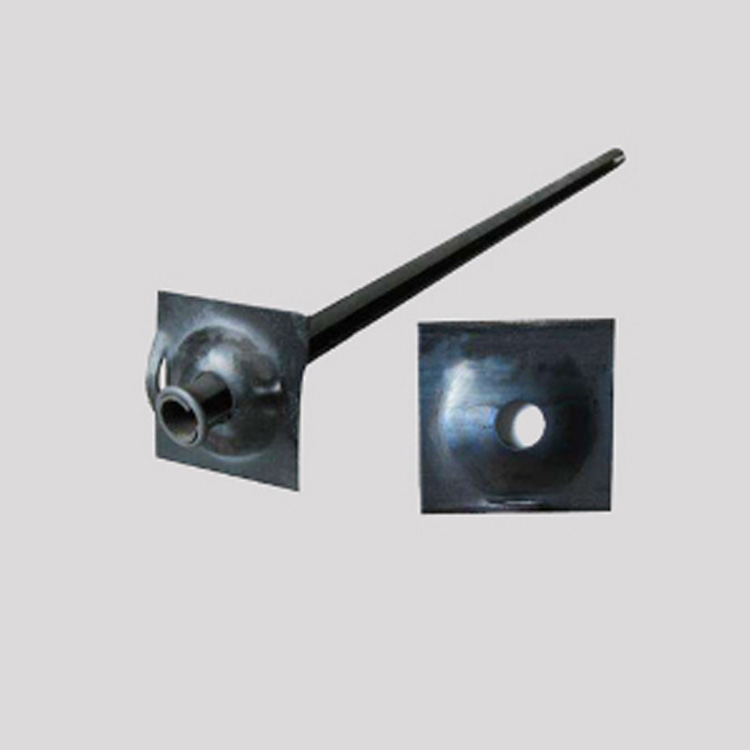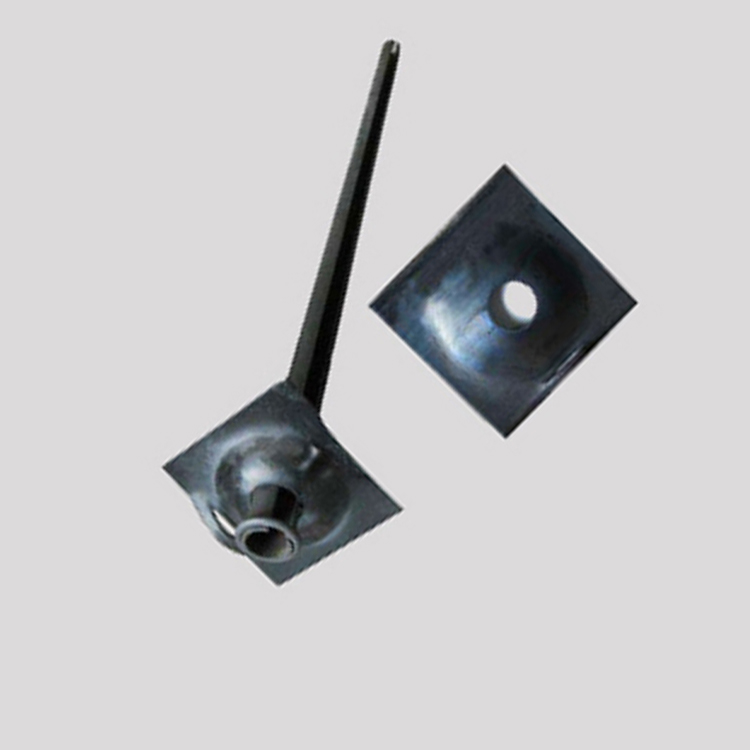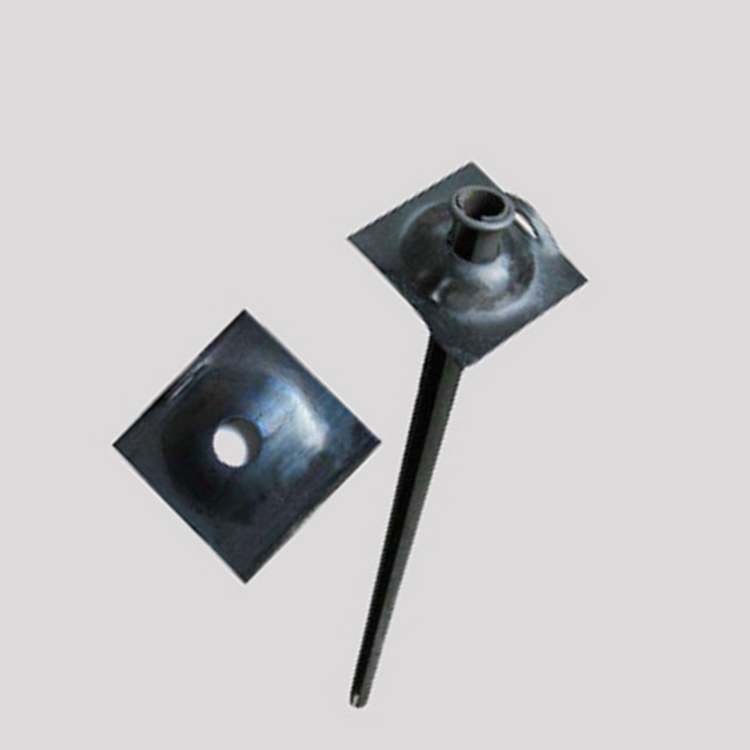

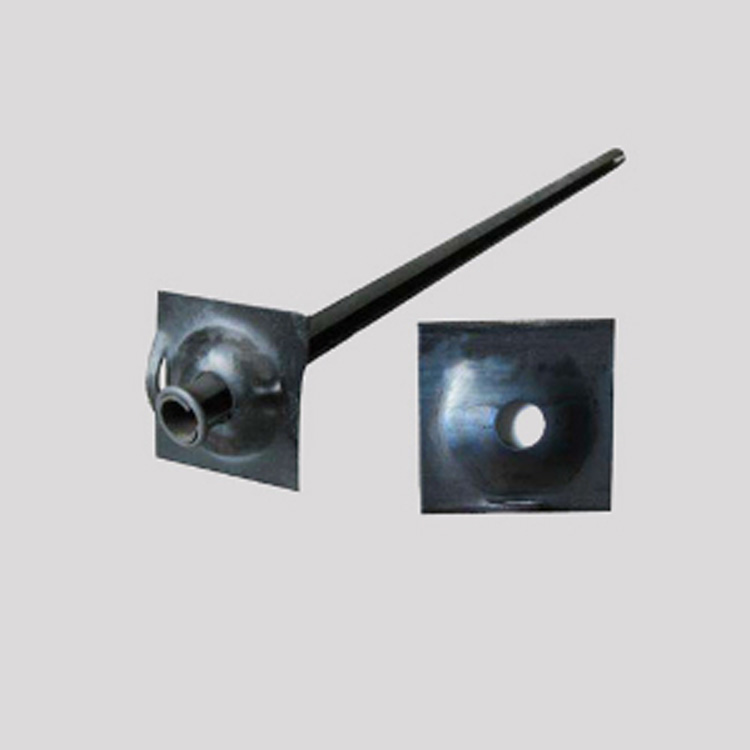

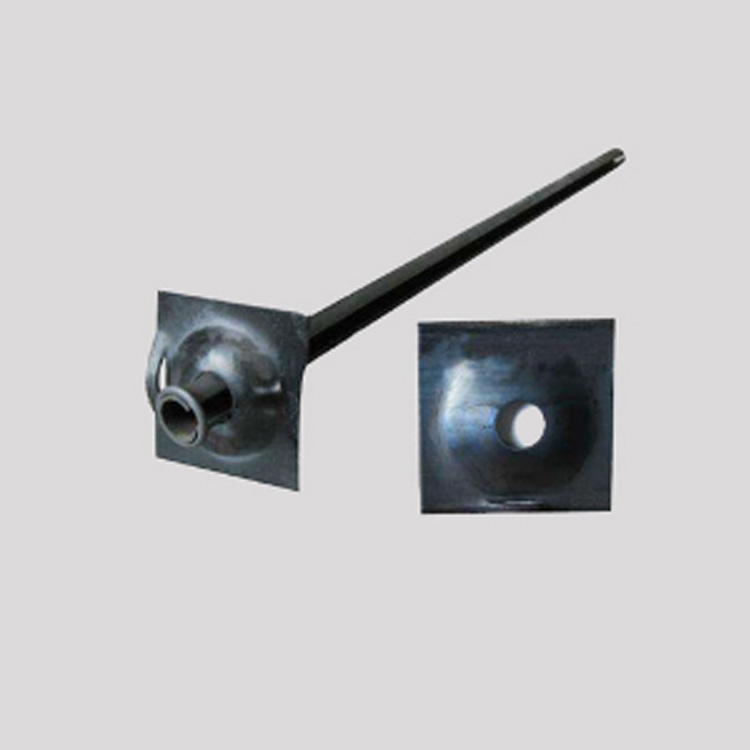
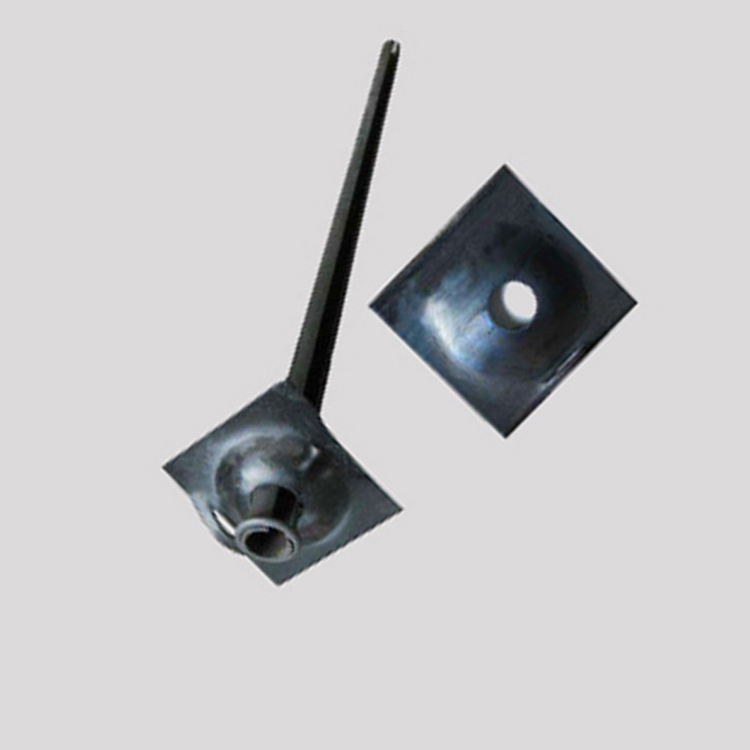
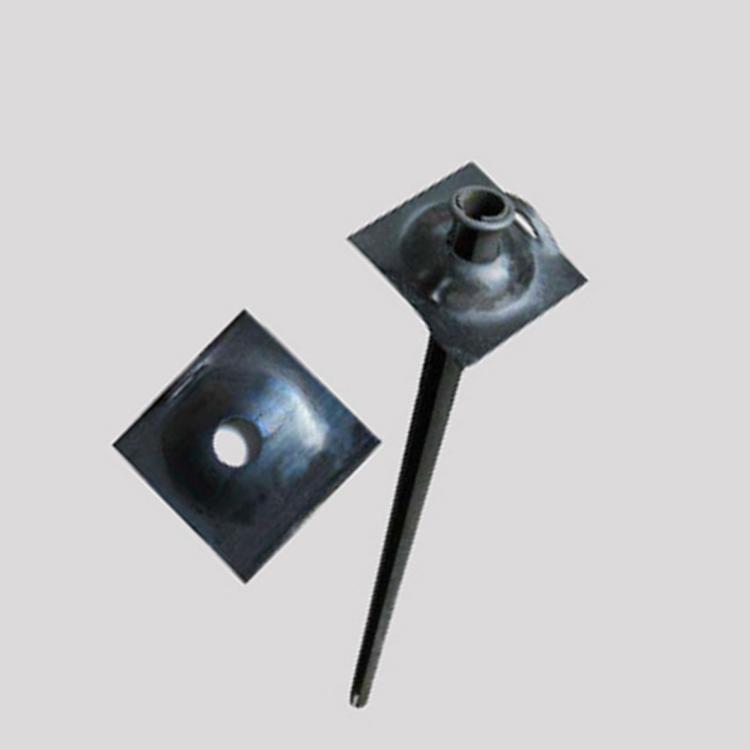











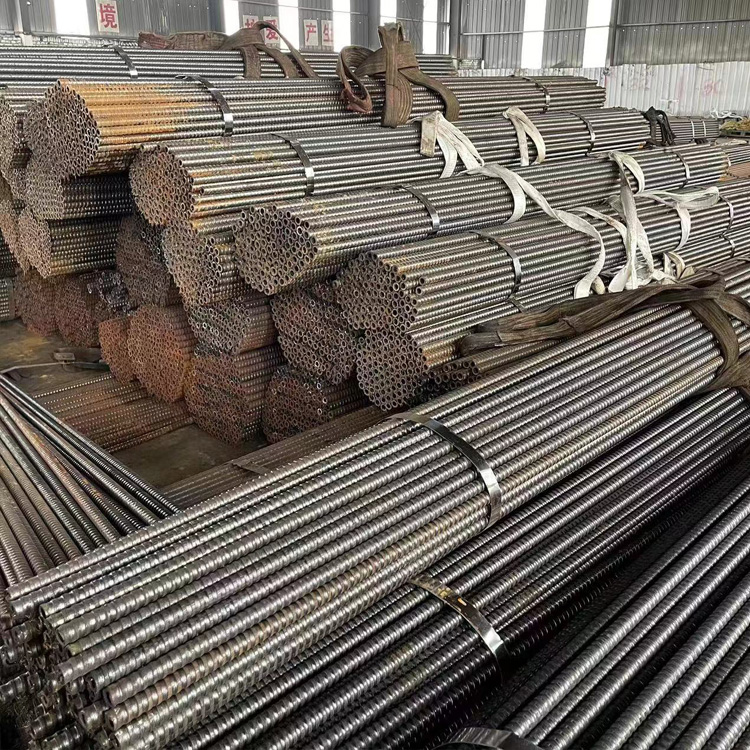
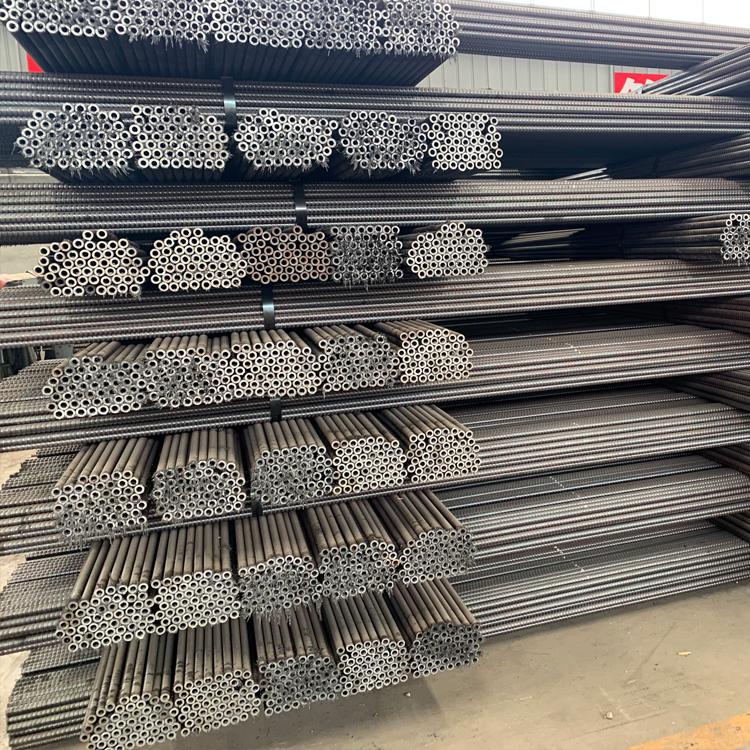
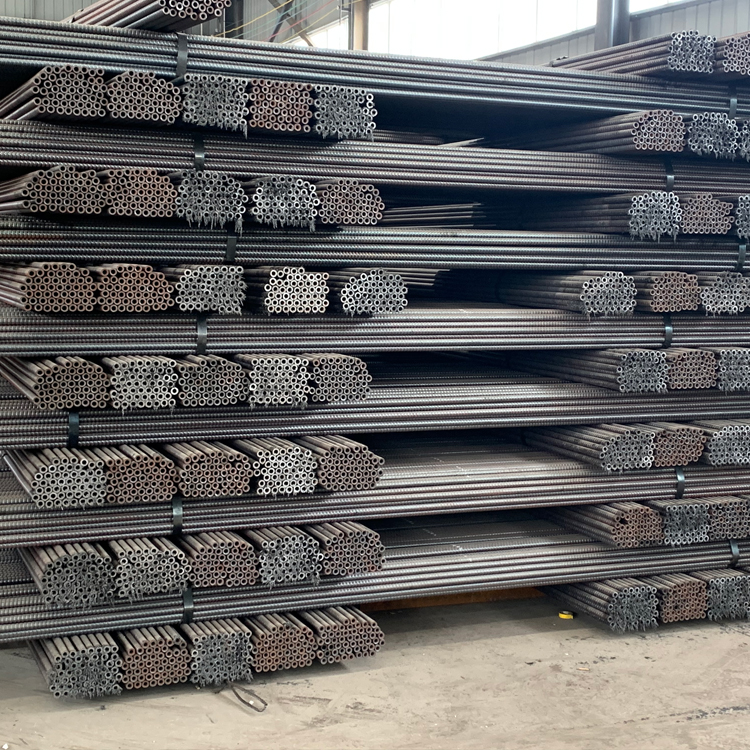
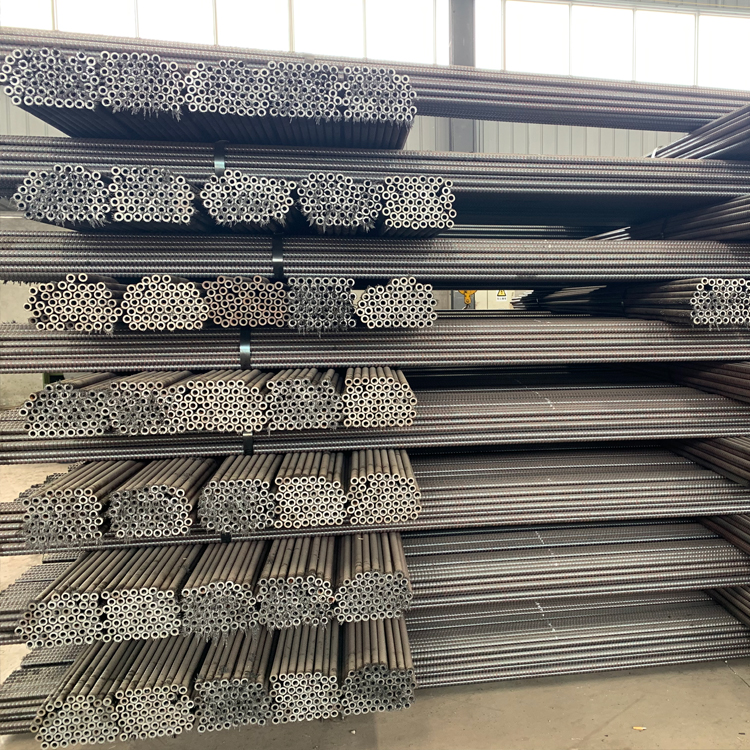
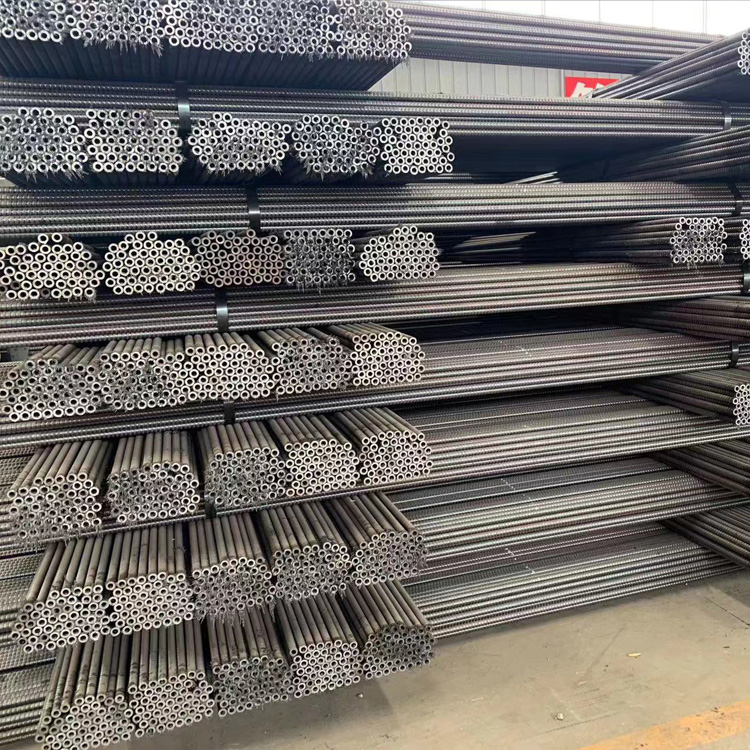
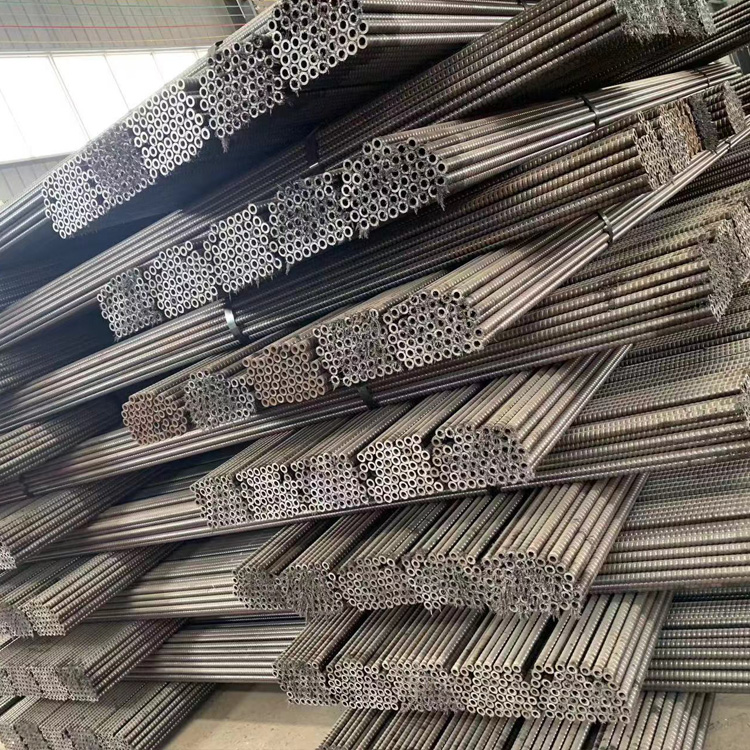
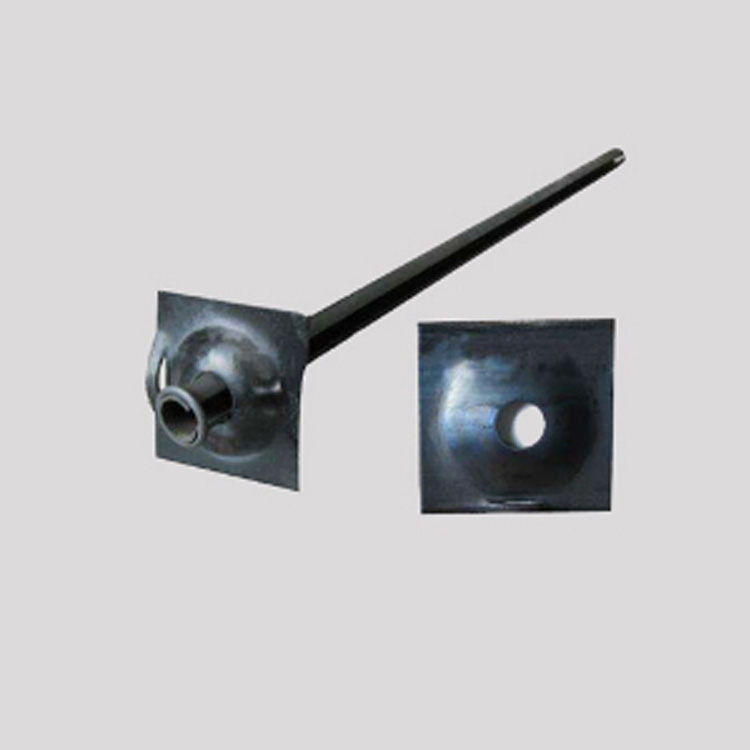
The pipe-type anchor bolt is a novel anchor bolt for full-length anchoring and active reinforcement of the surrounding rock. Its structural part is a high-strength steel pipe with longitudinal grooves. When installed in a borehole slightly smaller than the pipe diameter, it can immediately exert radial pressure on the borehole wall and frictional force to prevent the surrounding rock from sliding down over the full length. Combined with the supporting force of the anchor bolt plate, it keeps the surrounding rock in a tri-axial stress state, thereby achieving significant rock stratum expansion. In situations such as blasting vibration and anchor displacement of the surrounding rock, the later anchoring force significantly increases. When the surrounding rock undergoes significant displacement, the anchor bolt does not lose its supporting resistance, and it has better properties than the expansion shell-type anchor bolt.
Specs
1. Outer Diameter (mm): Φ30, Φ33, Φ40, Φ43 (±0.5)
2. Length (mm): 1200, 1500, 1800, 2000, 2500; Material: Q235, 16Mn, 20MnSi.
Working Principle
The installation of tubular anchor bolts in boreholes slightly smaller than the tube diameter exerts three forces on the surrounding rock: radial pressure along the full length of the tubular anchor bolt on the borehole wall, friction to prevent the surrounding rock from sliding down, and the supporting force from the anchor bolt plate. These three forces stabilize the surrounding rock more effectively.
Technical Features
1. Raw materials are made of high-strength alloy steel strips.
2. Easy installation;
3. No need for anchoring agent.
4. Large frictional force between anchor bolts and rock mass.
5. High shear and tensile strength.
6. Equipped with high-strength trays, the trays distribute force evenly.
7. Tunnel height exceeds anchor rod length.
Technical Specifications
1. The surface of the threaded rod should be smooth, without severe scratches or rust. Welds should be free of cracks, blowholes, and slag, and it is not allowed to burn through the wall. The tray should be able to move freely on the rod. The interface of the retainer ring should be offset from the tube seam opening by 170o to 190o.
2. Retaining ring weld joint tensile pull-out force ≥ 80kN, rod body ultimate tensile strength ≥ 110kN, initial anchoring force ≥ 25kN/m, tray bearing capacity ≥ 65kN.
Technical Performance
Initial anchoring force: 3~7 tons
2. Tube ring pull-out load: 8~10 tons
3. Tensile break strength of anchor rod: 12~13 tons.
4. Corrosion resistance is 20~30% higher than A3 steel, benefiting long-term use.
Usage Instructions
1. Determine the anchor bolt hole positions according to design requirements and drill holes using drilling equipment.
2. Blow out the rock powder inside the holes with compressed air.
3. Attach the anchor plate to the rod, and hammer the anchor bolt into the hole using an impact drill.
Recommended calculation method for hole diameter for grouted anchor bolt drilling:
In the rock strata: Hole diameter = (0.9-0.95) × Anchor bolt diameter; Anchor bolt hole depth: Anchor bolt length + 100mm; Hole deviation rate < 1%
In coal seams: Drilling diameter = (0.9-1.00) × anchor bolt diameter Anchor bolt drilling depth: anchor bolt length + 200mm Drilling deviation rate < 1.5% [1]