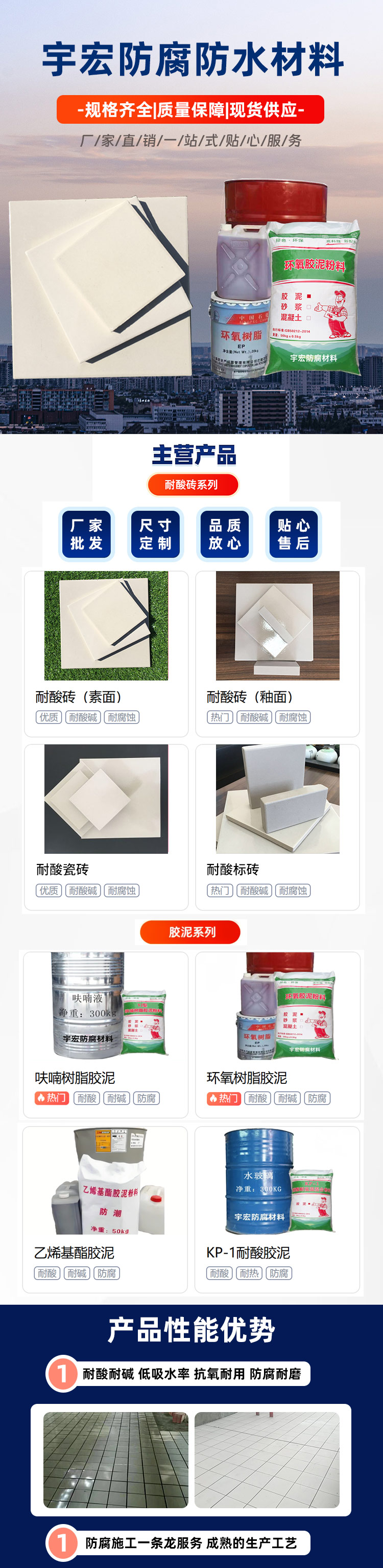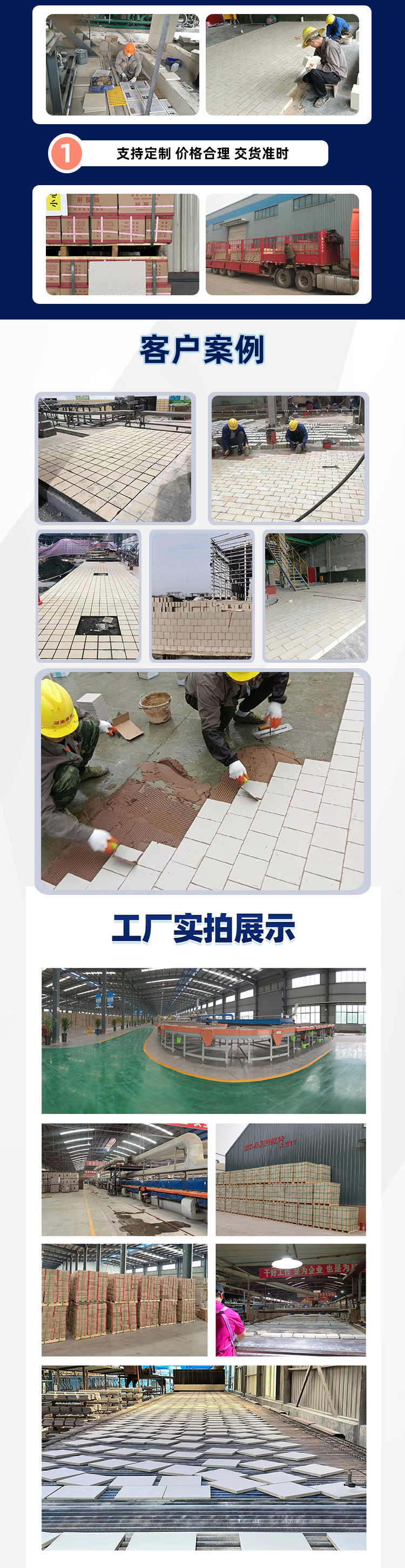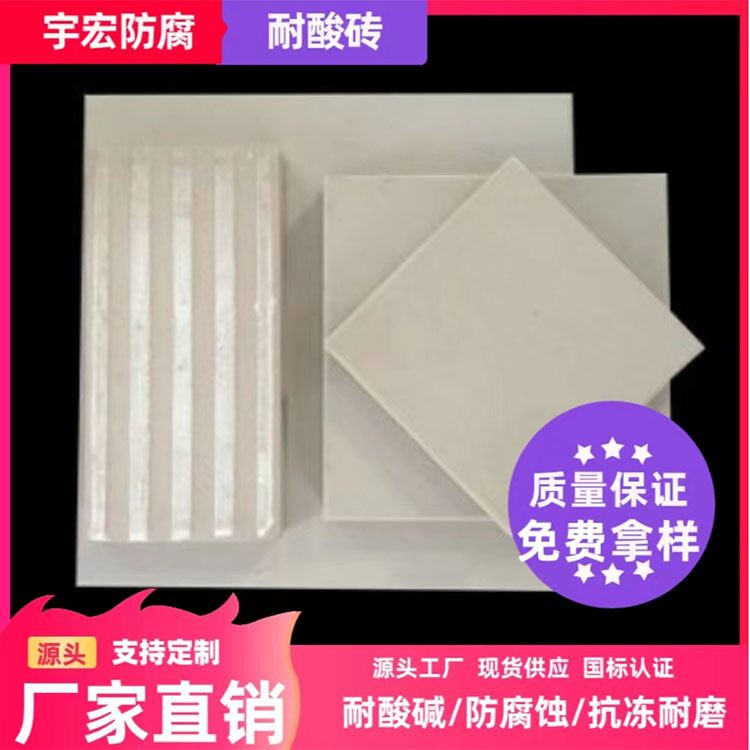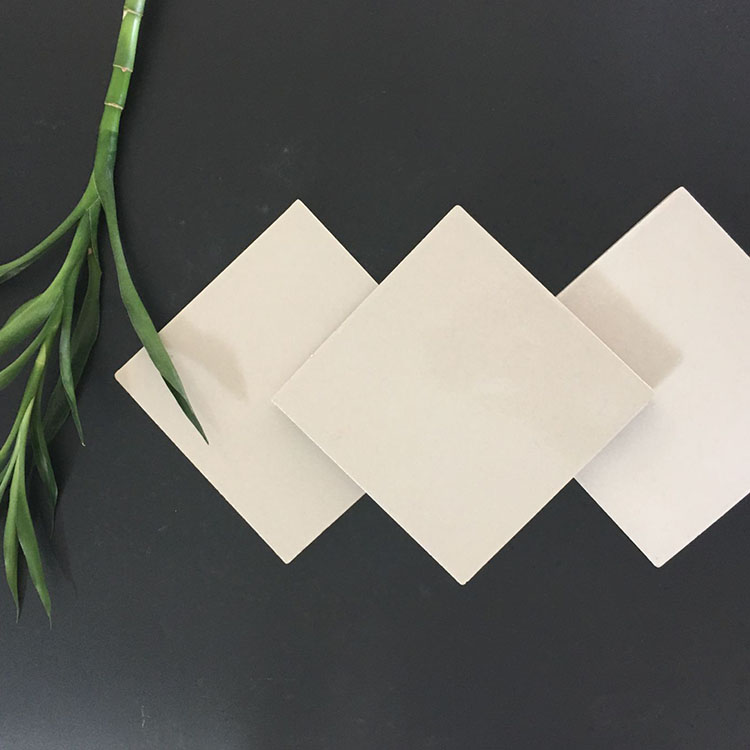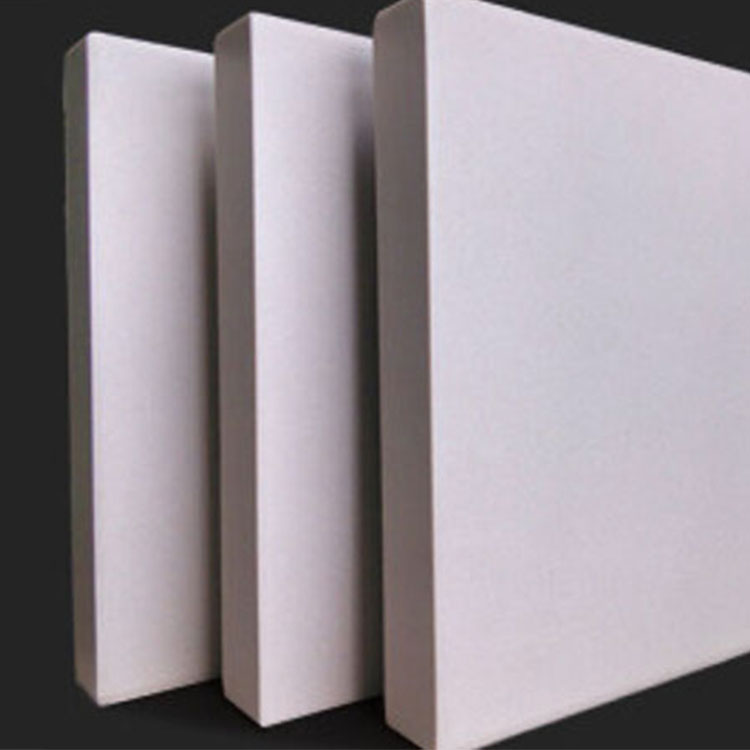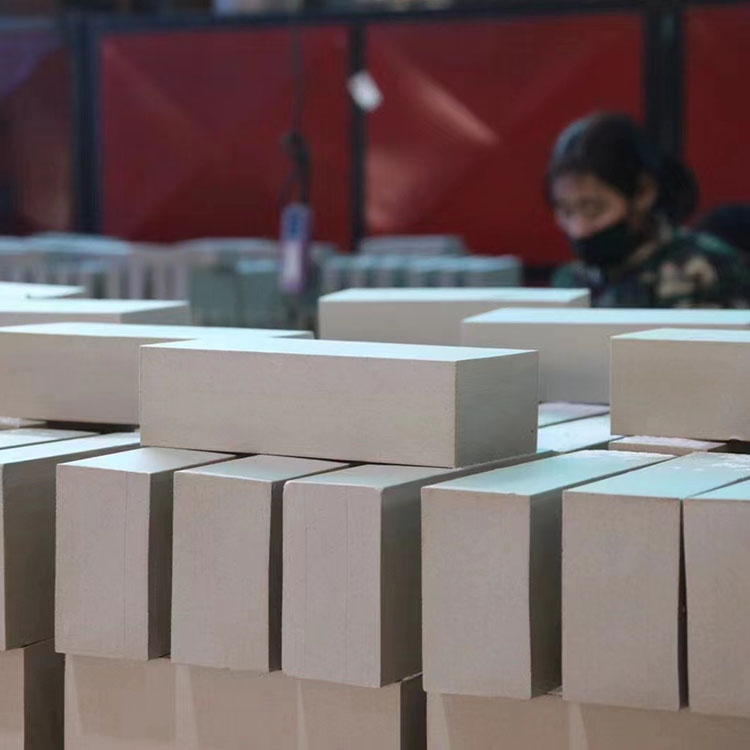

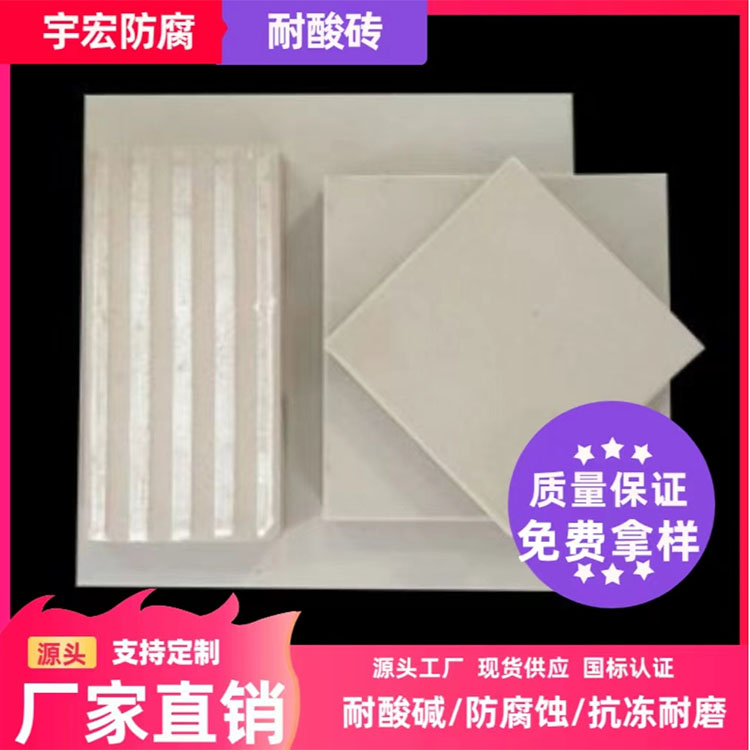

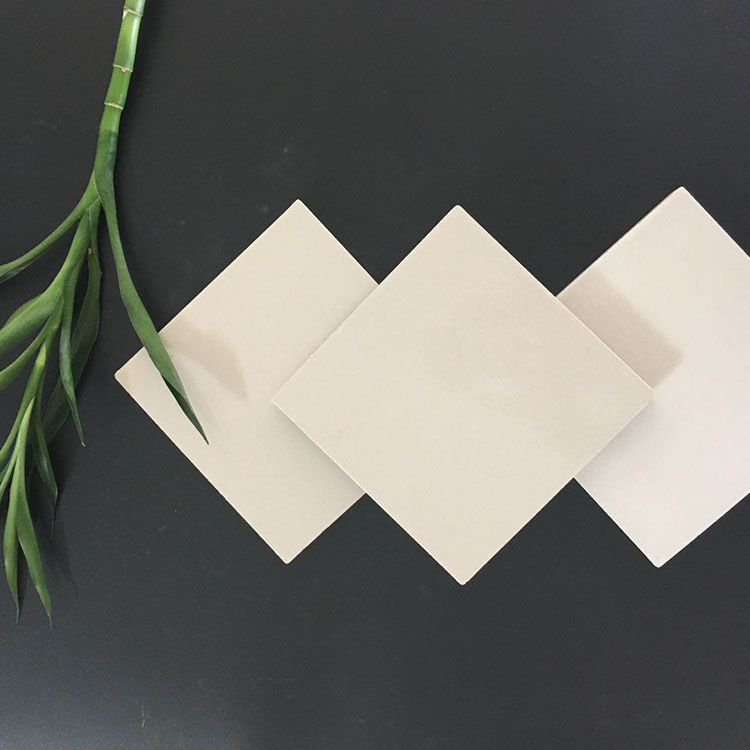
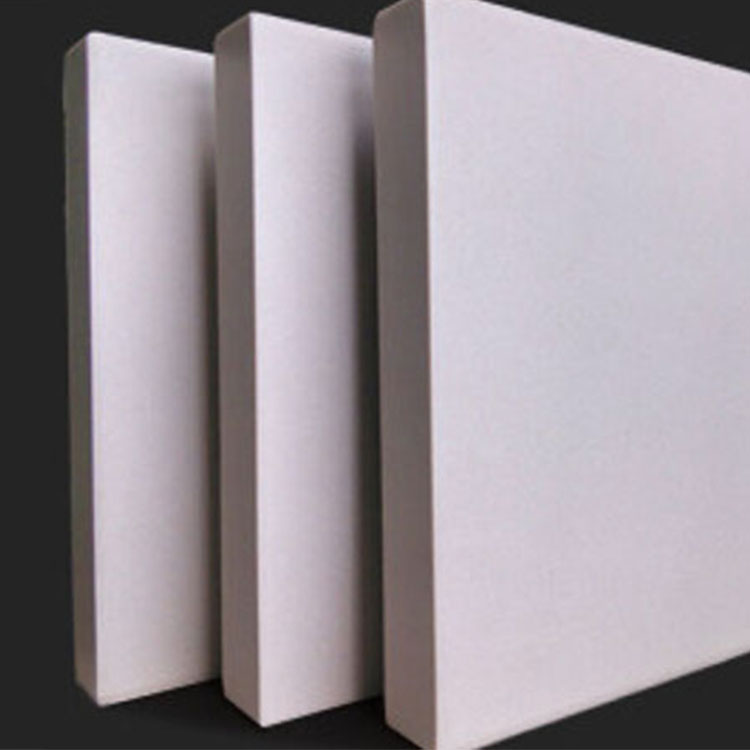




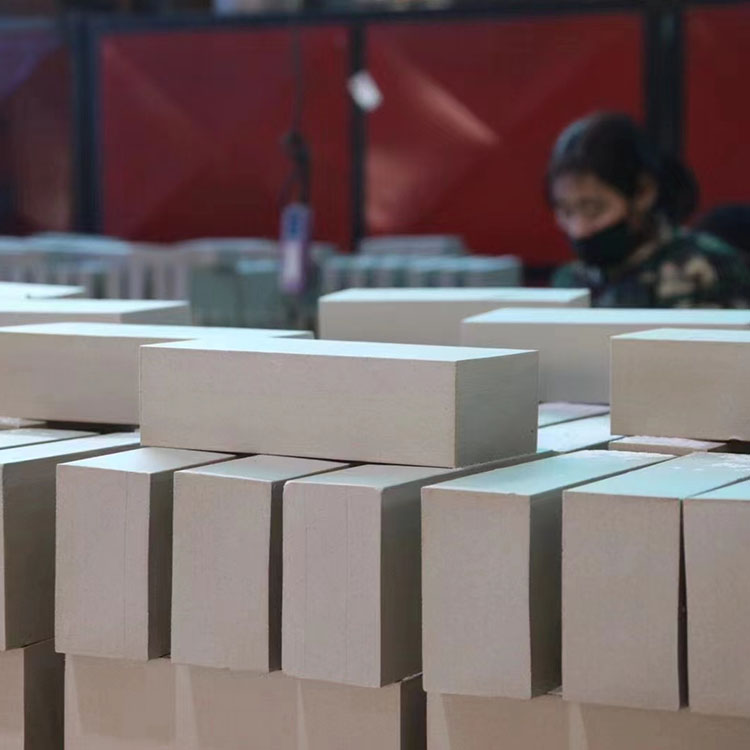






The main component of acid-resistant bricks is silicon dioxide, which forms a large amount of andalusite under high-temperature firing, a substance with high acid resistance. Due to the dense structure of acid-resistant bricks and low water absorption rate, they can withstand any concentration of alkaline medium at room temperature, but are not resistant to high-temperature molten alkali. Acid-resistant bricks contain over 70% silicon dioxide and are fired to form, commonly used in the chemical industry for lining acid ditches, acid wells, acid storage facilities, and heavily impacted acidic surfaces.
Our products feature high acid resistance, low water absorption, and excellent flatness. They possess properties such as anti-seepage, anti-freezing, salt resistance, alkali resistance, and corrosion resistance to weak acids, and exhibit strong adhesion to a variety of materials. They can be applied to damp substrates without the need for drying, and can harden in humid environments or underwater. The operation and application are convenient.
Easy to clean, washable with water. Production can be customized according to the customer-provided product drawings and technical specifications.