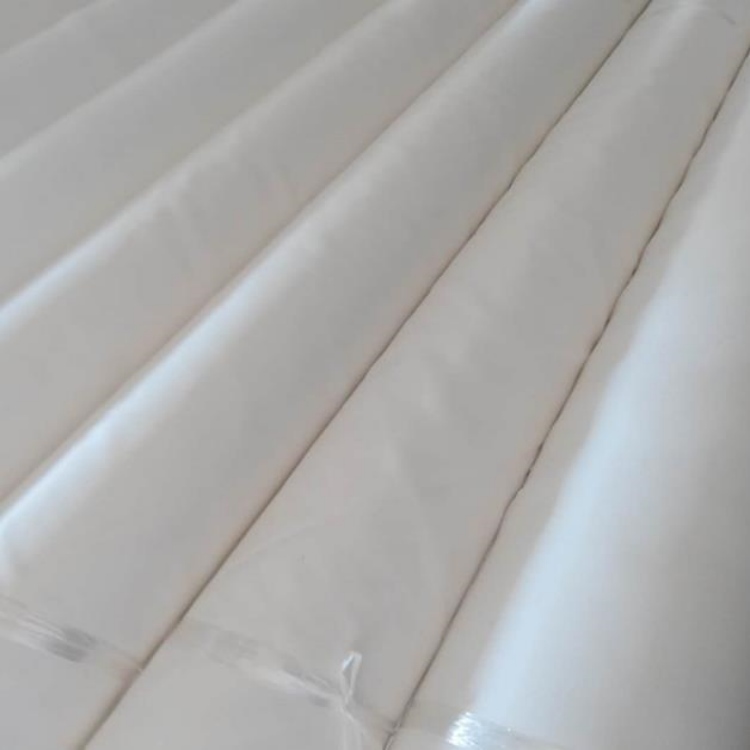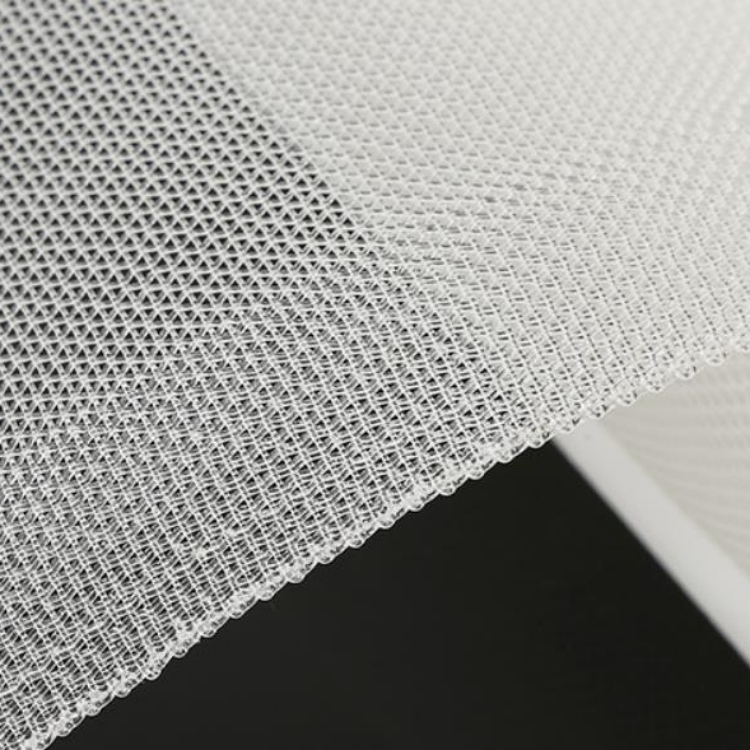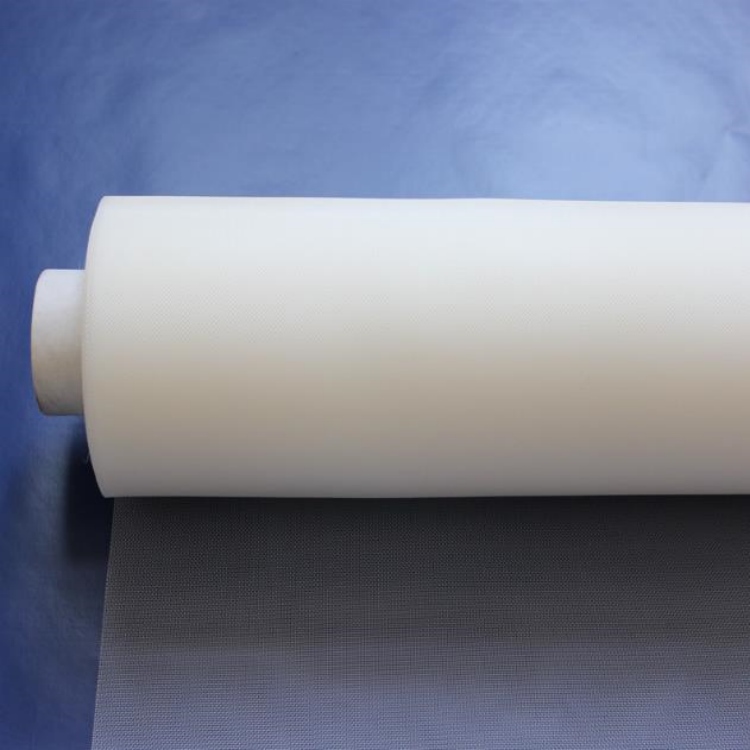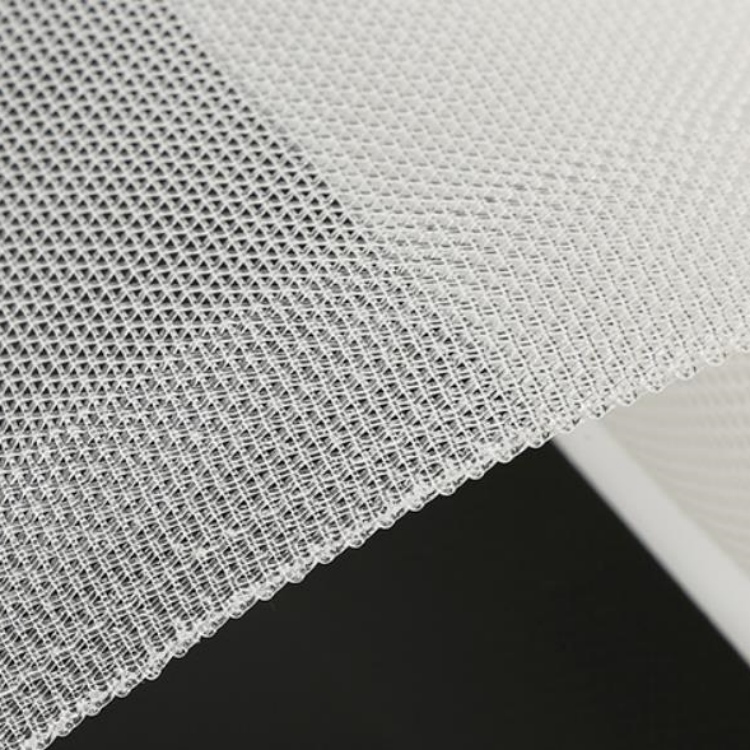

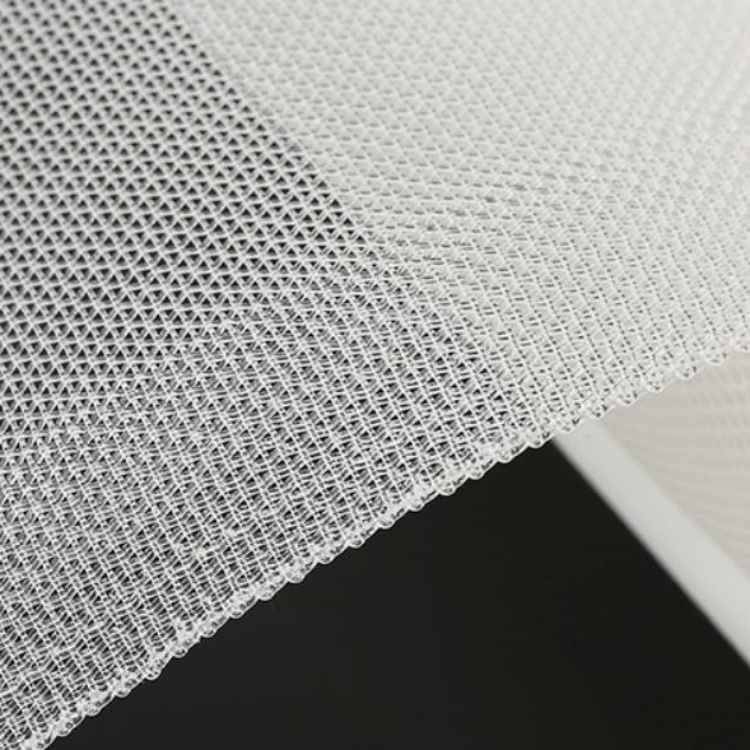
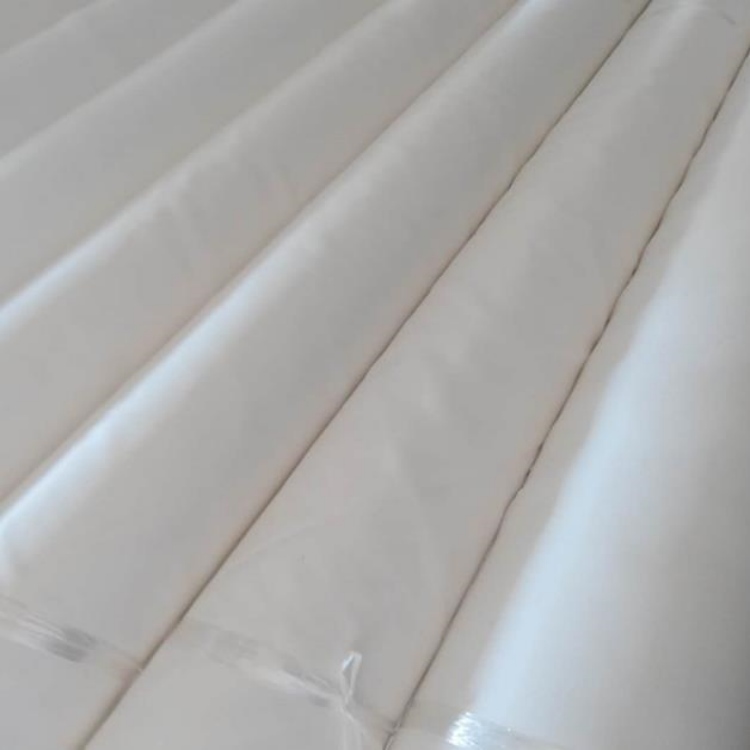
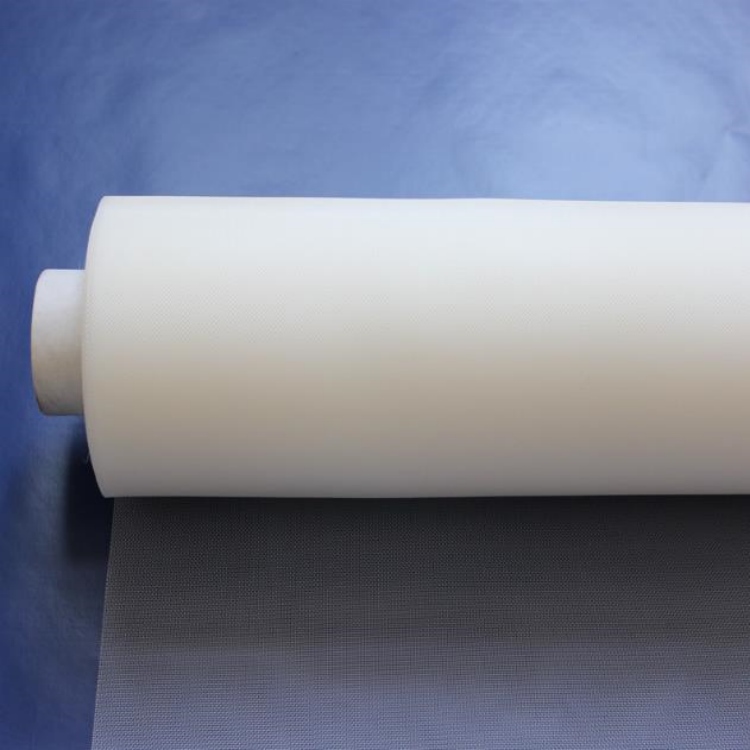







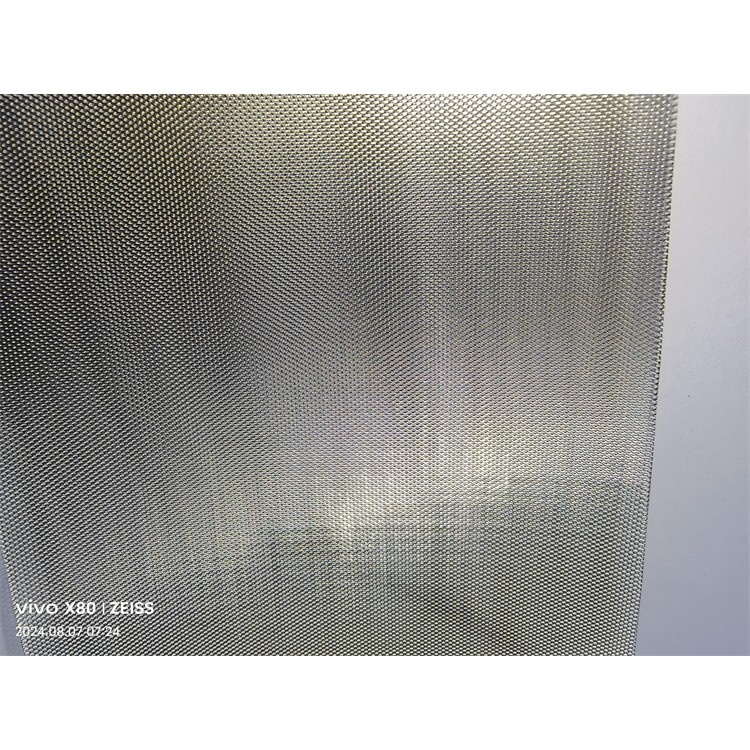
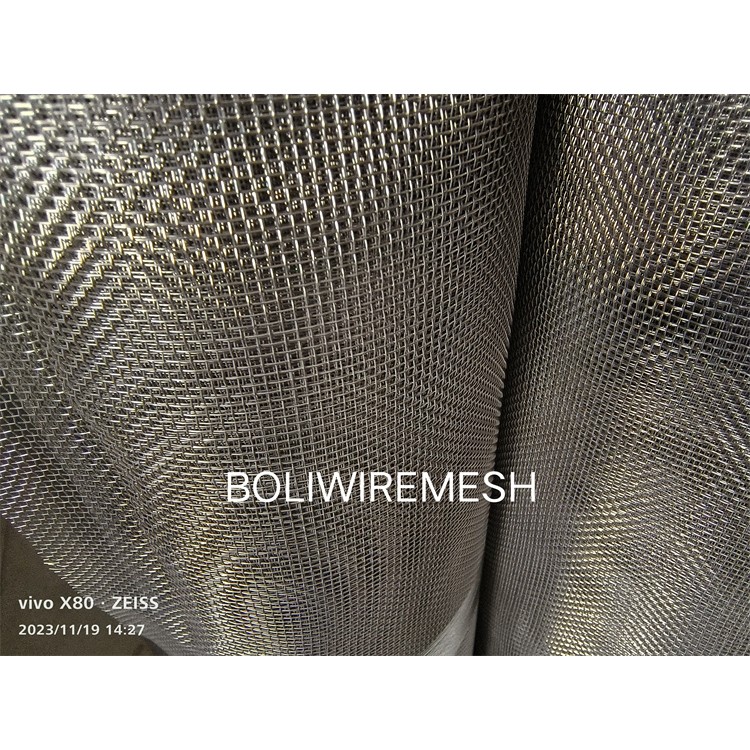
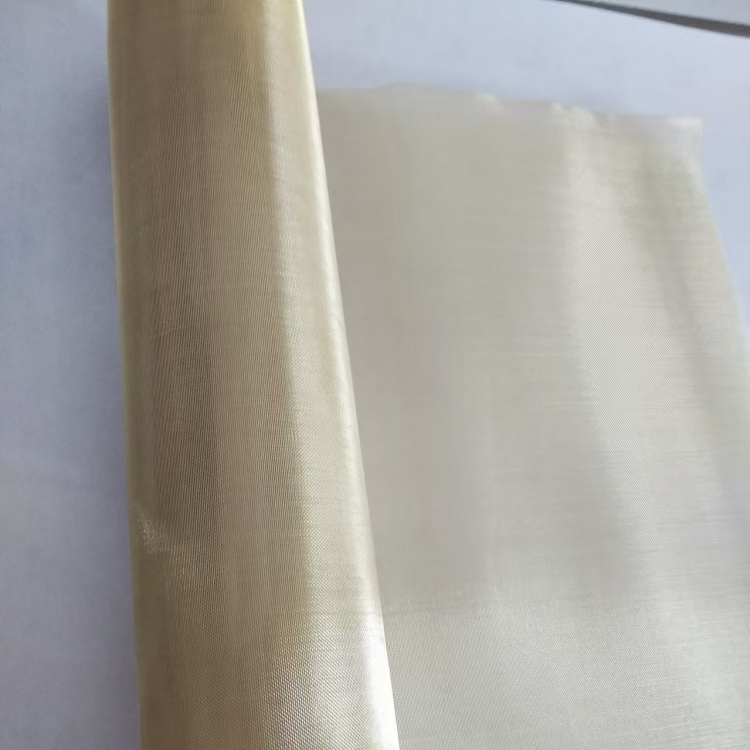
Nylon mesh is a fiber mesh made from materials such as nylon, nylon, polyester, and nylon filaments, processed through the use of wire mesh machinery. It features the following characteristics and applications:
Features
Excellent physical properties: Nylon mesh features high tensile strength, good elasticity, resistance to corrosion, oil, water, abrasion, high temperatures, and weathering.
Good insulation properties: The nylon mesh also offers excellent insulation performance.
Low lubricity coefficient: This gives nylon mesh an advantage in certain specific applications.
Usage
Nylon mesh is widely used in various fields due to its excellent performance:
Industrial Filtration: Used for filtering liquids such as paints, coatings, inks, adhesives, etc.
Petroleum & Chemical Industry: Nylon mesh is used in various filtration and separation processes in the petroleum and chemical industry.
Screen Printing: Nylon mesh is an indispensable material in screen printing.
Agriculture: Used for marine aquaculture, plant shading, etc.
Construction: Provides safety as a construction safety net, fall protection net, etc.
Others: Also used in industries such as flour processing and fishery fishing.
Categories and Specifications
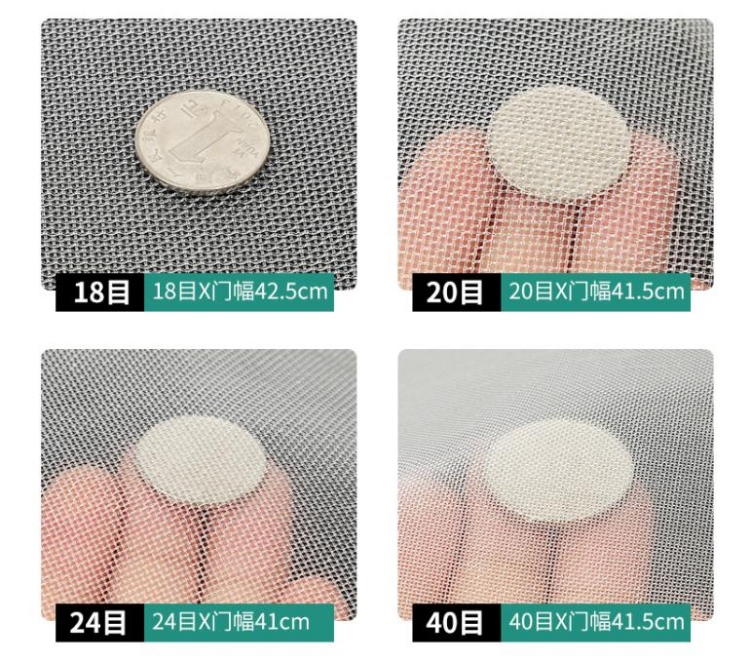
Nylon meshes can be categorized by material and weaving methods, such as nylon blends, nylon mesh, polyethylene mesh, sunshade mesh, etc. Specifications include mesh count, yarn diameter, aperture size, width, etc., with varying specifications for different applications. For instance, nylon mesh used for screening and filtration typically ranges from 60 to 420 mesh, while fishing nets often have larger mesh sizes.
Cautionary Notes
When selecting and using nylon mesh, it's essential to choose the appropriate material, specifications, and weaving method based on the specific application and requirements. Additionally, attention should be given to the maintenance and care of the nylon mesh to extend its service life.