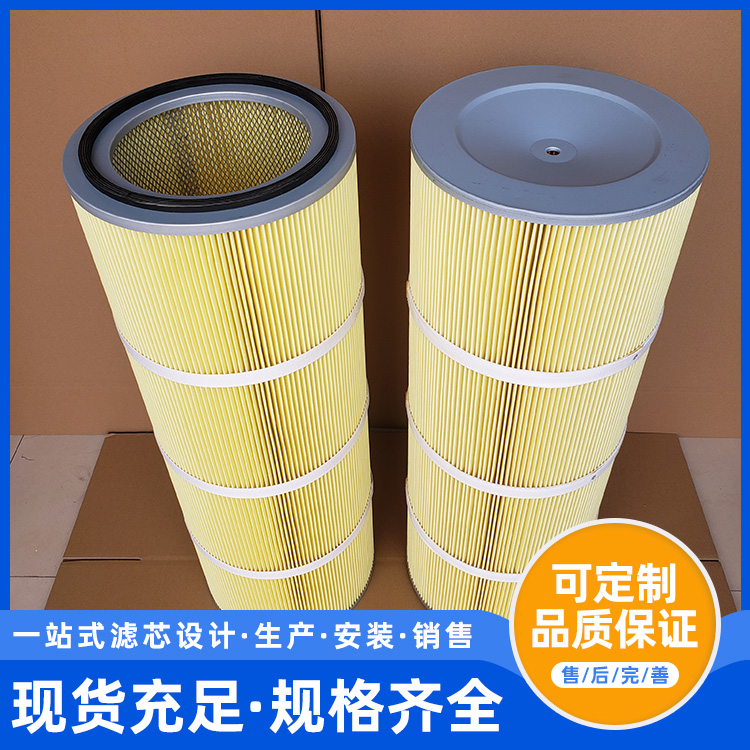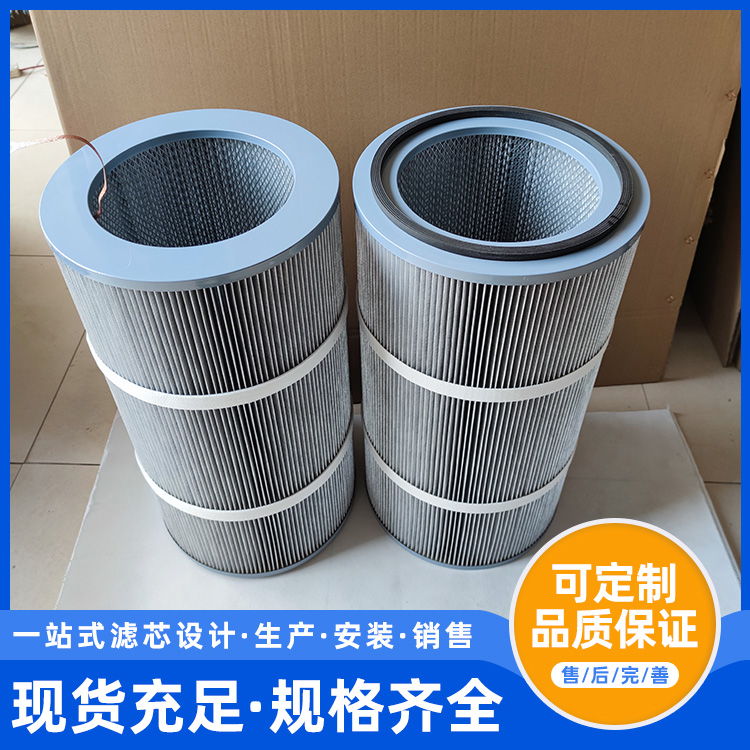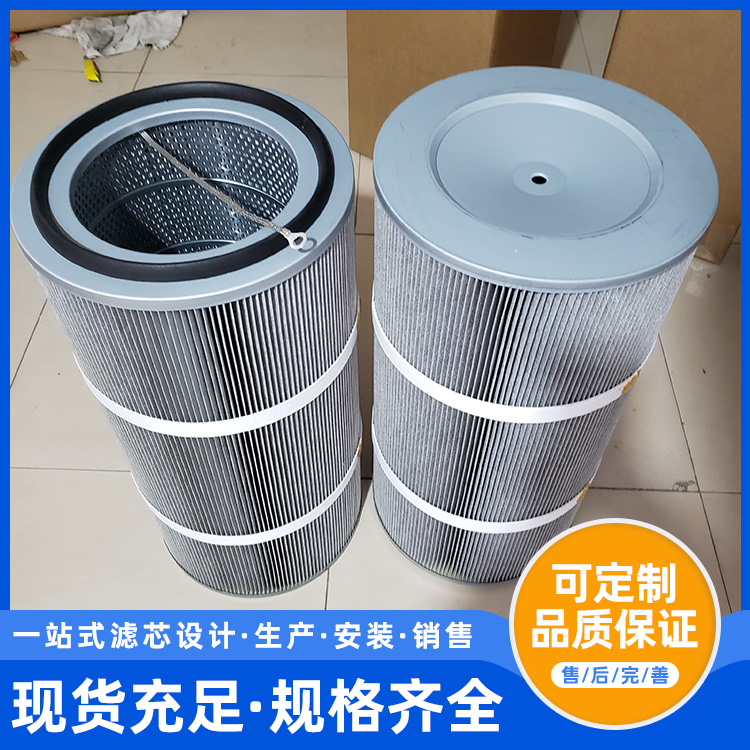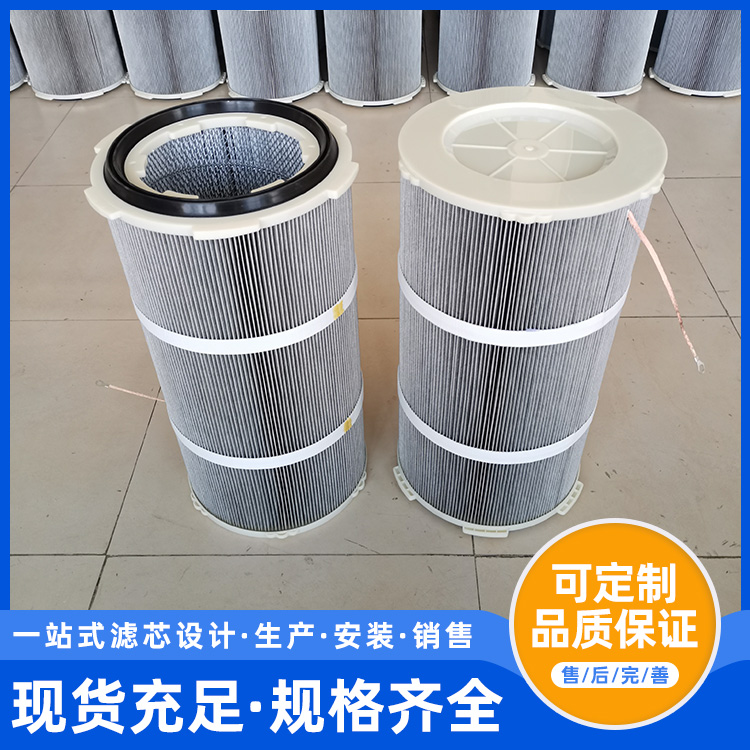




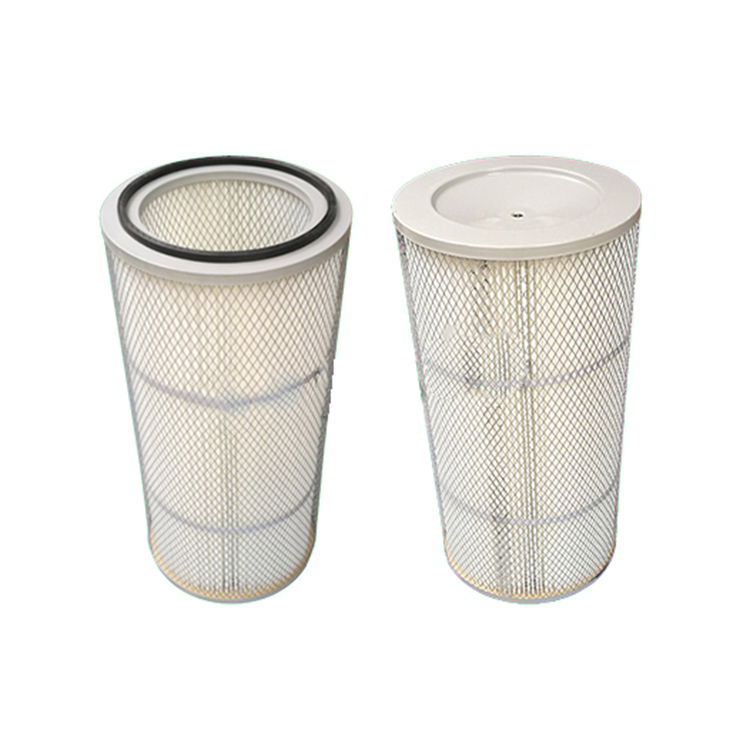
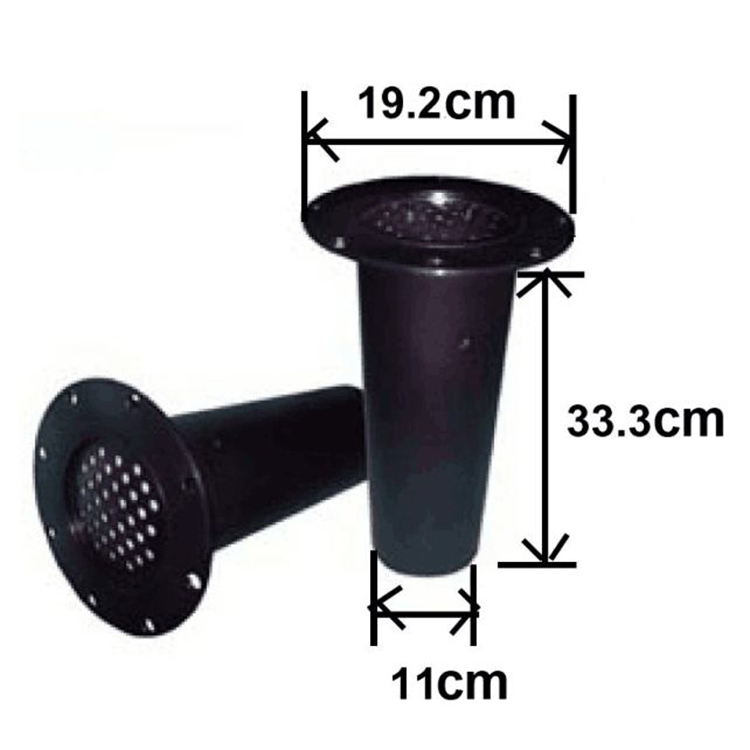
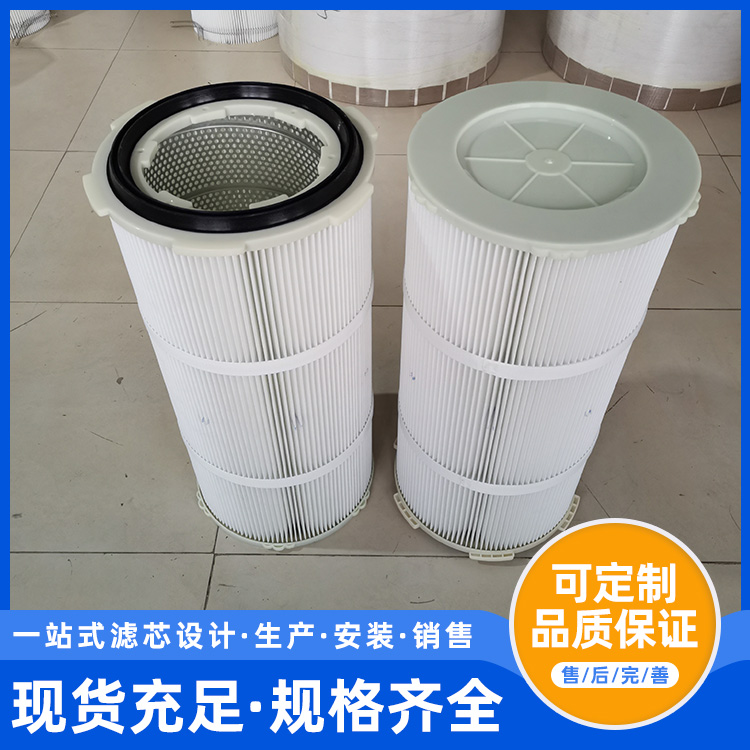
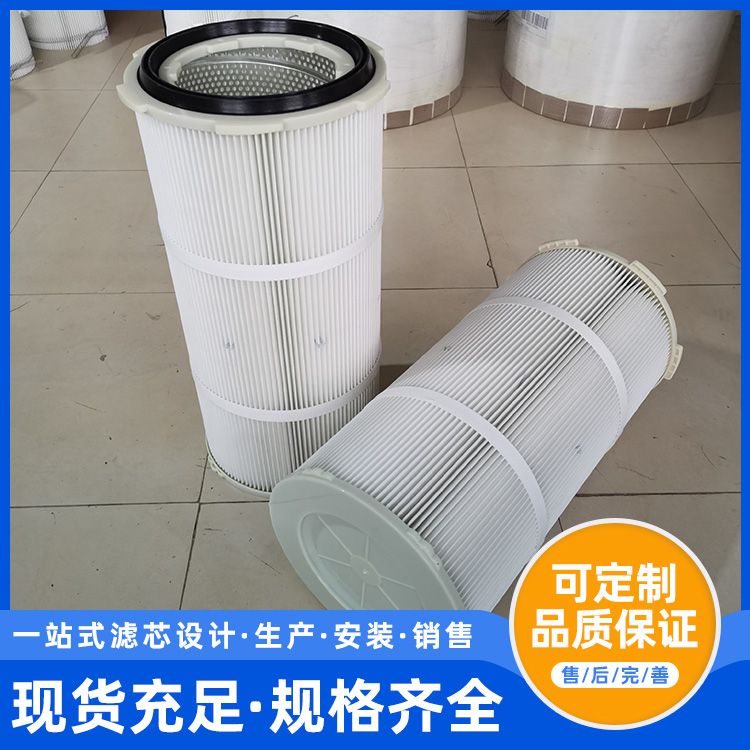





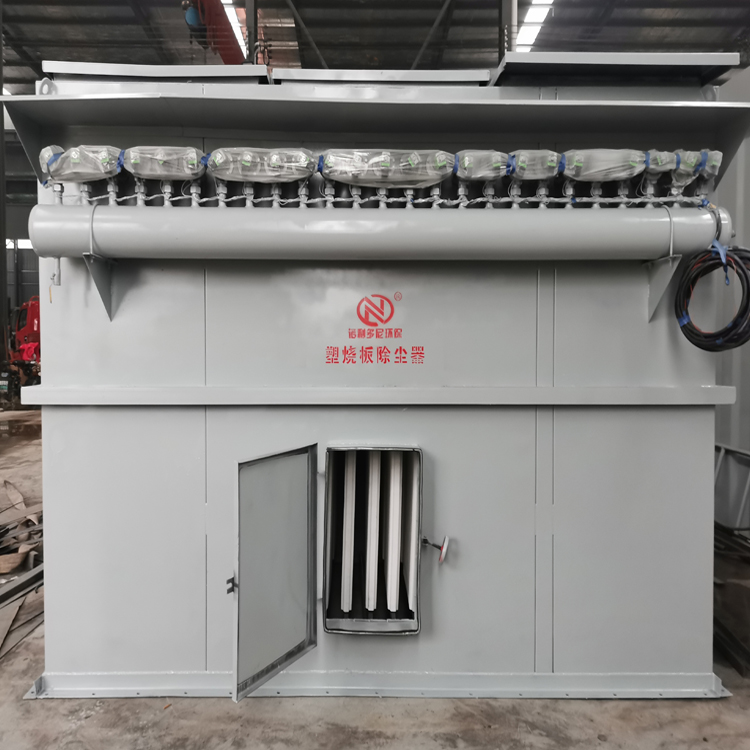
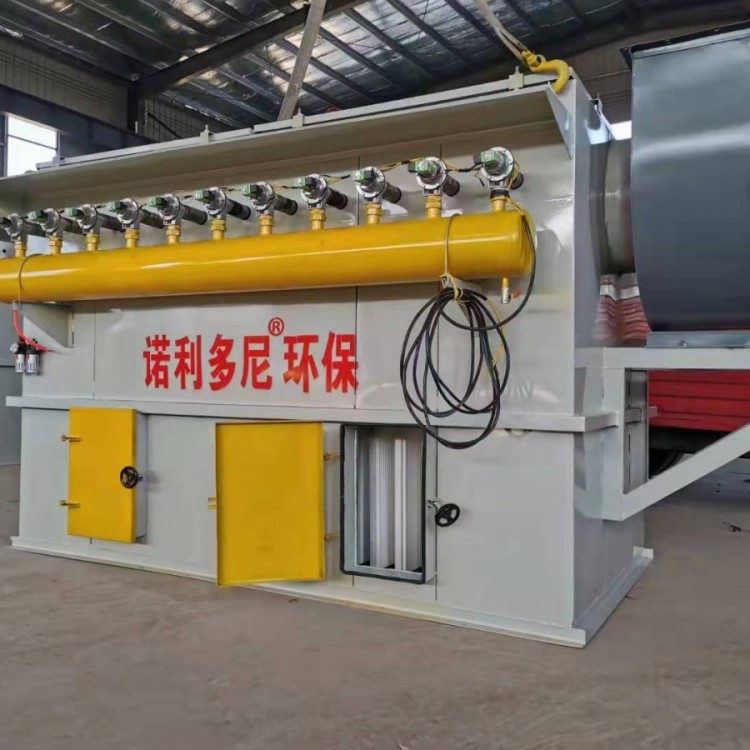
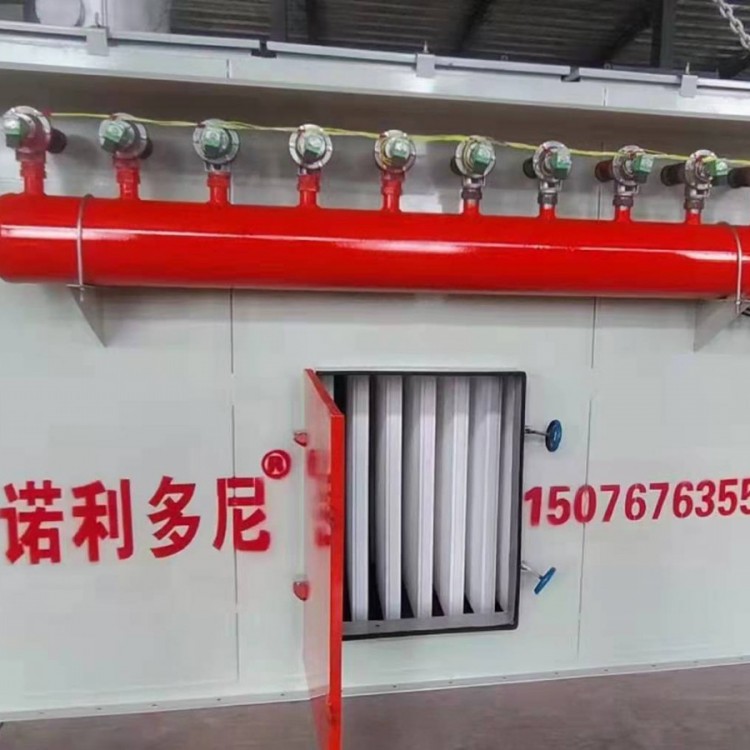

Sintered plate dust collector structure method:
The sintered plate is for vertical installation.
Vertically installed sintered plates offer the advantages of easy installation and maintenance, large filtration area, and strong dust removal capability, making them suitable for smoke treatment with a high dust content.
The difference between plastic sintered filter media and bag filter media:
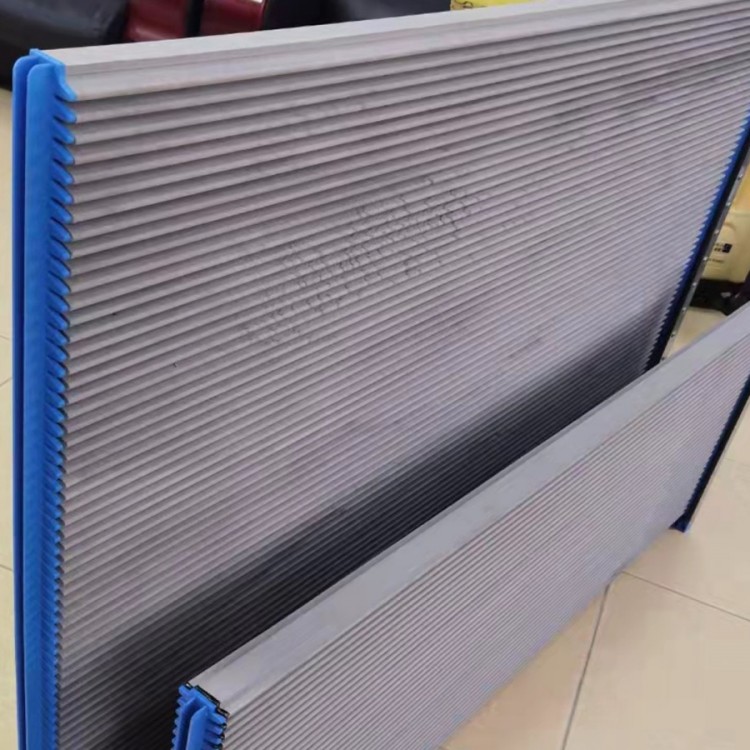
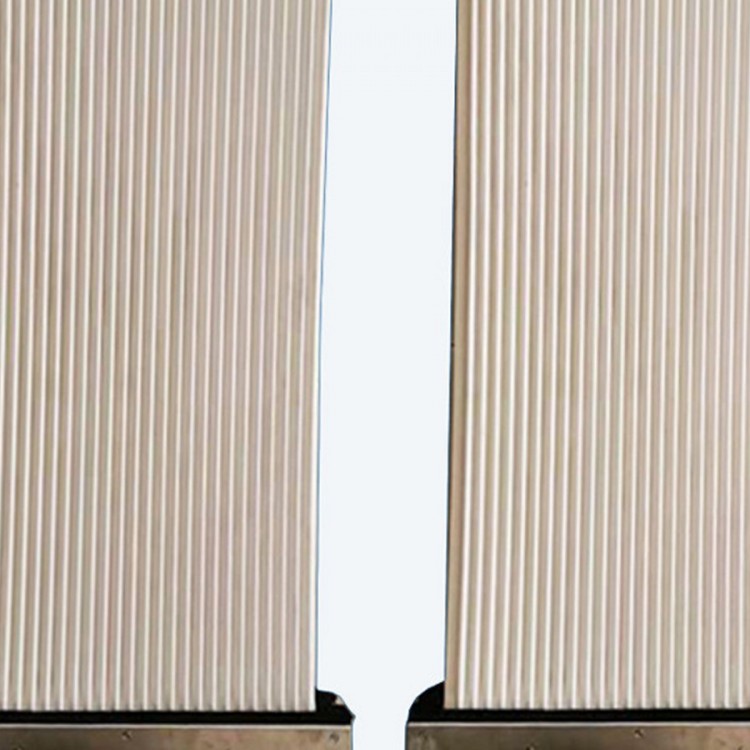
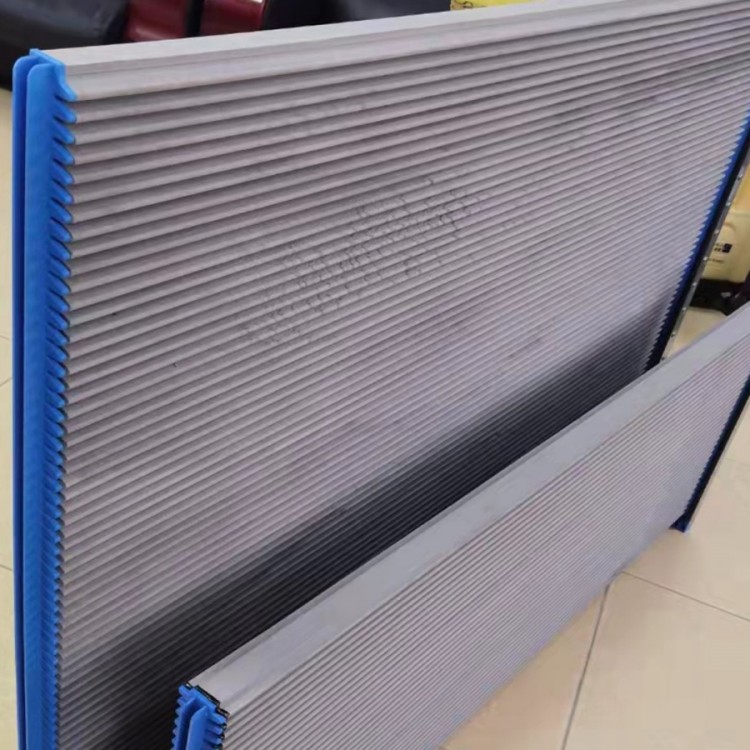
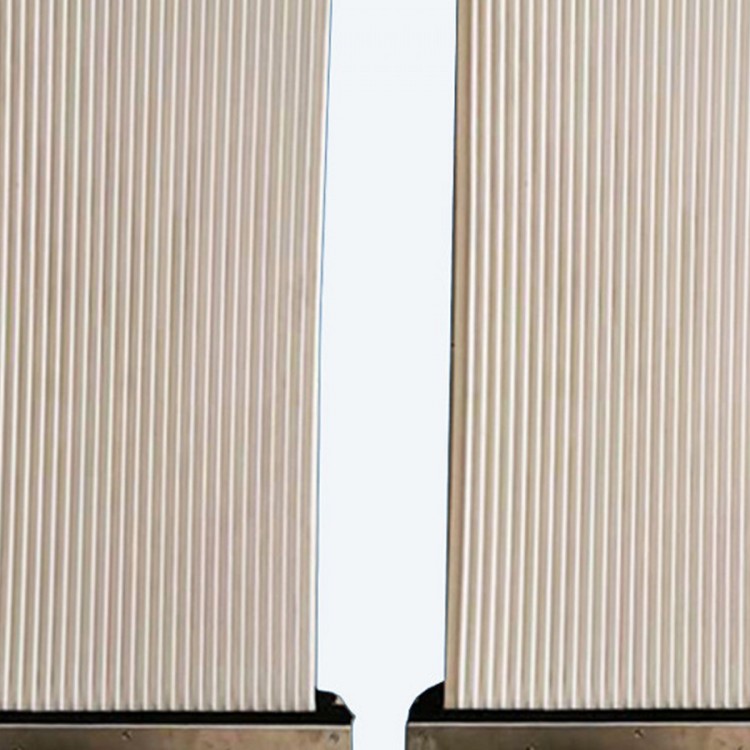
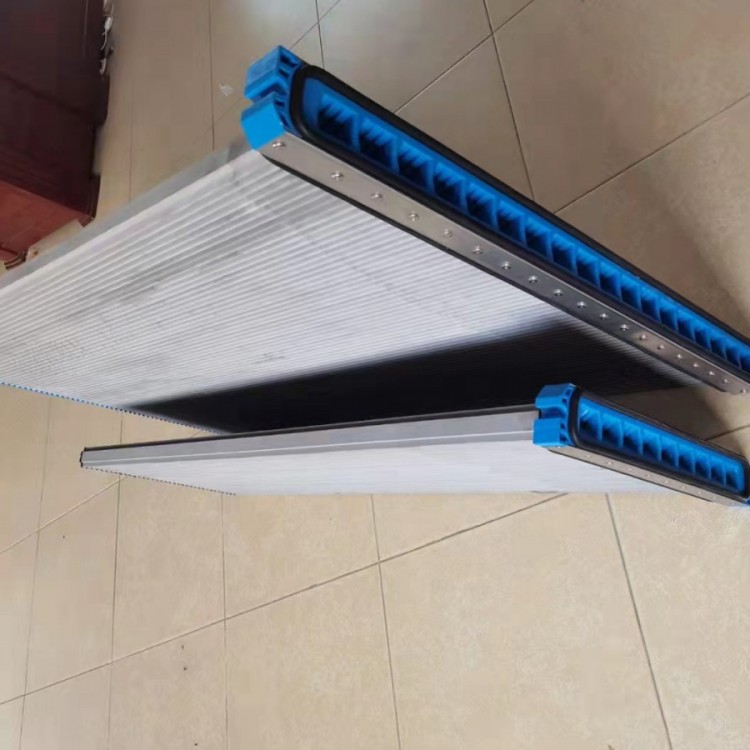
The external shape of the sintered plate features a wave-like pattern reminiscent of an accordion box. If expanded into a flat surface, it equates to a threefold increase in surface area. The internal structure of the wave filter is divided into 17 cavities. This design, while considering the strength of the components, is primarily driven by the needs of gas dynamics to ensure efficiency during pulse jet backflushing for dust removal. The dust collector assembled with this material occupies only 1/2 to 1/3 of the space of a bag dust collector with the same filtering area. The overall structure is also correspondingly reduced, featuring space-saving characteristics that facilitate user factory design and reduce the total cost of equipment.
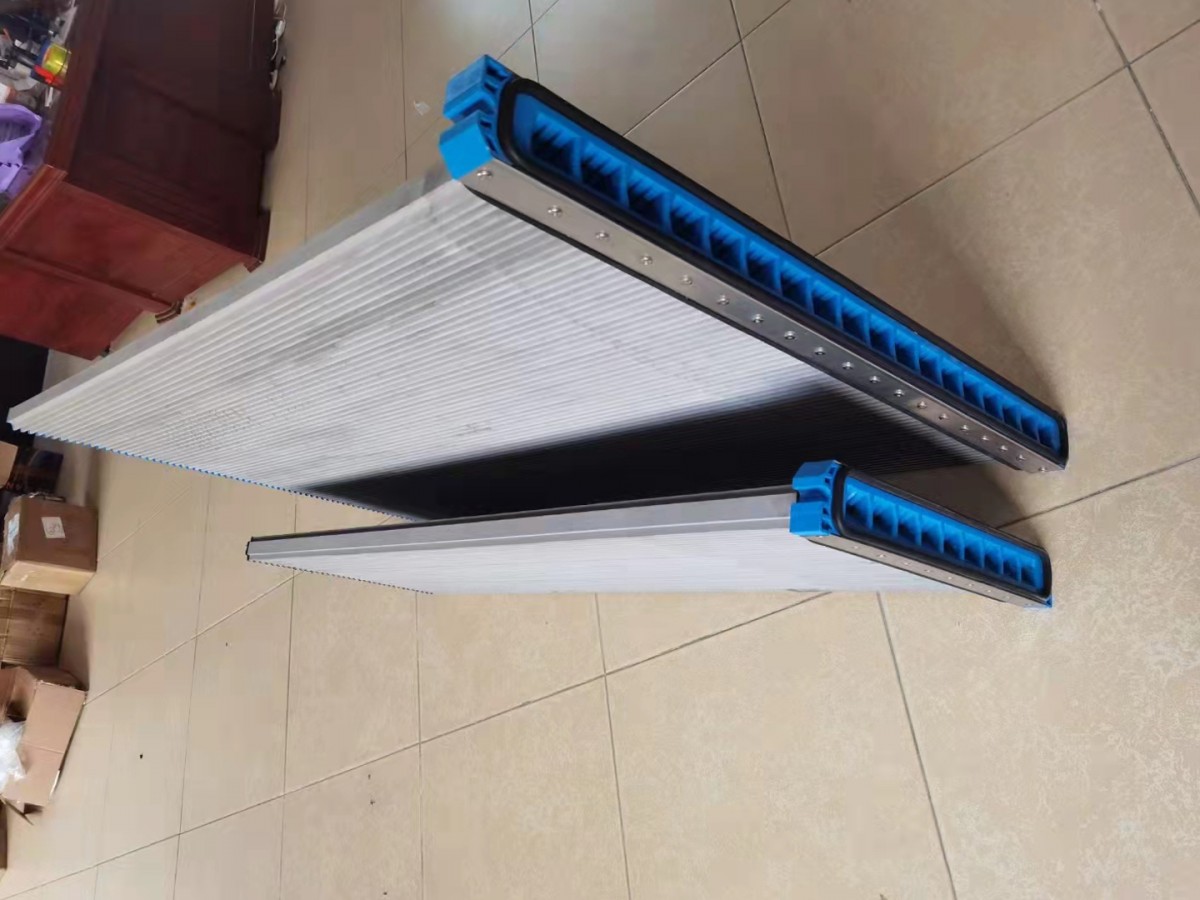
Sintered Plate Model:
Model: 9M Type
Dimensions: 1550(L) × 1050(W) × 61(H), single board filtration area: 9.0㎡
Model: 4.5M Type
Dimensions: 1500(L) x 565(W) x 80(H), single plate filtration area: 4.5㎡
The common temperature resistance of sintered plates is: 70℃ (room temperature)
Special performance sintered boards: acid-resistant, antistatic, explosion-proof, oil and gas-resistant, etc.
In most cases, the dust concentration at the inlet can reach up to 500g/m3, while the dust concentration in the exhaust can be controlled below 5mg/m3. High-concentration dust removal systems are widely used in industries such as rolling steel, metallurgy, chemicals, flue gas, electronics, food, plastics, welding processing, and precious metal recycling.
Properties of Sintered Plates:
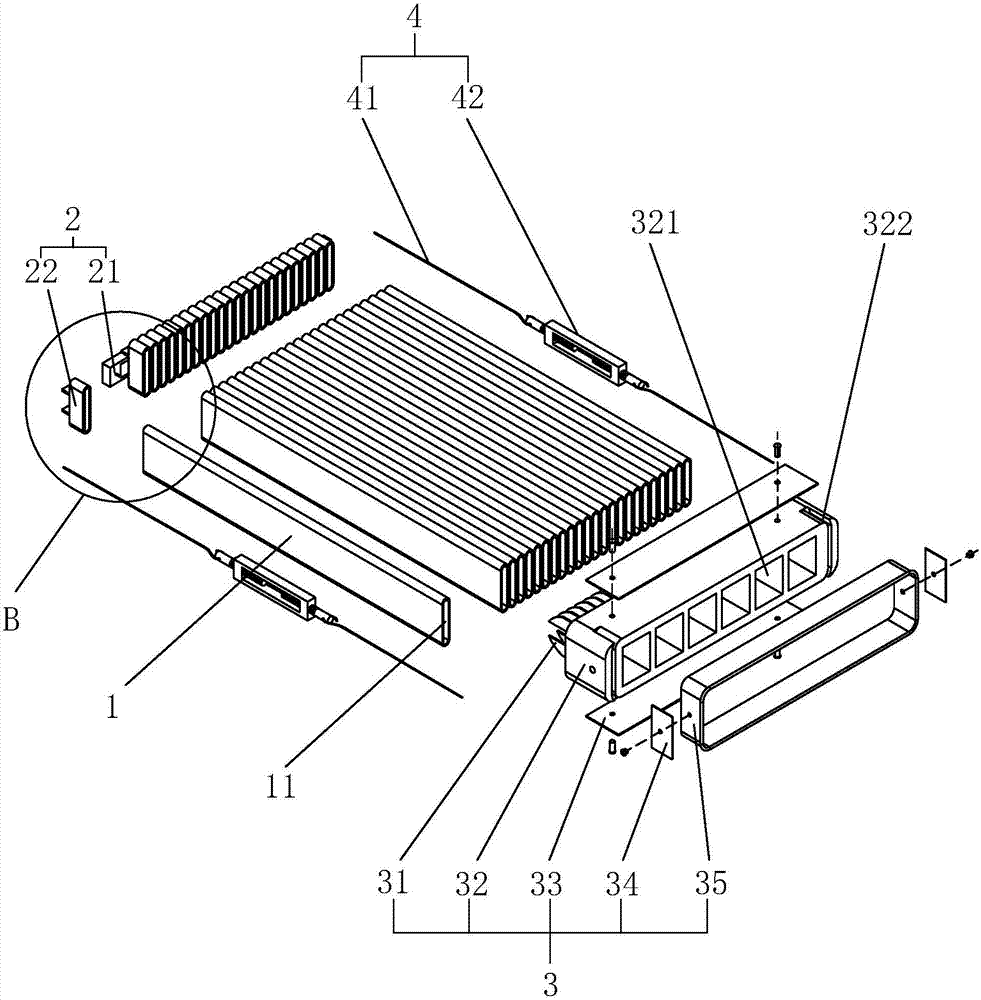
The sintered plate filter core features a rigid wavy porous structure, with a sintered plate thickness of approximately 4mm. It forms a uniform pore size of about 30μm internally. Subsequently, a PTFE coating is filled into the gaps on the substrate surface through a special spraying process, creating micro-pores with a size of 2~3μm.
2. The independent cavity sealing design ensures that even if there is air leakage in the sintered plate filter, there will be no large-scale dust emission causing environmental pollution.
3. The unique wavy design of the sintered plate filter core increases the filtration area while reducing the occupied space.
4. High dust removal accuracy: Micron-sized filter pore size, capable of removing the vast majority of smoke and dust particles larger than 0.1um.
5. Large Filtering Area: The corrugated design of the filtering surface offers 3 to 6 times the filtering area of the same volume as the filter bag.
6. Strong self-cleaning capability: The rigid structure allows the reverse blowing gas to act more directly on the particulate matter adhered to the filter surface, without any buffer, resulting in a thorough dust removal effect.
7. Hydrophobic and oleophobic: The sintered plate substrate is made of various high molecular materials with different densities, and the PTFE coating penetrates deeply into the pores of the sintered plate substrate, forming a super-fine pore anti-adhesive structure, which possesses hydrophobic and oleophobic properties.
8. Strong resistance to acids and alkalis: Special resin materials can withstand long-term high-temperature corrosion from strong acids and alkalis.
9. Constant pressure, stable resistance; as the wave-shaped sintered plate filter core captures dust through the surface resin coating, its smooth surface makes it extremely difficult for dust to pass through or remain. Even if some extremely fine dust particles may enter the cavity, they are immediately blown away by the pulse compressed air flow. Therefore, clogging does not occur in the sintered plate filter core's matrix layer.