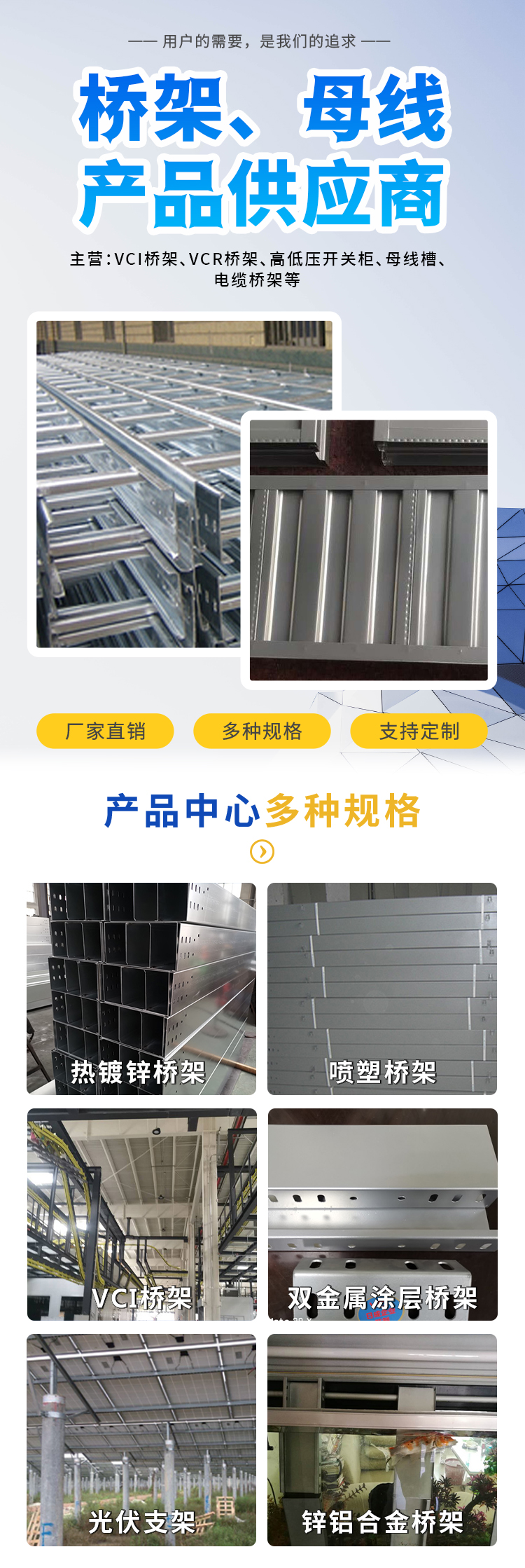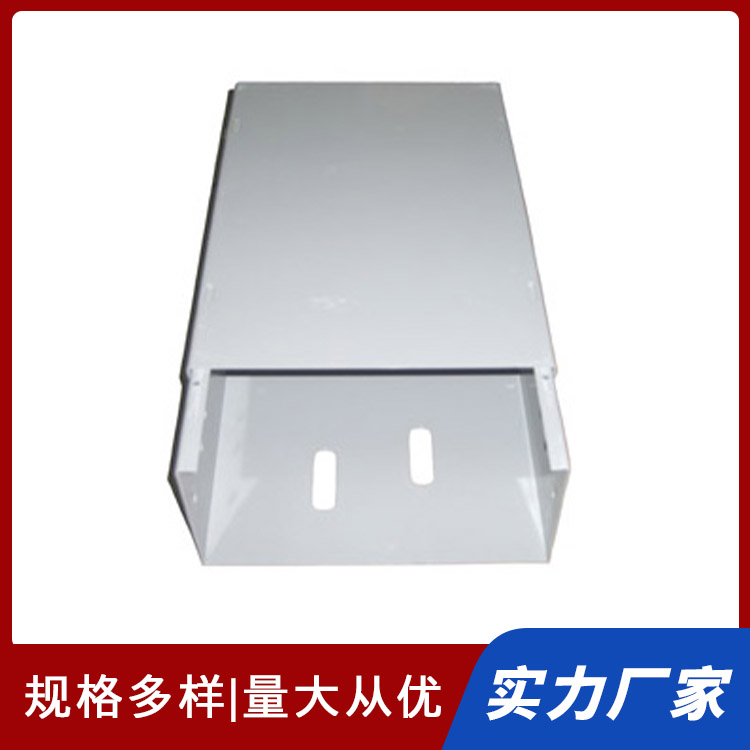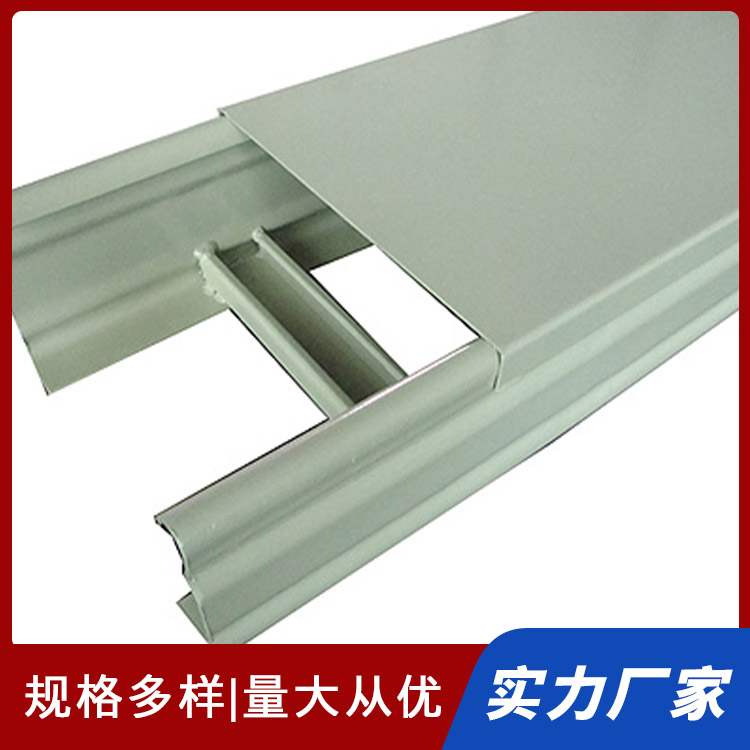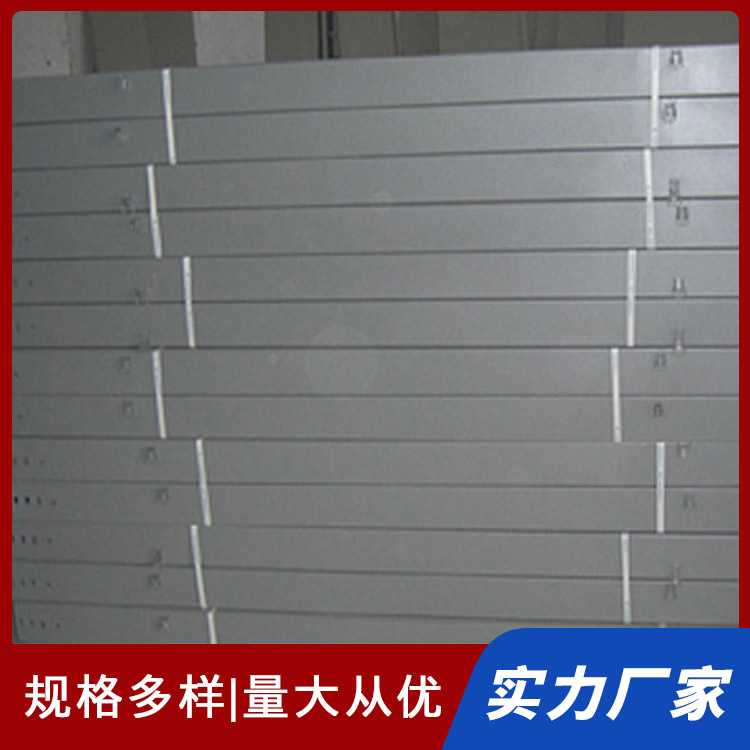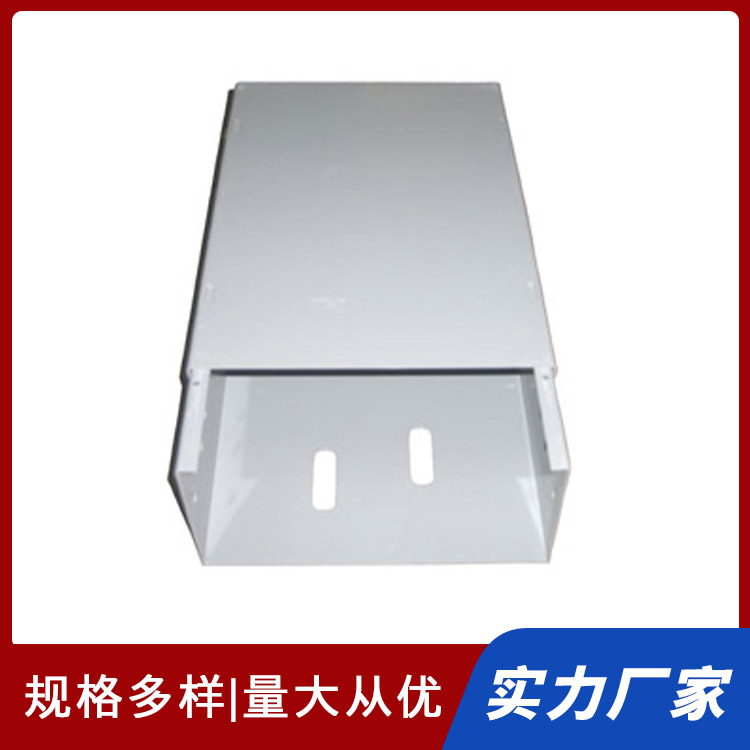


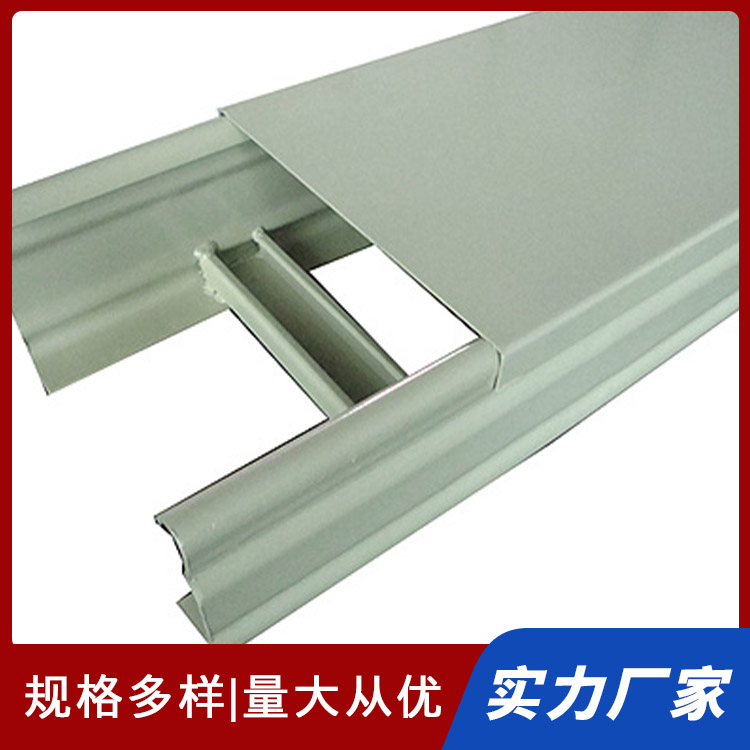
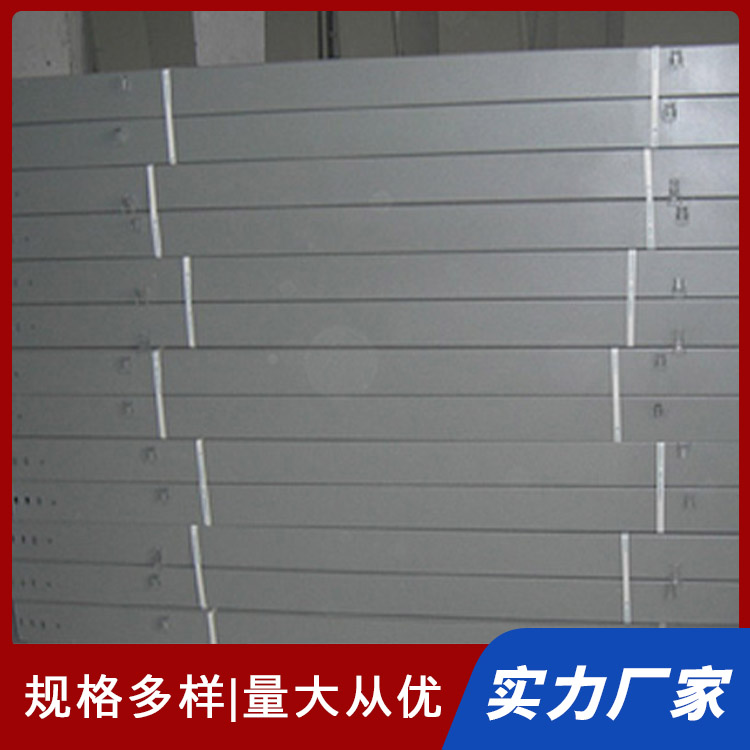











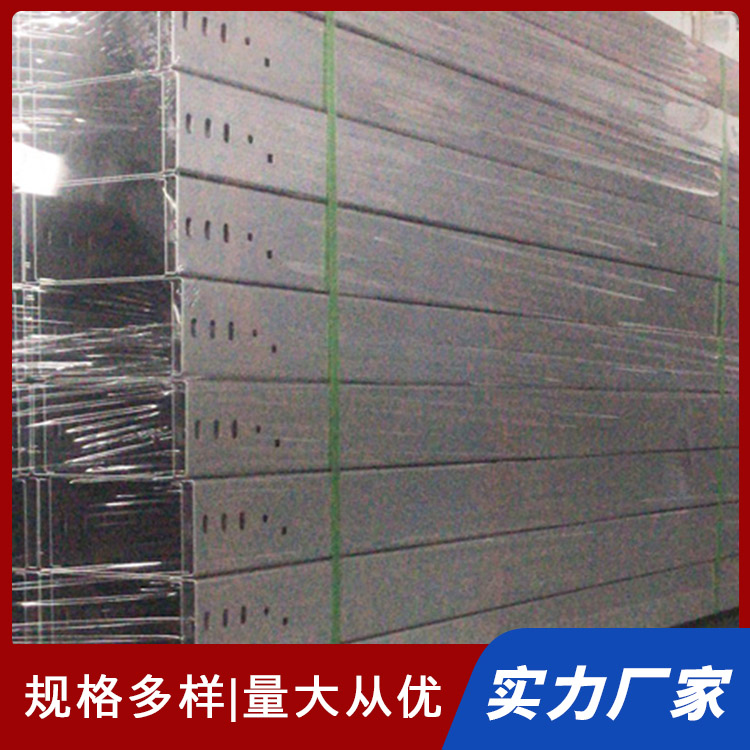
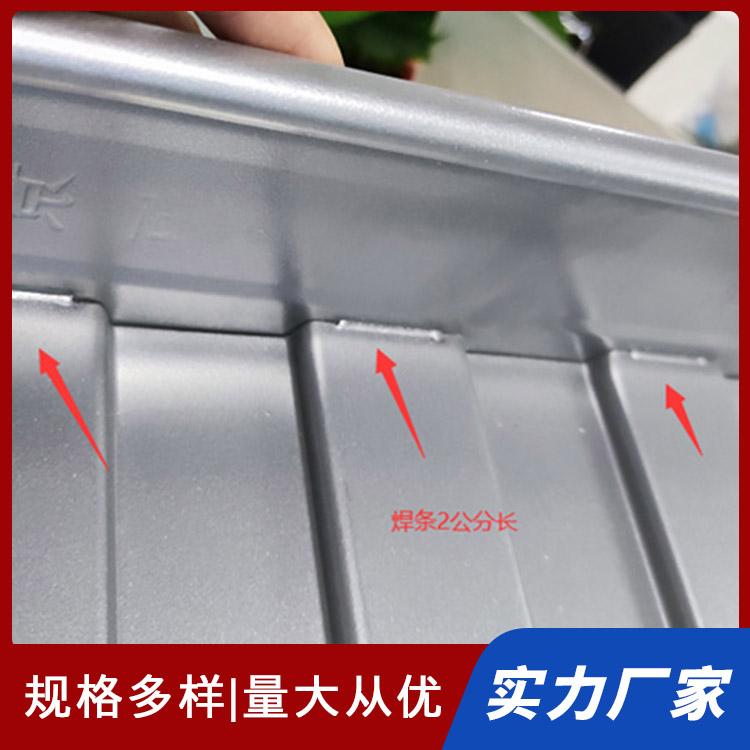
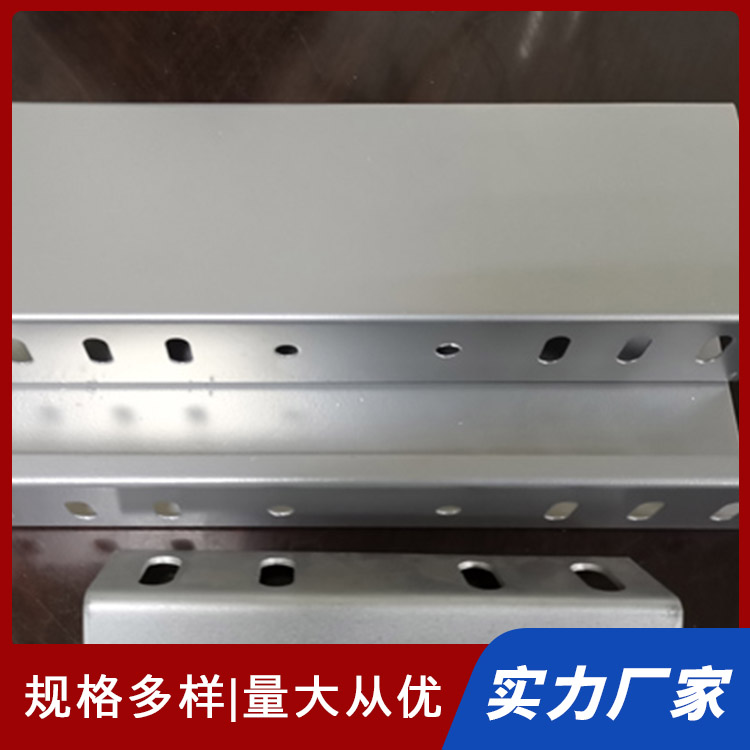

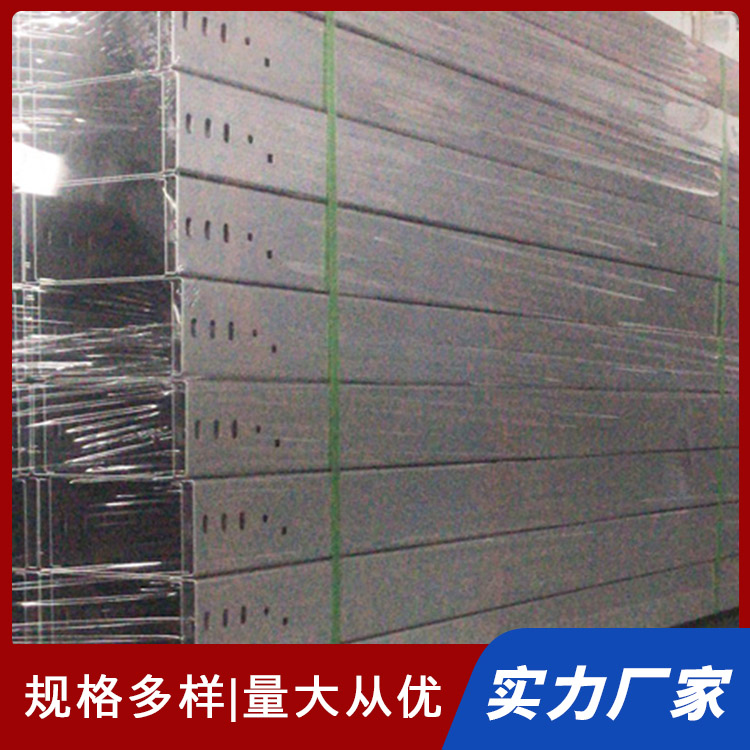
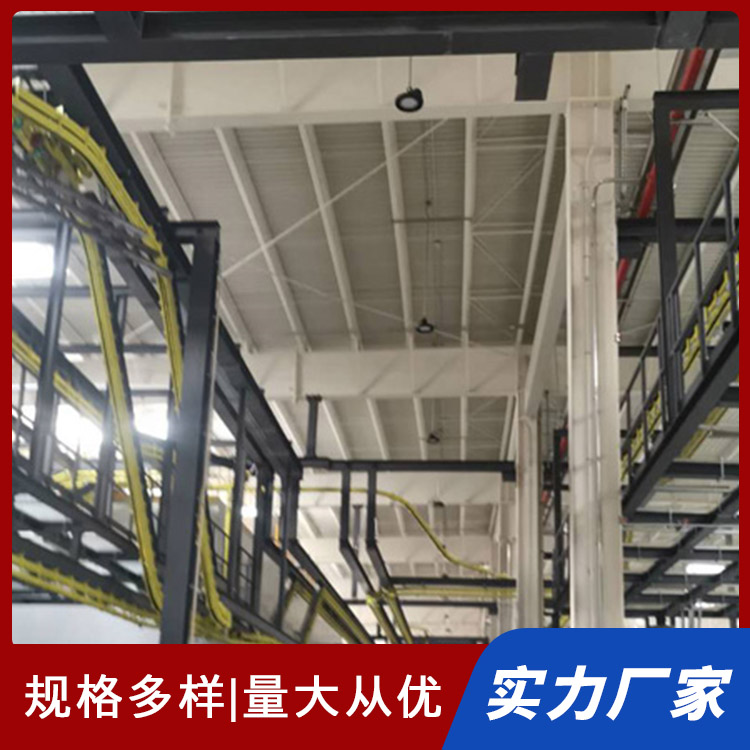
Spray-painted bridge supports are a surface treatment method that involves applying plastic powder to cable bridge supports.
No need for diluent; construction is environmentally friendly with no toxicity to humans; the coating has excellent appearance quality, strong adhesion, and mechanical strength; short curing time for spray application; superior corrosion and wear resistance; no need for primer; easy to apply with low technical skill requirements for workers; lower cost than painting; some construction sites explicitly require the use of electrostatic spray painting; no dripping as seen in conventional painting processes during electrostatic powder coating. It utilizes the corona discharge phenomenon to make the powder coating adhere to cable trays. The process is as follows: the powder coating is delivered to the spray gun by the powder supply system via compressed air. A high-voltage electrostatic generator at the front of the spray gun creates high voltage, which, due to corona discharge, generates dense charges nearby. When the powder is sprayed out of the nozzle, it forms charged paint particles. These particles are attracted to the workpiece with opposite polarity due to electrostatic force. As more powder is applied, the charge accumulation increases. When a certain thickness is reached, due to the electrostatic repulsion, the particles no longer adhere, resulting in the entire workpiece being coated with a certain thickness of powder. Then, through heat, the powder melts, levels, and cures, forming a hard coating on the workpiece surface.