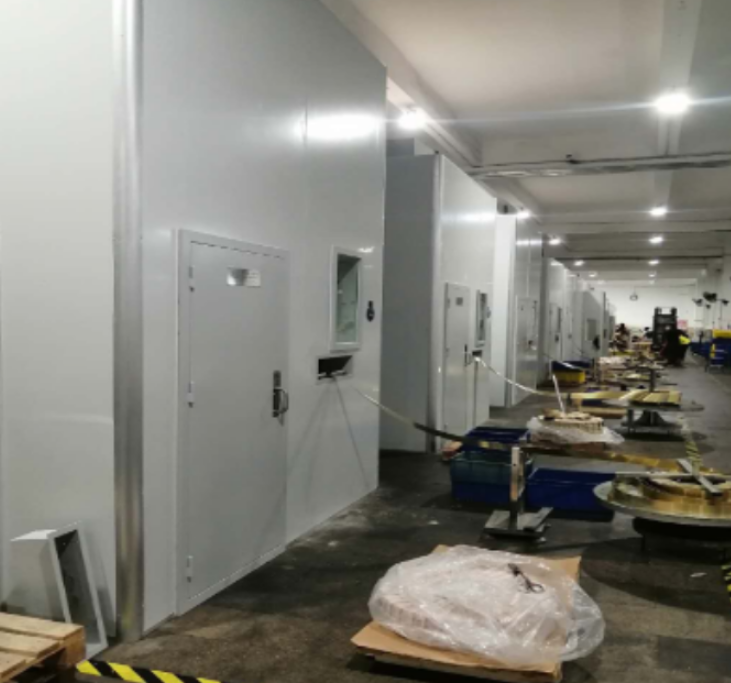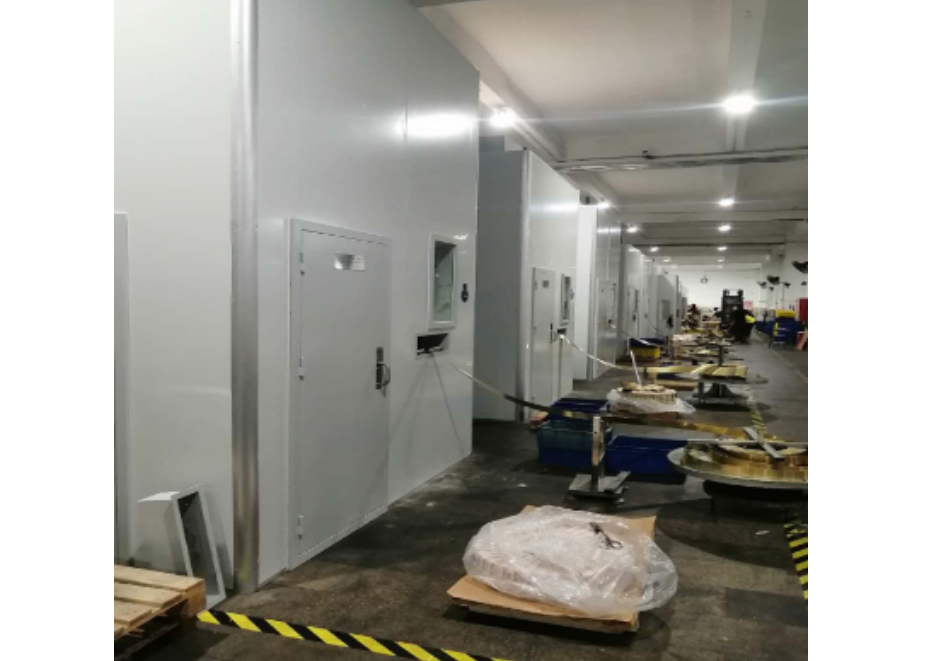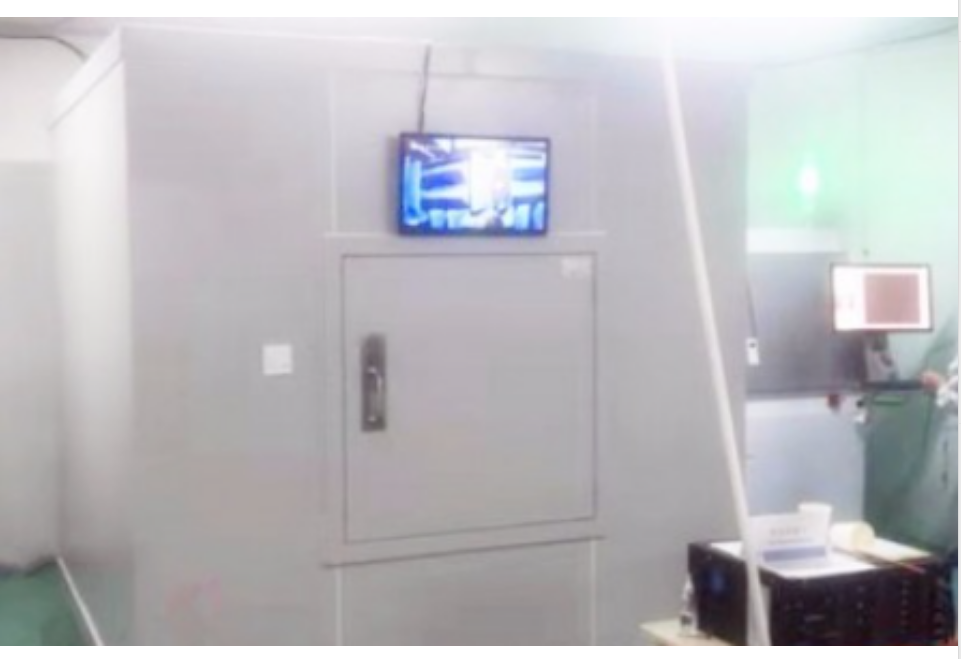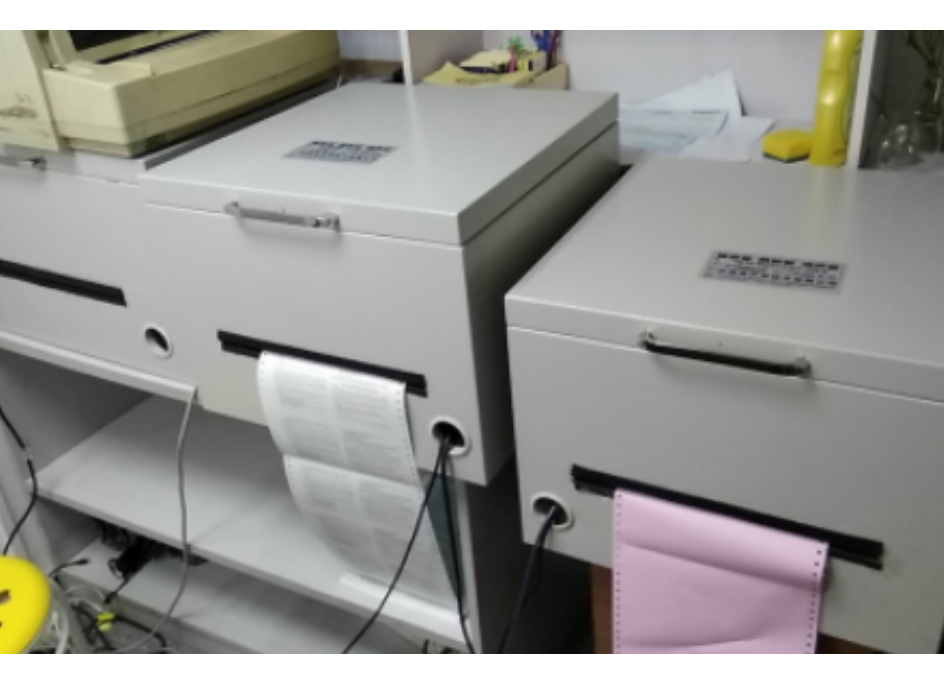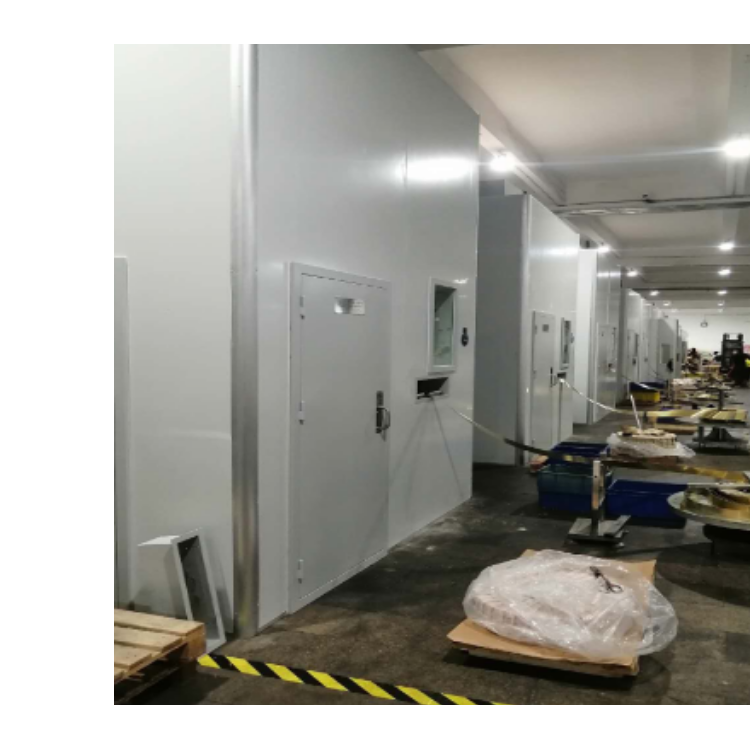

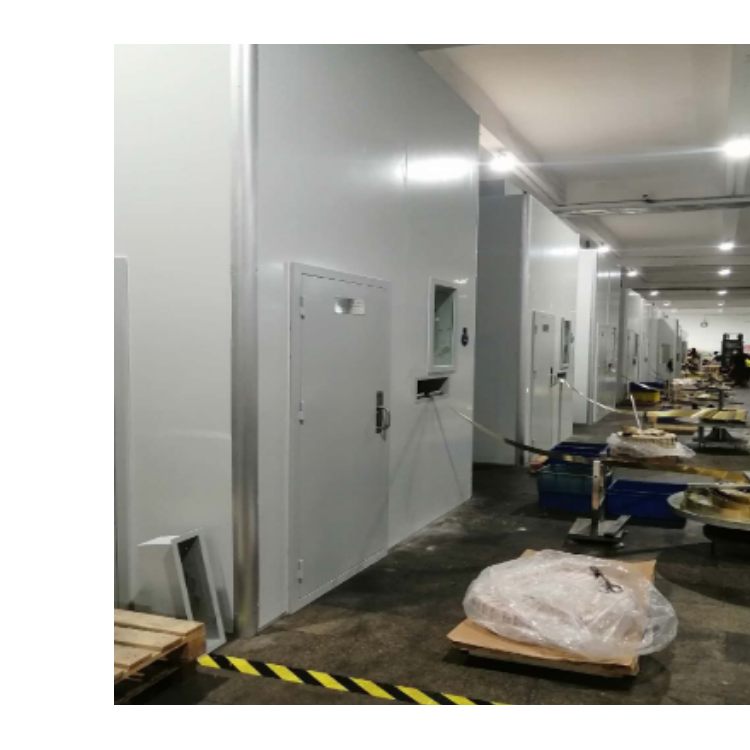
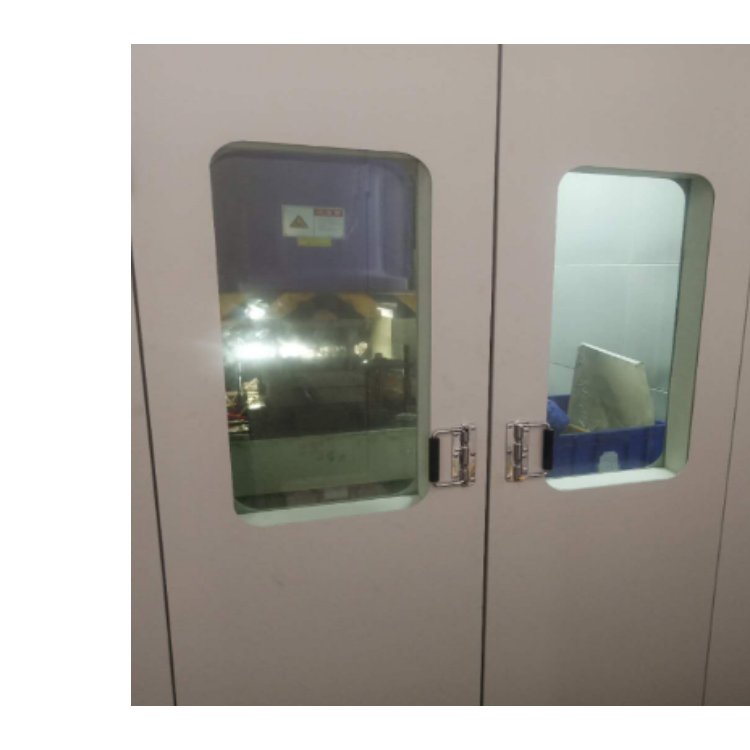
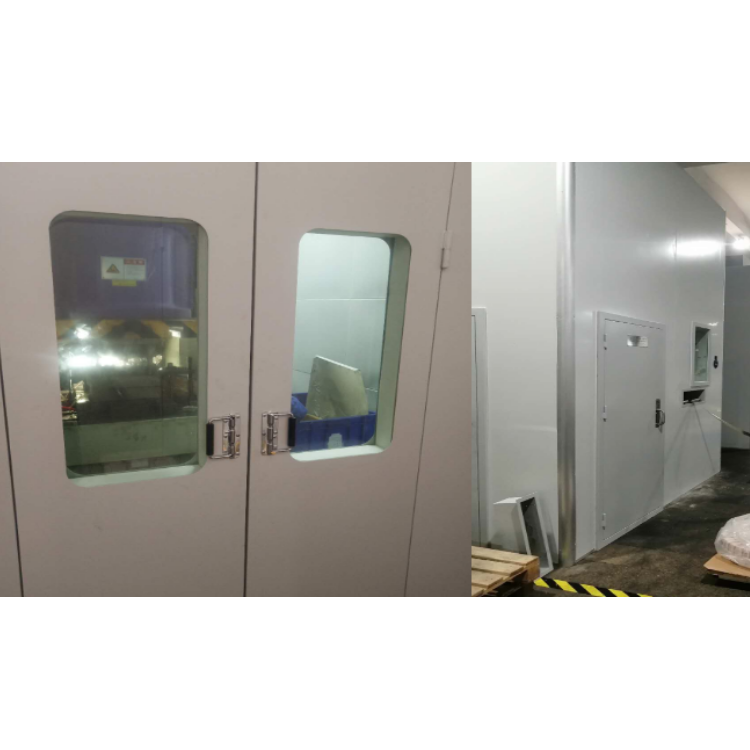


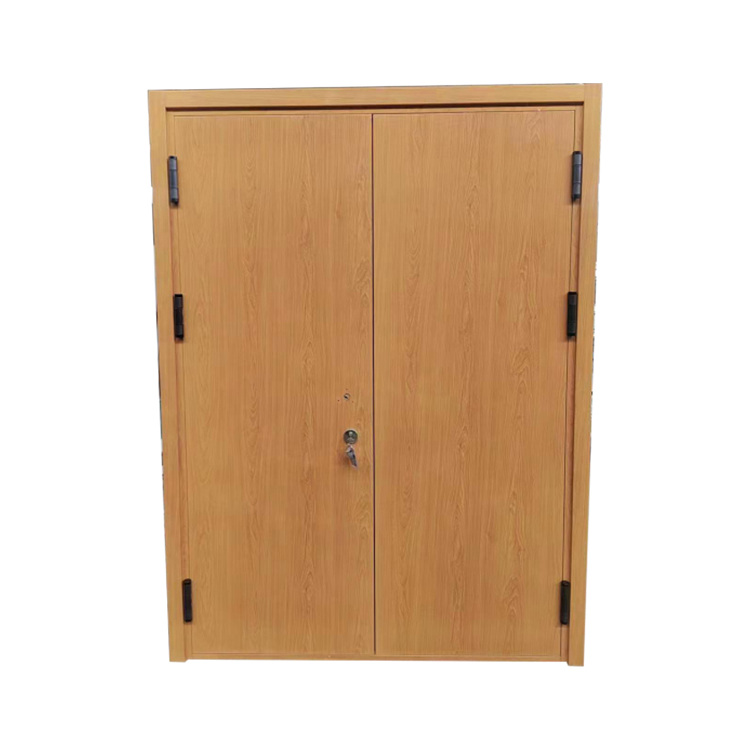
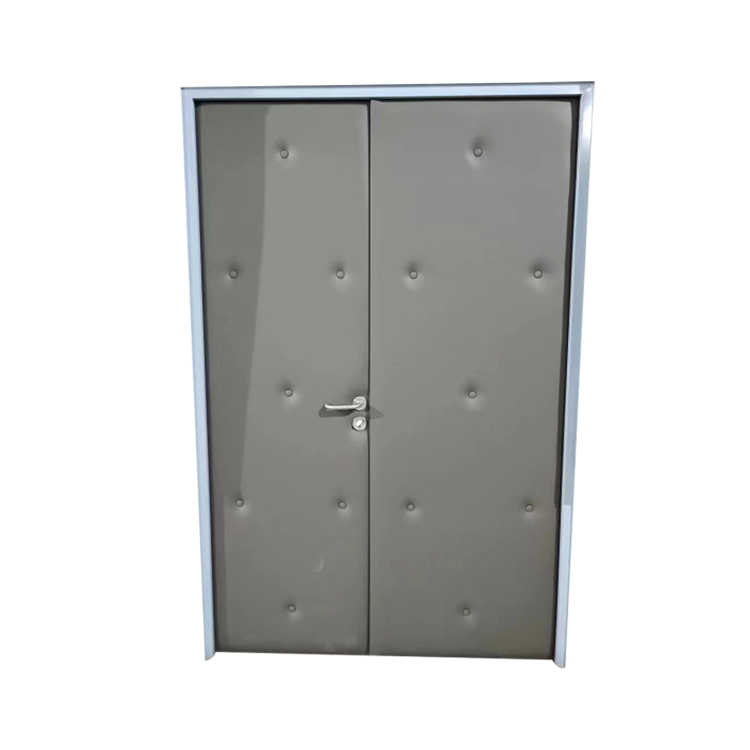
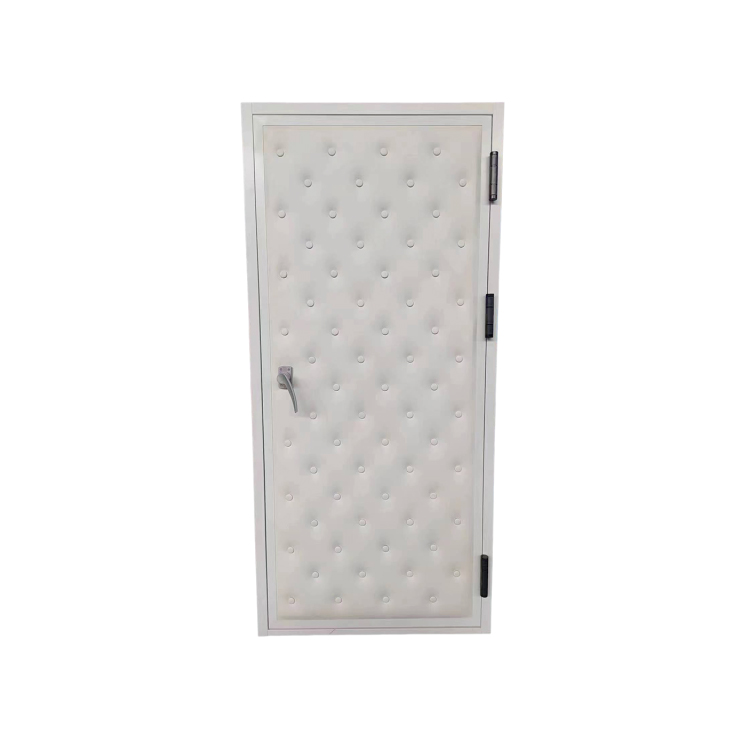
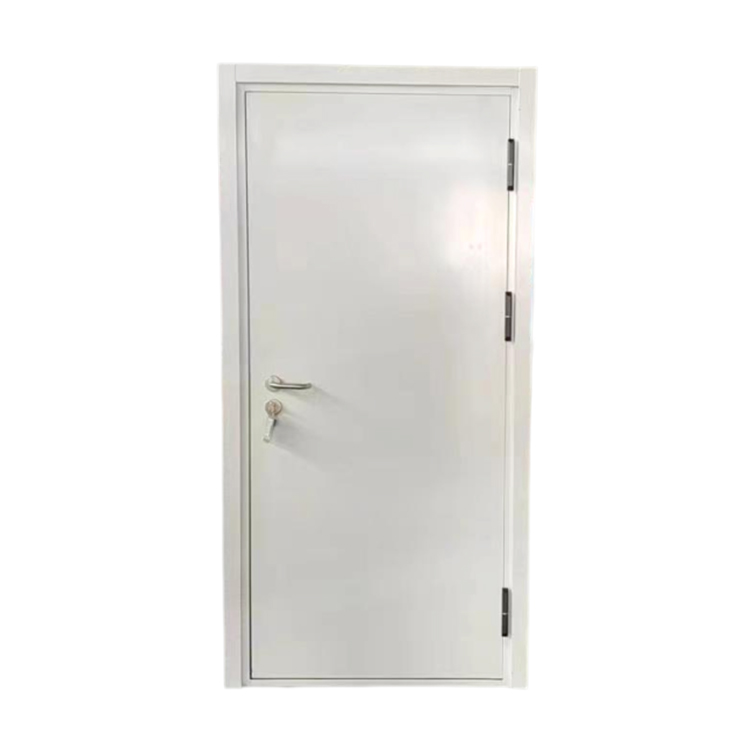
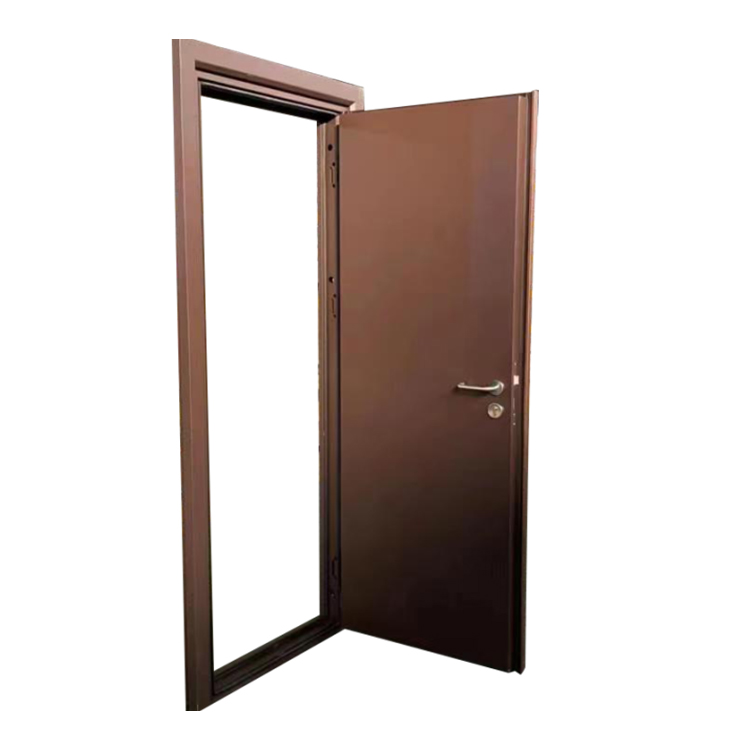







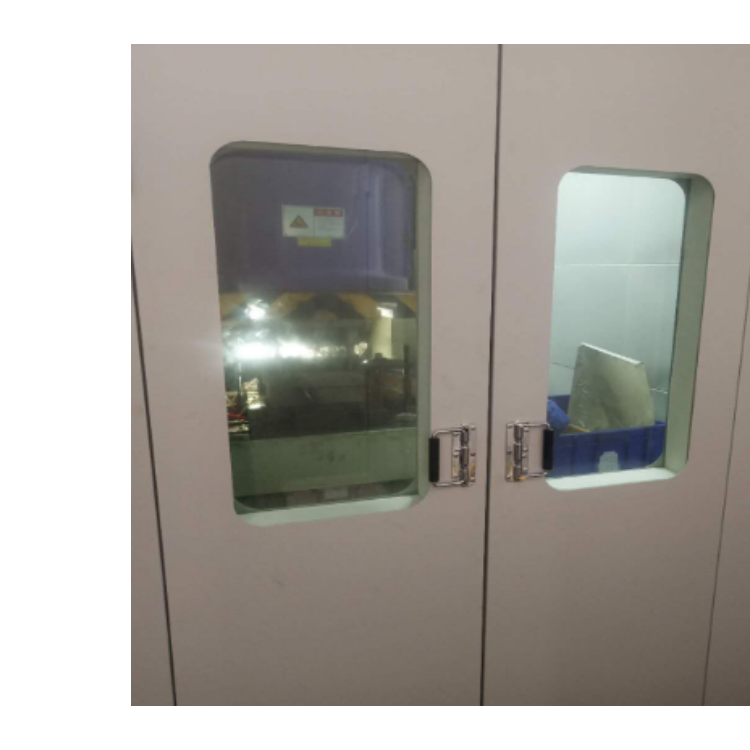


Industrial punch presses and other machinery offer soundproofing space for industrial testing, with a set of machinery guides and fertilizer. It utilizes a variety of equipment, such as fans, compressors, motors, electric saws, air conditioners, etc., to reduce noise. It features compact structure, easy assembly, and excellent soundproofing and noise reduction effects, providing a quiet working environment. Its principle of operation involves enclosing the noise source in a small space.
The overall structure of the sound-insulating enclosure must be designed according to the structure of the sound source equipment, and there is no particularly fixed shape or structure. Ventilation Port 2 indicates that there is no need for quality broadcast, a composite structure with good sound insulation performance, and the sound-insulating enclosure must also be equipped with an absorbent lining with a high sound absorption coefficient, etc. Depending on the working characteristics of some equipment, design elements such as vibration isolators and double-sealed structures may also be adopted.
Industrial press machines and noise reduction enclosures are widely used in noise control engineering. When designing and selecting noise reduction enclosures, attention should be given to the following aspects: 1. The enclosure walls must have sufficient sound insulation, and for ease of manufacturing, installation, and maintenance, it is recommended to use thin and dense materials such as 0.5-2mm thick steel or aluminum plates. 2. When using thin materials like steel or aluminum plates for the enclosure walls, reinforcing the walls and applying a damping layer is necessary to suppress and reduce the effects of resonance and resonance amplification.
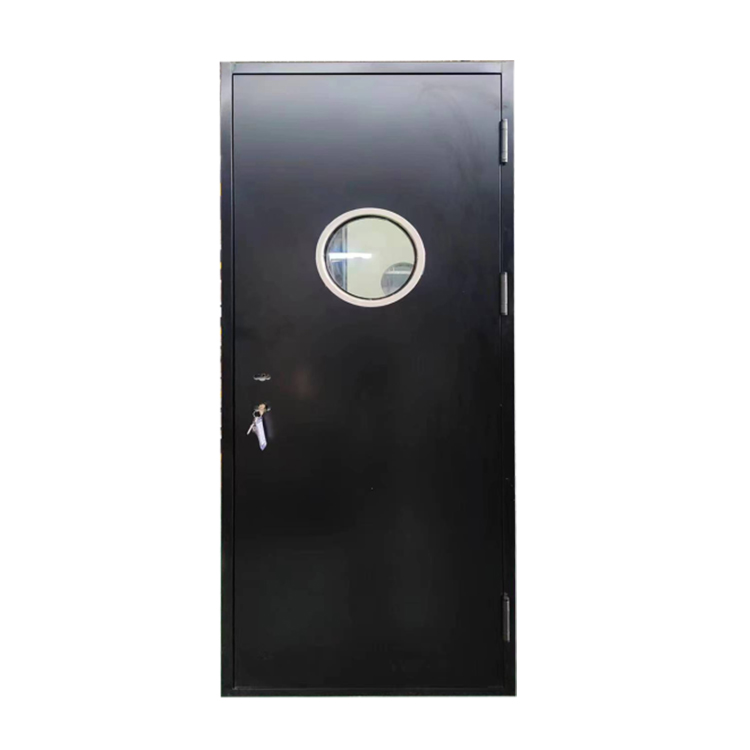
3. There should be no rigid contact between the housing, the sound source equipment, and its mounting, to prevent the formation of an "acoustic bridge" and subsequent reduction in sound insulation. Additionally, the sound-insulating housing should provide vibration isolation from the ground to reduce solid sound. 4. When openings are made for sound-insulating windows, doors, ventilation, and cable conduits, the gaps must be sealed, and vibration-reduction and sealing measures should be in place around the conduits. 5. The interior of the housing should be treated with sound absorption, and when using porous, loose materials, a sturdy facing layer should be applied. This is to prevent standing wave effects within the housing from air sound. Moreover, there should be ample space between the interior walls and the equipment, generally more than one-third of the equipment's space. 7. When the enclosed machinery and equipment require ventilation and cooling due to temperature rise, noise reduction measures such as silencers should be added, ensuring they match the insertion loss of the sound-insulating housing. Industrial noise reduction equipment and comprehensive noise treatment systems
Structure Types: Fixed and detachable options available, chosen based on noise reduction requirements, site conditions, and pricing.
Specific Applications: Soundproof enclosures are used for various equipment such as fans, air compressors, motors, electric saws, air conditioners, etc., to reduce noise. They feature compact structure, easy assembly, and provide a quiet noise attenuation effect.
Phone: 020-32190169 13002090809