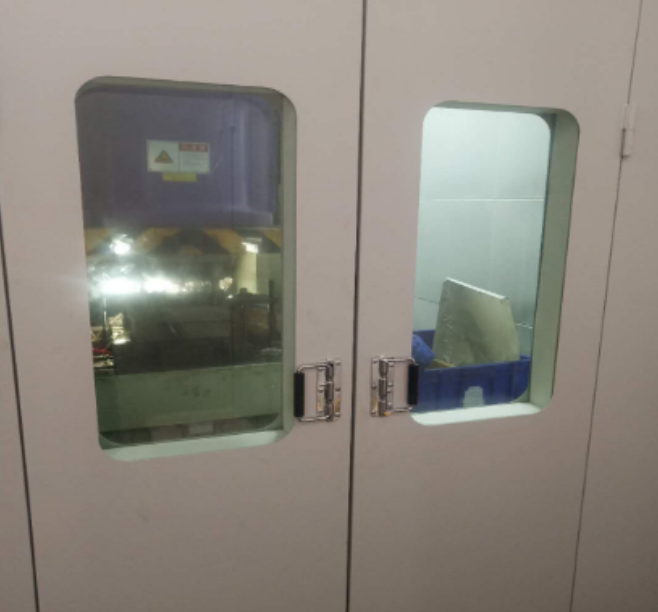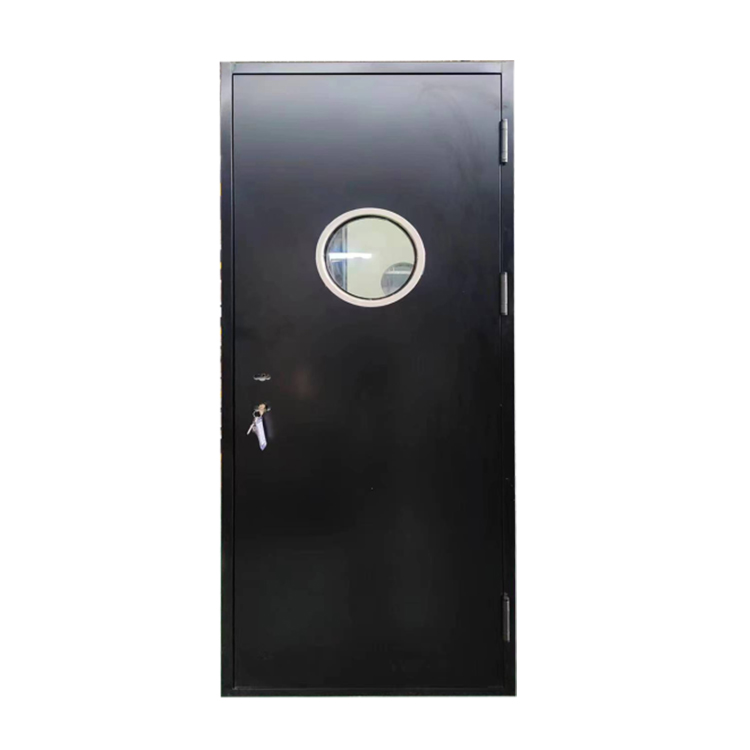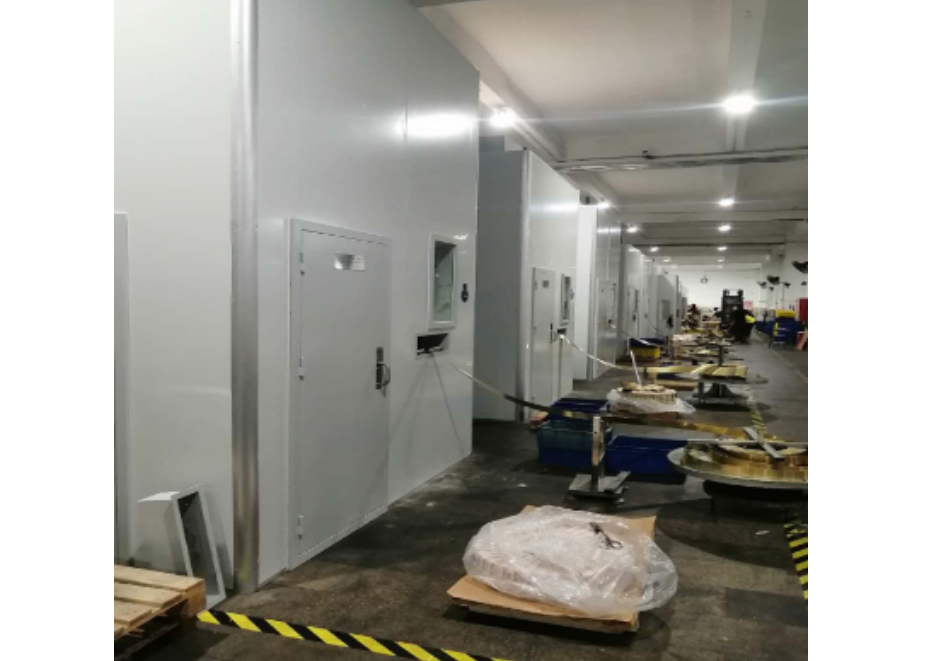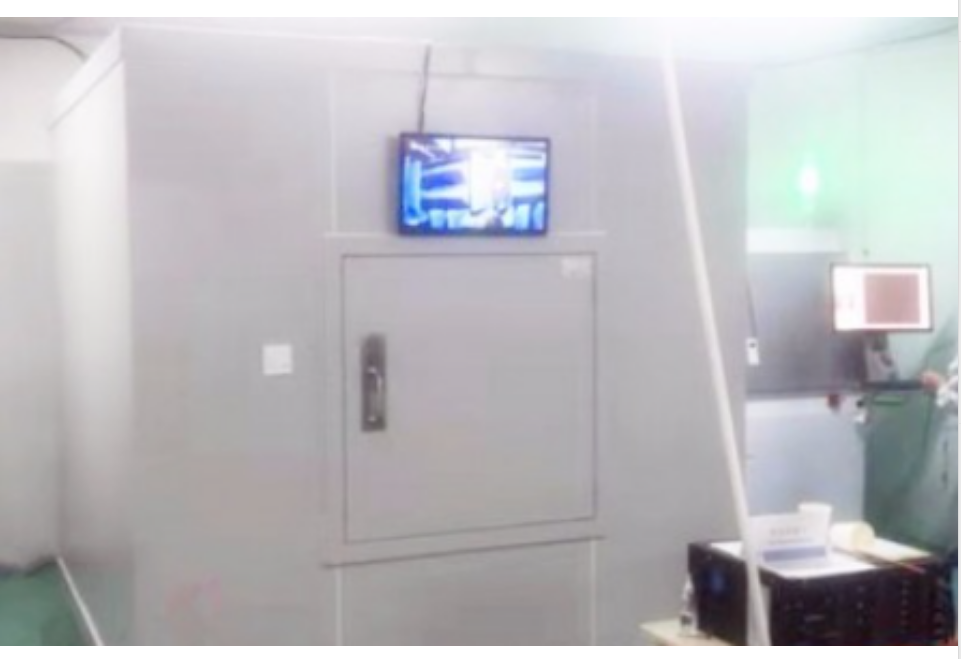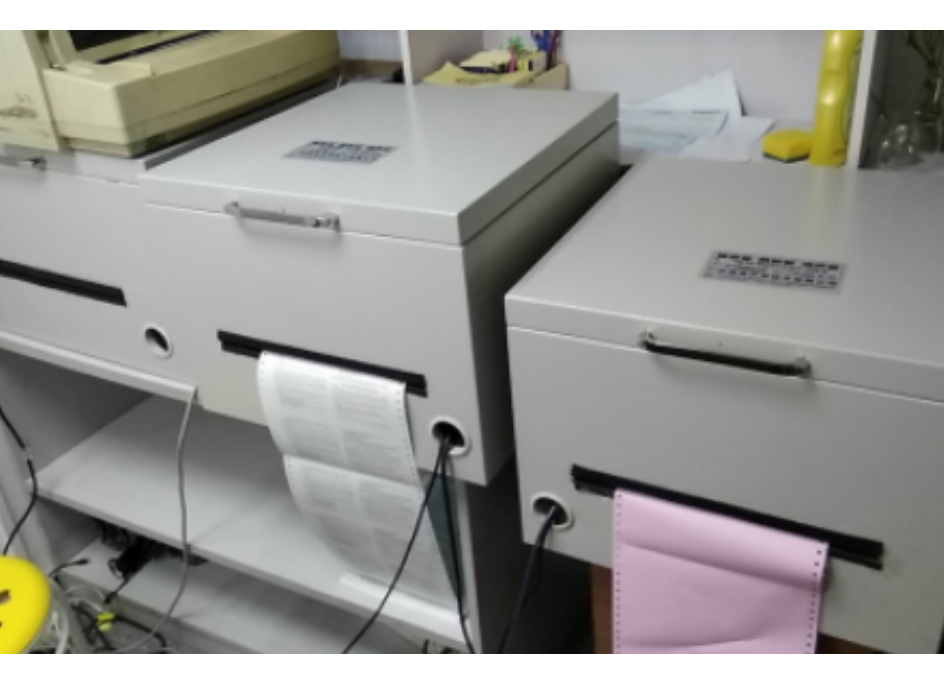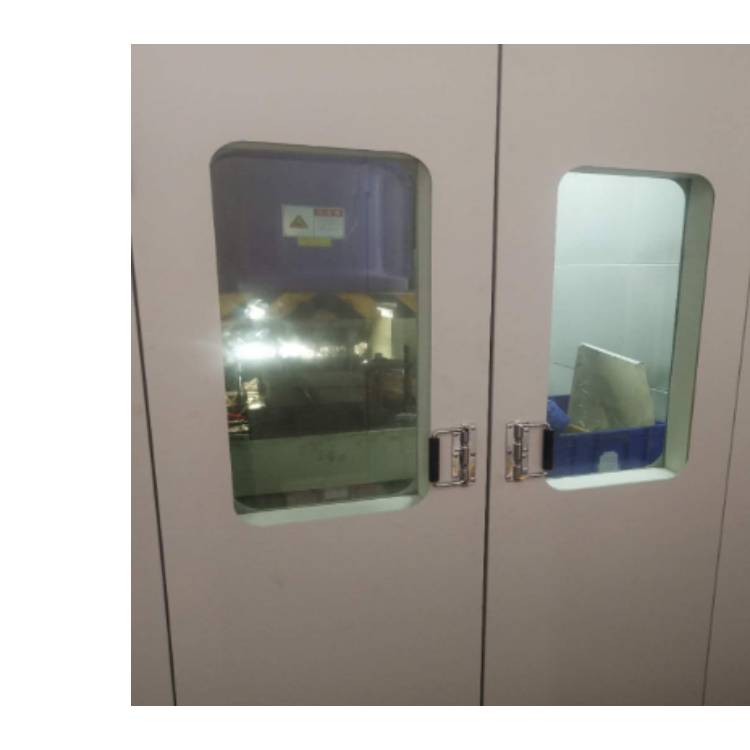

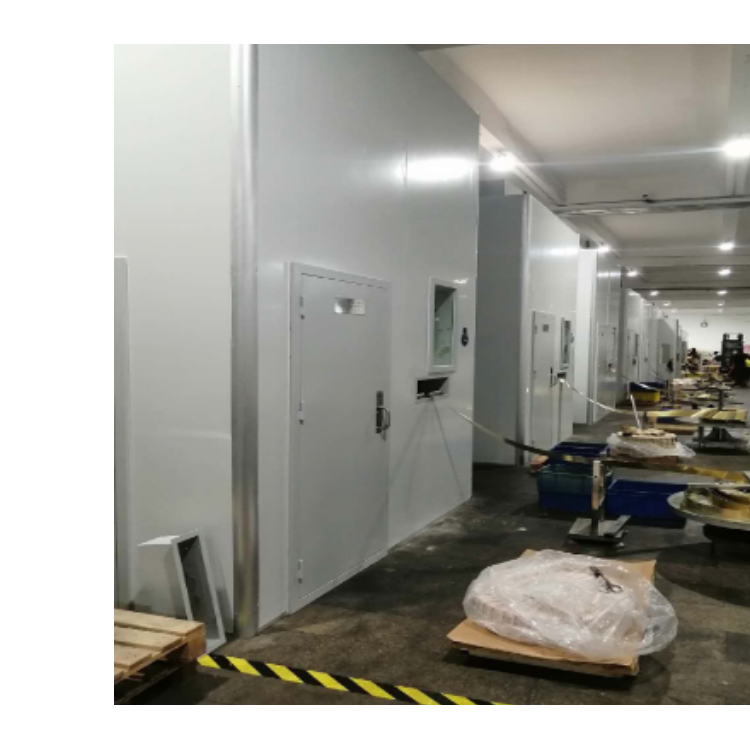
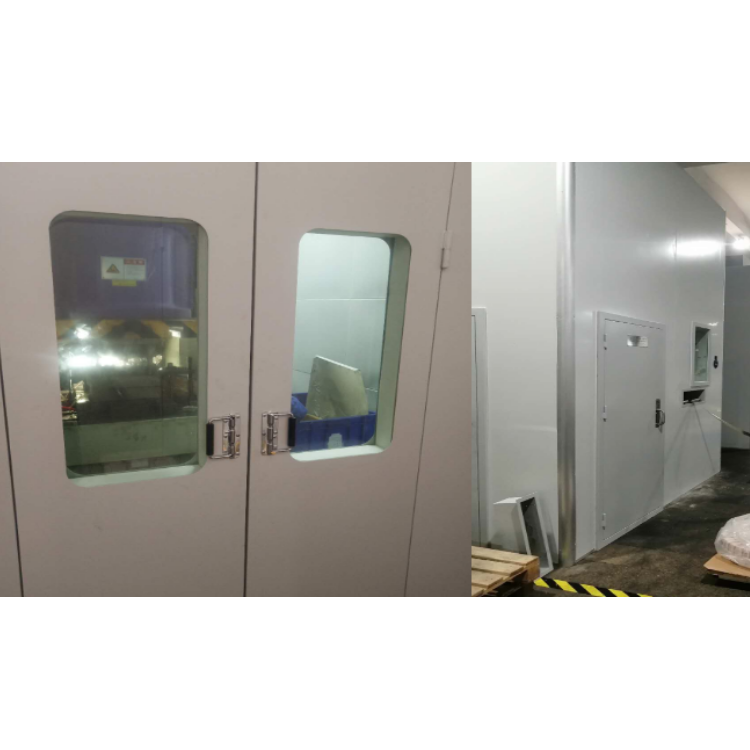


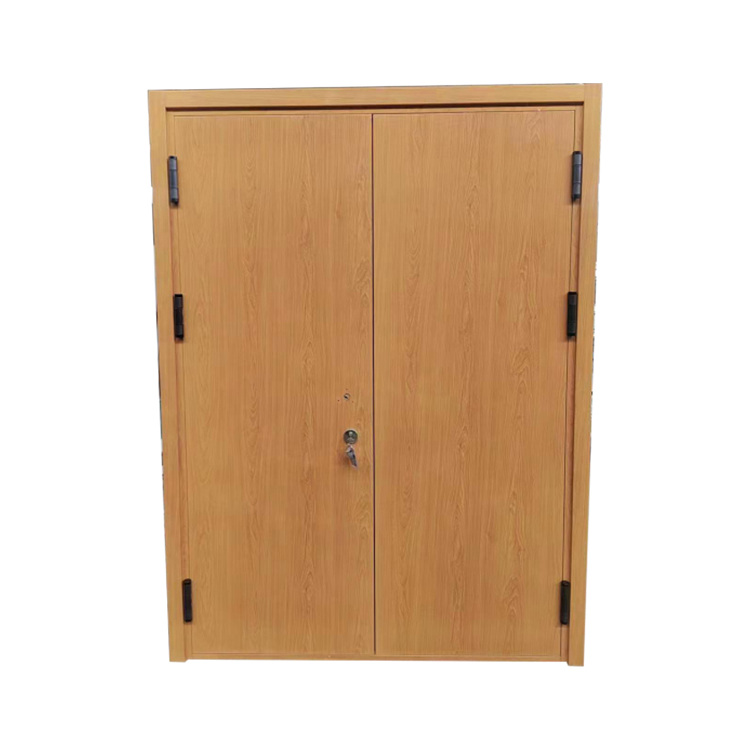
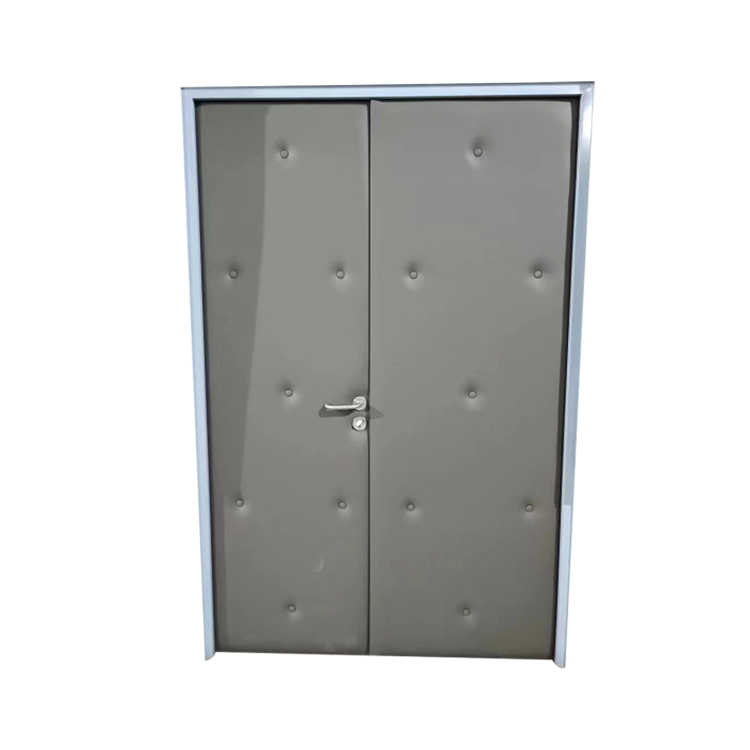
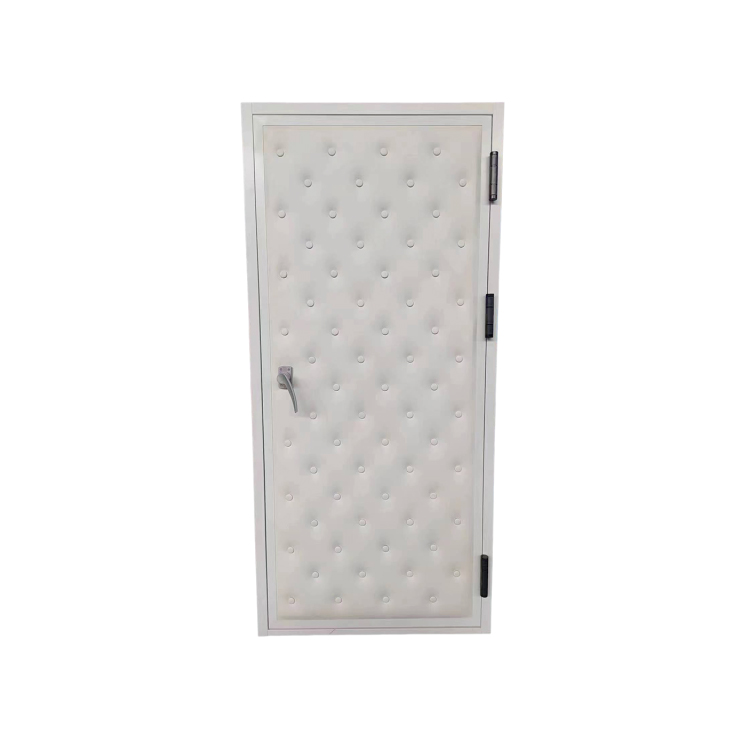
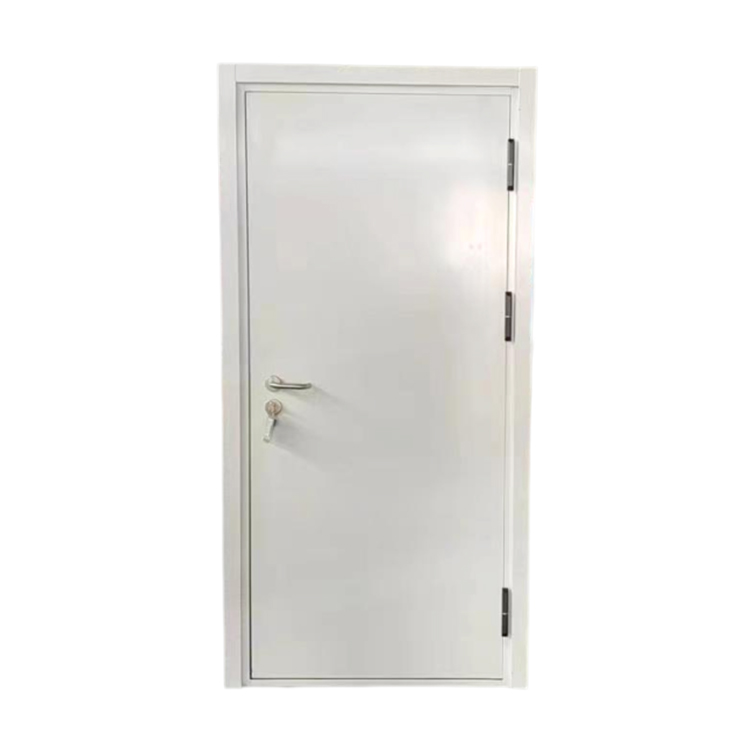
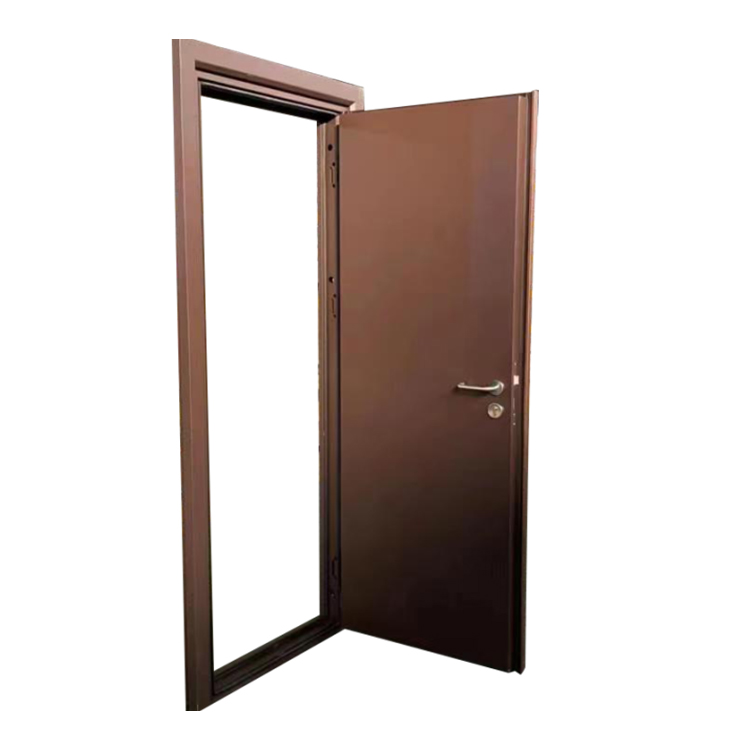






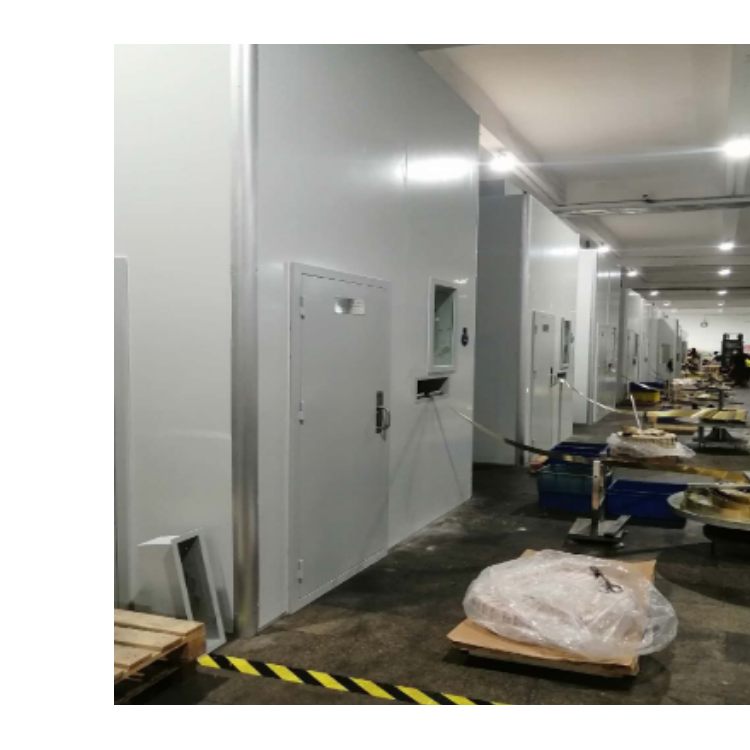


Acoustic enclosures, soundproof rooms, and quiet rooms are noise control measures that involve enclosing the noise source (equipment generating noise) within a smaller space using soundproofing components, minimizing the transmission of noise. The shape of the acoustic enclosures is often designed to be close to the perimeter of the sound source and as close as possible to the source.
Packaging to reduce volume and lower costs.
Acoustic and soundproof enclosures, soundproof rooms, and quiet rooms have a wide range of applications. They are used in the noise control of various sound sources, such as fans, pumps, and many other equipment. The main design principle of these products is to effectively manage noise sources by targeting the propagation path of sound waves. Due to the varying external dimensions, ventilation, and heat dissipation requirements of different sound source equipment, they often need to be custom-designed and manufactured based on the specific noise source conditions on-site.
To ensure adequate sound insulation,隔音罩,隔音房,静音房 typically use 0.5-2m thick galvanized steel or aluminum plates, among other metal materials. Sometimes, a damping coating of 3-5m thickness is also required on the inner walls to reduce resonance or standing wave phenomena on these metal outer walls; whereas, the inner layer of sound-insulating enclosures often features perforated plates covered with absorbent materials, or directly粘贴some polyester-based sound-absorbing materials.
The principle of the structural soundproof enclosure is to confine the noise source within a small space, thereby reducing its outward radiation of noise. Consequently, the overall structure of the soundproof enclosure must be designed according to the structure of the noise source equipment and does not have a specifically fixed shape.
Or structure.
Generally, a composite structure with light weight and good soundproofing should be used in the design, and an acoustic liner with a high sound absorption coefficient must be added inside the soundproof housing. For some special equipment, features such as vibration isolators, double-sealed structures, structures with ventilation openings, and ventilation pipes with added acoustic materials may also be adopted.
Design Key Points
Soundproofing enclosures offer excellent noise reduction effects and are widely used in noise control engineering. When designing and selecting soundproofing enclosures, attention should be paid to the following aspects:
1. The enclosure must have adequate sound insulation and should be made of thin, dense materials such as 0.5-2mm thick steel or aluminum plates for ease of manufacturing, installation, and maintenance.
2. When using thin materials such as steel or aluminum sheets for the housing, reinforcing the walls and applying a damping layer is necessary to suppress and reduce the effects of resonance and sympathetic vibration.
3. There must be no rigid contact between the housing and the sound source equipment and its mount to avoid creating a "sound bridge," which could reduce the sound insulation level. Additionally, the sound-insulating hood should form vibration isolation with the ground to decrease solid sound transmission.
4. When installing soundproof windows and doors, ventilation, and cable pipelines, the gaps must be sealed, and anti-vibration and sealing measures should be in place around the pipelines.
5. The interior should be treated with sound absorption, and when using porous loose materials, a sturdy protective layer should be applied.
6. The housing form is appropriate, with a preference for minimizing square parallel walls to avoid standing wave effects within the housing. Additionally, there should be ample space between the inner wall and the equipment, typically more than 1/3 of the equipment's space. The distance between each inner wall surface and the equipment must be no less than 10cm to prevent coupling resonance and reduce sound insulation.
7. When the covered machinery requires temperature control and ventilation cooling measures, noise reduction devices such as mufflers should be added, ensuring they match the insertion loss of the sound-insulating enclosures. Industrial noise reduction equipment and comprehensive noise treatment system structures: fixed, removable, selected based on noise reduction requirements, site conditions, and price.
Specific Applications: Soundproof enclosures are used for various equipment such as fans, air compressors, motors, electric saws, air conditioners, etc., to reduce noise. They feature compact structure, easy assembly, and excellent noise insulation and absorption effects.