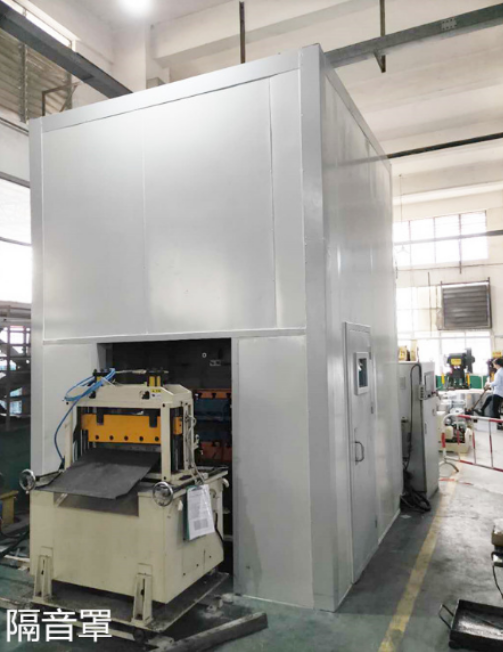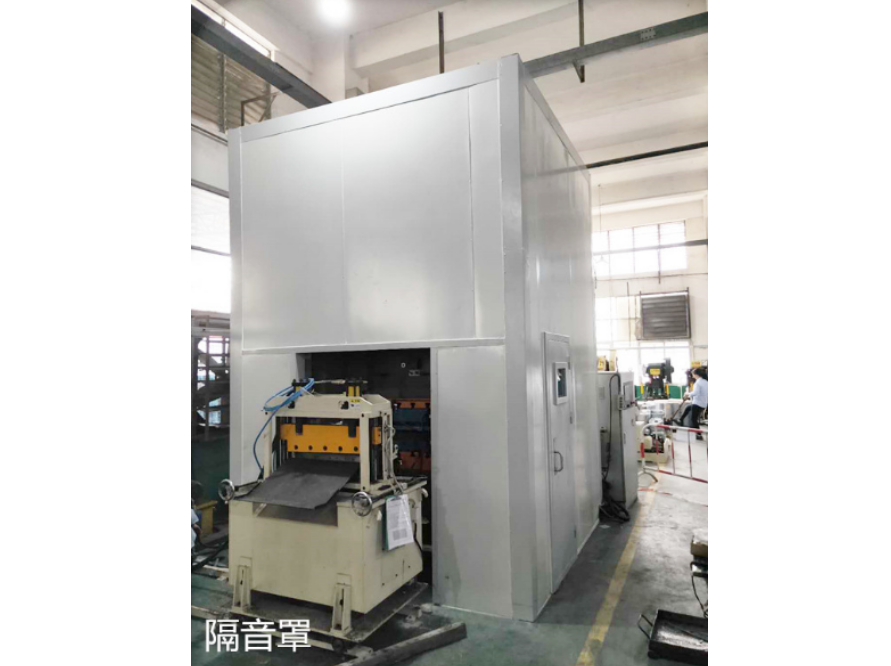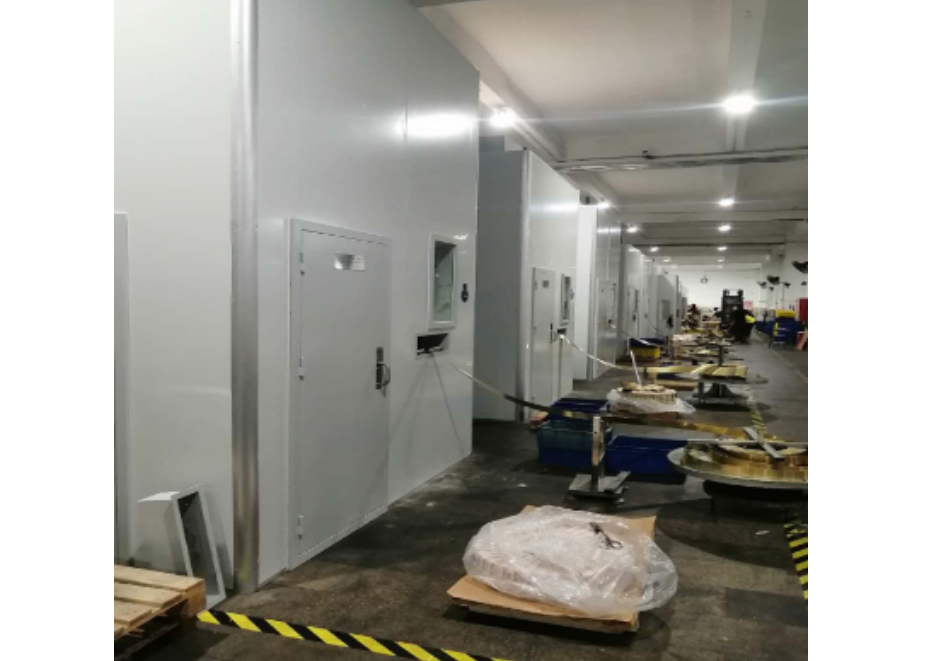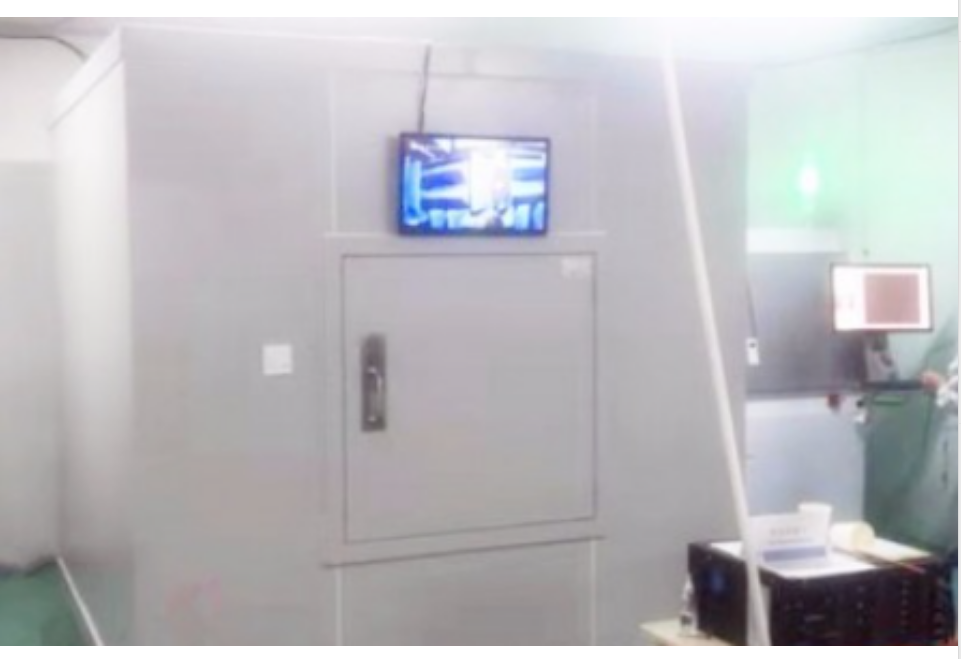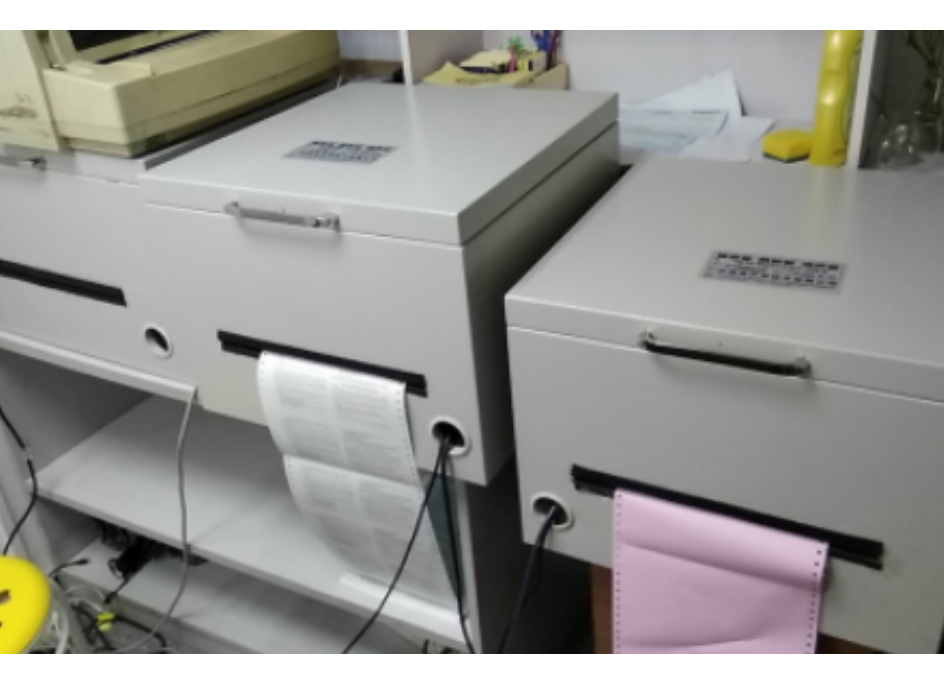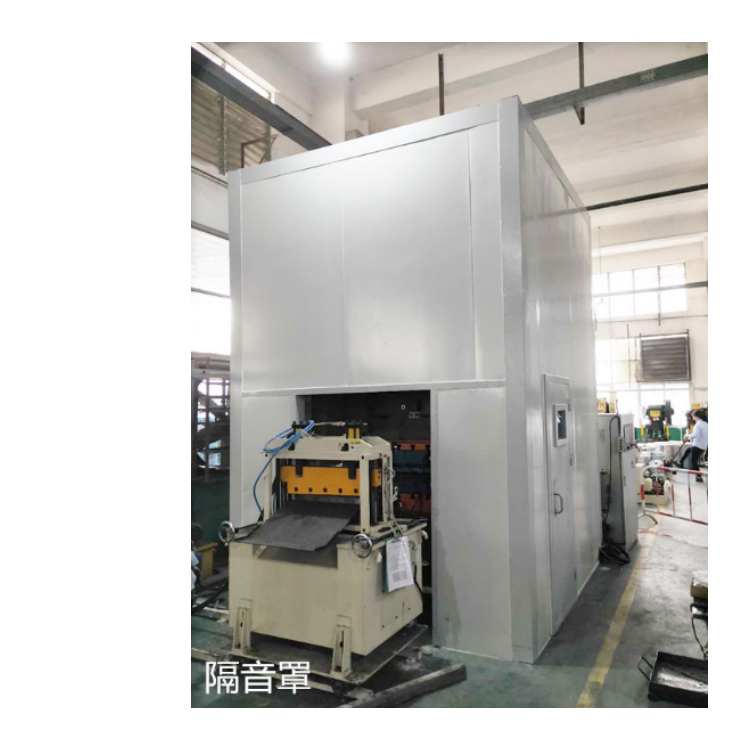

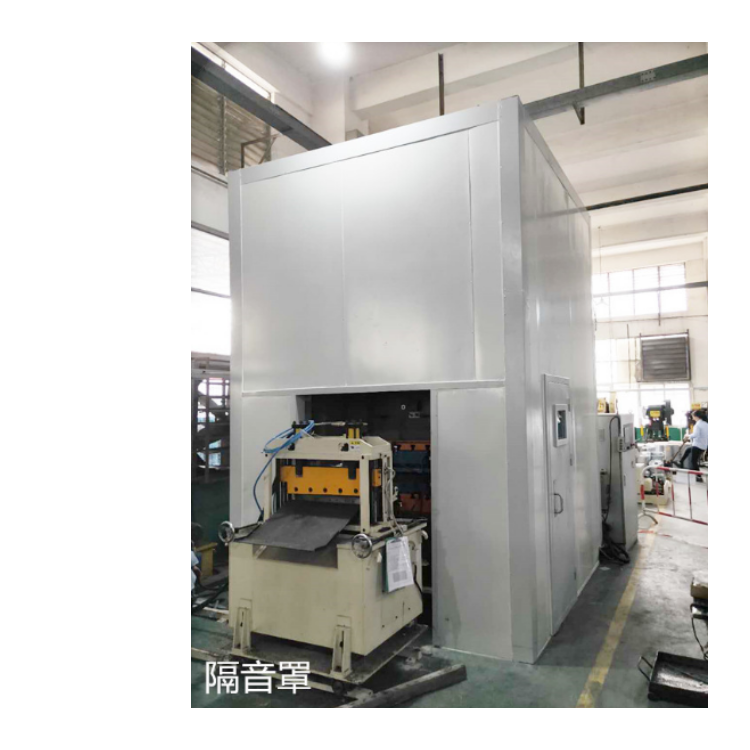

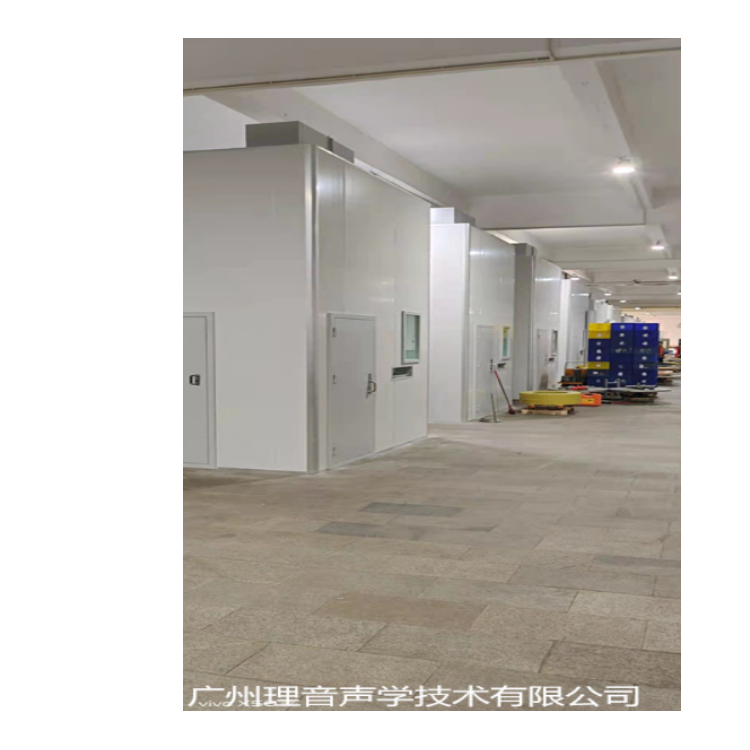


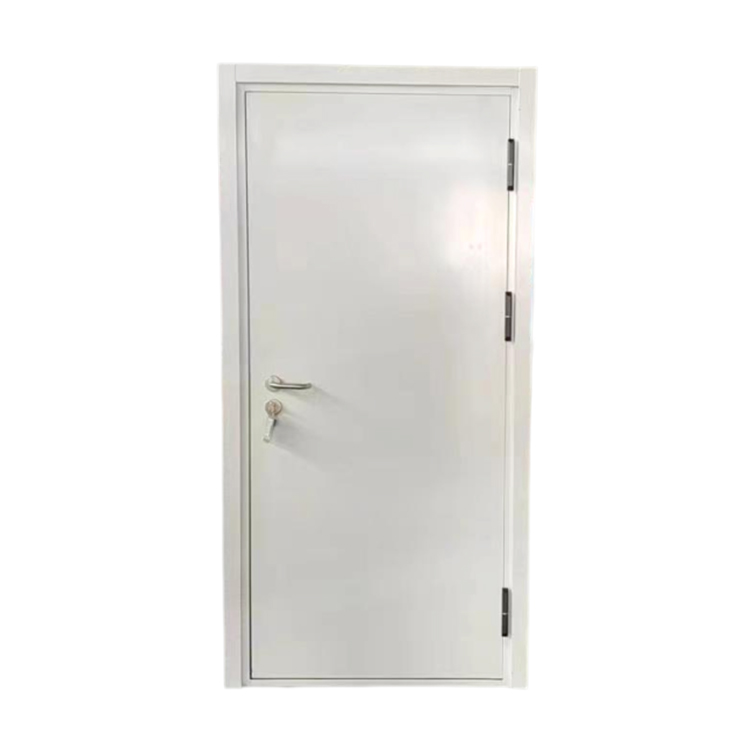
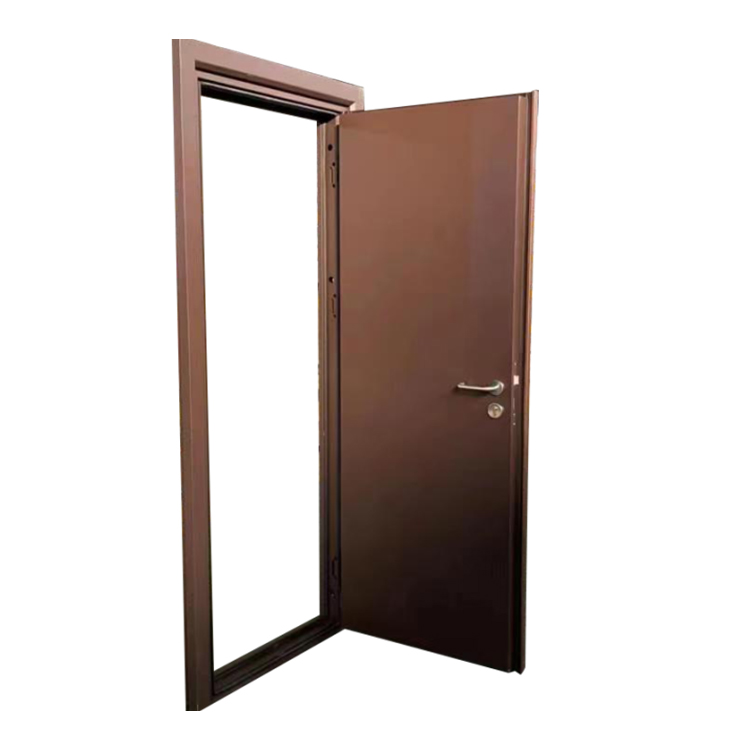






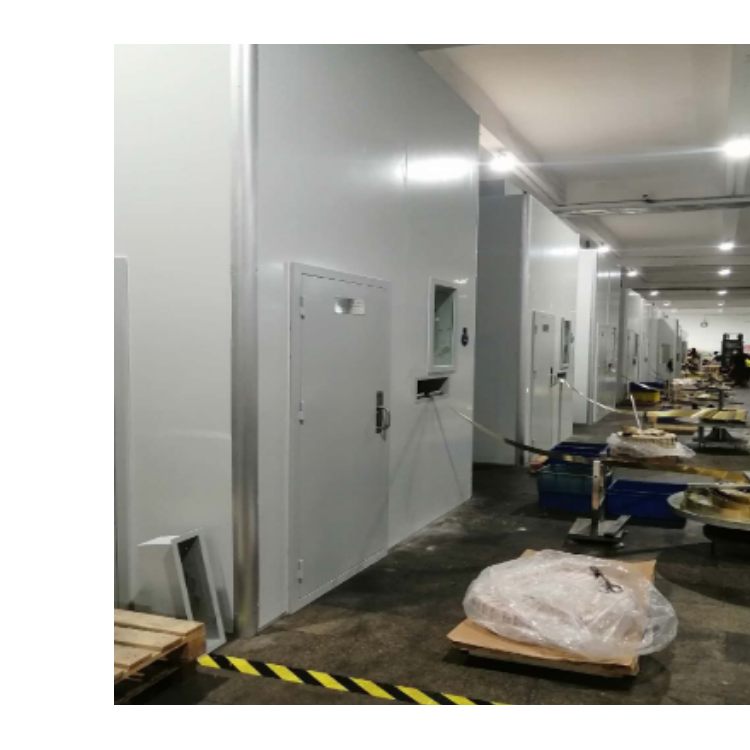



The Sheng Xing隔音 and noise reduction device is meticulously crafted from a non-permeable metallic shell with a thickness of 1-2mm and an inner acoustic absorption material added. The outer layer is typically made of steel plate, coated with damping paint, asphalt, and other damping layers, the purpose being to...
To enhance noise reduction, an additional layer of sound-absorbing material (such as glass wool, micro-perforated plates, etc.) is placed inside. There should be gaps between the machine and the noise-dampening enclosure, as well as between the machine and its support, and between the enclosure and the foundation. Vibration dampeners should be added in these areas.
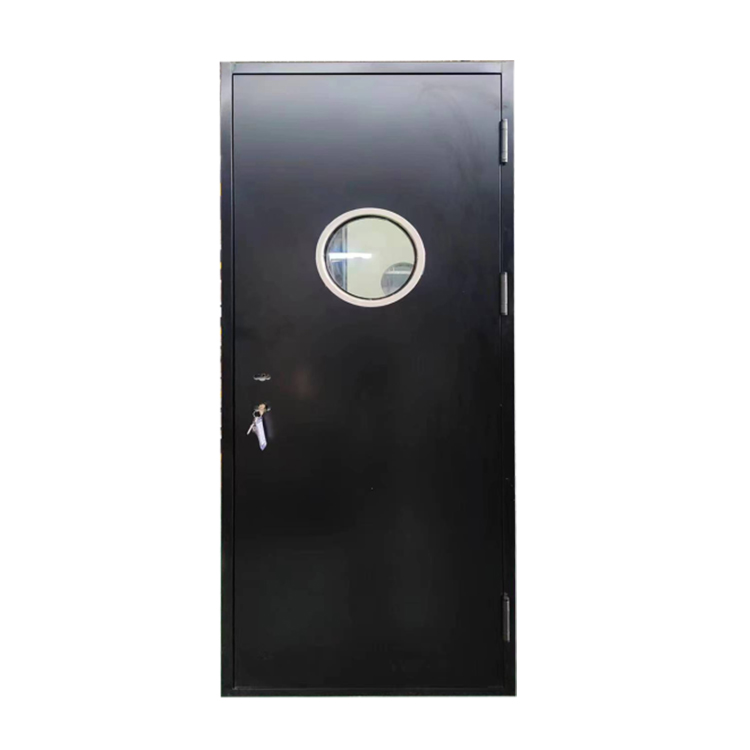
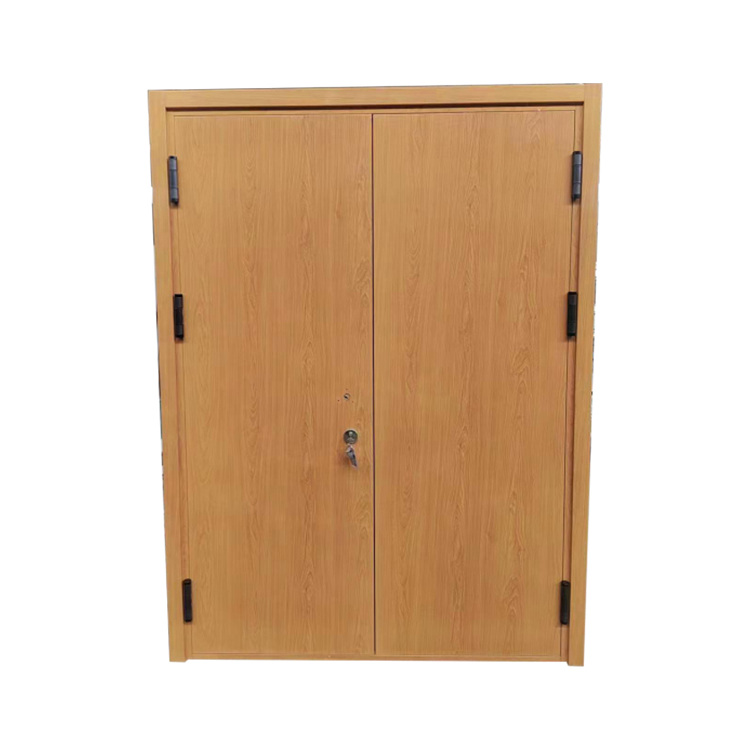
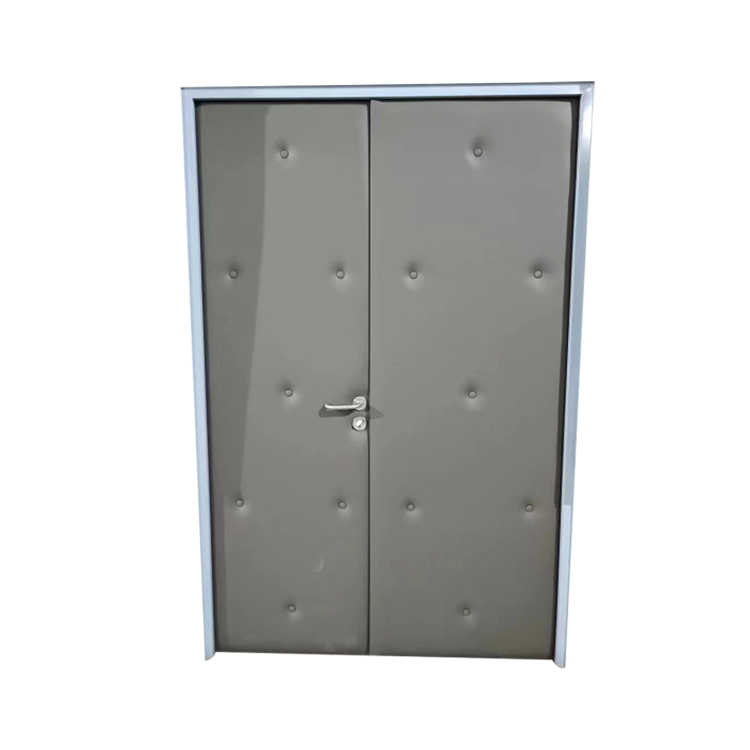
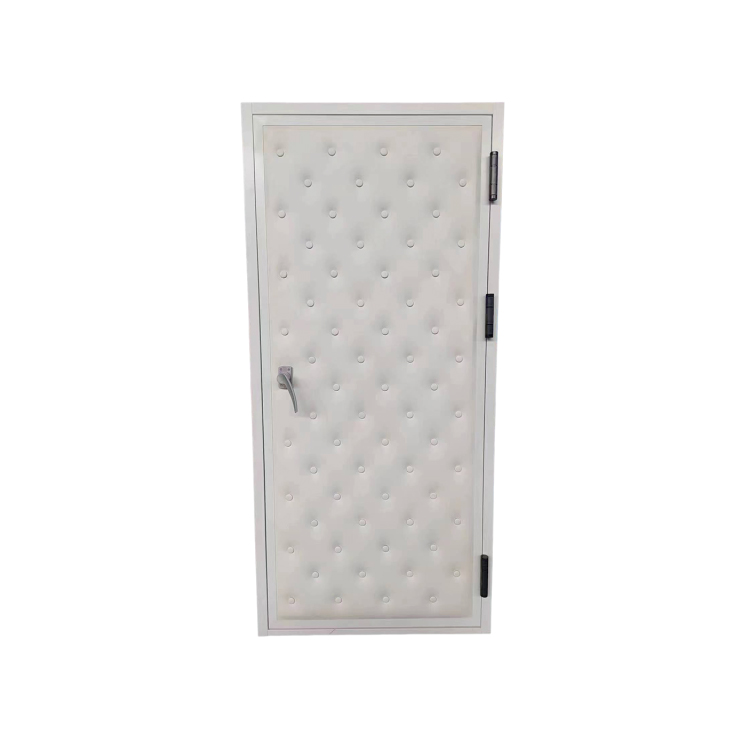
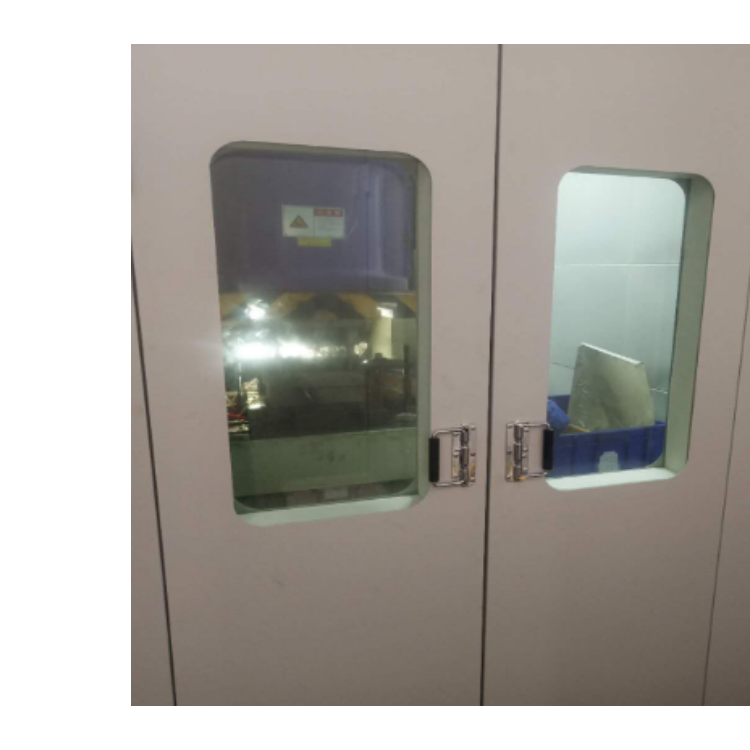
Soundproof enclosures must not only consider sound insulation performance but also ease of observation, access, and not affecting the normal transportation within the workshop. They should also account for electrical power supply, lighting, and ventilation within the enclosure. The exterior walls of the soundproof enclosures are typically made of materials or structures with good sound insulation properties, such as brick, concrete, and gypsum board walls. Sound-insulating windows facilitate observation of the enclosure's interior, while sound-insulating doors should be designed for ease of staff operation or the passage of certain materials. The interior walls of the soundproof enclosures should be lined with more absorbent materials, like perforated acoustic panel ceilings. These are used to isolate noise radiation from machinery, effectively blocking noise from spreading outside in open spaces with numerous noise sources. Enclosing equipment with high noise levels within soundproof enclosures reduces environmental impact by controlling noise at the source. The primary structure of the soundproof enclosure is its wall, which must have sufficient sound insulation to prevent noise from escaping the source equipment. According to the law of mass, the wall structure should be heavy, such as brick, stone, concrete, or thick steel plates. However, due to factors like space constraints, machinery maintenance, and the ease of disassembly of the enclosure, the walls are generally made of thinner metal sheets with a certain thickness of absorbent material inside. The sound insulation structure of the enclosure can be determined based on the required insertion loss, followed by determining the sound insulation level of the structure.
Select specific structures based on the current situation. When the vibration of the housing is significant, it is necessary to add damping materials with a higher loss coefficient to the inner surface of the steel plate, such as asphalt slurry, asbestosis asphalt slurry, etc. To prevent sound transmission through solids, vibration dampers or vibration-isolation materials should be installed under the sound-insulating housing. While dealing with noise, ventilation and heat dissipation openings must be left in the sound-insulating housing walls as machinery requires cooling. Install sound absorbers of a certain length in the ventilation and heat dissipation openings to make the noise reduction equivalent to the sound insulation of the housing, thus maintaining the noise reduction effect without compromising the ventilation and cooling purpose.
Design Steps
1. Measure the sound level and spectrum of the noise source
2. Determine the sound level attenuation and the sound insulation values for each frequency band (1/3 octave bands) based on the environmental quietness requirement criteria.
3. Select appropriate sound-insulating materials
4. Determine the隔音罩with and without隔音罩form
5. Soundproofing Structure, Sound Insulation Effect Evaluation
When designing and manufacturing soundproof enclosures, consider the following four requirements:
The enclosure walls of the soundproofing hood should have adequate sound insulation to block the transmission of air noise, while also reducing echo within the hood and preventing the transmission of solid sound.
(2) Minimize drilling holes in the housing as much as possible; for necessary holes, keep the opening area as small as possible. At the joints of the housing components, adopt sealing measures to reduce sound leakage. The holes and gaps in the sound-insulating housing significantly affect its noise reduction performance, especially at high frequencies. The noise reduction quantities for sound-insulating amounts of 10%, 1%, and 0.1% leakage area are 10, 20, and 30 dB respectively.
(3) Due to the heat dissipation from the source equipment inside the hood, the temperature inside the hood may rise. Appropriate ventilation and heat dissipation measures should be taken.
(4) Consider the requirements for easy operation and maintenance of the source machinery and equipment. For example, install entrance and exit points, observation windows, handholes, movable covers, or removable and assembled enclosures to facilitate access to the machine, observe its operation, and perform maintenance.
Only a well-designed fully enclosed noise-insulating hood, installed with vibration-damping supports, without any holes or with silencers installed in holes, and equipped with properly sealed soundproof doors, can achieve ideal noise reduction values.