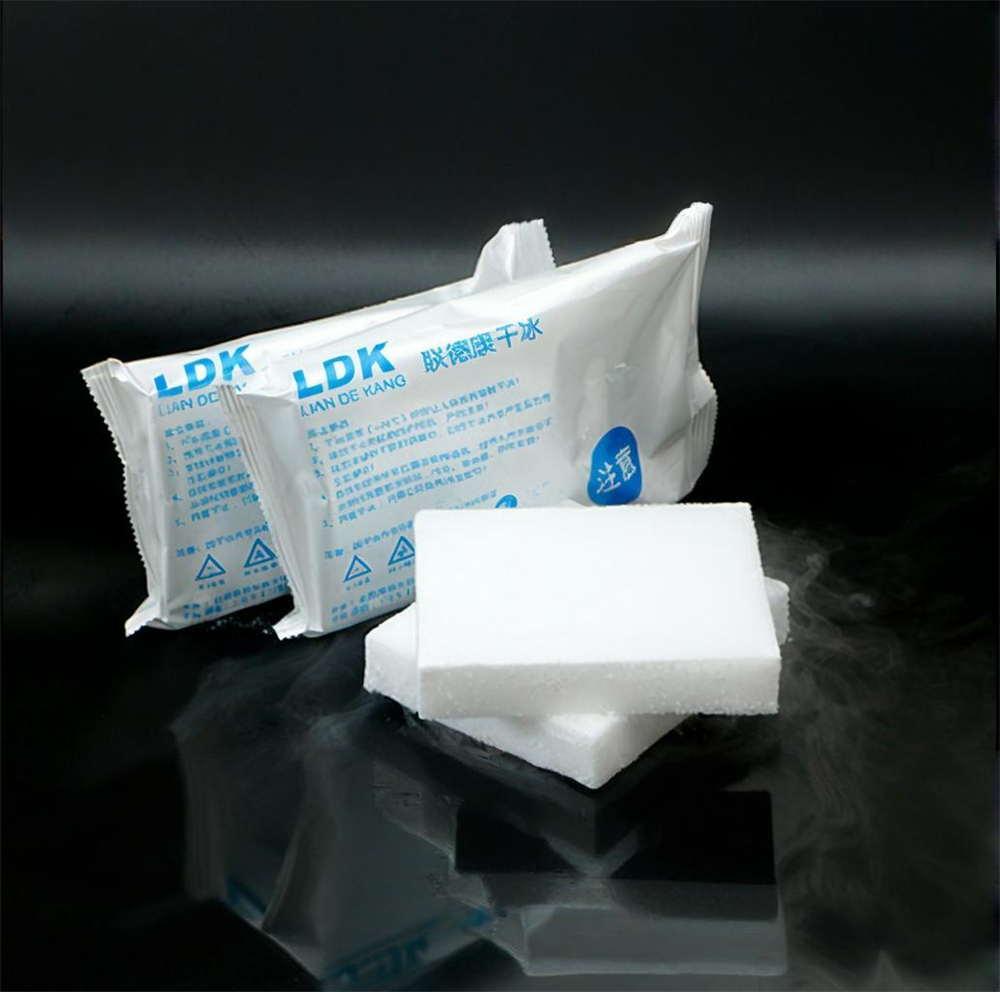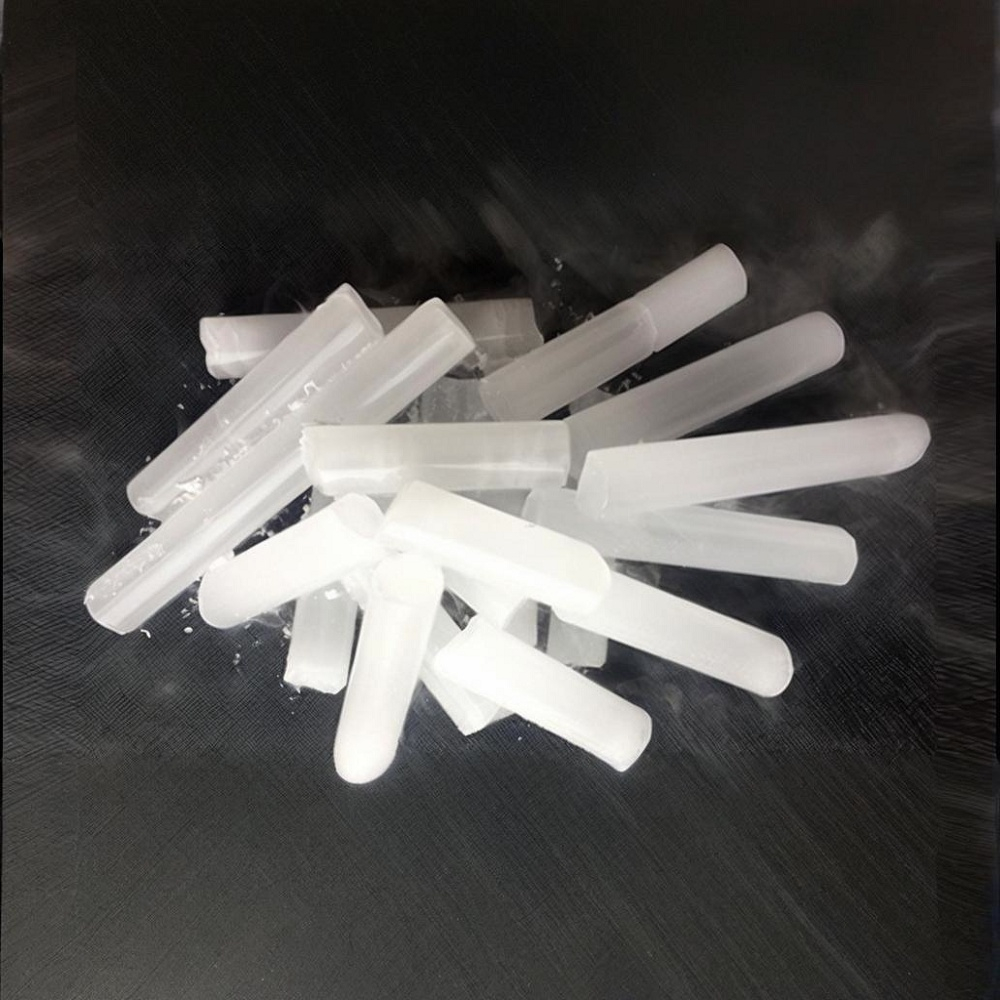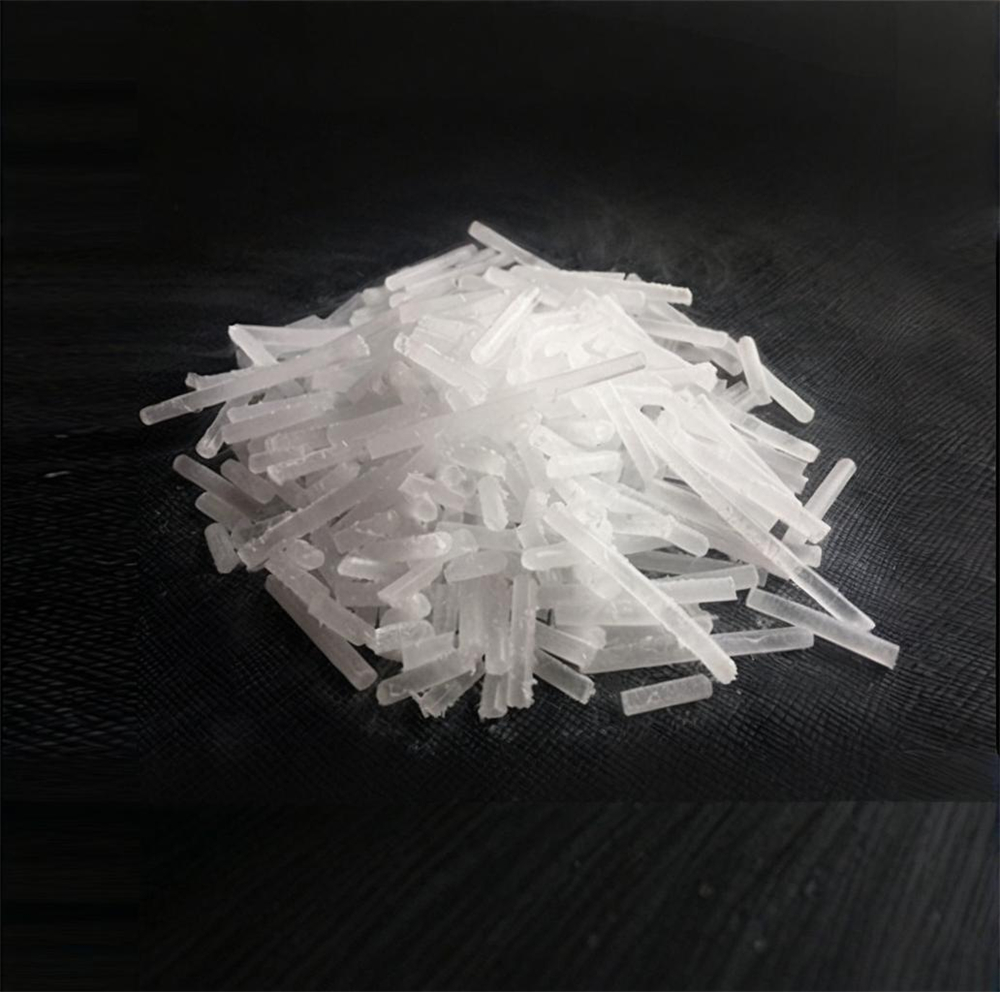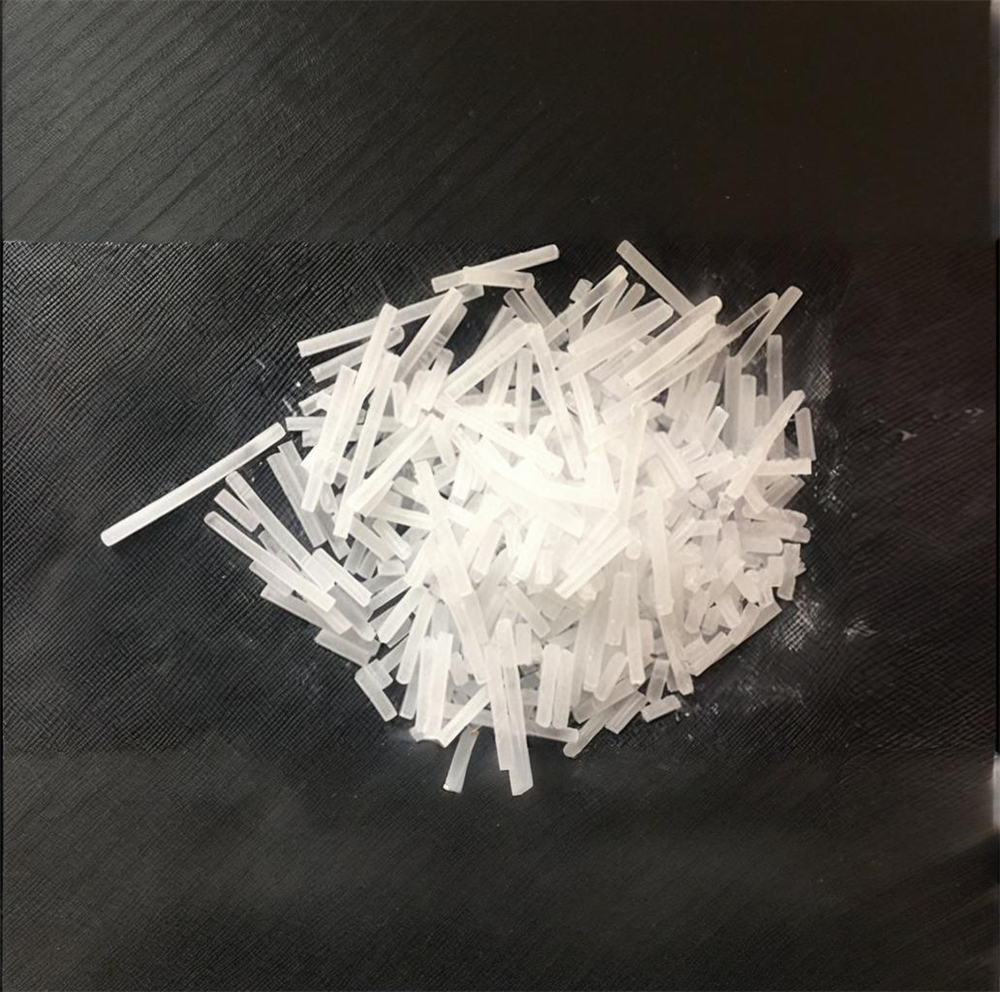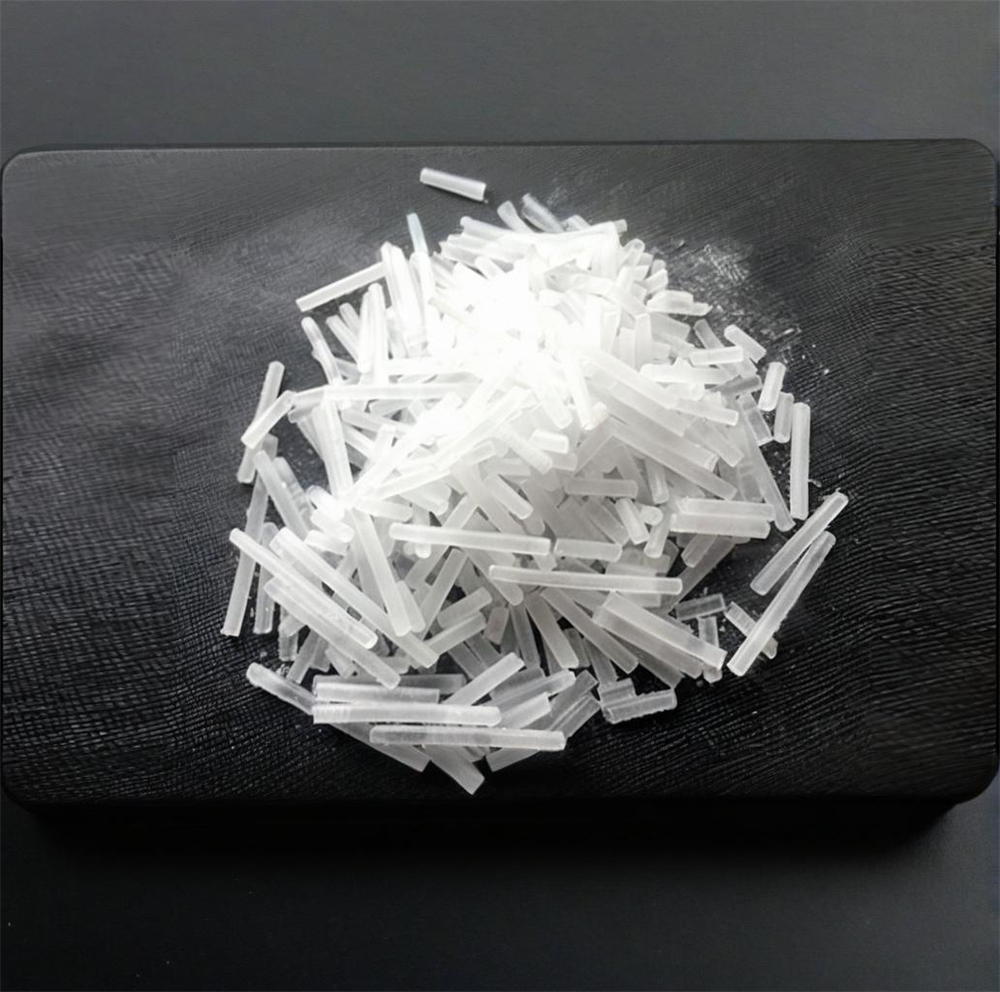





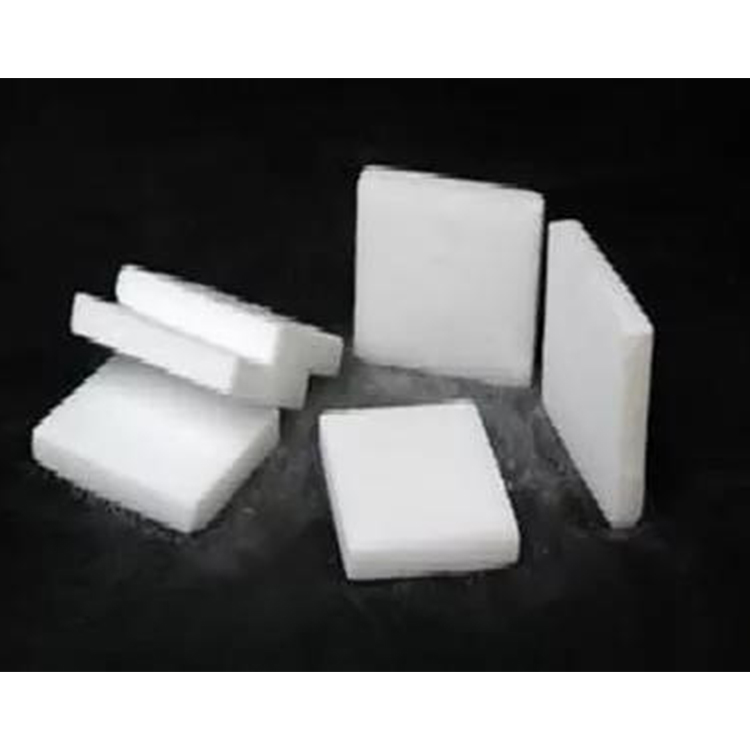

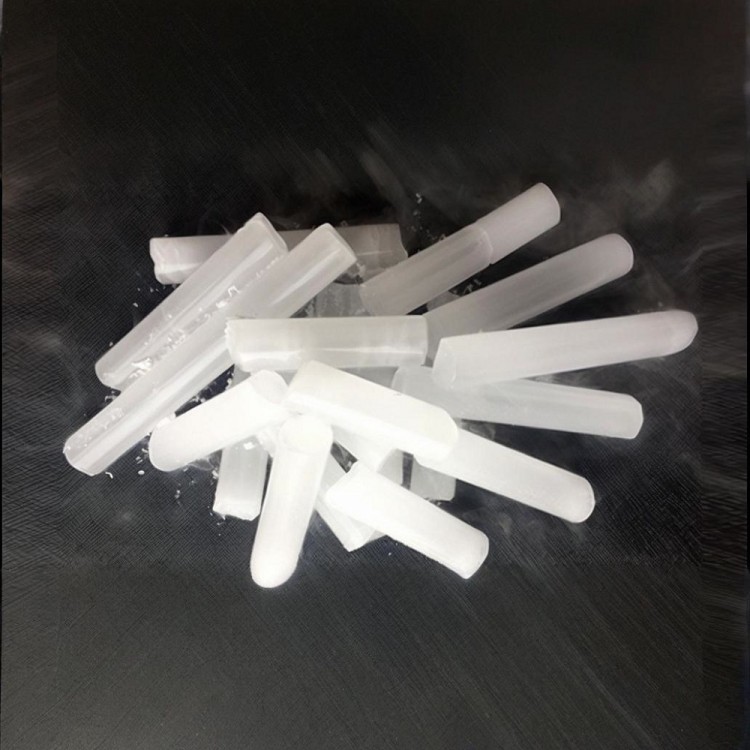
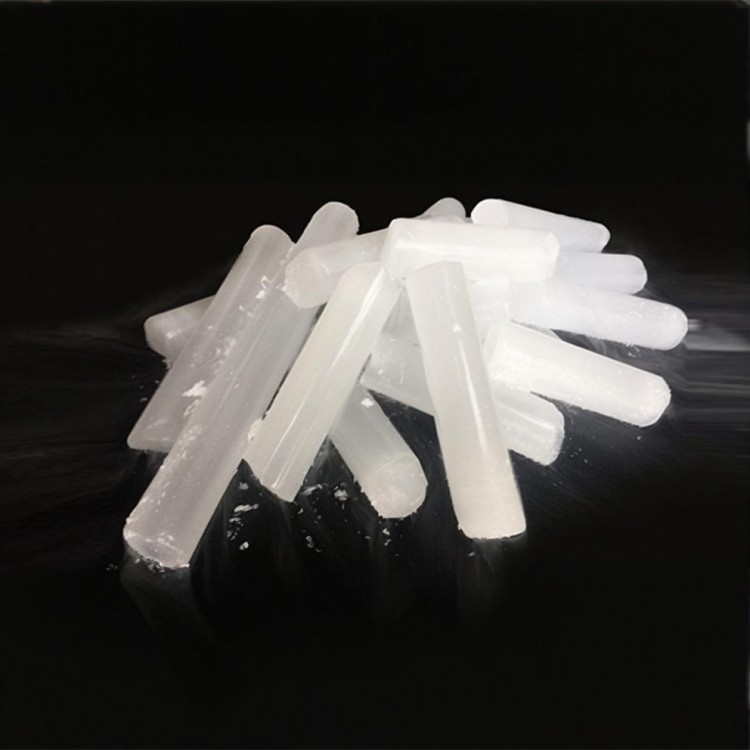







Like other jetting media, the momentum of dry ice pellets depends on their mass and velocity. Due to the relatively low density of dry ice, achieving the required impact energy mainly depends on the speed of the dry ice pellets.
Unlike other jetting media, dry ice particles have a low temperature (-78℃). This low temperature endows dry ice cleaning with unique thermodynamic properties that affect the mechanical properties of adhered dirt. Due to the temperature difference between the dry ice particles and the cleaning surface, a thermal shock phenomenon occurs. As the material's temperature drops and brittleness increases, dry ice particles can dislodge and break up the dirt layer.