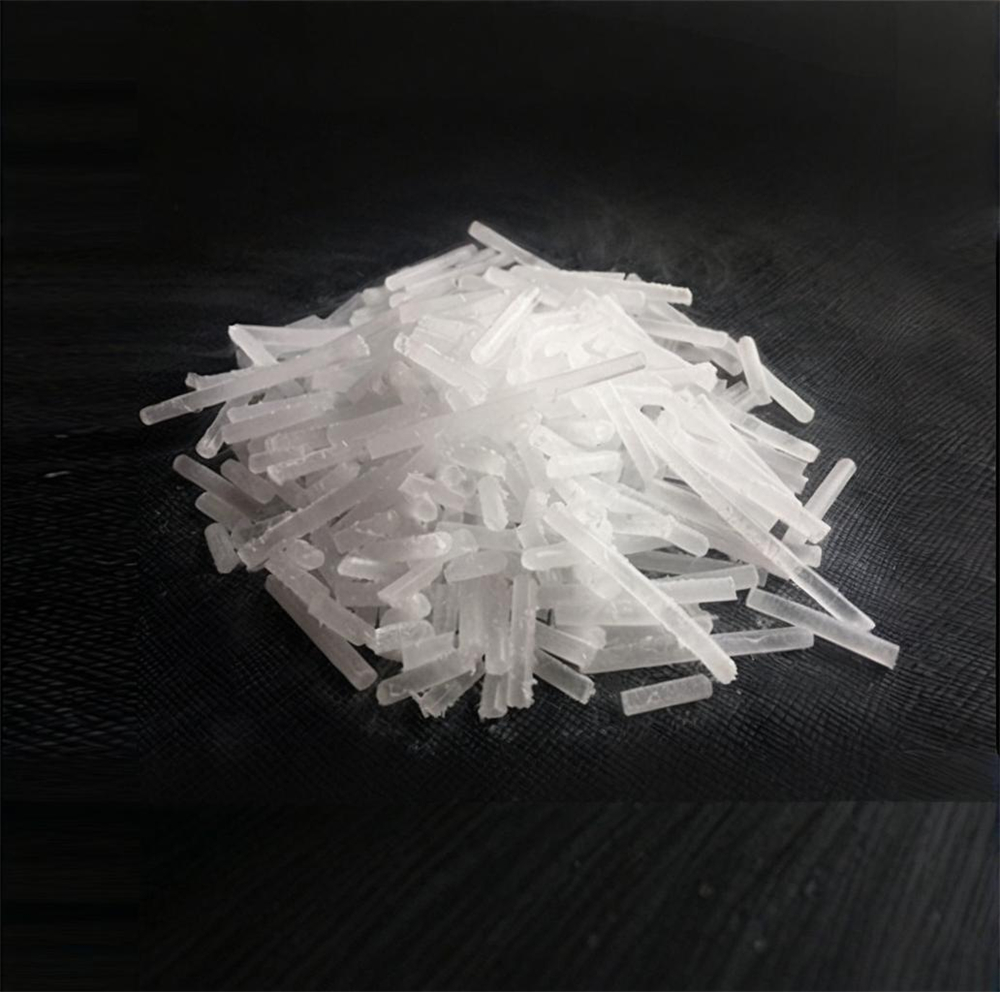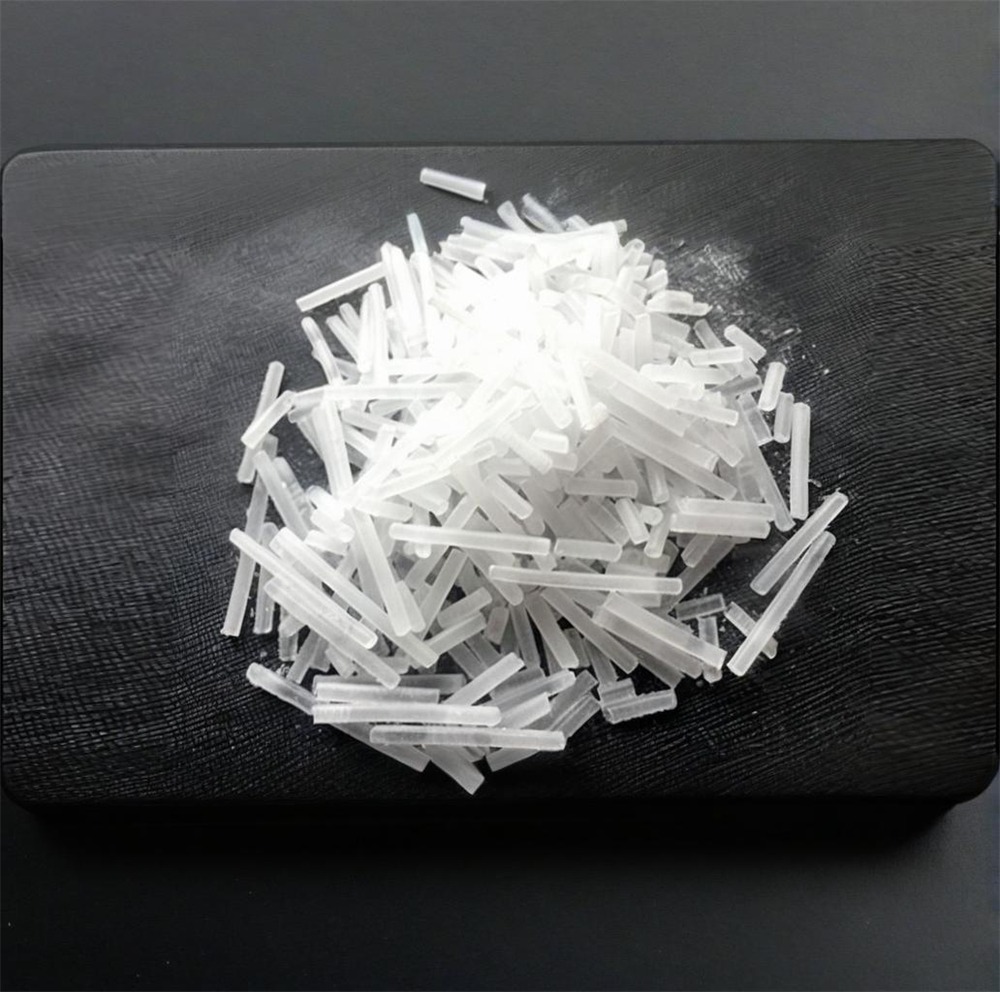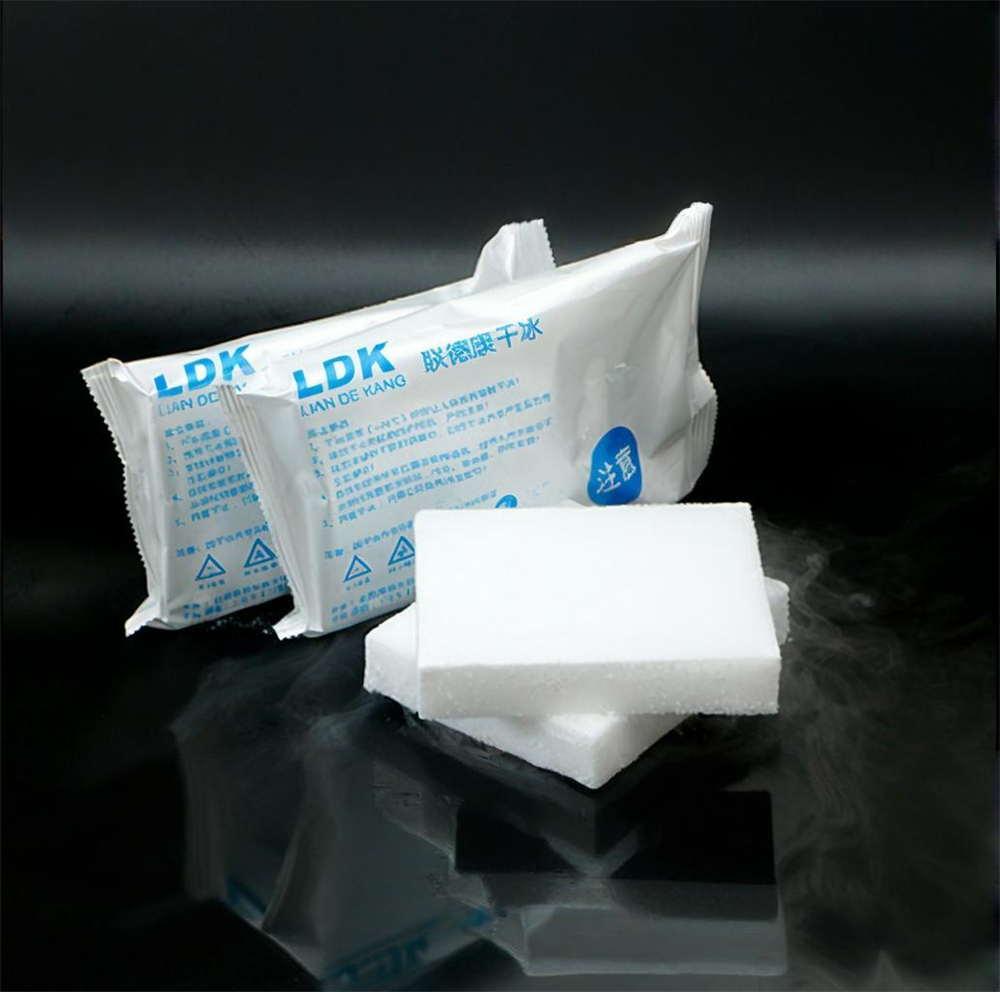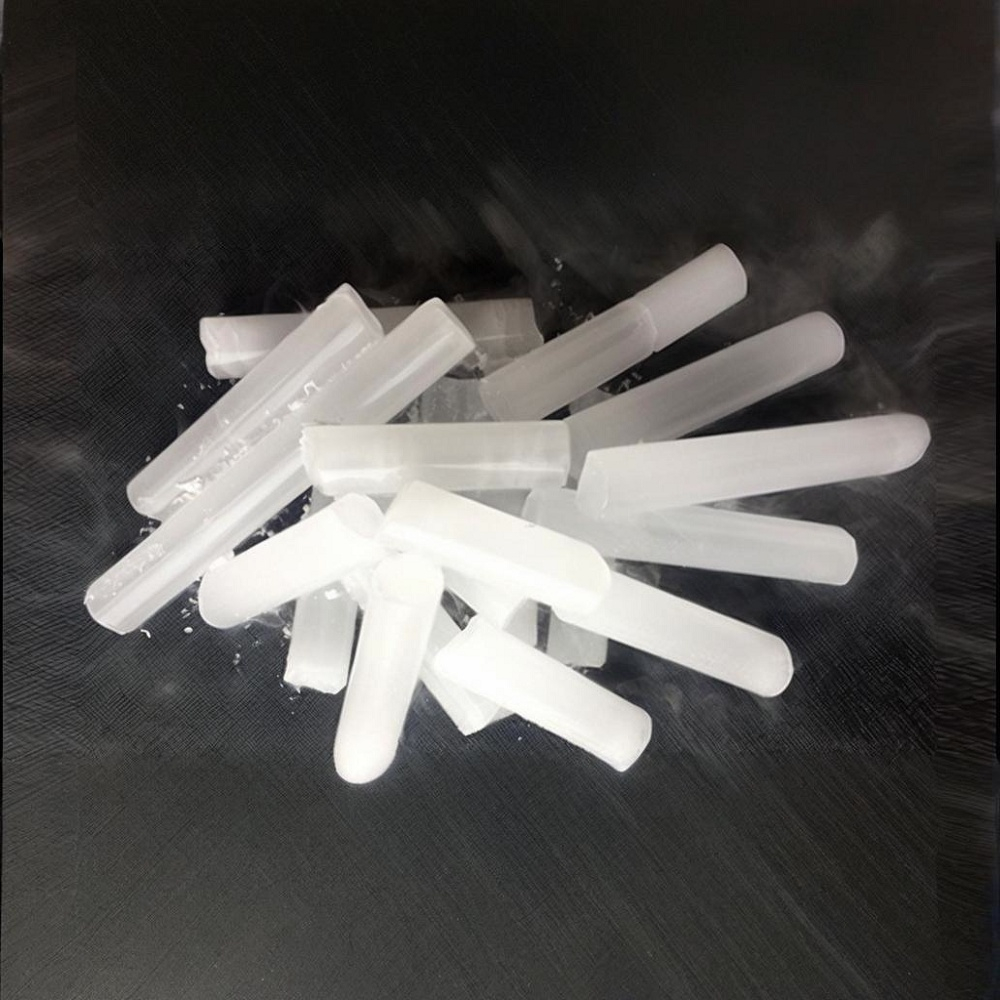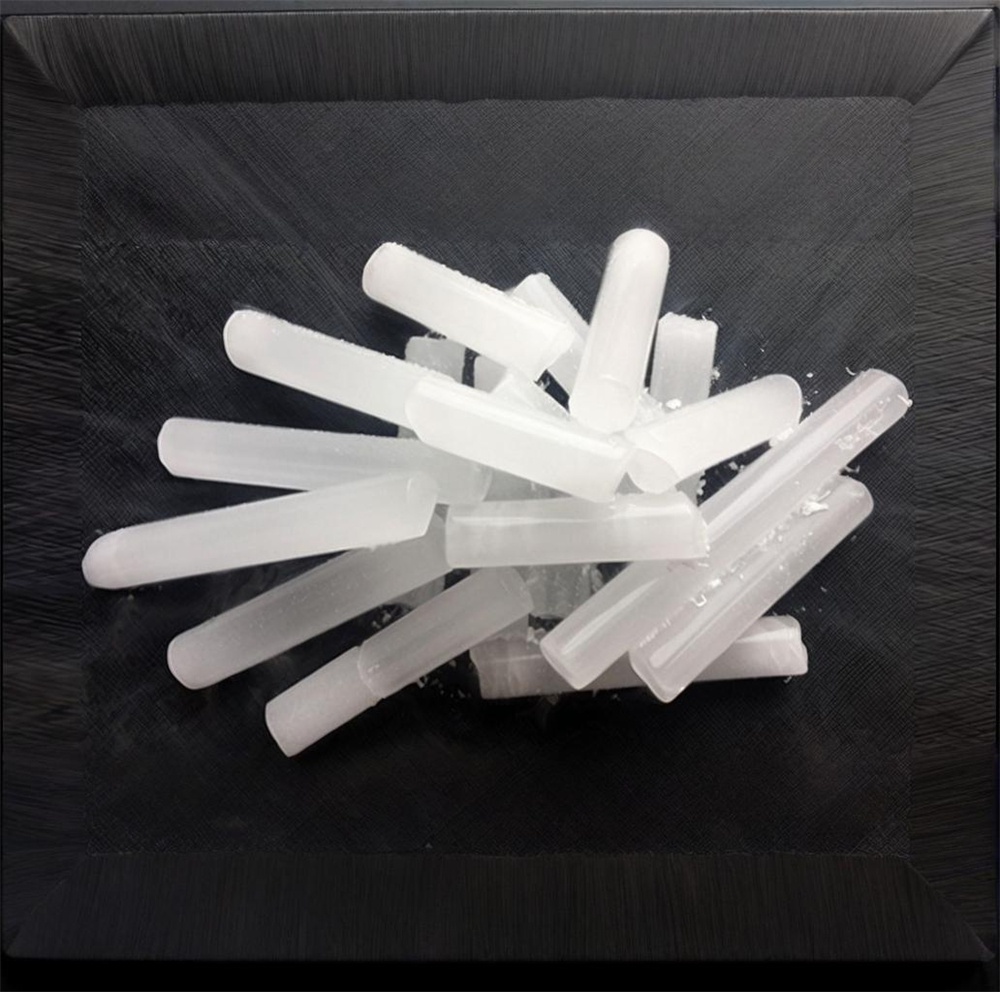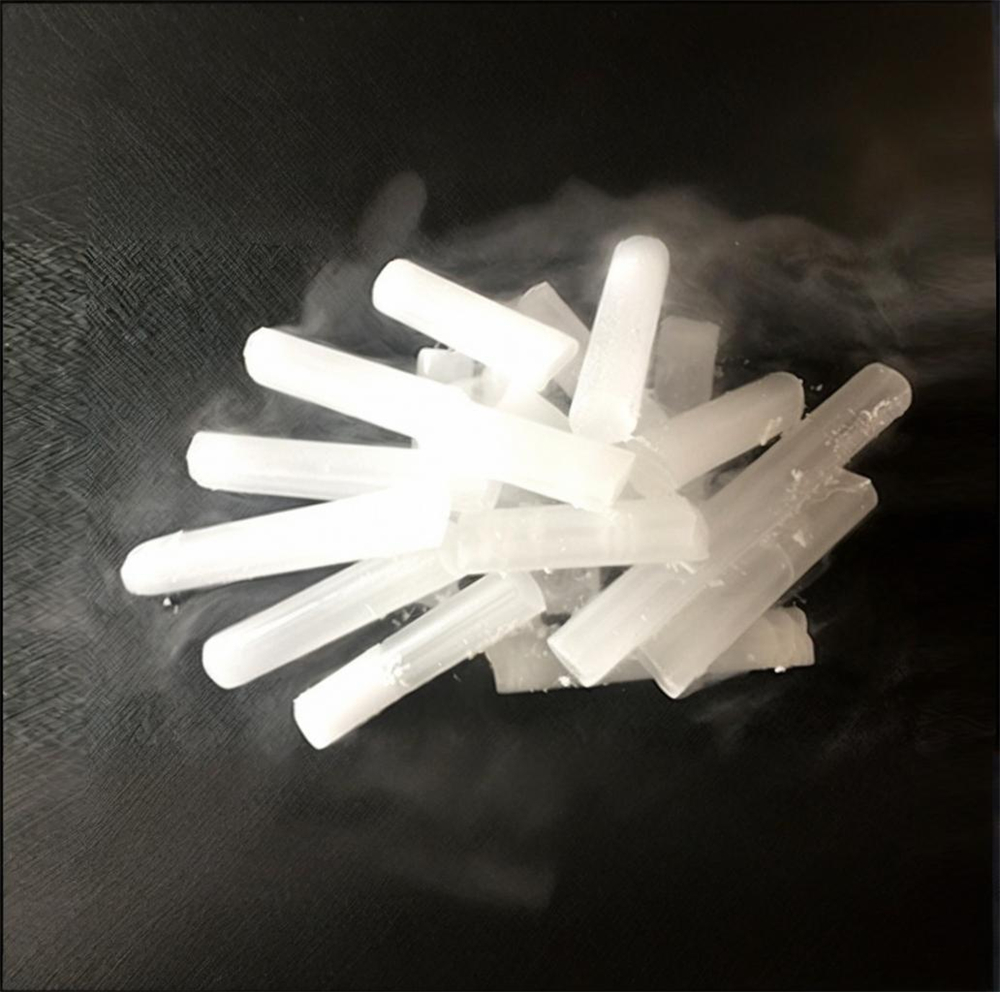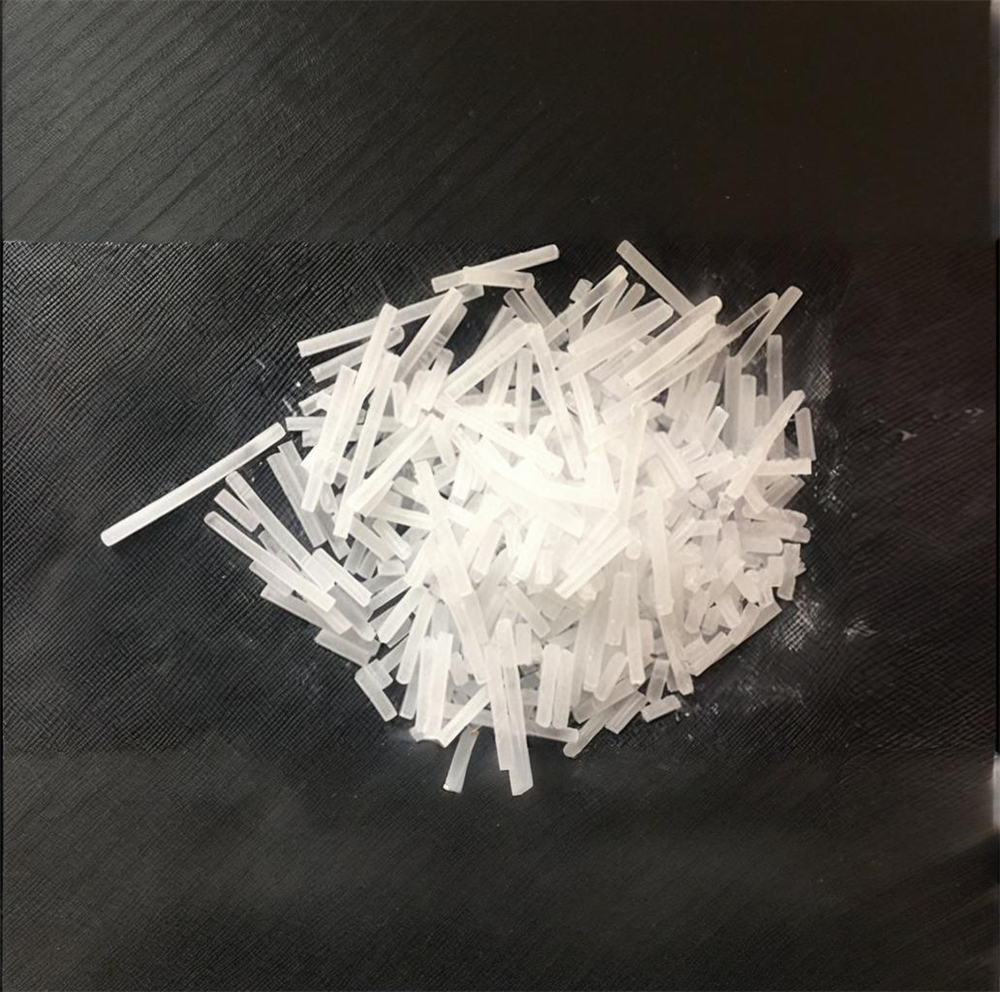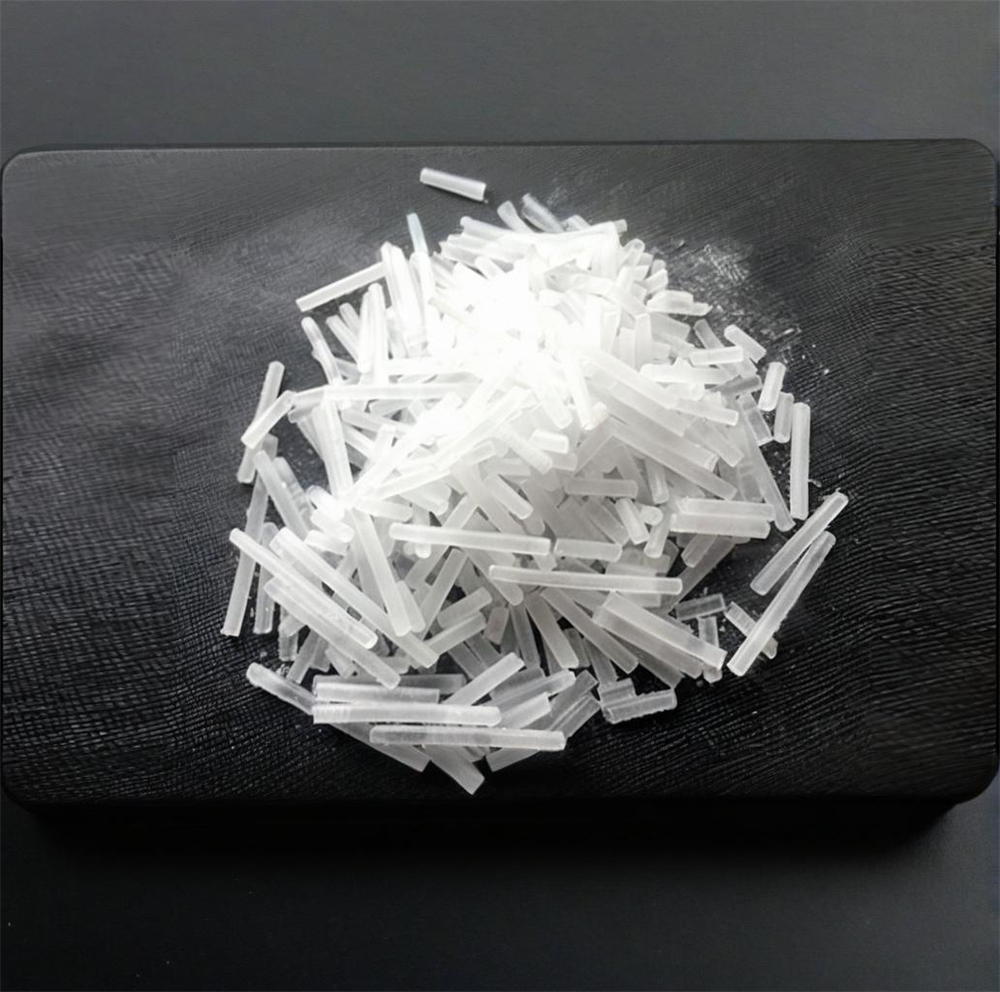

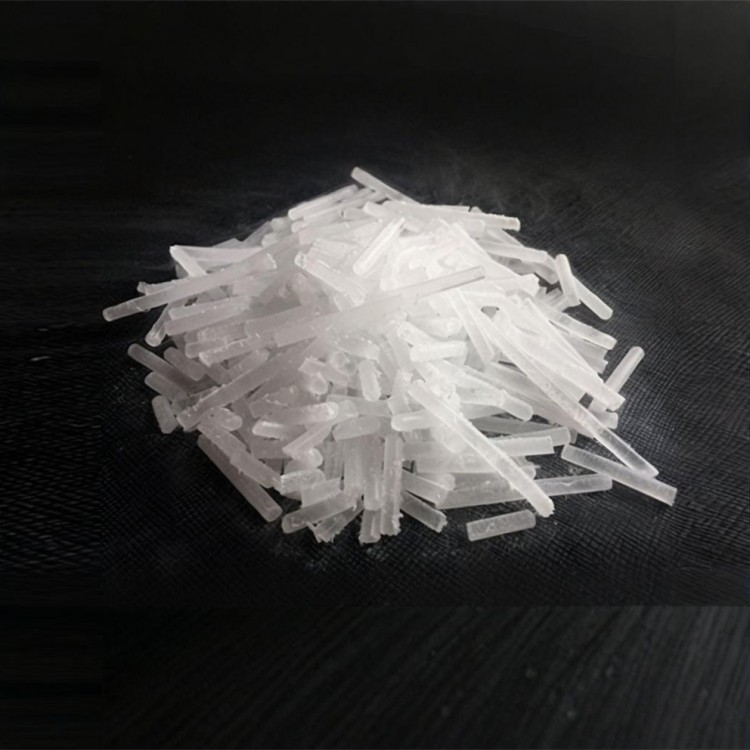

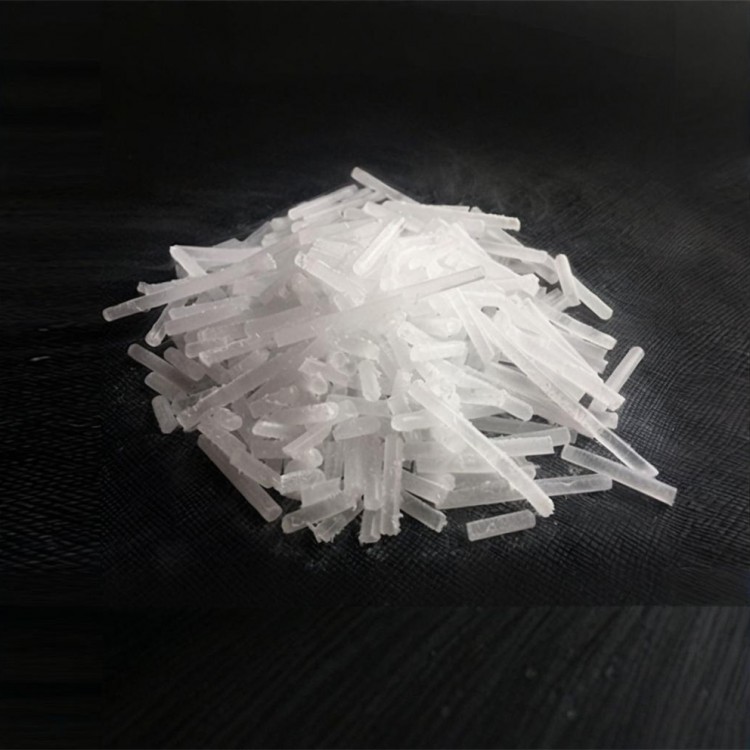
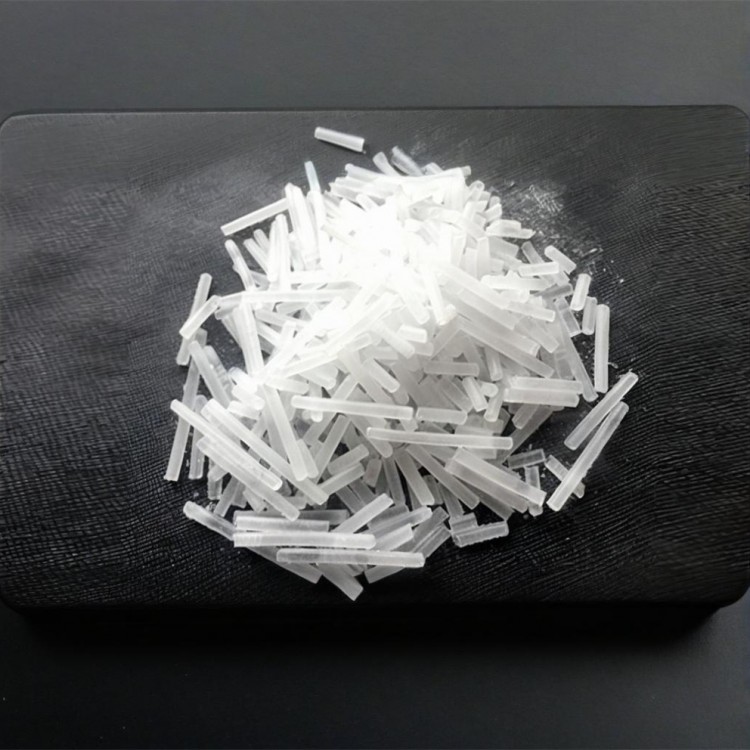
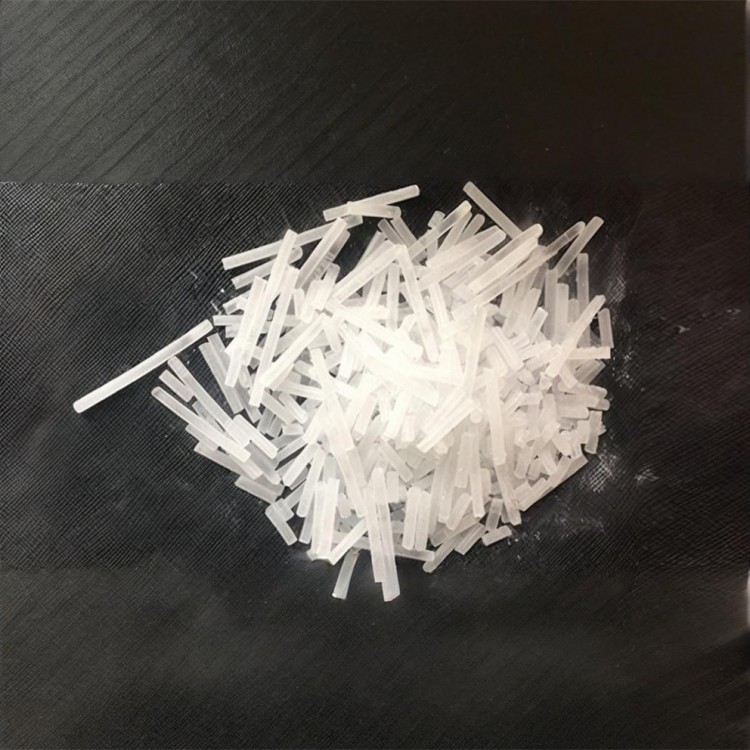


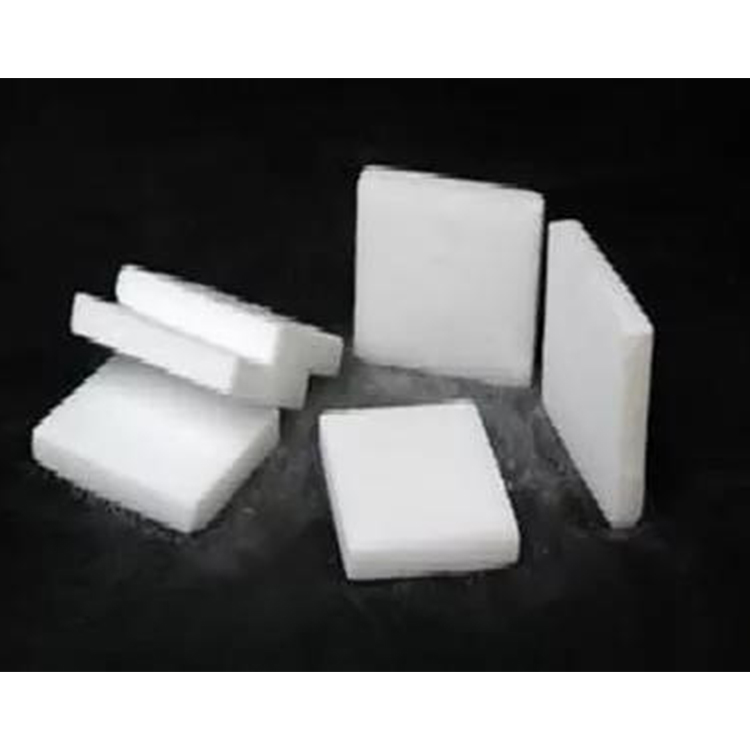
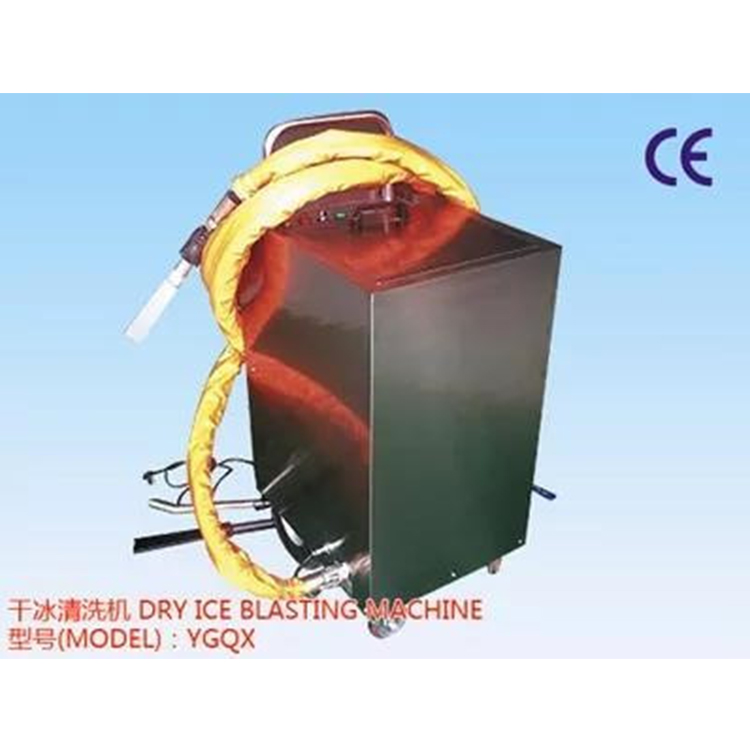
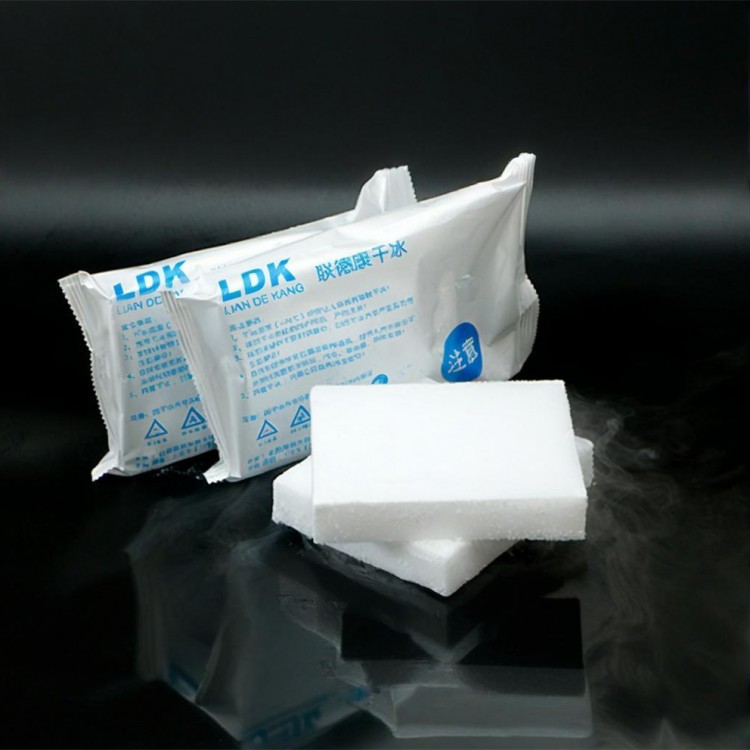
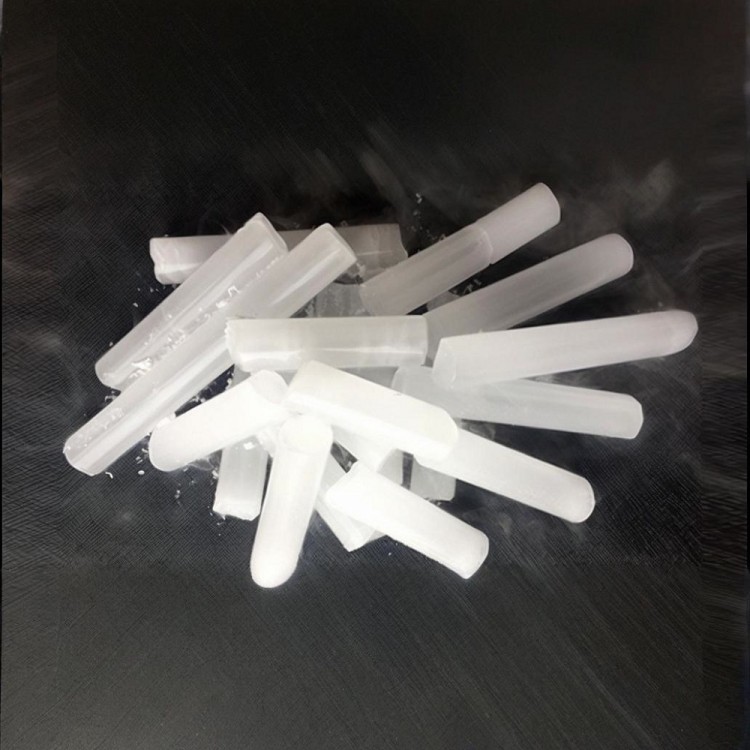
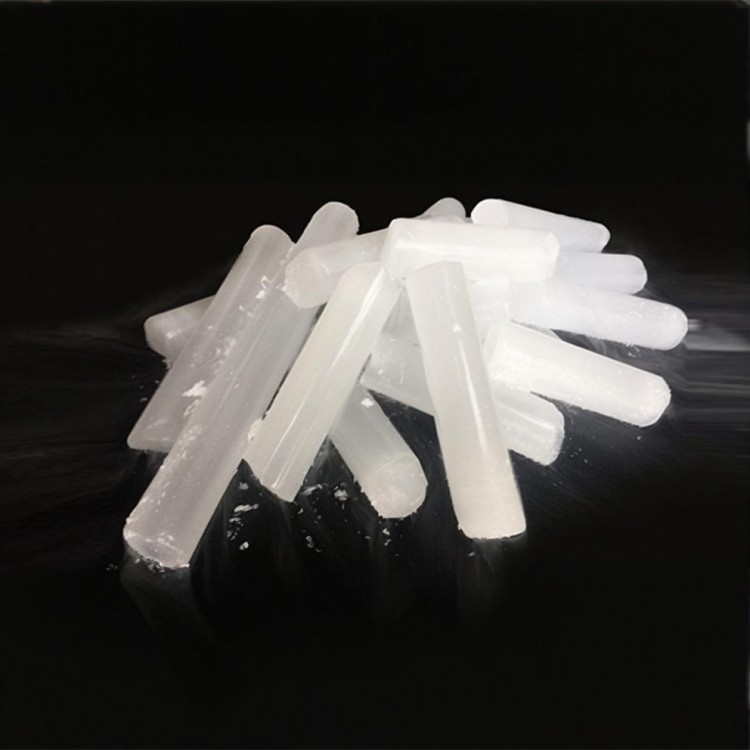





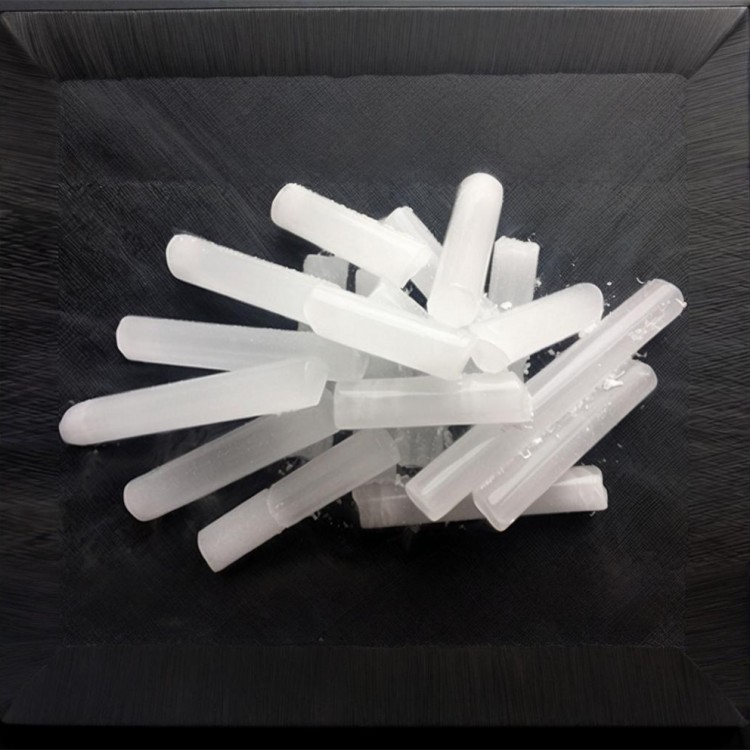
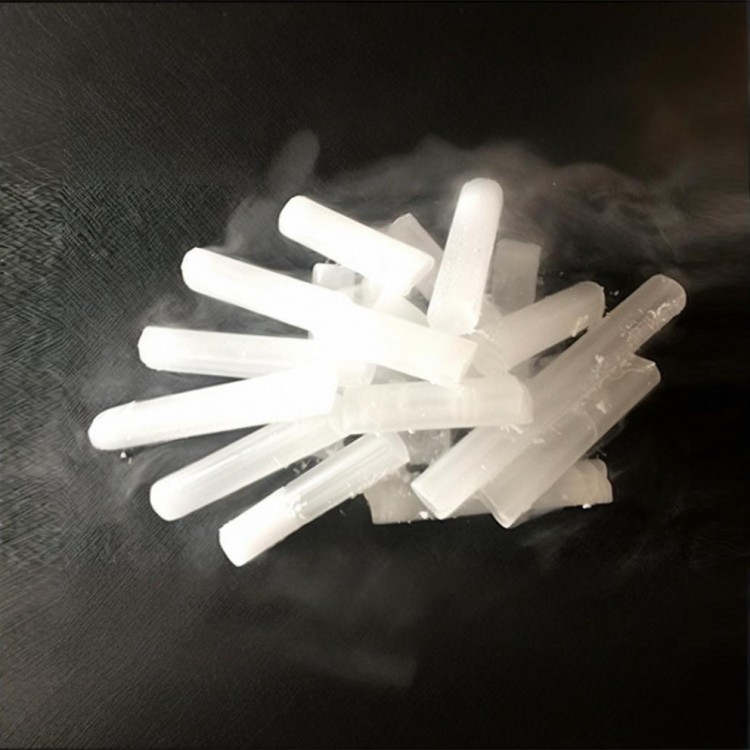
Dry ice is the solid form of CO2, which is an odorless and colorless gas under normal conditions and naturally present in the air. It exists as a solid at temperatures as low as -78.9°C. Under normal atmospheric pressure, solid CO2 sublimates directly without undergoing a liquid phase, which means the jet medium is completely eliminated, leaving only the original dirt to be treated. Therefore, in terms of cleaning, dry ice is superior to water and other chemical agents.
Dry Ice Cleaning Decontamination Principle:
Using ultra-low-temperature dry ice pellets, they are喷射towards the item to be treated, causing the dirt on the surface to freeze, become brittle, and crack. Once the dry ice pellets hit the gaps in the dirt, they immediately sublime, expanding in volume by nearly 800 times, thereby removing the dirt from the item's surface. The dry ice cleaning process utilizes compressed air as power to propel the dry ice pellets towards the item's surface, achieving the cleaning objective.
Dry Ice Cleaning Features:
·Dry cleaning, without water or chemicals, prevents secondary pollution, eco-friendly, and safe and reliable.
·High-pressure jet cleaning, no need for wiping and abrasion, preserves the item being cleaned, extending its lifespan.
·Online operation reduces disassembly and installation, extending the lifespan of the equipment.
·Short cleaning time, reduces costs, and improves equipment utilization.
·Electrical equipment can be cleaned without power interruption, with a voltage resistance of 3.4kV, offering thorough cleaning results and significant economic benefits.
Dry Ice Cleaning Industry:
Petroleum and Chemical Industry:
Coking and carbonization of various heating furnaces, reactors, pipelines, wiring, storage tanks, and valves.
All types of equipment, internal and external wall soiling of containers, residue from heat exchangers, cooling towers, and coking furnaces, asphalt soiling.
Food Industry:
Clean grease, dirt, and residue from drums, mixers, conveyors, evaporators, and heat exchangers.
Biscuit baking oven, egg pancake mold, low-temperature dry cleaning. Online cleaning, birthing equipment cooling and reheating times. Non-toxic, harmless, and environmentally friendly cleaning. Plus, low-temperature oxygen release to prevent bacterial growth.
Brewery:
Production line equipment, can dry cleaning and decontamination, low-temperature oxygen release to prevent bacterial growth, offering dual benefits.
Meat Processing:
Remove grease, bloodstains, and smoke residue from ovens, mixers, drums, and barrels, and eliminate bacteria growth with low-temperature oxygen depletion.
Dairy Processing Plant:
Clean production lines, mixers, drums, and tanks, and remove oxygen at low temperatures to prevent bacterial growth.
Oil Field:
Paraffin and residue from drilling platforms and storage tanks, as well as cleaning of drilling casing scale.
Power Plant:
Completely clean power plants, nuclear power stations, transmission lines, electrical control cabinets, electric equipment, and integrated circuit boards. Clean turbine blades without removing the propellers, saving the need for re-calibrating the dynamic parallelism of the blades.
Electrical & Electronic Appliances:
For transformer equipment, distribution cabinets, and other medium and low-voltage devices, online cleaning of circuit boards (withstanding voltage of 3.4kV) is available. Dry cleaning services for copiers, motors, generators, etc., without causing short circuits or electric leakage.
Clean the oil dirt, dust, and silicate scale from the stator and rotor inside the motor assembly, as well as the turbine rotor blade.
Automotive Industry:
Dry cleaning door skins, canopy, and body without water, removing engine and undercarriage oil污 without causing water pollution.
Mold:
Tyre molds, polyurethane molds, rubber molds, alloy die-casting molds, on-line cleaning for production lines, quick and time-saving.
Ship:
Hull, inlet valve, condenser, and heat exchanger painting treatments are cleaner than general high-pressure water washing.
Chemical & Pharmaceutical Industry
Boilers, heat exchangers, tanks, valves, pipes, evaporators, reactors, electrolytic cells, and filter cleaning.
Construction Industry:
Vehicles, mixing tanks, pavers, asphalt sprayers, asphalt furnaces—cleaning away dirt, asphalt, oil stains, cement, adhesives.
Foundry:
Mold (core box) adhesive residue and sand mixer sand outlet clogging, bamboo part sanding, and removal of metal oxidation skin.
Municipal Construction:
Railway stations, bridges, overpasses, escalators, and sculptures—cleaning and restoration services.
Highway:
Grease, cement, asphalt on road construction equipment; bridge and road signage cleaning; color stains, tar, etc.
Machinery Manufacturing:
Remove scale, rust, and weld slag from containers, pipelines, and tanks.
Printing Industry:
Printing plant rotary devices, wash trays, online effective decontamination, inks, and varnishes.
Wood processing industry:
Cleaning the rubber press, dryer, and ventilation, saving four times the time compared to traditional cleaning, and ensuring safety and effectiveness.
Plastic Industry:
Online cleaning of machinery and mold soiling can prevent waxing, agglomeration causing "orange peel effect," "foggy film," and "crisp skin" issues.
Metallurgy:
Clean dirt from heat exchangers, boilers, feed hoppers, and storage silos.