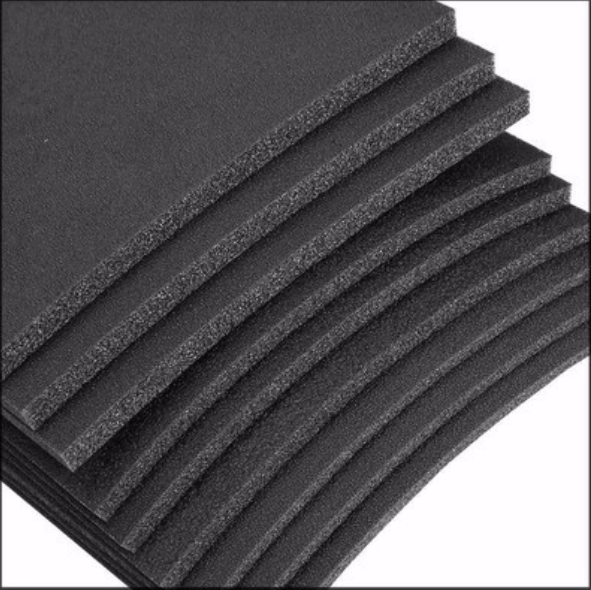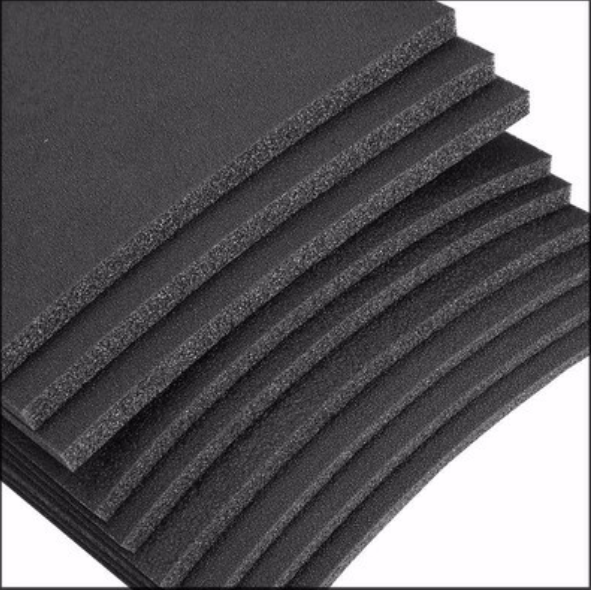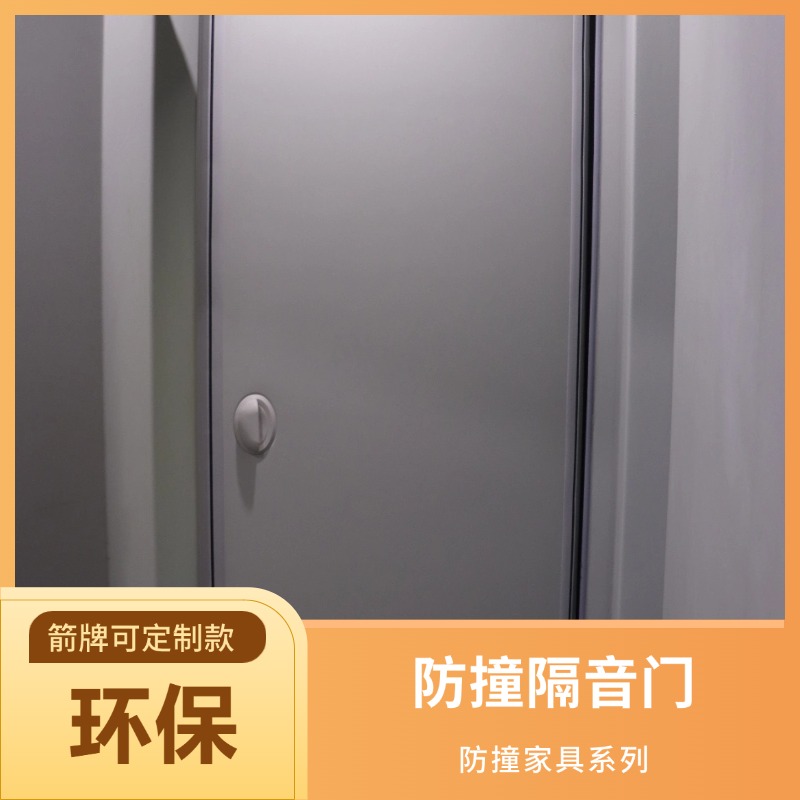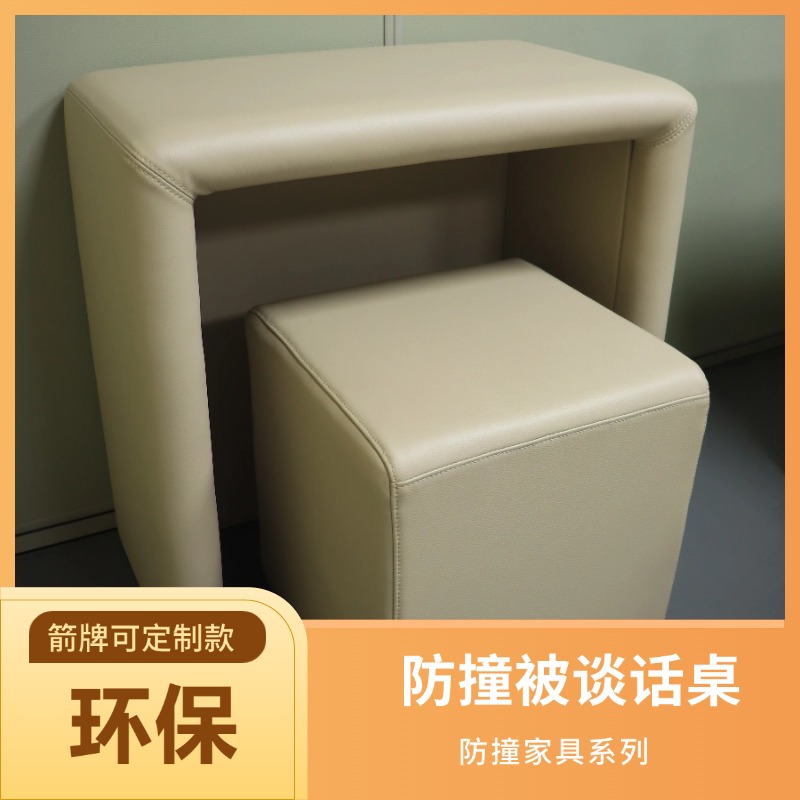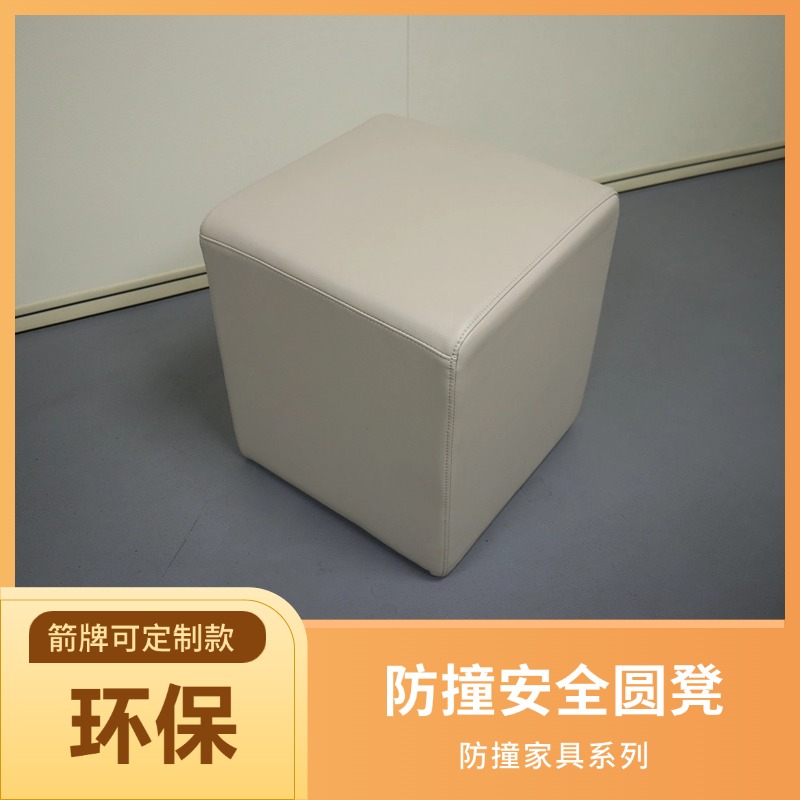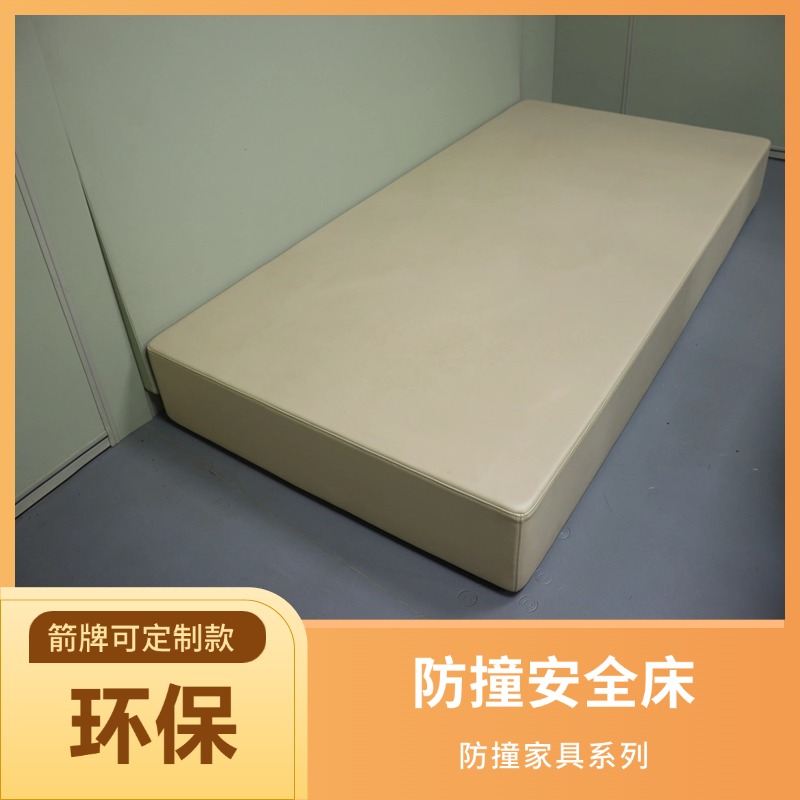





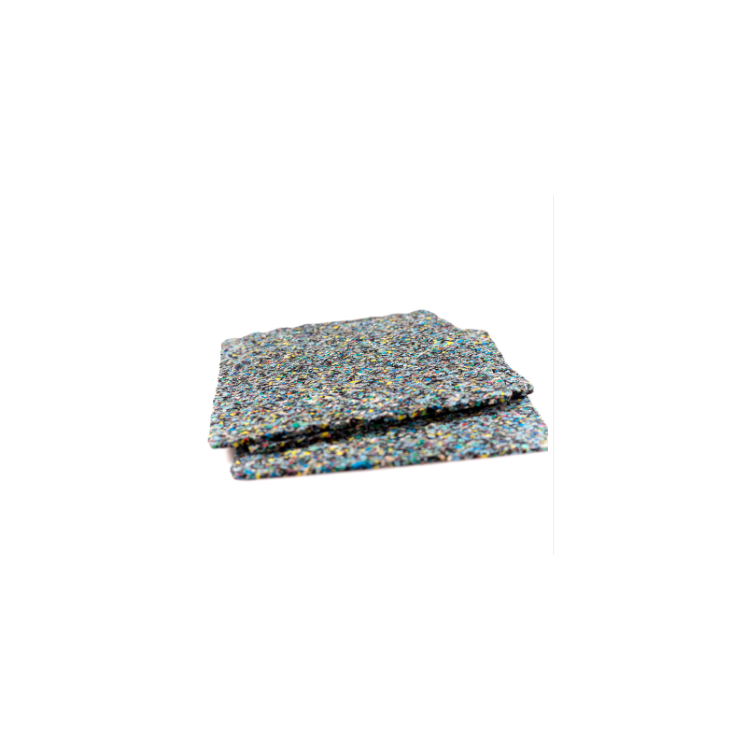
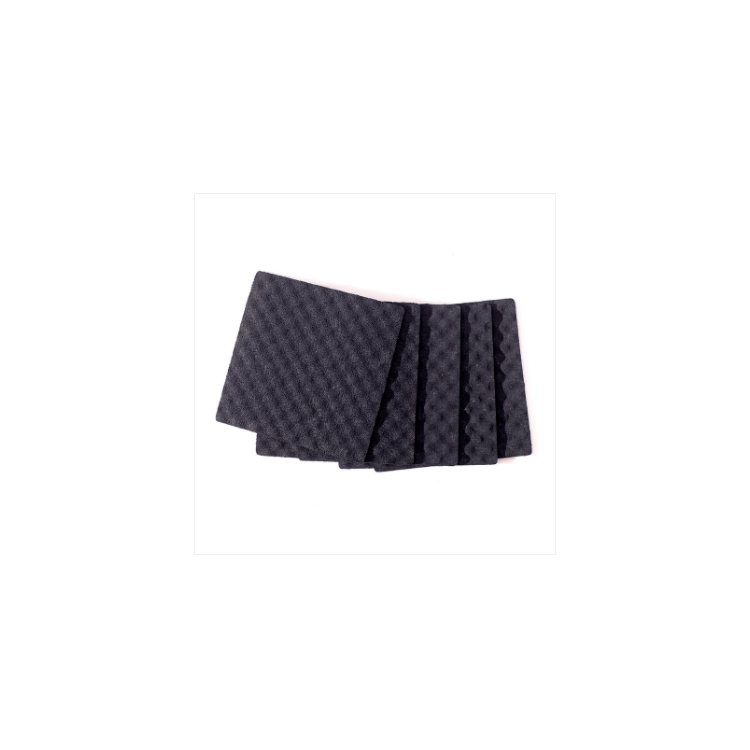
The curled long-chain molecular structure of rubber and the relatively weak secondary forces between the molecules contribute to the rubber's unique viscoelastic properties, thus providing excellent vibration damping, sound insulation, and buffering capabilities. Rubber components are widely used for isolating vibrations and absorbing impacts due to their characteristics of hysteresis, damping, and the ability to undergo reversible large deformations.
The hysteresis and internal friction characteristics of rubber are typically represented by the loss factor. The higher the loss factor, the more significant the damping and heat generation in the rubber, resulting in a more pronounced shock-absorbing effect.