






At different times, the interfacial tension between air and oil污 at the interface makes the oil污 form a relatively flat oil film adhering to the surface of steel structural components, as shown in Figure 3-2. When steel structural components are immersed in alkaline cleaning solutions, due to the stronger force of ions and polar molecules in the solution than that of air gas molecules on oil molecules, the interfacial tension between oil and the solution decreases, and the contact area between them increases. Common methods for descaling steel structural components by hot-dip galvanizing include the following: (1) Alkaline solution cleaning method. The reason why alkaline solutions can remove oil污 from the surface of steel structures is due to two mutually incompatible.
Liu Suan has a relatively weak ability to dissolve metal oxides, and increasing its content does not significantly enhance Liu Suan's solubility. Solutions of Liu Suan with a concentration of 40% (by mass) or higher show a significant decrease in their ability to dissolve iron oxide. Solutions with a concentration of 60% (by mass) or higher almost cannot dissolve iron oxide. Therefore, when using Liu Suan as an acid pickling solution, the mass fraction is generally controlled between 8% to 15% to avoid defects caused by slag, such as crimped patterns on the surface of the steel strip, cracks in the turning rolls, and stretching straightening cracks, as well as watermarks. Cold-rolled steel strip surface defects that affect the quality of organic coated steel plates typically include: scabs, delamination, perforation, surface damage, indentation, pores, adhesion, folds, cracks, and iron oxide scale. Substrates with these defects are not suitable for color coating operations. 5.4.3 Inspection and Maintenance of Substrate Upon arrival and after inspection for quality, quantity, packaging labels, and quality assurance documents, the substrate should be inspected. The general inspection of the substrate includes...
Flower production, but due to the thin pure zinc layer, the galvanized sheet surface lacks luster and appears whitish, giving an unconvincing feel. During the processing, zinc particles may fall off, which is the white zinc layer. The cause is similar to the gray zinc layer, only slightly less severe, and the measures taken are the same. 2.6.5 Influence of Base Plate on Galvanized Defects 2.6.5.1 Influence of steelmaking inclusions in base plate on galvanizing Steel must be added with elements such as silicon and aluminum during refining for deoxidation and degassing treatment. After deoxidation, a series of substances such as MgO, Al2O3, SiO2, and CaO are produced. Generally, for the inner and outer surfaces of the drum, epoxy, ethylene, and polyester coatings are primarily used, while the surface primarily uses -series and polyester coatings. In addition, a few tens of micrometers thick thermoplastic resin film can also be used on the coated plate. From the aspects of processability and compatibility with the contents of the container, polyester represented by PET and resin represented by PP are widely used. The application types of organic coated steel plate for making packaging drums are as follows. o Bonded drum. By remelting the thin nylon-type heat metal in hot oil above 232°C, a shiny patterned tin layer can be obtained, which can be used as a decorative plating for household items. The production process types of electroplated tin steel plates 4.1.2 Electroplated tin plate is a deep-processed steel product. Since it is essentially a thin steel plate with tin plated on both sides, the production process of tin-plated sheets can be conveniently divided into two stages: first, obtaining low-carbon steel strips or plates with the required standards and mechanical properties; secondly, electroplating. This section will mainly introduce the electroplating process, and Figure 4-1 shows a schematic diagram of the process steps in the production of tin-plated sheets. There are significant differences, so high requirements are placed on the hot-dip galvanizing process. Different types of steel structures require different hot-dip galvanizing processes. Proper hot-dip galvanizing operations are crucial for achieving excellent galvanizing quality and lower production costs. The hot-dip galvanizing operation mainly involves effective control and implementation of the zinc liquid temperature, dipping speed, dipping time, advancing speed, and operations such as removing zinc slag and zinc dross. 3.2.4.1 Zinc Liquid Temperature The actual indication is that most components are galvanized within the temperature range of 440~460°C. In addition to the zinc layer protection, the coating on the zinc layer plays a covering and protective role, preventing rust on the steel strip and extending its service life by about 1.5 times compared to galvanized strips.
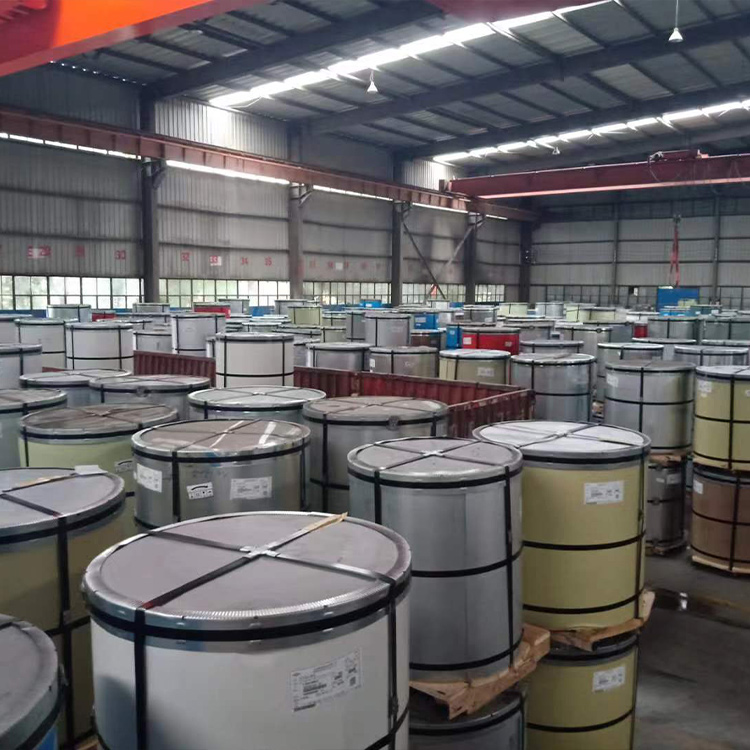
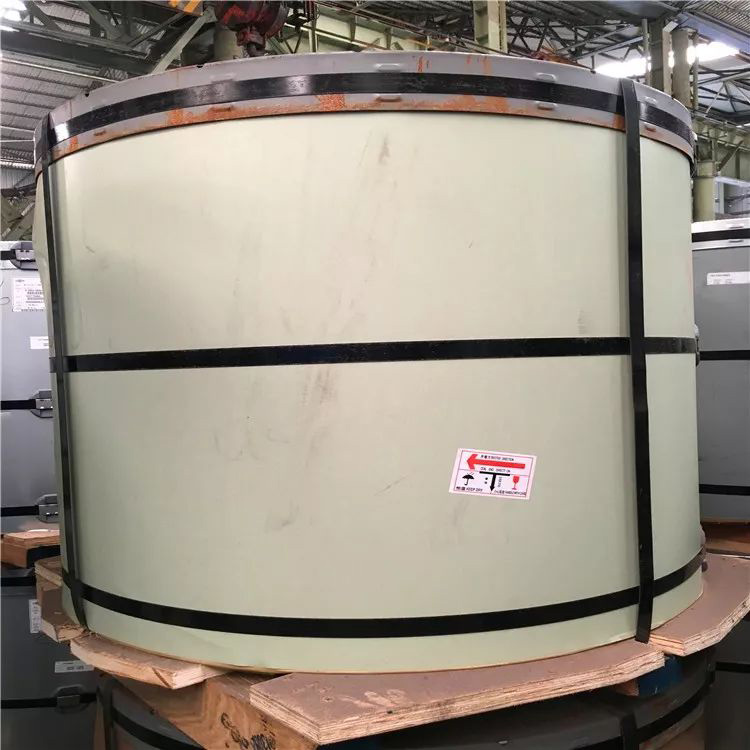
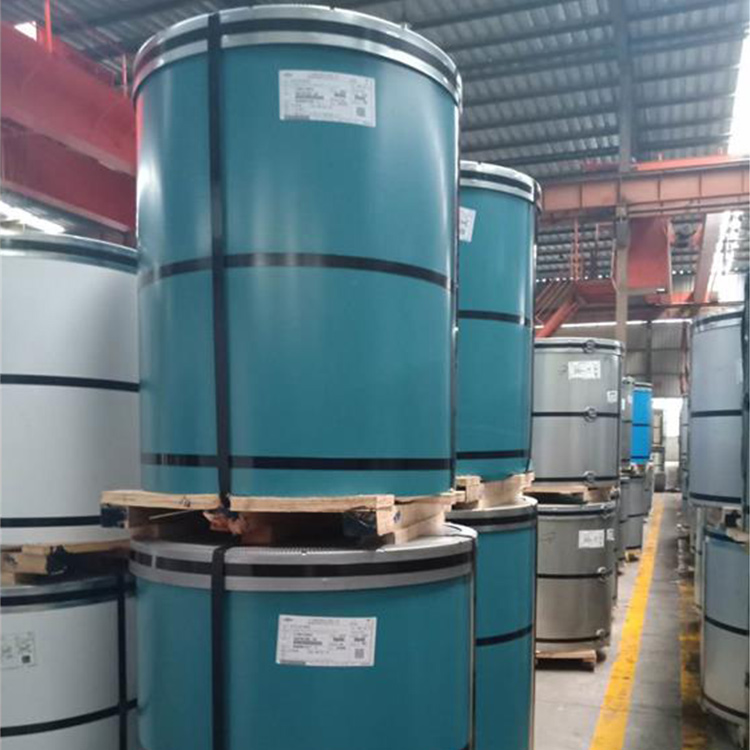
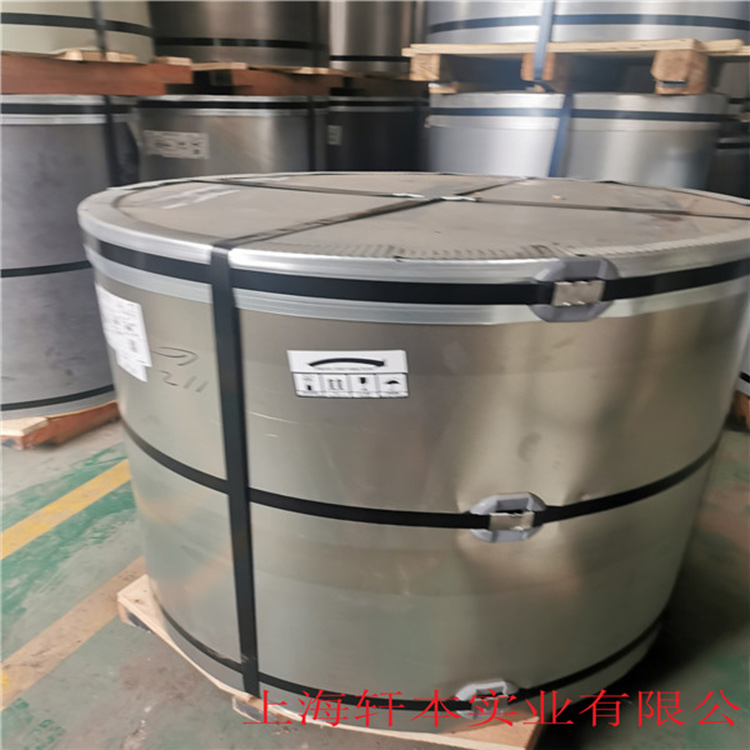
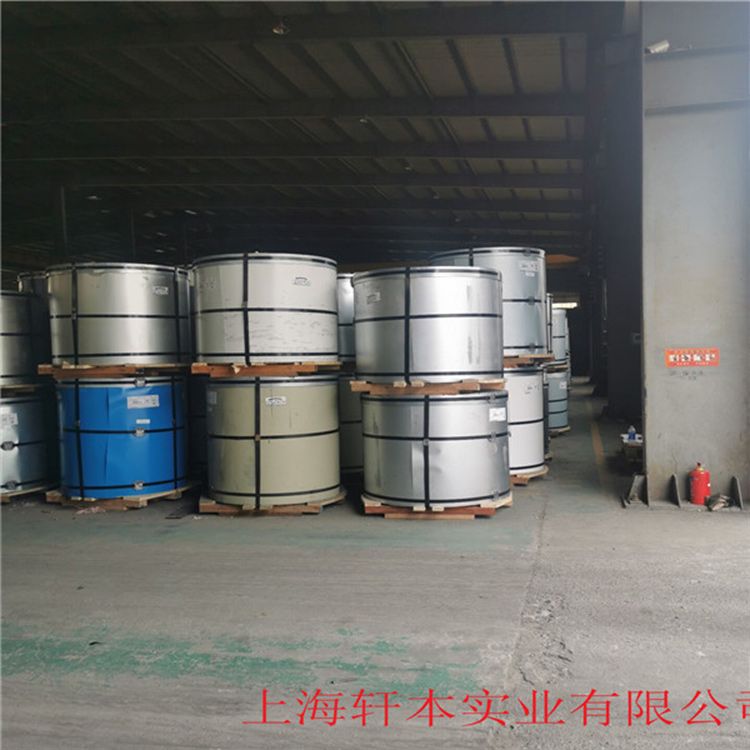
Galvanized steel coils, based on cold-rolled steel or galvanized steel, are coated with one or more layers of liquid paint by the roller coating method after surface pretreatment (degreasing, cleaning, chemical conversion). The coated material is then baked and cooled, resulting in the finished sheet material.
Color coated steel coil coating is produced by cold-rolled steel sheet, galvanized steel sheet, which is coated (roll coated) or laminated with a thin film (PVC film, etc.) after surface chemical treatment, and then baked and cured. It can be divided into: hot-dipped galvanized color coated board, electro-galvanized color coated board, hot-dip aluminum-zinc color coated board, cold-rolled base color coated board.
Color coated steel sheet production technology was introduced to the United States in 1927, with the first color coated steel sheet production line completed in 1936, and the world's first continuous color coated steel sheet production line established in 1955. 20th century...
The production of color coated steel plates experienced rapid development in the 1960s, with particularly swift growth in North America, Europe, and Japan. Currently, there are over 400 color coated steel plate plants worldwide, excluding China, with a total production capacity of approximately 14 million tons.
Color-coated steel plates have been widely used overseas. With the continuous and rapid growth of China's competitive construction, the application fields and demand for color-coated steel plates in China have expanded significantly over the past decade. However, the rapid growth of domestic production capacity has also led to increasingly fierce market competition.