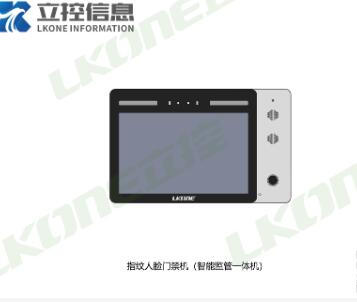
A storage room security alarm system is designed to protect the safety of warehouses, storage rooms, and similar facilities. It can monitor parameters such as temperature, humidity, smoke, and gases in real-time through the installation of various sensors and monitoring equipment. In the event of an abnormal situation, the system will automatically trigger an alarm signal to alert administrators to take timely action. This article will introduce the basic principles, components, application scenarios, and future development trends of storage room security alarm systems.
Basic Principles of Storage Room Security Alarm Systems
The basic principle of the warehouse security alarm system is to install various sensors and monitoring equipment to real-time monitor parameters such as temperature, humidity, smoke, and gases inside the warehouse. Upon detection of any anomalies, the system automatically triggers an alarm signal to notify the administrator to take timely action. The warehouse security alarm system can communicate with other devices and systems via various communication protocols and interfaces, such as Modbus, OPC, TCP/IP, CAN, and more.
The main functions of the warehouse security alarm system include data collection, data processing, data storage, alarm control, and remote monitoring. Data collection refers to obtaining data from various sensors and monitoring devices, including parameters such as temperature, humidity, smoke, and gases. Data processing involves handling and analyzing the collected data, including data cleaning, conversion, and calculation. Data storage entails storing processed data in databases or files for subsequent analysis and use. Alarm control involves the system automatically emitting alarm signals upon abnormal situations, alerting administrators to take timely actions. Remote monitoring means real-time surveillance of the warehouse status over the network, including parameters like temperature, humidity, smoke, and gases.
Part Two: Components of the Storage Room Security Alarm System
The cabinet security alarm system consists of the following components:
Sensor
Sensors are the core components of the warehouse security alarm system, used for real-time monitoring of parameters such as temperature, humidity, smoke, and gases within the storage facility. Sensors can be categorized into various types, including temperature sensors, humidity sensors, smoke sensors, and gas sensors.
Controller
The controller serves as the command center for the library security alarm system, responsible for managing the operational status of sensors, processing data collected by the sensors, and emitting alarm signals, etc. Controllers are categorized into two types: hardware controllers and software controllers.
Alarm Sensor
Alarms are the alerting devices of the storage room security alarm system, designed to emit alarm signals during abnormal situations to prompt administrators to take timely action. Alarms can be categorized into sound-and-light alarms, SMS alarms, and phone alarms, among others.
Surveillance Equipment
Surveillance equipment is a monitoring component of the warehouse security alarm system, used for real-time monitoring of the warehouse conditions, including temperature, humidity, smoke, gases, and other parameters. Surveillance equipment can be categorized into cameras, infrared sensors, access control systems, and more.
Software System
The software system is the core component of the library security alarm system, used for controlling and managing the entire system. The software system can be divided into data collection software, data processing software, alarm control software, and remote monitoring software, etc.
Section 3: Application Scenarios for Warehouse Security Alarm Systems
Warehouse Security Alarm Systems can be applied in various locations such as storage rooms, warehouses, and storage areas. Below, we will introduce the application scenarios of these security alarm systems in these locations.
Warehouse
The warehouse is a storage facility for various items such as food, medicine, chemicals, etc. The security alarm system in the storage room can be used to monitor parameters like temperature, humidity, smoke, and gases within the warehouse. In case of any abnormal situations, the system will automatically trigger an alarm, alerting the administrator to take timely action to ensure the safety of the items stored in the warehouse.
Warehouse
The warehouse is a facility for storing various goods, such as raw materials and finished products. The security alarm system in the storage room can be used to monitor parameters like temperature, humidity, smoke, and gases within the warehouse. In the event of any abnormal situations, the system will automatically trigger an alarm, alerting the administrator to take timely action and ensure the safety of the goods.
Storage Room
The storage room is a place for housing various items, such as antiques and artworks. The security alarm system for the storage room can be used to monitor parameters like temperature, humidity, smoke, and gases inside. In case of any abnormal conditions, the system will automatically trigger an alarm signal, alerting the administrator to take timely action to ensure the safety of the items.
Section 4: Future Trends in Security Alarm Systems for Storage Rooms
The future development trends of the storage room security alarm system mainly include the following aspects:
Application of Artificial Intelligence Technology
With the continuous development of artificial intelligence technology, storage security alarm systems will become more intelligent and automated. Through technologies like machine learning and deep learning, they can automatically analyze and process data, enhancing management efficiency and response speed.
Application of Internet of Things Technology
As Internet of Things (IoT) technology continues to evolve, storage room security alarm systems will become more intelligent and interconnected. Through IoT technology, interconnectivity and collaboration between devices and systems can be achieved, enhancing management efficiency and response speed.
Application of big data technology
With the continuous development of big data technology, storage room security alarm systems will become more data-driven and intelligent. By leveraging big data technology, massive data can be analyzed and processed, enhancing management efficiency and response speed.
In summary, the warehouse security alarm system is a system designed to protect the safety of storage facilities, warehouses, and storage rooms, among other locations. It can continuously monitor parameters such as temperature, humidity, smoke, and gases within the warehouse through the installation of various sensors and monitoring equipment. In the event of any anomalies, the system automatically triggers an alarm, alerting administrators to take timely action. With the continuous development of artificial intelligence, the Internet of Things, and big data technologies,