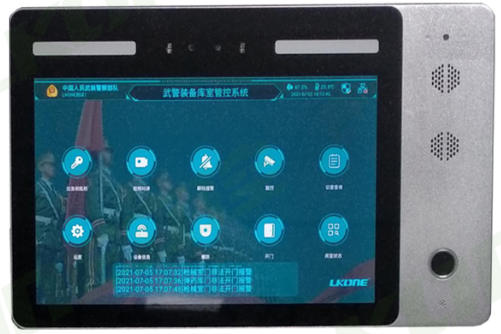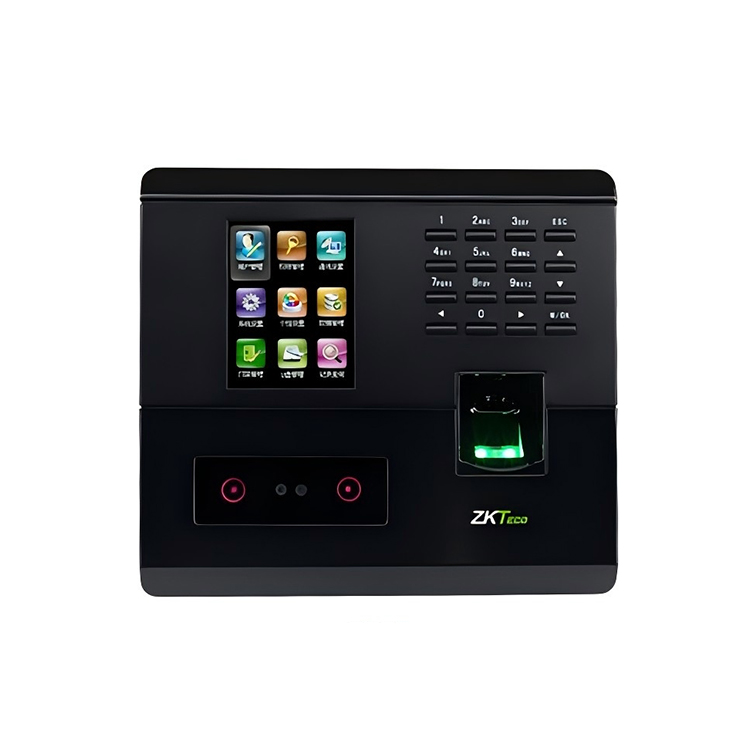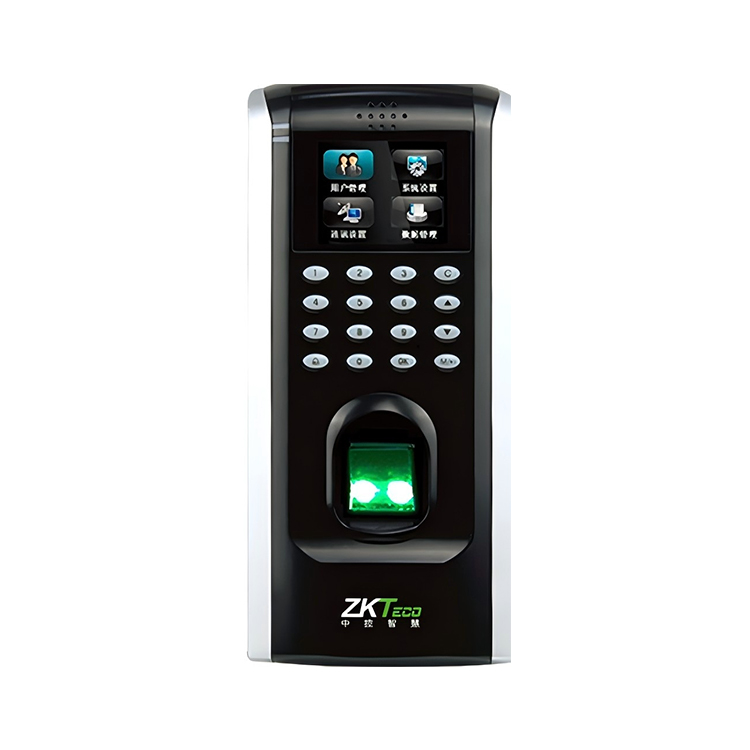







An intelligent management terminal is a multifunctional terminal device used for managing and monitoring various equipment and systems. It can connect to a wide range of devices and systems via the network, enabling remote management and monitoring. These terminals find applications in various fields, such as industrial automation, smart homes, and smart cities. This article will introduce the basic principles, application scenarios, technical features, and future development trends of intelligent management terminals.
Section 1: Basic Principles of Intelligent Management Terminal
An intelligent management terminal is a multifunctional device that can connect to various equipment and systems via the network for remote management and monitoring. The basic principle of the intelligent management terminal is to connect to different equipment and systems over the network, gather status information, process and analyze data, and enable remote management and monitoring. These terminals can communicate with various equipment and systems using different communication protocols and interfaces, such as Modbus, OPC, TCP/IP, and CAN.
The primary functions of the intelligent management terminal include data collection, data processing, data storage, remote control, and monitoring. Data collection refers to acquiring data from various devices and systems, such as sensor data, controller data, and equipment status data. Data processing involves handling and analyzing the collected data, including data cleaning, conversion, and calculation. Data storage entails storing processed data in databases or files for subsequent analysis and use. Remote control is the ability to control devices and systems over a network, including on/off control, parameter settings, and program control. Monitoring is the real-time tracking of the status of devices and systems over the network, covering parameters like temperature, humidity, pressure, and flow rate.
Section II: Application Scenarios of Intelligent Management Terminals
Intelligent Management Terminals can be applied in various fields, such as industrial automation, smart homes, and smart cities. Below, we will introduce the application scenarios of Intelligent Management Terminals in these areas.
Industrial Automation
The intelligent management terminal finds extensive applications in the field of industrial automation, serving for management and monitoring of various industrial control systems. For instance, it can be used to monitor factory production lines, real-time monitoring the status of each equipment, promptly identifying malfunctions for repair. The terminal can also monitor energy consumption in the factory, analyze consumption patterns to enhance energy efficiency. Additionally, it can oversee environmental parameters such as temperature, humidity, pressure, and flow, ensuring the production environment meets requirements.
Smart Home Technology
The intelligent management terminal finds extensive applications in the smart home sector, serving for the management and monitoring of various household appliances. For instance, it can control lighting, HVAC, and security systems, enabling remote control and surveillance. The terminal can also monitor energy consumption, analyze usage patterns, and enhance energy efficiency. Additionally, it can oversee environmental parameters such as temperature, humidity, and air quality, ensuring the living environment meets standards.
Smart City
Smart management terminals have a broad range of applications in the smart city sector, serving for the management and monitoring of various urban facilities. For instance, they can be used to monitor the city's traffic system, providing real-time data on traffic flow and vehicle speed, and offering traffic condition reports. These terminals can also track environmental parameters like air quality and noise levels, delivering environmental monitoring reports. Furthermore, they can oversee the city's energy consumption, analyze usage patterns, and enhance energy efficiency.
Section 3: Technical Features of the Intelligent Management Terminal
The intelligent management terminal features the following technical characteristics:
Versatility
The intelligent management terminal integrates multiple functions, suitable for various applications such as data collection, processing, storage, remote control, and monitoring.
Networked
The intelligent management terminal connects to various devices and systems via network, enabling remote management and monitoring, thereby enhancing management efficiency and response speed.
Expandability
The intelligent management terminal can communicate with various devices and systems via various communication protocols and interfaces, offering strong scalability.
Data Security
The intelligent management terminal employs various security technologies, such as data encryption and identity authentication, to ensure data security and confidentiality.
Human-Machine Interaction
The intelligent management terminal features a human-machine interaction interface, facilitating user operations and monitoring, thereby enhancing user experience.
IV. Future Development Trends of Smart Management Terminals
The future development trends of intelligent management terminals mainly include the following aspects:
Application of Artificial Intelligence Technology
With the continuous development of artificial intelligence technology, intelligent management terminals will become more intelligent and automated. They can automatically analyze and process data through technologies like machine learning and deep learning, enhancing management efficiency and response speed.
Application of Cloud Computing Technology
As cloud computing technology continues to evolve, intelligent management terminals will become more cloud-based and centralized. This allows data storage and processing to be shifted to the cloud, enhancing data security and reliability.
Application of Internet of Things Technology
As the Internet of Things technology continues to evolve, intelligent management terminals will become more intelligent and interconnected. Through IoT technology, interconnection and collaboration between devices and systems can be achieved, enhancing management efficiency and response speed.
Application of big data technology
With the continuous development of big data technology, intelligent management terminals will become more data-driven and intelligent. They can analyze and process massive amounts of data through big data technology, enhancing management efficiency and response speed.
In summary, an intelligent management terminal is a multifunctional terminal device that can be used for managing and monitoring various equipment and systems. It boasts features such as versatility, networking, scalability, data security, and human-machine interaction. With the continuous development of artificial intelligence, cloud computing, Internet of Things, and big data technologies, intelligent management terminals will become more intelligent, cloud-based, interconnected, and data-driven, providing more efficient, secure, and reliable solutions for management and monitoring across various fields.