










Hydraulic Jig Machine Equipment Introduction
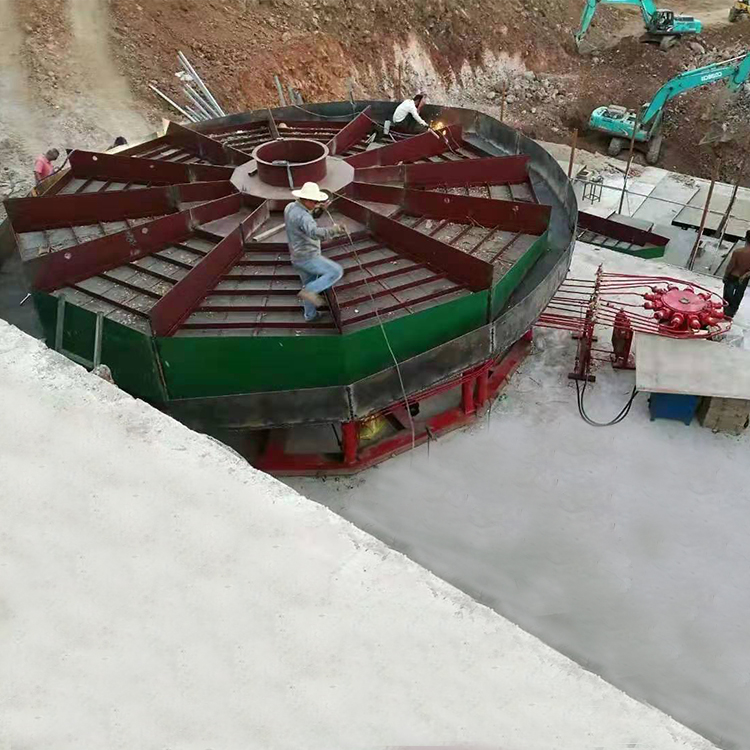
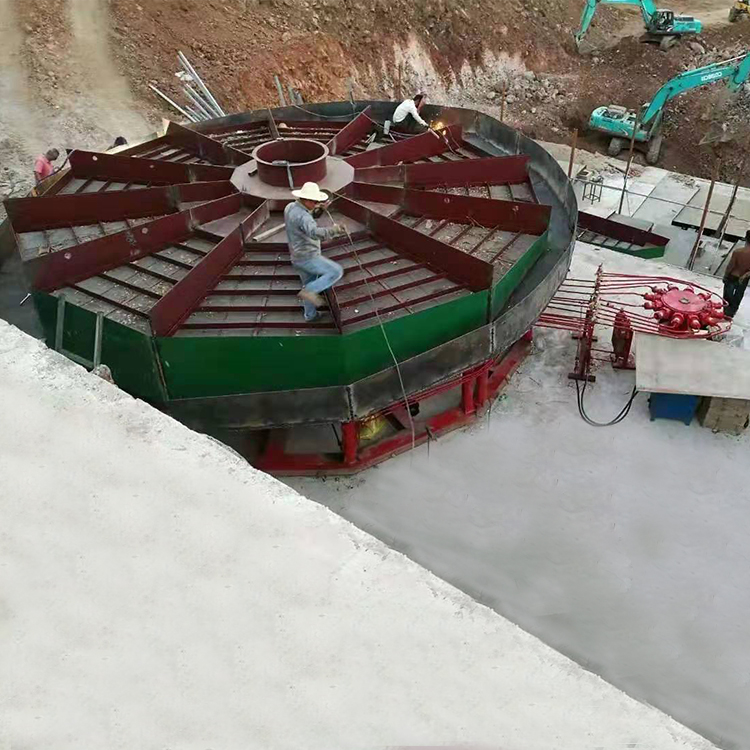
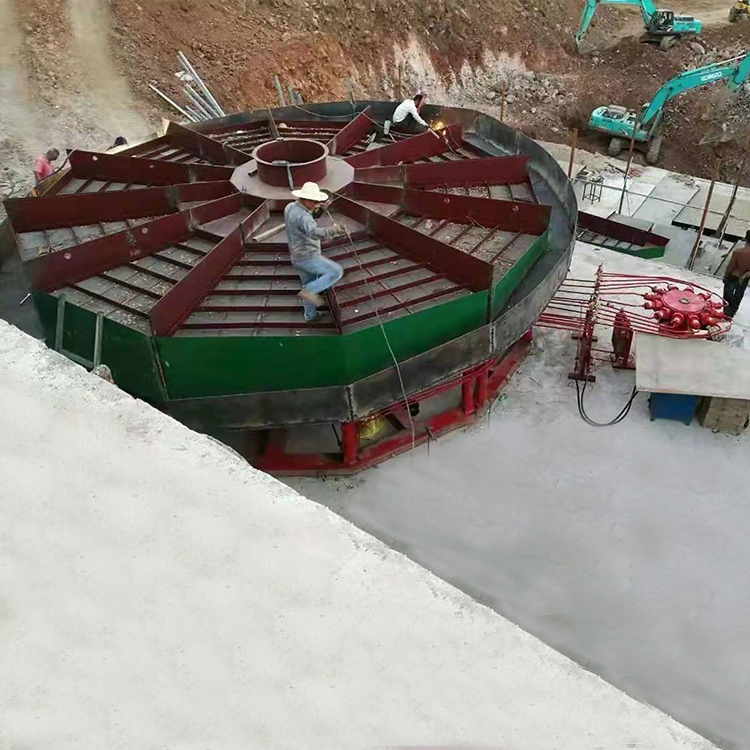
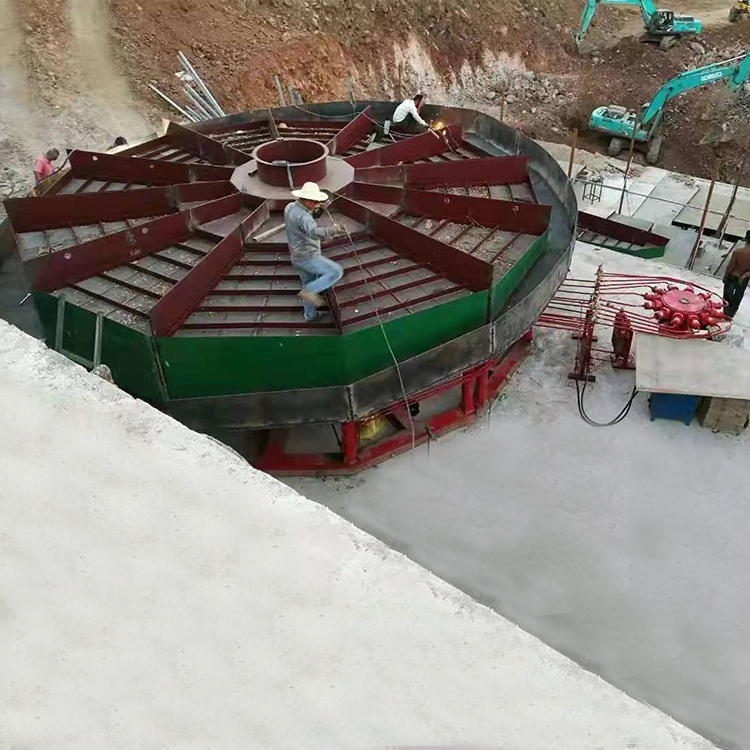
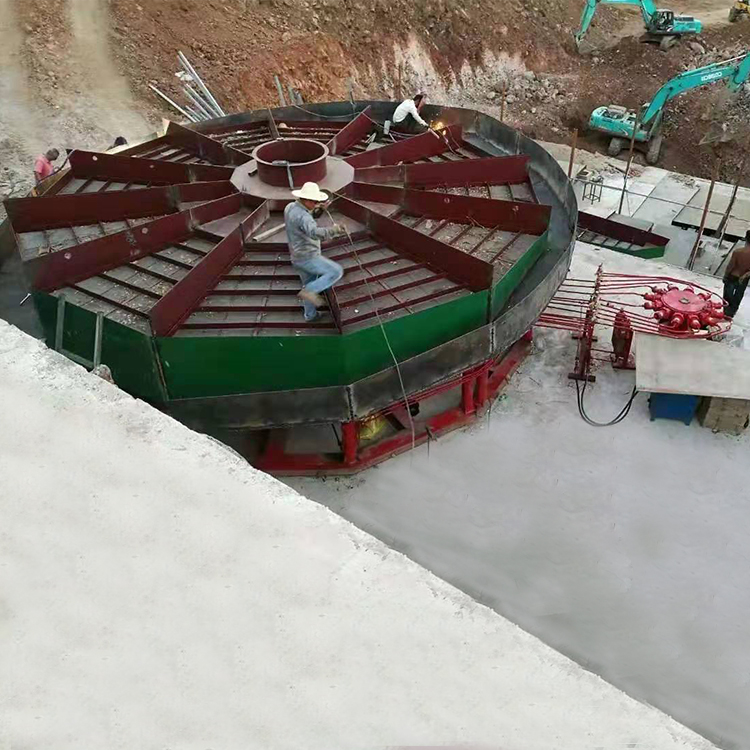
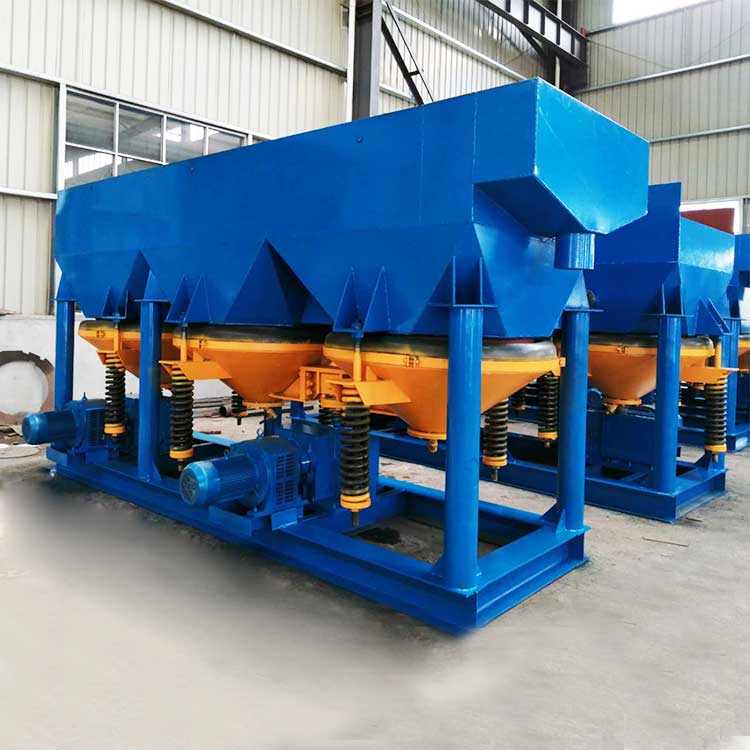
The hydraulic jigging machine has evolved from the trend of circular jigging machines, primarily composed of two key parts: the propulsion unit and the acid washing tank. The propulsion is a mechanical hydraulic press method. The driving force of the hydraulic jigging machine is provided by an electric motor, which, through a variable speed control, drives the output shaft of the reducer to rotate the camshaft. The camshaft then promotes the piston pumps of each main transmission hydraulic cylinder to perform regular reciprocating motion, converting electromagnetic energy into mechanical kinetic energy, which is then transformed into hydraulic energy. The hydraulic jigging machine uses hydraulic pipes and various valves to propel the slave hydraulic cylinder, thus driving the cone bottom of the jigging machine to oscillate the liquid. Our hydraulic jigging machines are equipped with an electromagnetic induction variable speed asynchronous motor for stroke adjustment, which belongs to stepless adjustment, with a stroke adjustment range of 0-90 cycles per minute.
Our hydraulic jigging machines have many advantages compared to various jigging machines currently used in Chinese mineral processing plants: larger jigging area, stronger processing capacity; due to the fan-shaped jigging acid washing tank, it is beneficial for acquiring fine grade raw materials; compact structure, centralized ore feeding, small ore distribution space, suitable for use on mining vessels; and with the hydraulic transmission system, the transmission mechanism is simplified and energy-efficient. A 9-compartment hydraulic jigging machine has a total output power of 11.6Kw, which saves approximately 55% of the driving force compared to a general jigging machine of the same area in a mining plant. The axial hydraulic jigging machine's jigging curve is similar to a sawtooth pattern of different pulsating beverage curves, which is not only beneficial for the collection of fine sand heavy minerals but also significantly reduces the water flow rate below the sieve, which is about one-fourth of that of a general jigging machine.
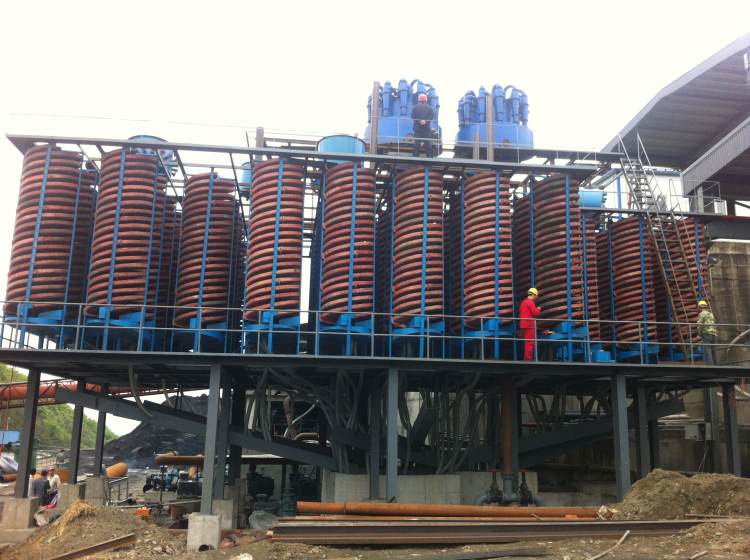
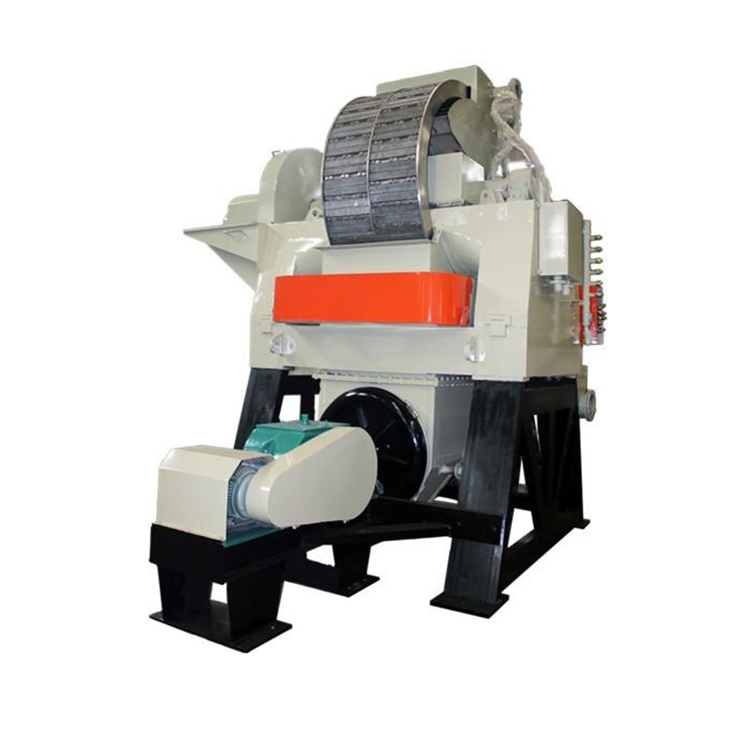
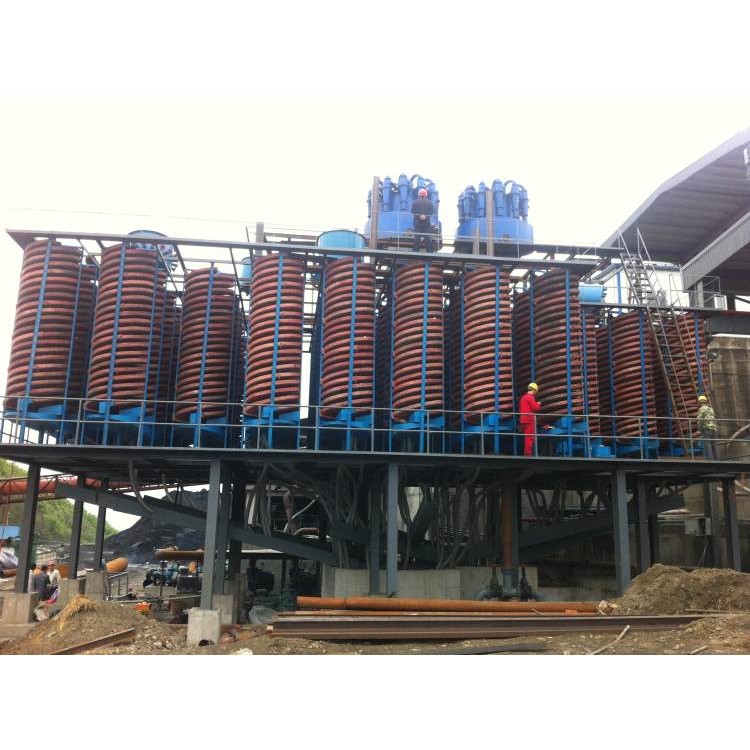
Hydraulic jig separators are currently widely used in mining vessels as preliminary sorting equipment. These separators are employed for the separation of gold sand, tin, diamond, tungsten, manganese, hematite, and other iron ores. Many years of practical experience have proven that the hydraulic jig separator plant achieves excellent ore separation results.
Advantages and Characteristics of Hydraulic Jig Machine
One, addresses high workability with minimal space requirement and wide coverage of particle size distribution.
High concentration ratio and high utilization rate
3. Easy to install, easy to operate, and easy to maintain and service
Four, the zigzag wave pulsating beverage curve diagram facilitates the downward movement of heavy minerals.
Five: Saves 60-70% water and 55% electricity compared to traditional jigging machines.
Section 6: Selectable Electromagnetic Variable Speed Motor
Section 7: The hydraulic jig is suitable for separating minerals such as gold, tin, diamond, tungsten, manganese, hematite, etc., especially widely used in manganese ore and barite powder beneficiation plants.