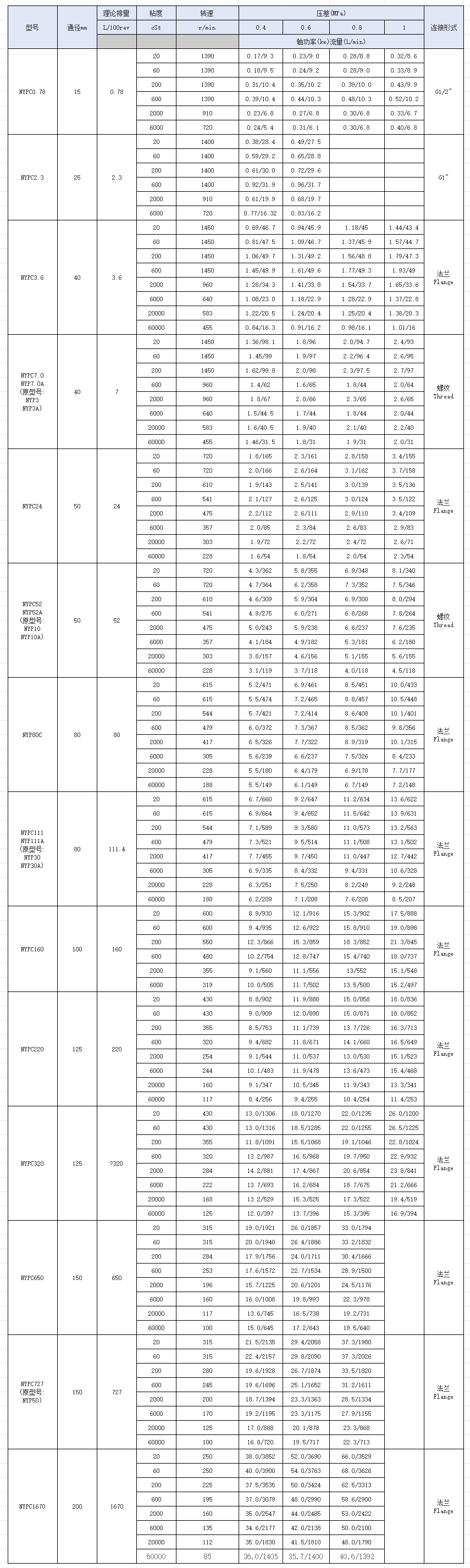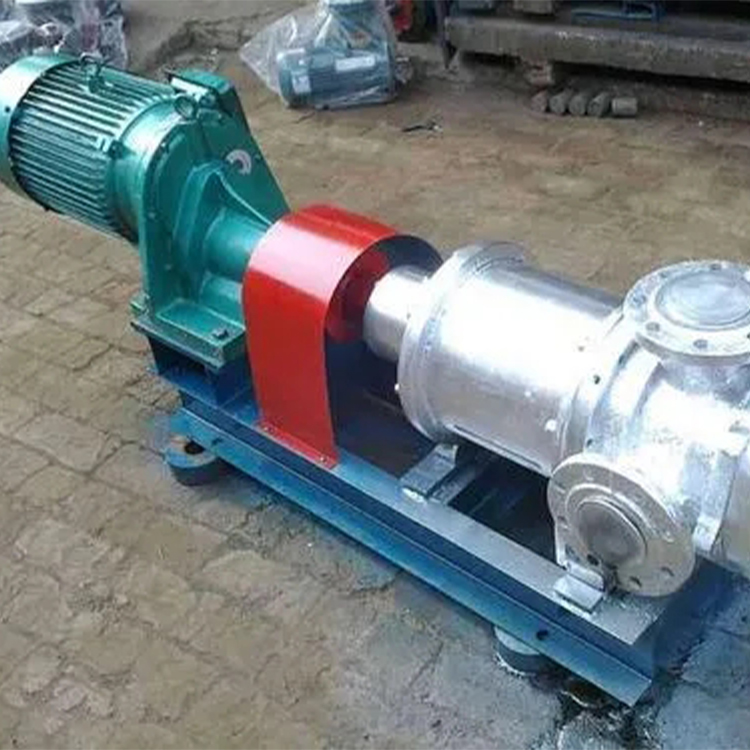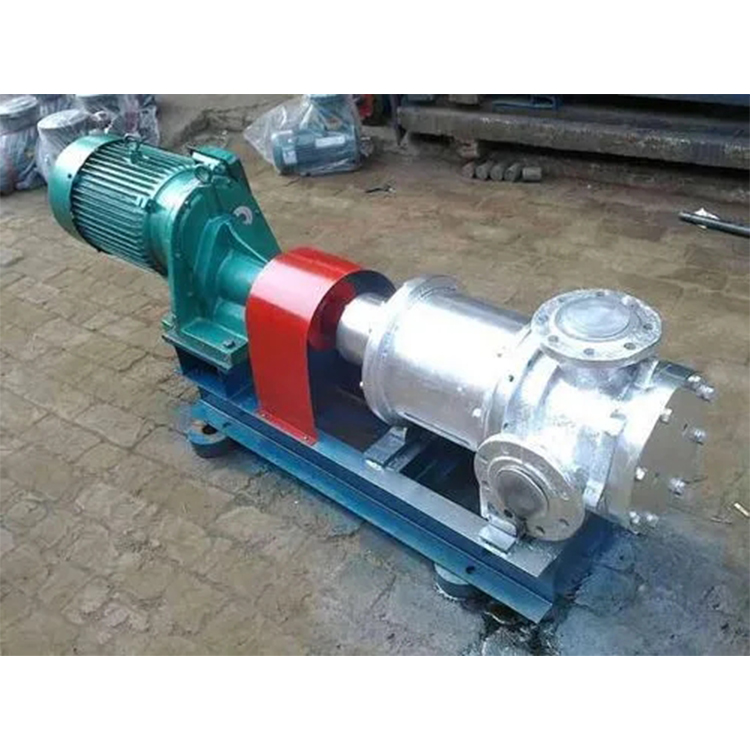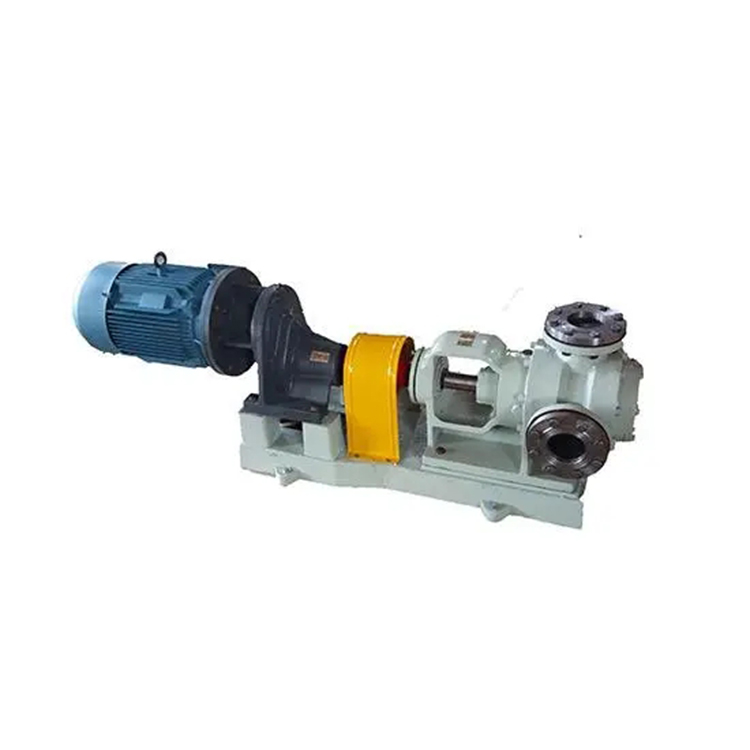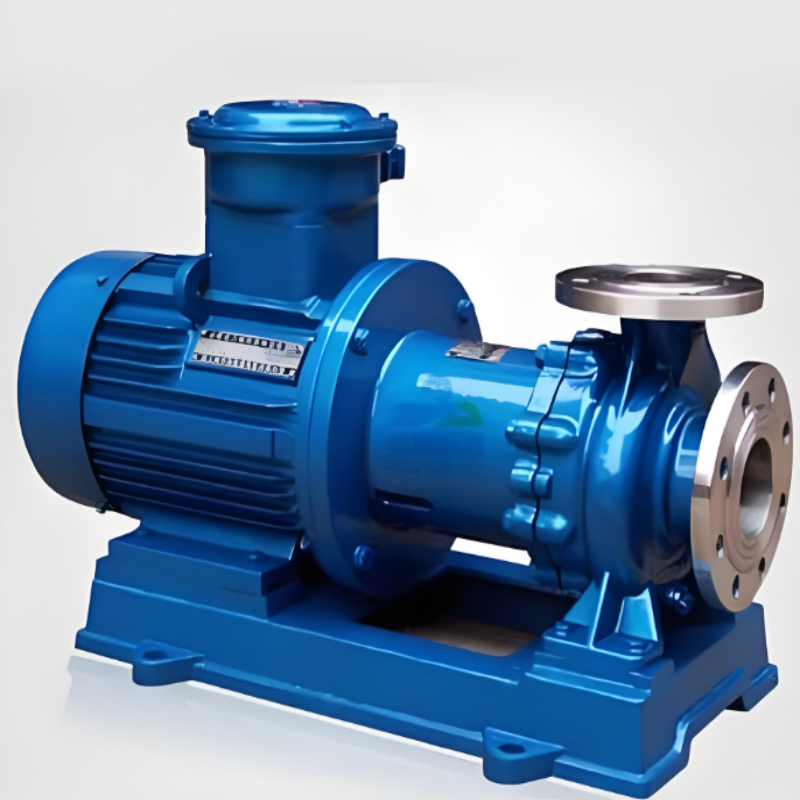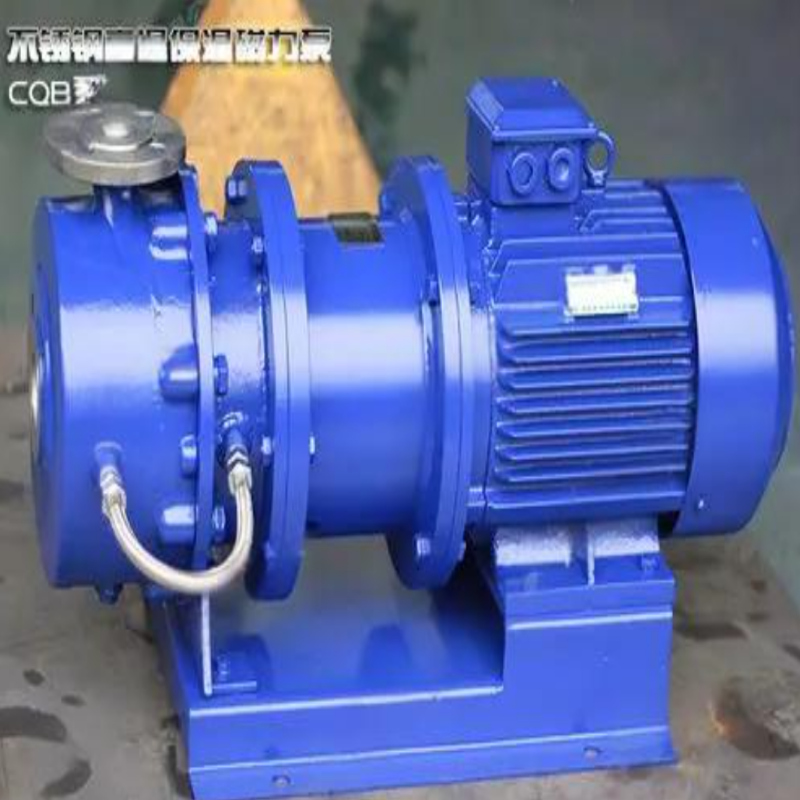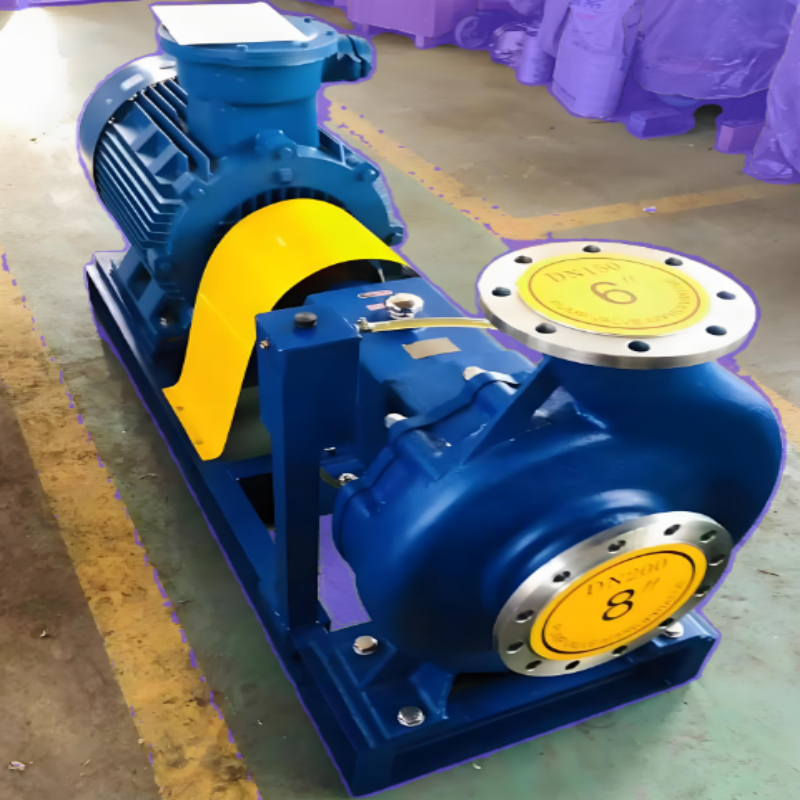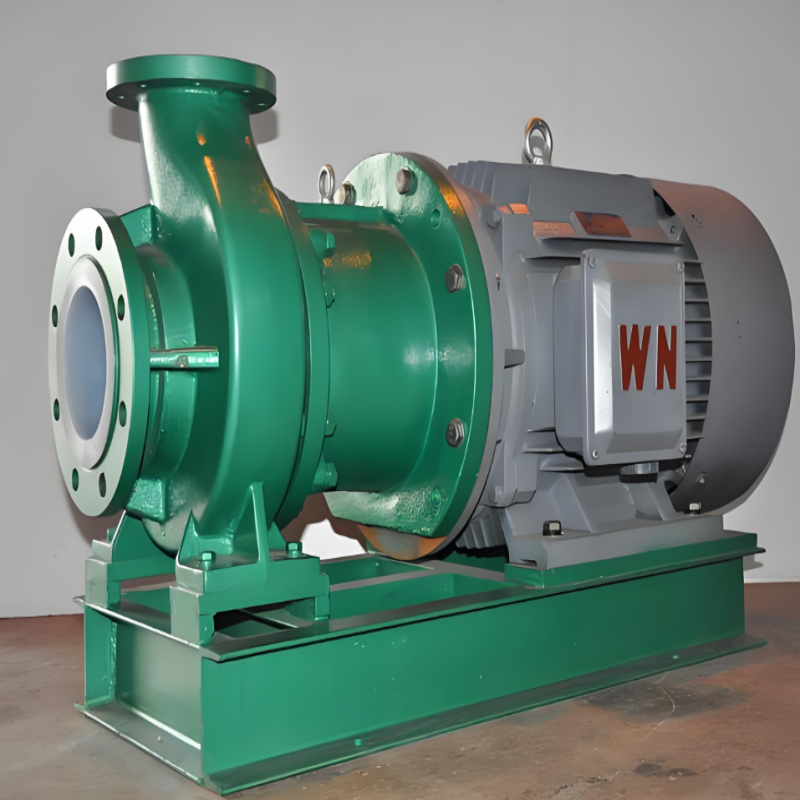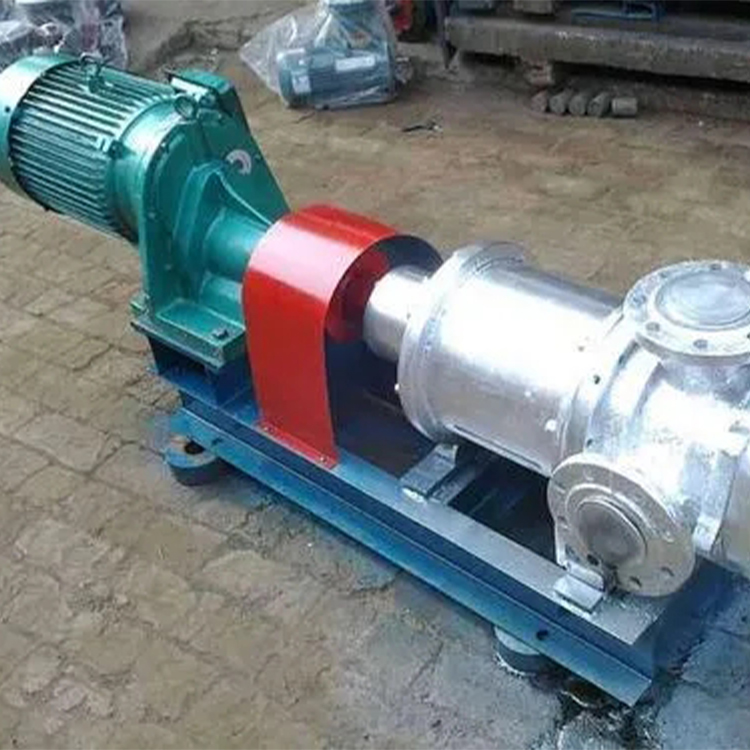

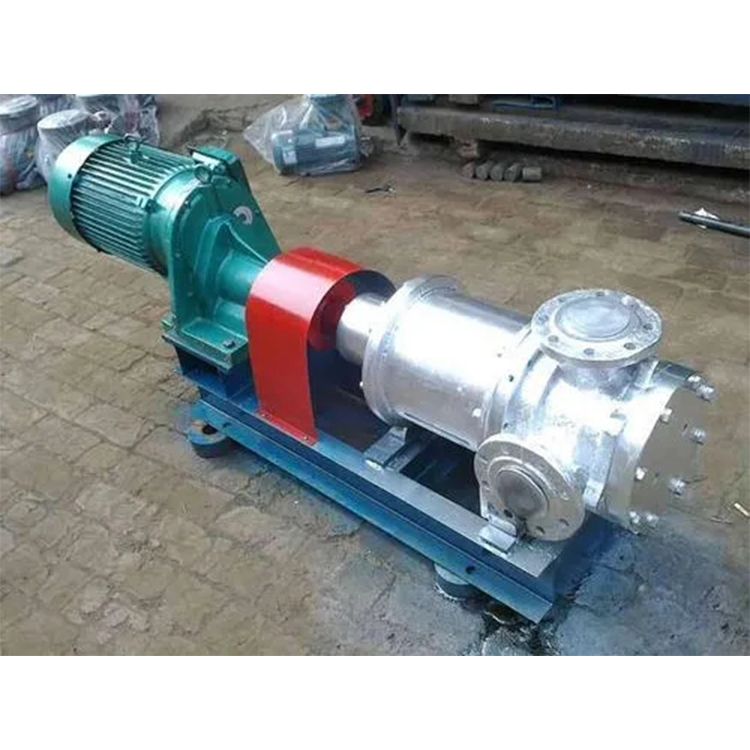
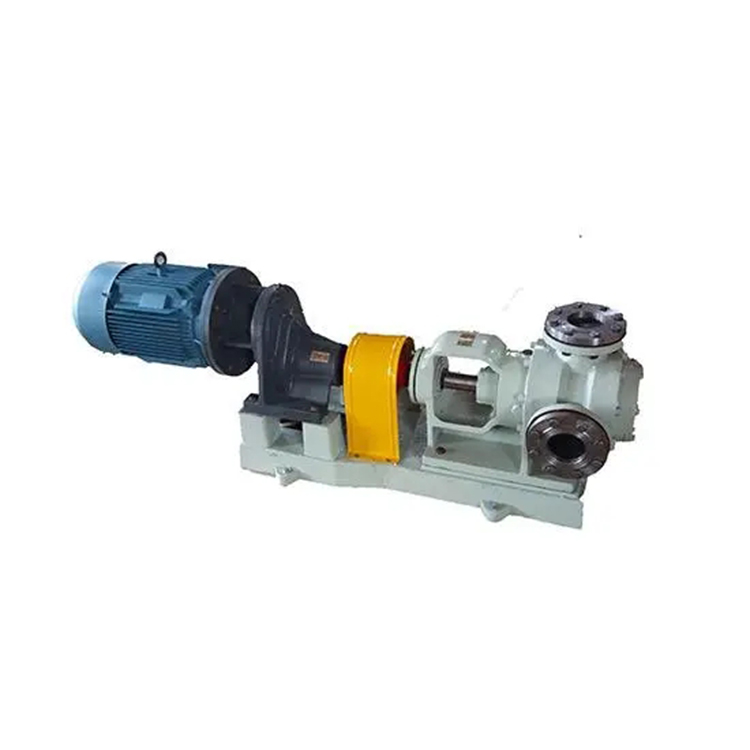


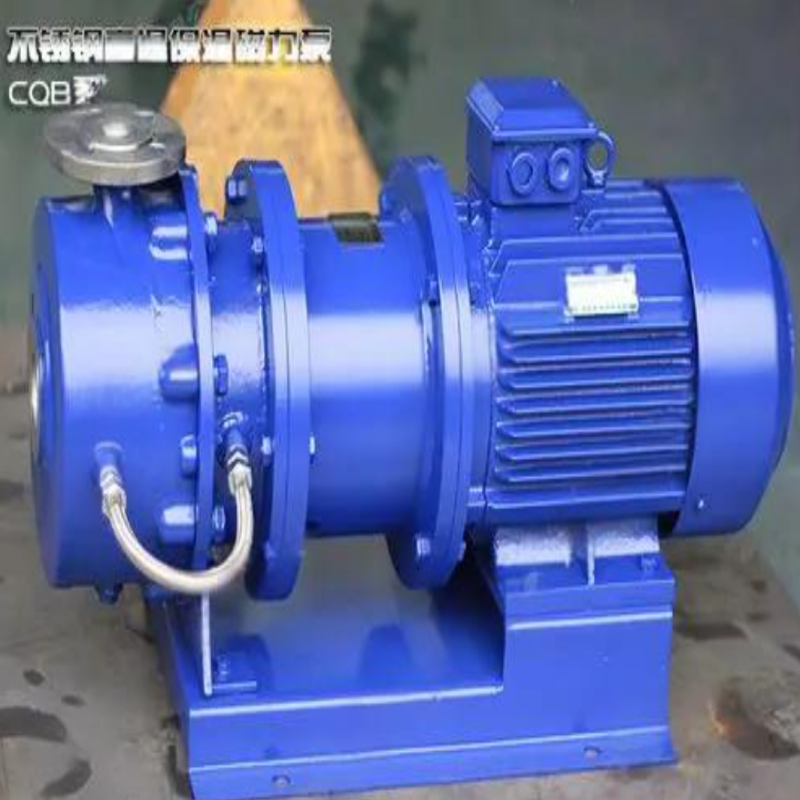
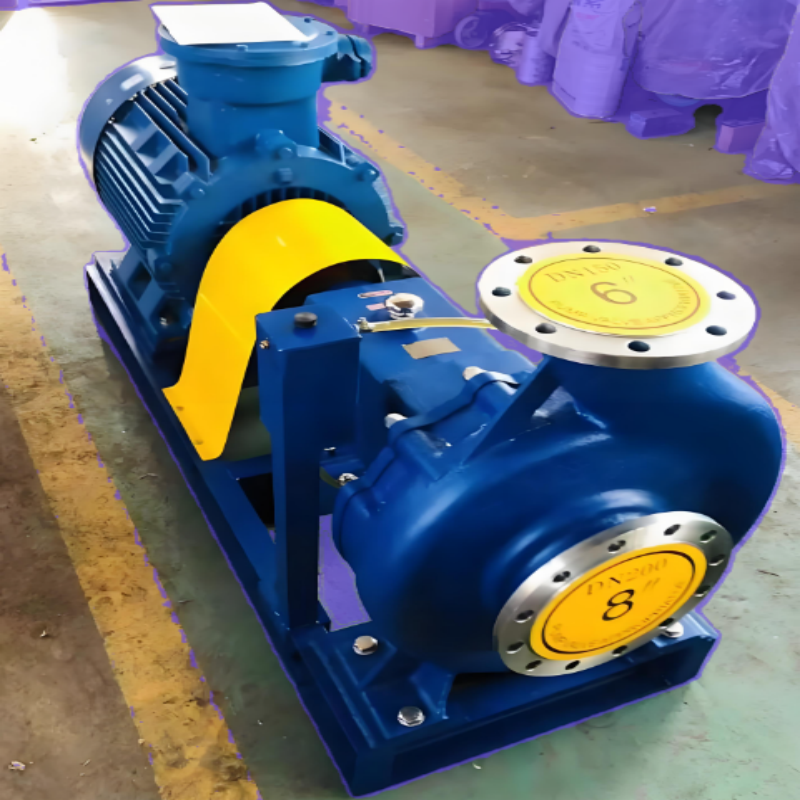
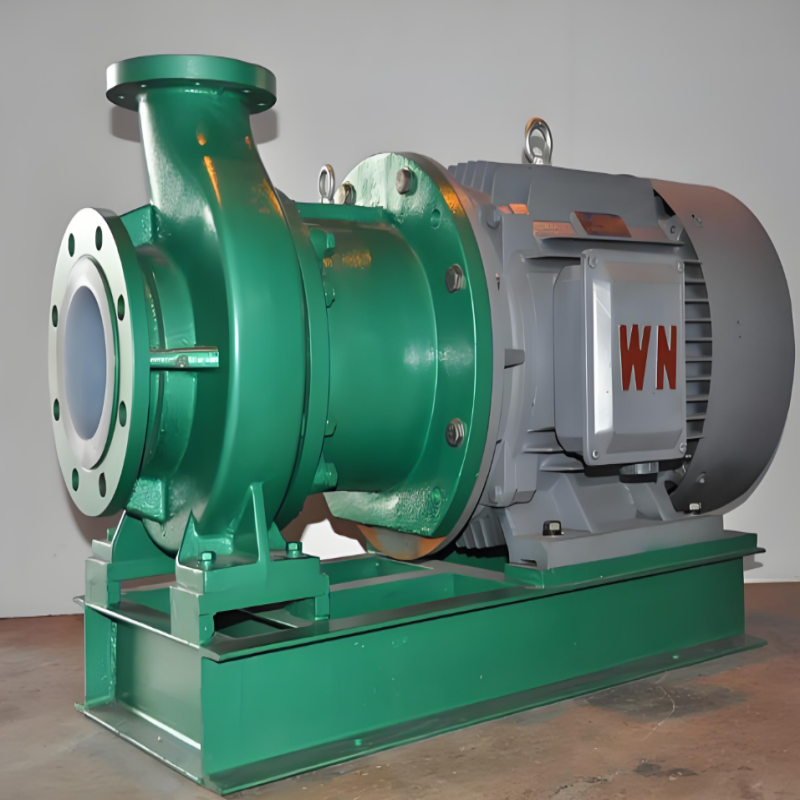
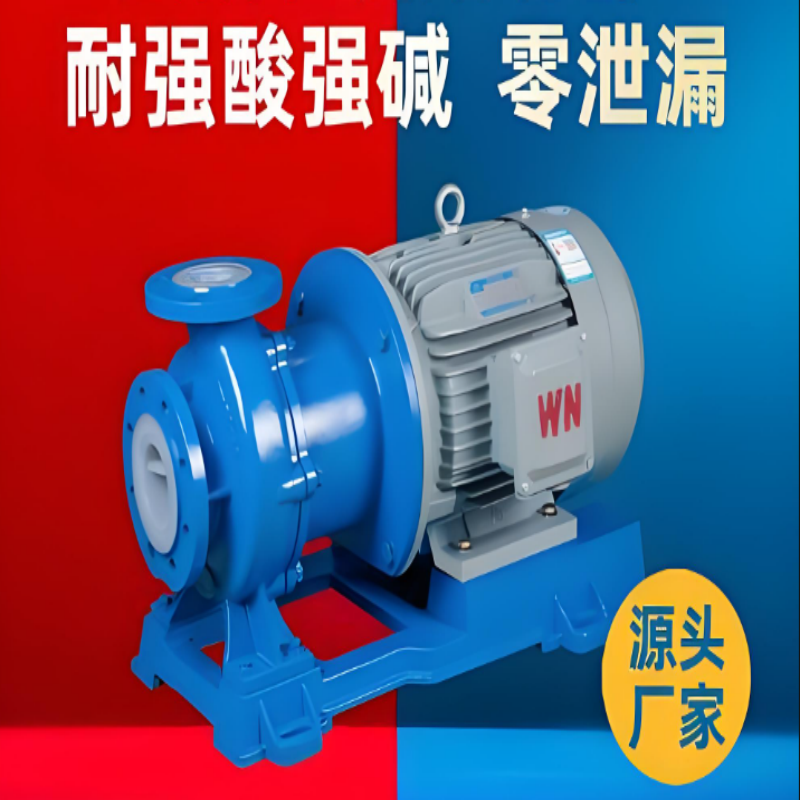
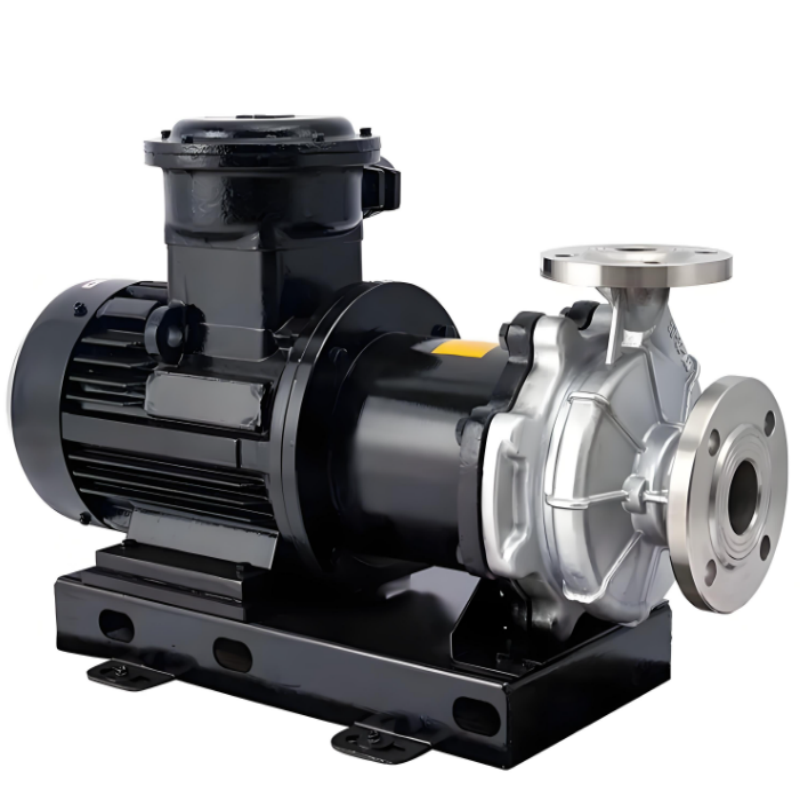







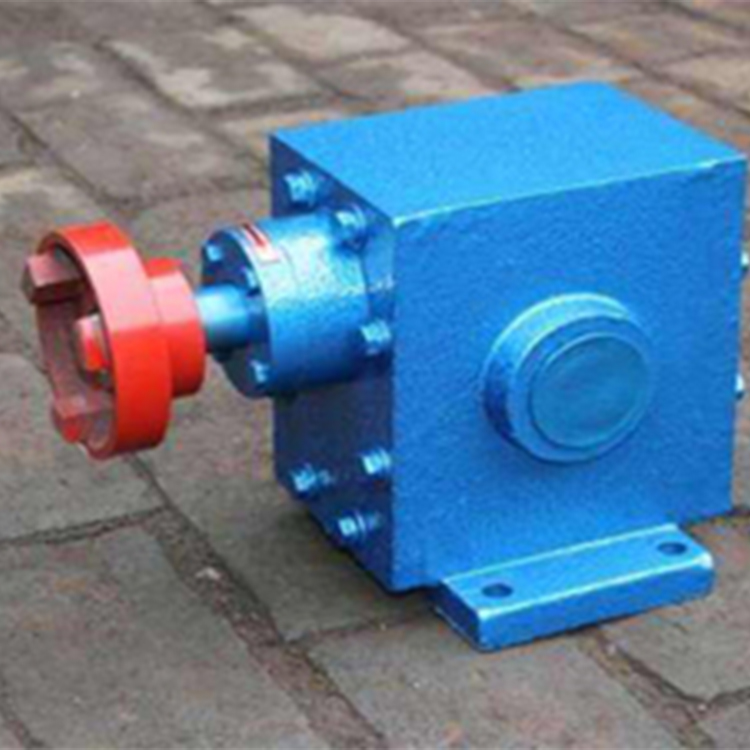
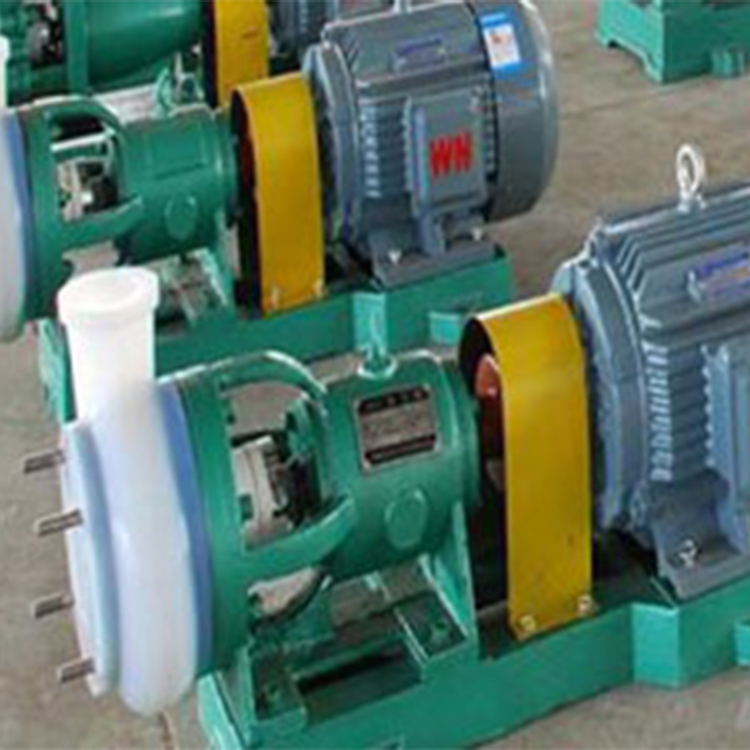
NYPC Magnetic Pumps/High Viscosity Magnetic Pumps are a new type of volumetric pump designed to meet the needs of industries such as oil, petrochemicals, coatings, greases, dyes, and food. By adopting a magnetic coupling method, they achieve the ideal goal of zero leakage in transportation. Due to the availability of different materials and their unique structure, these pumps are suitable for transporting media of various properties and viscosities.
Applicable medium temperature: -10℃ to 200℃.
Applicable medium viscosity: 1.0 cst to 300,000 cst.
NYPC Magnetic Pump/High Viscosity Magnetic Pump Working Principle:
The internally toothed drive gear (outer rotor) drives the inner rotor to rotate in the same direction within the fully enclosed pump body. The crescent-shaped plate on the pump body and the front cover separates the suction and discharge ports. As it rotates, a vacuum is formed at the suction port, drawing in the liquid. The rotor then transports the liquid to the discharge port, where it is pressurized and expelled from the pump body, completing the liquid transfer.
Pumps are mainly composed of internal and external rotors, shaft, pump housing, front cover, bracket, internal and external magnets, magnet strips, connecting plate, bearings, etc. Magnetic coupling ensures zero leakage in the conveying process.
NYPC Magnetic Pump/High Viscosity Magnetic Pump: When transferring crystalline materials, a thermal insulation jacket can be designed around the front cover and pump body. Steam is used to maintain temperature and melt the material during operation. The pump is equipped with a valve, which opens in case of overpressure in the pump or pipeline system, creating an internal回流, maintaining the system.
The pump assembly consists of the pump, motor, and base. Magnetic coupling type. When viewed from the motor end to the pump, it rotates clockwise.
NYPC Magnetic Pumps/High Viscosity Magnetic Pumps Advantages:
1. Smooth liquid conveyance without pulsation, low vibration, and minimal noise.
2. Strong self-priming capabilities.
3. Properly selected part materials can transport various corrosive media and are suitable for use at temperatures up to 200°C.
4. The internal and external rotors turn in the same direction, with minimal wear and use.
5. The pump's speed and flow rate are linearly related; the flow rate can be adjusted by appropriately changing the speed.
6. Suitable for conveying high viscosity mediums.