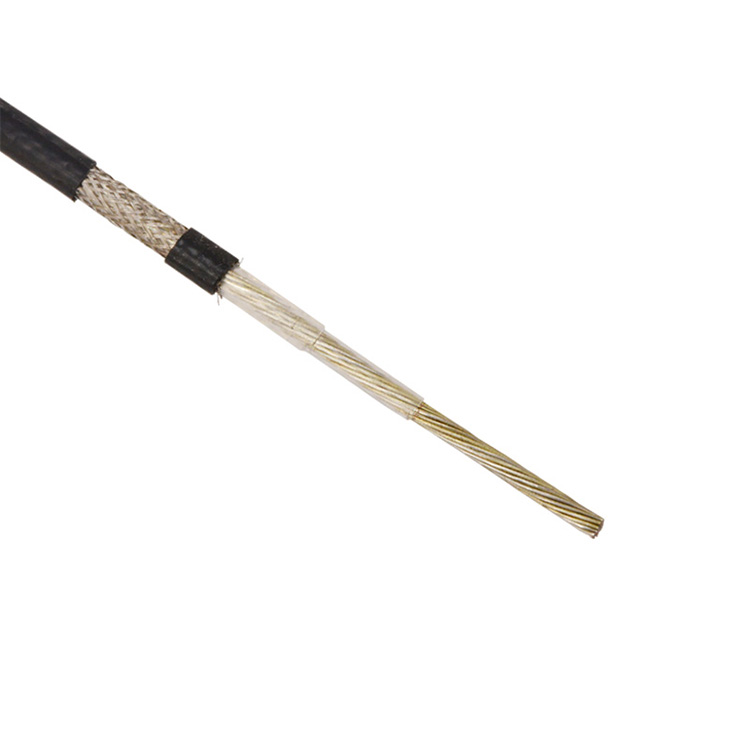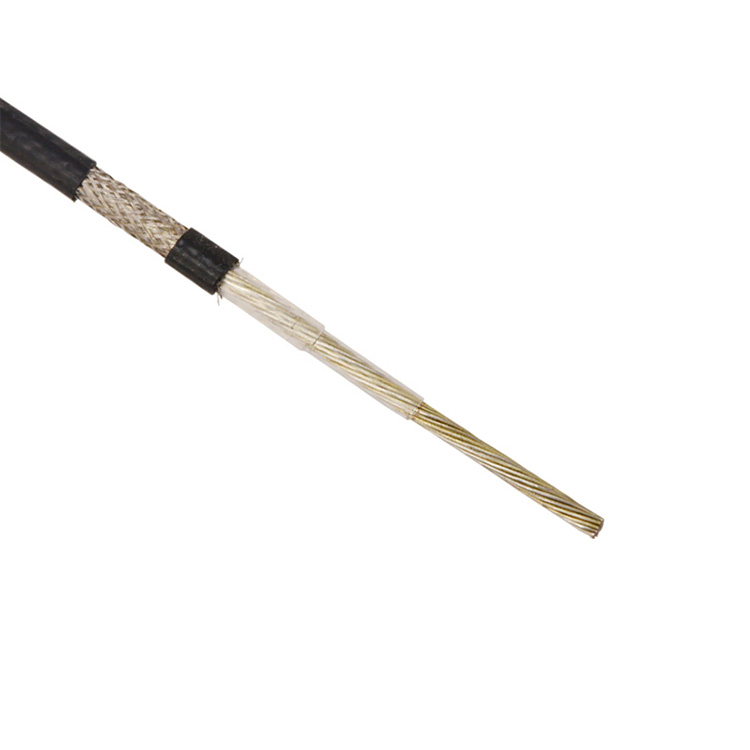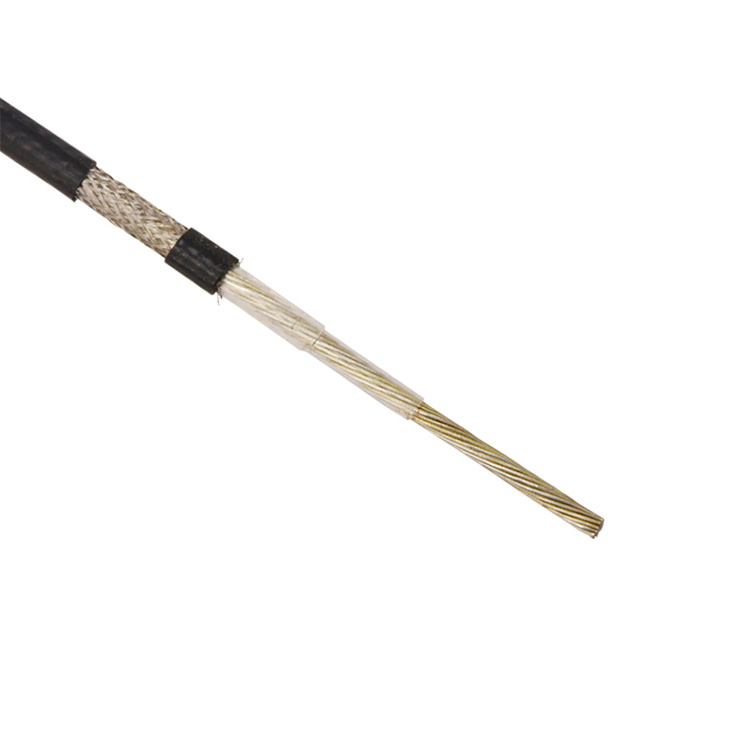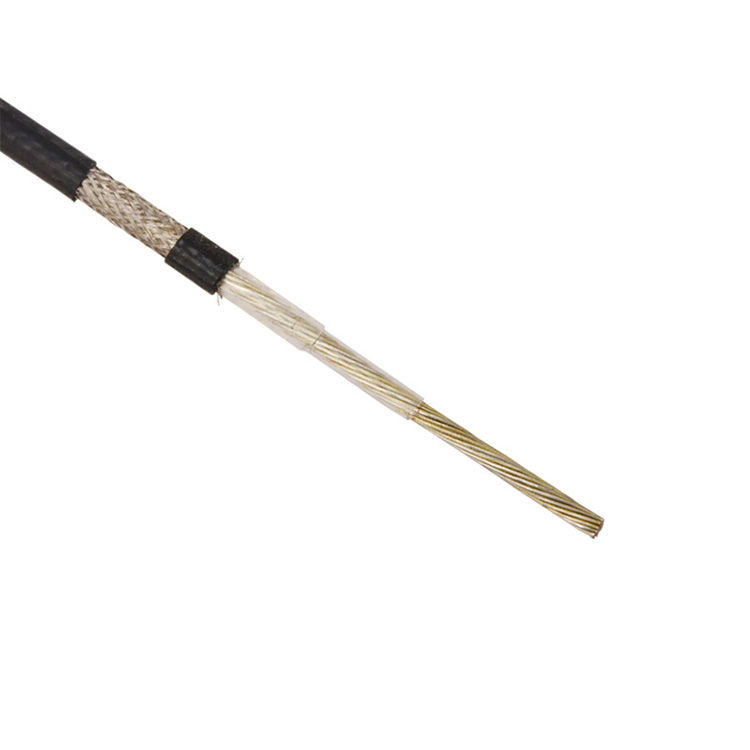

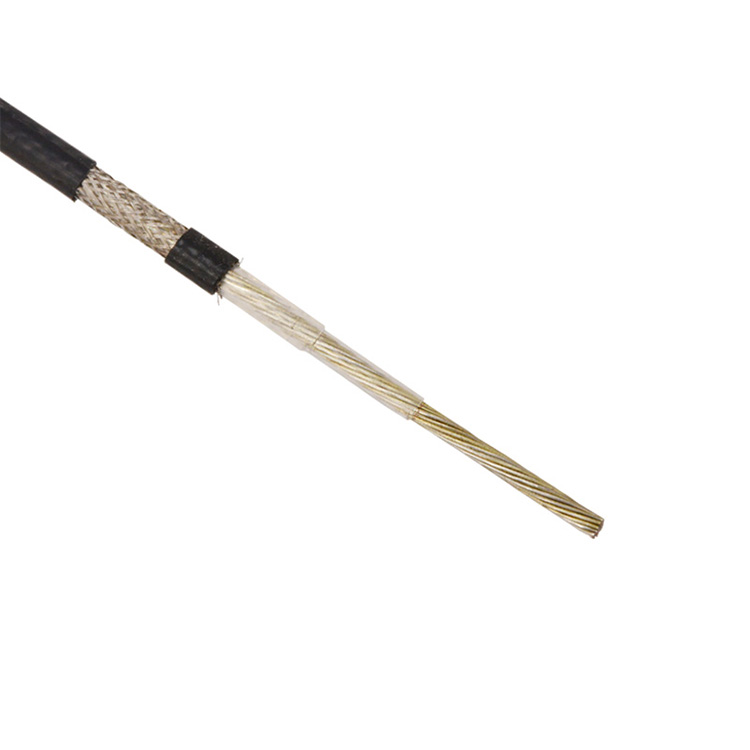
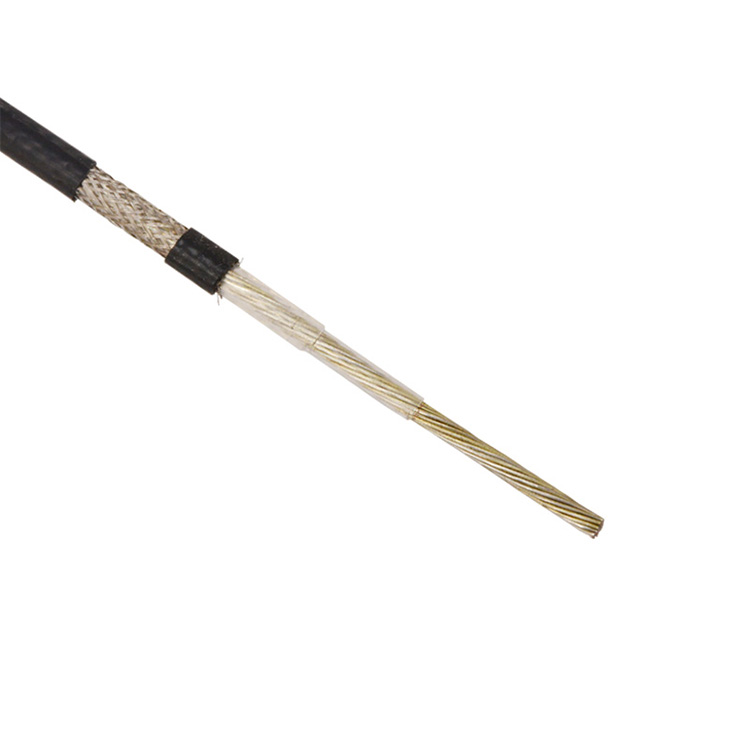
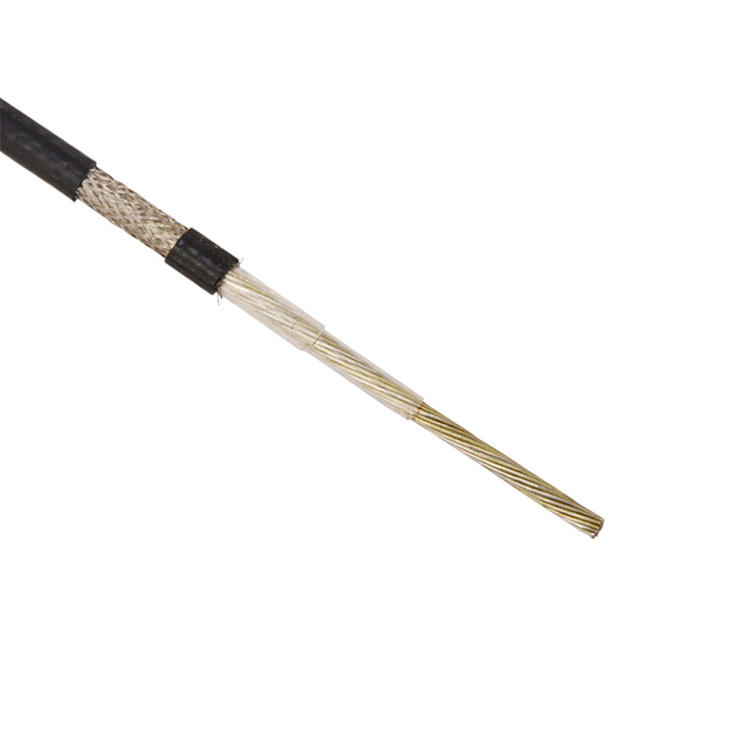















Thermal cables for de-icing are commonly used in constant power series configurations, applied for snow and ice melting on gutters, drainage channels, roofs, ramps, stairs, sidewalks, parking lots, and more. They can also serve as heating solutions for homes, cinemas, sports stadiums, and yoga studios.
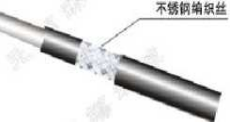
Our SIM snow melting heating cables are enhanced with an additional layer of stainless steel braiding on the original cable sheath, boosting their mechanical strength for use in roads and bridges. They utilize innovative alloy materials as heating elements and are widely applied for frost prevention and snow removal on airport runways and bridges.
1. Melting Snow Cable Model Description
SIM/ST-□
£: 20°C, resistance per kilometer
ST: Stainless Steel Braiding
SIM: Snow Melting Cable
2. Main Technical Parameters of Snow Melting Cables
| Model | 20°C, Resistance Ω/Km per kilometer | Insulating Resistance | Dielectric constant |
| SIM/ST-030 | 30 | >50MΩ/km | 2KV/min |
| SIM/ST-045 | 45 | ||
| SIM/ST-075 | 75 | ||
| SIM/ST-0100 | 100 |
3. Application Sites: Airport runways and road gradients. Caution should be taken in actual application as follows:
1) The top and bottom layers of the cable laying should be paved with pure cement; stones should not be mixed to prevent damage to the cable.
2) The thickness of the cement layers should vary accordingly based on the size of the road load.
Avoid direct connection of de-icing cables to the power source; instead, use a cold-end connection wire.
4) Cables should be pre-fabricated in the factory based on the on-site conditions or engineering drawings.
5) If equipped with a de-icing sensor, the cable heating can be automatically initiated and stopped.