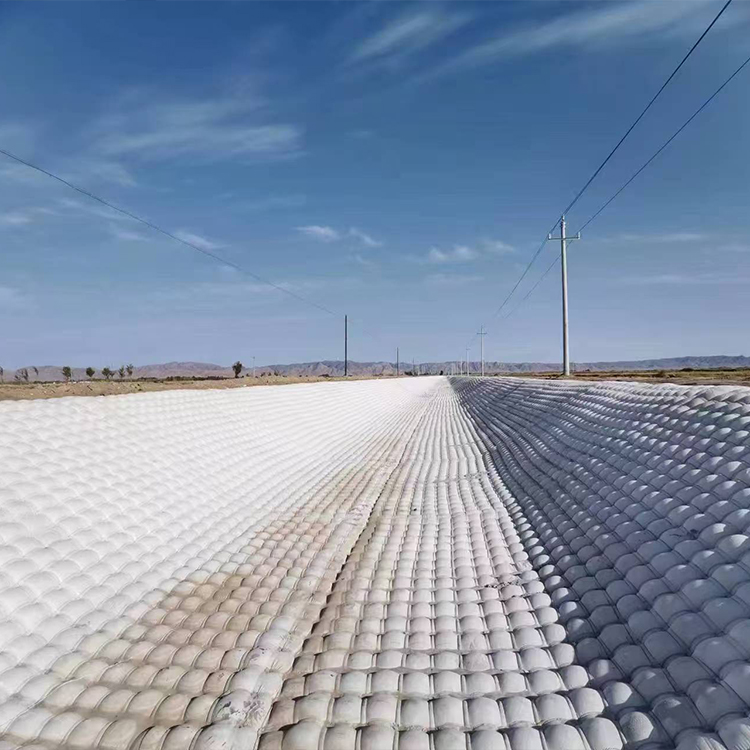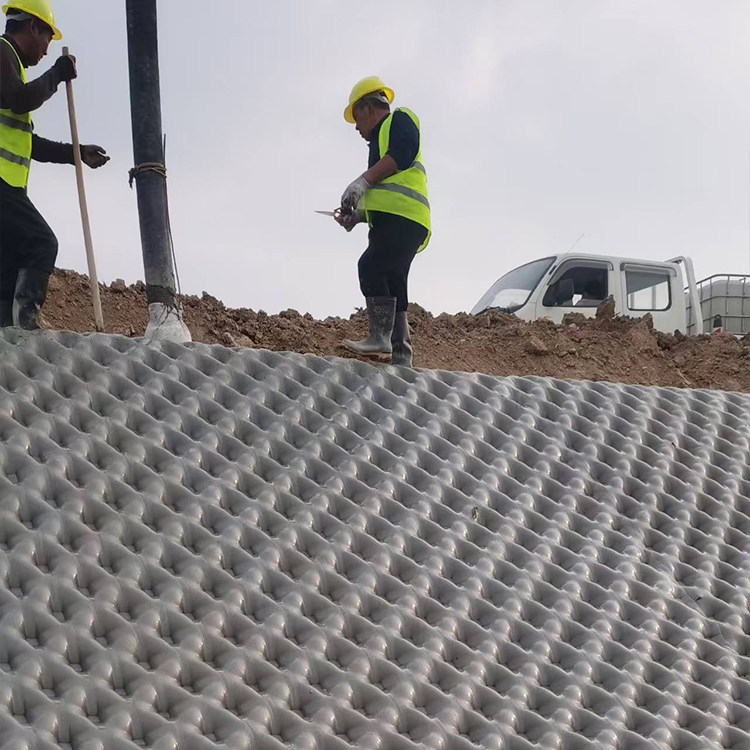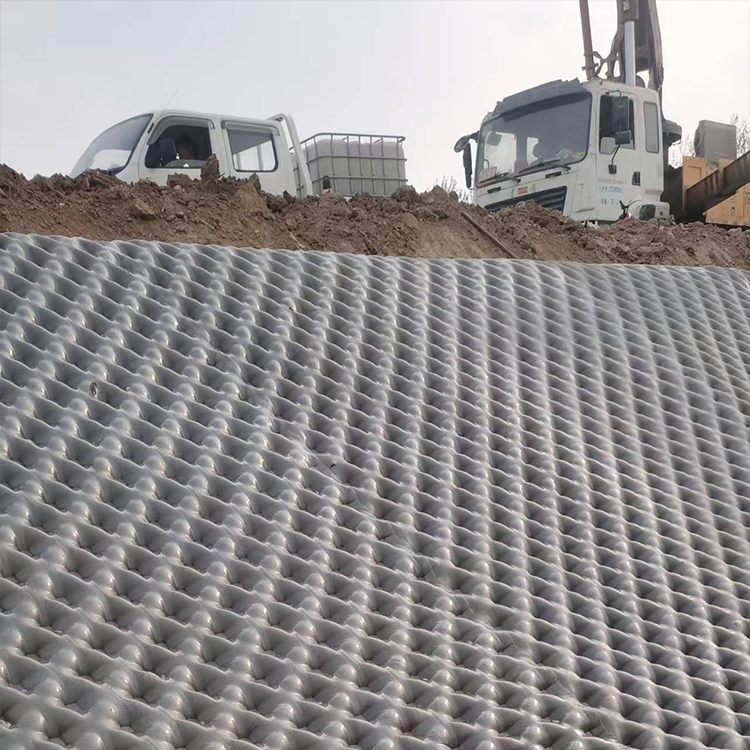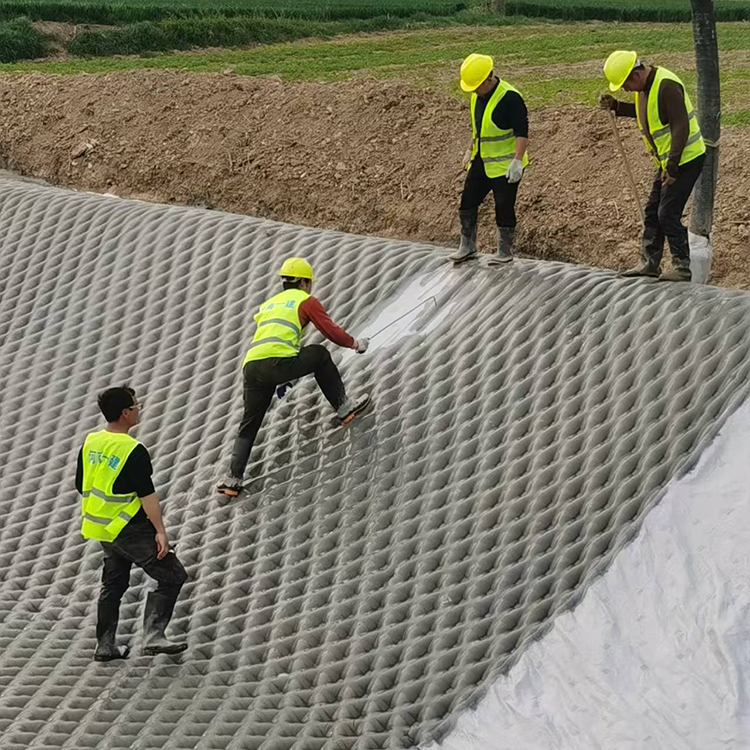









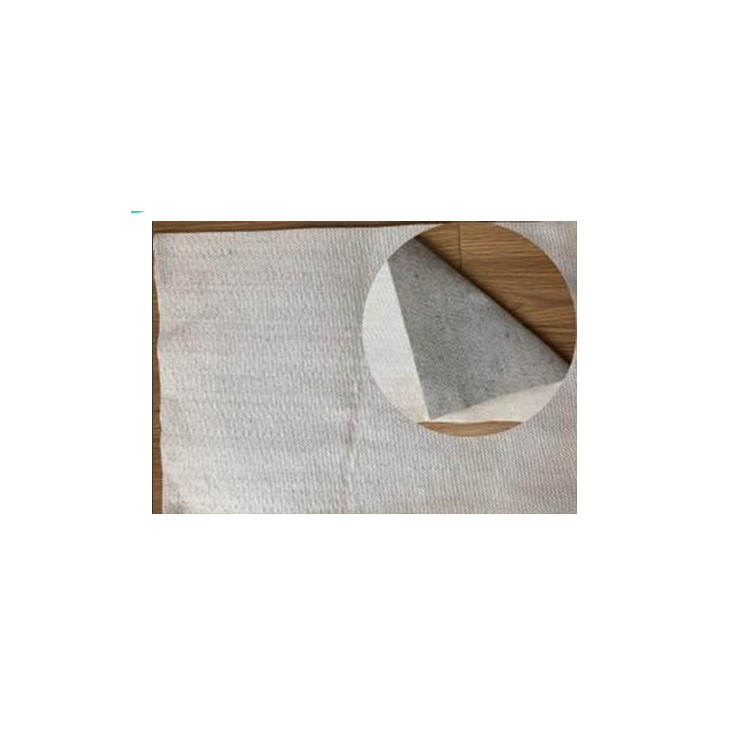

Product Introduction
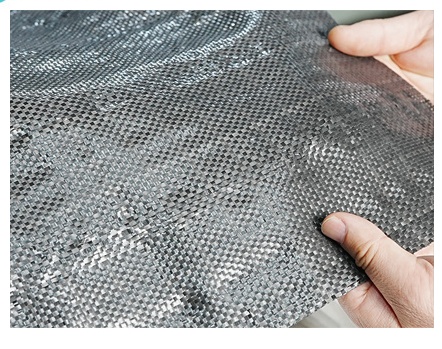
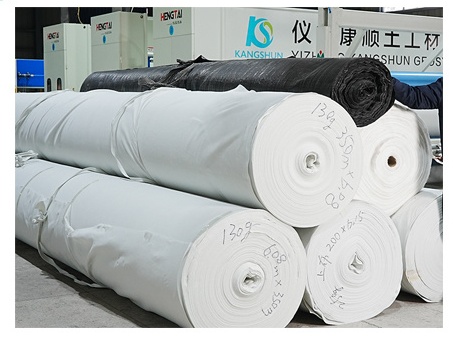
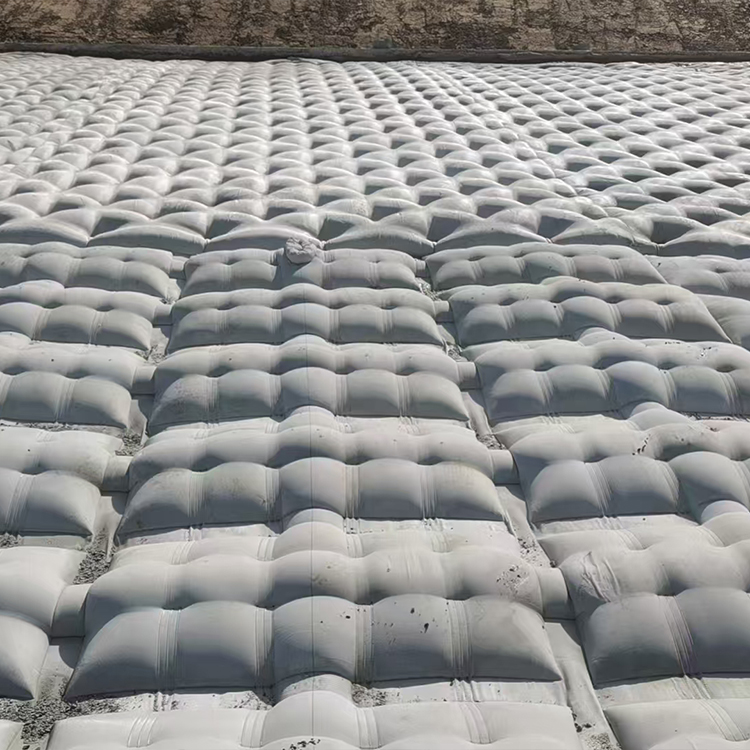
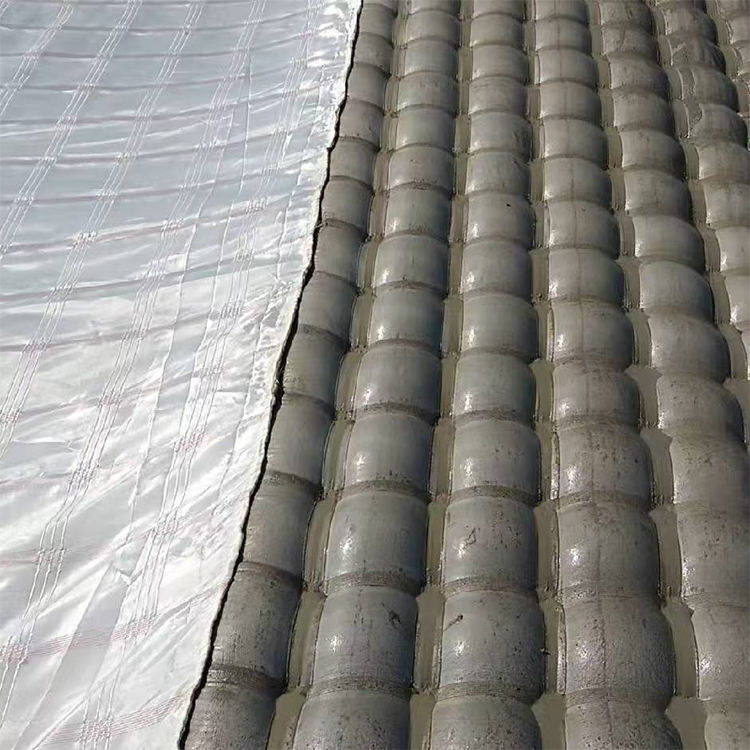
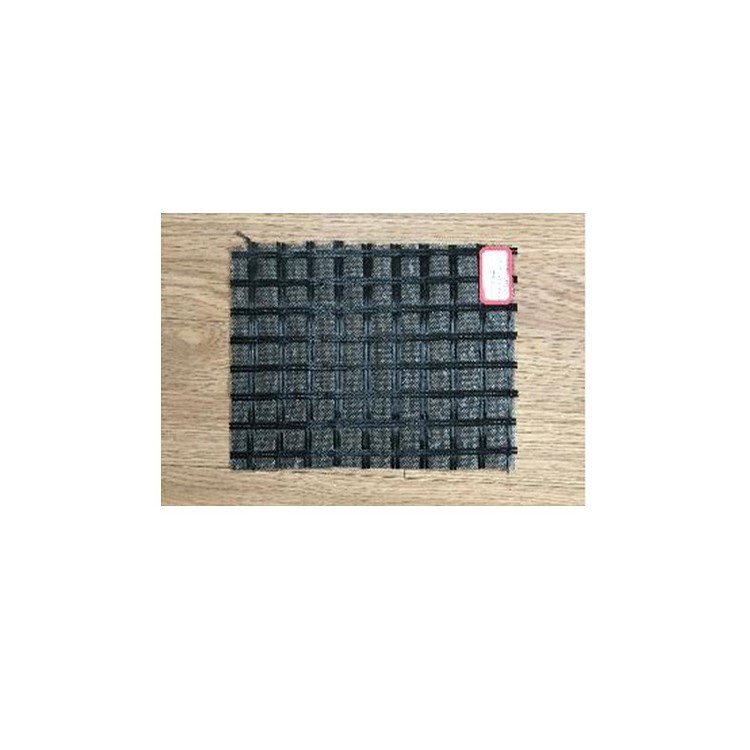
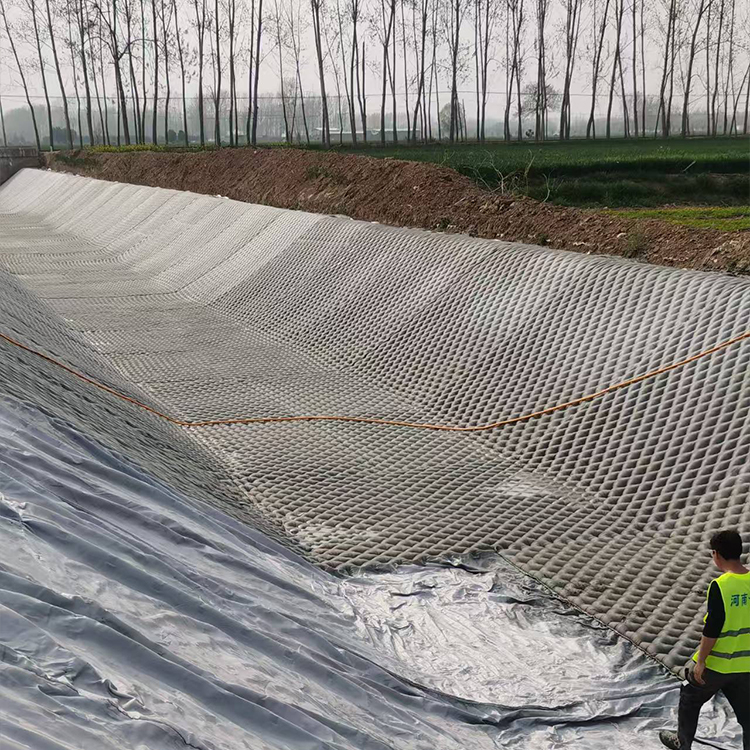
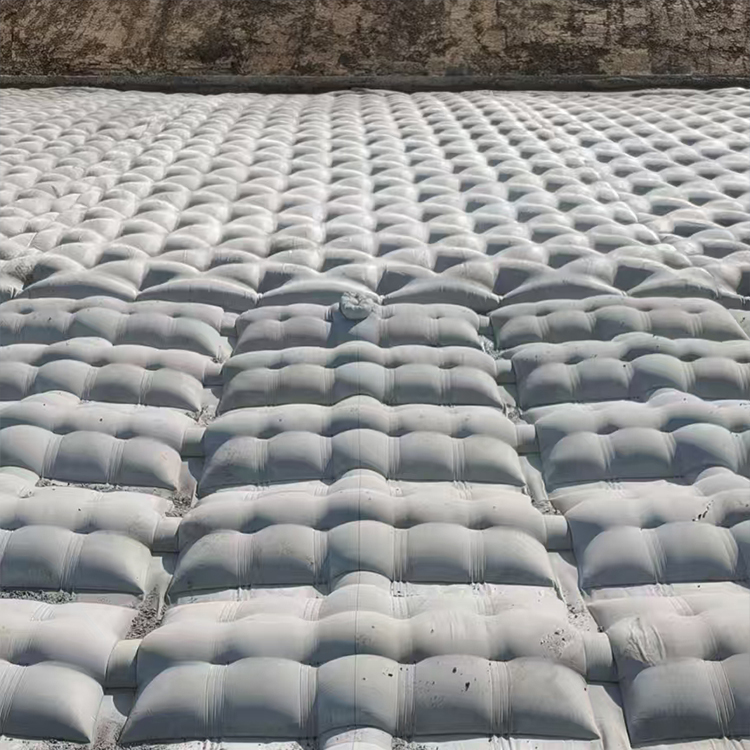
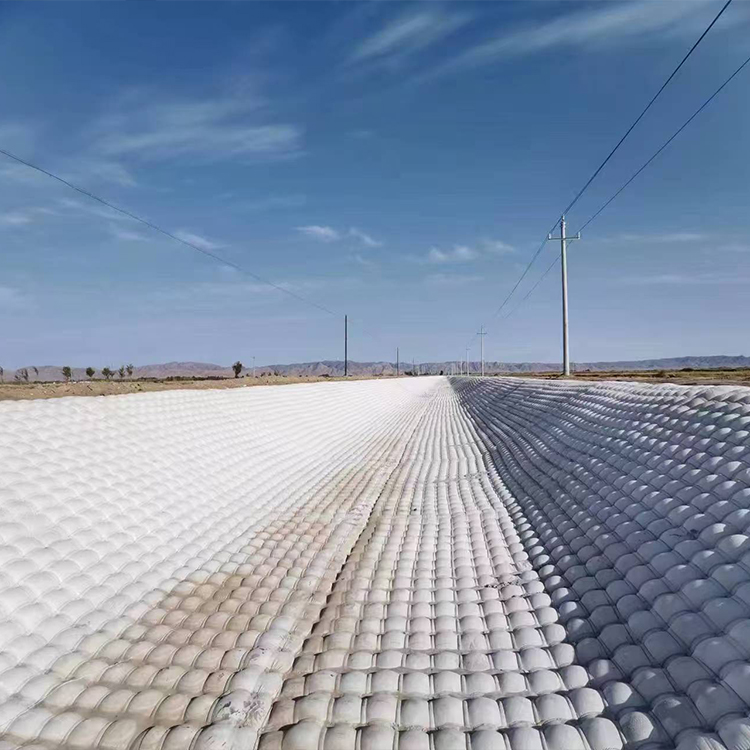
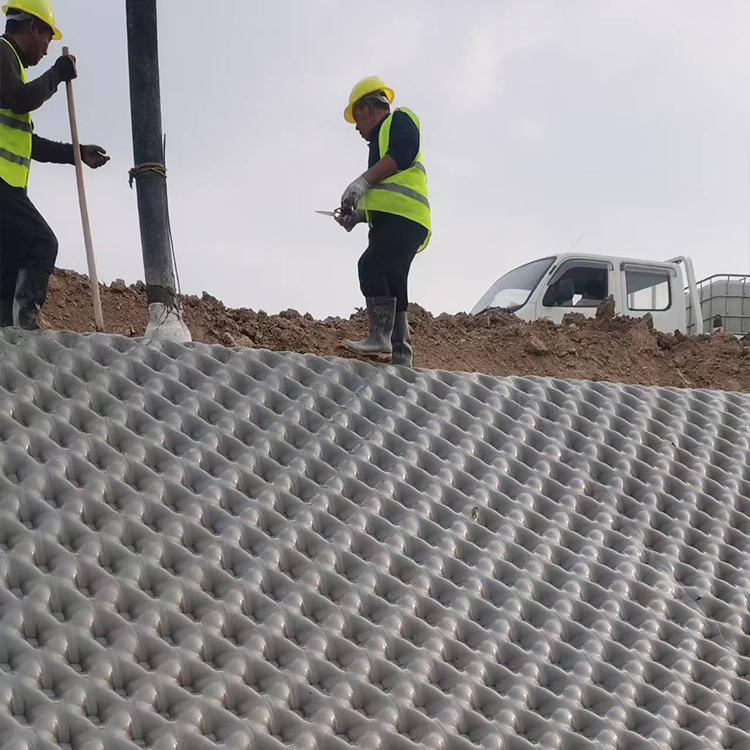
Woven-reinforced geotextile, also known as glass fiber polyester reinforced crack-resistant fabric and woven composite polyester crack-resistant fabric, is a new type of glass fiber composite crack-resistant material developed and produced by Yizheng Kangshun Geotextile Material Co., Ltd. It is a geosynthetic material processed through special technology and is widely used in asphalt road construction and renovation to prevent reflective cracks, water damage, and enhance road bearing capacity. The woven-reinforced coated geotextile is a new type of geosynthetic material developed after geotextile, geogrid, and strip polymer, and has good compatibility with asphalt mixtures. Geogrids lack waterproofing functionality, while geotextiles can prevent water seepage, but they have poor strength and anti-creep properties, rendering the reinforcing and crack-resistance ineffective. However, the woven-reinforced coated geotextile overcomes these shortcomings. It can effectively address road cracks and water damage on bridge decks and pavements. The woven-reinforced coated geotextile, made of glass fiber and polyester, combines the strengths of both materials—the strength of glass fiber and the flexibility of polyester fiber. It forms a structural layer after absorbing asphalt materials, which possesses waterproof, heat-resistant, and corrosion-resistant physical properties, along with high tensile strength, low expansion coefficient, good flexibility, and no long-term creep characteristics, making it easy to install. When combined with the asphalt mixture layer, it significantly improves resistance to low-temperature shrinkage cracks, heat-induced rutting, fatigue cracking, and delays reflective cracking, thereby extending the service life of the pavement.
Woven Geotextile Reinforced with Coated Reinforcement - Physical and Chemical Properties

Features of woven reinforcing coated geotextile
Low elongation; no long-term creep.
Woven reinforcing geotextile with a coated finish does not exhibit creep, ensuring long-term product use. It boasts good compatibility and high-temperature stability, having excellent compatibility with asphalt and asphalt mixtures. The melting point of the crack prevention fabric is above 230°C, and its physical and chemical properties remain stable at 230°C. Therefore, it maintains stability under no influence at 170°C when laid with hot asphalt concrete.
Excellent chemical stability.
Treated to prevent cracking, this fabric resists chemical corrosion, biological attack, and climate change.
Woven geotextile reinforced with a coated layer and waterproofing paint form a waterproof barrier. Even if cracks appear on the surface, it can effectively prevent seepage from below, ensuring the base material is protected from water damage.
Geotextile with reinforced weaving and coating can be crushed and recycled for use.
Application Fields
Asphalt concrete overlay
Knitted reinforced geotextile coated for asphalt overlay can effectively reduce the time and depth of saw cutting, with the asphalt overlay thickness not less than 4 cm. It is recommended to use modified asphalt concrete.
Asphalt concrete pavement renovation
Woven reinforced geotextile coated with a geosynthetic membrane is suitable for the renovation of cement concrete road surfaces. Laying it before asphalt concrete is applied effectively prevents reflective cracking and eliminates the need for a subgrade, particularly for urban roads with restricted elevations. It is recommended to use modified asphalt concrete with a thickness of no less than 10 cm.
◎Location of semi-rigid base shrinkage cracks
Flexible subgrade shrinkage cracks are inevitable. To enhance its performance, using a warp-knitted reinforced geotextile to repair cracks can delay and prevent the reflection cracks from the subgrade to the asphalt surface layer after paving, thus preventing rainwater seepage from below the surface layer that accelerates the damage of the road. It is recommended to lay the crack-proof fabric before the asphalt sublayer is laid, after the sealant layer construction.
Bridge deck waterproofing layer
Woven reinforced geotextile coated for bridge surfaces effectively prevents rainwater from seeping through the bridge deck, thereby preventing rusting of steel or concrete reinforcement and subsequent damage to the bridge deck.
Old Road Expansion Project
Woven reinforced geotextile coated with a geosynthetic in road expansion projects is used for longitudinal joints between the old and new semi-rigid subbase and between the old and new asphalt layers.
Woven Reinforced Geotextile Construction Organization Plan
I. Construction Progress
Work in coordination with road construction units, ensuring the crack prevention fabric is promptly applied without affecting construction progress.
II. Construction Method
(1) Clear existing road surface: Sweep the surface clean with cleaning tools; remove sharp edges; for severely cracked or broken areas, remove the broken parts and repair the original cracks and potholes using asphalt concrete or asphalt sand, leveling them; for deeper indentations, use concrete to fill. The road surface should be dry, free of dirt, dust, and debris before laying. If the original surface has joints, use high-pressure air to clear debris from the joints (sewage, dust, weeds, oil, etc.), then fill the joints with filling material.
(II) Spraying asphalt adhesive layer: The adhesive oil may use SBS modified asphalt waterproofing coating adhesive oil, which should meet the specifications and quality requirements of Attachment C.3, C.4, and C.5 in the Technical Specifications for Highway Asphalt Pavement Construction JTJ032-94. The amount of adhesive oil should be controlled between 0.9kg/m² and 1.2kg/m², based on the road surface condition and the reason for the crack-proof fabric. During spraying, use manual operation of a sprinkling machine. The width of the waterproofing layer should be about 5cm to 10cm wider than the crack-proof fabric. Ensure even spraying and avoid insufficient adhesive oil or streaky application. The amount of waterproofing layer should also be controlled between 0.9kg/m² and 1.2kg/m², and its use should comply with the requirements of Attachment D D.9 in the Technical Specifications for Highway Asphalt Pavement Construction JTJ032-94. The key process in construction is the spraying of asphalt adhesive layer.
(3) Laying Woven Reinforced Geotextile Coating: The material should be flat and wrinkle-free, and should be laid promptly (while the waterproofing layer is being applied). Laying can be done manually or mechanically. The overlap at the joints should be approximately 3cm to 8cm. The woven reinforced geotextile coating is laid over the waterproofing layer and the subsequent process can only be carried out after the waterproofing layer has completely demulsified. It is strictly prohibited for any vehicles to travel on the crack-resistant fabric before the waterproofing layer has demulsified.
(4) Asphalt Mixture Paving
The asphalt mixture design should comply with the specifications of "Highway Asphalt Pavement Construction Technical Specification" JTJ032-94.
The thickness of the asphalt overlay layer is 4 cm.
The mixing, transportation, spreading, and compaction of asphalt mixtures should comply with the provisions and requirements of the "Technical Specification for Construction of Highway Asphalt Pavements."
III. Technical Measures
1. Ensure even application of the waterproofing layer; the temperature for using the crack-resistant fabric should be above 5℃.
After laying the woven-reinforced coated geotextile, the creased sections should be dealt with promptly to maintain the material's flatness. In case the waterproofing layer adhesive oil has not cooled, causing the polyester glass fiber crack-resistant fabric to be lifted, neither construction vehicles nor public vehicles are allowed to enter. Provided circumstances permit, the laying of the upper asphalt mixture should be done the day after.
严格控制 the entry and exit of material transport vehicles, strictly prohibit sharp turns, abrupt braking, and dumping mixed material scraps on the crack-resistant fabric to prevent
(3) Cracking fabric should not be installed during rain.
Section 4: Safety Measures
Woven-reinforced coated geotextile, made of a mixture of glass fiber and other materials, can be irritating to the human skin. Operators should be cautious during handling.