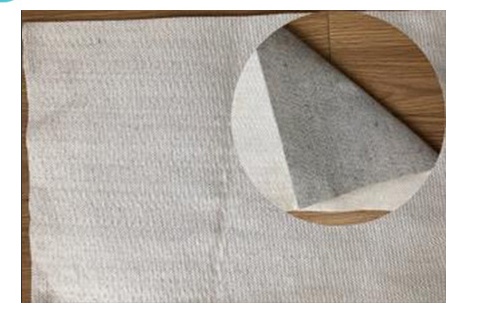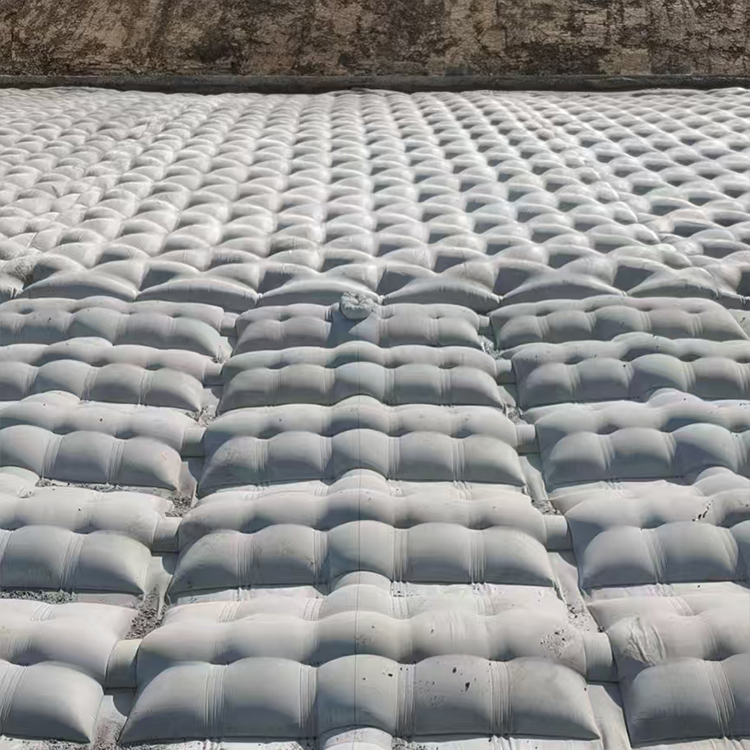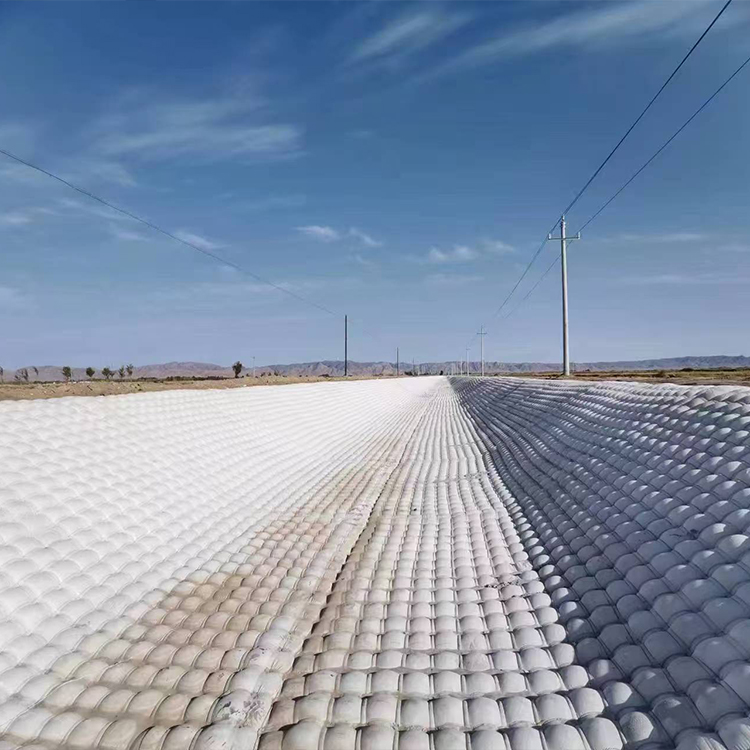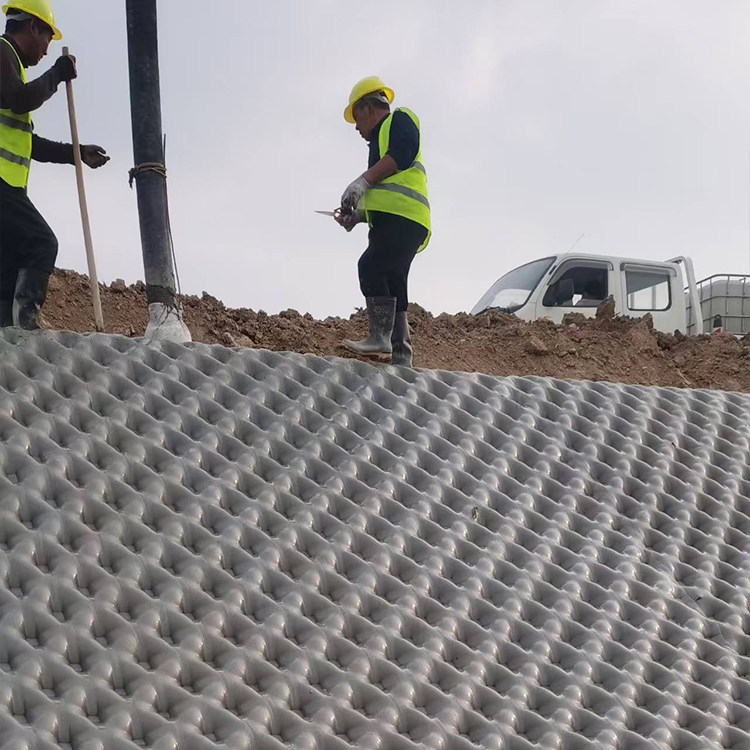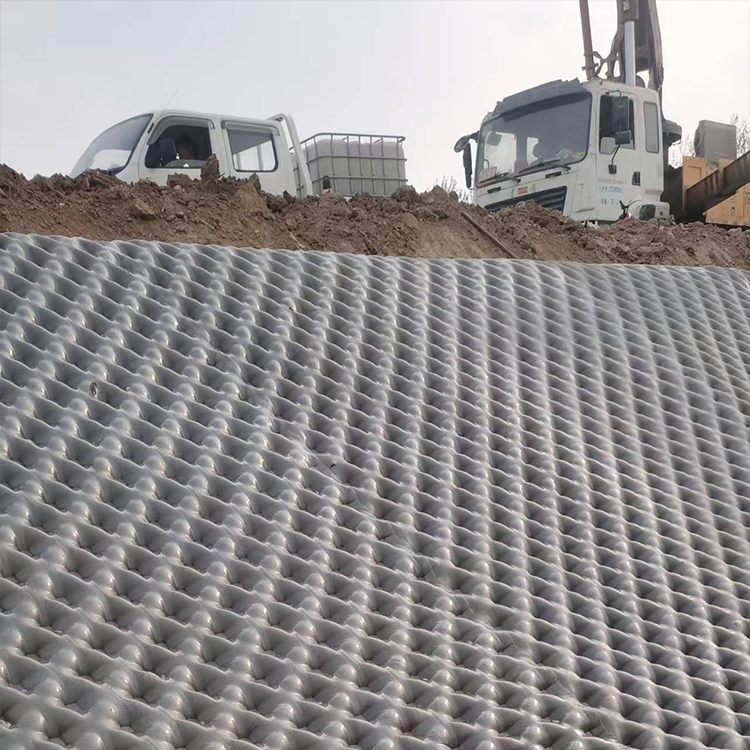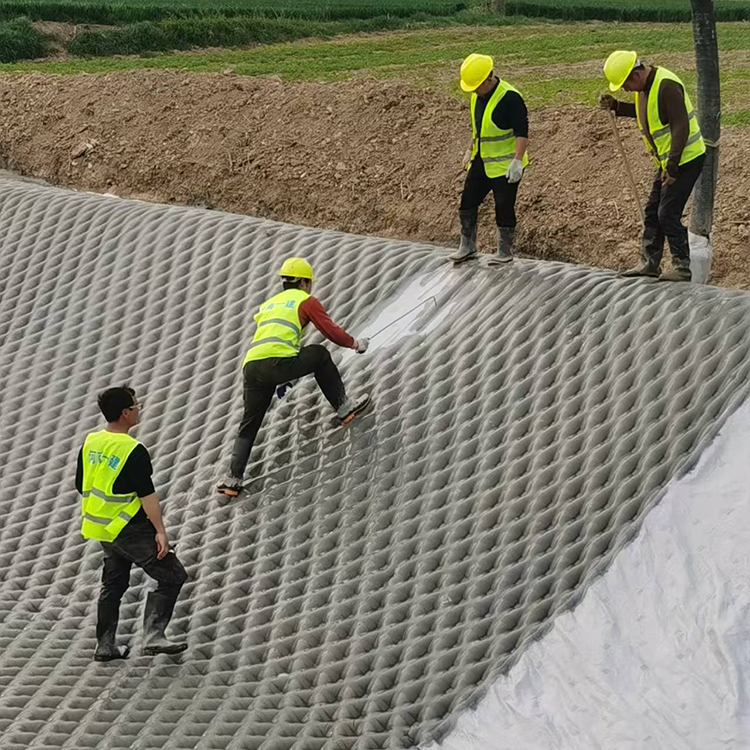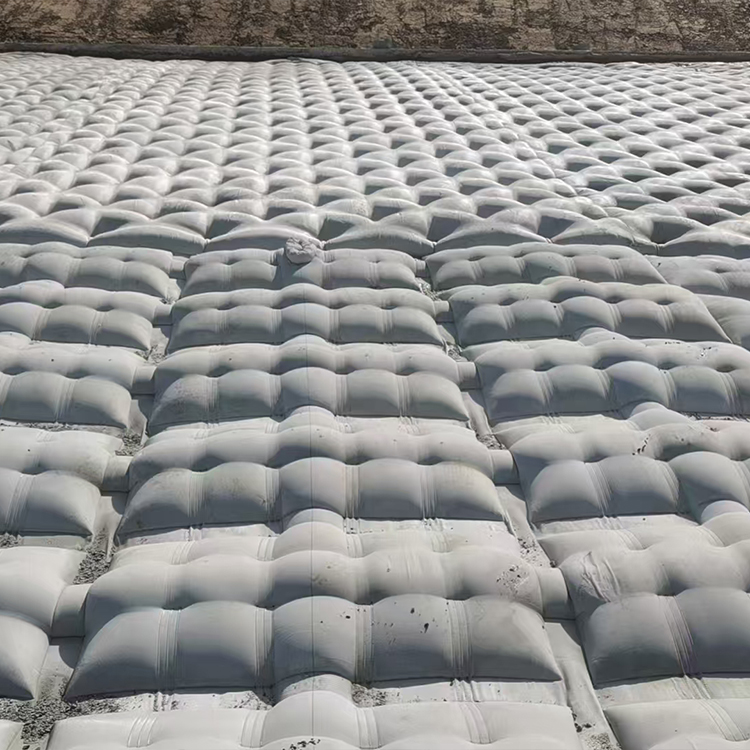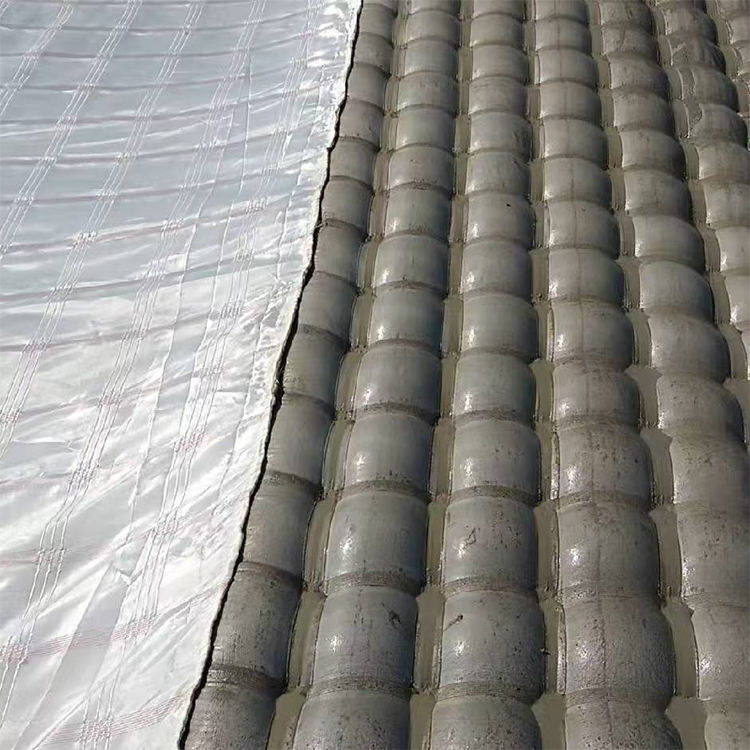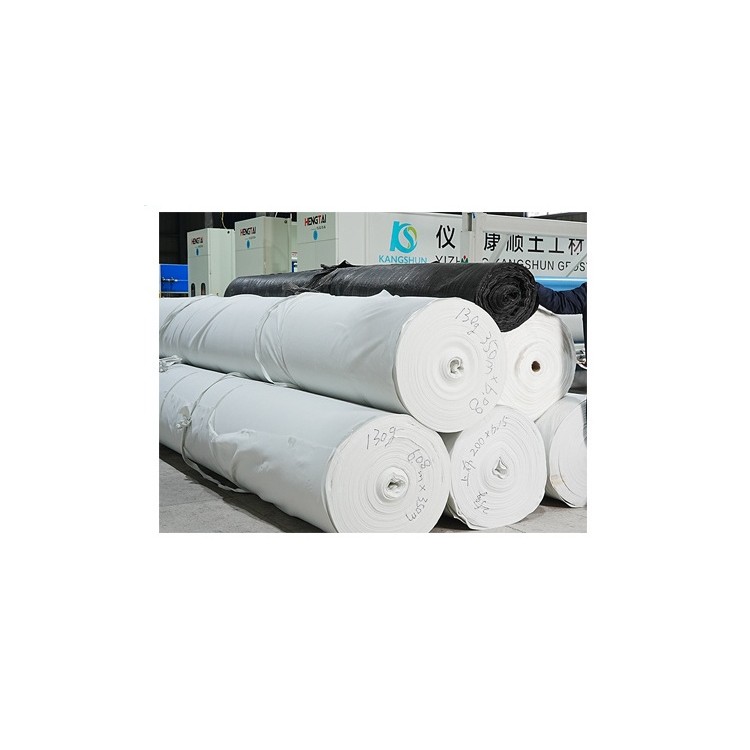


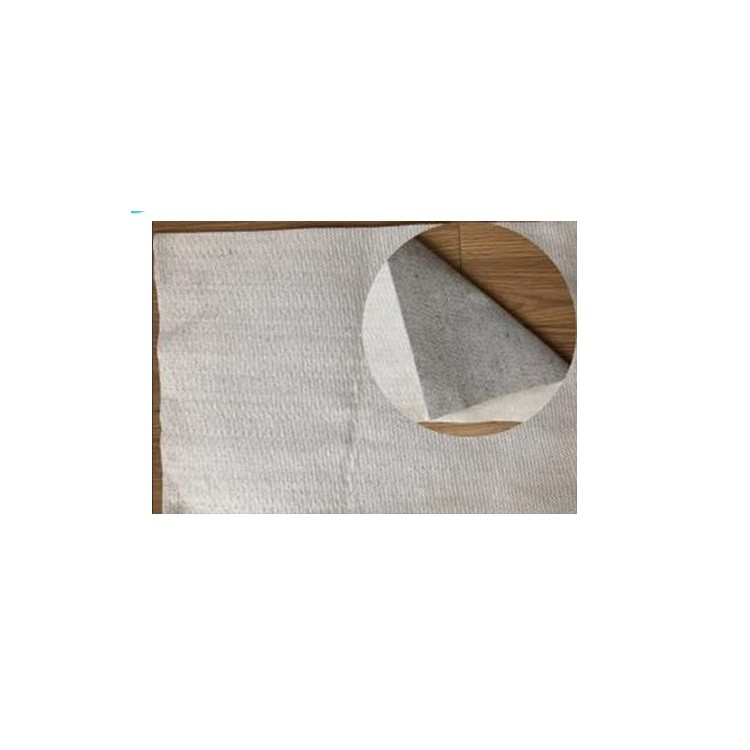
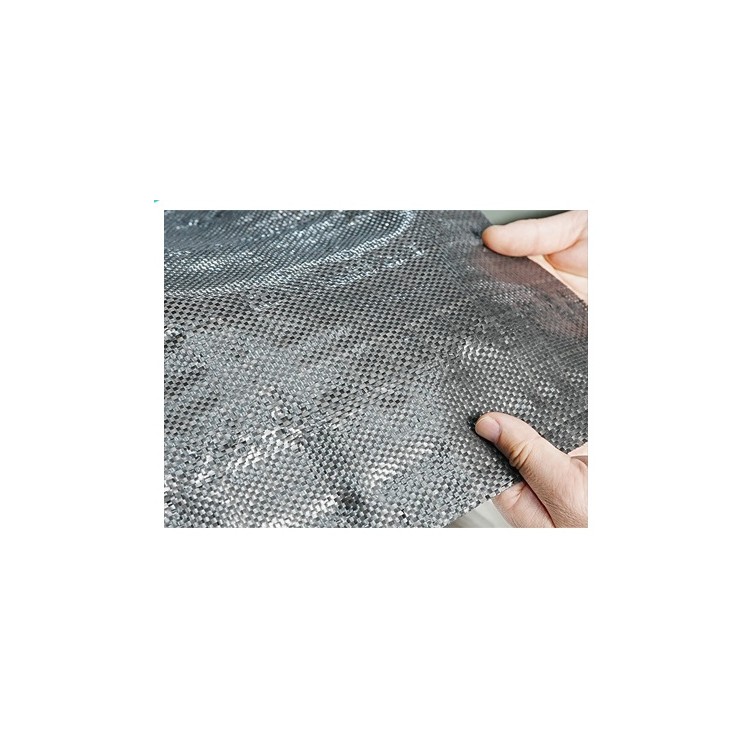


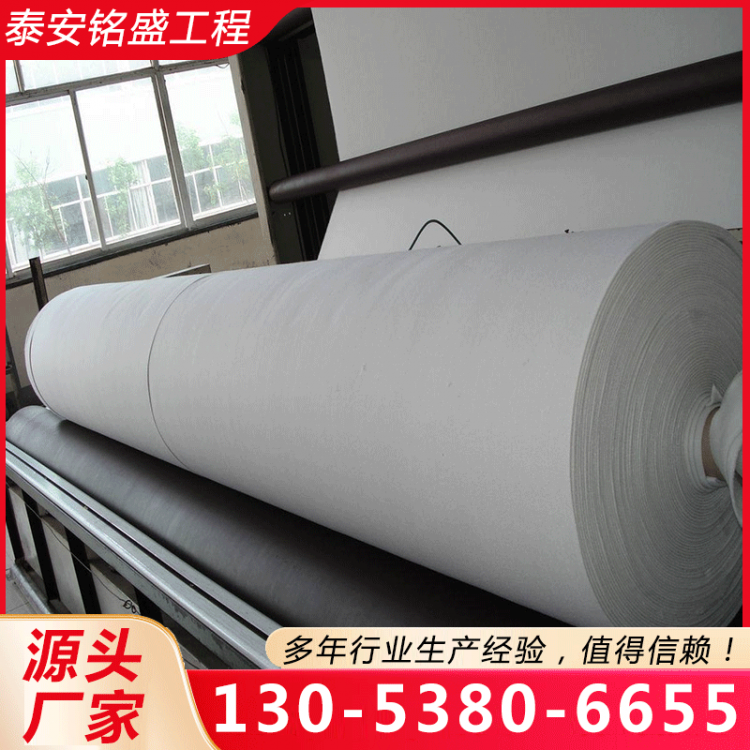
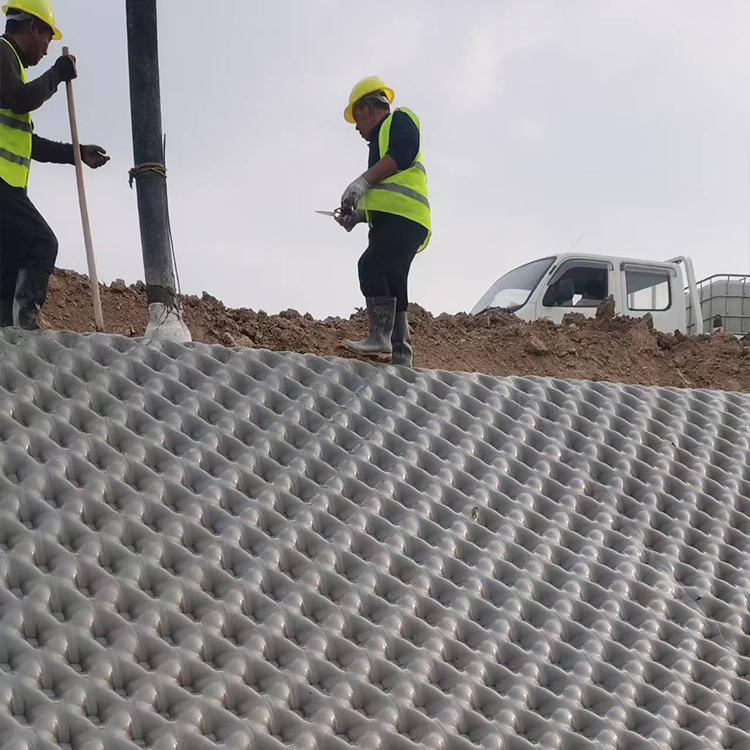







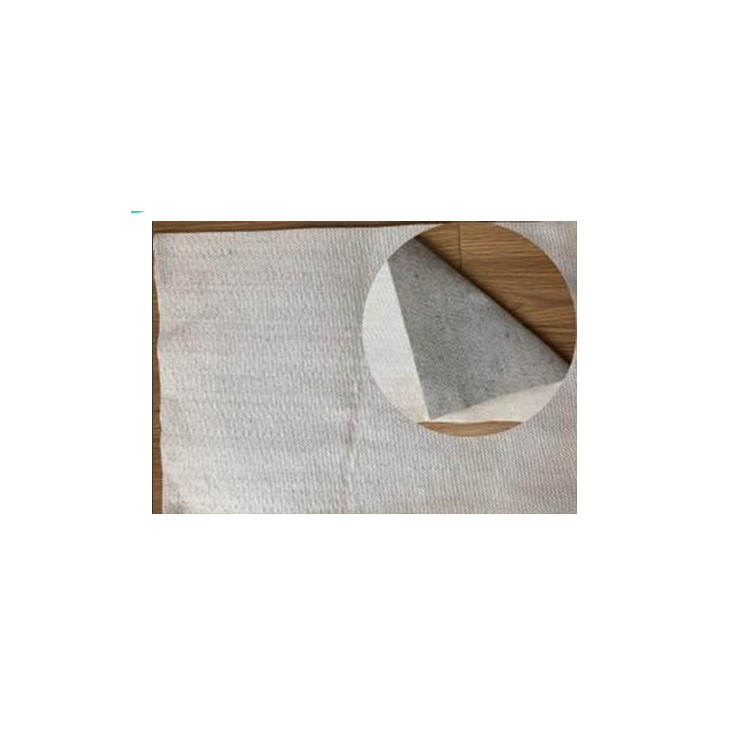

Needle-punched geotextile is made by consolidating polyester or polypropylene short fibers through carding or needle punching.
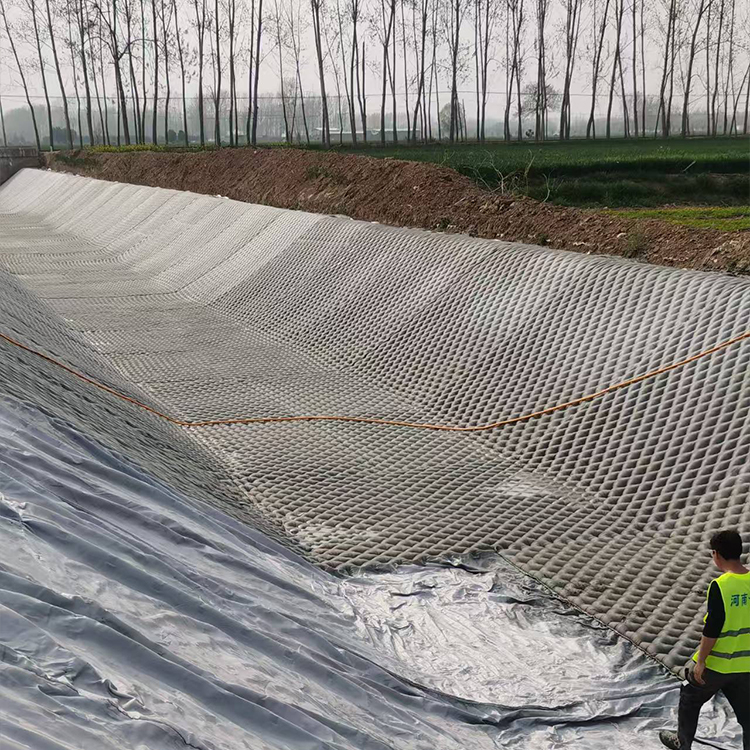
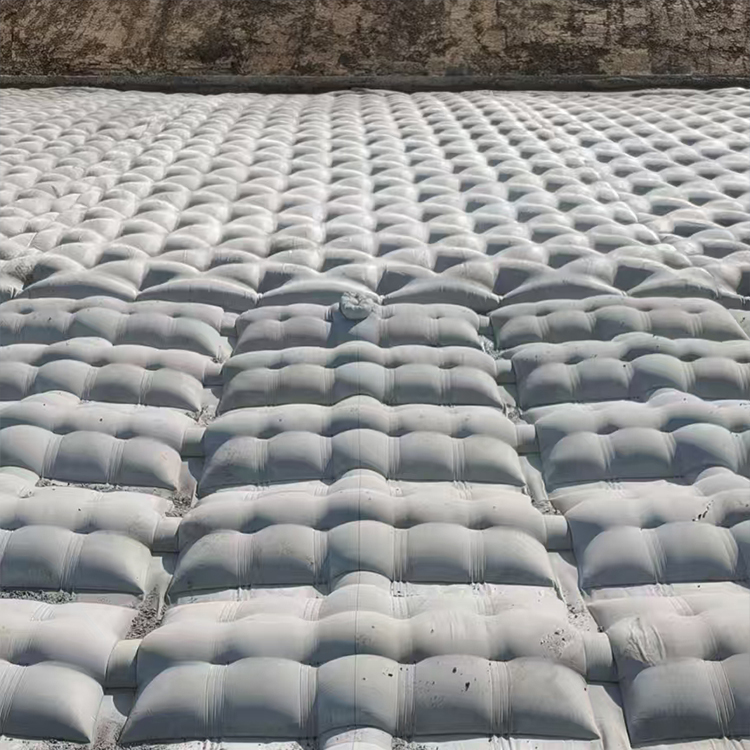
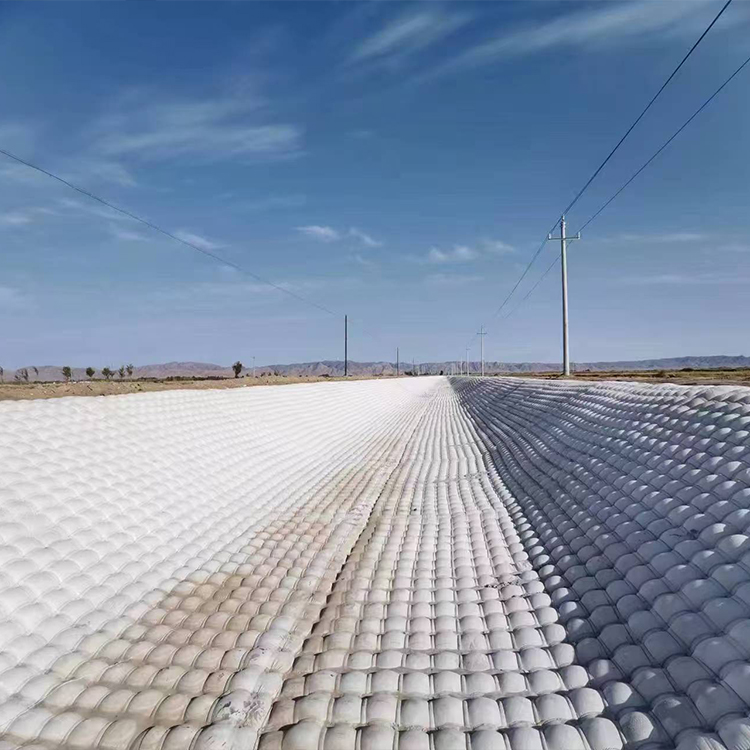
This product boasts superior permeability, filtration, durability, and is widely applicable in projects such as railways, highways, sports facilities, dams, hydraulic structures, tunnels, coastal areas, reclamation, and environmental protection.
Functionality:
Utilizing the excellent breathability and permeability of geotextiles, allow water flow through, effectively intercepting soil erosion.
Geotextiles have excellent water permeability, forming drainage channels within the soil mass to expel excess liquid and gas from the soil structure.
Utilize geotextiles to enhance the tensile strength and deformation resistance of soil, thereby improving the stability of the building structure and soil quality.
Effectively dissipate, transmit, or decompose concentrated stresses to prevent soil from being damaged by external forces.
Prevent mixing of sand, gravel, soil, and concrete between layers.
Perforations are not easily clogged—due to the strain and mobility of the reticular structure formed by the amorphous fiber tissue.
High water permeability—retains good permeability under soil and water pressure.
Corrosion-resistant – Made from synthetic fibers like polypropylene or polyester, it resists acids and alkalis, is non-corrosive, termite-proof, and anti-oxidant.
Simple construction — Lightweight, easy to use, and simple to install.
Short Fiber Needle Punched Geotextile Specifications (GB/T17638-2008)