








Product Description
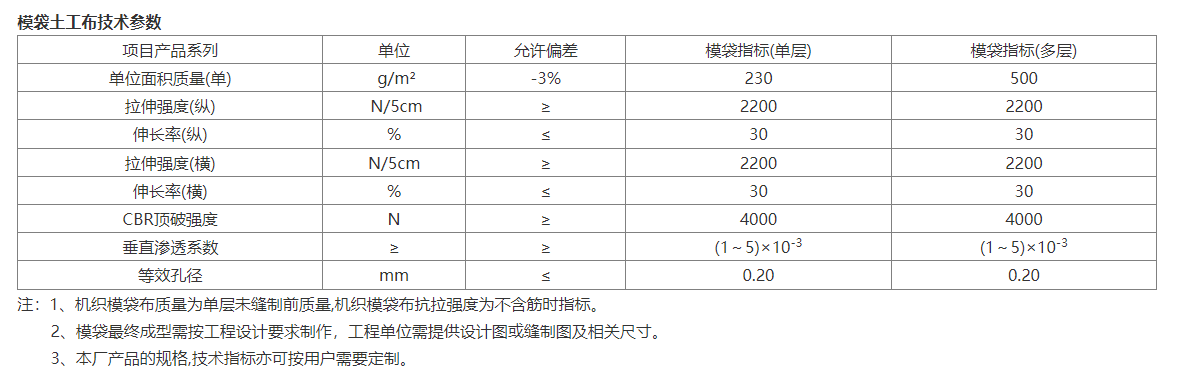
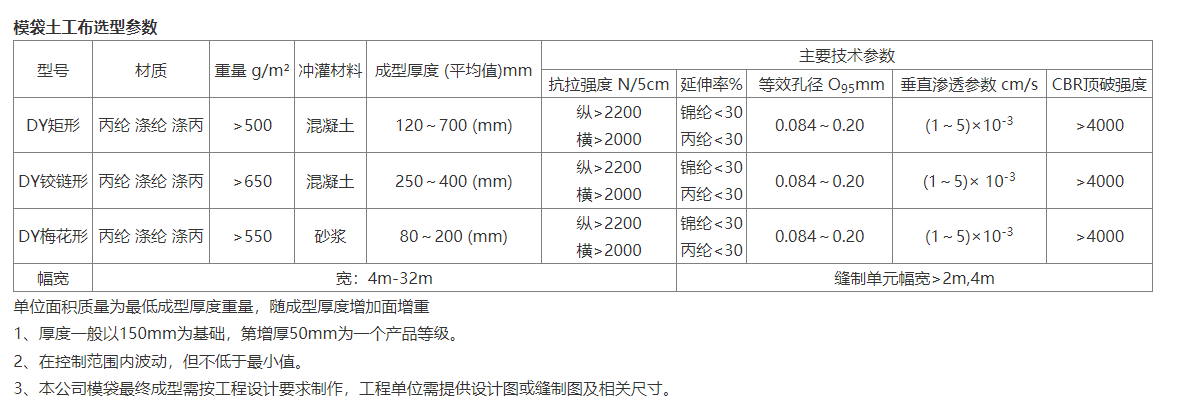
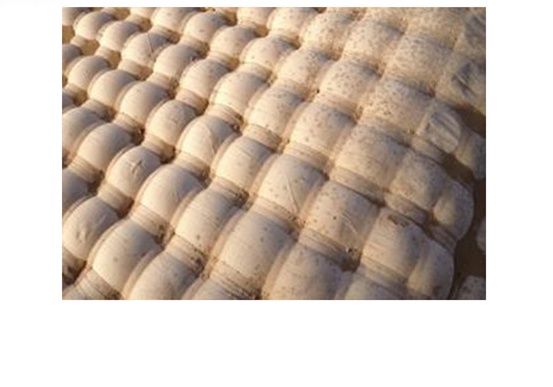
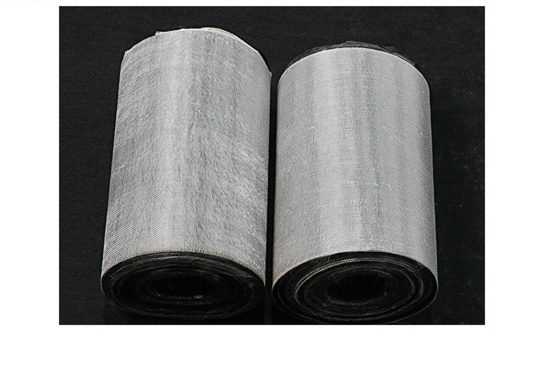
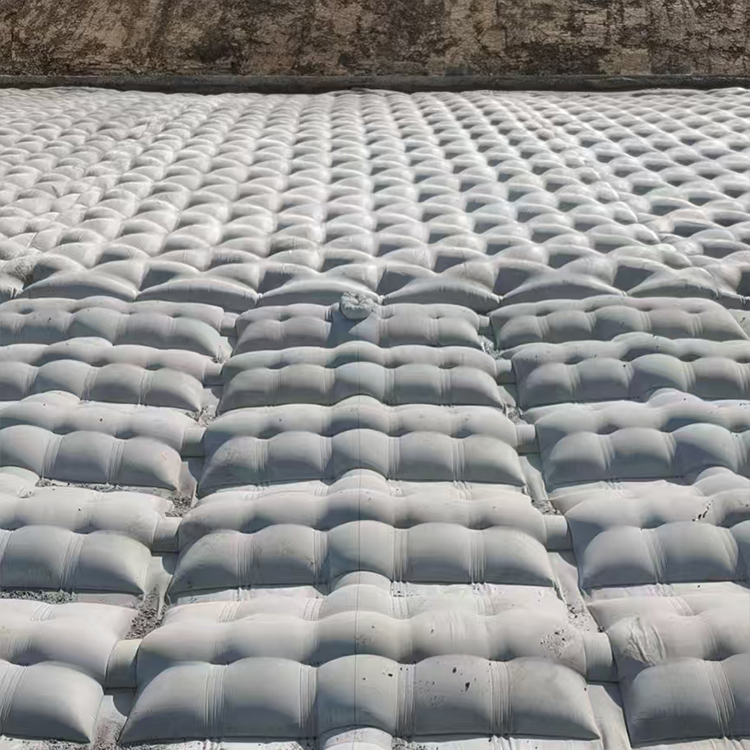
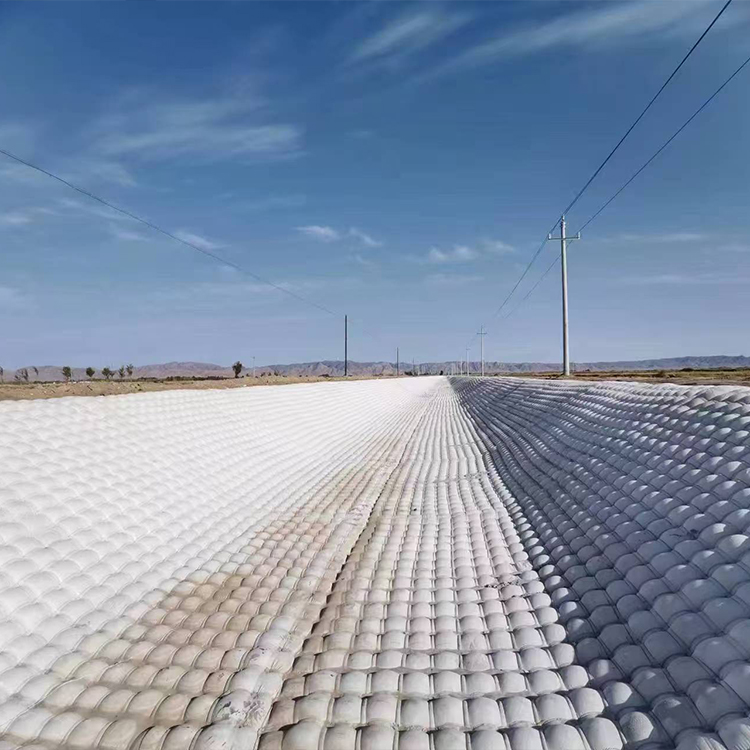
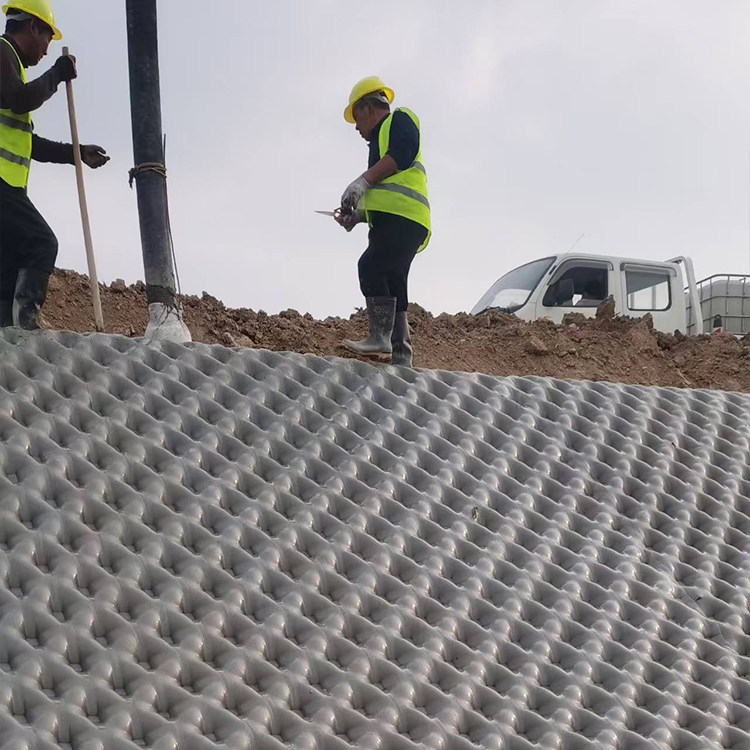
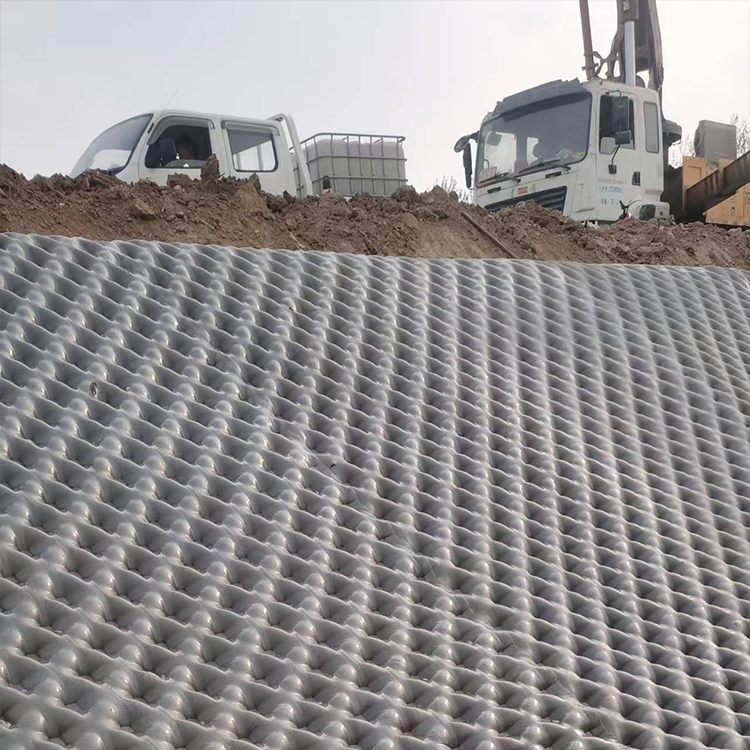
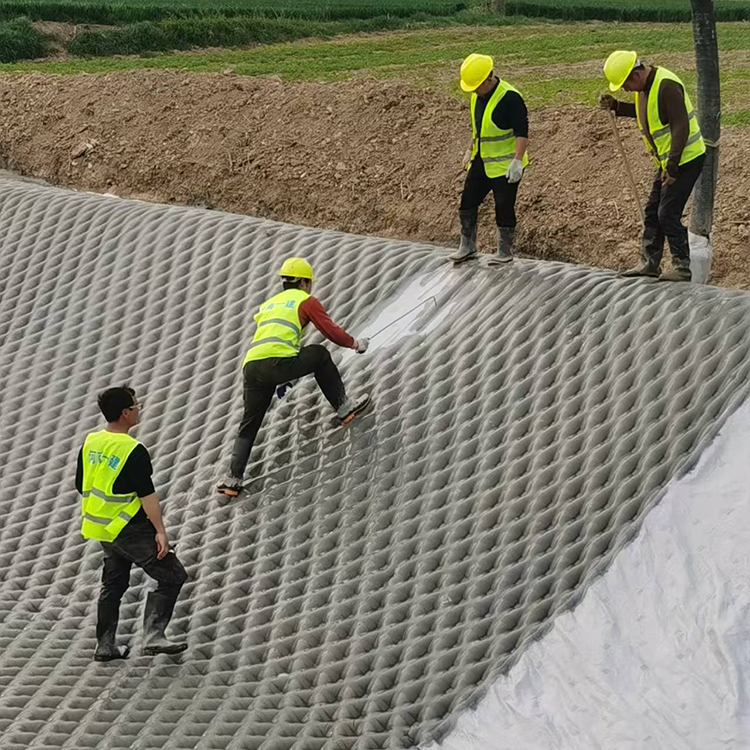
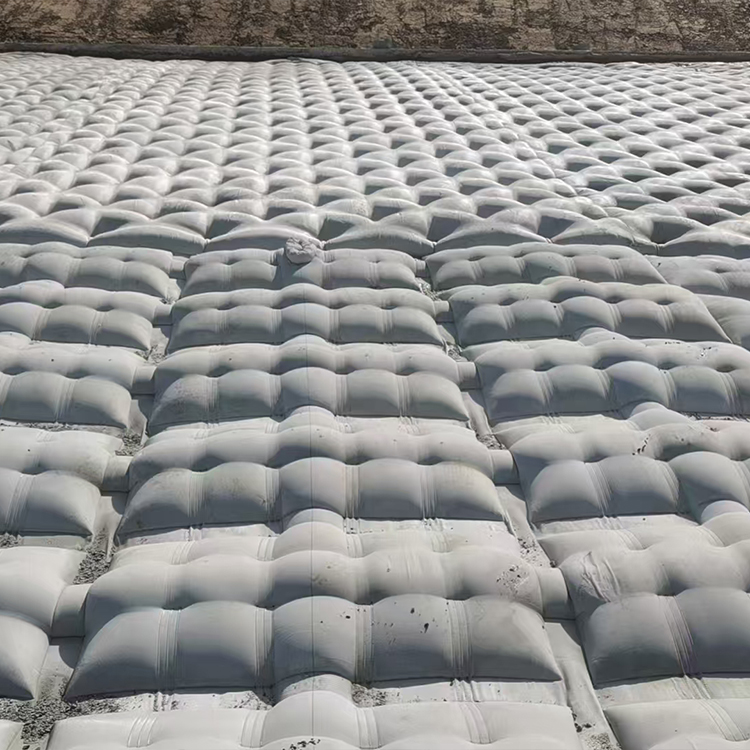
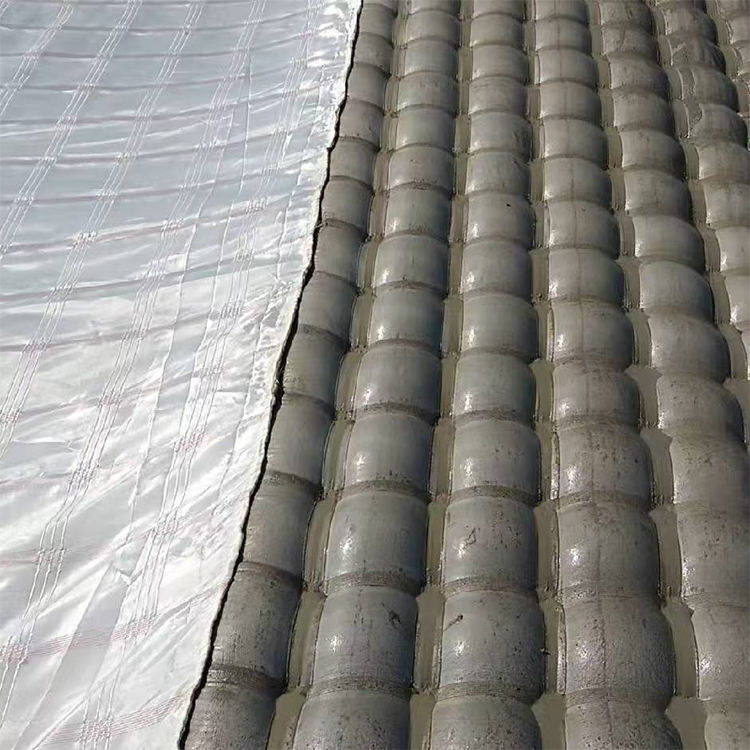
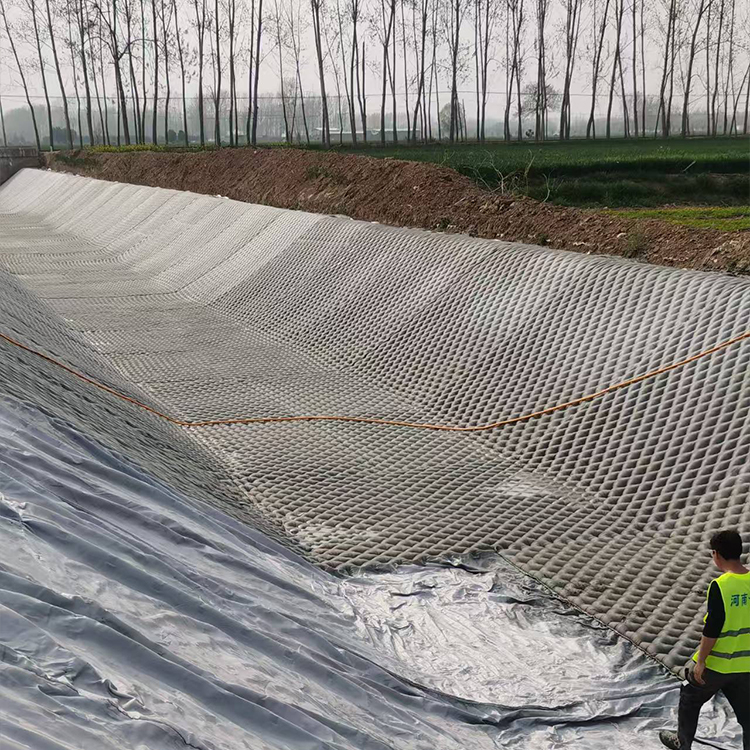
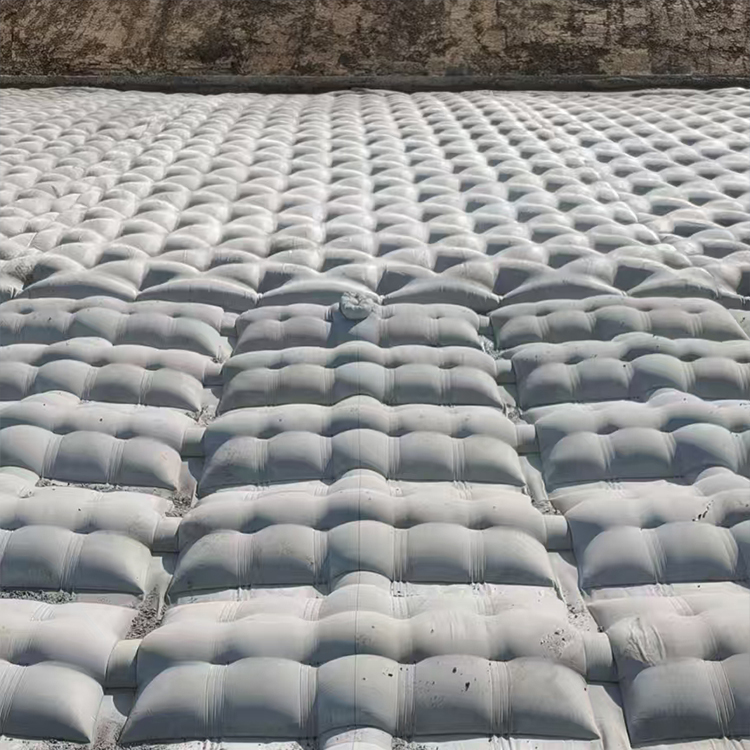
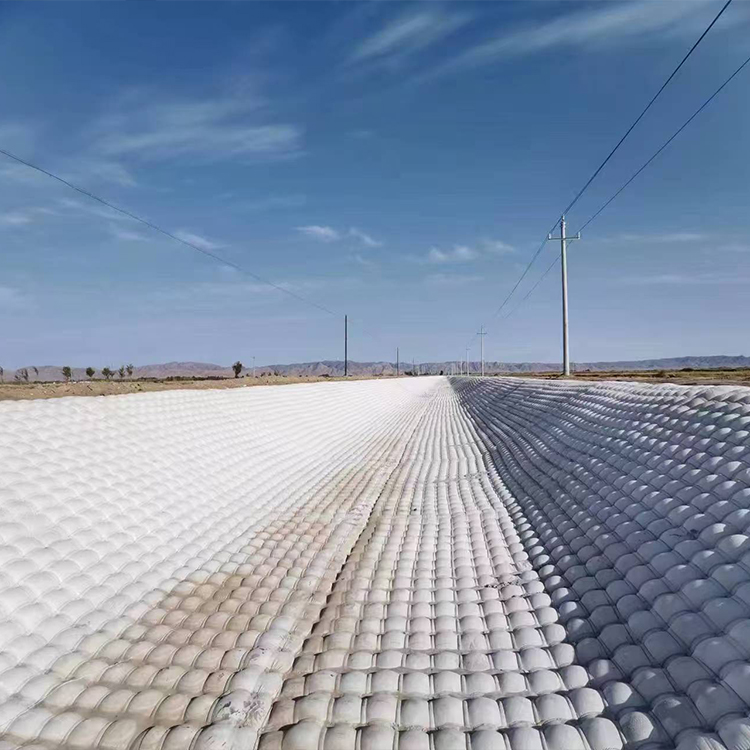
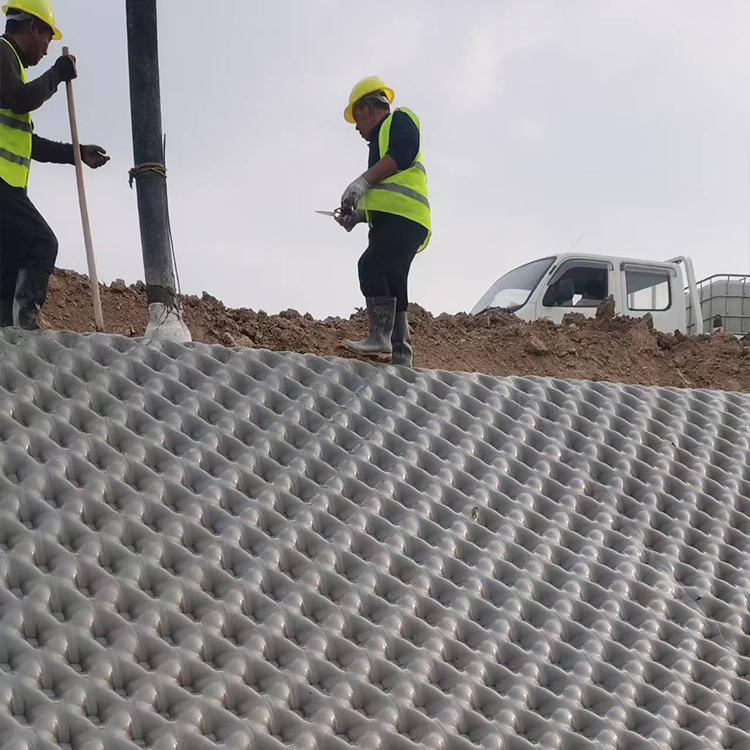
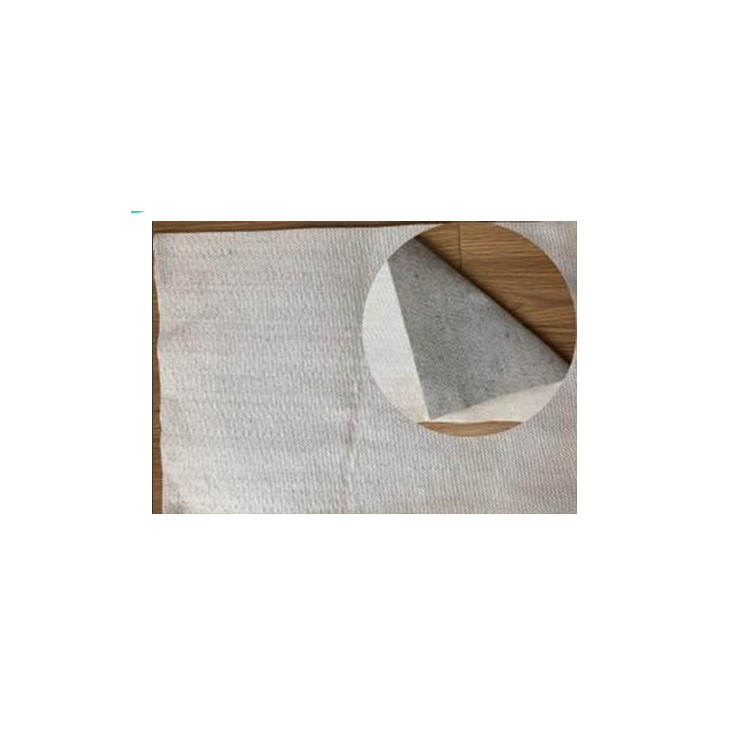
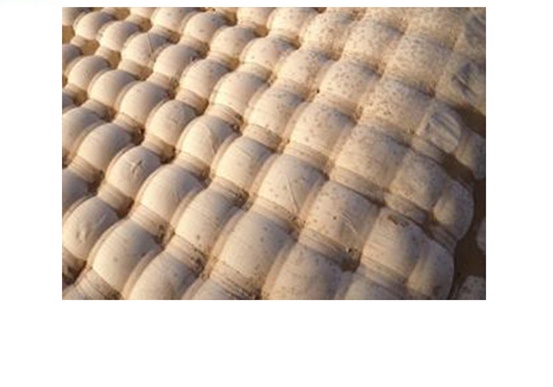
Geotextile bags are continuous (or individual)袋-shaped products made from a double-layered, polymerized fiber synthetic material. The application of geosynthetic materials in engineering is a new technology that has developed over the past two decades, introduced and developed in our country in the late 1970s. Molded concrete is formed by injecting concrete or cement mortar into the bags using a high-pressure pump, with the thickness of the concrete or cement mortar controlled by the length of the吊筋袋 and吊筋绳 (polymers such as nylon) inside the bag. After solidification, the concrete or cement mortar forms a structurally sound, board-like or other-shaped structure that meets engineering requirements. As a new type of building material, geotextile bags are widely used in protective projects such as river, riverbank, lake, sea embankments, slopes, harbors, and docks.
Product Advantages
The geotextile bags are constructed through a single-spray molding process, offering easy and quick construction.
Geotextile bags are adaptable to various complex terrains, especially in deep-water revetments and underlayers where embankments are not required. They can be directly constructed underwater, with high degree of mechanization. The protected slope area is large, with strong integrity and good stability, offering a long service life.
Geotextile bags have a certain permeability. After concrete or cement mortar is poured in, excess water can seep out through the fabric gaps, quickly reducing the water-cement ratio, accelerating the concrete's setting time, and enhancing its compressive strength.
Bagging molds are divided into the following 5 types:
1. Composite Molding Bag 2. Hinge Molding Bag 3. Rectangular Molding Bag 4. Raised Rim Molding Bag 5. Sodding Molding Bag