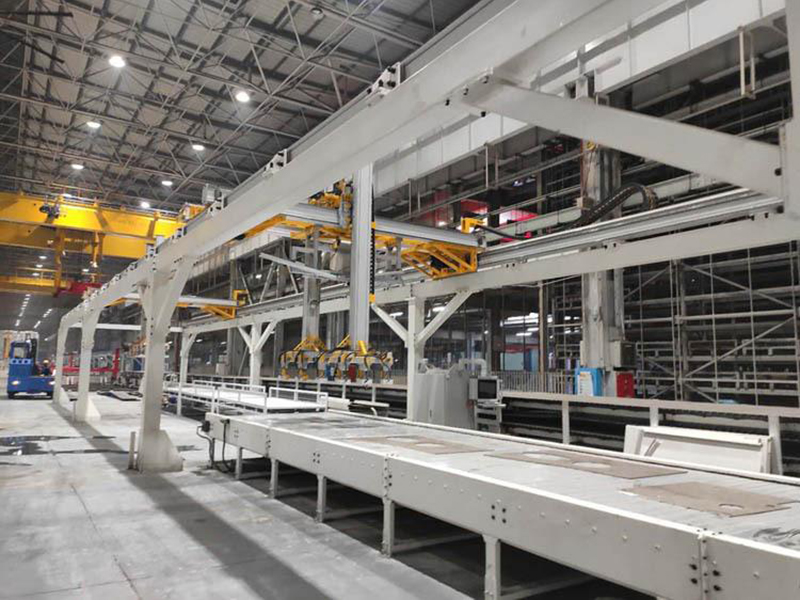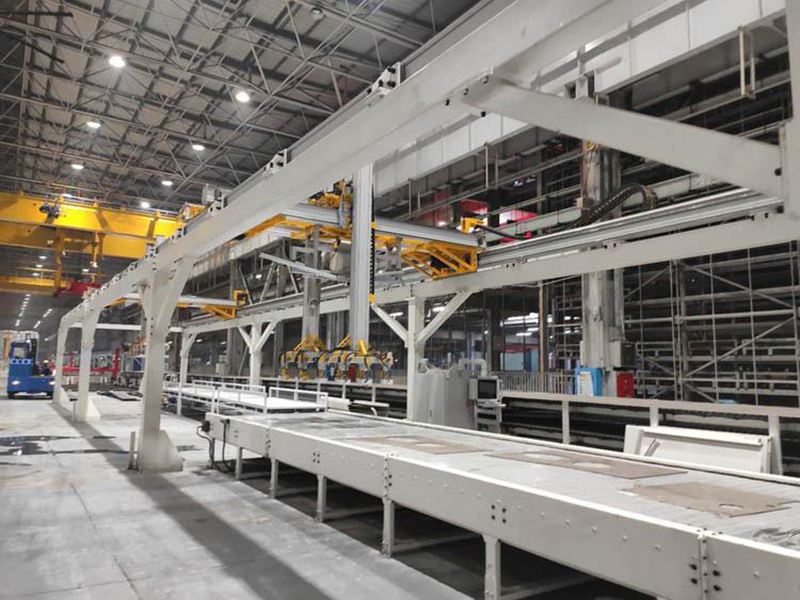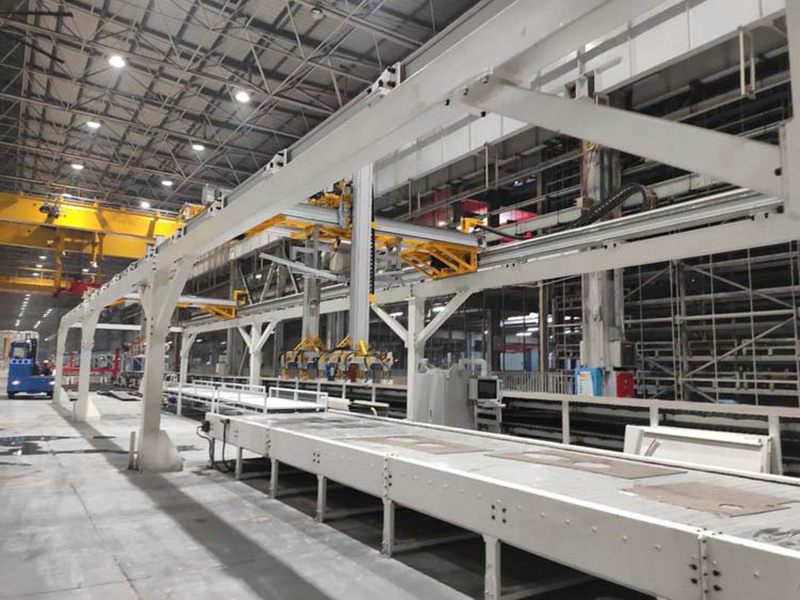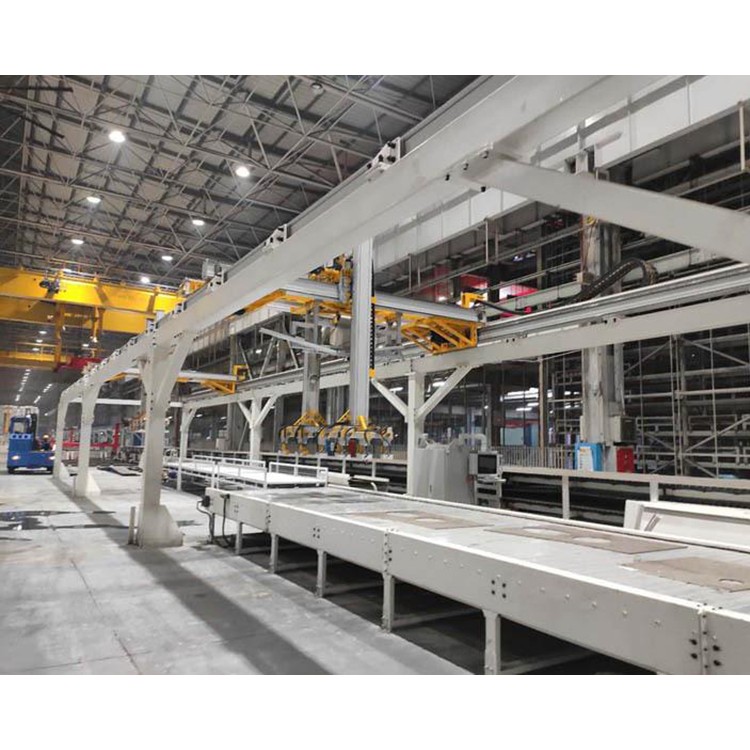

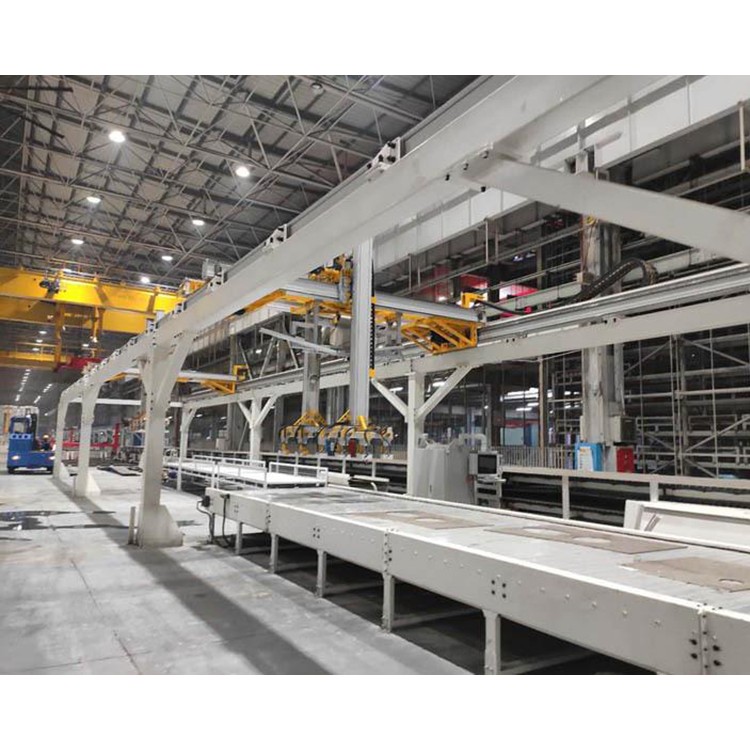
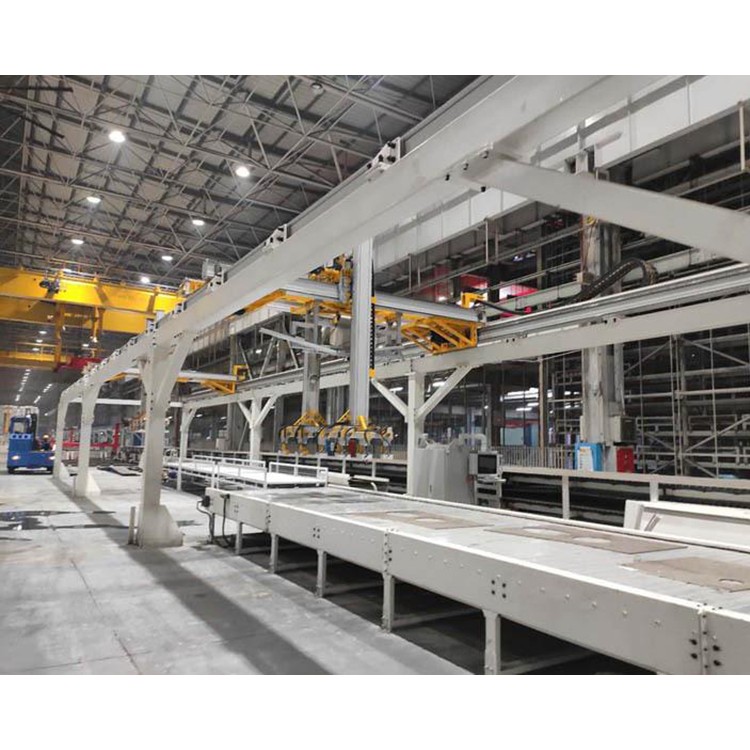
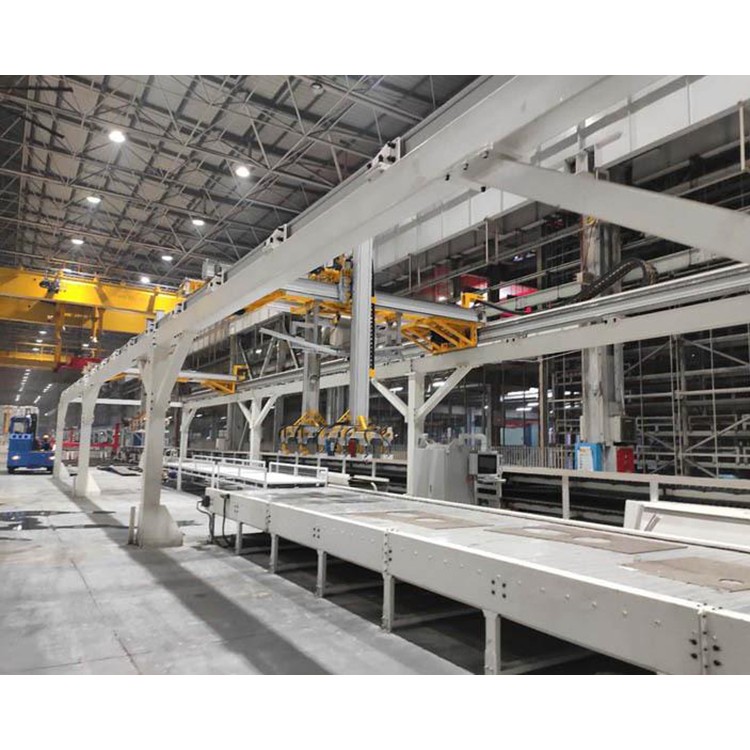












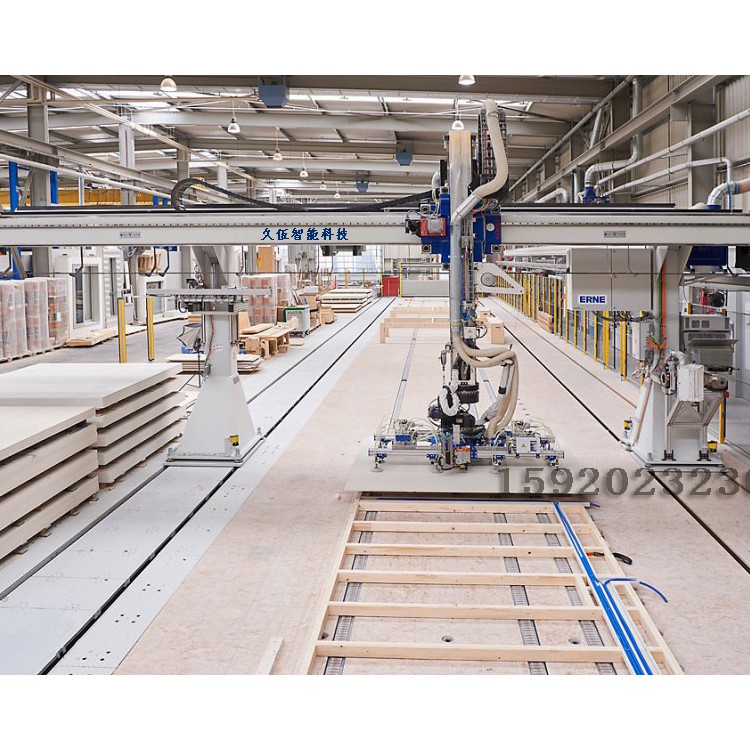
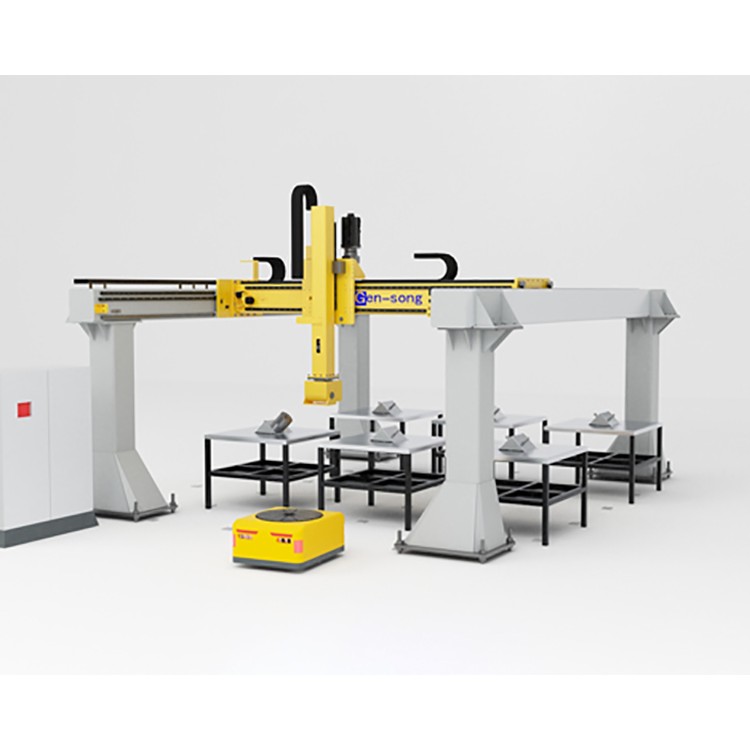
The龙门stacker is an automated machine designed specifically for stacking or piling goods or containers in a predetermined manner. Its structure typically features a "gateway" design with two vertical support frames and a horizontal beam. This design allows the龙门stacker to move flexibly within a larger working area, enhancing operational efficiency and reliability.
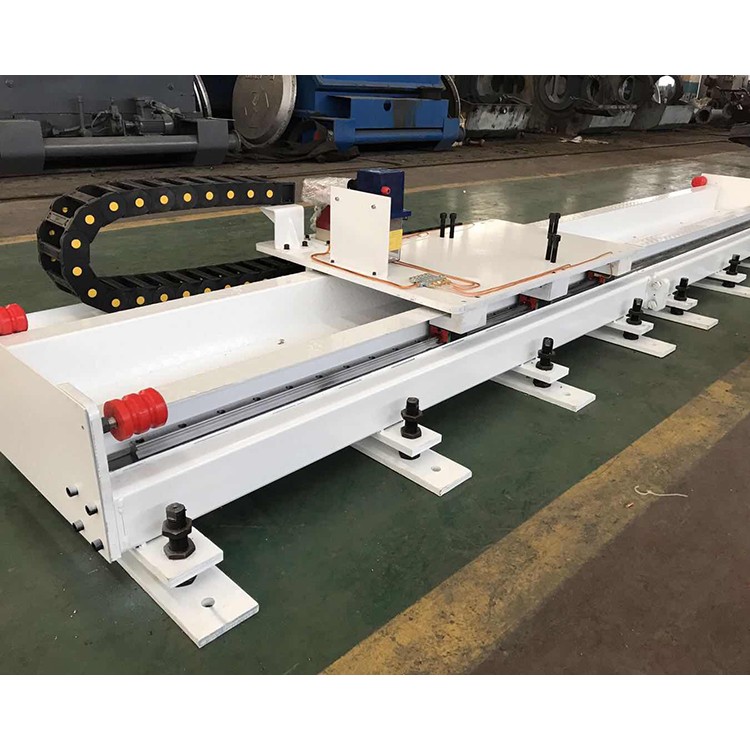
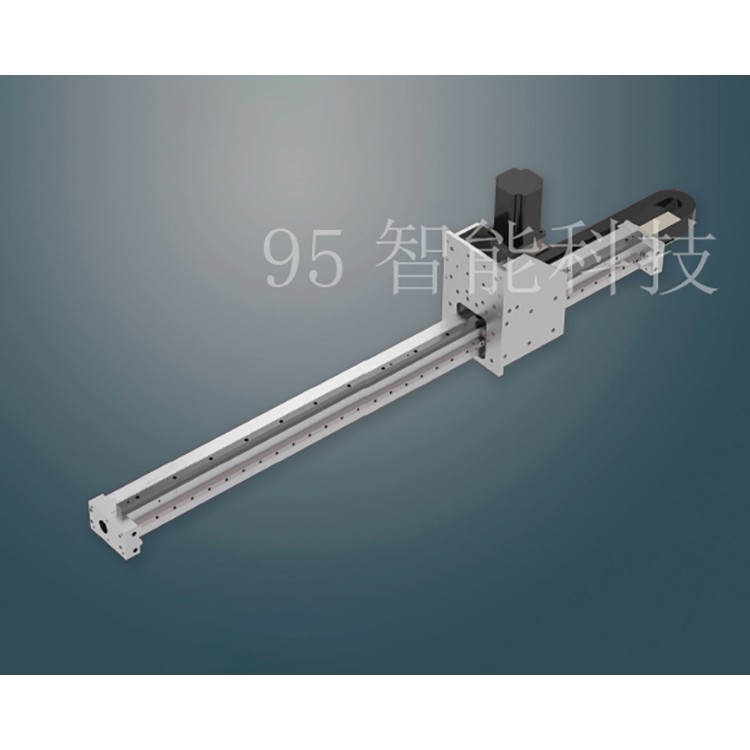
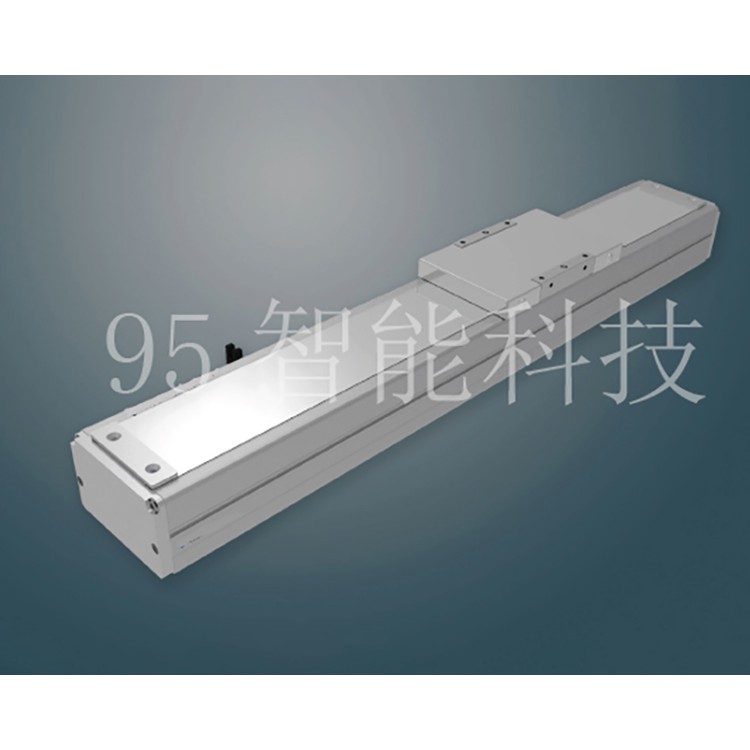
The main components of the龙门 stacker include: frame structure, movement system, lifting system, gripping device, and control system. The frame structure provides support and stability for the equipment; the movement system usually employs motor-driven slides or guides, allowing the beam to move quickly within the horizontal plane; the lifting system is responsible for adjusting the vertical position of the goods, typically achieved through a lifting platform or an electric elevator; the gripping device (such as a robot arm, clamps, etc.) is used for picking up and releasing goods, and can be customized for different types of cargo.
During operation, the gantry automated stacking machine is controlled by a computerized system. Operators can program specific stacking patterns and paths, and the system will automatically handle the material handling and stacking, achieving efficient automated work. This equipment is widely used in warehousing, logistics, manufacturing, as well as the food and beverage industry, effectively improving production efficiency, reducing labor costs, and minimizing safety risks associated with manual handling.
Additionally, the龙门stacker can be integrated with other automated equipment (such as conveyors, sorters, and packaging machines) to form a complete automated production line. Through an information management system, the equipment can monitor operations in real-time and adjust according to actual needs, further optimizing logistics and sorting efficiency.
When selecting a straddle stacker, factors such as the type, weight, dimensions, and working environment of the goods must be considered to ensure the suitability and efficiency of the equipment. To enhance the performance of stackers, manufacturers continuously develop new technologies, such as intelligent recognition systems and sensor technology, for automatic identification and positioning of goods. This significantly improves operational efficiency in terms of stacking position, speed, and accuracy.
In summary, the gantry stacking machine, with its flexible design and high-level automation capabilities, has become an indispensable tool in modern industrial production and logistics. As technology advances and intelligent development progresses, the gantry stacking machine is poised to play an even greater role across various industries, enhancing production line efficiency and safety, and creating higher economic value for enterprises.