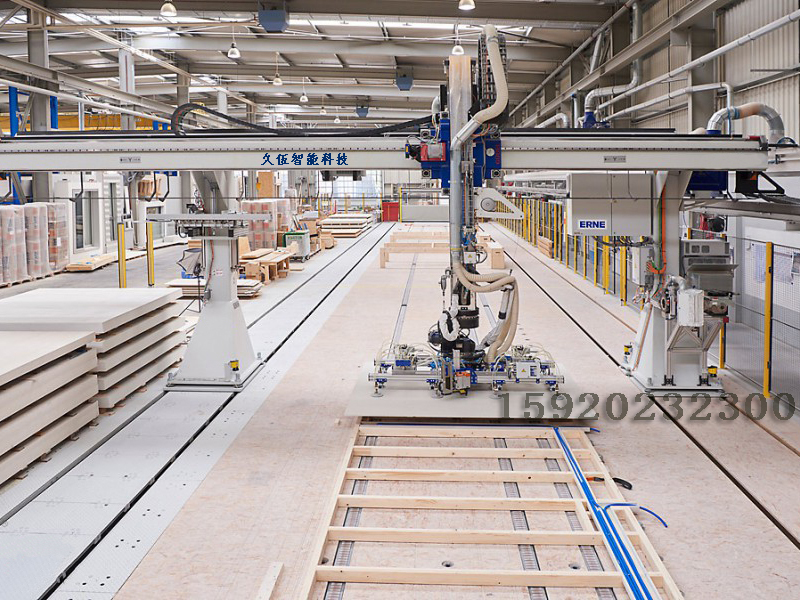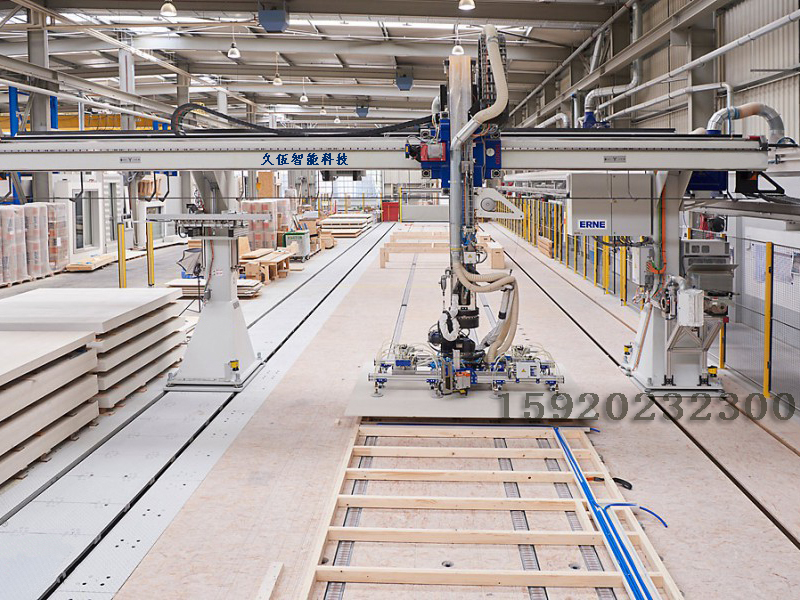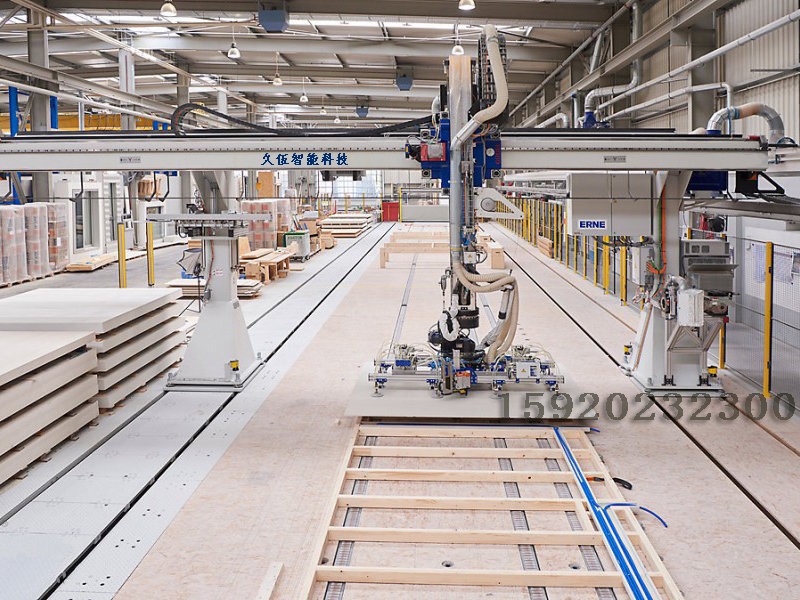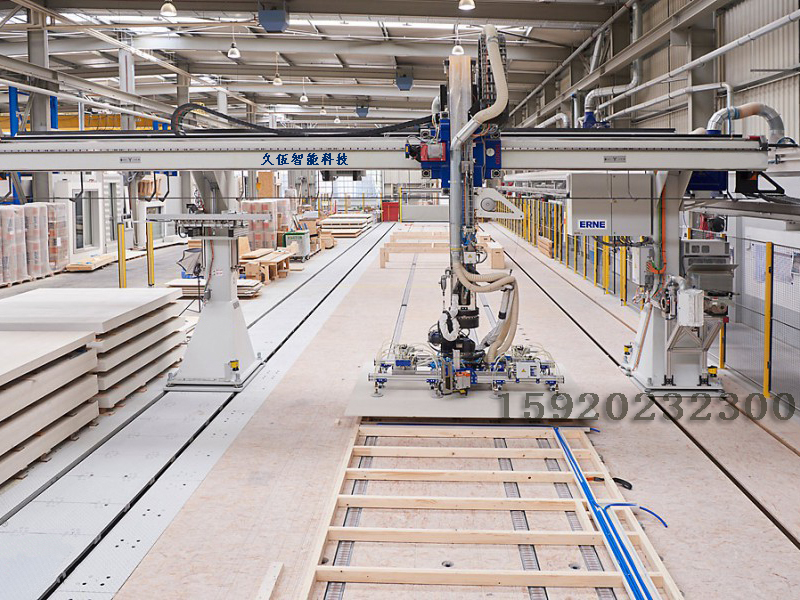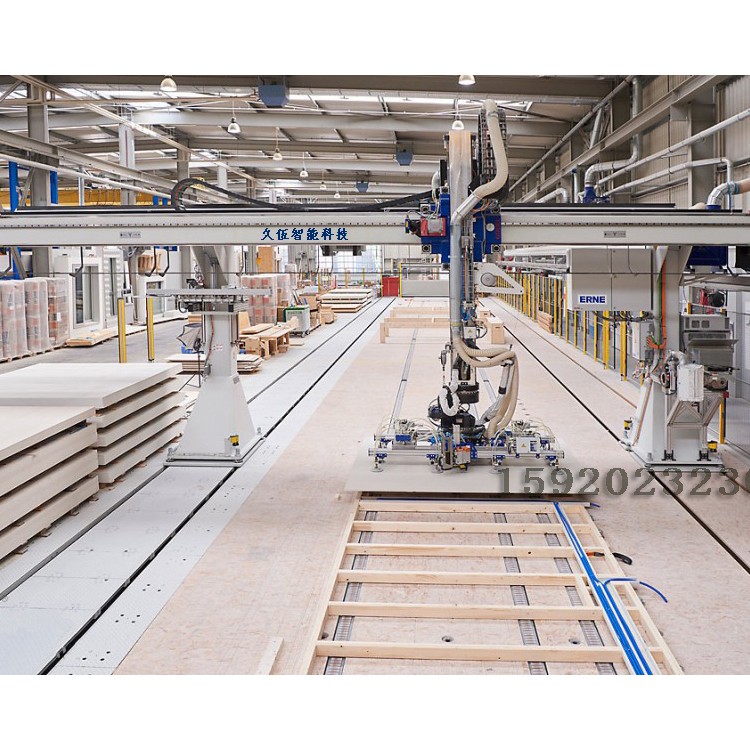

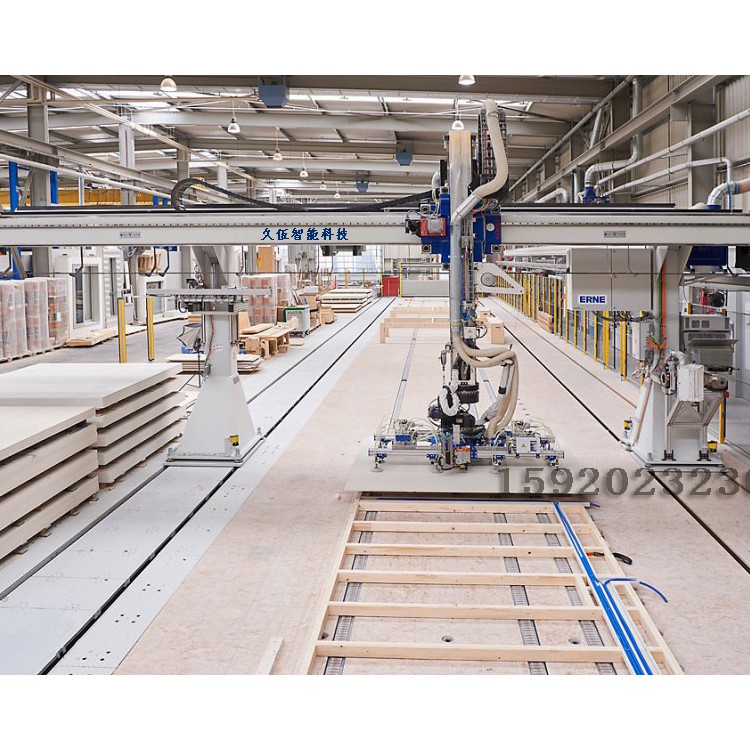
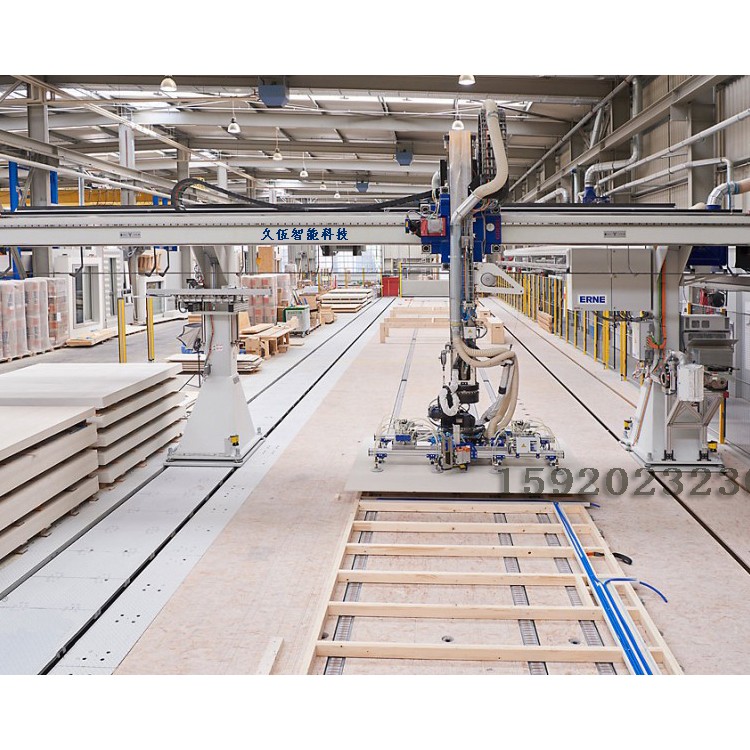
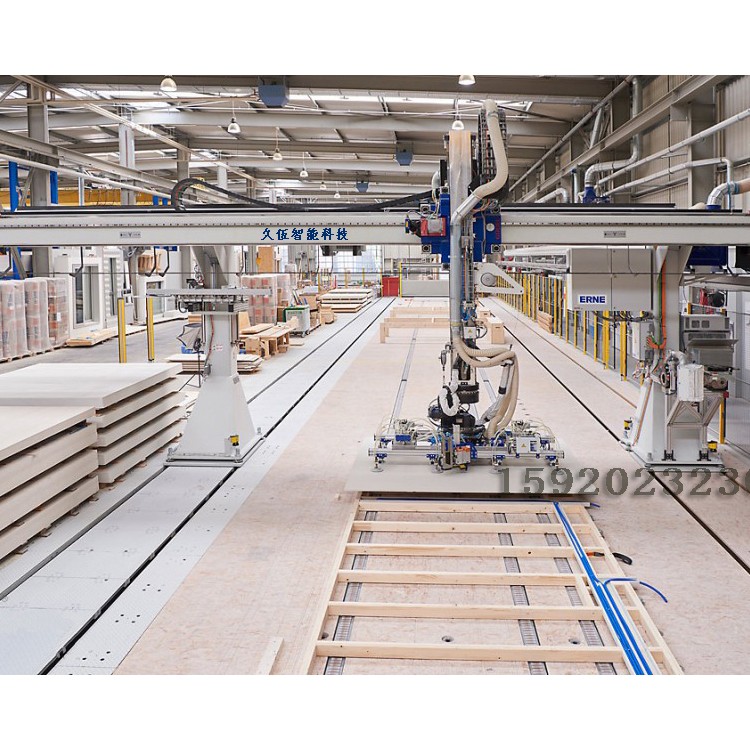












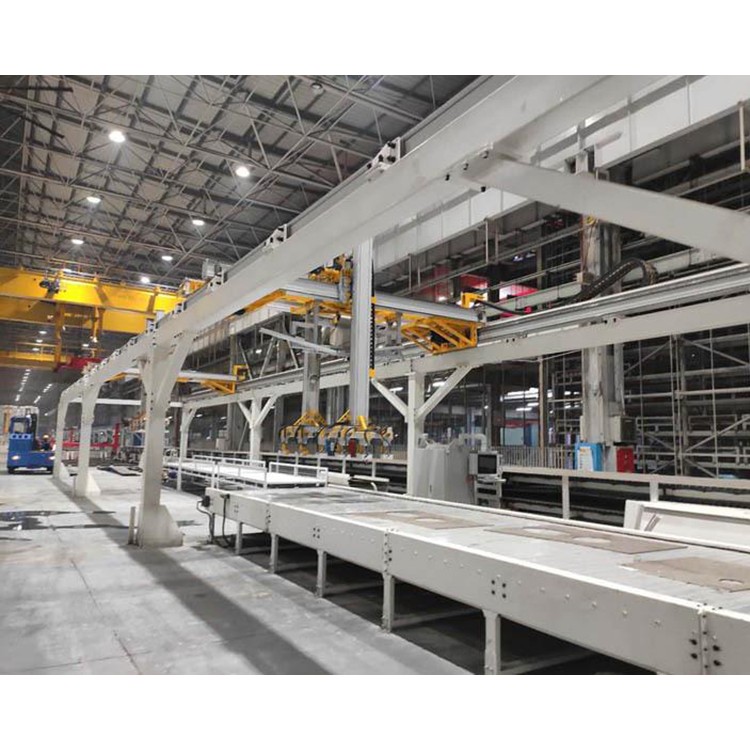
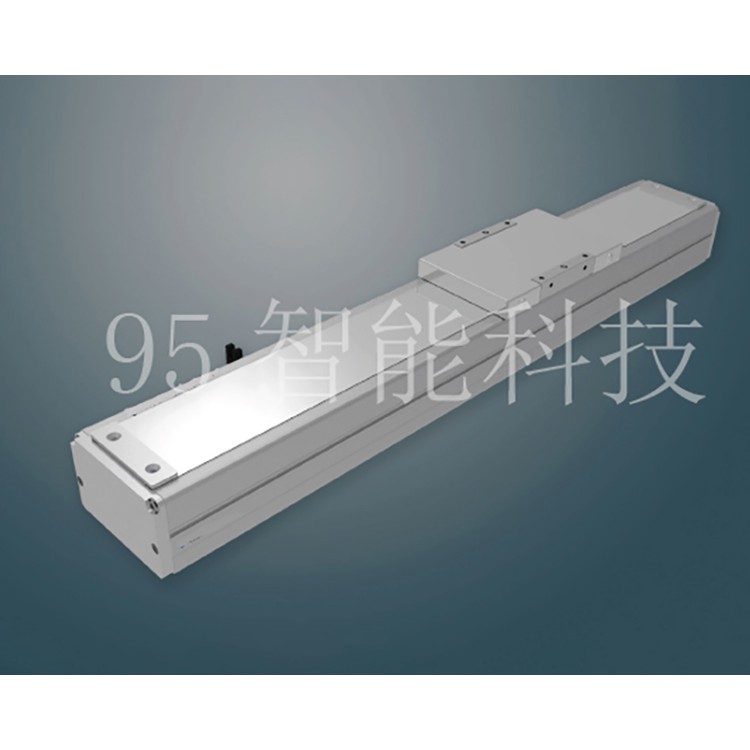
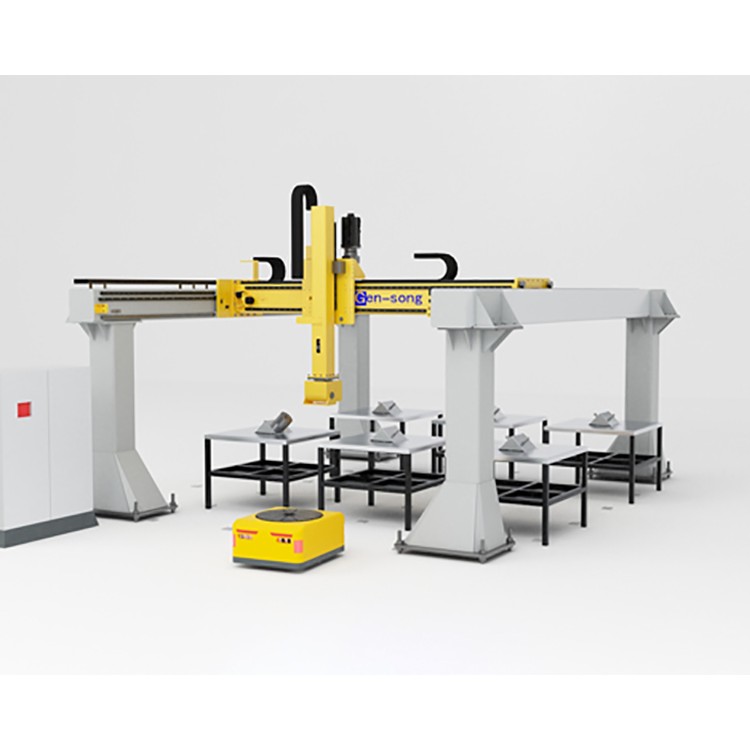
A heavy-duty gantry truss is a structural framework designed for carrying and moving heavy materials or equipment, widely used in industrial manufacturing, warehousing logistics, and construction projects. Its design typically employs large steel or aluminum alloy components, effectively withstanding various forces through the truss structure, ensuring stability and safety under extreme conditions.
The basic structure of the heavy-duty gantry truss consists of the upper beam, side columns, and bottom supports. A significant feature of this structure design is its "gantry" shape, which provides an open workspace for the free movement of heavy items. The beams are typically equipped with electric hoists or other lifting devices, facilitating the easy lifting and moving of heavy loads. The columns are reinforced to ensure the gantry's compressive and bending resistance, thereby enhancing its load-bearing capacity.
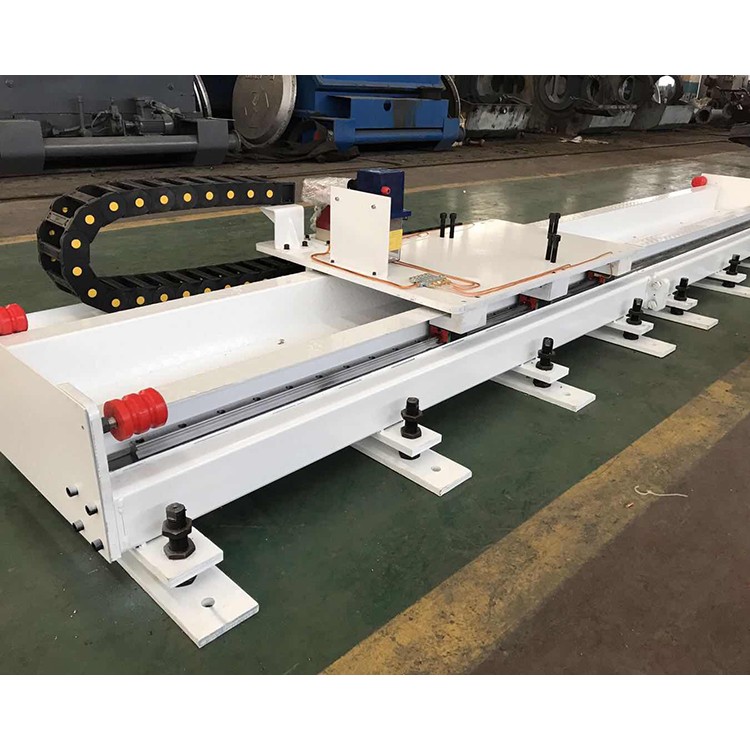
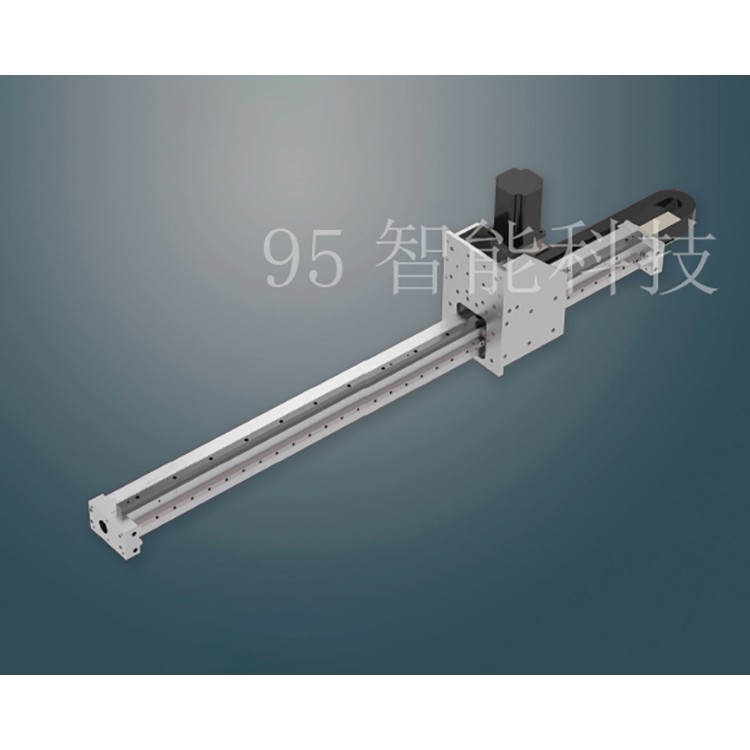
In the drive system, heavy-duty gantry girders are typically equipped with efficient electric motors and reducers to move the beam between columns. Generally, the movement can be achieved using a wheel-rail system or a guide rail system to enhance the smoothness and precision of the movement. The control system of heavy-duty gantry girders is also becoming increasingly intelligent, allowing operators to program the equipment via a remote control or computer, ensuring precise control and safe handling of materials.
The main application fields of heavy-duty gantry trusses include loading and unloading of heavy machinery, material handling in steel mills, and heavy lifting on construction sites. In these scenarios, heavy-duty gantry trusses can bear loads of several to even ten or more tons, enhancing work efficiency on one hand and reducing safety risks associated with manual labor on the other.
In addition to its basic functions, the heavy-duty gantry truss features some additional characteristics. Due to its open structure, it can easily be integrated with other equipment (such as conveyors, cranes), enhancing the automation level of the entire production line. Moreover, the design of the heavy-duty gantry truss also takes into account adaptability to various working conditions. It can be customized according to actual needs, such as adding wind and rain resistance features, ensuring reliability in complex environments.
Overall, heavy-duty gantry beams play a crucial role in modern industrial production due to their strong load-bearing capacity and flexible usage. With continuous technological advancements, future heavy-duty gantry beams will become more intelligent and efficient to meet a wider range of industrial demands, creating greater value for businesses.