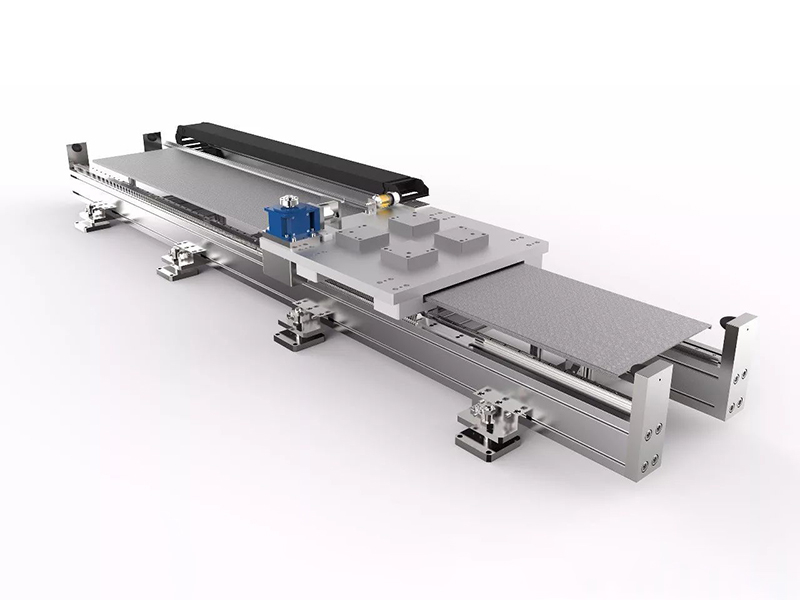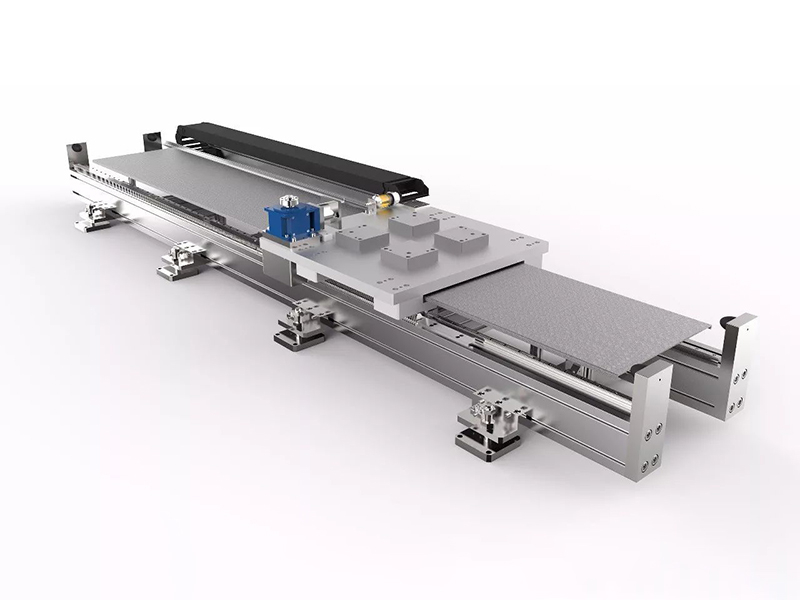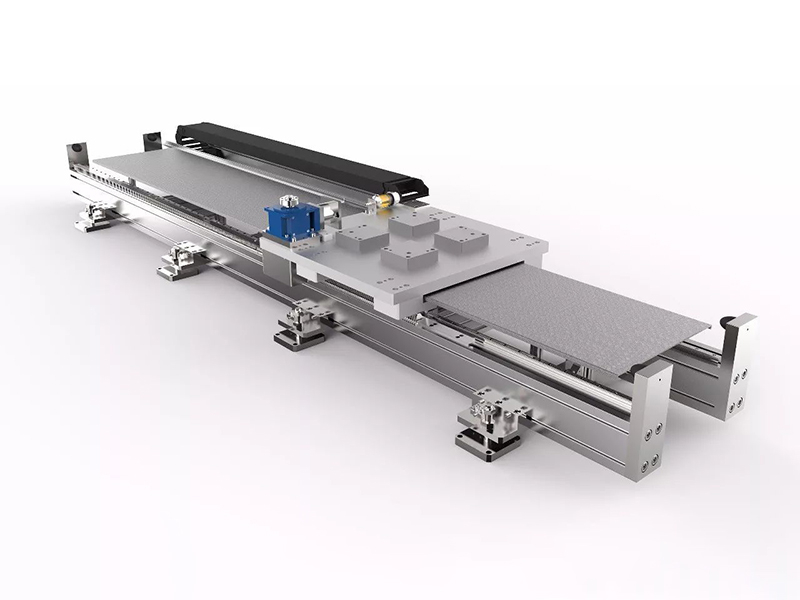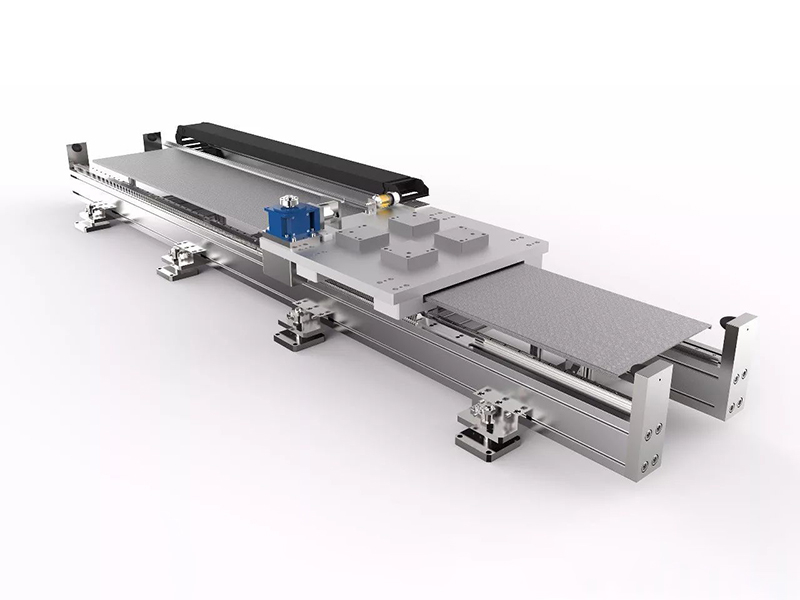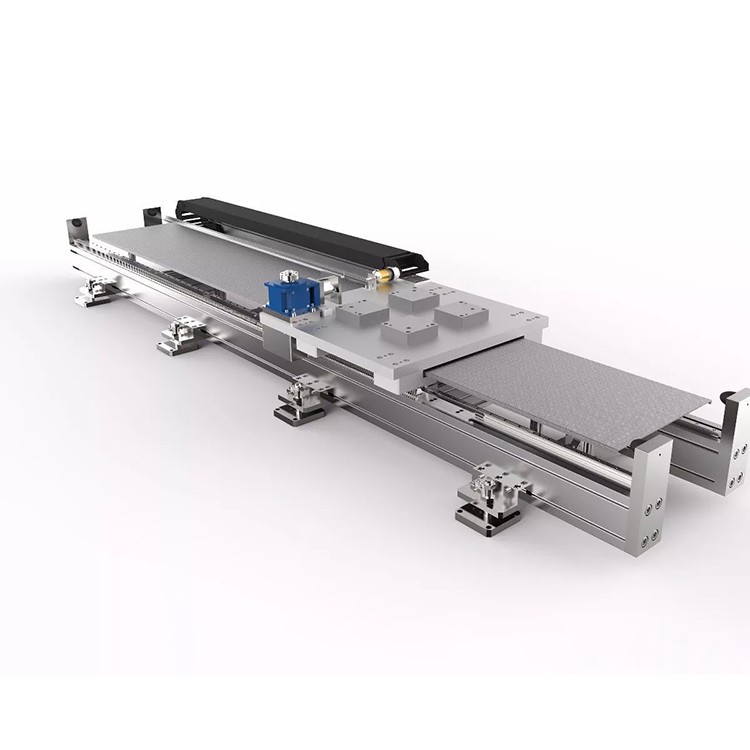

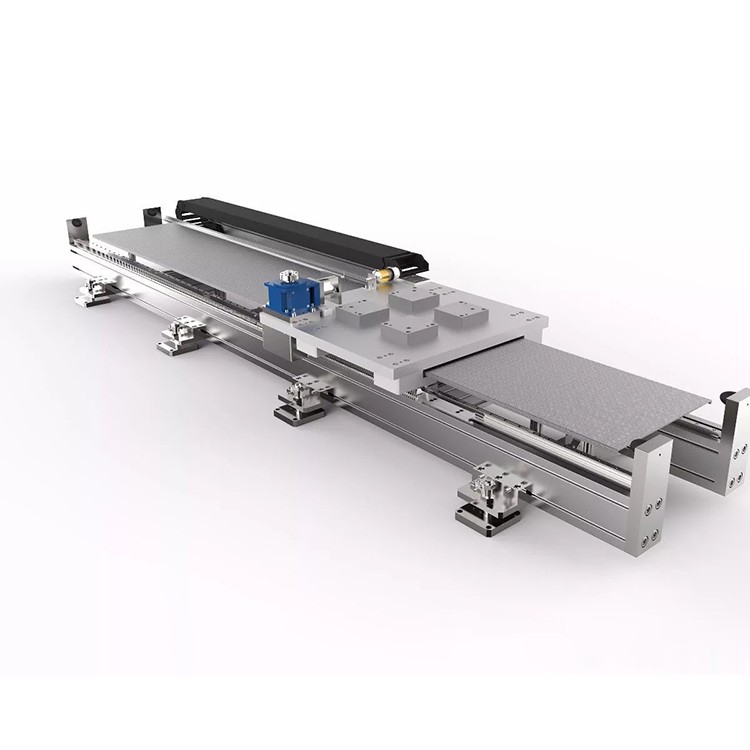
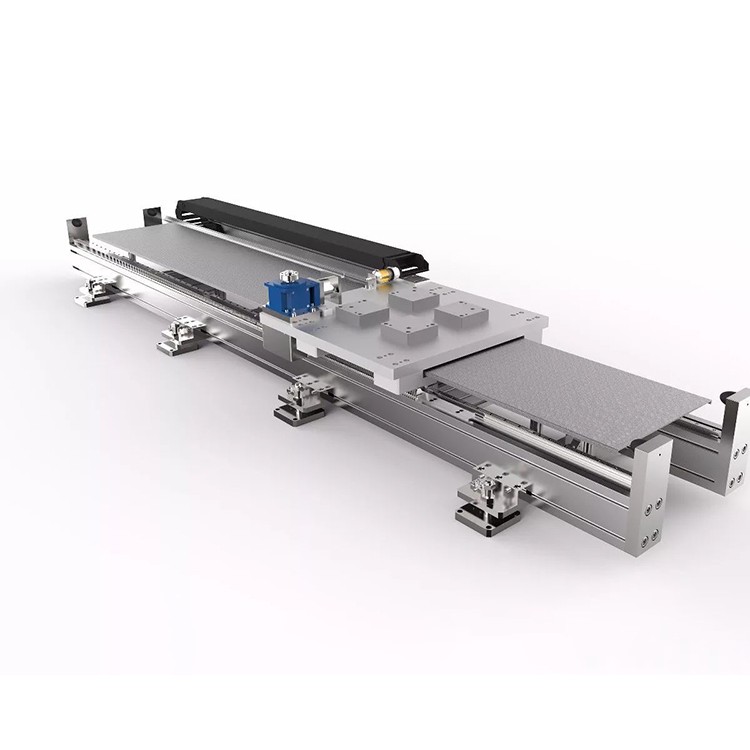
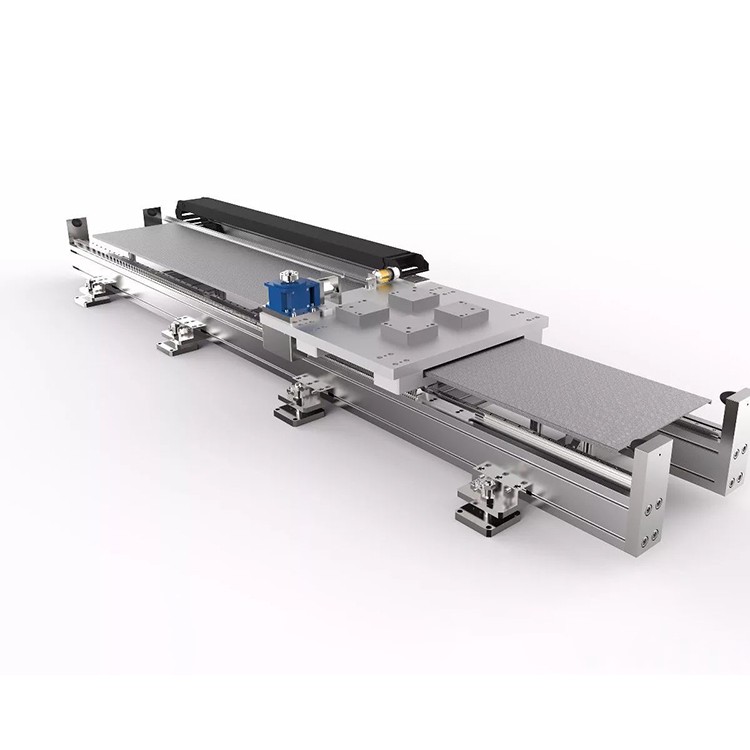












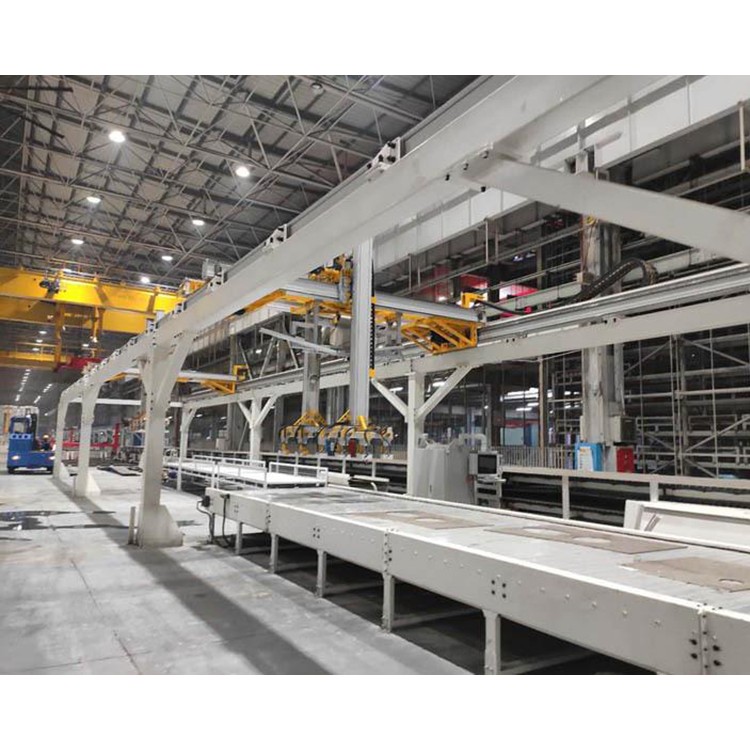
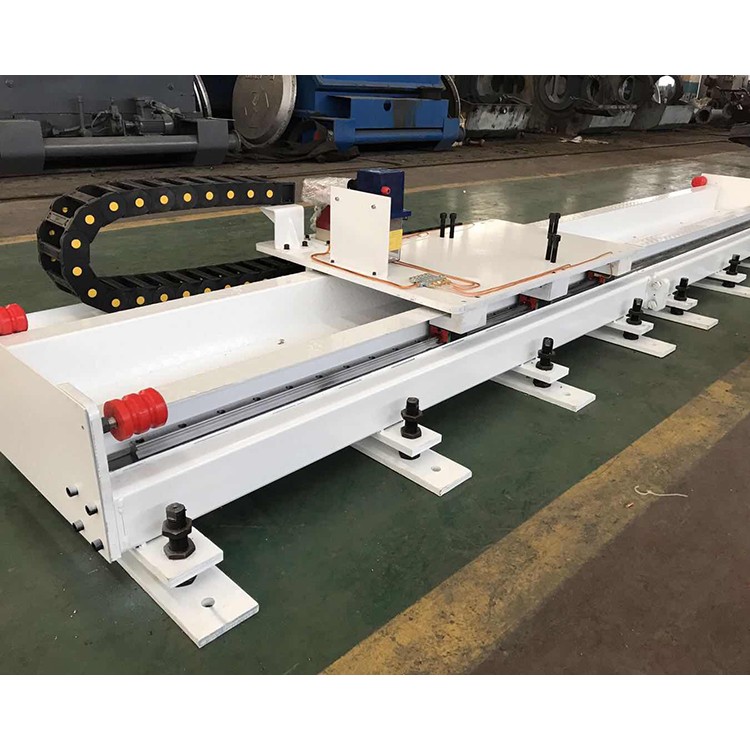
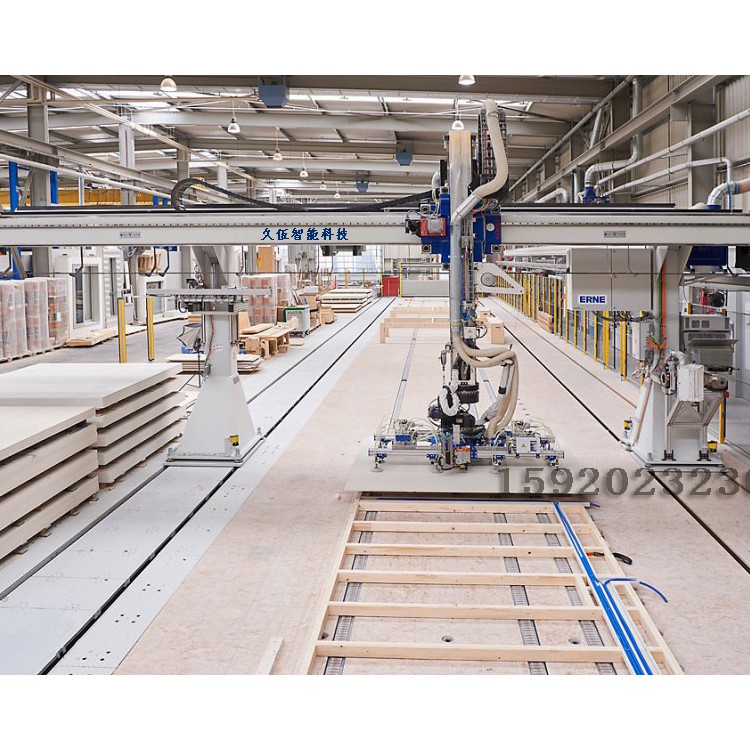
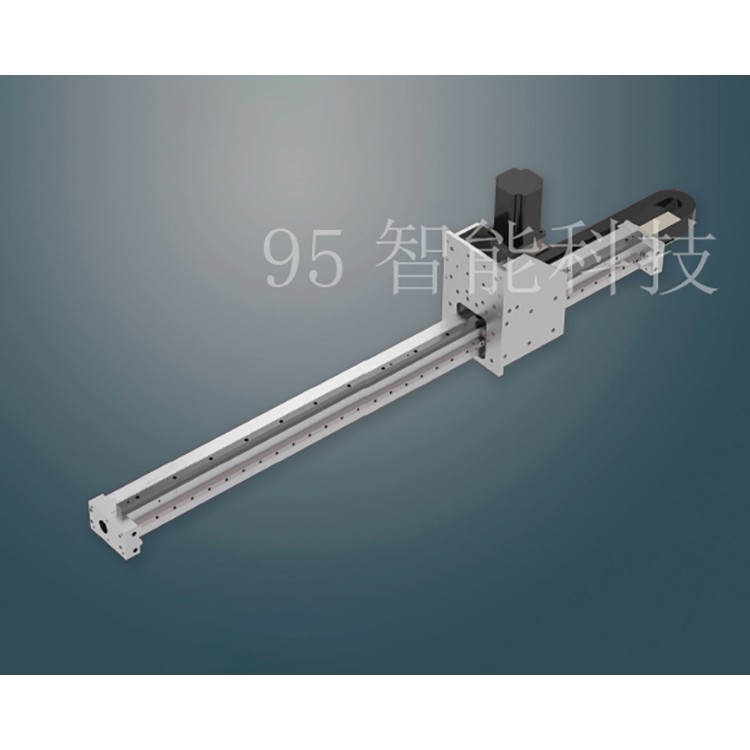
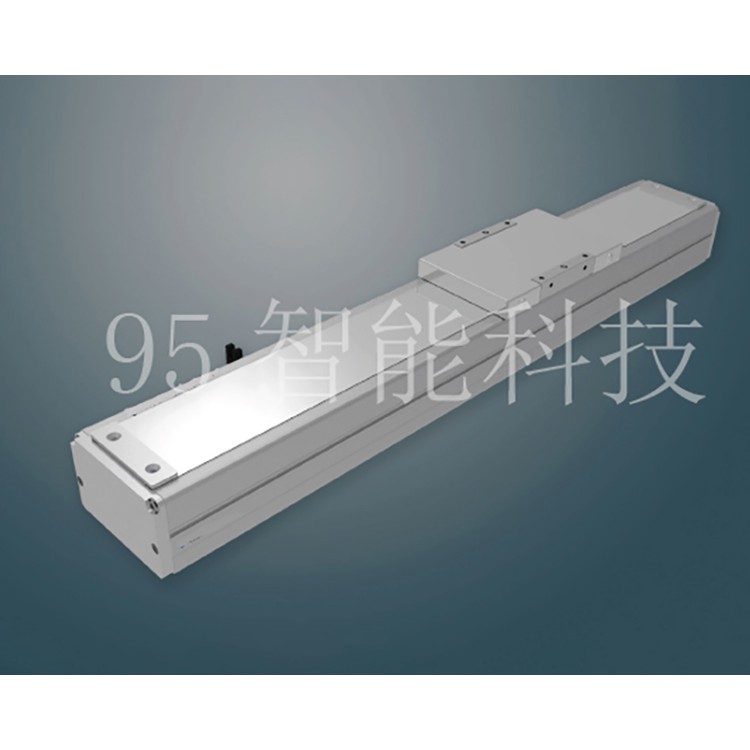
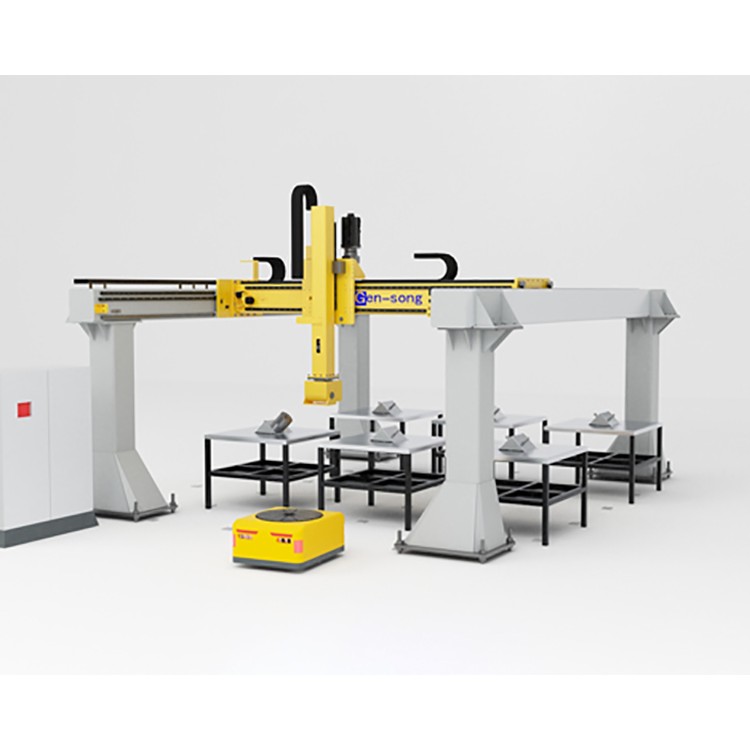
Walking rail is a crucial component in track engineering, widely used in various industrial equipment and transportation systems, such as automated storage and retrieval systems, bridge cranes, and warehousing equipment. Its primary function is to provide a stable walking path for moving equipment, ensuring smooth and safe operation.
The construction of walking rail systems is typically made from steel or other high-strength materials, offering high load-bearing capacity and wear resistance. The shape and size of the tracks are determined by specific application requirements, commonly utilizing U-shaped, square, or round track forms to accommodate various walking equipment. The design of walking tracks must consider the weight of the equipment, operating speed, and environmental conditions to ensure they do not deform or break under prolonged use.
During use, the walking track requires regular maintenance to ensure proper function. Maintenance tasks include cleaning the track, inspecting wear, and lubricating the contact surfaces between the track and wheels. These measures can effectively extend the lifespan of the walking track, reduce failure rates, and ensure safe operation of the equipment.
Trolley tracks are widely used in various industries. In manufacturing, especially in sectors like automotive, electronics, and mechanical manufacturing, trolley tracks are a crucial component for automated production. They not only enhance production efficiency but also reduce labor costs and operational risks. In the logistics industry, trolley tracks are used for rapid and precise material handling, particularly in large-scale warehouses and distribution centers, significantly improving efficiency.
With technological advancements, the design and materials of walking tracks are constantly being innovated. For instance, using new alloy materials and surface treatment technologies can enhance the wear resistance and corrosion resistance of the tracks, thereby adapting to more severe working conditions. Additionally, the introduction of intelligent monitoring systems has made the monitoring and maintenance of walking tracks more efficient and convenient.
In summary, as an infrastructure, the walking rail system plays a crucial role in modern industries and logistics. Its scientific and intelligent design, manufacturing, and maintenance can better meet corporate demands for efficiency, safety, and reliability, driving continuous industry development.