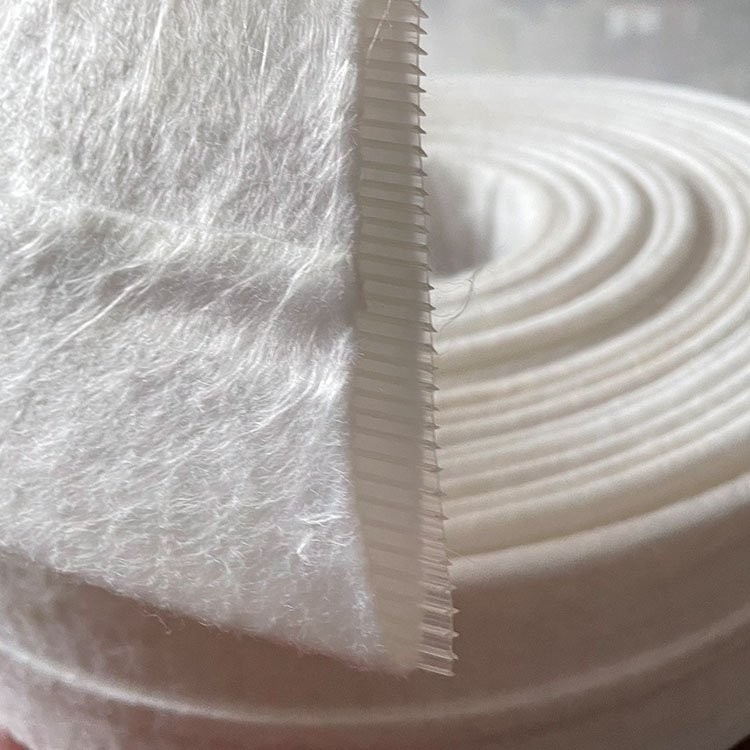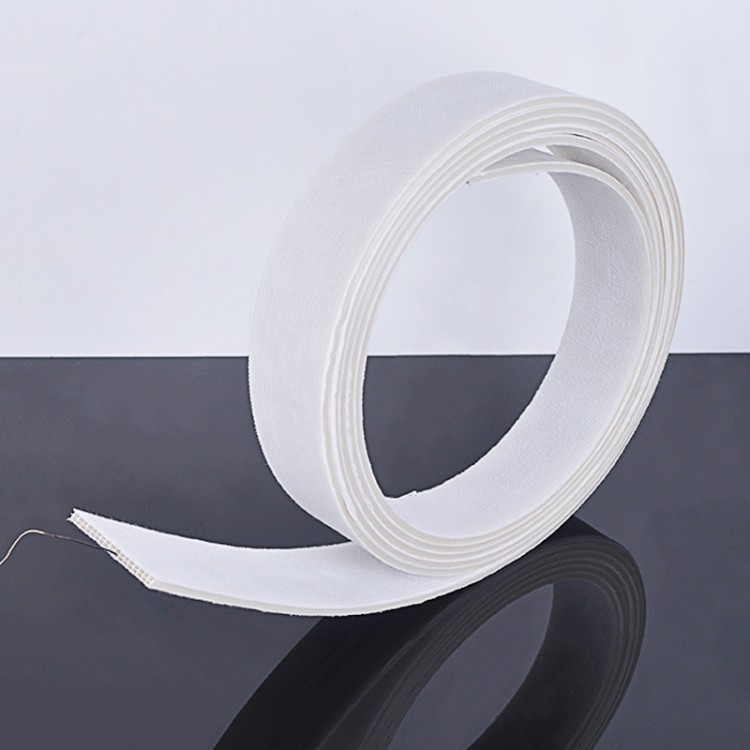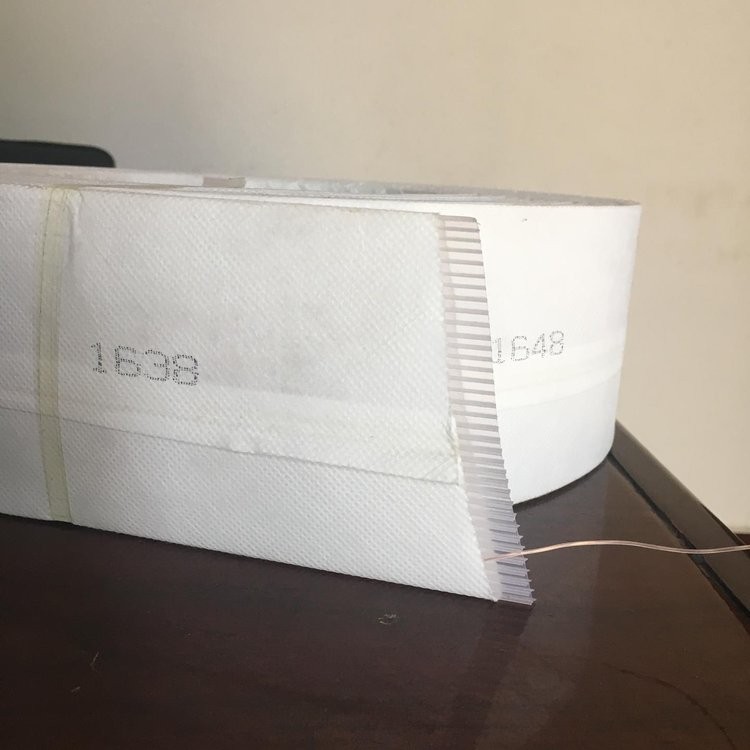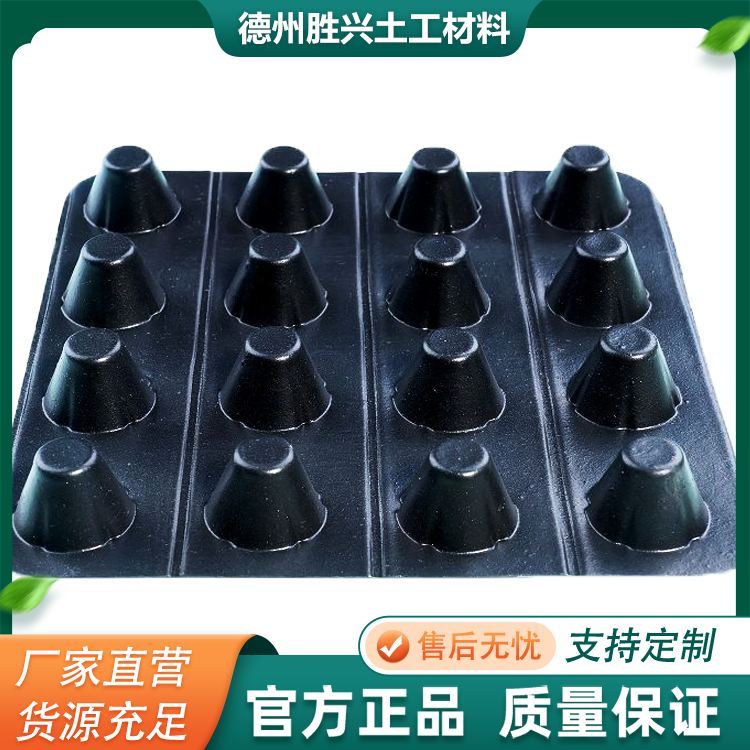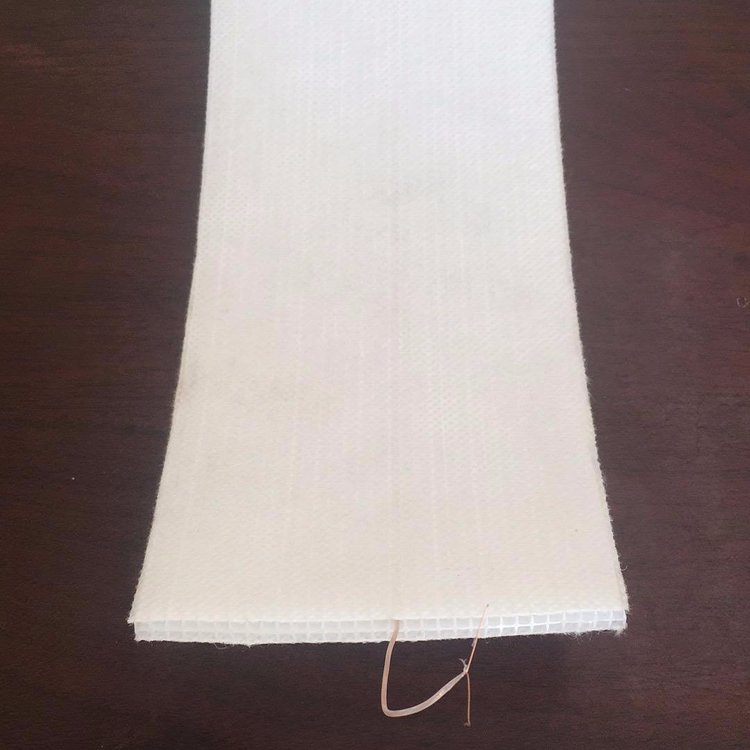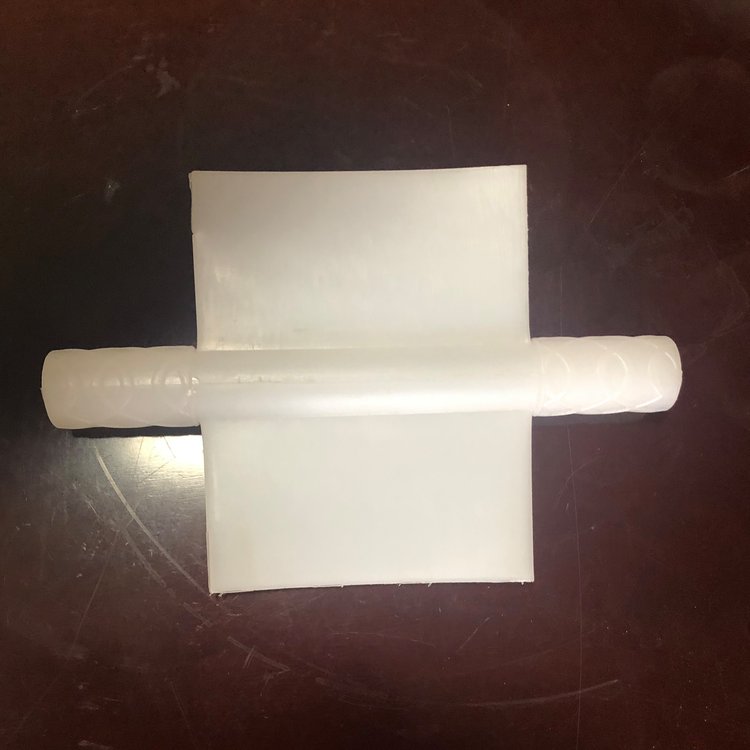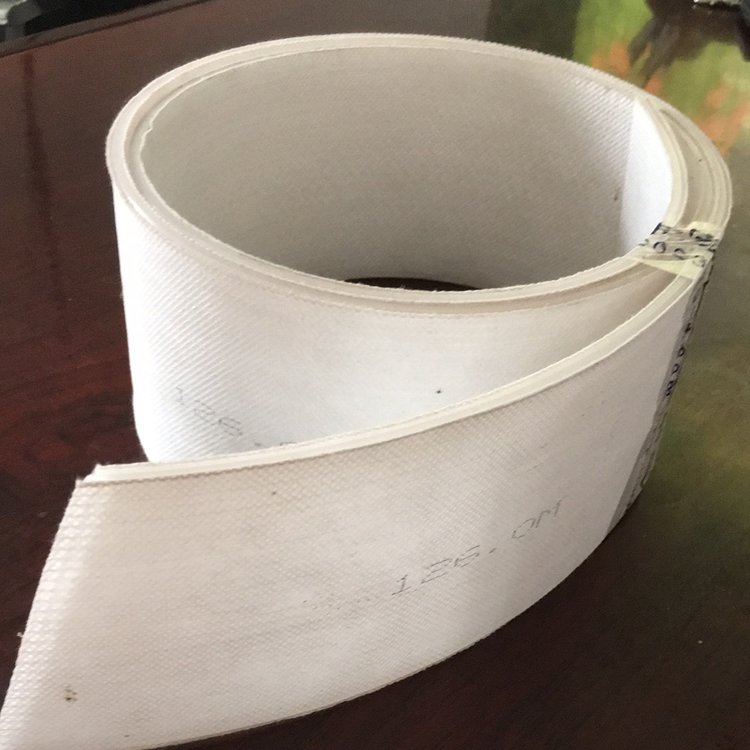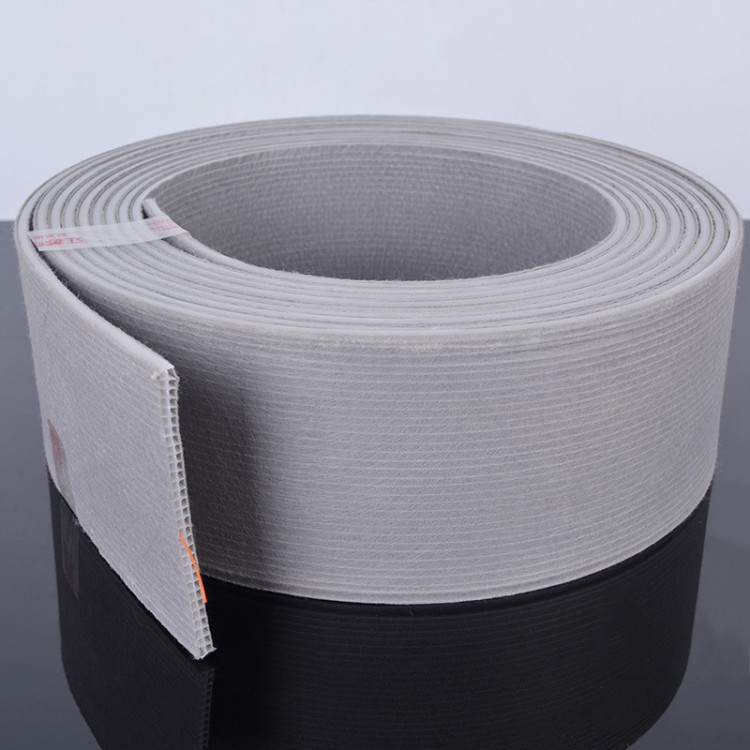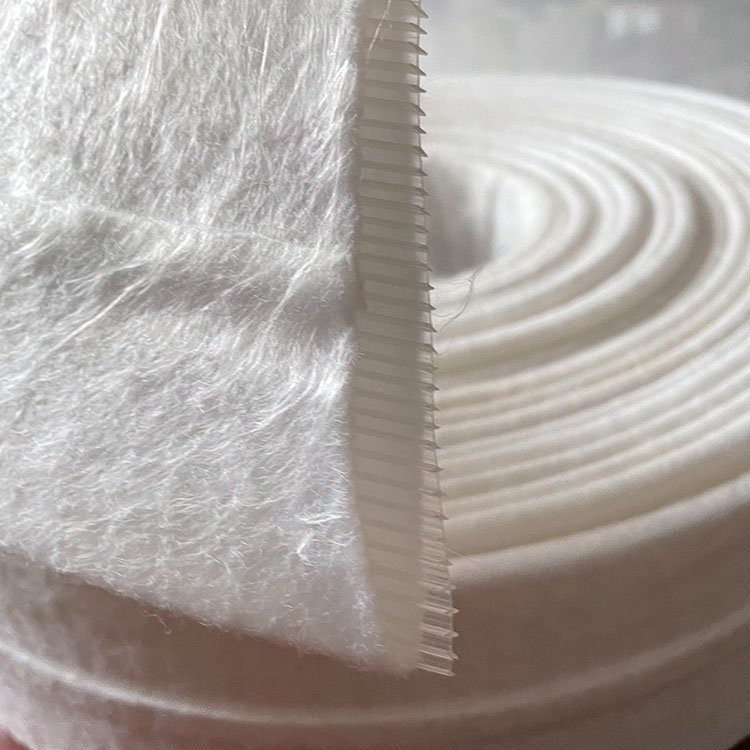

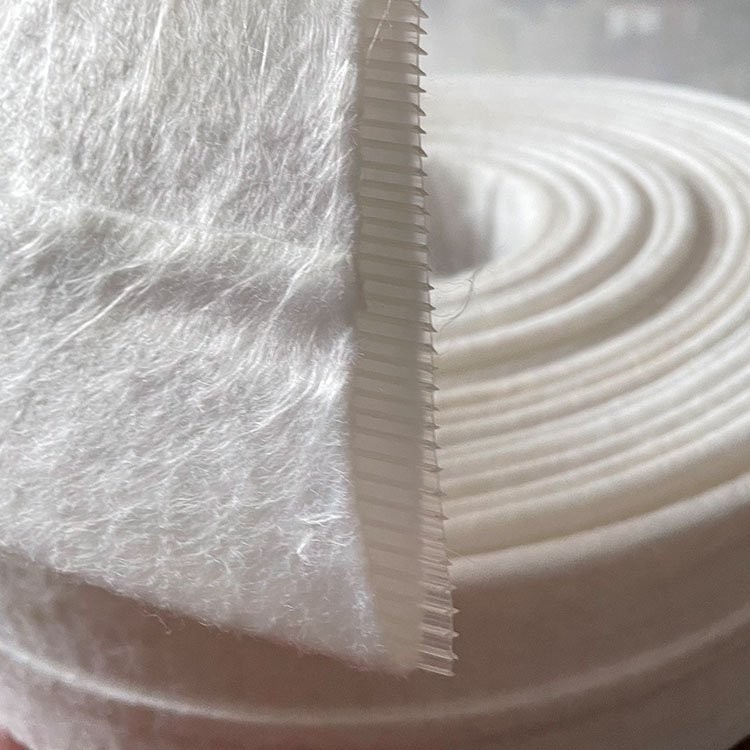
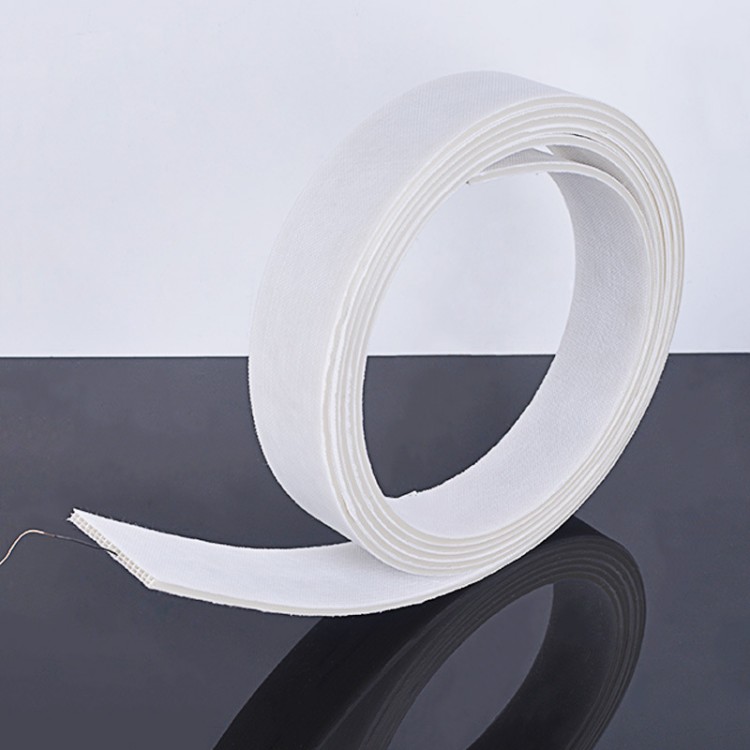
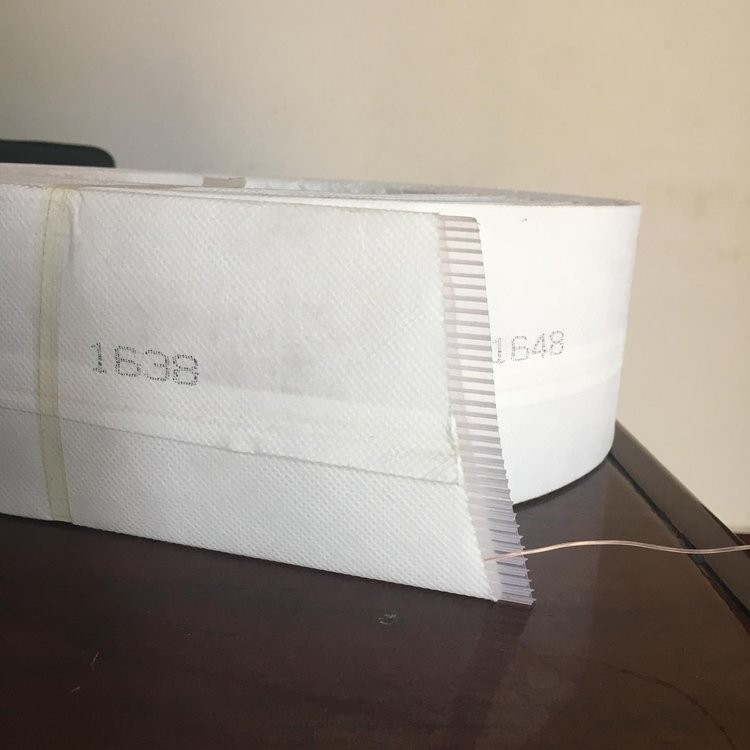


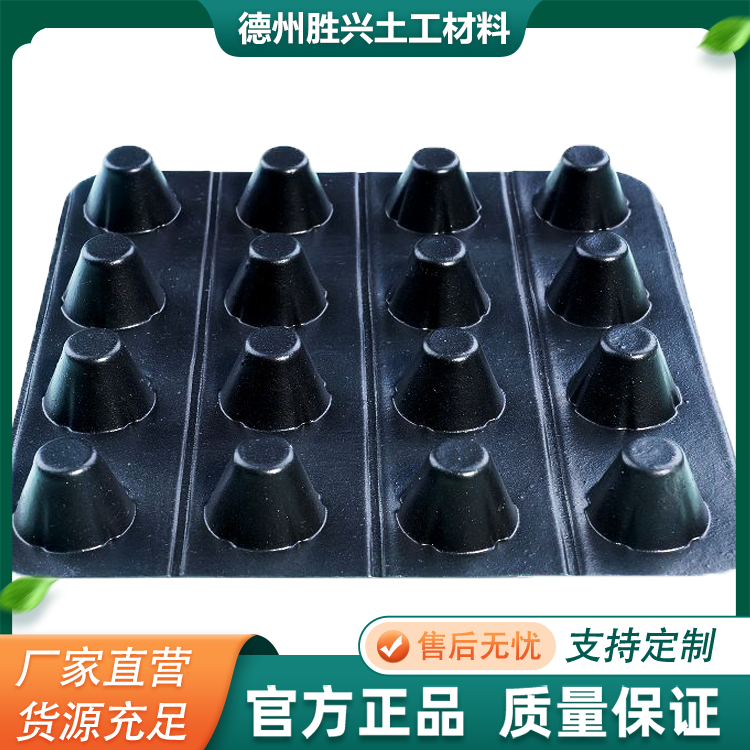








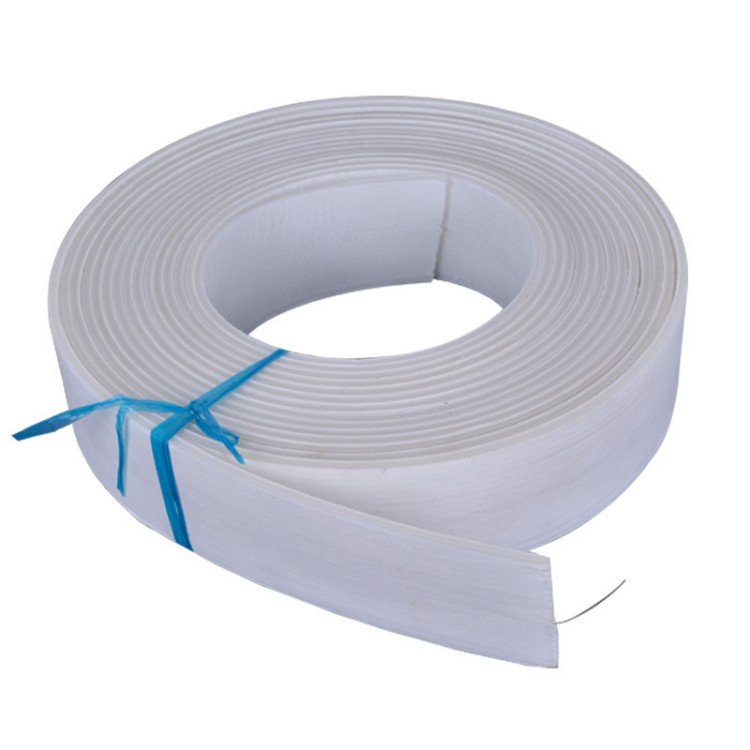
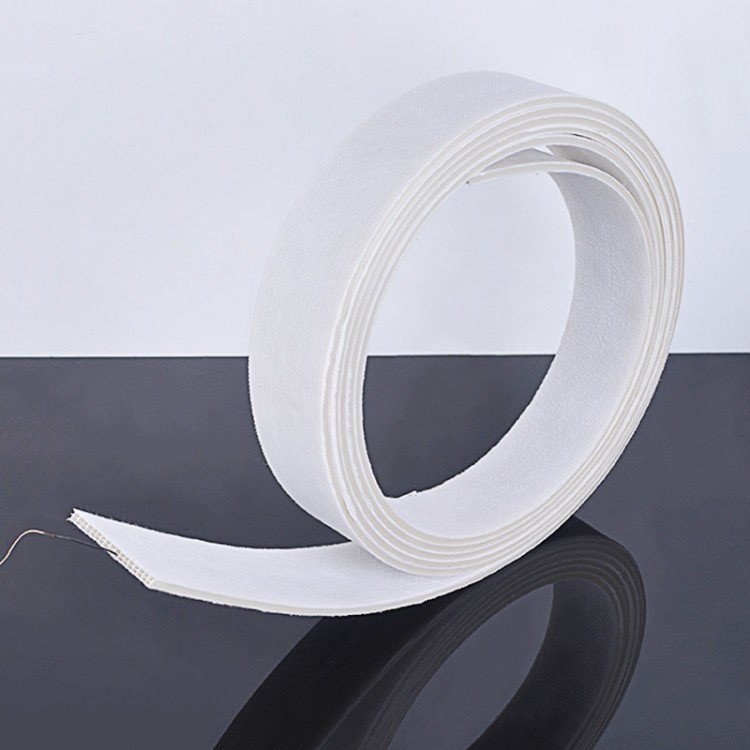
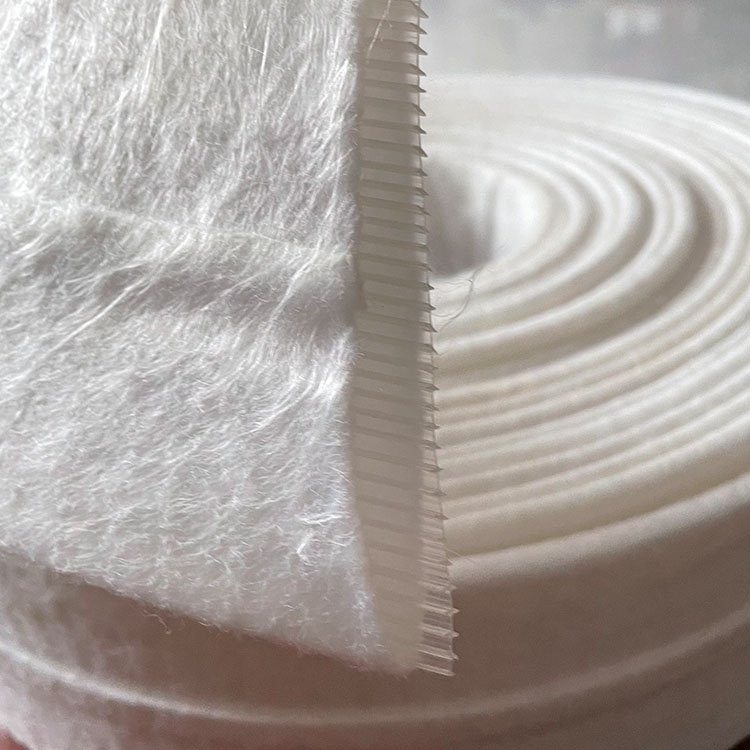
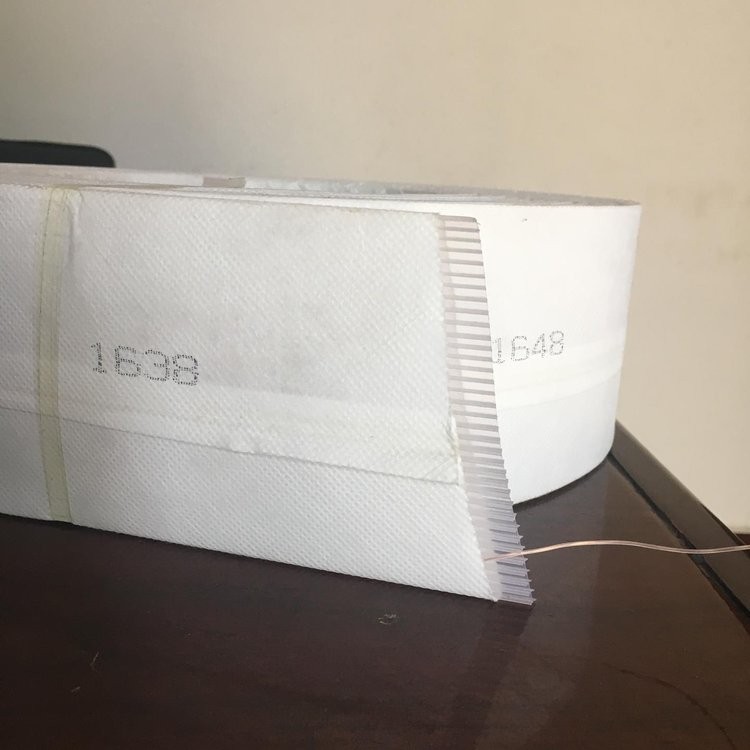
Measurable Depth Plastic Drainage Board
1. Depth-measuring plastic drainage boards with excellent water filtration, ensuring smooth drainage and guaranteed drainage effectiveness.
2. The plastic drainage board materials with measurable depth feature excellent strength and ductility, capable of accommodating ground deformation without affecting drainage performance.
3. The drainage panel cross-sectional dimensions are small, resulting in minimal disturbance to the foundation during the installation process.
4. Deep-measuring plastic drainage boards can be used for plate installation on ultra-soft soil foundations.
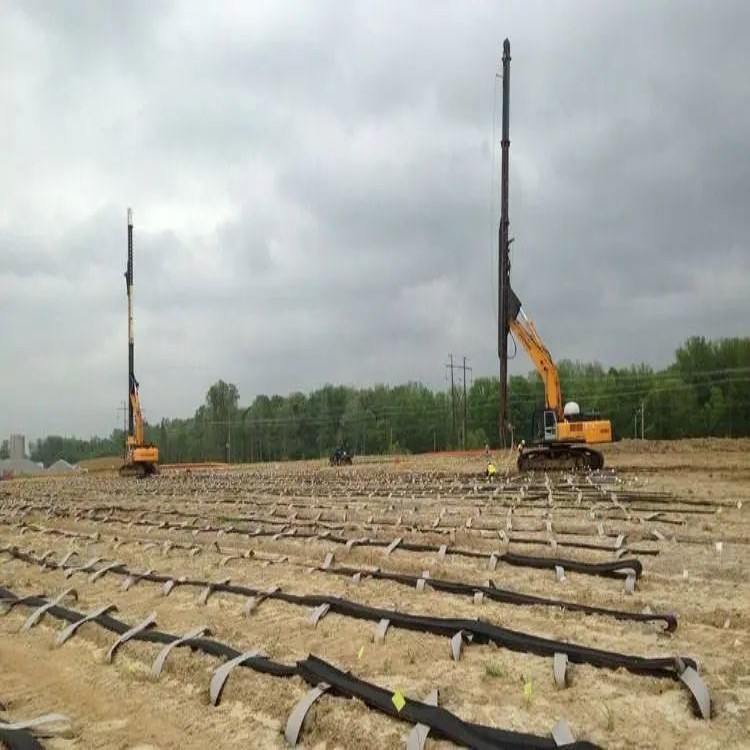
5. The depth-measurable plastic drainage boards are quick to install and have a short construction period. Each plate inserter can install over 15,000m of boards per day, with a lower cost than sandbag wells. When reinforcing deep soft soil foundations using drainage and consolidation methods, considering both technically and economically, the depth-measurable plastic drainage boards are nearly an economical, effective, and feasible solution. There are many types of depth-measurable plastic drainage boards, and as a standardized product, they are widely used.
Comprehensive specifications are clearly defined for the depth-measuring plastic drainage board, including its inspection performance and effects.
One, the plastic drainage board with measurable depth utilizes tensile index values, including core board at 1.7N2 and filter membrane at 0.44N2.
The elongation of the measurable deep plastic drainage mat is between 2% and 10%, not to be non-compliant with the standard.
Three, the tear resistance of the measurable depth plastic drainage strip should reach more than 300N (the actual tear resistance of SPB-1's filter membrane is 1340N).
Four, the permeability of the measurable depth plastic drainage board should be greater than or equal to 10-3 mL/s.
The resistance to deformation and soil retention of the measurable depth plastic drainage mat determines the permeability coefficient of the filter membrane to be not less than 4.2×10⁻⁴ cm/s.