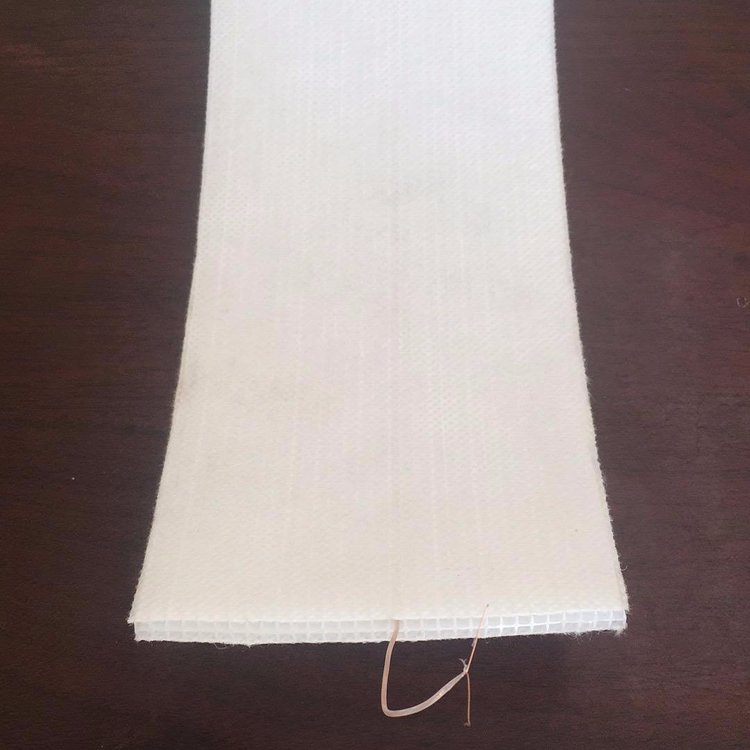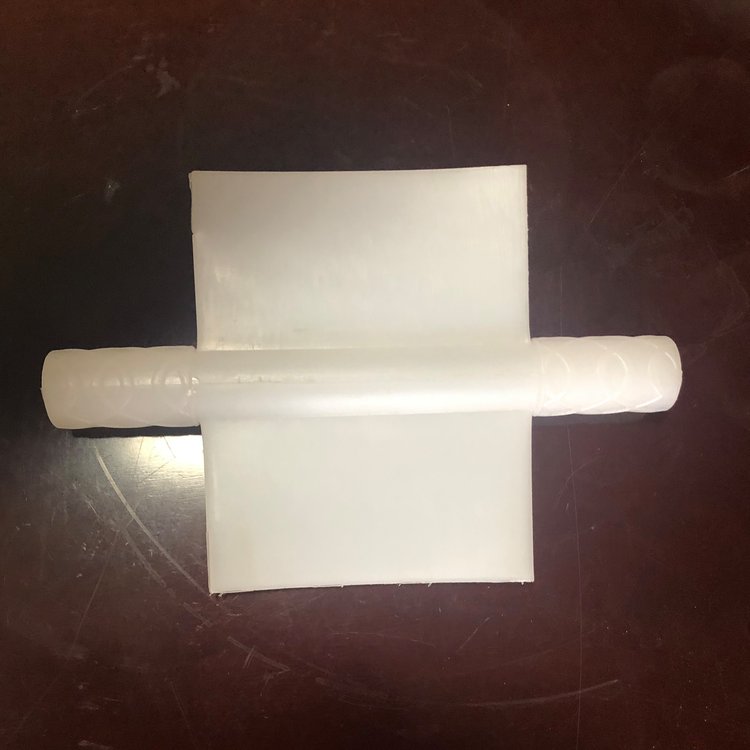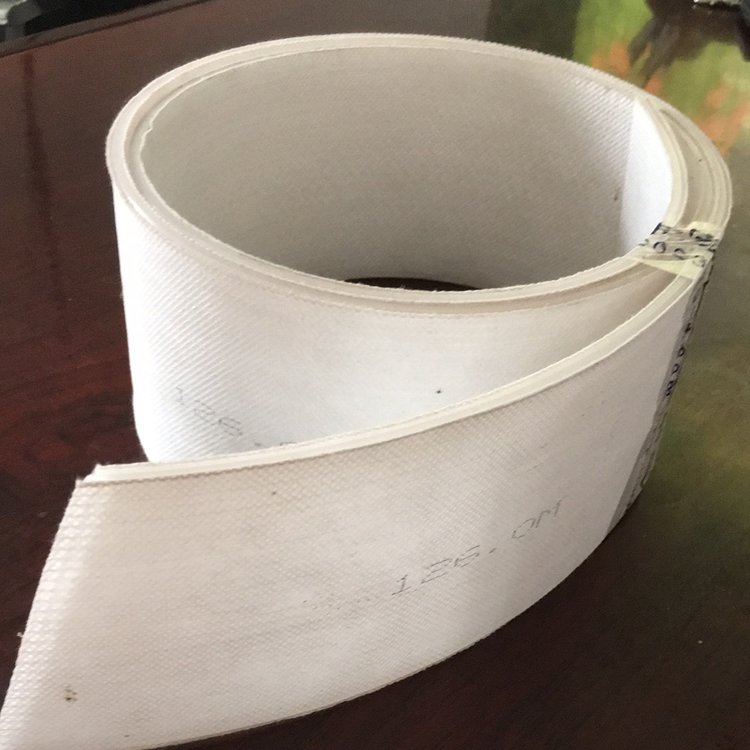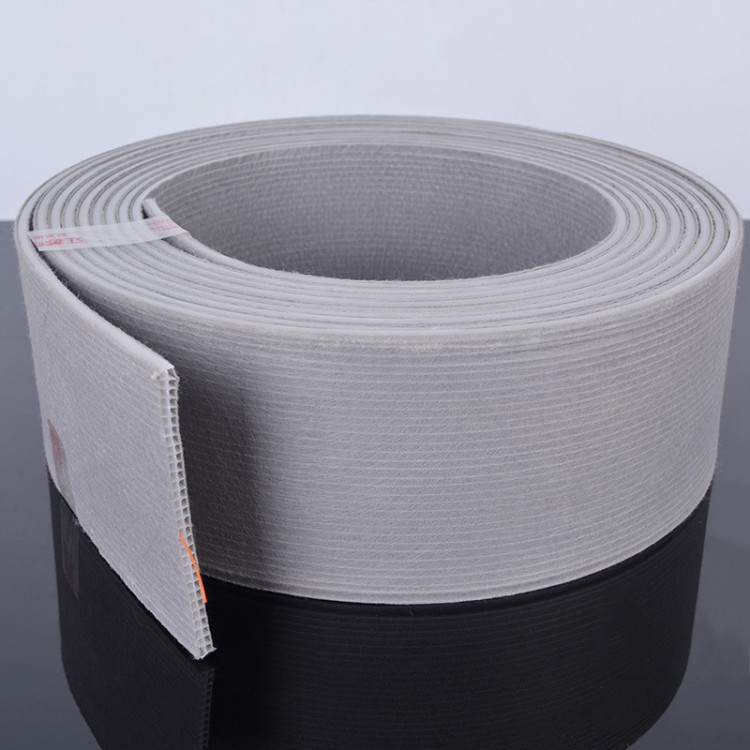











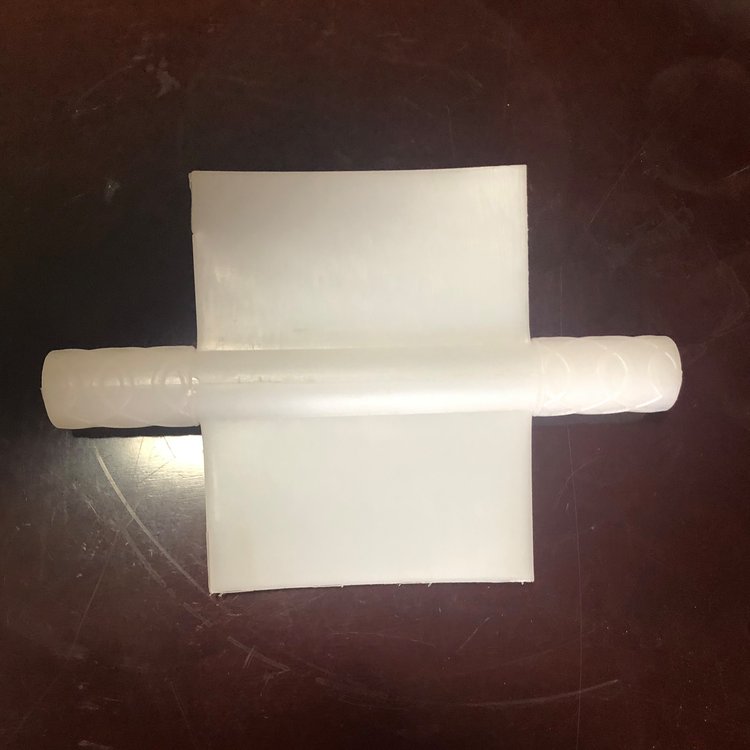
SPB-A Type Plastic Drainage Board
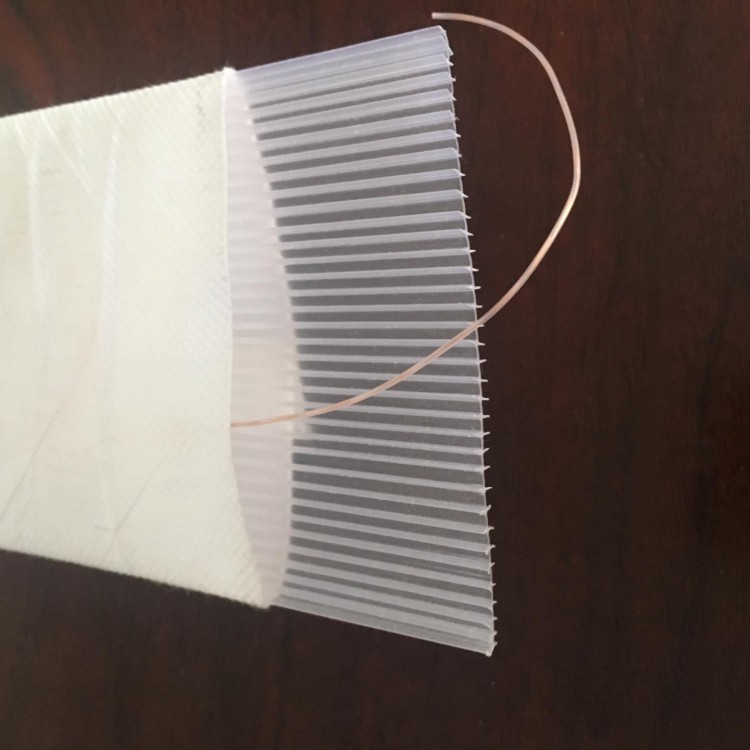
SPB-B Type Plastic Drainage Board
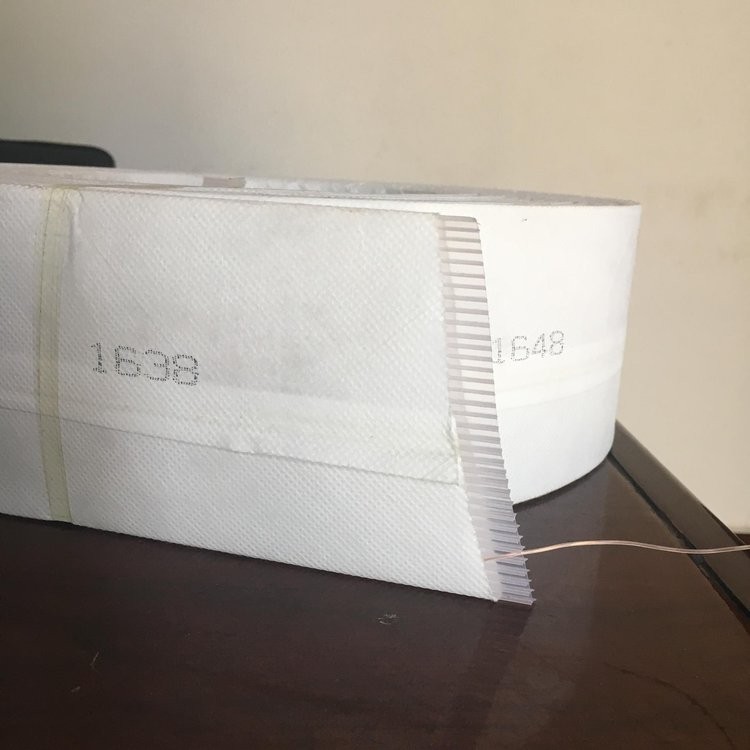
SPB-C Type Plastic Drainage Board
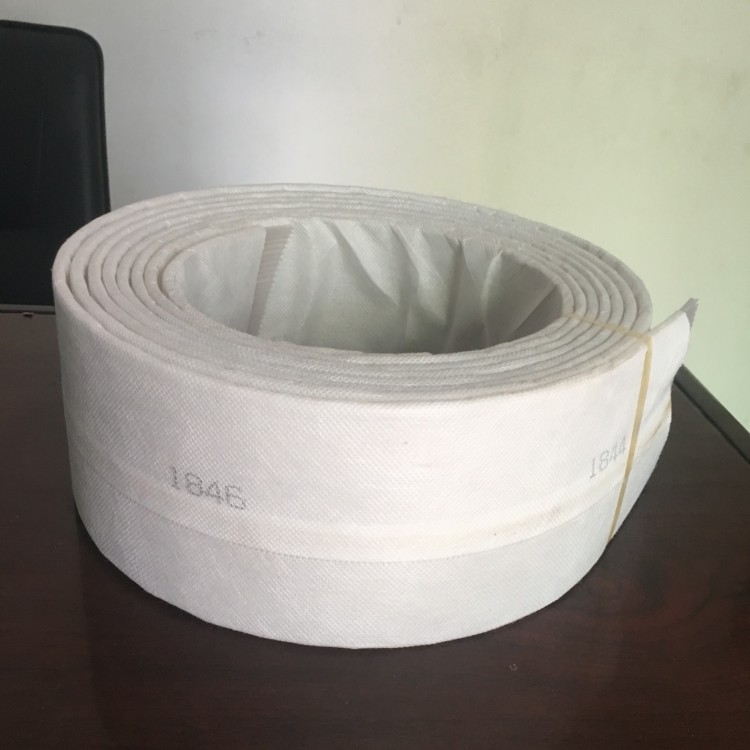
SPB-D Type Plastic Drainage Board
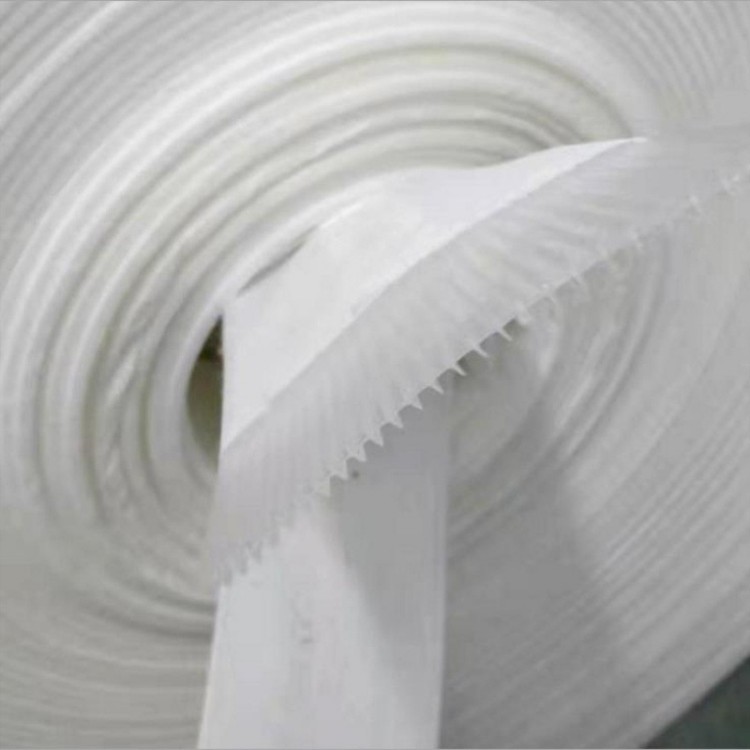
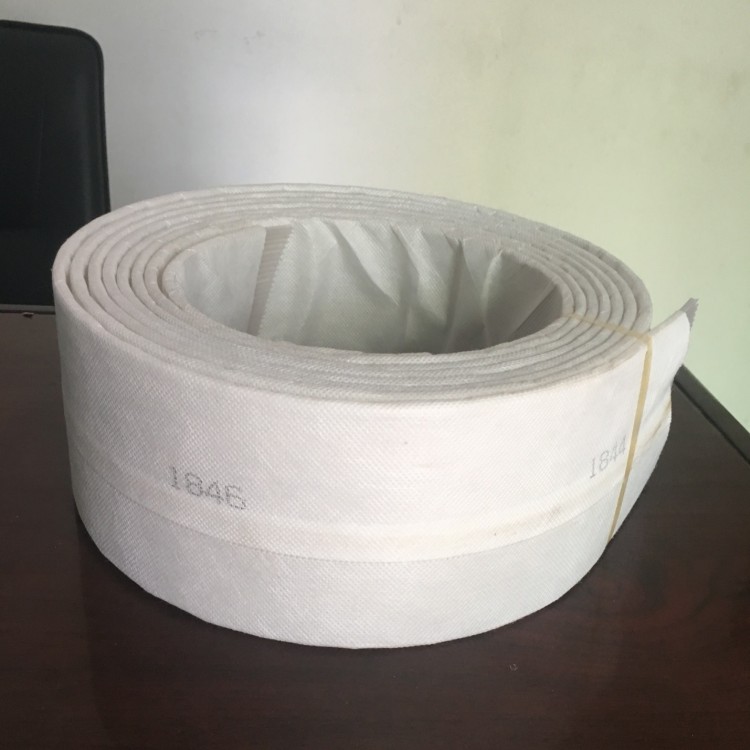
Anti-clogging plastic drainage belt
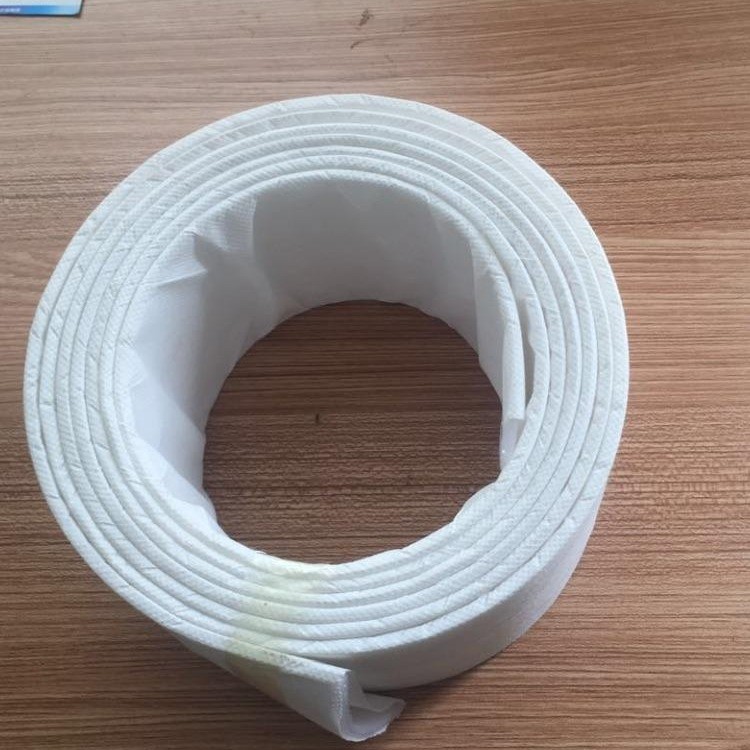
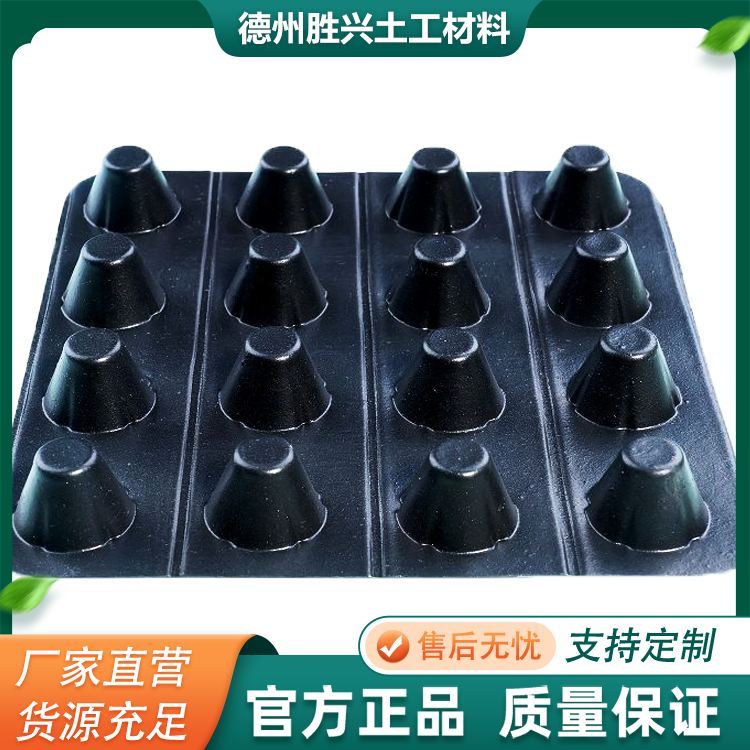
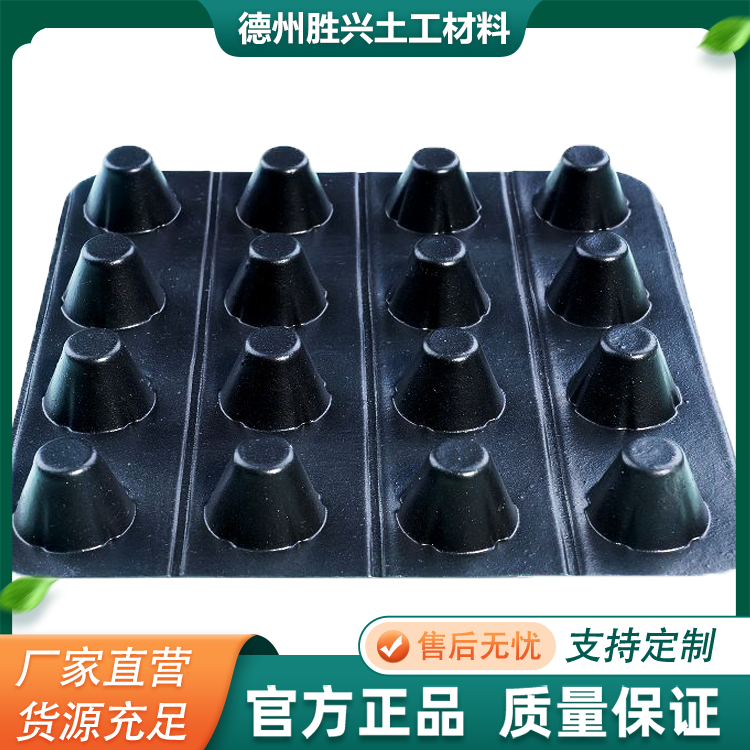
Plastic Drainage Board (Strip)
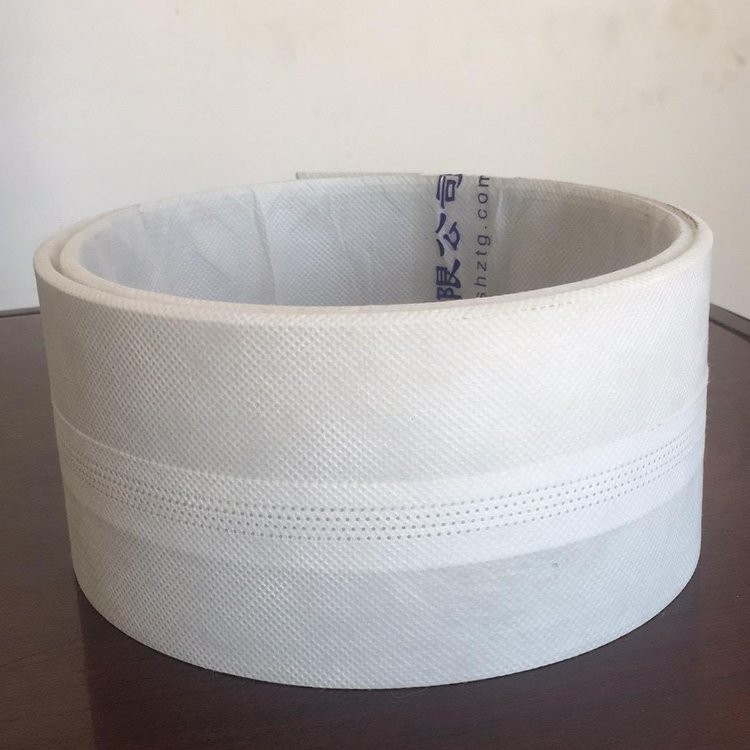
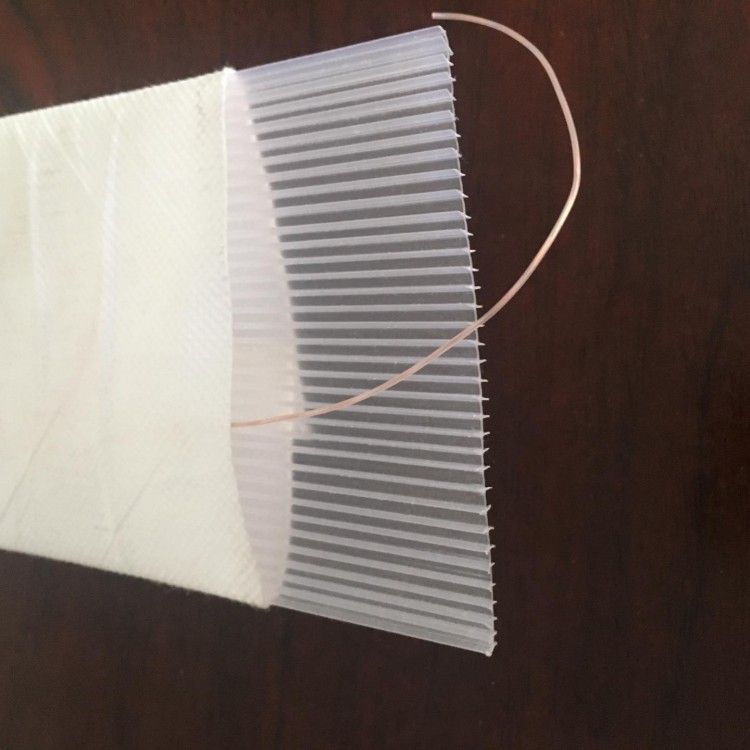
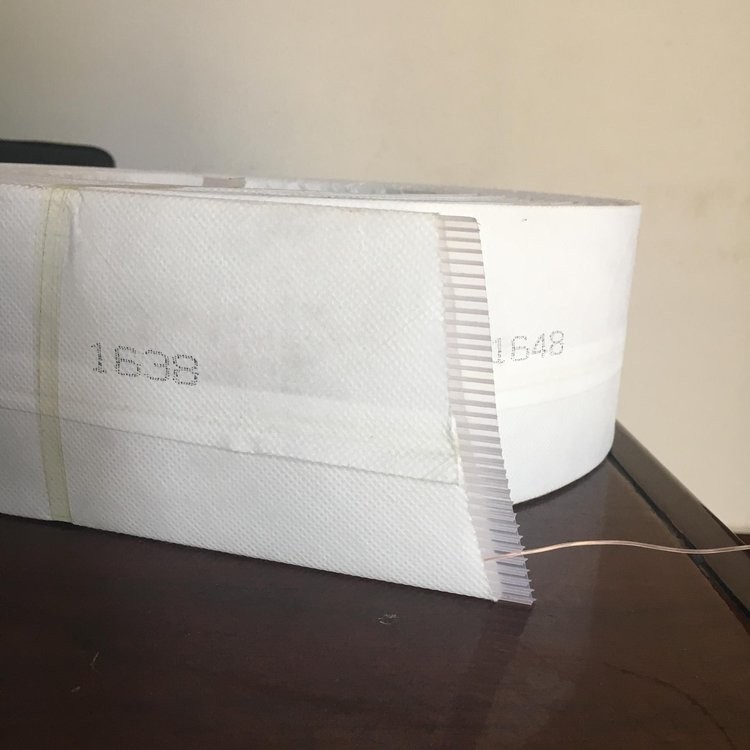
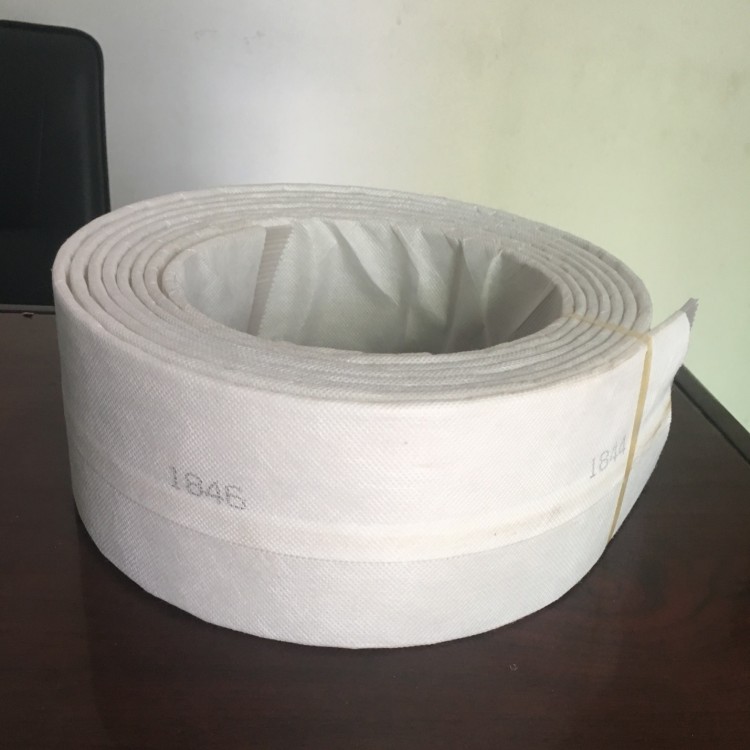
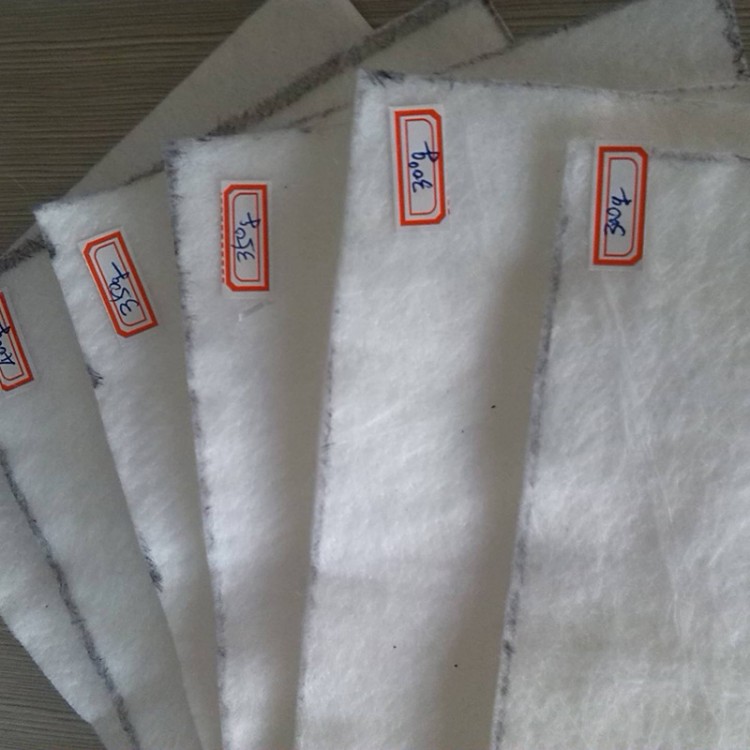
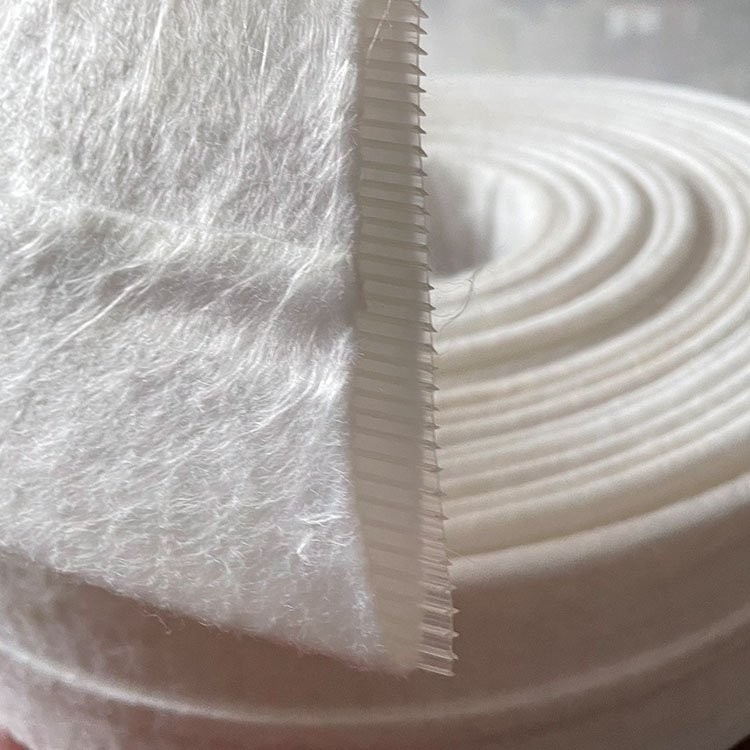
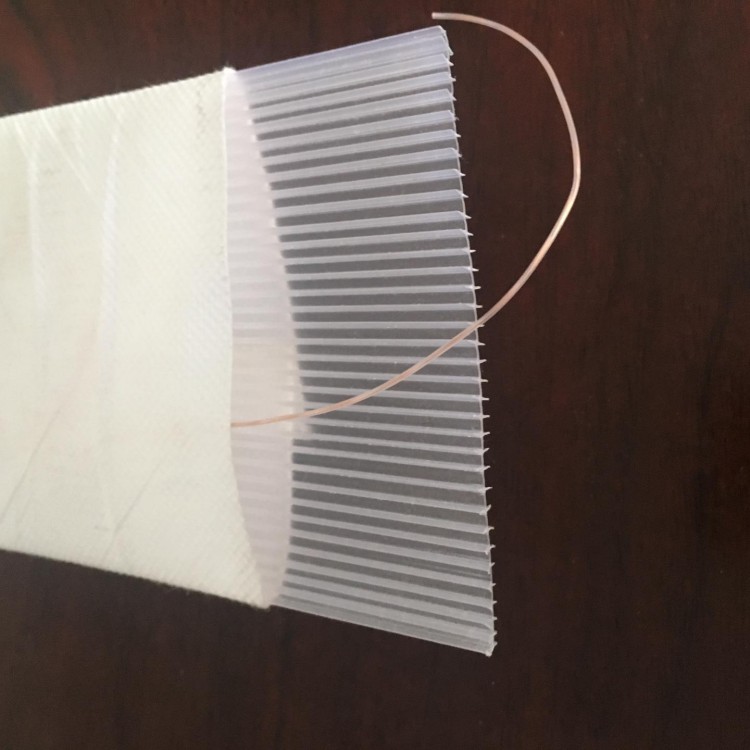
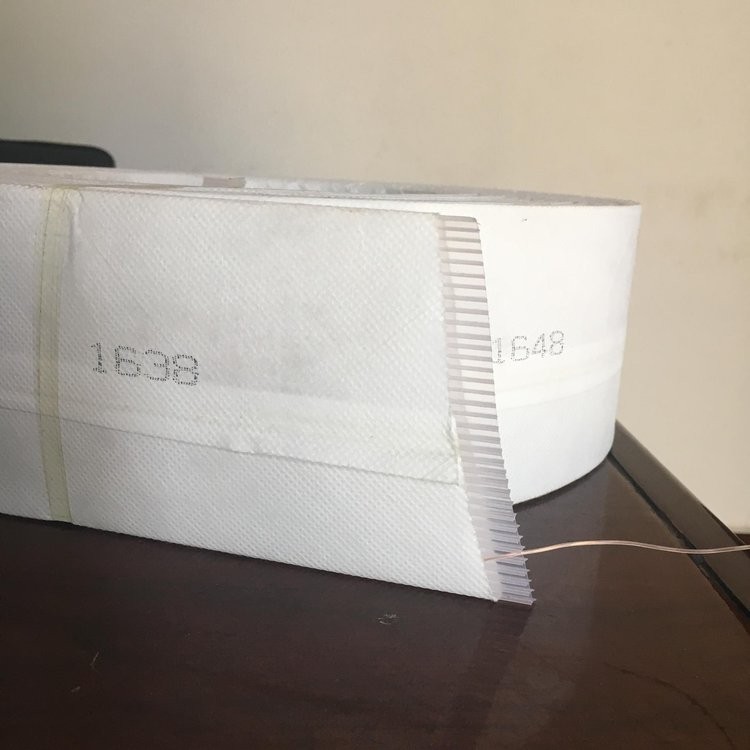
PVD Plastic Drainage Board, also known as PVD Plastic Drainage Strip, Plastic Drainage Tape, available in various shapes like wavy and harmonica. The core is an extruded plastic board, serving as the framework and conduit of the drainage strip, with a cross-section in parallel. Both sides are wrapped with non-woven geotextile as a filter layer. The core strip supports the structure and drains water infiltrating the filter layer upwards, providing an excellent vertical conduit for soft soil treatment using drainage consolidation methods for saturated clay, silt, fill soil, etc., significantly reducing the consolidation time of soft soil.
Plastic drainage boards, abbreviated as SPB-A, B, C, and D series geotextile drainage strips, are a new material for reinforcing soft and ultra-soft soil foundations. Their mechanism of reinforcement, design, and construction equipment are fundamentally similar to those of bagged sand wells.
Product Features
Good water filtration, unobstructed drainage, guaranteed drainage effect.
2. The material boasts excellent strength and ductility, capable of accommodating ground deformation without compromising drainage performance.
3. The drainage board has a small cross-sectional dimension, resulting in minimal disturbance to the foundation during the installation process.
4. Fast construction, short project duration; each plate setter can plate over 15,000 meters per day, saving costs and shortening the construction timeline.
5. Flexible construction with low environmental requirements, suitable for reinforcement of various soft and ultra-soft soil foundations.
6. Vertical drainage for soft soil foundations with a depth of 35 meters or more.
Plastic Drainage Board Production Process
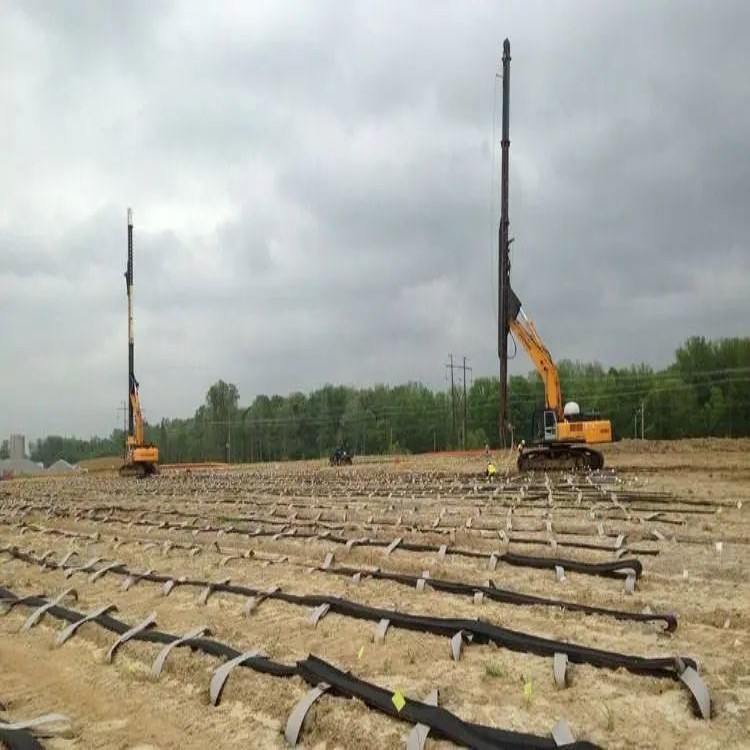
Level original ground → Layout construction lines → Lay geotextile → Spread medium-coarse sand bedding → Position plate insertion machine → Fit plastic drainage board with boots → Insert sleeve → Vibration hammer drives sleeve down to designed depth of insertion hole → Remove sleeve → Cut plastic drainage board to leave 15-30cm "board head" → Move plate insertion machine → a. Soil filling and preloading treatment or b. Vacuum preloading treatment → Construction treatment
Application Fields
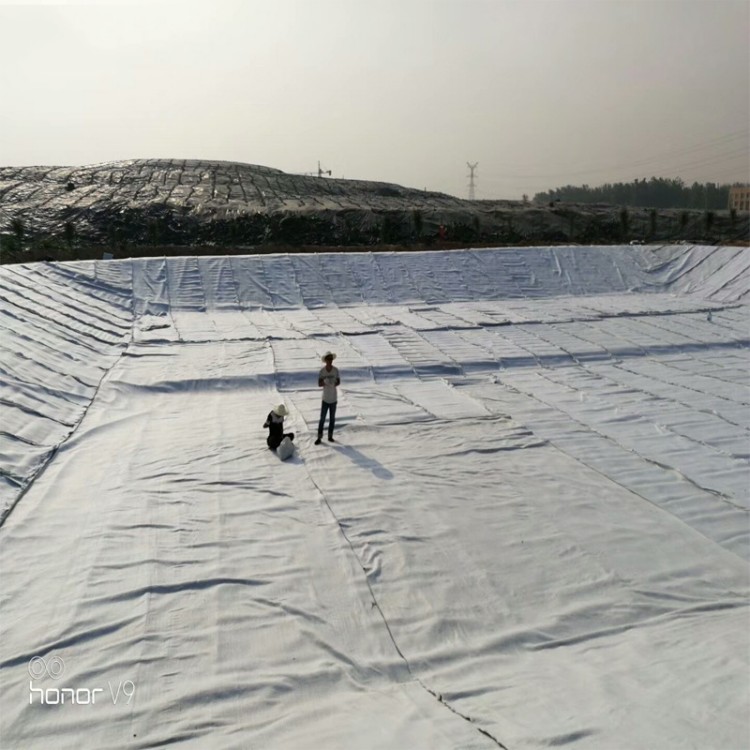
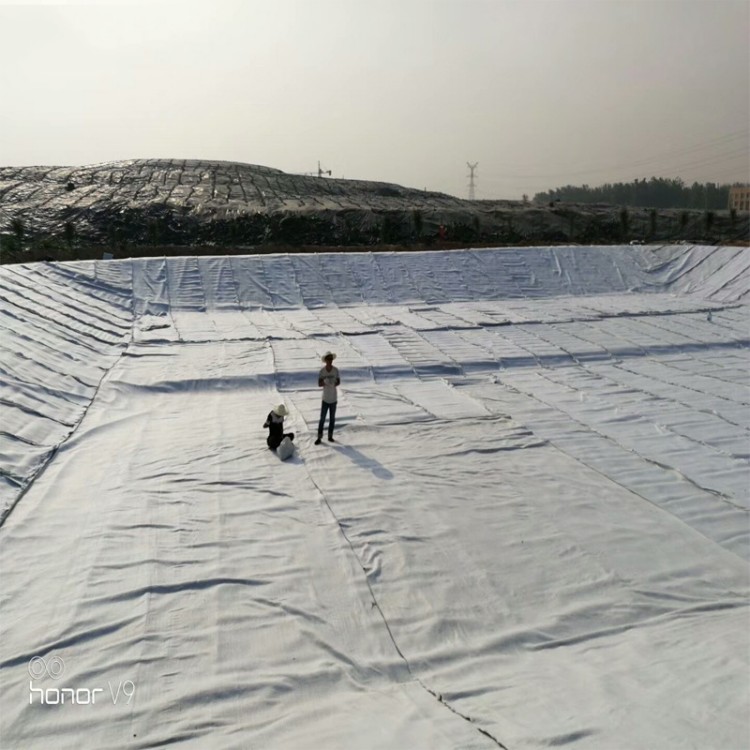
Plastic drainage boards effectively treat deep and soft soil foundations, enhancing the bearing capacity of soft soil subgrades, reducing excessive and uneven settlement, shortening construction periods, and minimizing settlement volume, with excellent stability. They also prevent extensive excavation and disposal of soft soil foundations, and are environmentally friendly with no disturbance to surrounding soil. Overall, they offer not only green, eco-friendly, and cost-effective solutions but also possess good social and economic benefits. Additionally, they are of reliable quality, easy to install, have rapid consolidation, mature technology, reasonable economic cost, and low construction expenses, leading to rapid and widespread application.
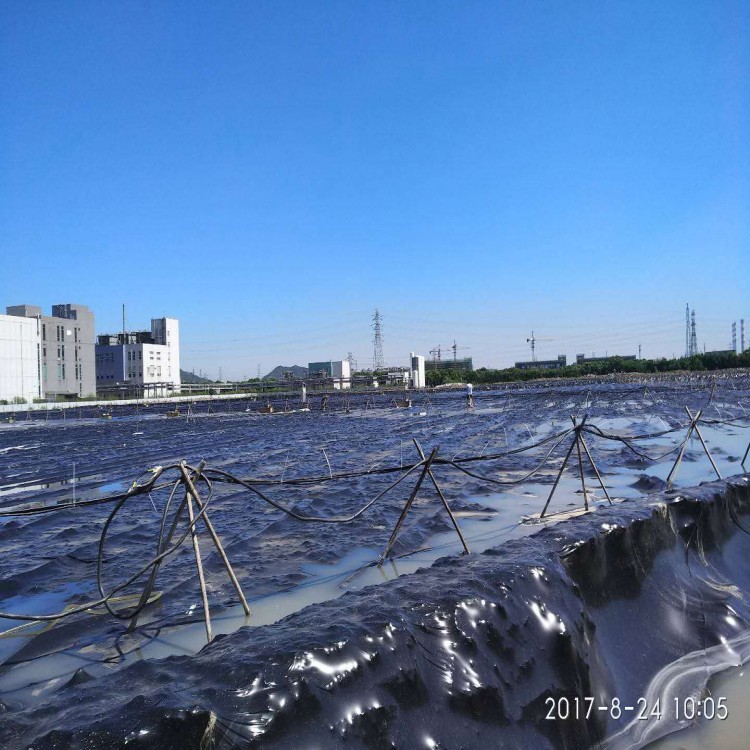
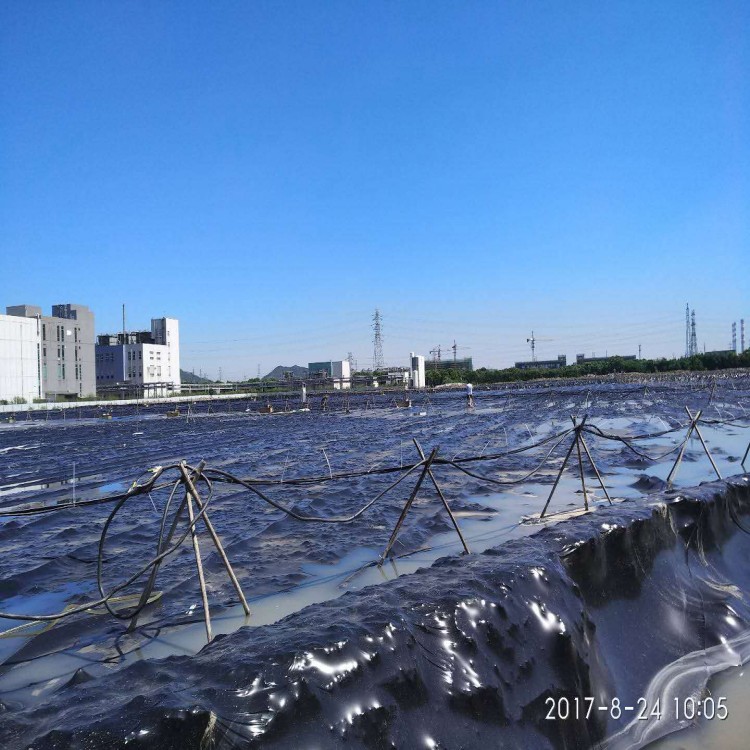
In coastal areas, the geological conditions are complex due to multiple interactions between land and sea, resulting in unique geological features such as alternating clay and sand layers, with uneven undulations. Plastic drainage boards are widely used in various projects in coastal industrial parks, land reclamation projects, port engineering bulk cargo yards, soft soil ground treatment, soft clay soil foundations, fill soft soil foundation treatment, embankment soft soil foundations, coastal soft soil reclamation projects, hydraulic and power engineering, airport soft soil treatment, and coal yard soft soil foundation treatment.