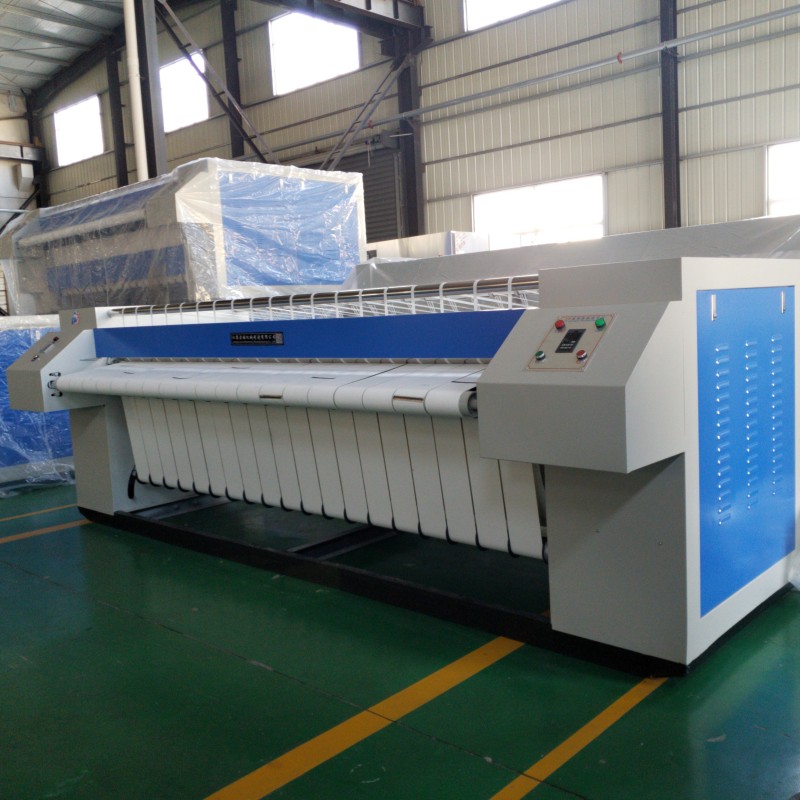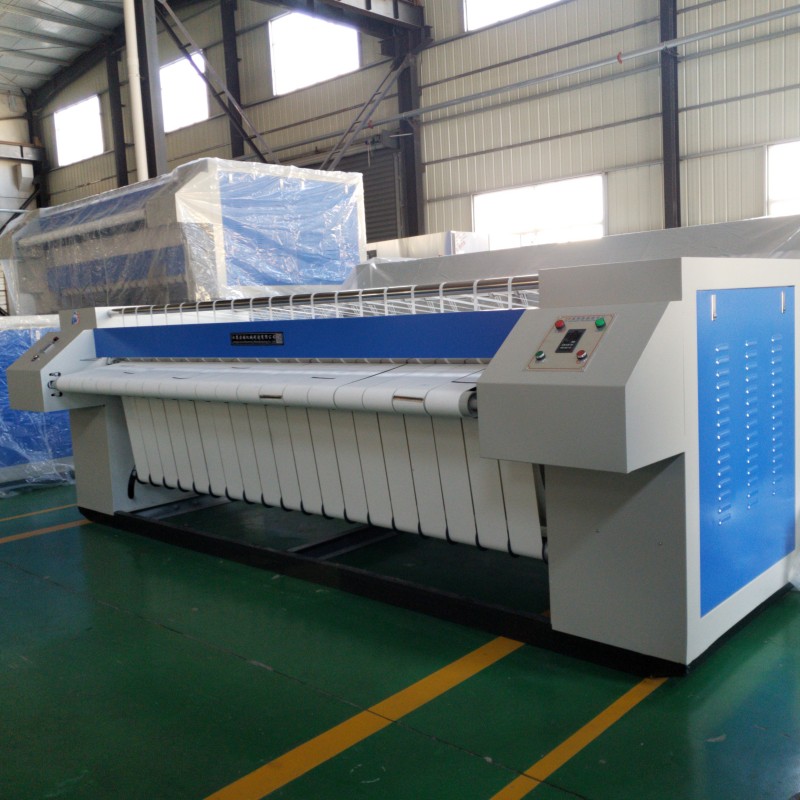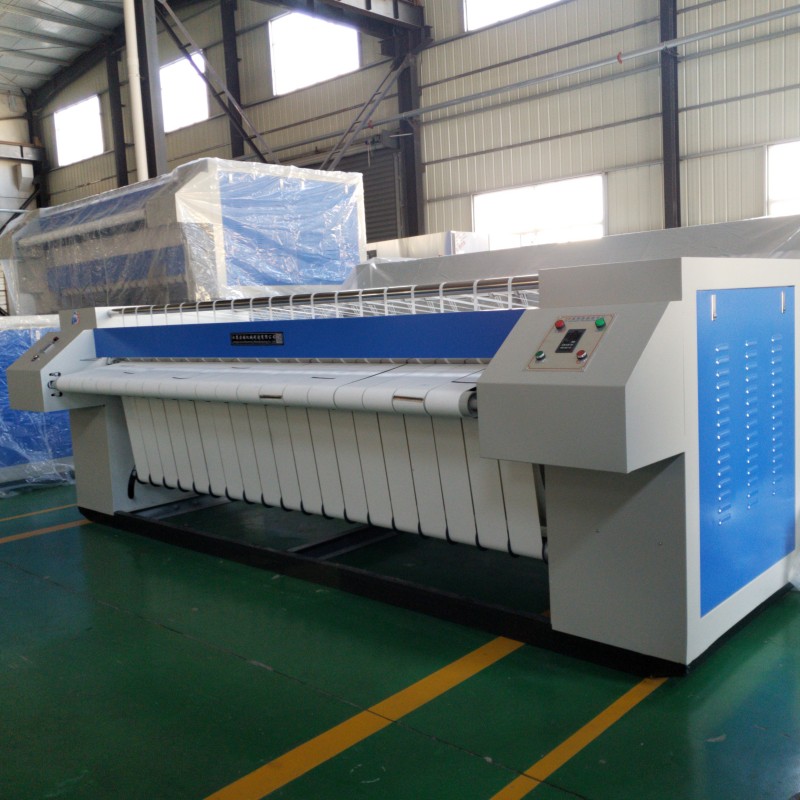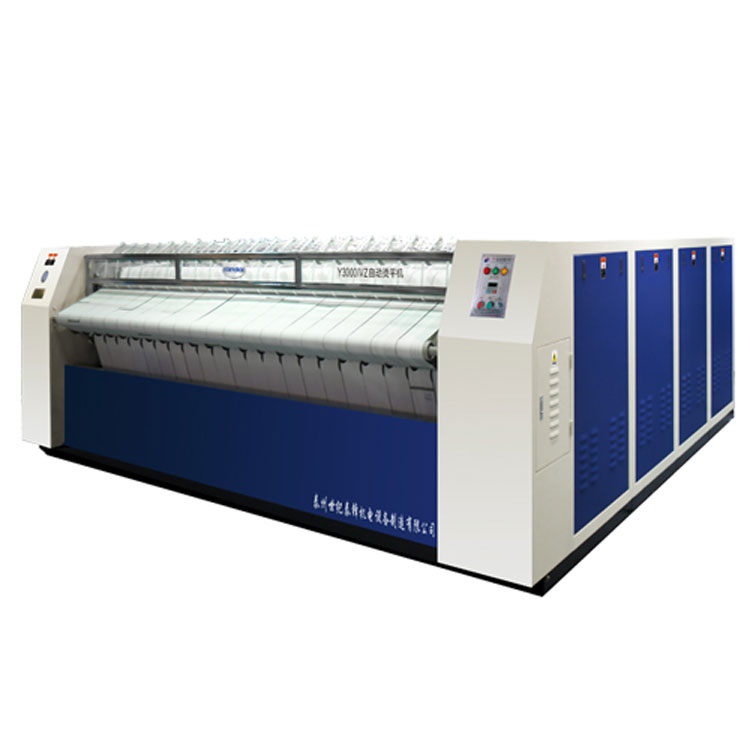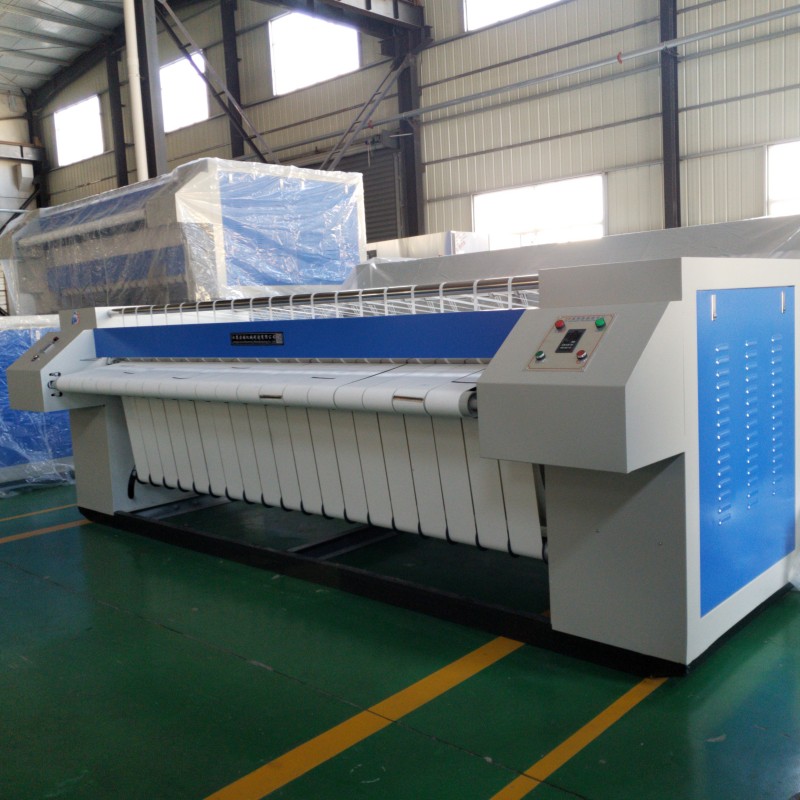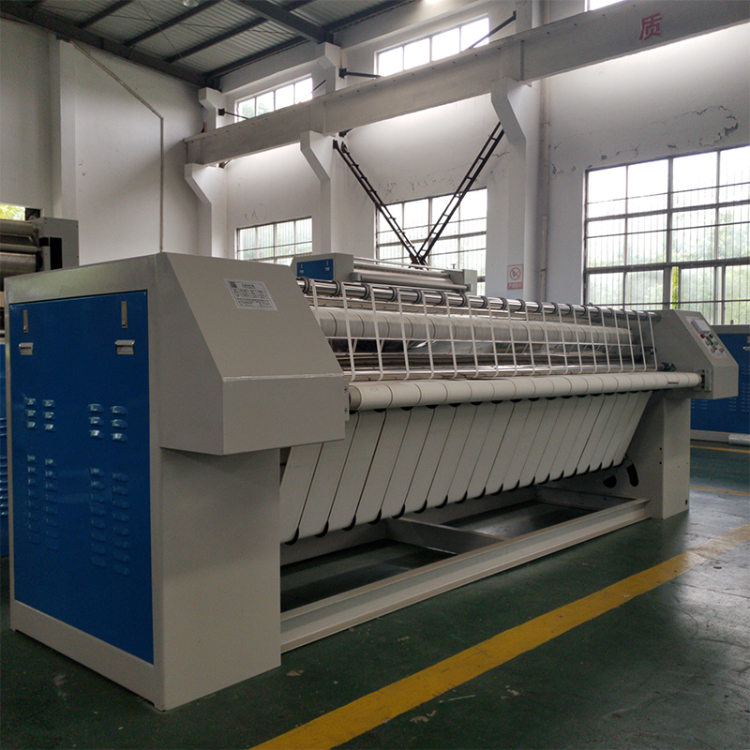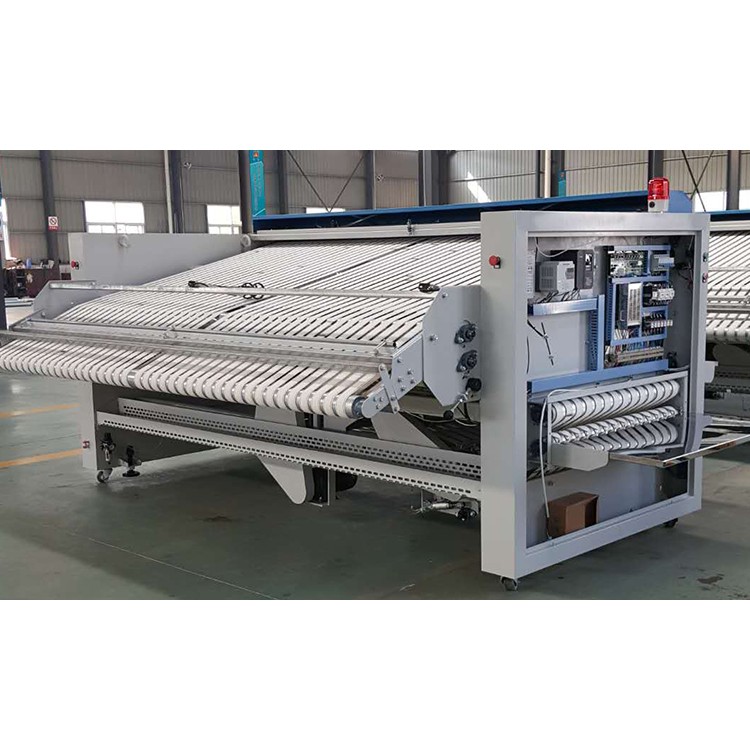

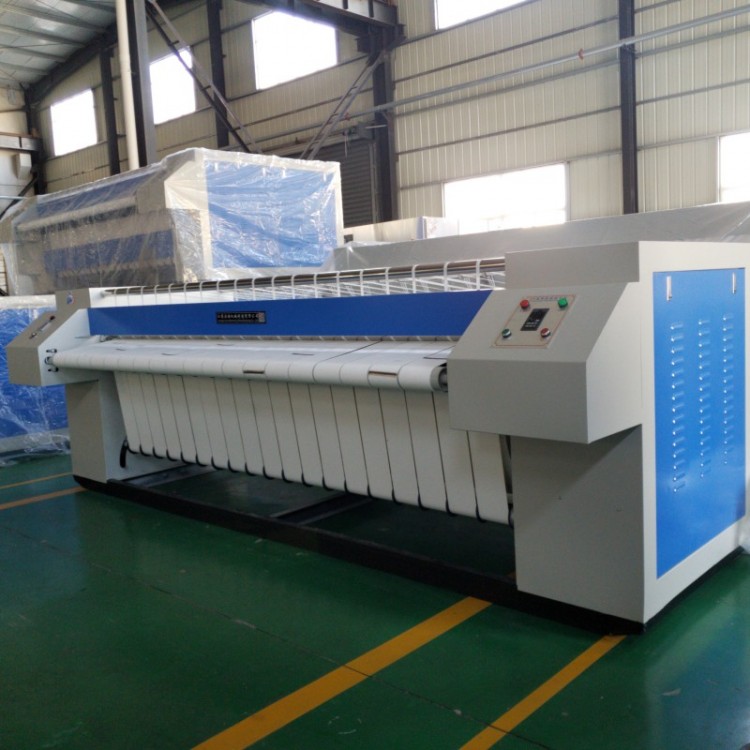

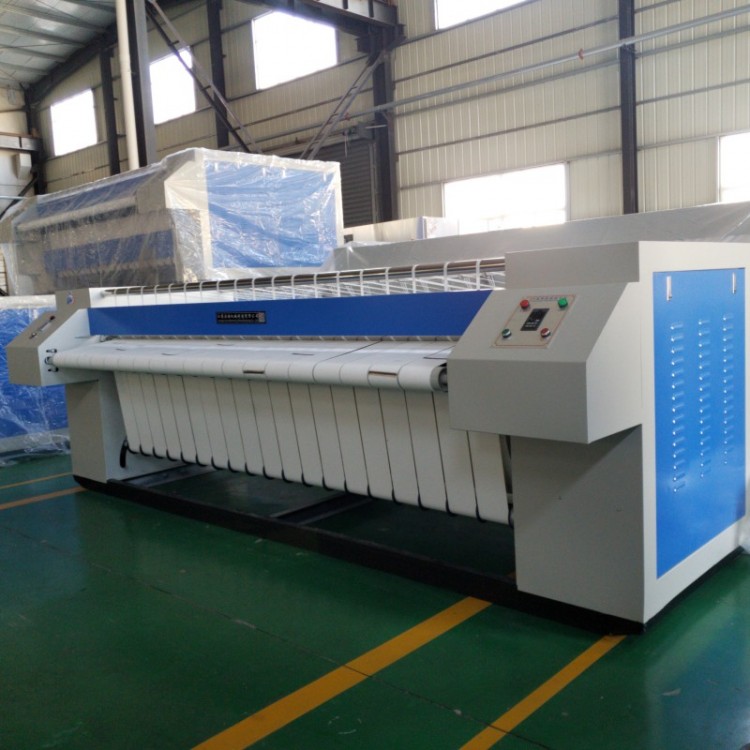
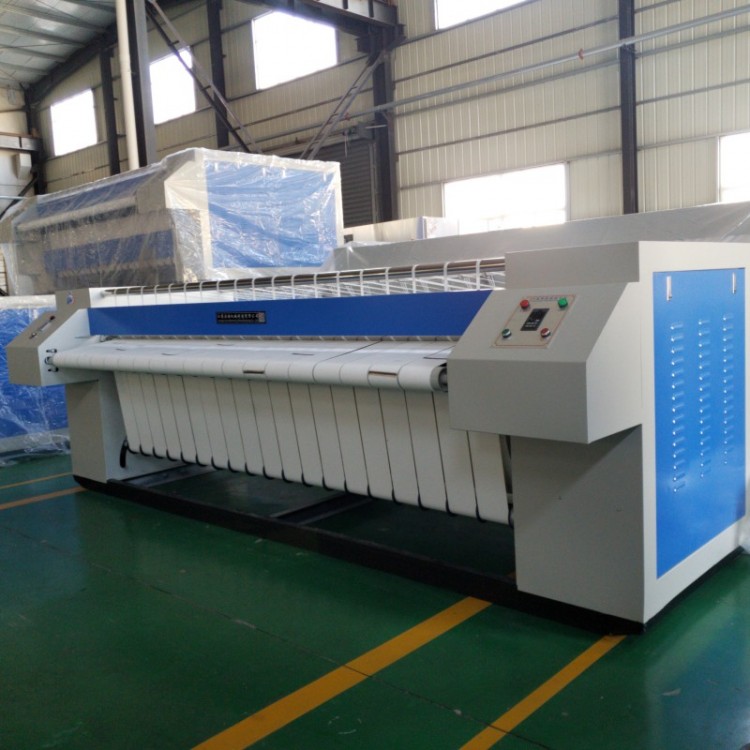
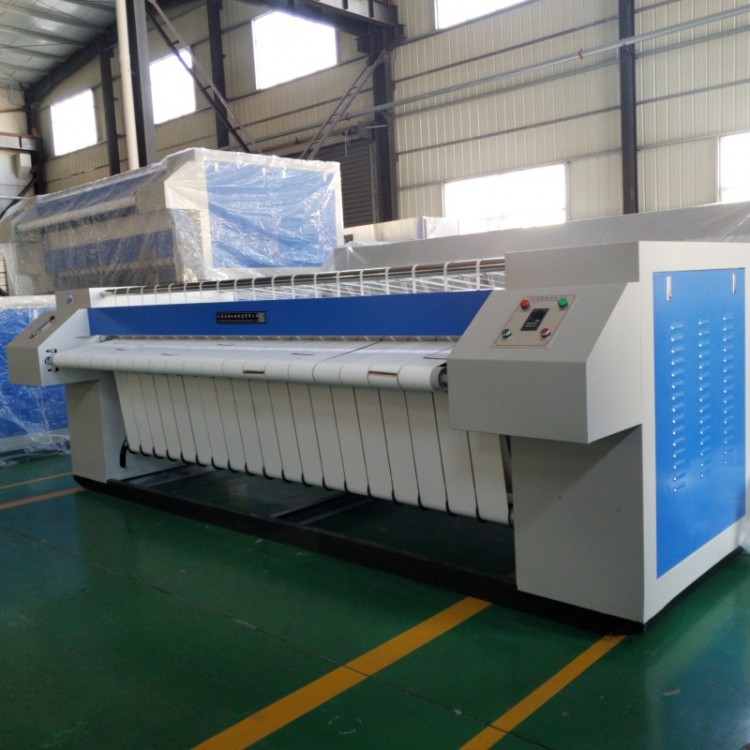


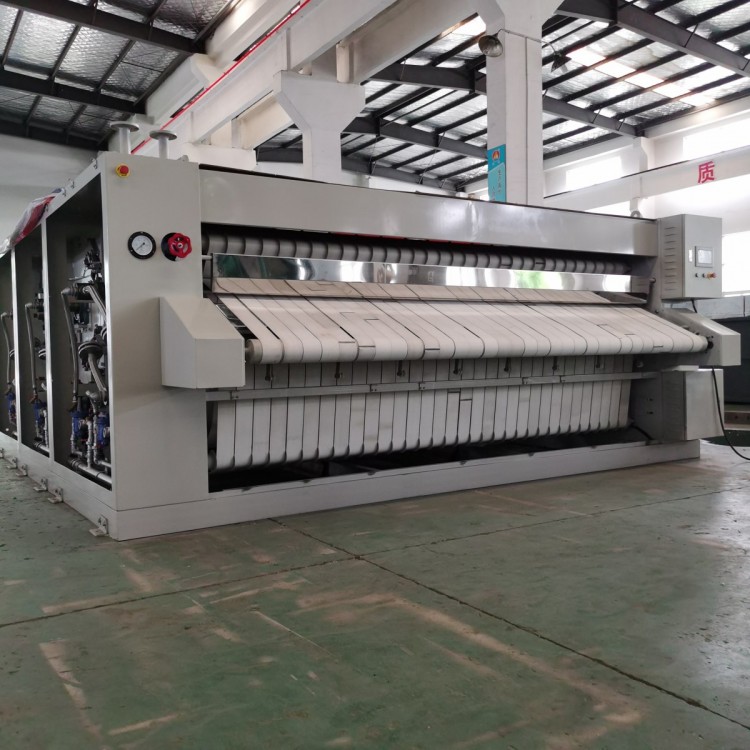





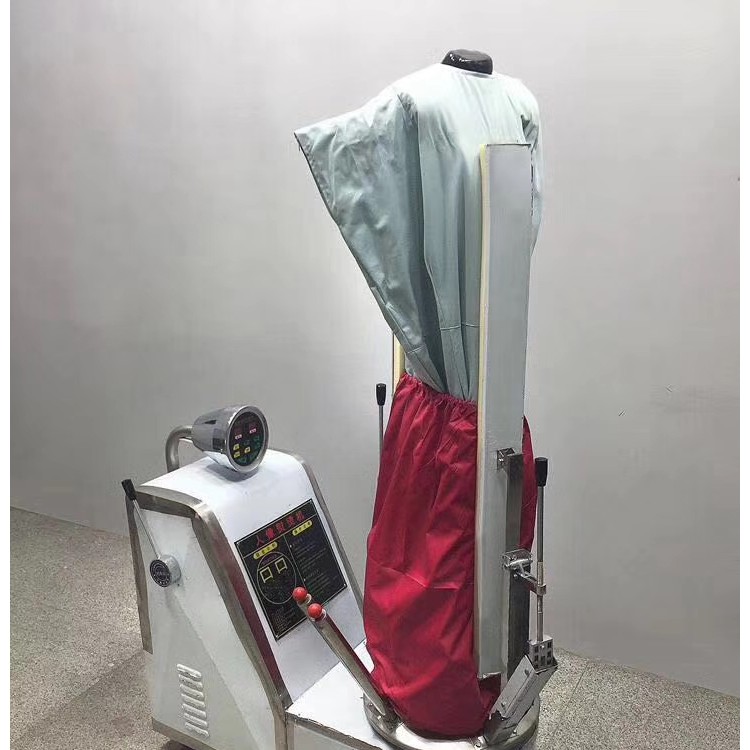
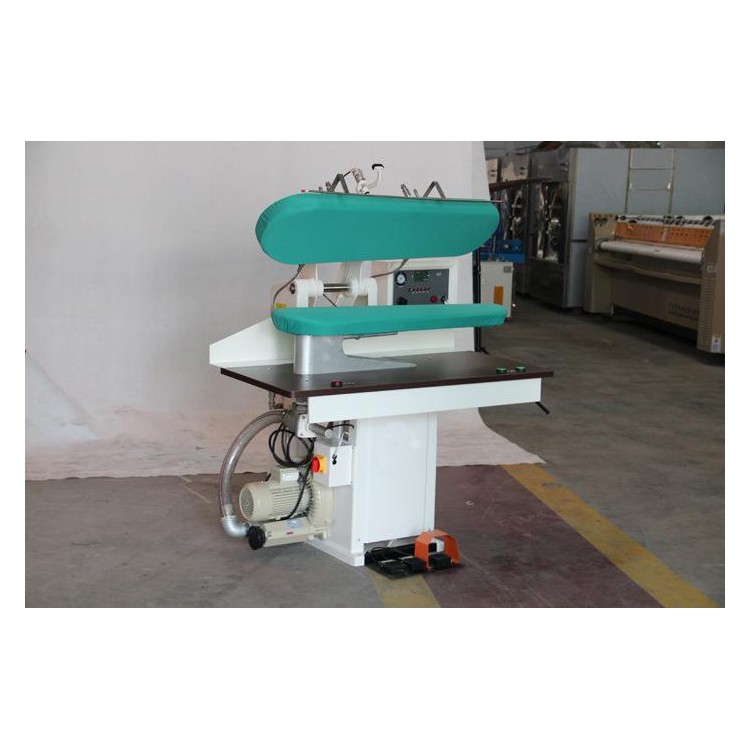
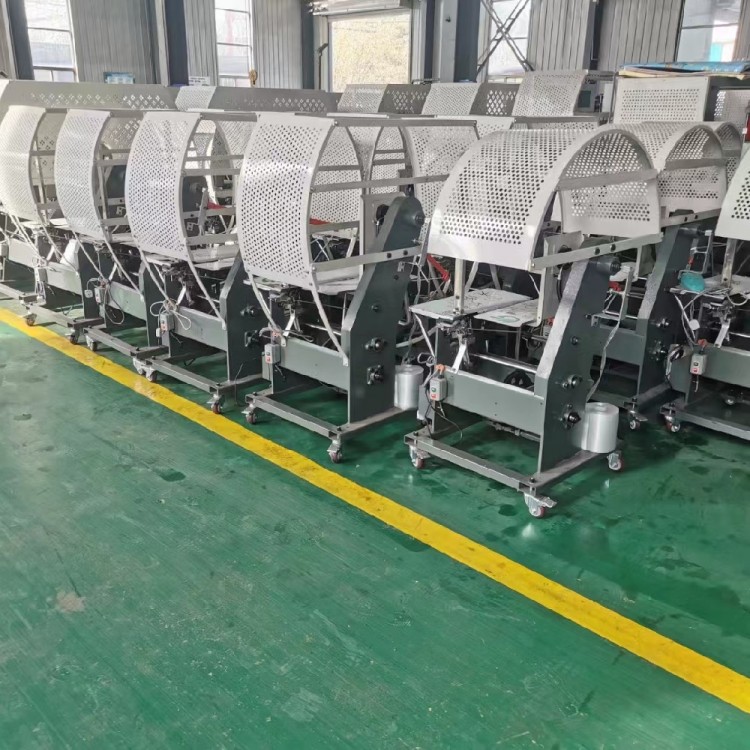
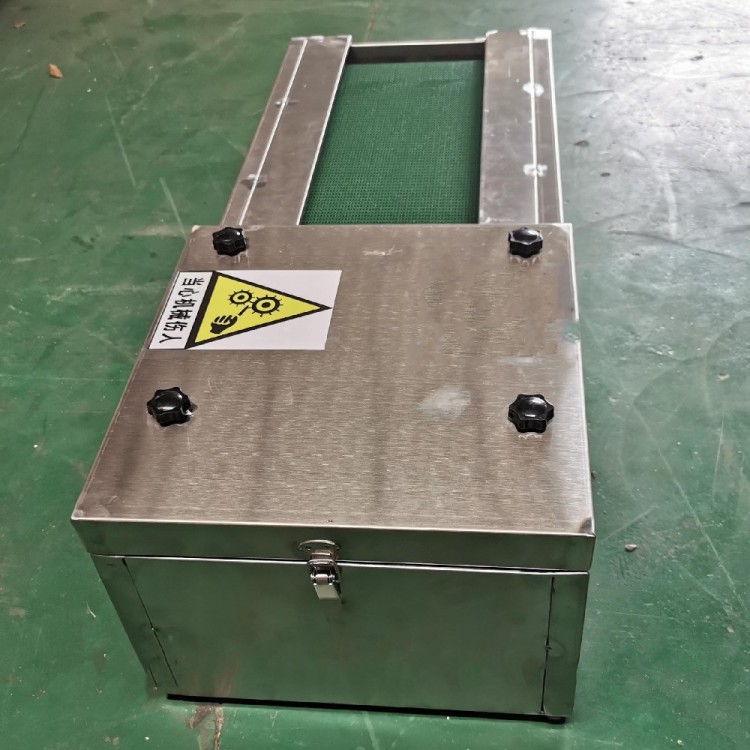
I. Introduction to Ironing Machines:
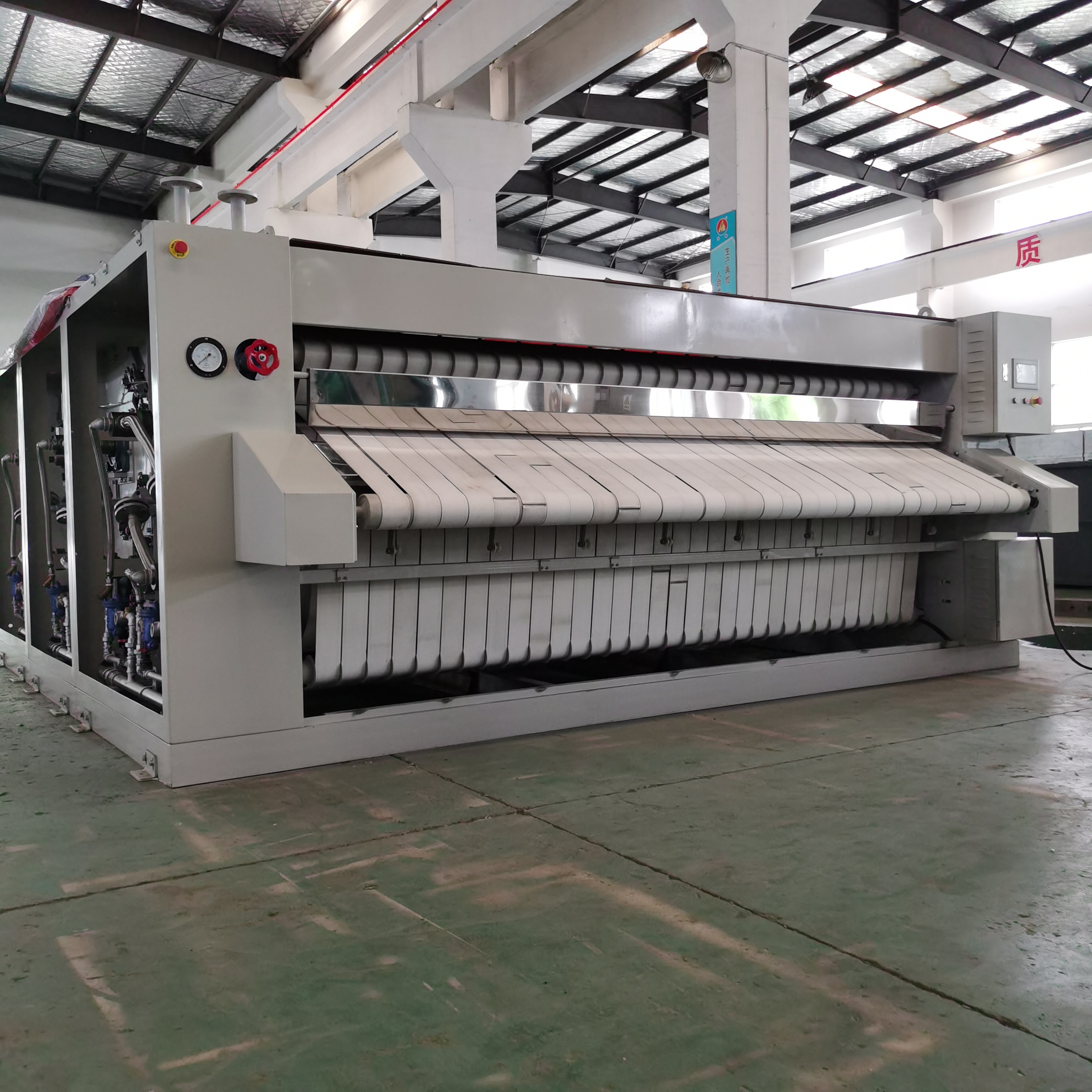
Key Features of YPA Series Ironing Machines:
This machine features variable frequency speed control, allowing users to select the appropriate ironing speed based on the requirements of different fabrics and their pressing conditions.
Utilizing a drum through-pressure steam heating or infrared electric heating quartz tube for heating the drum surface, which boasts a high thermal efficiency.
This unit employs a reducer for speed reduction, featuring a high speed ratio, strong overload capacity, and low noise.
Chain-driven with high load-bearing capacity.
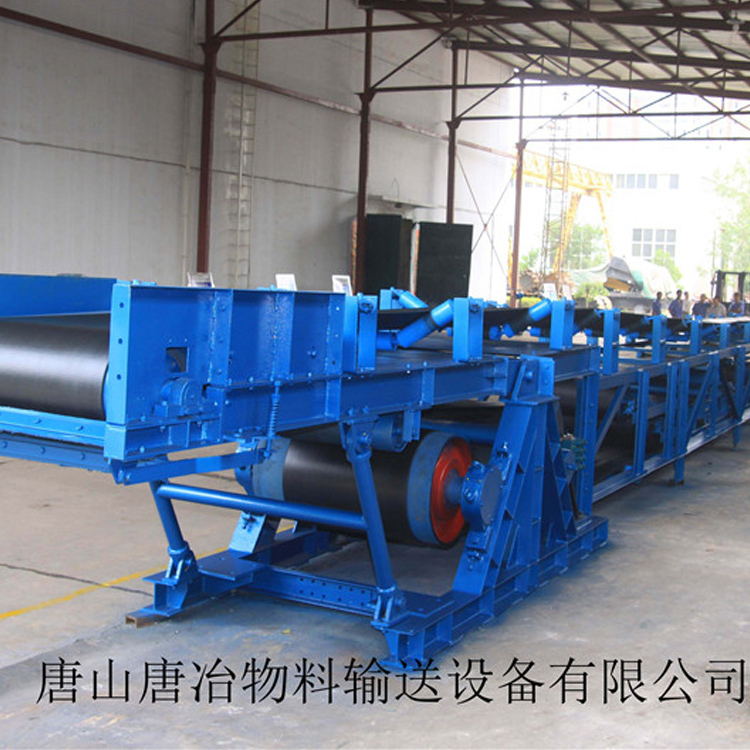
The fabric conveying system utilizes wide belts to avoid the shifting phenomenon that is difficult to resolve with wide canvas during transmission.
There is a certain speed difference between each roller, resulting in a better ironing effect.
The steam inlet of the drying cylinder is sealed with a rotating joint to prevent steam leakage, ensuring a long service life.
From single-roll to six-roll options, users can upgrade and modify the ironer according to their specific needs.
Section II: Purpose of the Ironing Machine:
The industrial ironing machine is a self-designed and manufactured product by our company, based on the structure of domestic and international products, combined with the actual usage scenarios of users, and integrating various experiences. It is mainly used for ironing, shaping, and drying various pieces of fabric, duvets, sheets, and pillowcases, and is widely applicable to hotels, schools, and enterprises and institutions that produce towels and sheets.
Section 3: Operation Instructions for the Ironing Machine
1. Before fabric ironing, clean the roller surface thoroughly, then wipe the roller and all parts of the machine with a soft cloth to ensure the machine is clean.
2. The motor and its controls must pass insulation checks. Verify that the motor operates normally when it's running without load.
3. Check if all oil holes are clear and inject an adequate amount of lubricating oil. Add an appropriate quantity of 20 or 40 oil to the reducer.
4. Adjust the conveyor belt properly; it should not be too tight or too loose.
5. Open the steam and water bypass valves, first drain the excess water inside the drum. Close the water bypass valve, and start the variable frequency drive once the steam pressure reaches 0.4-0.6 Mpa.
6. Gradually turn the speed dial and select an appropriate speed based on the fabric being ironed.
7. Lay the dehydrated fabric flat on the conveyor belt and iron it in the pressing zone.
8. Adjust the variable frequency controller's knob to an appropriate position based on the fabric's ironing condition, and proceed with normal operation.
Four: Industrial Ironing Machine Maintenance and Care
1. After general usage of the machine, regularly lubricate the rotating parts.
2. If abnormal noises occur during machine operation, stop and inspect immediately. After normal use for six months, shut down for maintenance, replace the engine oil in the reducer, and add lubricating oil to each bearing separately.
3. If the machine is not used for an extended period, the belts should be removed, and the drums and all transmission parts should be cleaned and sealed.
4. Regularly inspect the operation of safety valves to ensure they are functioning properly, and they must be annually verified by the labor department.
5. In accordance with the safety supervision regulations for pressure vessels of the National Labor Bureau, users must conduct at least one visual inspection of the drum annually. If any abnormal conditions such as cracks, deformation, or localized overheating are found on the surface, they should be addressed promptly, and the drum may need to be replaced if necessary.
V. Industrial Ironing Machine Installation
1. The machine requires no special foundation, but it must be placed on a relatively flat concrete surface, with 1.5 meters of operational and maintenance space on all sides.
2. After the machine is installed, please level the steam drum using a level.
3. Pre-plan the intake and exhaust pipe connections for the machine installation.
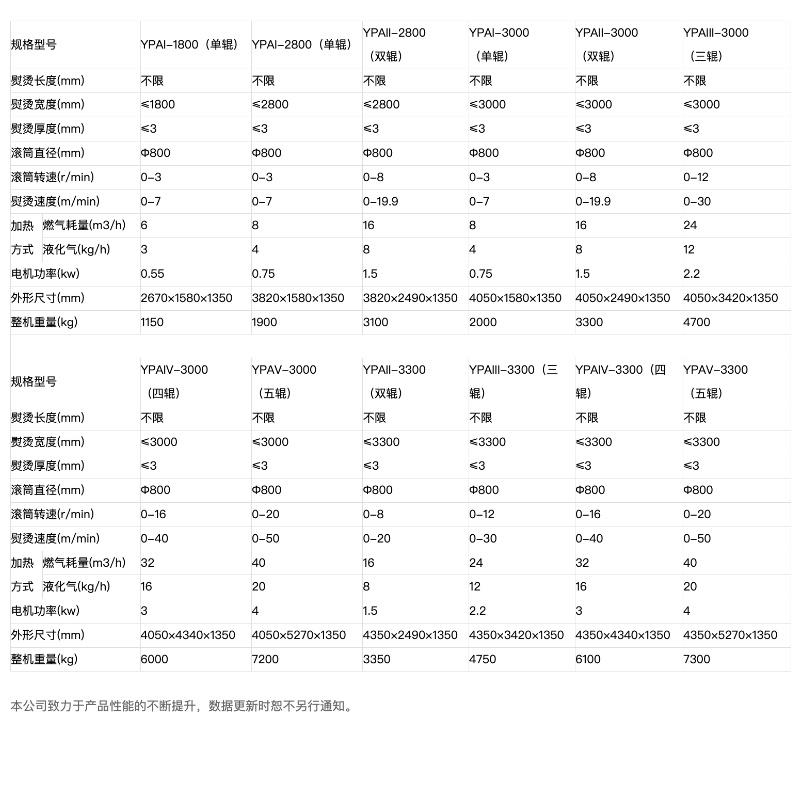
Section 6: Pressing Machine Specifications: