














Equipment (Asset) Disposal
Equipment allocation, equipment transfer, equipment sale, equipment inventory, equipment scrapping
Equipment disposition refers to the appropriate handling and management of equipment at the end of its lifecycle. Throughout its lifecycle, equipment may undergo various disposition methods, depending on its usage, the company's needs, technological advancements, or other commercial considerations. The forms of equipment disposition include allocation, transfer, sale, recycling, and scrapping.

Allocation:Reallocate the equipment to other departments or teams within the company; the department and location of the equipment will change after reallocation.
Transfer:Transfer the equipment to another organization or entity.
Issuance and Return:Helps track asset status and ensure asset safety.
For Sale:If the equipment still holds market value, consider selling it. An approval process is required in the system, where you can fill in the sale amount. After the sale, the equipment will no longer appear in the inventory ledger.
Recycling:Some equipment may contain repair parts and materials that are recyclable and reusable.
ScrapFor equipment that is completely non-functional or has no market value, it must be scrapped and disposed of in accordance with environmental regulations. After scrapping, the equipment will no longer appear on the inventory records, but the historical record will still be retained.
Equipment Inventory
Inventory Method:Manual inventory, automated inventory.
Inventory Scope:Overall, department, location, etc.
Inventory Format:Manager inventory, full staff inventory.
Inventory results:Automatically generate inventory reports, generate inventory results based on status for easy next steps.
Inventory EquipmentManual inventory, mobile inventory, and fully automated inventory with盘点仪.
The Qizhi Equipment Management System supports inventory by the whole, by department, or by location. It can be manually counted, or you can use inventory scanners or mobile scanning for inventory, even RFID-based fully automatic counting. The system will automatically generate inventory results, marked with different colors for easy next-step processing.

Free Open API Data
API data can be integrated with ERP, MES, OA, and human resources performance systems.
Open APIs, standardized data, easy to use
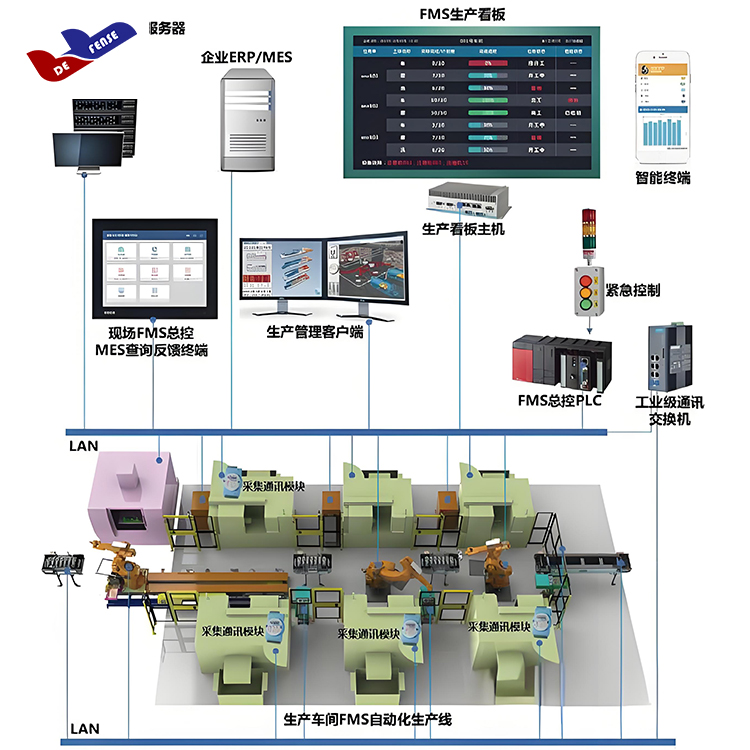
Directly interface with other production systems such as MES, MOM, etc., serving as a supplementary channel for production data.
The equipment management system can be privately deployed, with API internal network calls and high data privacy.
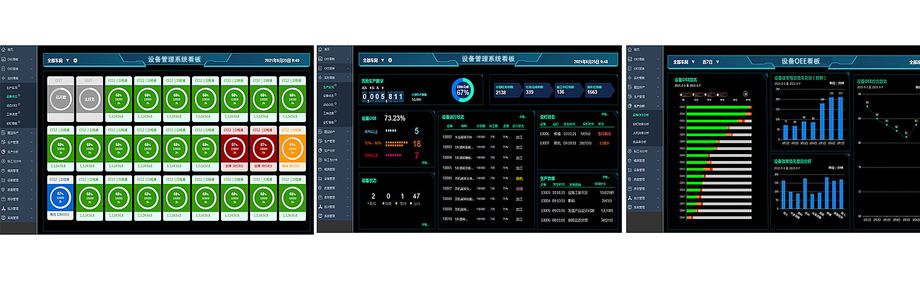
The current data that the Qizhi Equipment Management System OEE_API can provide:
Basic equipment information (e.g., equipment ID, equipment name, location, etc.)
Real-time Overall Equipment Effectiveness (OEE) value
Three Key Elements (Availability, Performance Efficiency, Quality)
Equipment failure or downtime codes and related durations
Equipment production data (such as production quantity, good quality quantity, defective quantity, etc.)
Note: As the system is upgraded, the data provided by the API will continue to expand.
 .
.