













Main Business Operations
Adhering to the R&D principle of "independent innovation," we are committed to achieving and ensuring every detail of powder processing research, design, and production across various industries, with precision in our solutions.
Concept Introduction
Polyoxymethylene, also known as acetal resins; polyoxymethylene. Full name Polyoxymethylene Resin, commonly referred to as POM, a thermoplastic crystalline polymer. Known as "Super Steel" or "Competitive Steel". Structural formula as follows, abbreviated in English as POM. Polymers obtained through formaldehyde polymerization have a low degree of polymerization and are prone to thermal depolymerization.
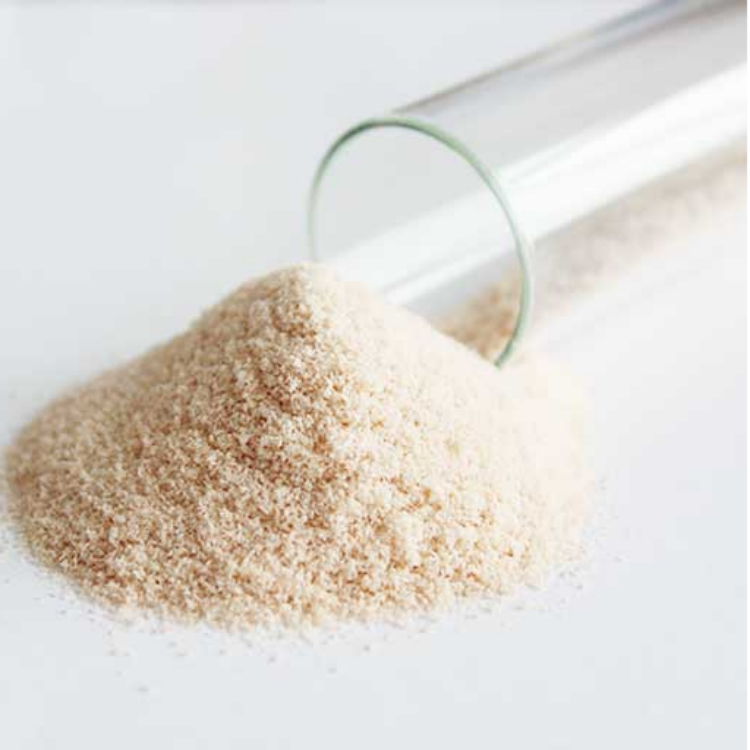
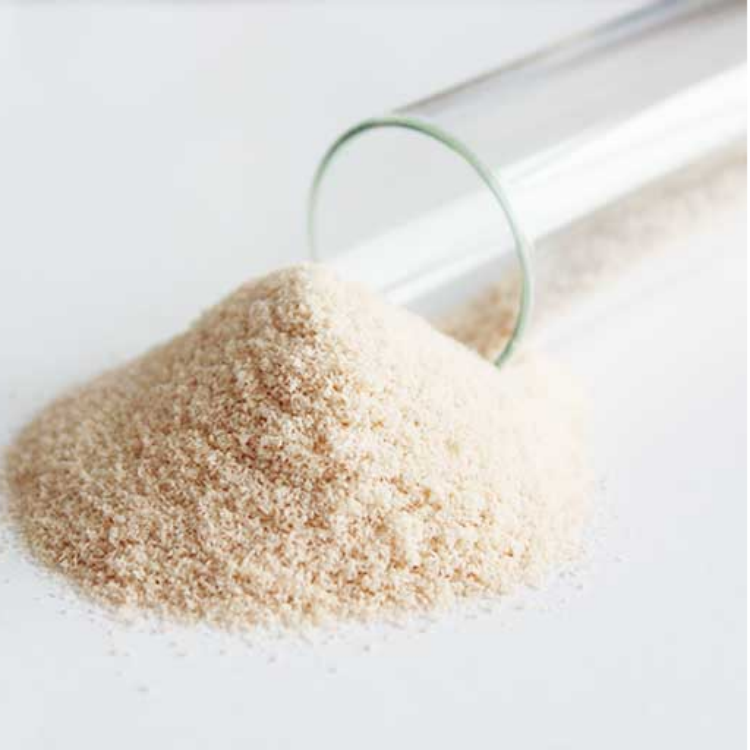
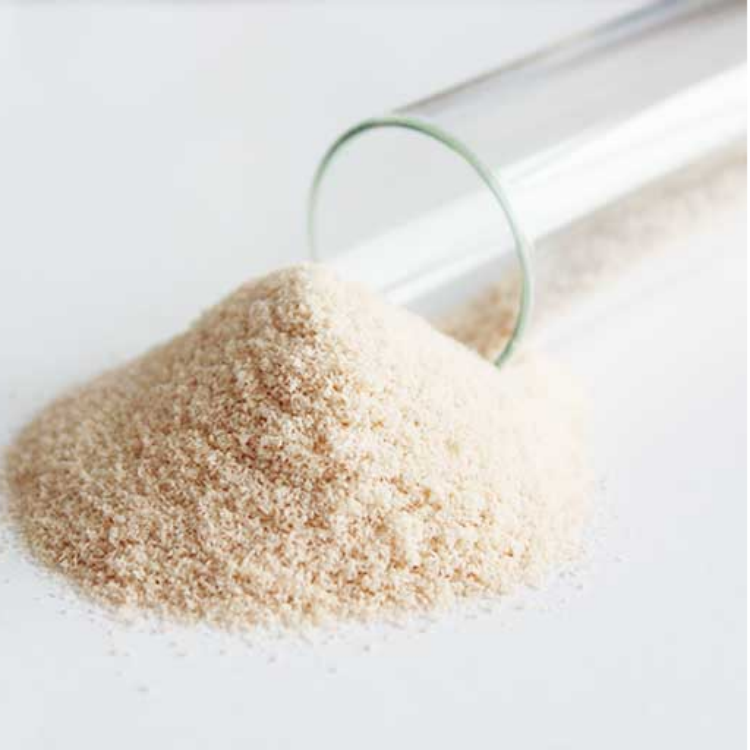
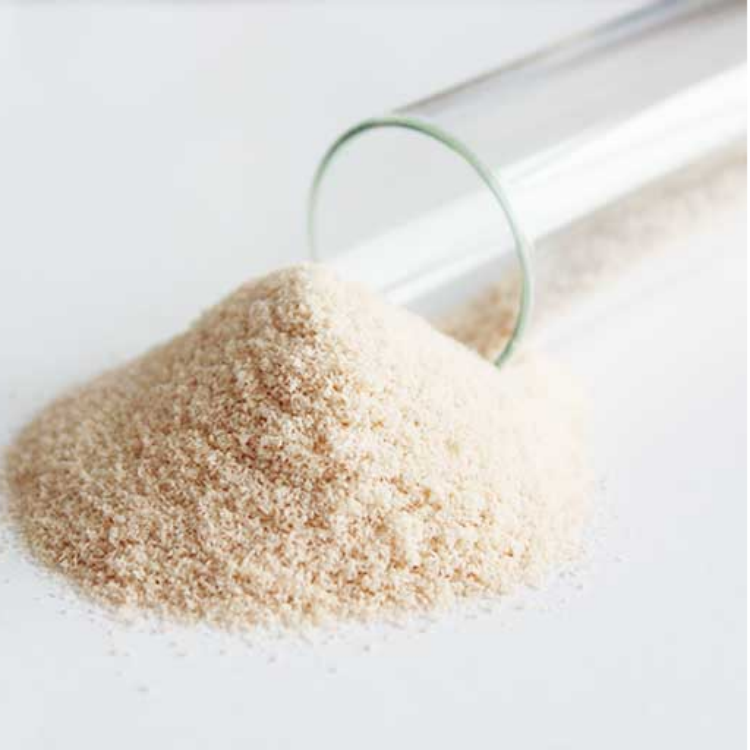
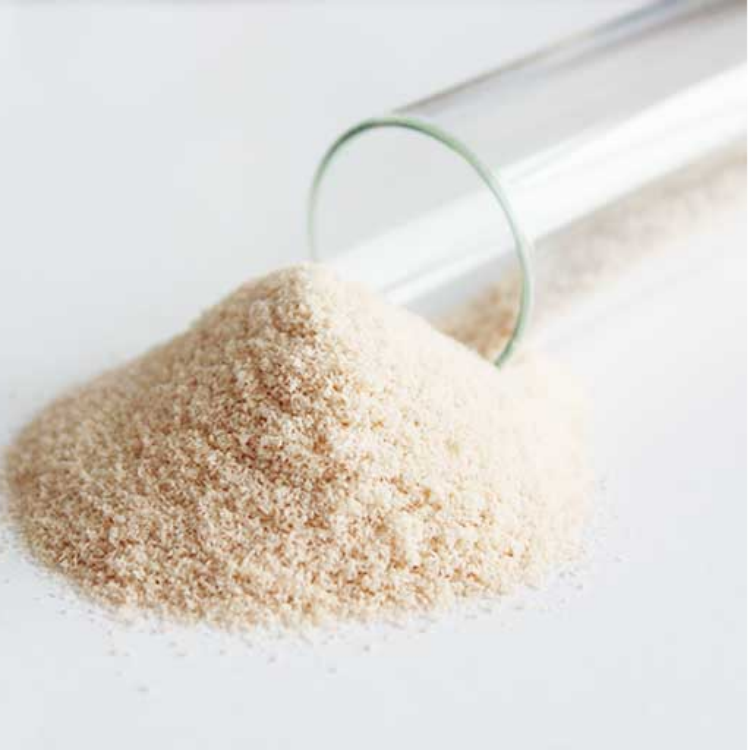
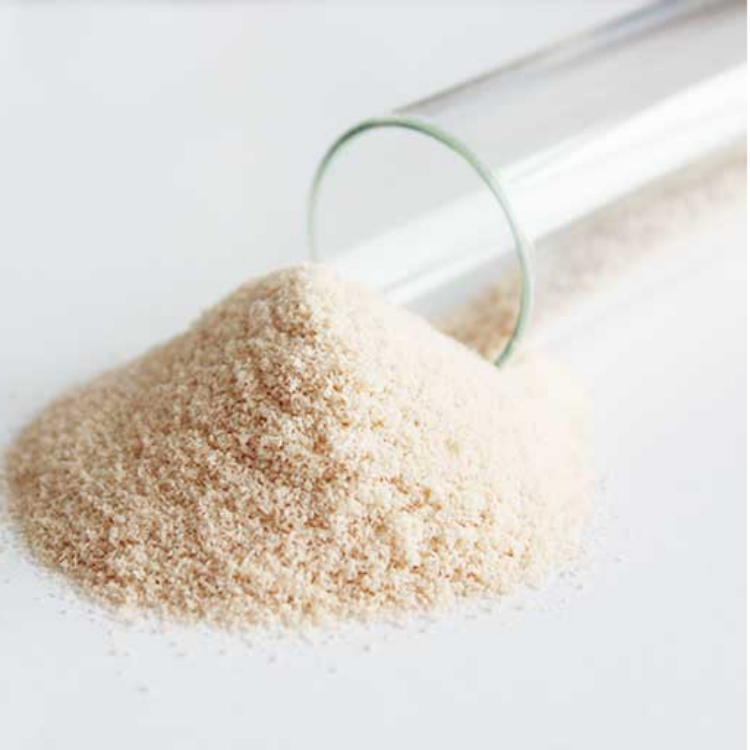
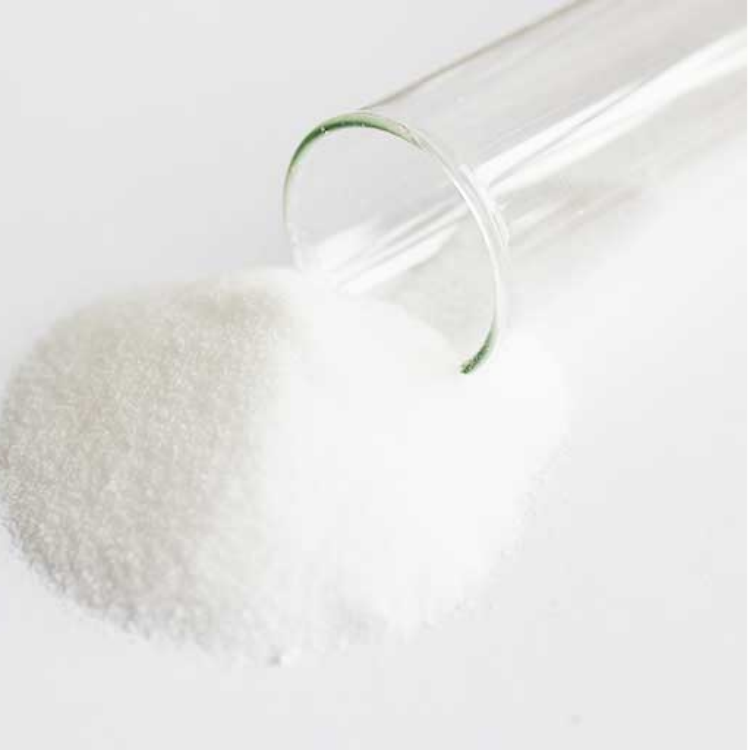
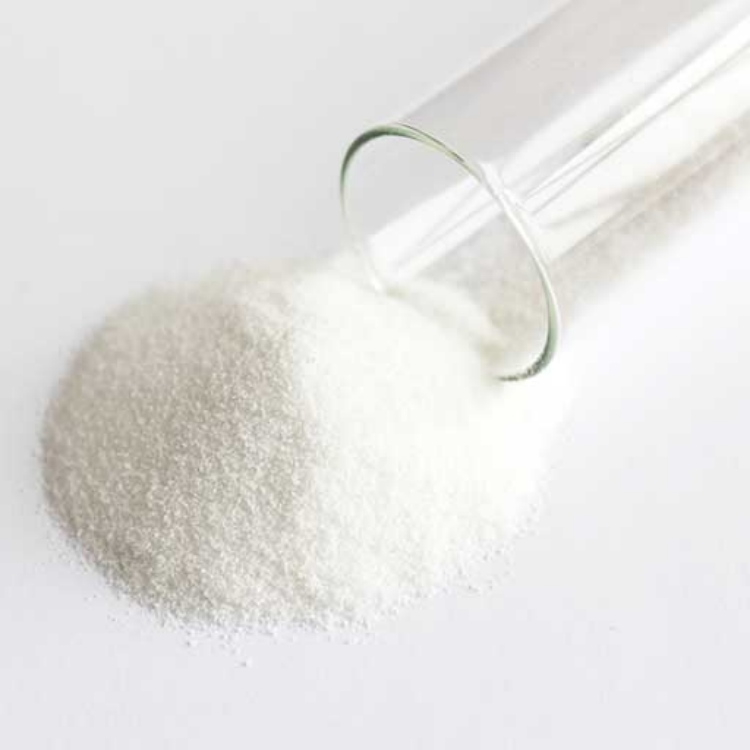
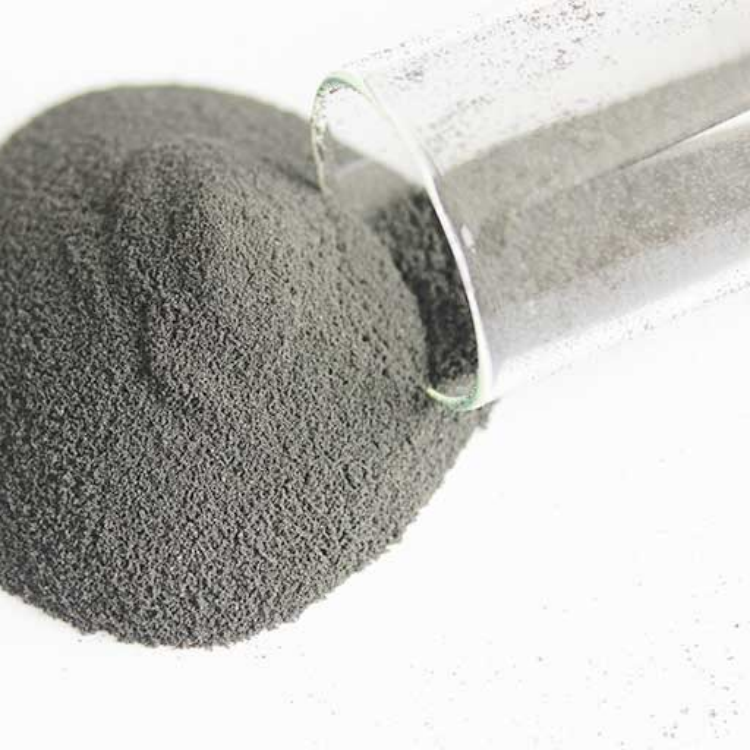
The synthesis of polyoxymethylene generally involves the condensation polymerization of formaldehyde in an aqueous solution, in the presence of an acid. The obtained polymer has a degree of polymerization ofPolyoxymethylene (POM) with a molecular weight above 100 is then heated to decompose into formaldehyde gas. After refinement and dehydration, the monomer is usually purified using a partial pre-polymerization method and then polymerized in a dry solvent containing a small amount of initiator. The presence of water significantly reduces the molecular weight. Initiators can be Lewis acids or bases, but most commonly, tertiary amines are used for anionic addition polymerization, as follows: The terminal end of POM is hemiacetal (-CH2OH), which is prone to breakage at temperatures above 100°C. Generally, terminal-end treatment is required to stabilize it.Plastic PowderPost-stabilization treatment allows for heat resistance up to 230°C. Paraformaldehyde can be processed at temperatures ranging from 170 to 200°C, suitable for applications such as injection, extrusion, and blow molding. Primarily used as engineering plastics, it is employed in automotive and mechanical parts.
Main Application
Polyoxymethylene (POM) is a high-performance engineering plastic, known as "steel snatcher" or "super steel" abroad. POM boasts metallic-like hardness, strength, and stiffness, excellent self-lubricating properties, good fatigue resistance, and elasticity across a wide temperature and humidity range. It also exhibits good chemical resistance. At a lower cost than many other engineering plastics, POM is replacing traditional metal-dominated markets, such as zinc, brass, aluminum, and steel for manufacturing various components. Since its introduction, POM has been widely used in electronics, electricals, machinery, instruments, household light industry, automobiles, construction materials, agriculture, and other fields. It has also shown good growth trends in new applications such as medical technology and sports equipment.
Broadly used in the manufacture of various sliding and rotating mechanical parts, including gears, levers, pulleys, sprockets, especially suitable for bearings, hot water valves, precise measurement valves, conveyor chain links and rollers, flowmeters, automotive interior and exterior handles, crankshafts, and other window turning mechanisms; oil pump bearing seats and impeller gas control valves, electronic switch components, fasteners, terminal caps, fan parts, heating plates, instrument buttons; bearings for audio and video tape; various pipeline and agricultural sprinkler systems, as well as valves, nozzles, faucets, bath tub parts; on/off keypads, buttons, audio/visual tape reels; temperature control timers; power tools, garden maintenance tool parts; also suitable for surfboard, sailboat, and various sled parts, watch miniature gears, sports equipment frame accessories and backpack rings, fasteners, lighters, zippers, buckles; medical devices such as pacemakers; artificial heart valves, apexes, prosthetics, etc.
For chemical synthesis and applications involving anhydrous formaldehyde as a raw material.
Cautionary Notes
The high crystallinity of POM results in a relatively high shrinkage rate, which can reach up to 2% to 3.5%. Different reinforcement materials have varying shrinkage rates.