









Main Business Operations
Adhering to the research and development philosophy of "independent innovation," we are committed to achieving and ensuring every detail of research, design, and production in the industry of powder processing, as well as the accuracy of the formulated solutions.
Concept Introduction
PMMA, also known as acrylic, Lucite (a brand name), or plexiglass, is commonly referred to as Agaric in Hong Kong. It boasts high transparency, low cost, and ease of machining, making it a popular substitute for glass in everyday use.
Primary Application
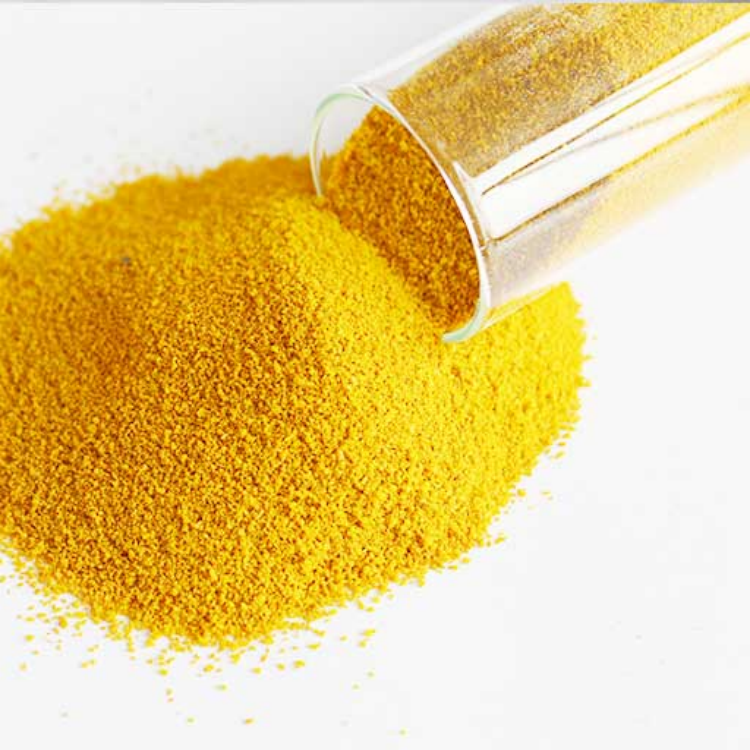
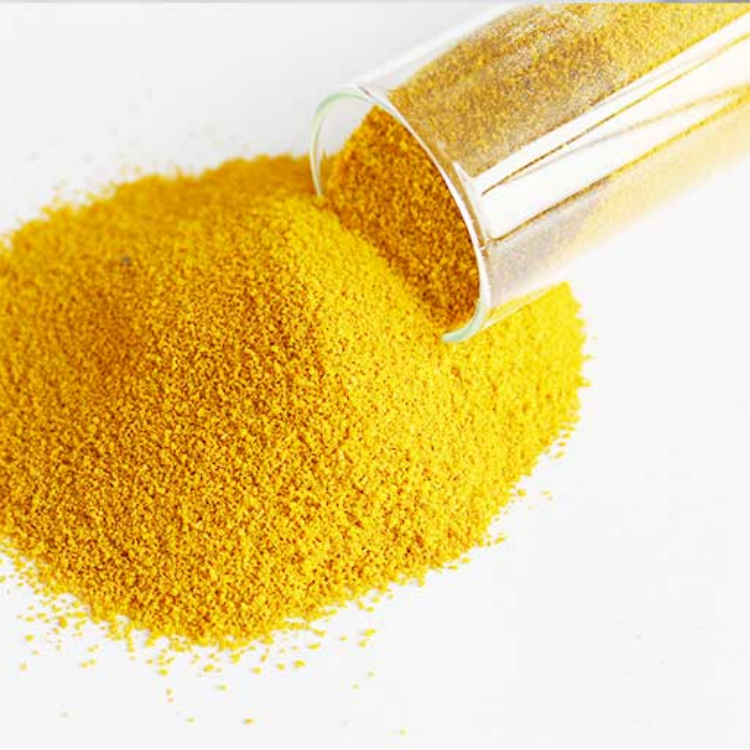
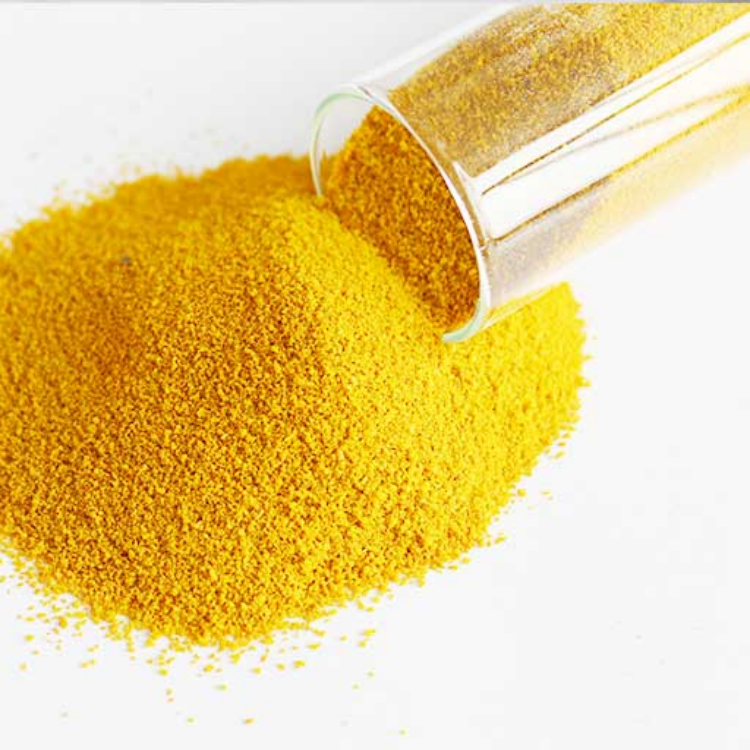
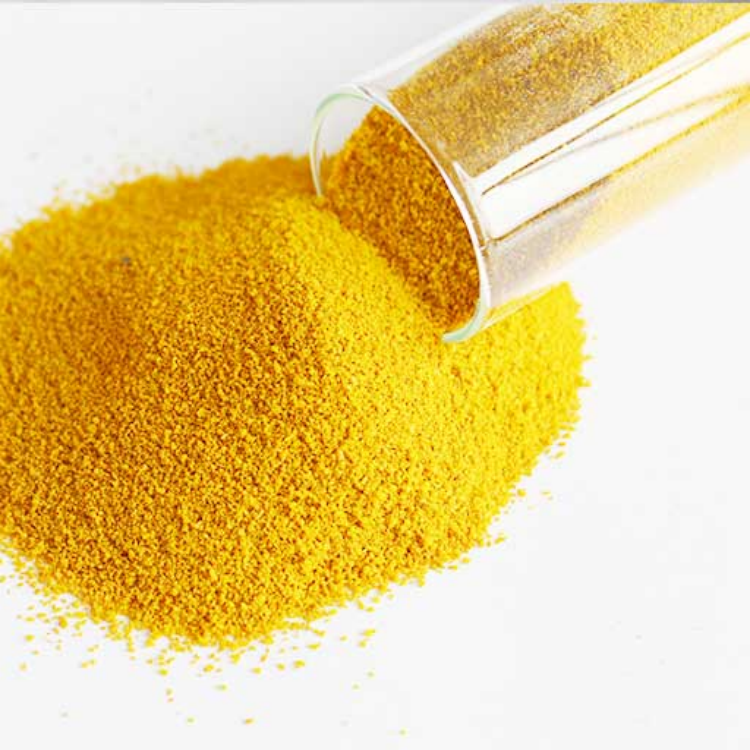
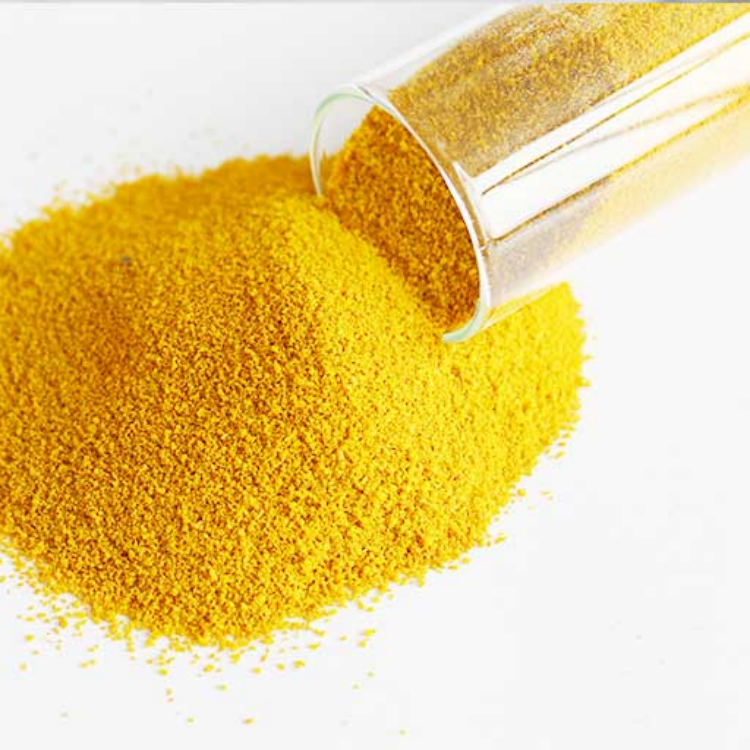
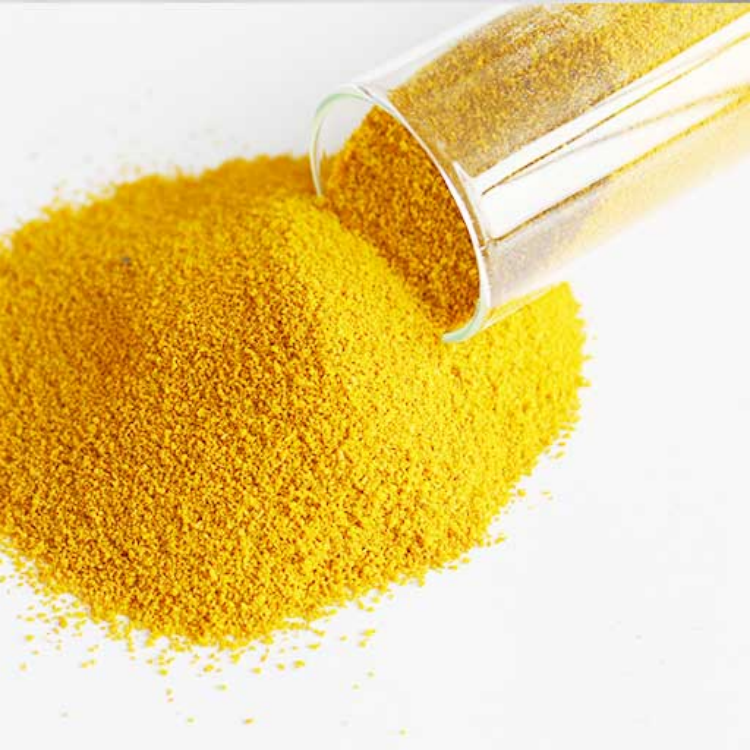
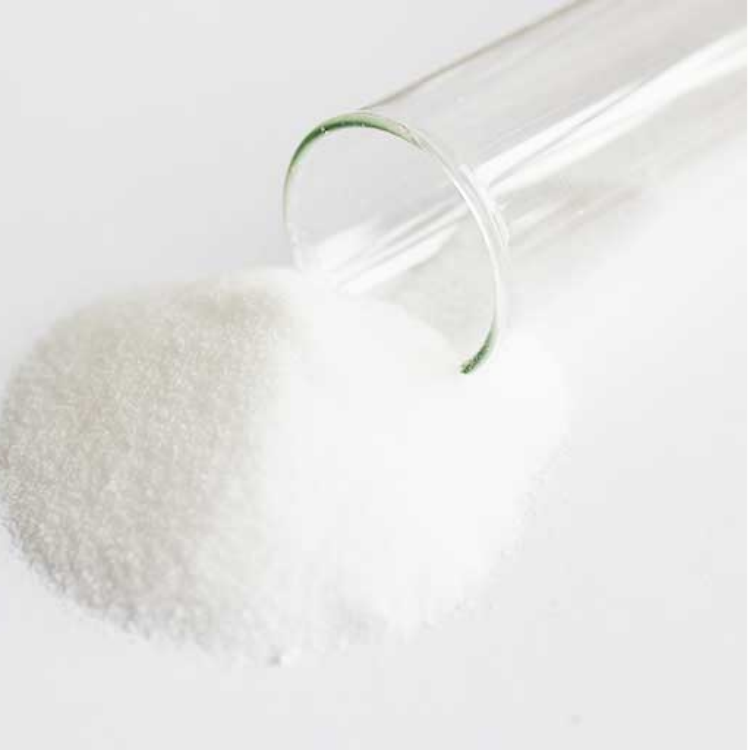
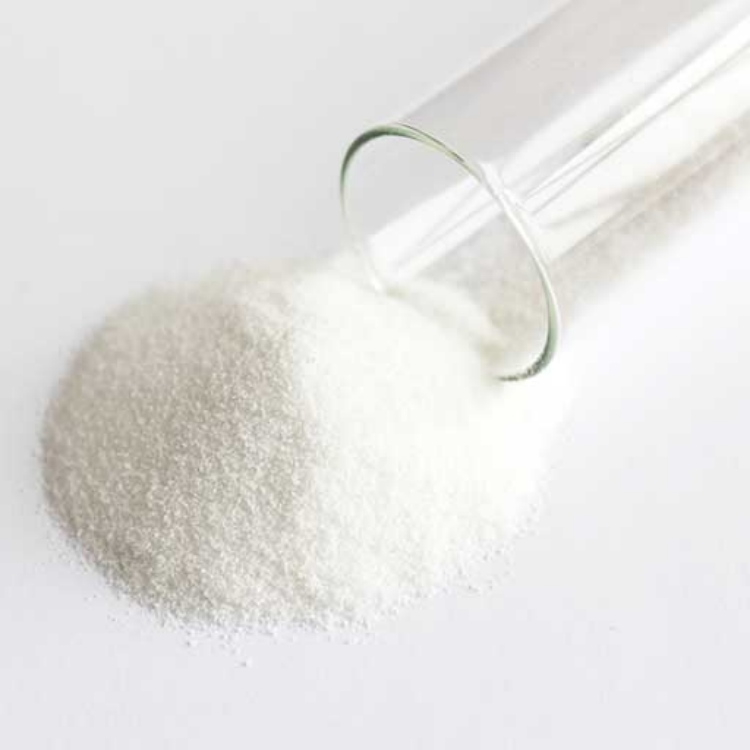
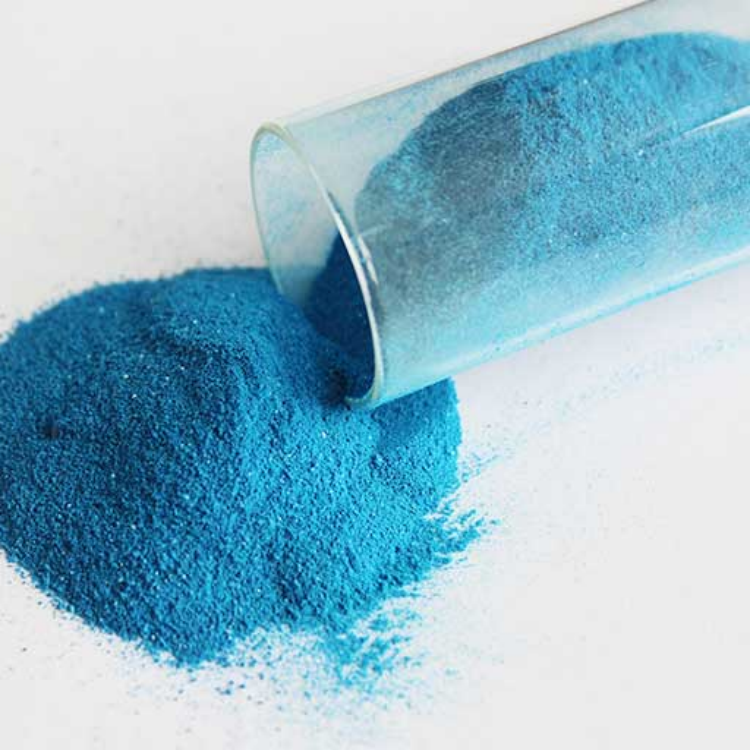
PMMA Plastic PowderLightweight, cost-effective, and easy to shape, it dissolves in organic solvents to form excellent films with good dielectric properties, suitable as the dielectric layer for field-effect transistors.
Its molding methods include casting, injection molding, machining, thermal forming, etc. Particularly, injection molding allows for mass production with a simple process and low cost. Consequently, its applications are increasingly widespread, and it is extensively used in instrument parts, automotive headlights, optical lenses, and transparent pipes.
Acrylic glass (plexiglass) applications in the construction industry primarily include building skylights, transparent roofs, canopies, phone booths, stairway and room wall panels; in sanitary ware, products like bathtubs, wash basins, and dressing tables. Its use in highway and high-grade road lighting covers and automotive lighting is also rapidly developing. Markets for building skylights, bathtubs, street advertising boxes, and phone booths are growing quickly, with significant future development potential and a promising market outlook.
With the construction of hotels, guesthouses, and residential buildings in major cities, China's architectural daylighting industry is rapidly developing. Daylighting structures made from acrylic extruded sheets offer unique advantages such as high overall structural strength, low weight, high light transmission rate, and high safety performance. Compared to inorganic glass daylighting installations, they have significant superiority.
The United States and Japan have made mandatory regulations in their laws that the glass used in the construction of primary and secondary schools, as well as kindergartens, must be acrylic (plexiglass). With the continuous improvement of China's legal and regulatory framework, it is expected that in the near future, Chinese law will also stipulate that the glass in primary and secondary schools and kindergartens must be acrylic (plexiglass) as well. At the same time, as cities across China accelerate their construction pace, there is a significant increase in street signs, advertising light boxes, and phone booths, among which a considerable amount of material used is acrylic (plexiglass).
Cautionary Notes
Colorless and transparent, with a light transmission rate of 90% to 92%, strong toughness, more than 10 times stronger than silicon glass.
Excellent optical, insulating, processing, and weather resistance properties.
Soluble in carbon tetrachloride, benzene, and other organic solvents.
PMMAPlastic PowderHighly transparent and bright, with excellent heat resistance, and features of toughness, hardness, and rigidity. Heat deflection temperature: 80°C, bending strength: 110 MPa.
Density 1.14-1.20 g/cc, deformation temperature 76-116°C, molding shrinkage rate 0.2-0.8%.
Coefficient of linear thermal expansion: 0.00005–0.00009/°C, thermal deformation temperature: 68–69°C (74–107°F)