











Main Business Operations
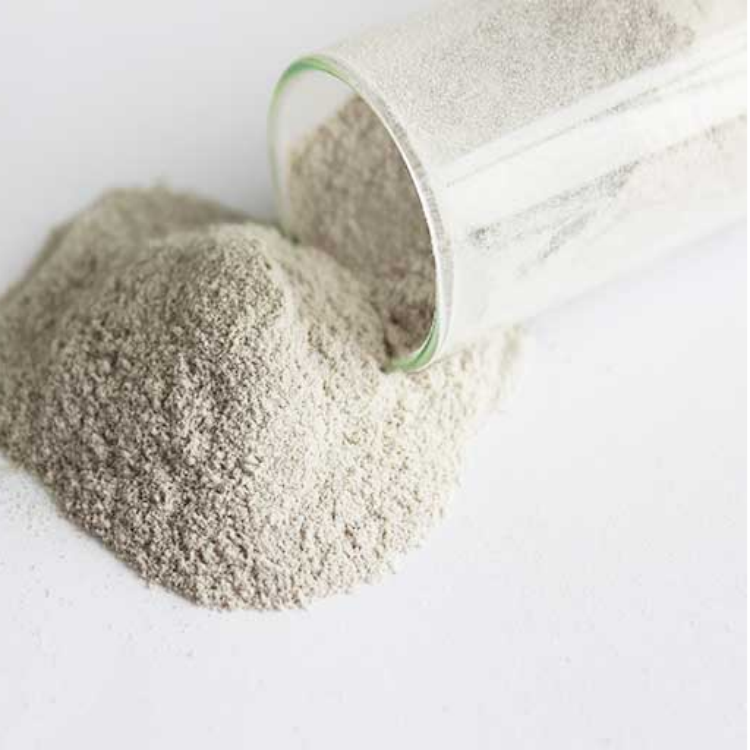
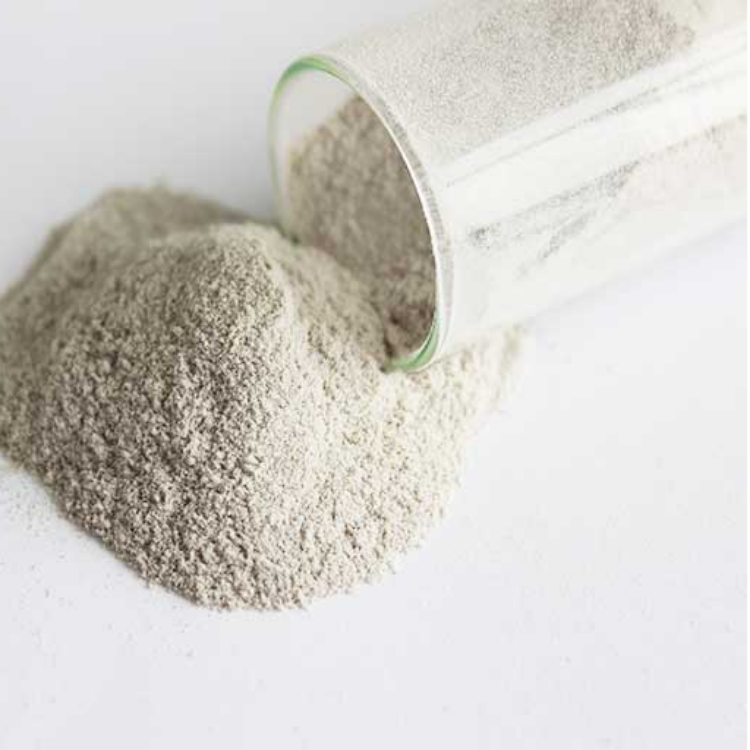
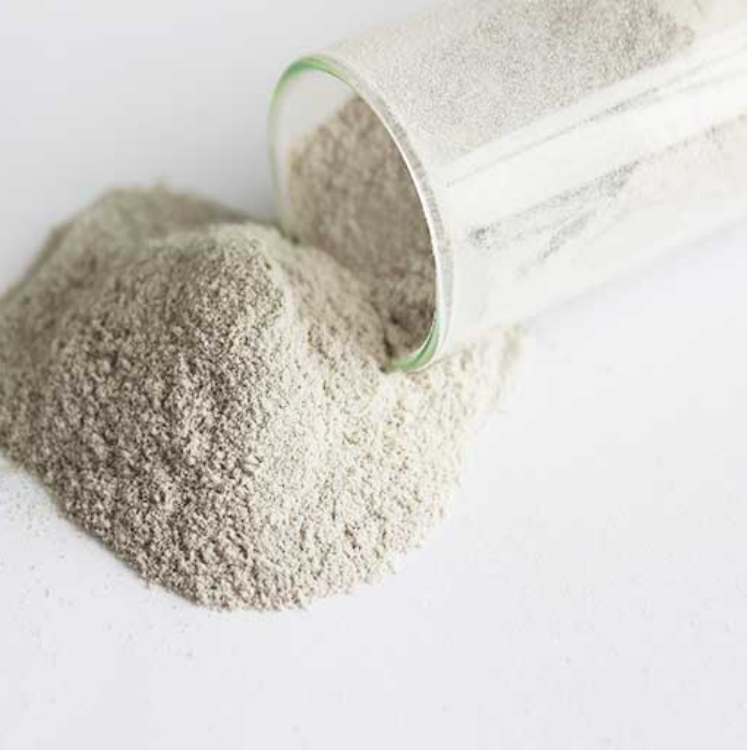
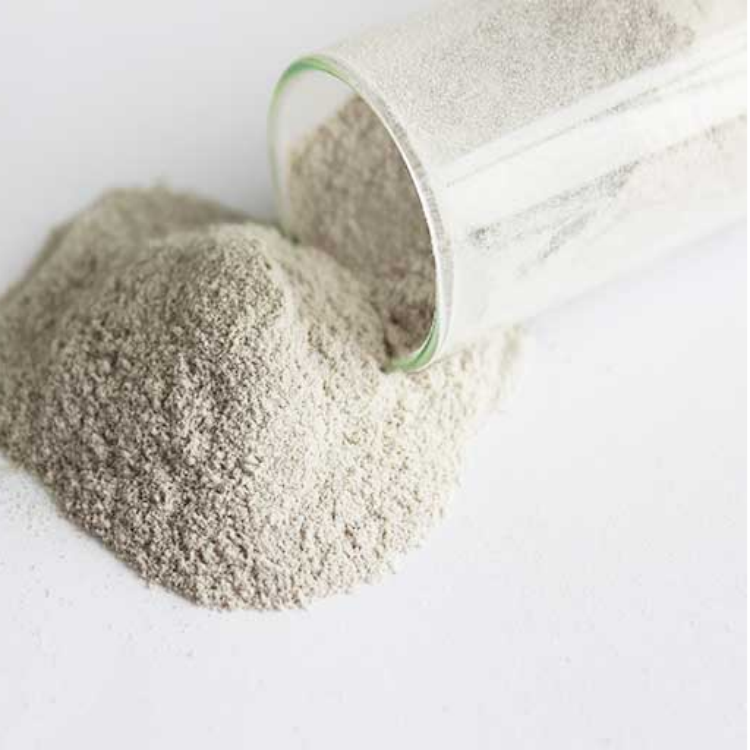
Adhering to the research and development principle of "independent innovation," we are committed to achieving and ensuring every detail of mill powder research, design, and production across various industries, while maintaining the precision of our solutions.
Concept Introduction
PA Plastic (Nylon, Polyamide), English Name: Polyamide
PA varieties include PA6, PA66, PA11, PAl2, PA46, PA610, PA612, PAl010, as well as semi-aromatics developed in recent years.Nylon PA6T and specialty nylons, along with many new varieties. PA plastics are a historically established, widely used general engineering plastic, accounting for 35% of the global engineering plastics market in 2000, with PA at 35%, PC at 32%, POM at 11%, PBT at 10%, PPO at 3%, PET at 2%, UHMWPE at 2%, and high-performance engineering plastics (PPS polyamide, LCP, PEEK, PEI, PESU, PVDF, and other fluoro plastics) at 2%.
Primary Application
Automotive manufacturing sector
Used for manufacturing fuel filters, fuel filter elements, tanks, collectors, oil storage tanks, engine cylinder head covers, radiator reservoirs, and balance rotating shaft gears. Also applicable to automotive electrical accessories, terminals, etc. Additionally, it can be used as driving and control components.
Electrical & Electronics Industry
Suitable for manufacturing rice cookers, electric vacuum cleaners, high-frequency electronic food heaters, and electrical products such as terminal blocks, switches, and resistors.
Medical equipment instruments
Used for blood transfusion tubes, blood collection devices, infusion sets, etc. PA monofilament can be used for surgical sutures, wigs, etc.; in addition, the numeric rotary disk of electronic typewriters, terminal posts, transmission gears, and belt filter plates of printing machines, etc.
Important Notes
The screw back pressure significantly affects the even dispersion of glass fiber in the melt, the melt's fluidity, density, the appearance quality of the product, and its physical and mechanical properties. Generally, a slightly higher back pressure helps improve the floating fiber phenomenon. However, excessively high back pressure can exert significant shear on long glass fibers, making the melt prone to degradation due to overheating, leading to discoloration and reduced mechanical properties. Therefore, setting the back pressure slightly higher than that for un reinforced nylon is sufficient.