









Main Business Operations
Adhering to the research and development principle of "independent innovation," we are committed to achieving and ensuring every detail of research, design, and production in the flour milling industry, as well as the precision of our solutions.
Concept Introduction
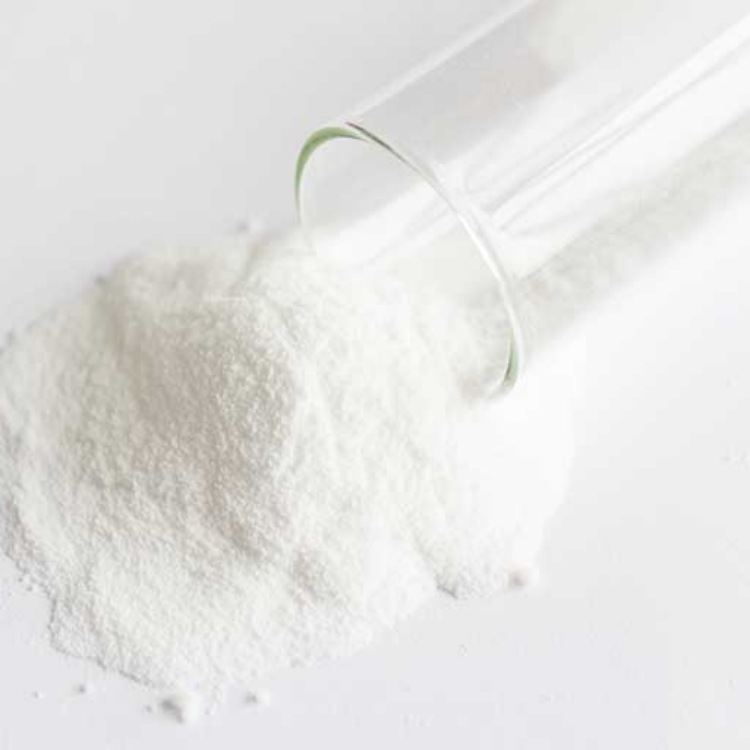
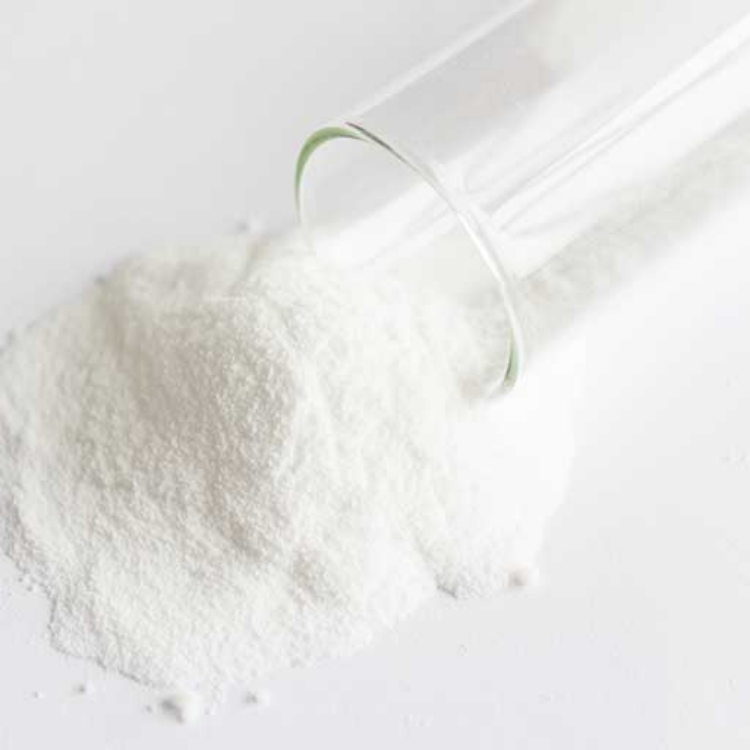
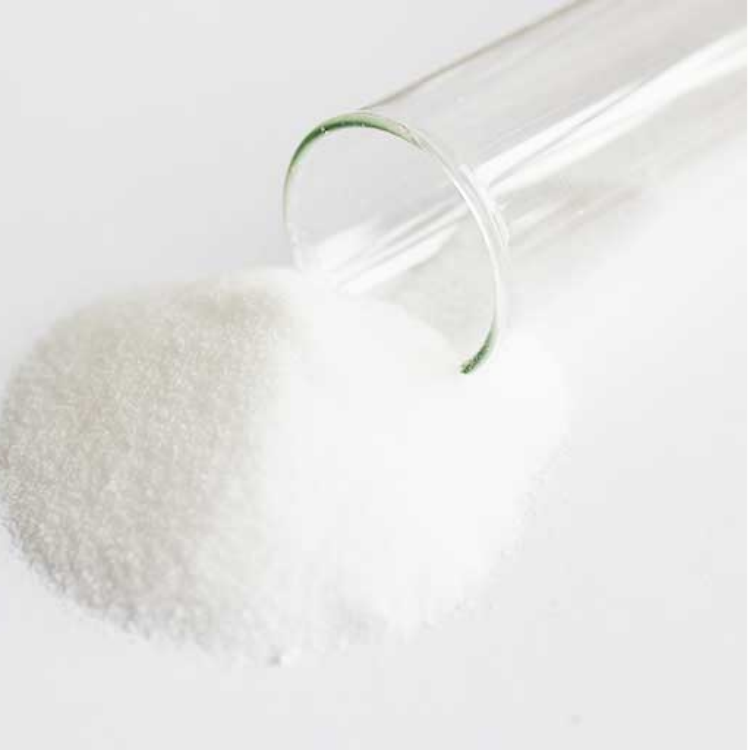
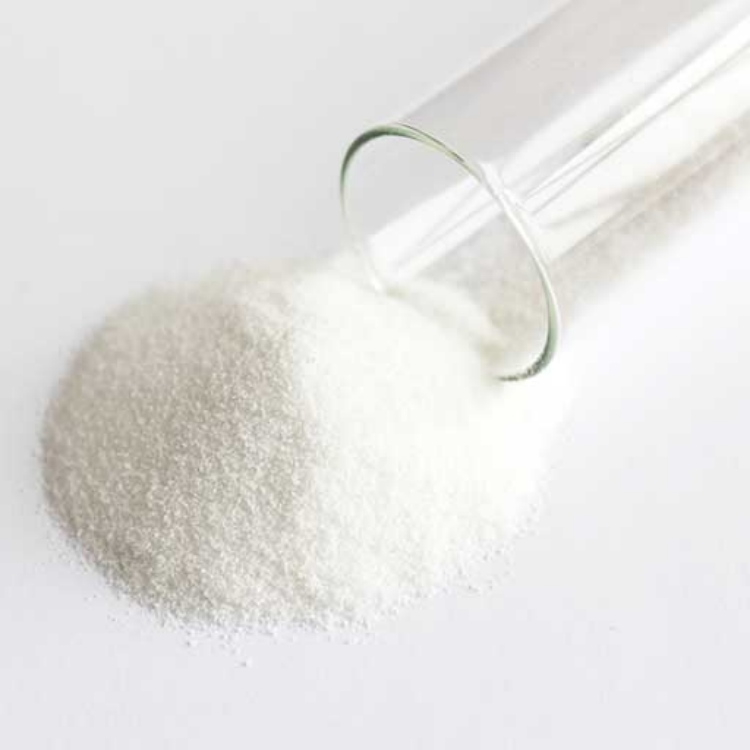
Linear Low Density Polyethylene (LLDPE) is a copolymer produced by polymerizing ethylene with a small amount of advanced alpha-olefins (such as 1-butene, 1-hexene, 1-octene, 1-tetramethylpentene, etc.) under the action of a catalyst through high or low pressure. Its density ranges between 0.915 to 0.940 grams per cubic centimeter. However, according to ASTM's D-1248-84 specification, a density range of 0.926 to 0.940 grams per cubic centimeter is classified as Medium Density Polyethylene (MDPE). The new generation LLDPE expands its density range to plastics (0.890 to 0.915 grams per cubic centimeter) and elastomers (<0.890 grams per cubic centimeter). But the Society of the Plastics Industry (SPI) and the American Plastics Council (APC) only expand the LLDPE range to plastics, excluding elastomers. In the 1980s, UnioCarbide and Dow Chemical refer to the early plastic and elastomeric materials they sold as very low density polyethylene (VLDPE) and ultra-low density polyethylene (ULDPE) resins.
Main Application
For injection molded products, food packaging materials, medical devices, pharmaceuticals, blow molding hollow products, fibers, etc. Polyethylene can be processed into films, wire and cable sheaths, pipes, various hollow products, injection molded products, fibers, etc. Widely used in agriculture, packaging, electronics, electrical, machinery, automotive, and daily necessities.
Cautionary Notes
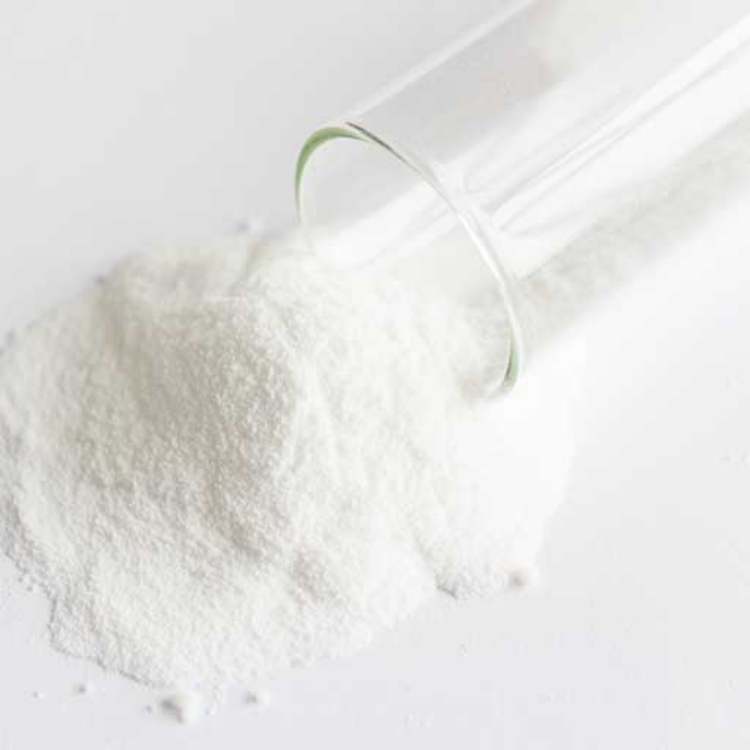
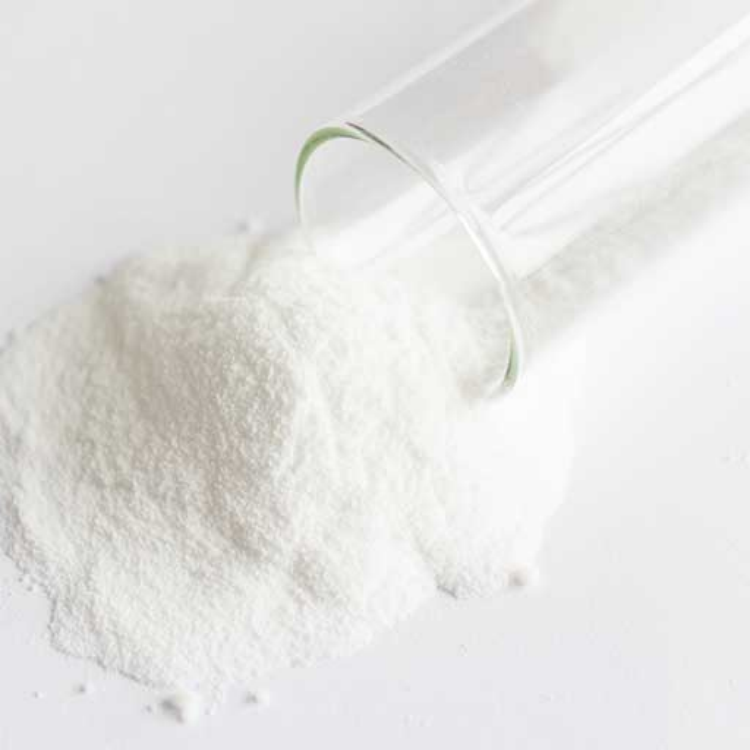
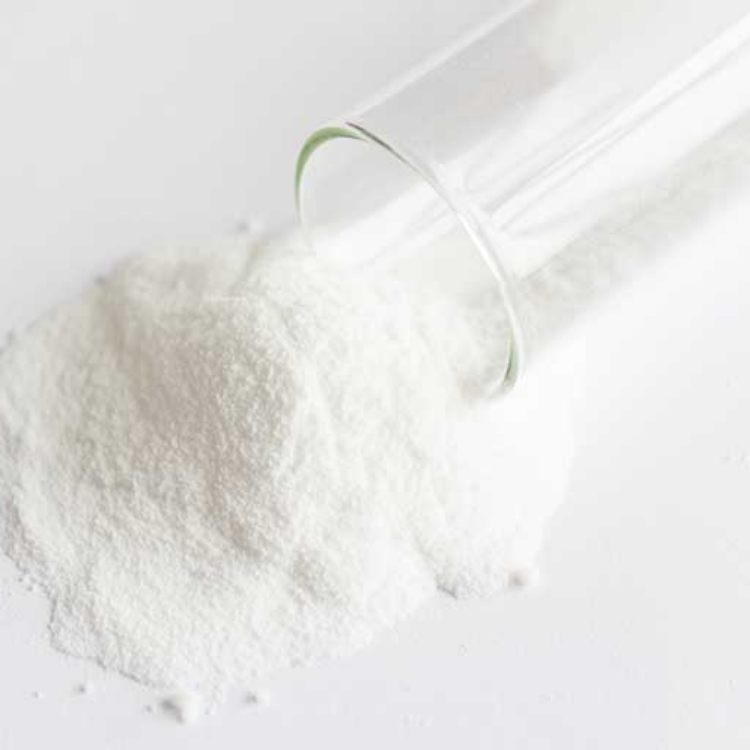
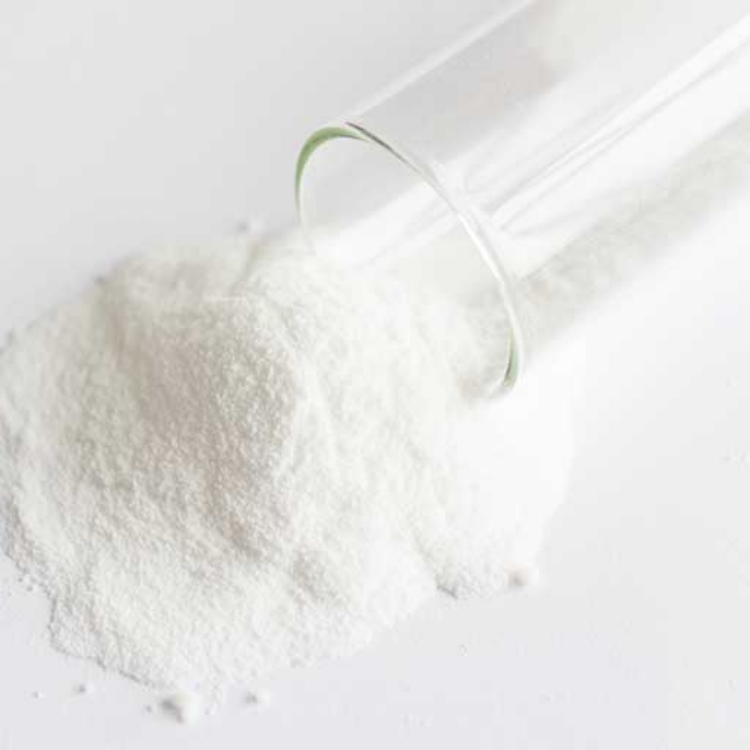
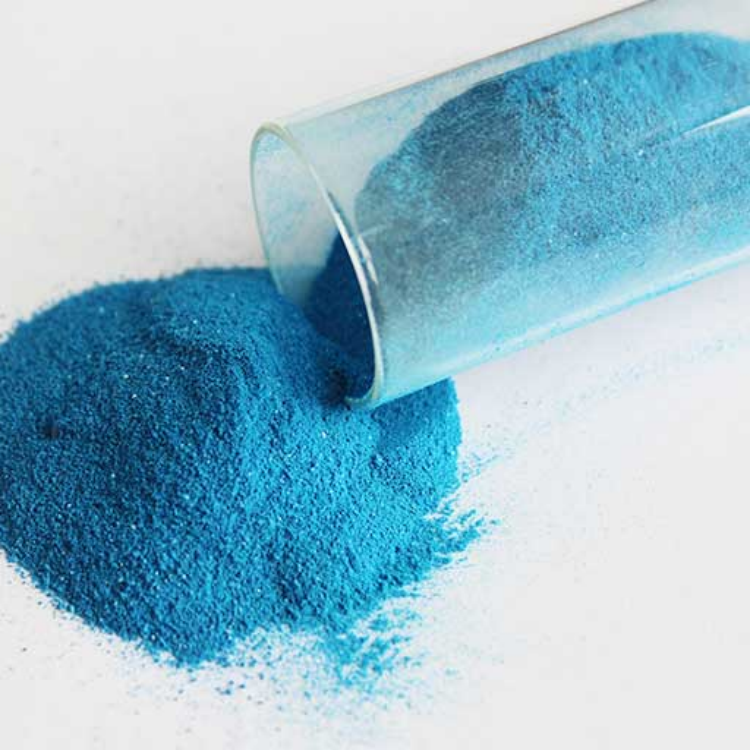
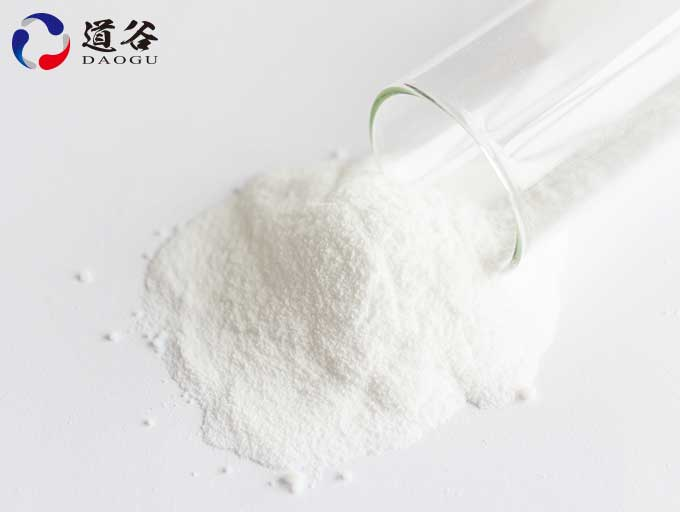
During the shearing process (e.g., extrusion), LLDPE maintains a higher viscosity, making it more difficult to process than LDPE with the same melt index. In extrusion,LLDPE Plastic PowderLower shear sensitivity allows for faster stress relaxation of polymer molecular chains, and thus reduces the sensitivity to changes in blow-up ratio due to this physical property.
In melt extension, LLDPE generally has a lower viscosity across various strain rates. That is to say, it will not, like LDPE, undergo strain hardening during stretching. As the deformation rate of polyethylene increases, LDPE exhibits a remarkable increase in viscosity, caused by molecular chain entanglement.
This phenomenon is not observable in LLDPE, as the absence of long side chains prevents the polymer from entanglement. This property is extremely important for film applications, as LLDPE films can be made thinner while maintaining high strength and toughness. The rheological behavior of nLLDPE can be summarized as "rigid under shear" and "soft under extension."
When using LLDPE Plastic PowderWhen replacing LDPE, modifications to the film extrusion equipment and conditions are necessary. LLDPE's higher viscosity requires extruders with greater power and provides higher melt temperature and pressure.
The mold gap distance must be widened to avoid reducing output due to high back pressure and melt fracture. The general mold gap distances for LDPE and LLDPE are 0.024 to 0.040 in. and 0.060 to 0.10 in., respectively.