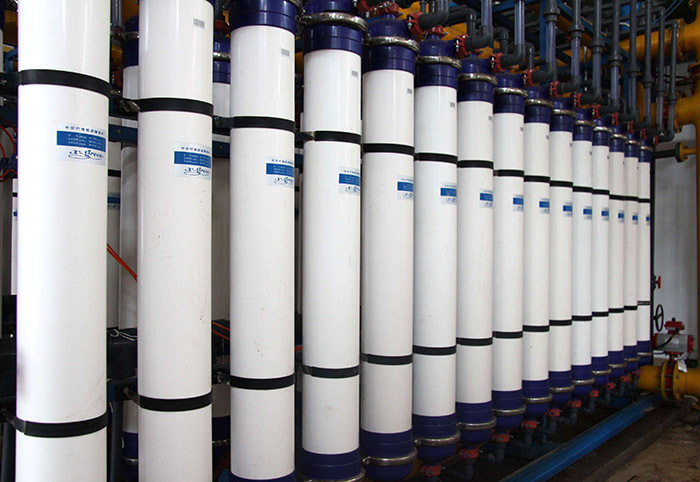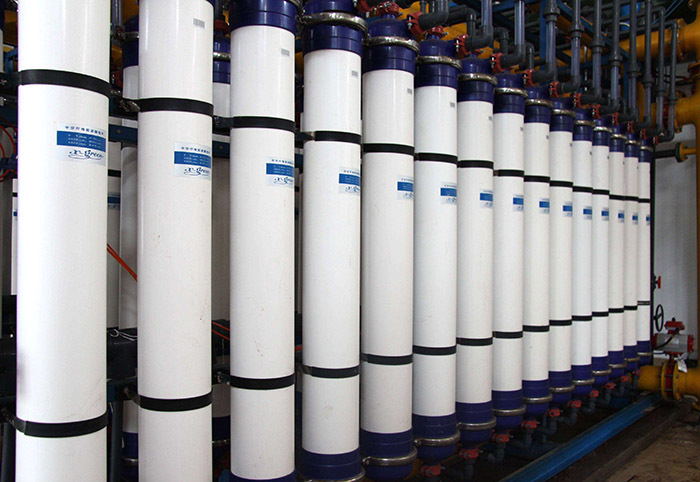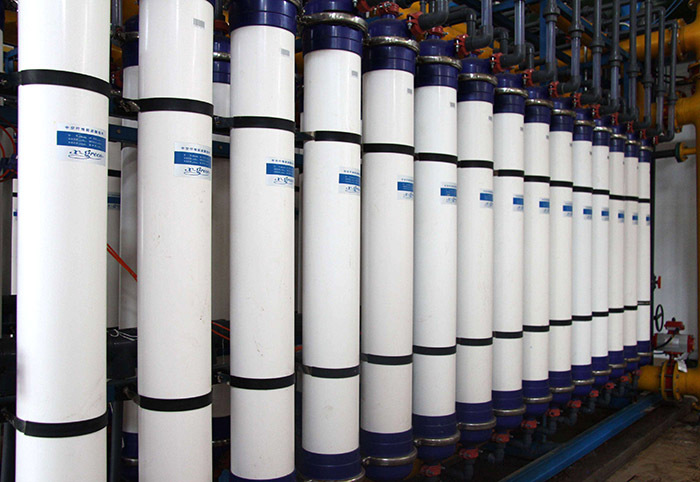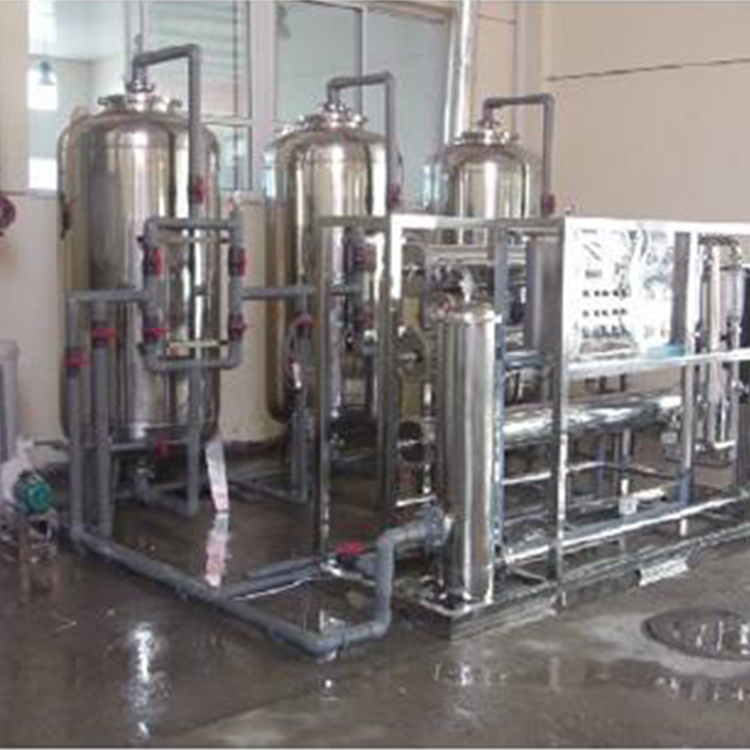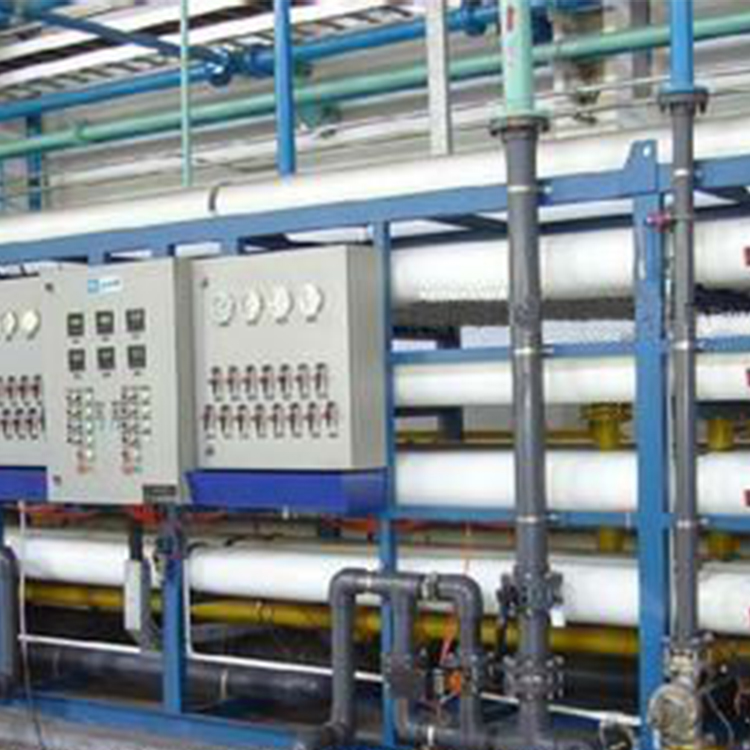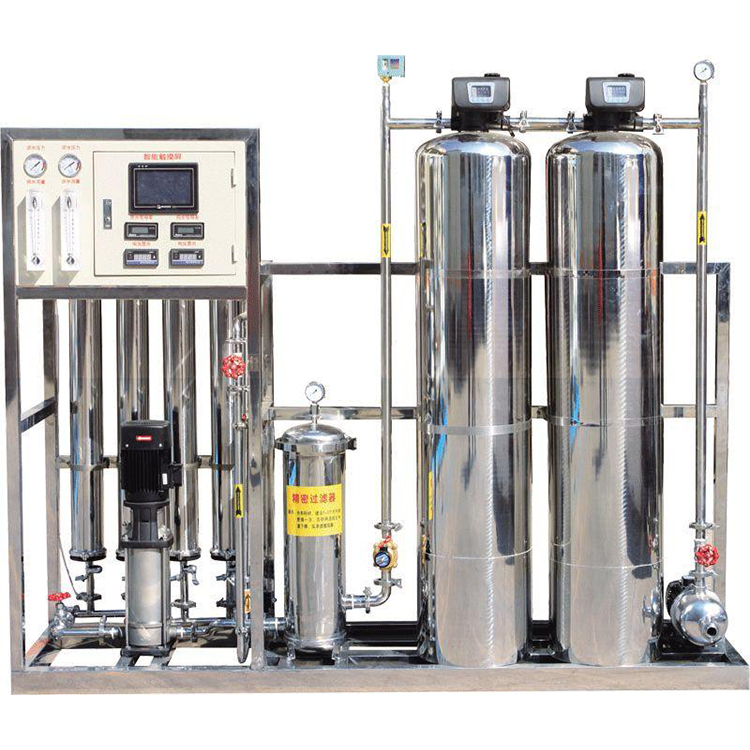

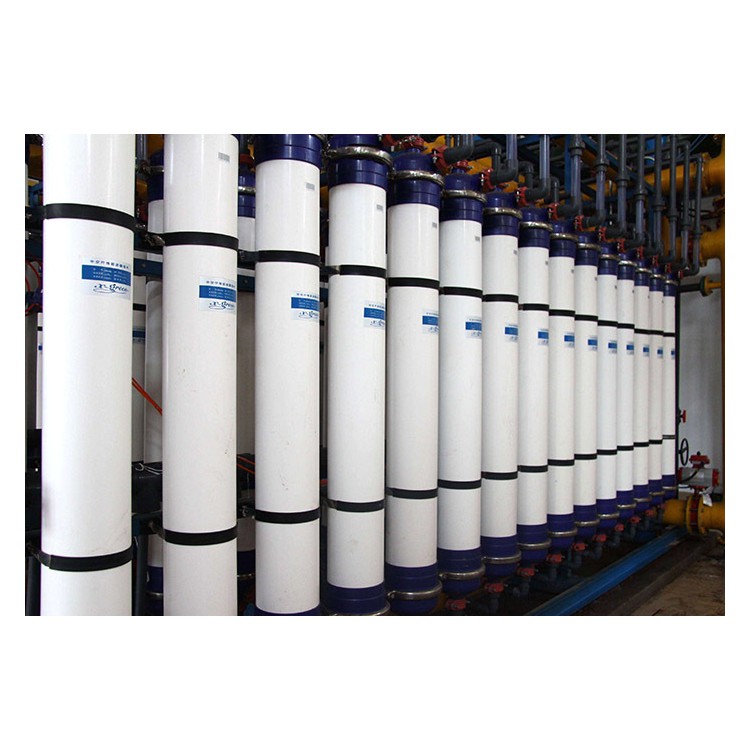

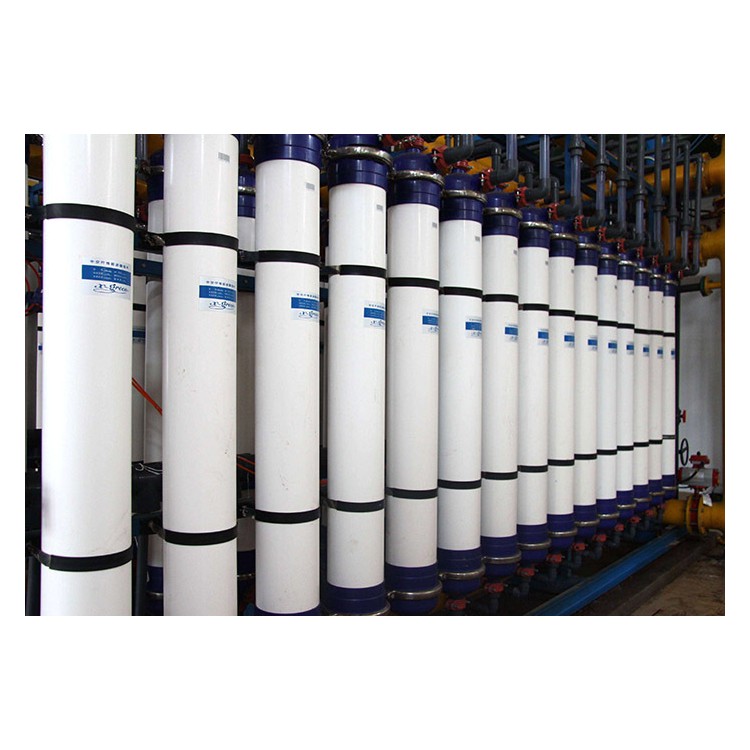
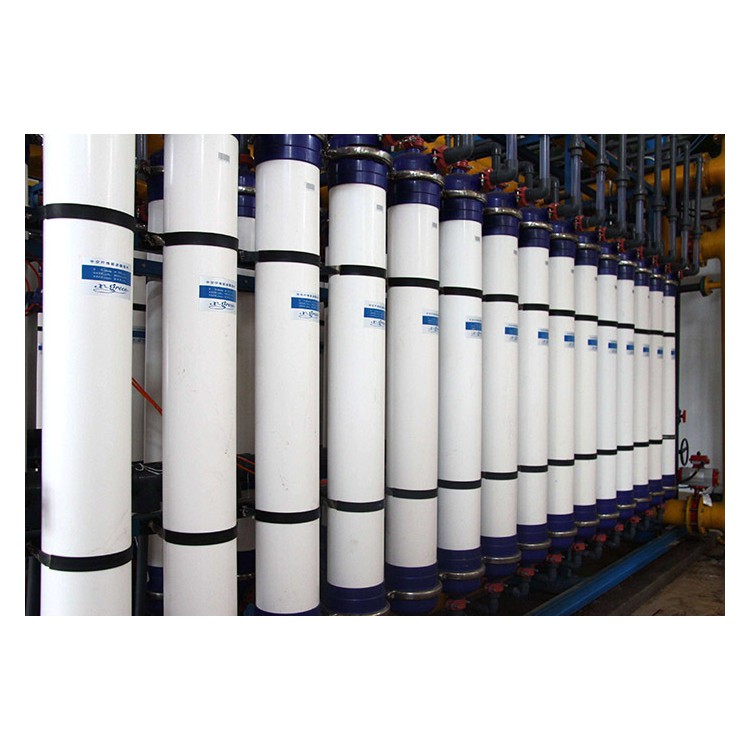
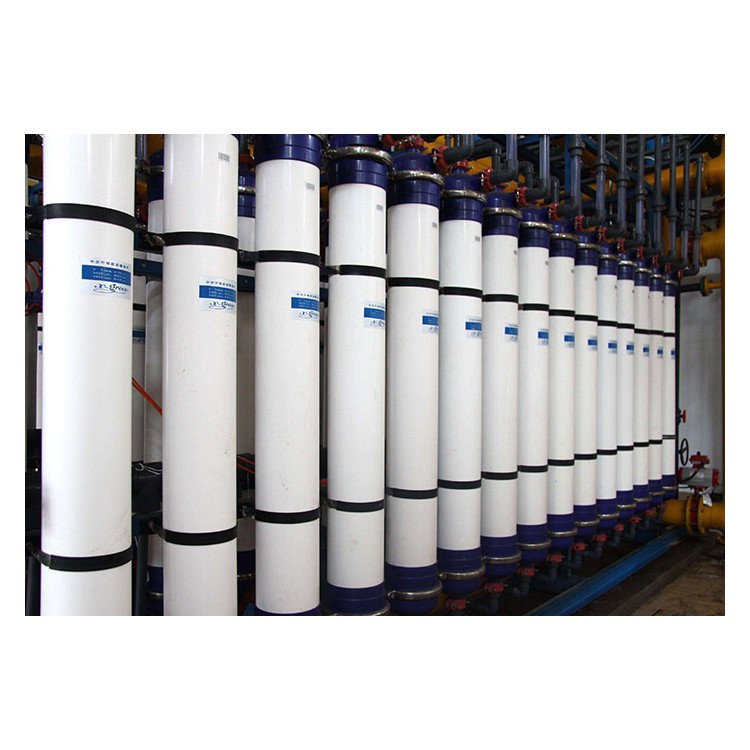









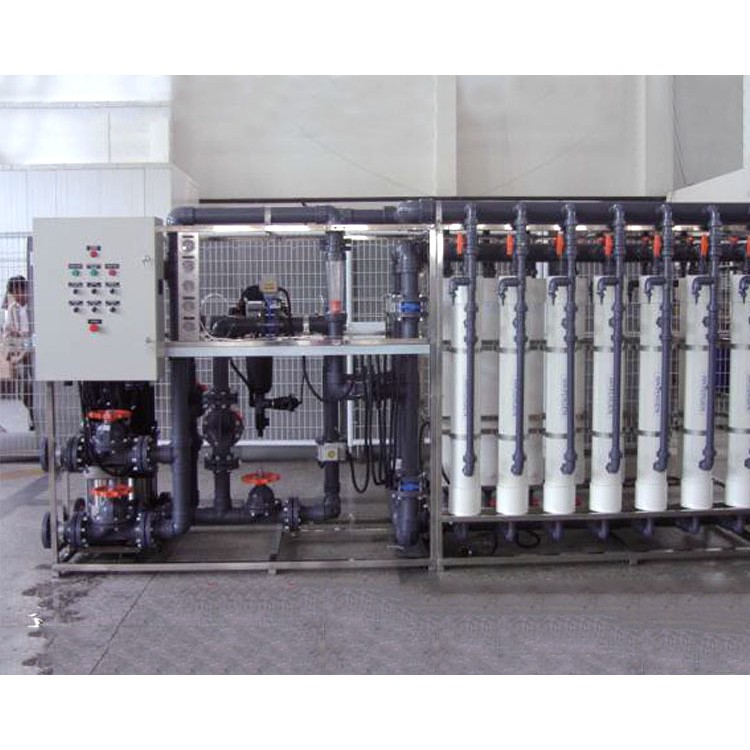
Ultrafiltration membrane
In membrane separation technology, the ultrafiltration membrane refers to a filter membrane with a micropore size ranging from 20×10^-10m to 1000×10^-10m, or 0.002-0.1μm. Typically, colloidal volumes are ≥0.1μm, latex ≥0.5μm, bacteria such as E. coli and Staphylococcus ≥0.2μm, suspended particles and microparticles ≥5μm. Therefore, the ultrafiltration membrane can filter out large molecular substances like bacteria, colloids, suspended particles, and proteins from the solution.

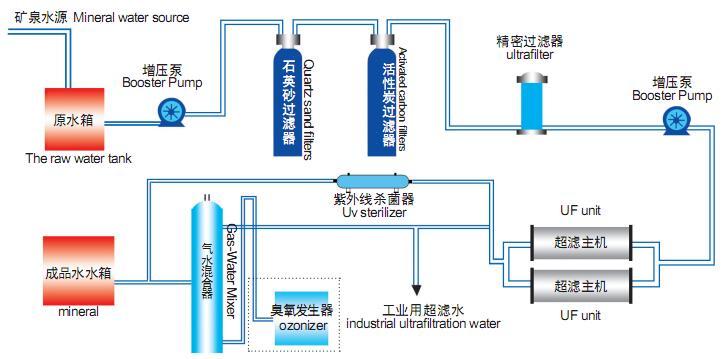
Process flow diagram
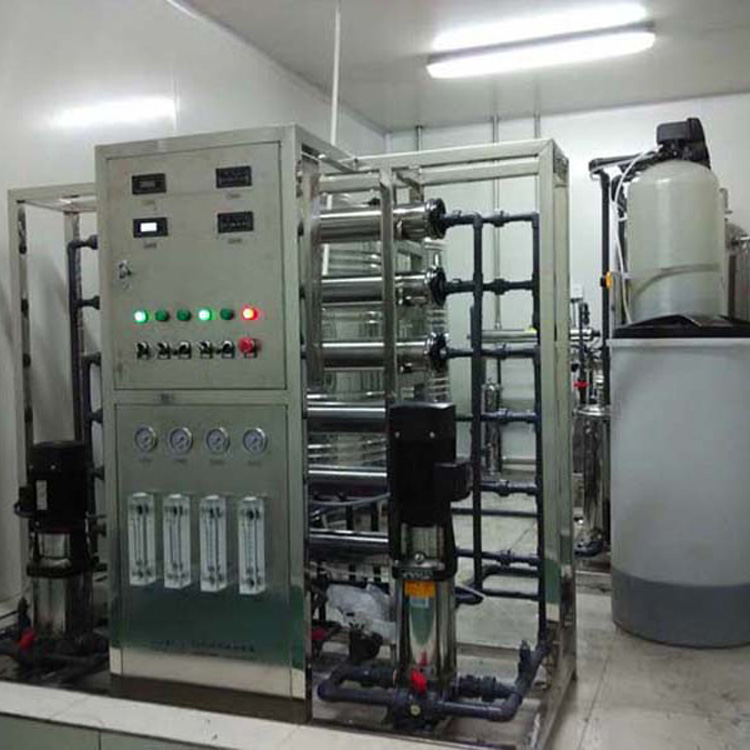
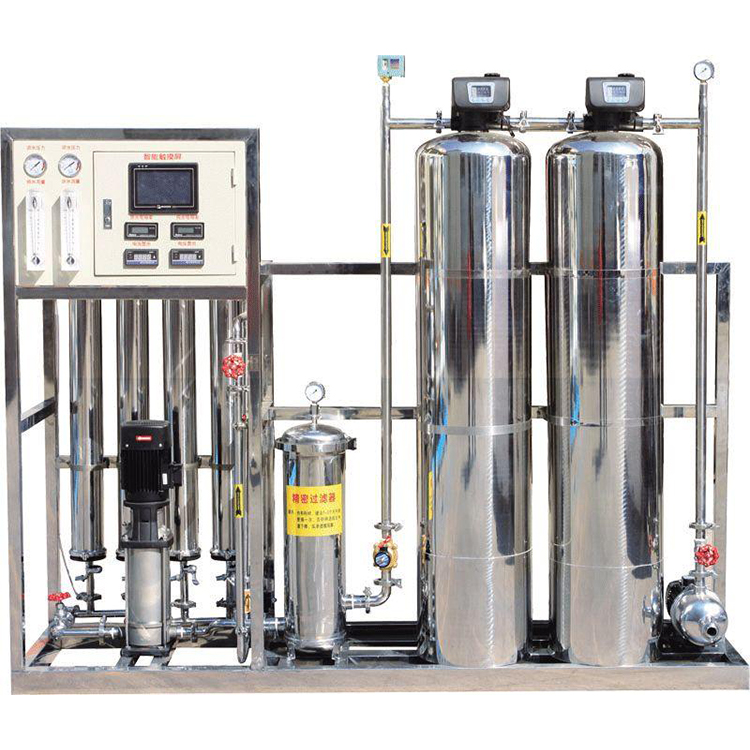
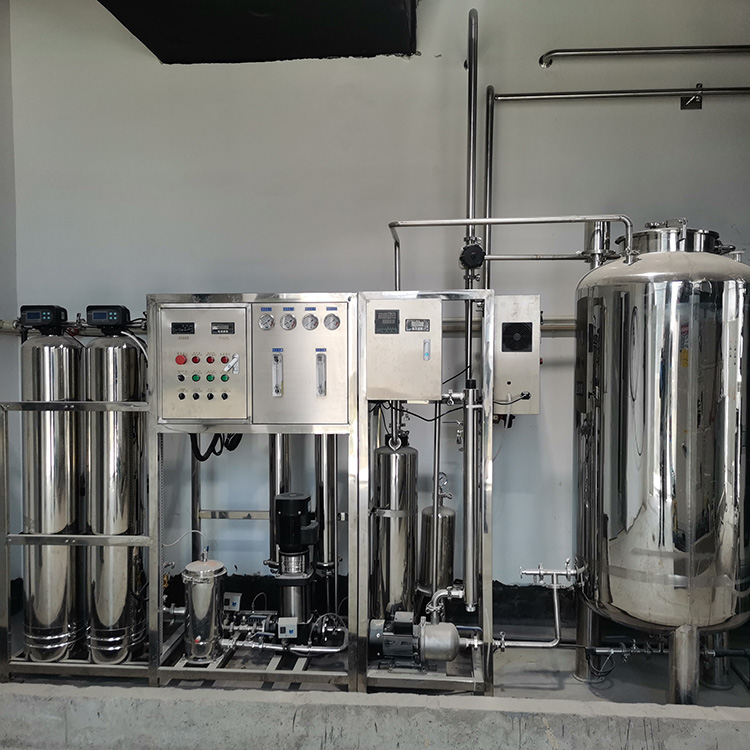
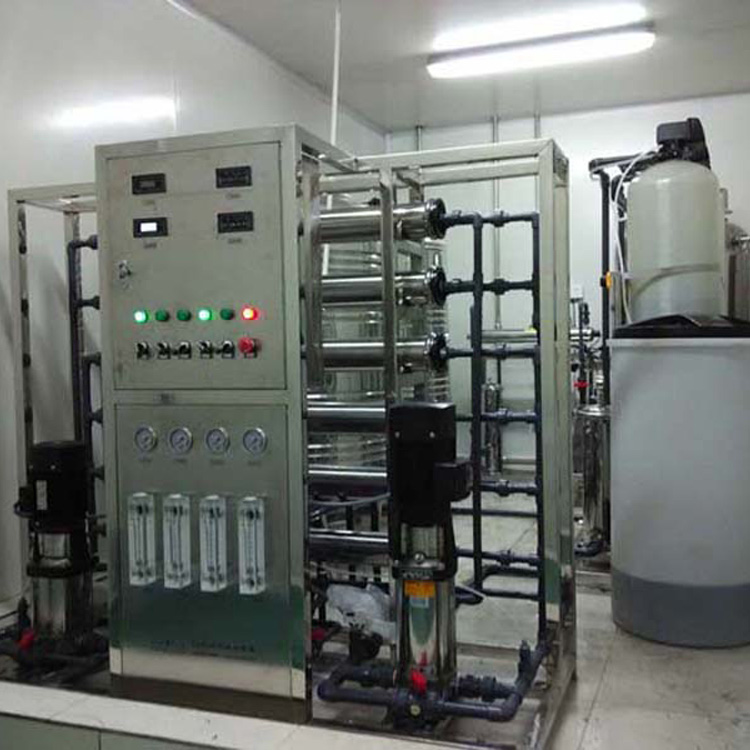
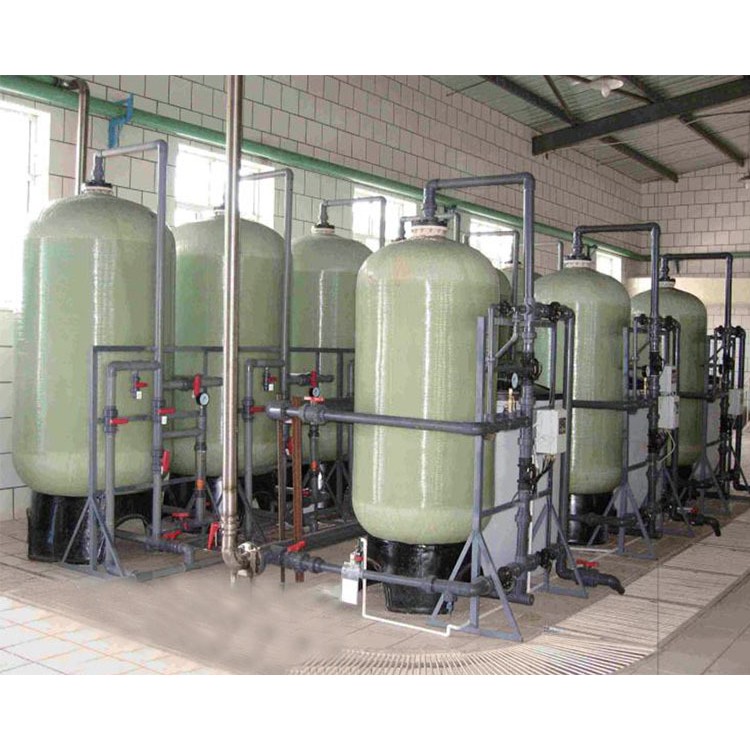
Suitable for drinking mineral water, mountain spring water, industrial ultrafiltration water, and also for the pre-treatment of pure water equipment.
Ultrafiltration
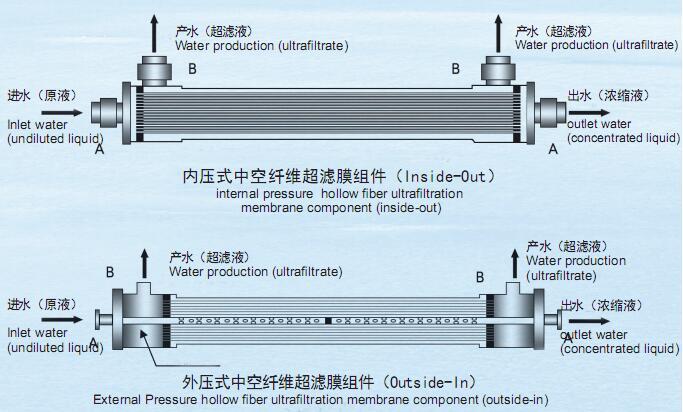
Ultrafiltration is commonly used in the production of mineral water and mountain spring water, which is a process that utilizes pressure as the driving force to separate impurities from liquids by using ultrafiltration membranes with different pore sizes. Currently, in the water treatment industry, polysulfone and polypropylene hollow fiber components are widely used.