













.jpg)
Overview
An electrodialysis unit is a water treatment technology that utilizes the selective permeability of ion exchange membranes to selectively direct the migration of ions in water under the influence of a direct current electric field, separating cations and anions in the solution. Due to its low energy consumption, high water output, high desalination rate, and strong stability, it is used in electronics, chemical industry, food processing, hard water softening, and seawater desalination.
Working Principle
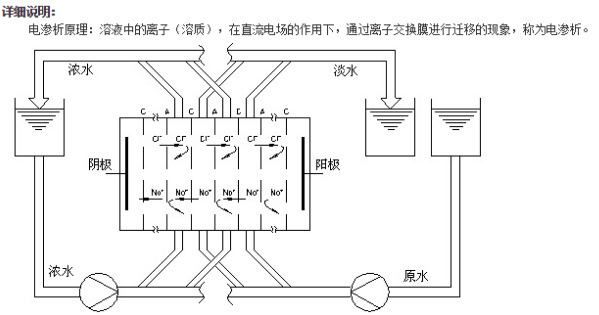
The key component of an electrodialyzer is the ion exchange membrane, which comes in two types: cation exchange membrane (positive membrane) and anion exchange membrane (negative membrane). The positive membrane allows cations in the solution to pass through while blocking anions, while the negative membrane allows anions to pass through while blocking cations. Under the influence of an external electric field, ions in water move selectively in a directional manner, resulting in a reduction of ion count in one part of the water and an increase in another, thereby achieving desalination.
Key Technical Parameters
Turbidity < 1 mg/L
Total Iron Content < 0.3 mg/L
Total Manganese Content < 0.1 mg/L
Water temperature: 5-40℃
Chroma < 20℃
Oxygen Demand < 2 mg/L (measured by potassium permanganate)
Electrodialysis units utilize this electrodialysis phenomenon to cause ionic migration in the electrolyte solution within the compartments of the unit. This results in the separation of cations and anions, which pass through cation and anion exchange membranes, thereby achieving the goals of dilution and concentration. Taking sodium chloride as an example, when a water solution containing sodium chloride passes through the compartments of an electrodialysis unit that are equipped with alternating cation and anion exchange membranes and freshwater and brine separator plates, ion migration occurs under the influence of a direct current field. Chloride ions migrate towards the anode, while sodium ions migrate towards the cathode, as shown in the diagram. Since the exchange membranes are selectively permeable, the anion exchange membrane only allows anions to pass through, and the cation exchange membrane only allows cations to pass through. Consequently, cations in the dilution compartment migrate towards the cathode, passing through the anion membrane into the concentrate compartment, while anions in the dilution compartment migrate towards the anode, passing through the cation membrane into the concentrate compartment. Similarly, in the concentrate compartment, cations and anions also migrate towards the cathode and anode, respectively, under the influence of the direct current field. However, due to the blocking effect of the exchange membranes on both sides of the compartment, they remain in the concentrate compartment, leading to an increasing concentration in the concentrate compartment and a decreasing salt content in the dilution compartment. The electrodialysis unit is composed of alternating layers of dilution and concentrate compartments, with half being dilution compartments and the other half being concentrate compartments. Water flows from each compartment are collected through specially designed channels at the edge of the separator plates to form a system of concentrated and diluted water, thereby achieving desalination.
Electro dialysis (ED) unit composition
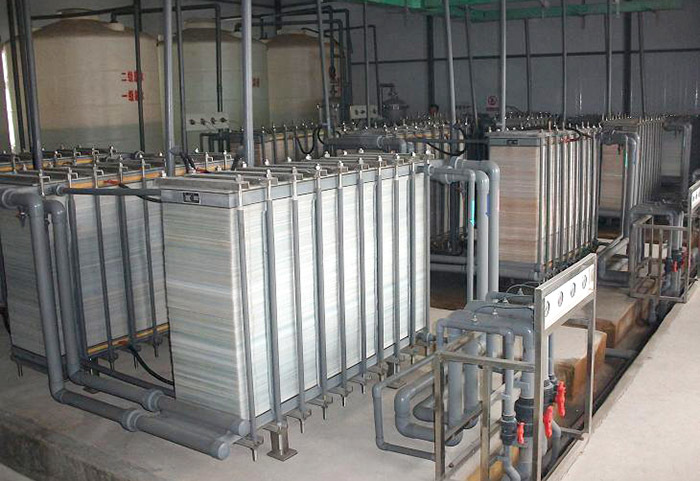
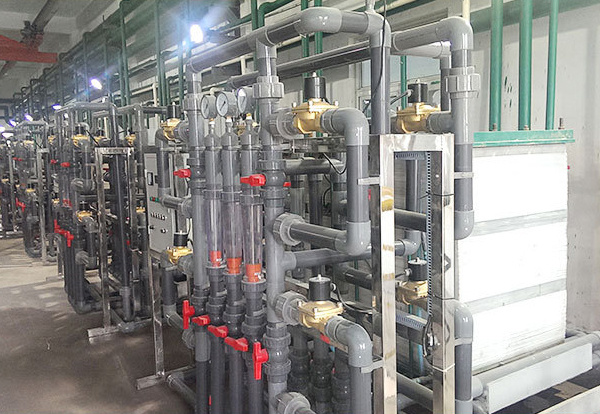
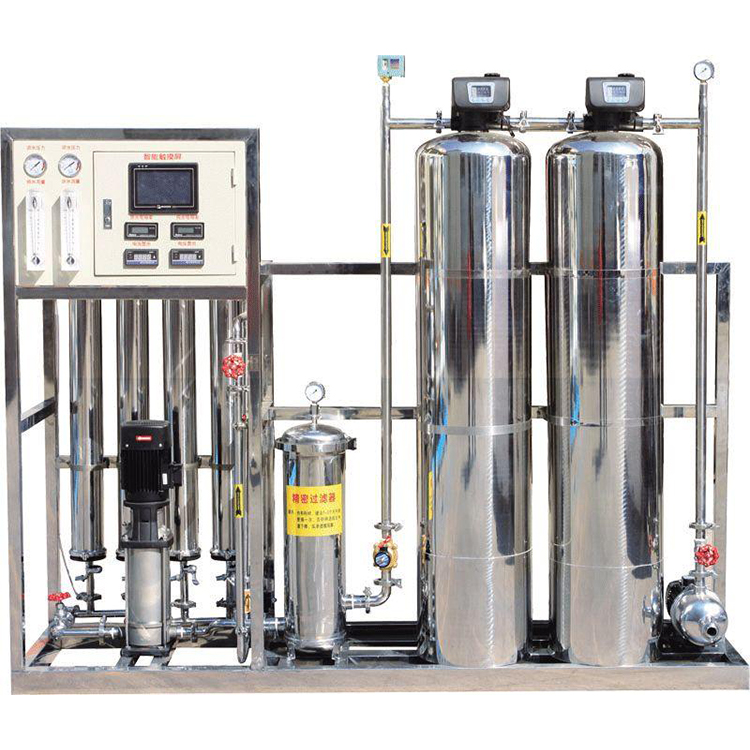
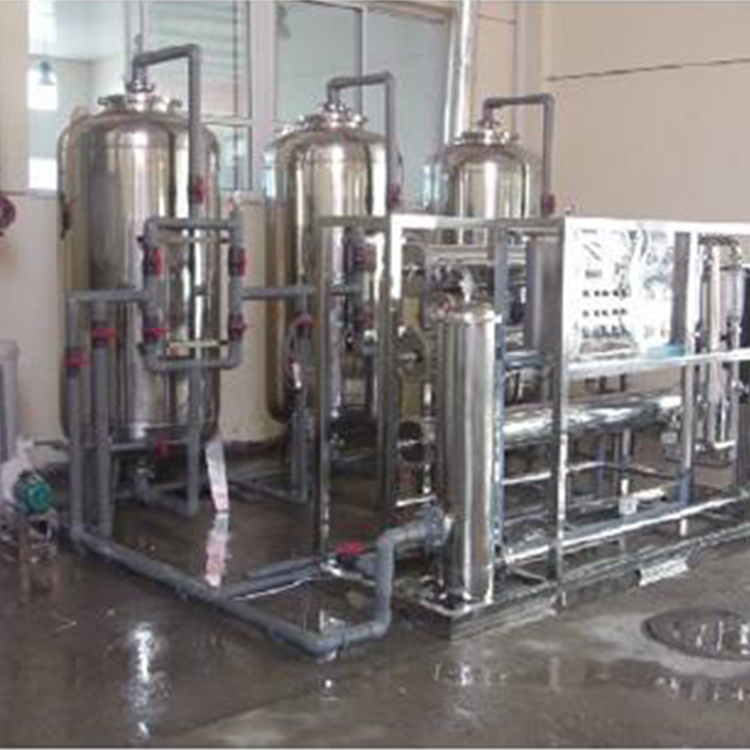
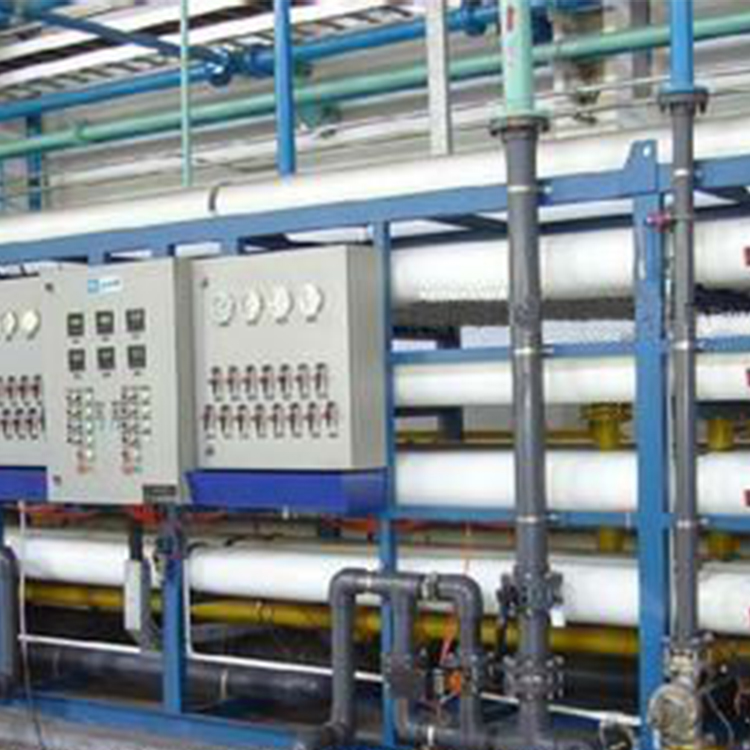
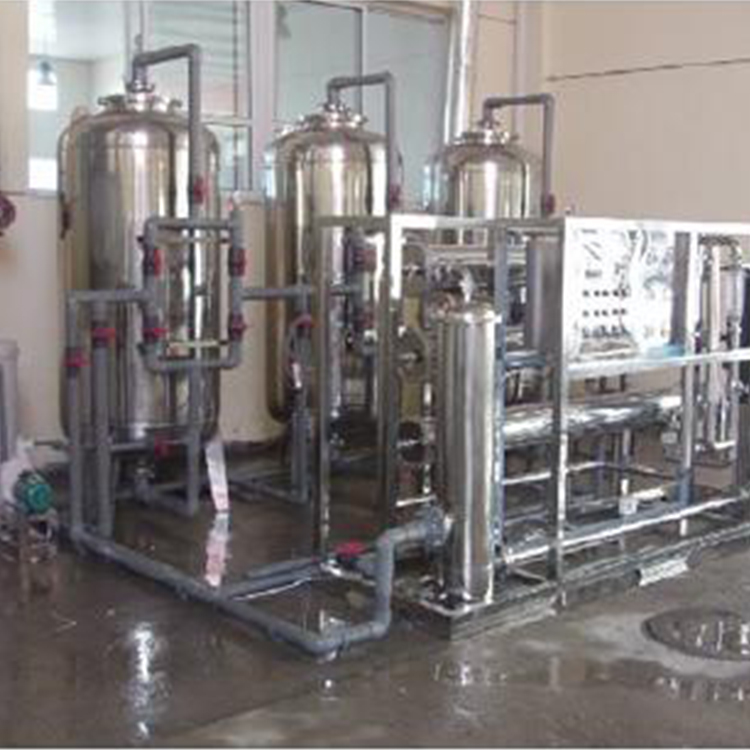
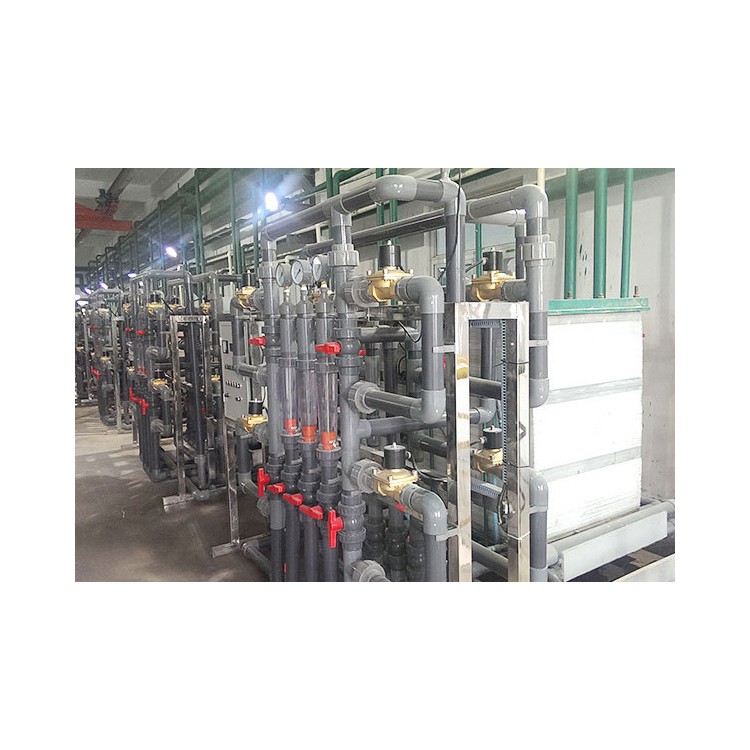
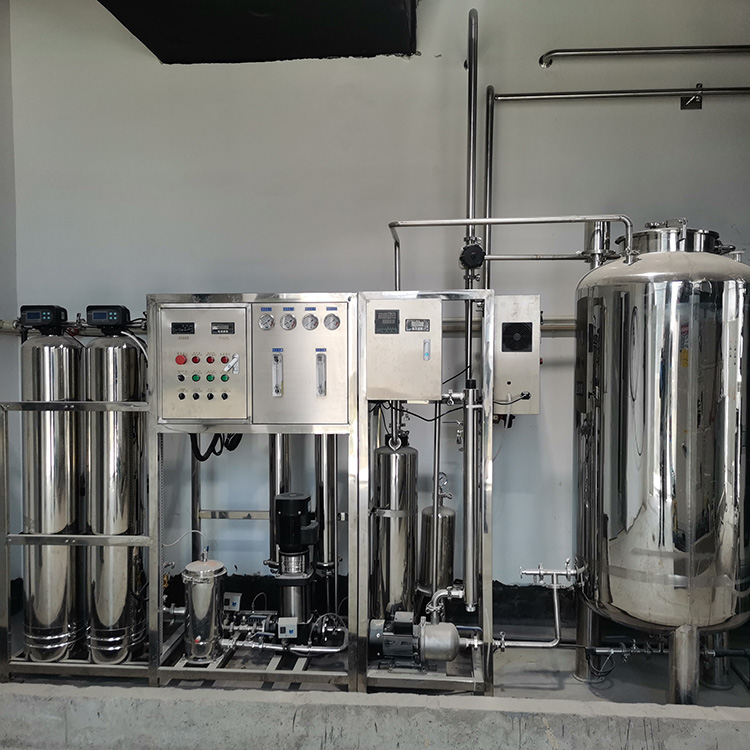
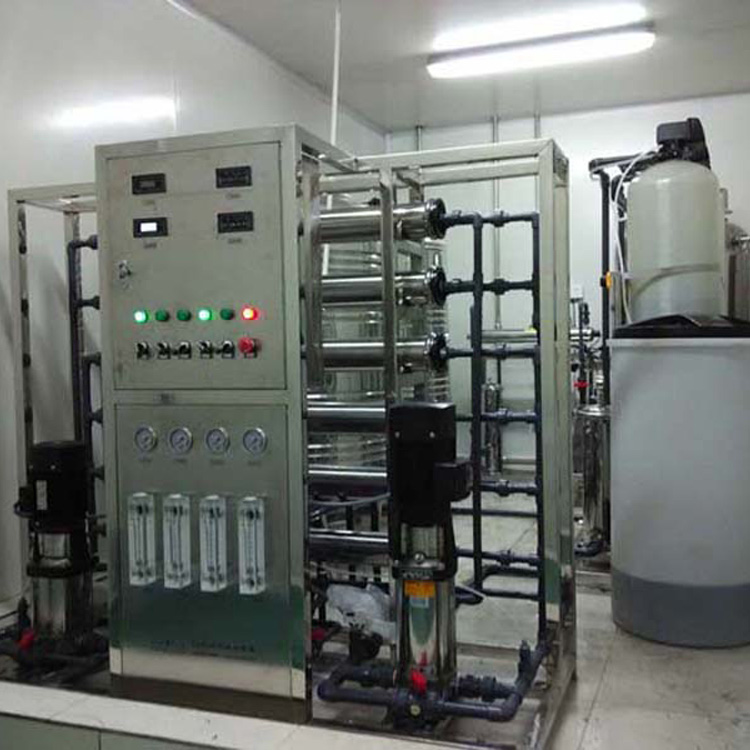
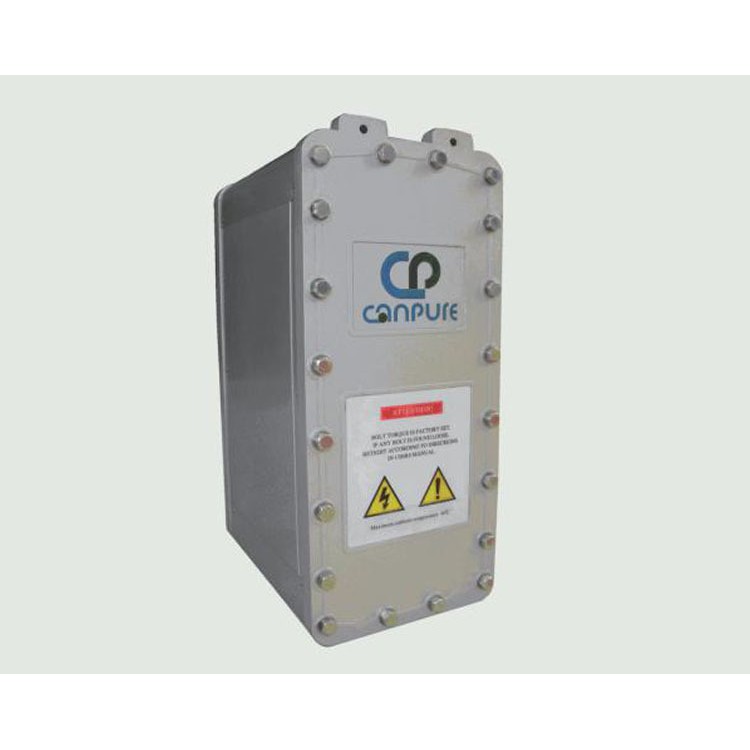
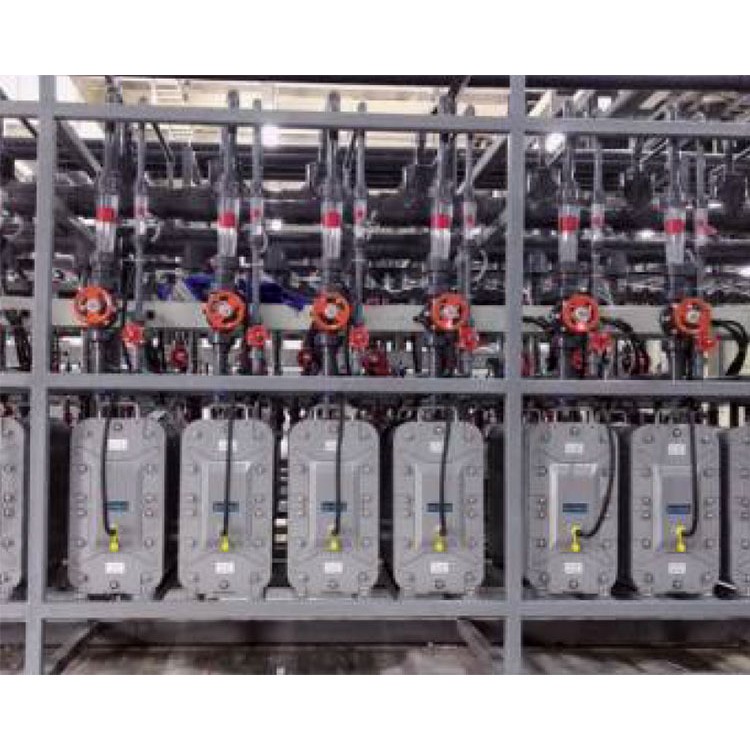
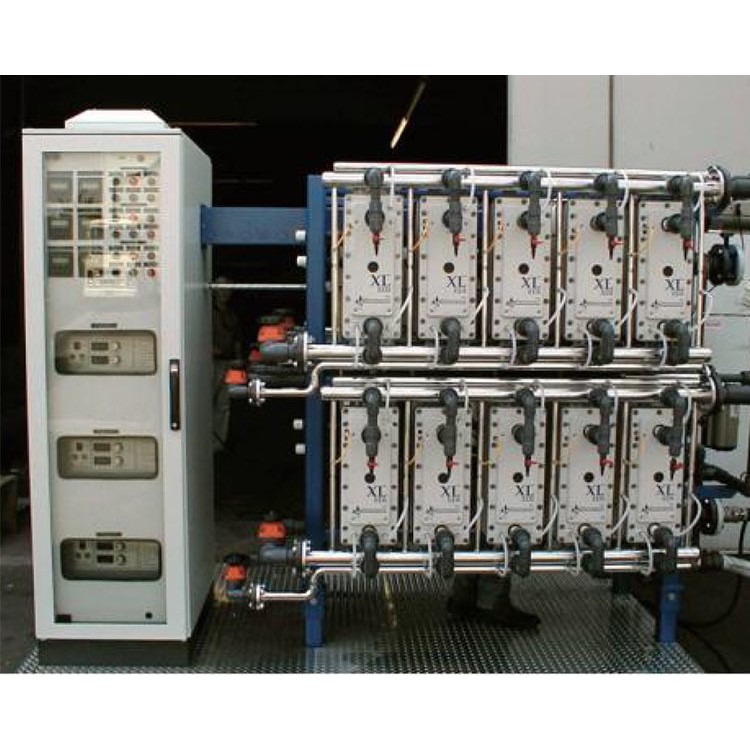
Electrodialysis equipment consists of a power supply converting AC to DC, an electrodialyzer, cleaning units, and more. The main components of the electrodialyzer include anion exchange membrane (referred to as the anion membrane), cation exchange membrane (referred to as the cation membrane), diaphragms, electrodes, and clamping devices. The compartments formed by the diaphragms serve as channels for the liquid flow. By alternating the anion membrane, cation membrane, and diaphragms between concentrated and freshwater, adding a pair of electrodes, and then clamping them together, an electrodialyzer is formed.
The electro-osmosis membrane separator should operate normally under the following feed water quality conditions:
Water Temperature: 5-40℃
b. Manganese Dioxide Index <3 mg/L
c. Free Chlorine < 0.2 mg/L
d. Iron <0.3 mg/L
e. Manganese <0.1 mg/L
f. Turbidity 1.5mm to 2.0mm divider < 3 degrees
0.5mm to 0.9mm spacers <1 degree