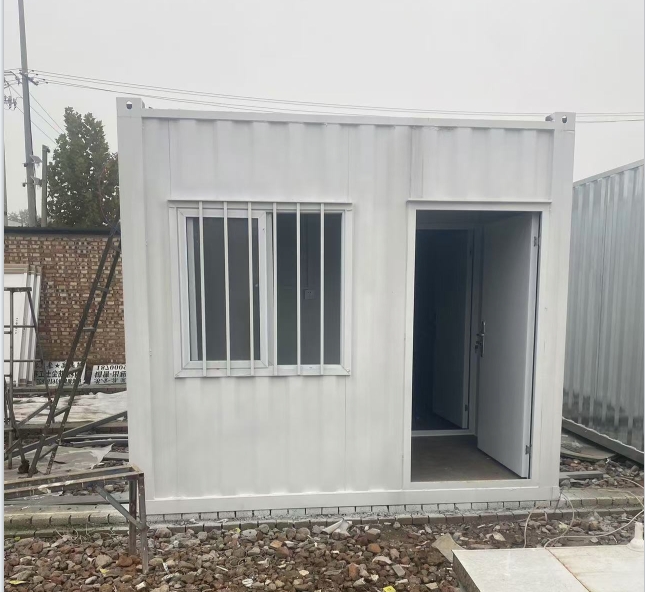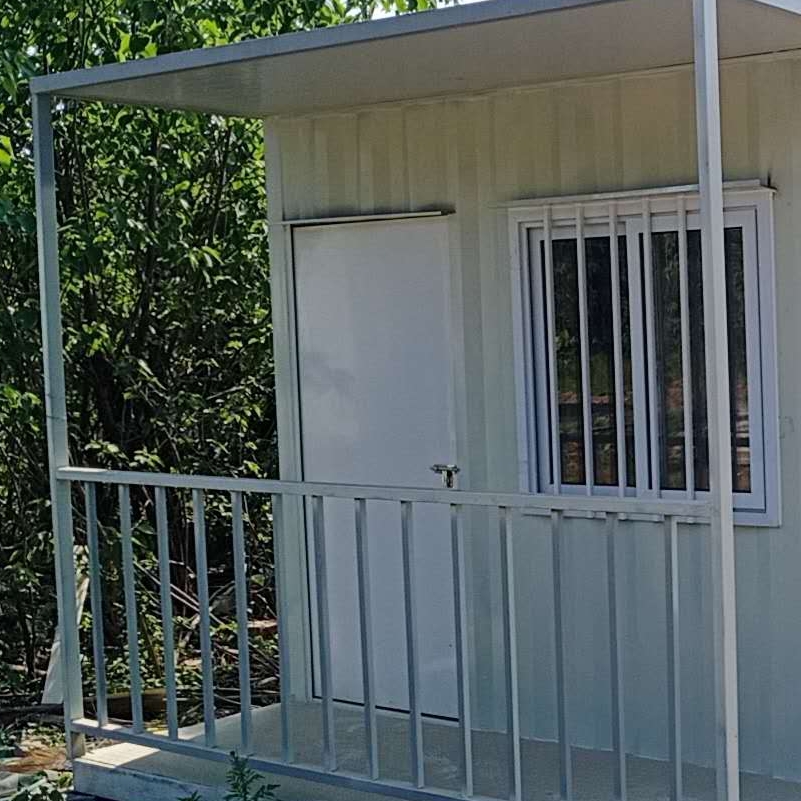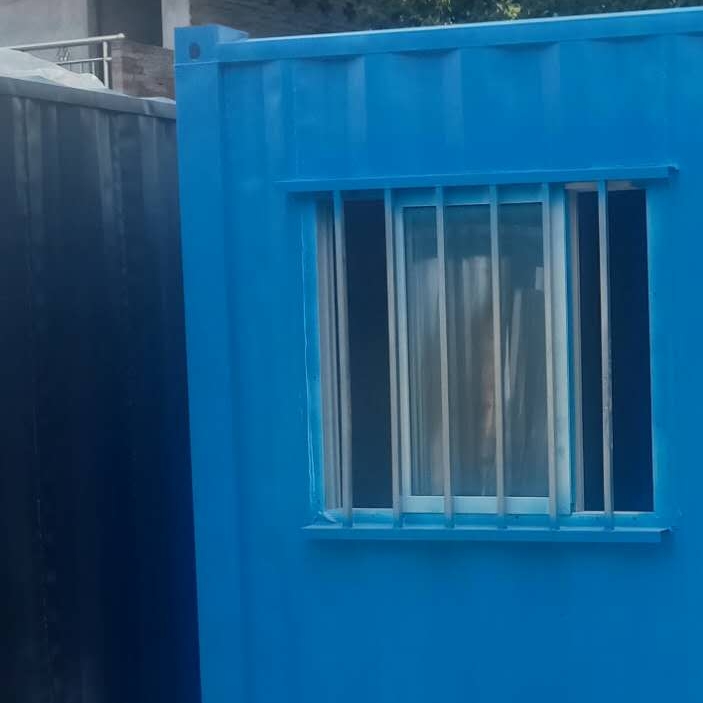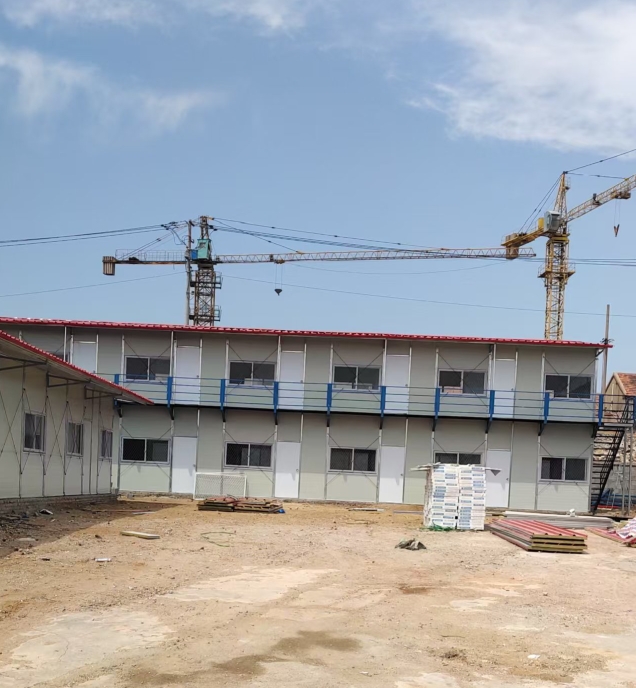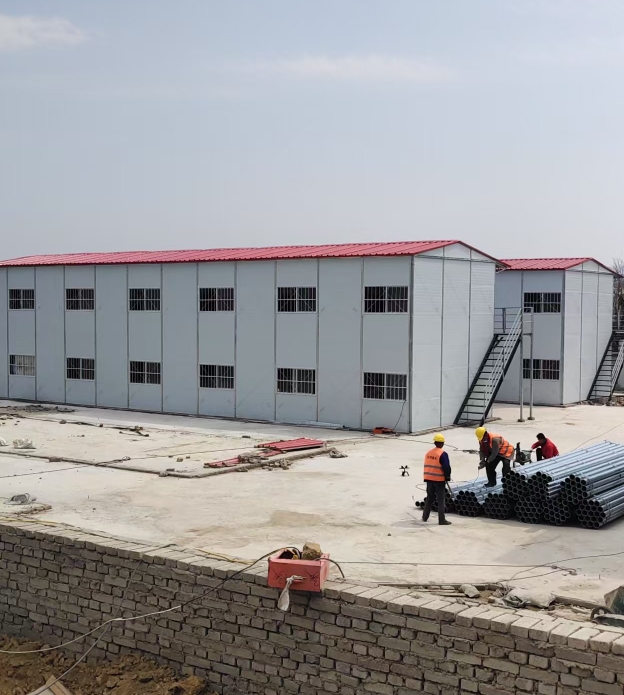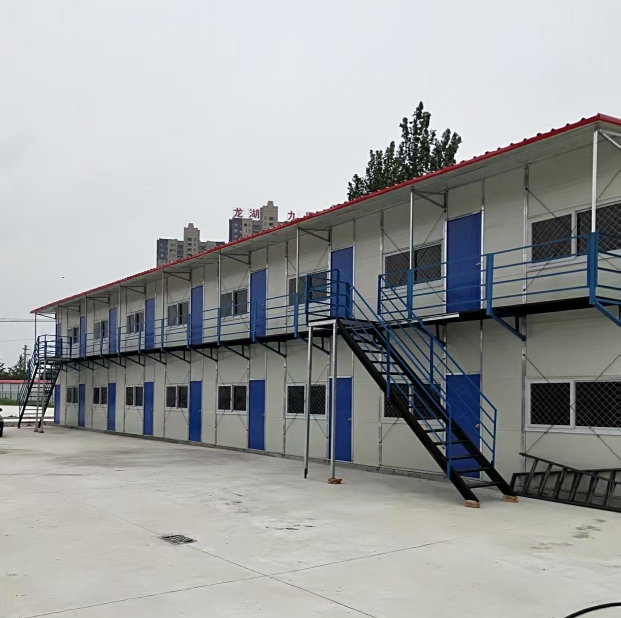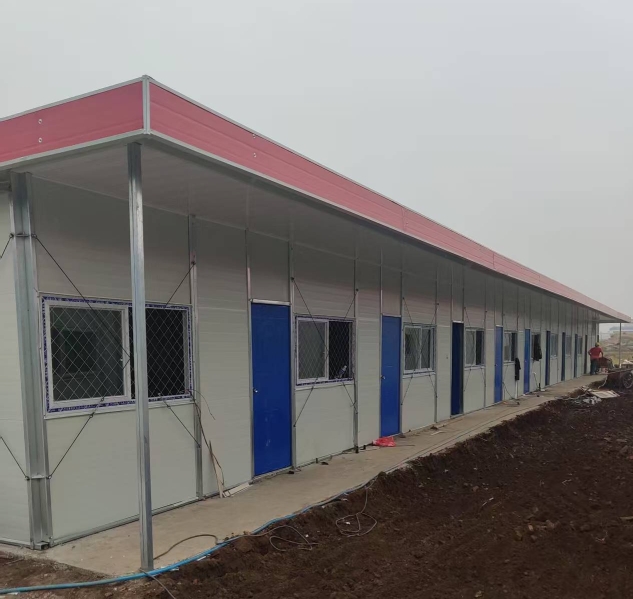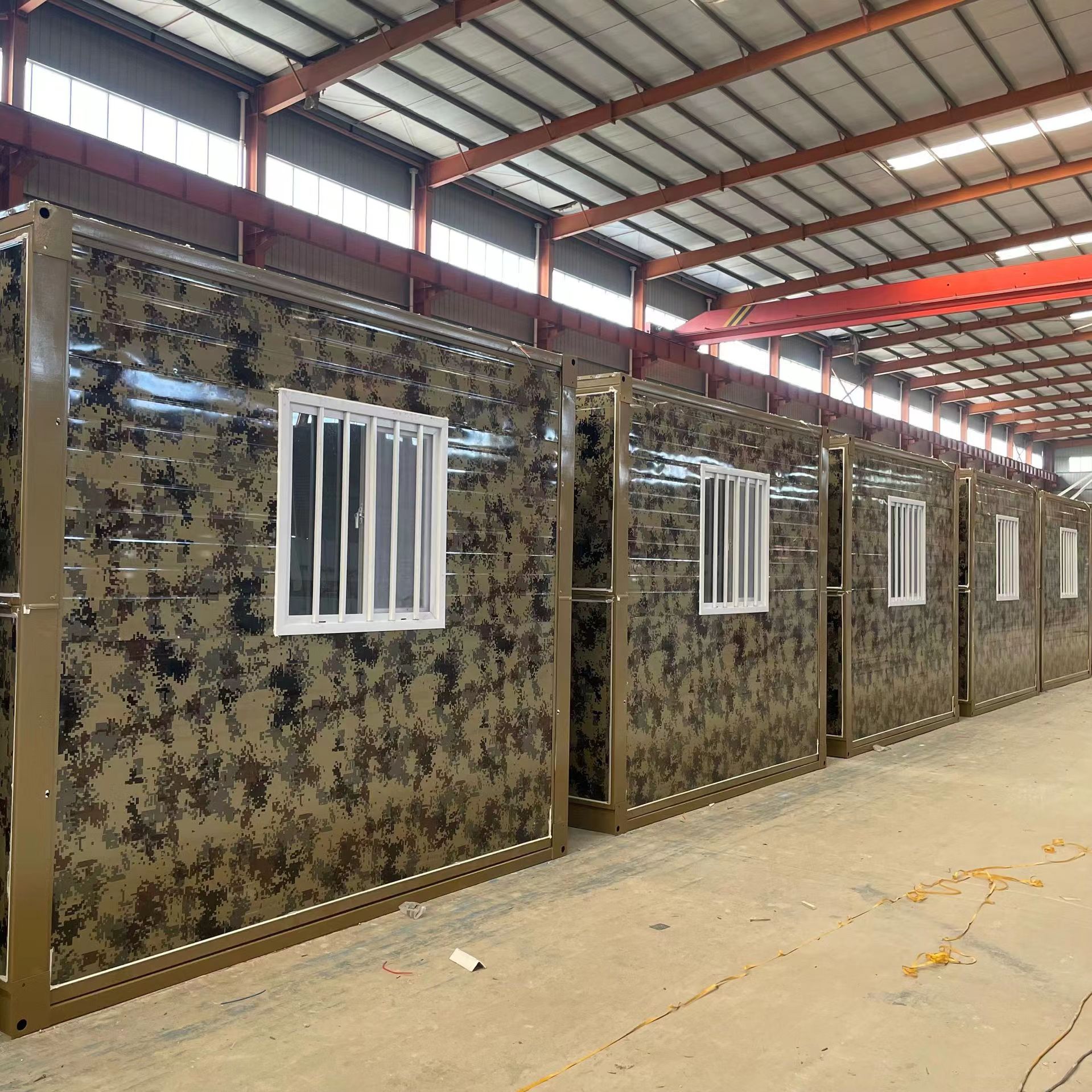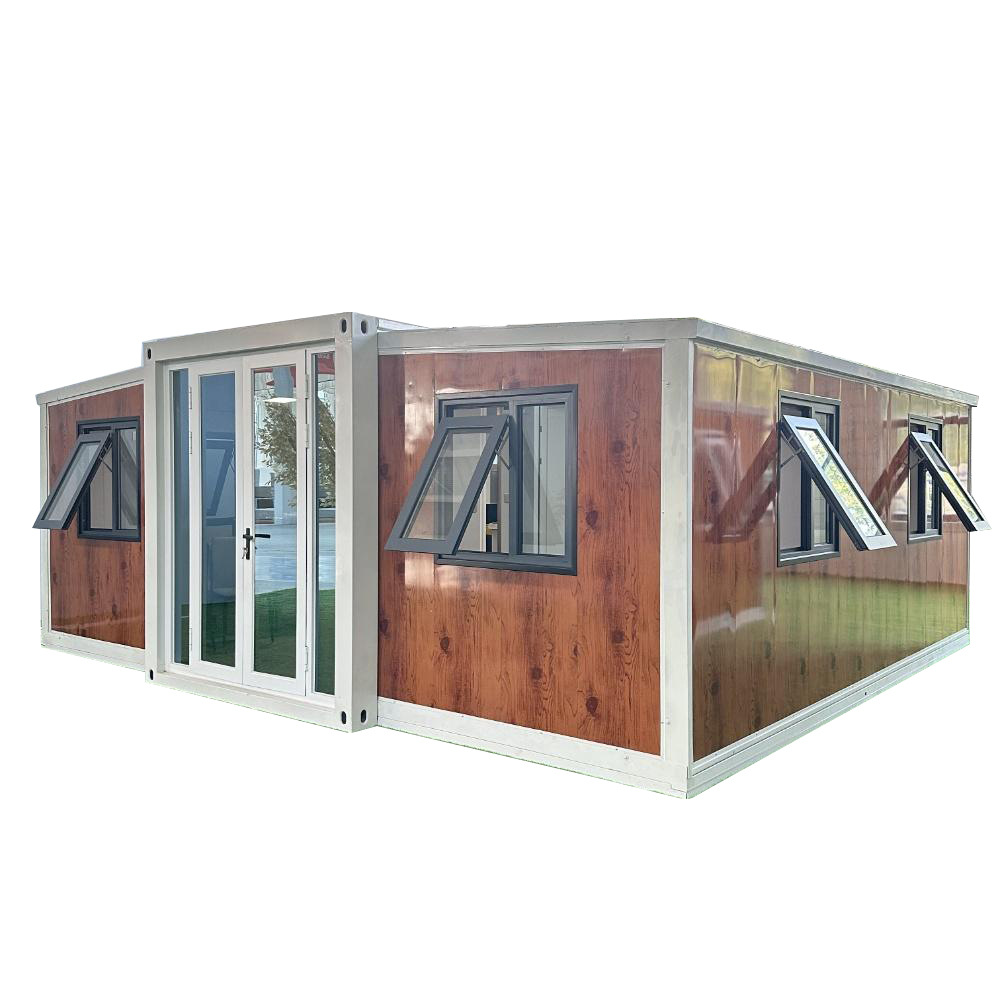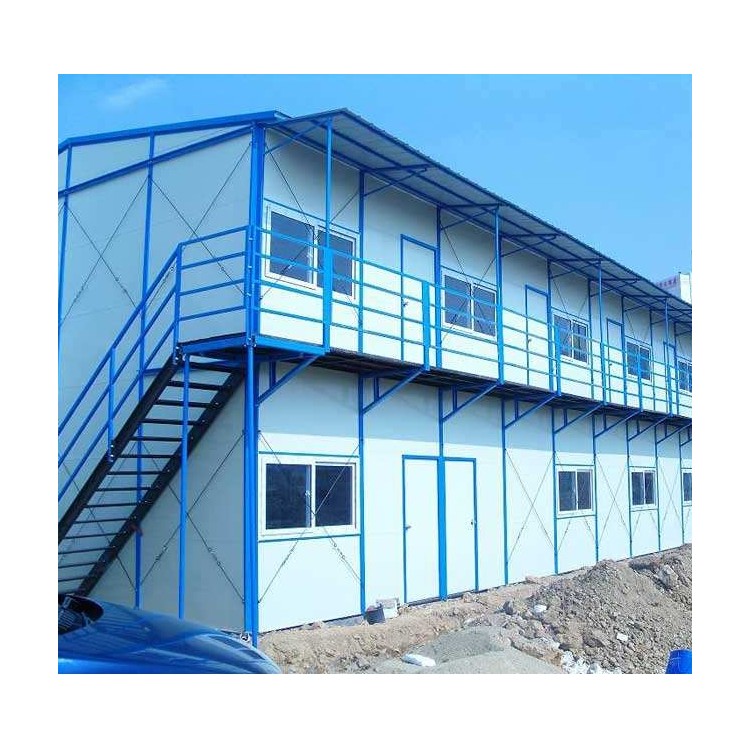

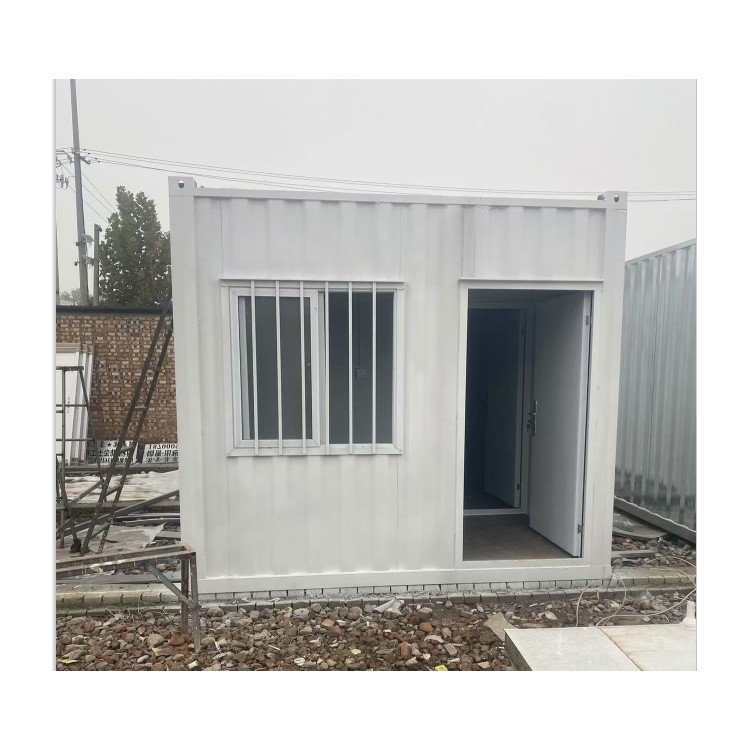

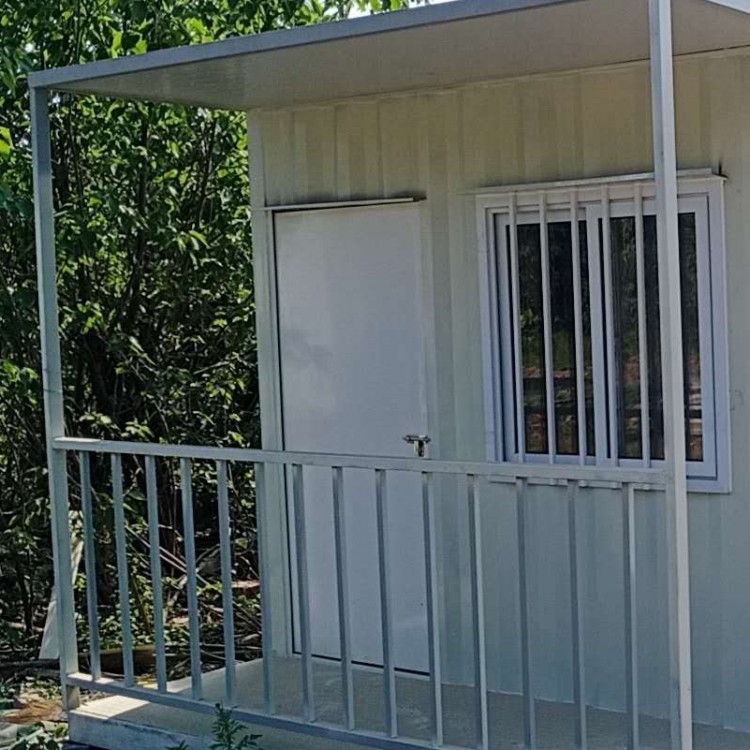
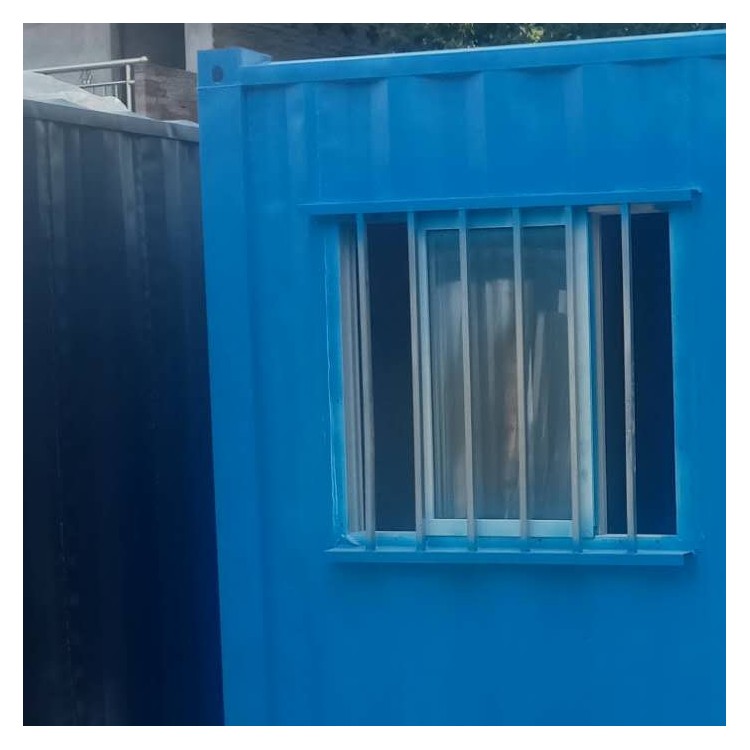


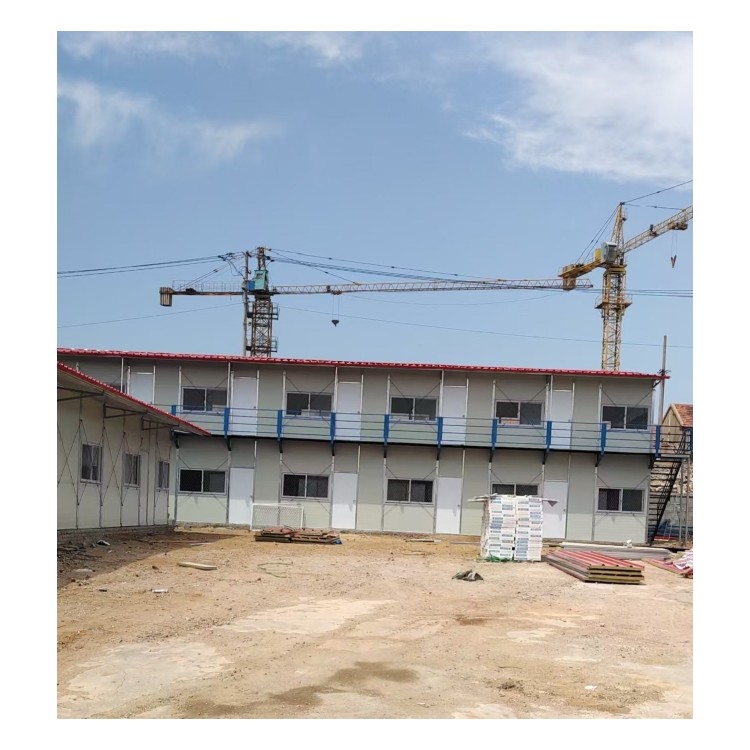
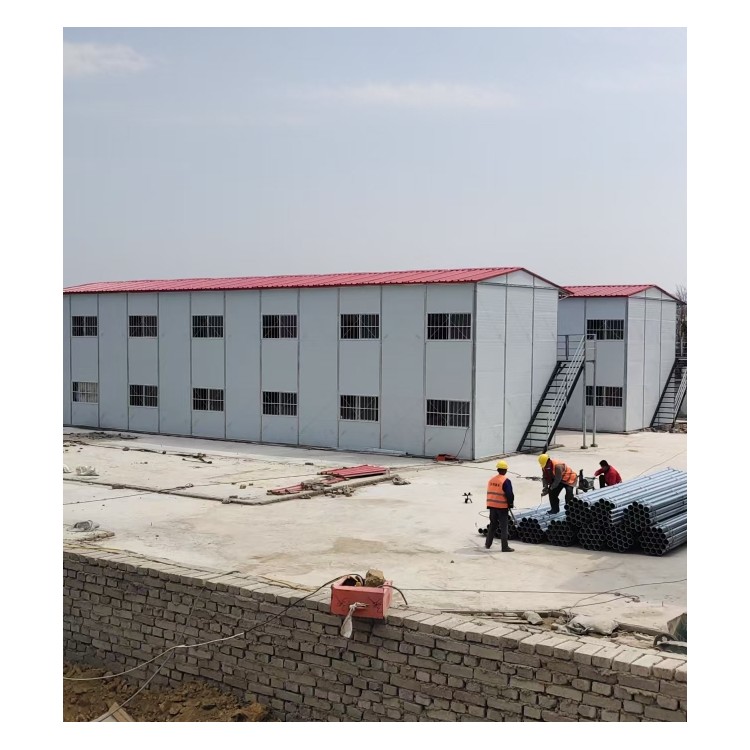
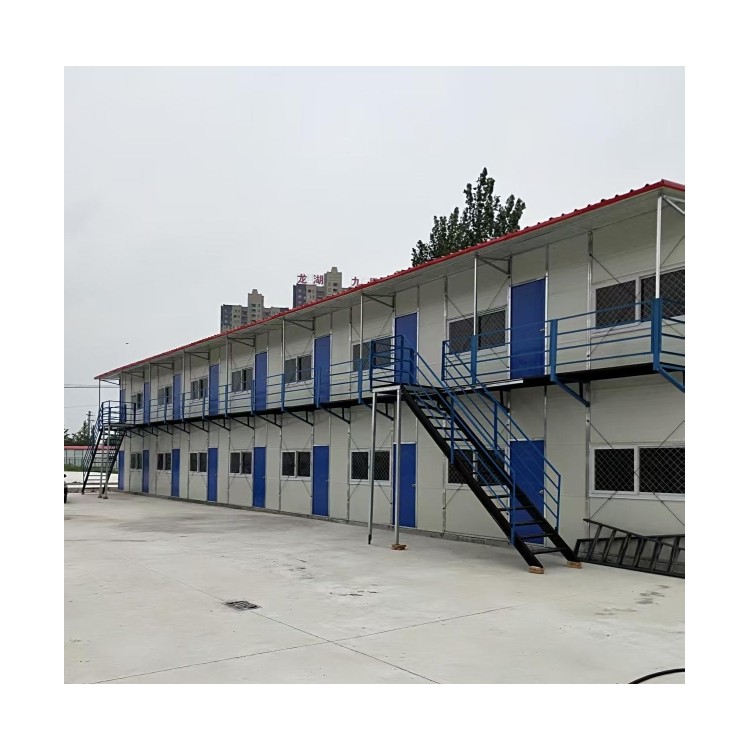
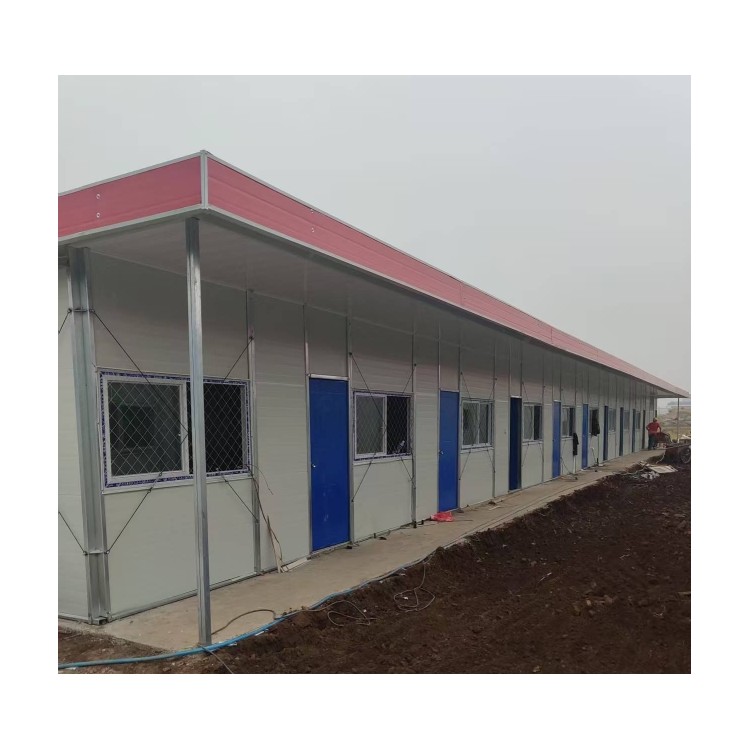
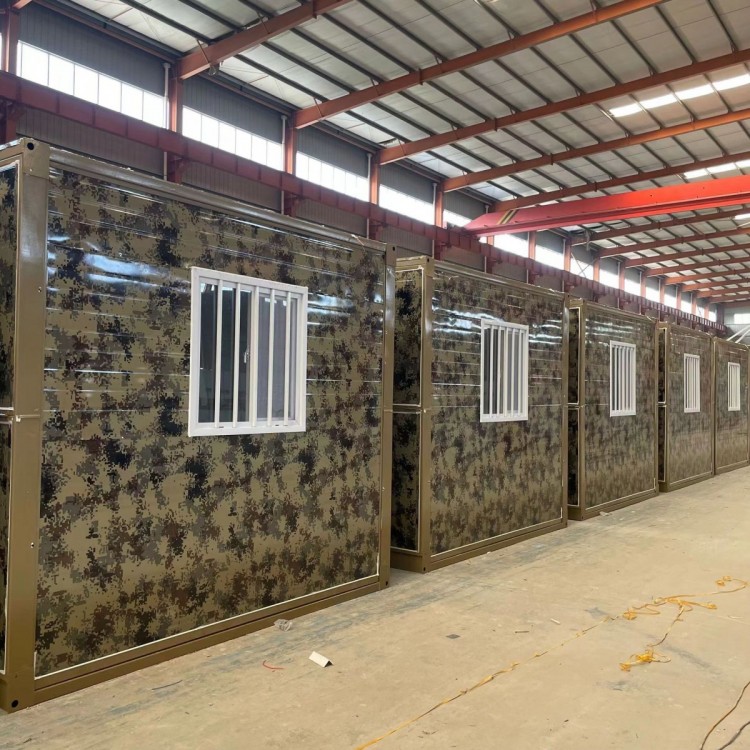





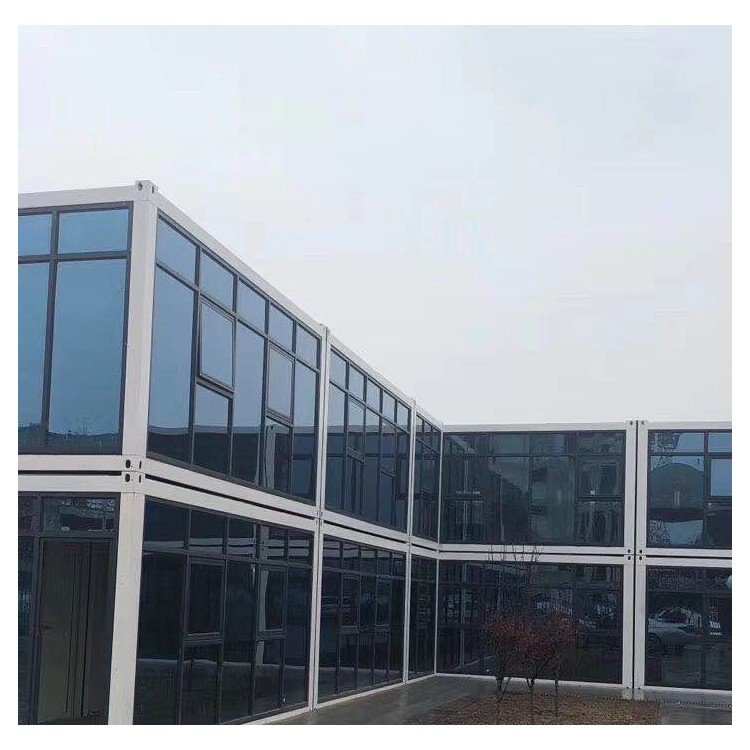


The differences between corrugated container houses and residential container houses are:
I. Different Application Scenarios
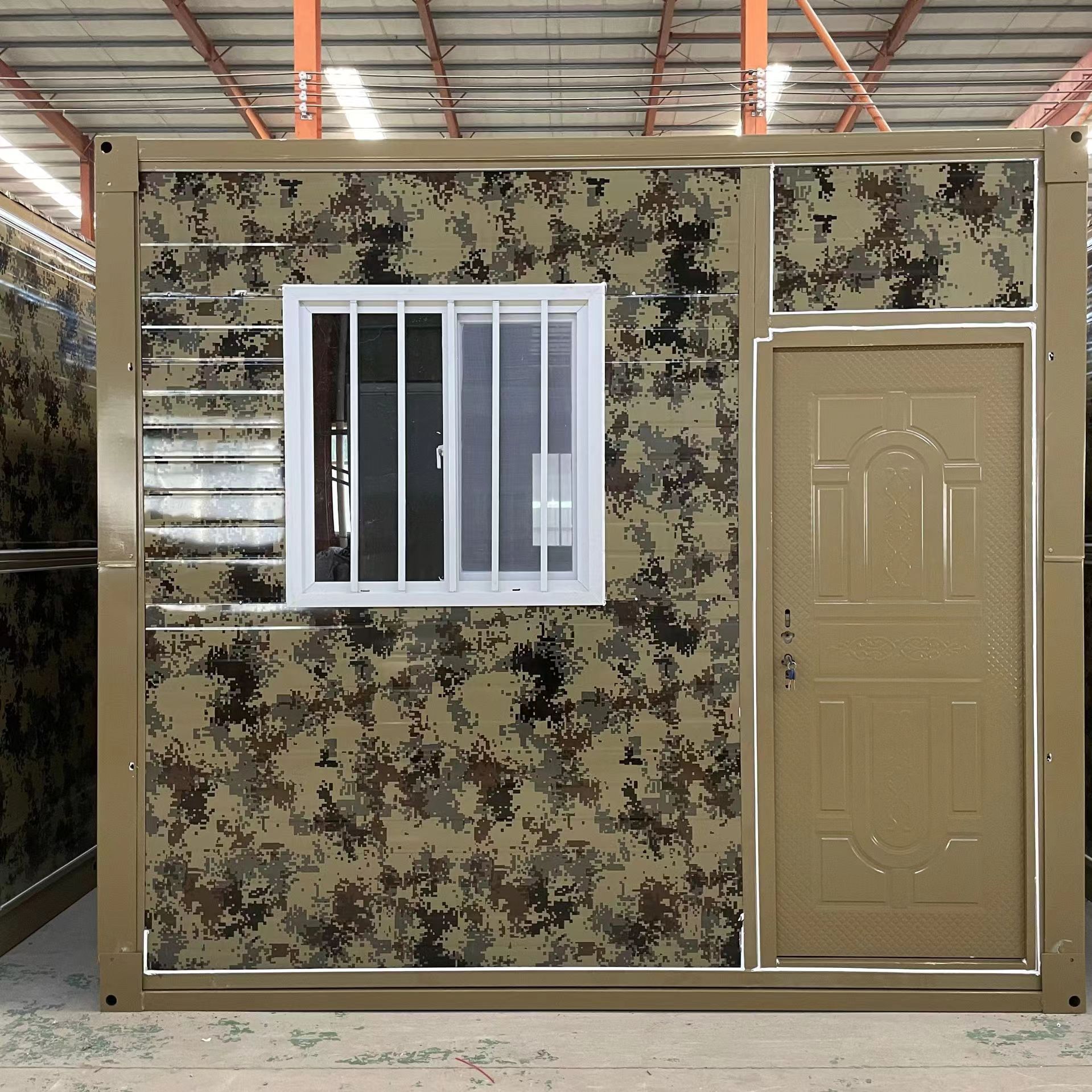
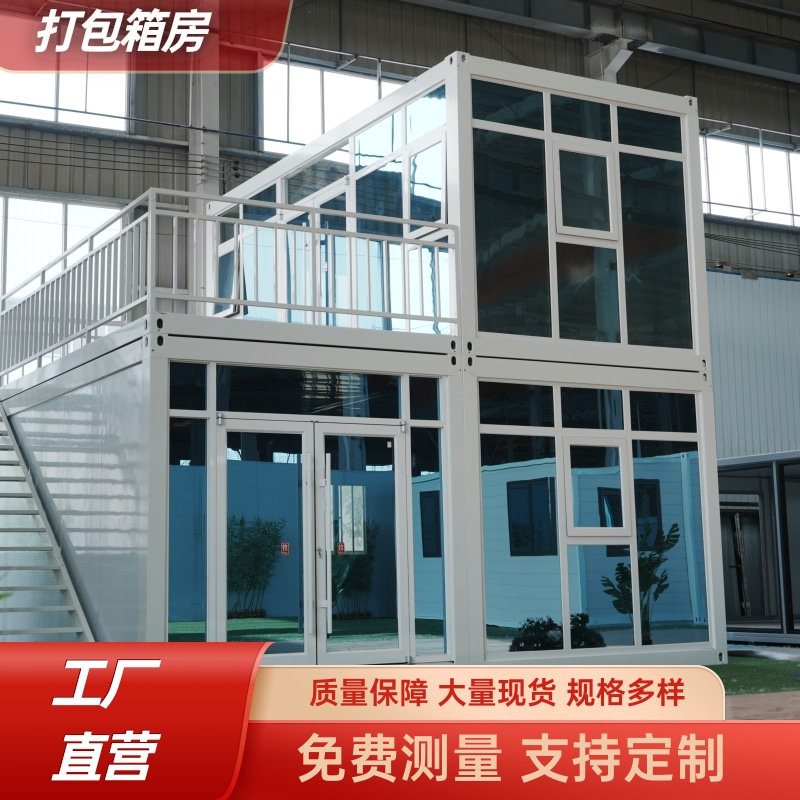
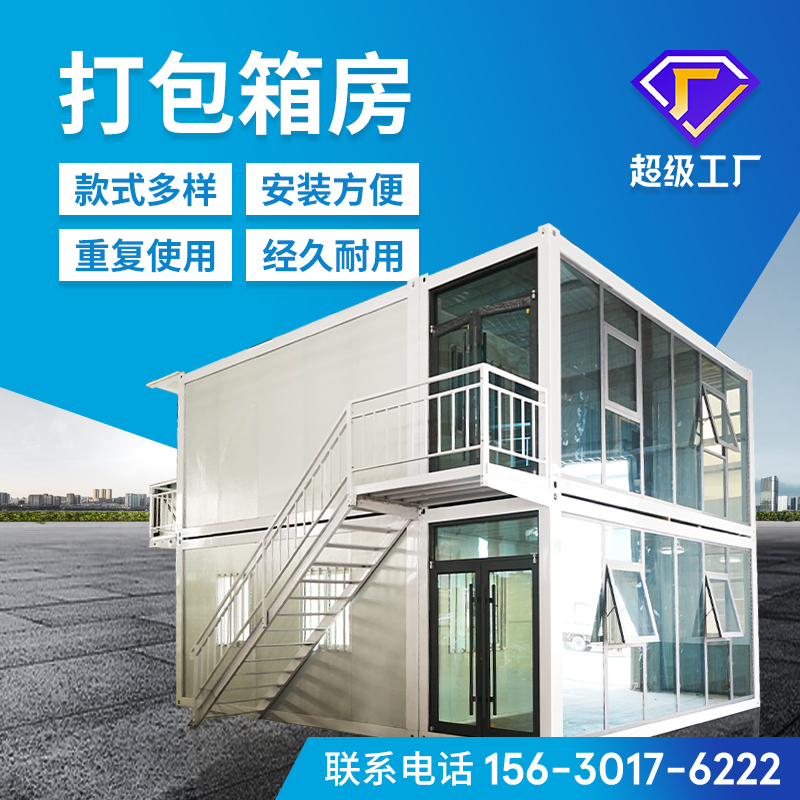
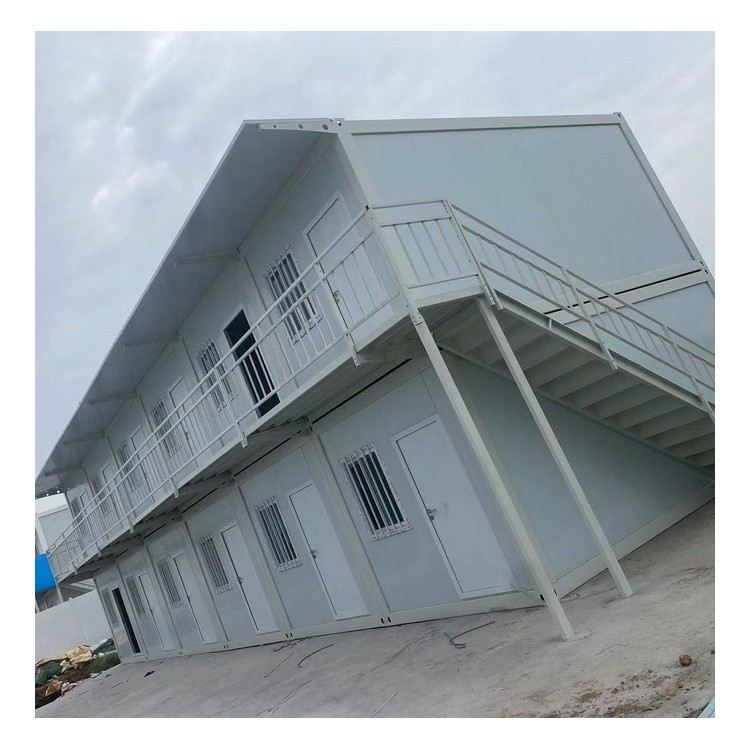
The major difference between corrugated container houses and flat container houses lies in their application scenarios. Generally, corrugated container houses are suitable for situations requiring high bearing capacity, frequent disassembly, reassembly, and transportation. On the other hand, flat container houses are more suitable for temporary and lightweight building needs.
II. Different Pros and Cons
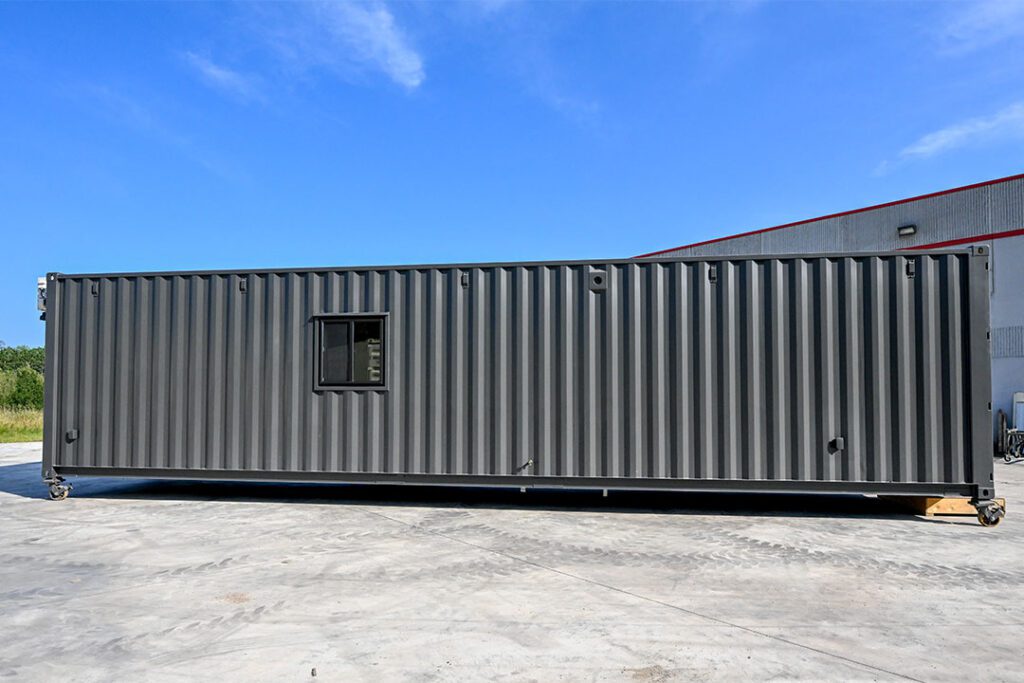
In terms of its pros and cons, the corrugated container house is more robust and durable, with a complex structure that can bear greater loads and longer service life, but it also comes with a higher cost. On the other hand, the flat container house offers more flexibility with various combinations, but it lacks in load-bearing capacity and durability, and is susceptible to climatic conditions.
Section 3: Different Structural Features
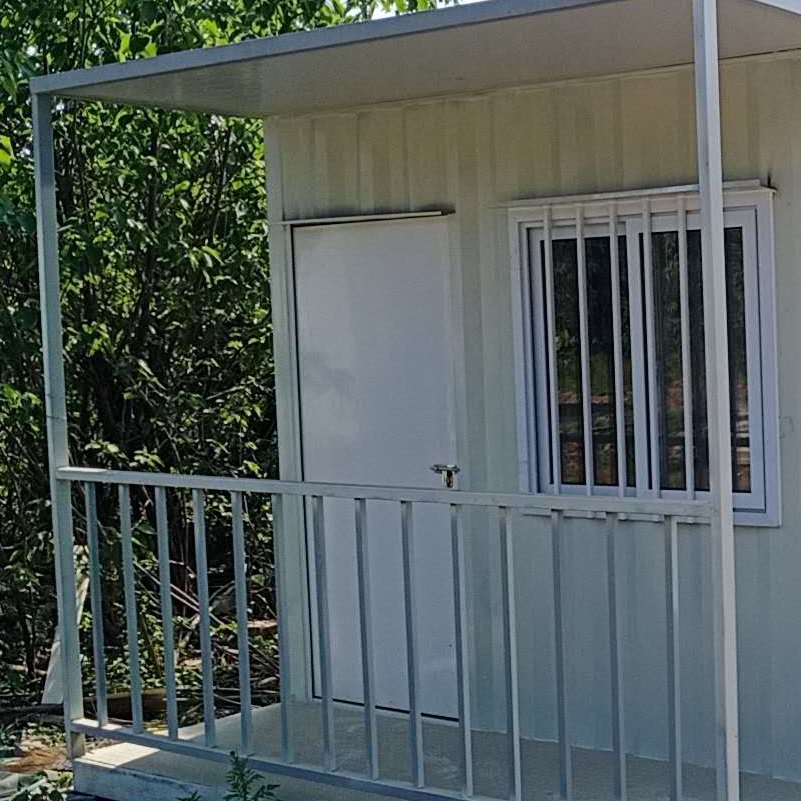
The corrugated structure of the container house is its distinctive feature, with double steel plate sandwich material and shock absorption treatment enhancing its seismic resistance. Its reliable sealing system and complete internal facilities make it ideal for constructing residential buildings for families, schools, and offices for year-round use. In contrast, the flat container house has a simpler structure, primarily consisting of the base, frame, wall panels, roof, and doors and windows, making it more suitable for temporary buildings like exhibition halls and pop-up cafes.