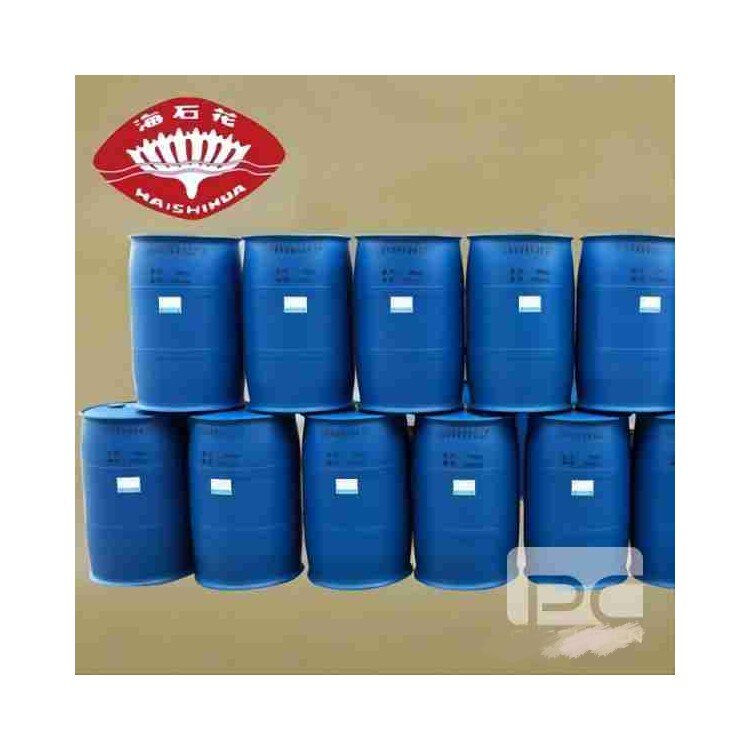
1) Insulating Function: Transformer oil possesses a significantly higher insulating strength than air. Immersing insulating materials in oil not only enhances the insulating strength but also protects them from moisture erosion.
(2) Heat Dissipation: Transformer oil has a high specific heat capacity and is commonly used as a coolant. During transformer operation, the generated heat causes the oil near the core and windings to heat up and expand, rising through the oil's upper and lower convection. The heat is then dissipated through the radiator, ensuring the transformer operates normally.
Arcing Suppression: During the contact switching on the loaded voltage regulating switches of oil circuit breakers and transformers, an electric arc is generated. Due to the good thermal conductivity of transformer oil and its ability to break down a large amount of gas under the high temperature of the arc, a significant pressure is produced, thereby enhancing the arc-quenching properties of the medium, causing the arc to extinguish quickly.
Performance requirements for transformer oil typically include:
Transformer oil density should be as low as possible to facilitate the sedimentation of moisture and impurities in the oil.
(2) The viscosity should be moderate; too high will affect convective heat dissipation, and too low will reduce the flash point.
(3) The flash point should be as high as possible, generally not below 136°C.
(4) The freezing point should be as low as possible.
(5) Lower content of impurities such as acids, alkalis, sulfur, and ash is preferable to minimize their corrosive effects on insulating materials, wires, oil tanks, and the like.
(6) The degree of oxidation should not be too high. The degree of oxidation is typically expressed by the acid value, which refers to the amount of potassium hydroxide (in milligrams) required to neutralize the free acids in 1 gram of oil.
(7) The degree should not be too low; the degree is typically represented by the sediment in the acid value test, which indicates the oil's resistance to aging.
Quality Index Editing and Reporting
Appearance: Transparent, free from suspended particles, sediments, and mechanical impurities.
Flash Point (Closed Cup) ≥ 135℃
Kinematic Viscosity (50℃) ≤ 9.6 x 10^-6 m^2/s
Acidity ≤ 0.03 mgKOH/g
Pour Point <-22°C
Temperature affects grease more than oil. Long-term exposure to high temperatures (e.g., sun exposure) can cause the oil component in grease to separate. Therefore, grease drums should be stored in the warehouse first and ideally placed upright with the opening facing up. The opening of the grease drums is larger, making it easier for dirt and water to seep in. The drum lid should be tightly sealed immediately after use.
Bulk oil storage in tanks inevitably leads to condensation and impurities mixing in, eventually accumulating at the bottom to form a sediment-like substance, contaminating the lubricating oil. Therefore, the tank bottom design should be concave or inclined, and an exhaust plug should be installed to facilitate the timely removal of residue. Within the possible scope, the interior of the oil tank should be cleaned regularly.
Lubricant Storage
Barrel and drum packaged lubricants should be stored in the warehouse to the extent possible to avoid weather influence. Opened lubricant drums must be stored indoors. It is recommended to lie the drums down, with both ends wedged securely with wooden wedges to prevent rolling. Additionally, it should be checked regularly for any leaks in the drums and for the clarity of the markings on the drum surface. If it is necessary to stand the drums upright, it is best to invert them with the lid facing down, or slightly incline the drums to prevent rainwater from accumulating on the surface and covering the latches. Water has a detrimental effect on all lubricants.
Lubricant Composition
Lubricants are generally composed of two parts: base oil and additives. The base oil is the main component of the lubricant, determining its fundamental properties. Additives can compensate for and improve the deficiencies in the performance of the base oil, endowing it with certain new properties, making them an essential part of the lubricant.
Technical requirements for base oils of lubricants in the 21st century primarily include good thermal oxidation resistance, low volatility, high viscosity index, low sulfur or sulfur-free, low viscosity, and environmental friendliness. The traditional "old three sets" process for producing I-class lubricant base oils is no longer able to meet the requirements of future lubricants. Hydrogenation methods for producing II or III-class base oils will become the mainstream in the market.
WeChat Official Account

Scan to follow Official Account