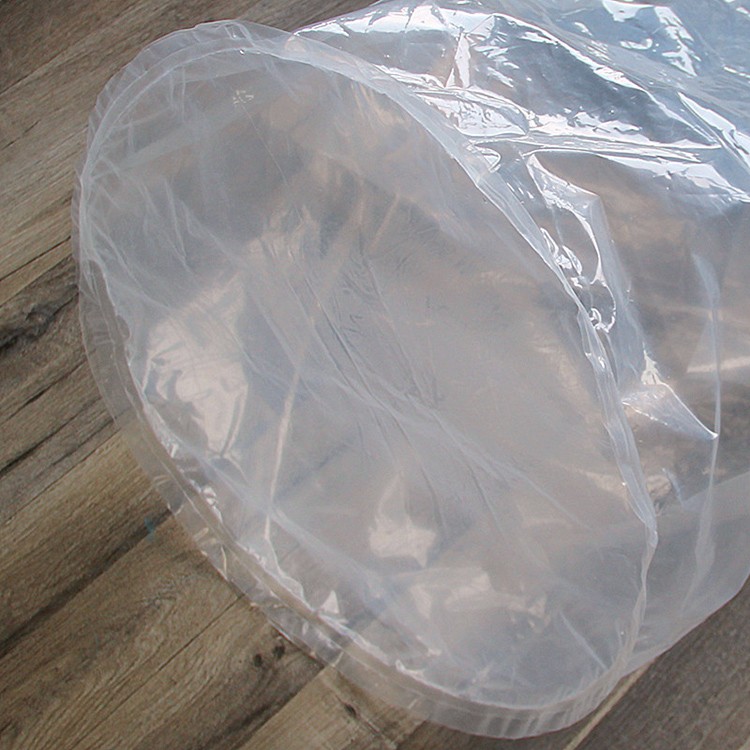

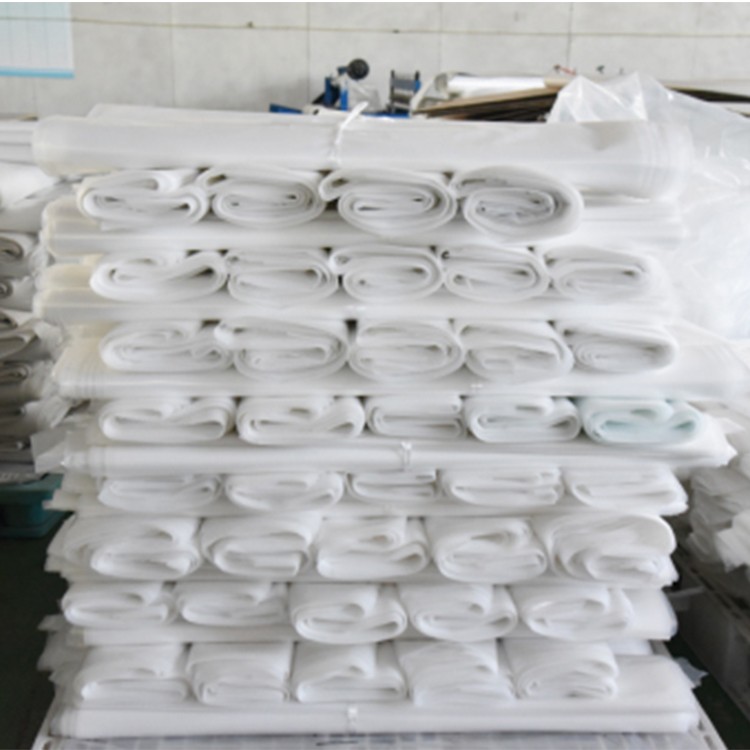
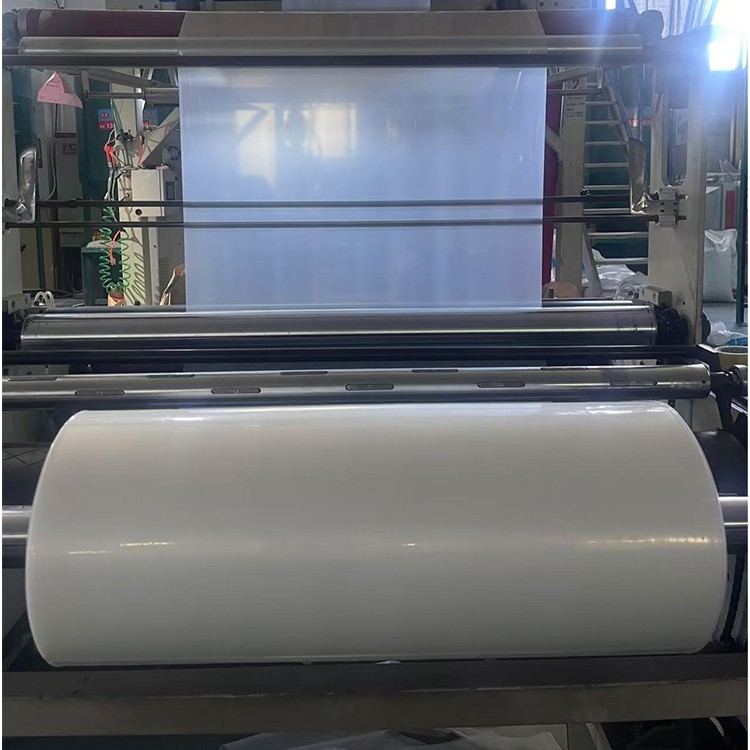
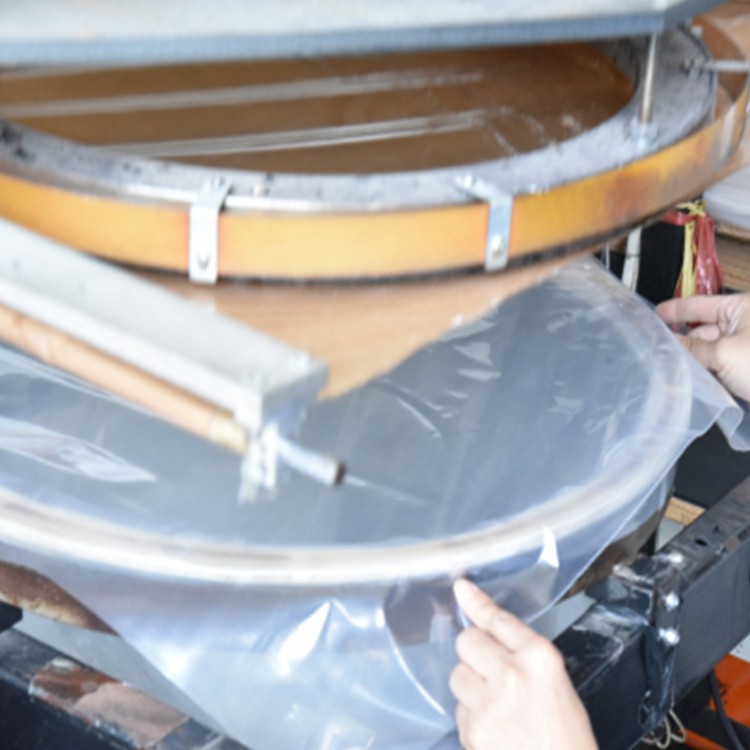









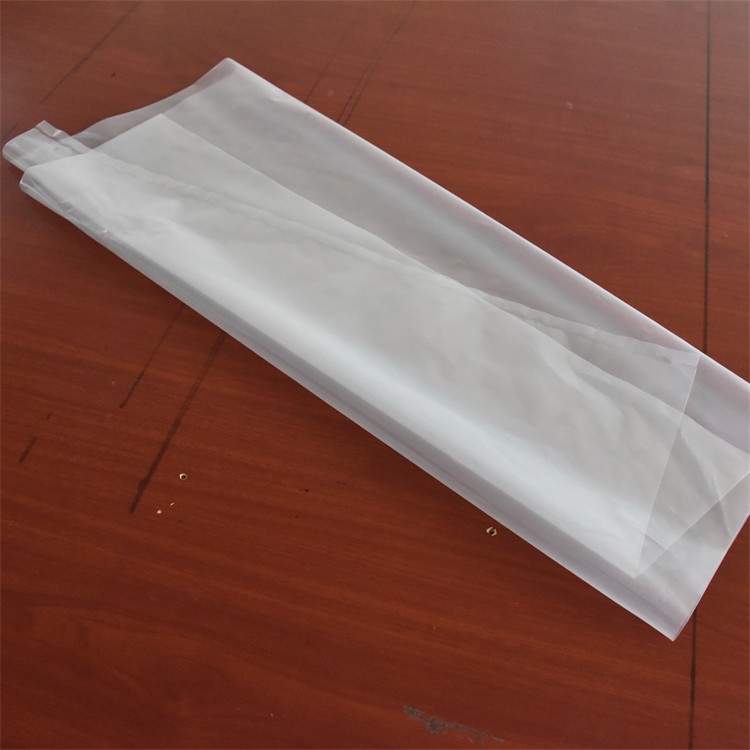


Circular bottom bags, as the name implies, refer to bags with a round bottom. This design ensures stability during placement and stacking, making them less likely to tip over. Circular bottom bags are typically made of flexible materials such as fabrics, plastic films, or composite materials, which endow them with characteristics like lightness, durability, and ease of carrying.


The material options for round-bottom bags are diverse, catering to various industry needs. In the food industry, round-bottom bags are commonly made from food-grade plastics or composite materials to ensure food hygiene and safety. In industrial production, heavier materials such as multi-layer composite films may be used to enhance load-bearing capacity and durability. Additionally, eco-friendly materials like biodegradable plastics are increasingly being utilized in the production of round-bottom bags to minimize environmental pollution.


The structure design of the round-bottom bags takes full consideration of practicality and convenience. The bottom is circular, which not only enhances the stability of the bag but also facilitates stacking and storage. The mouth typically features a zipper, string, or Velcro for easy opening and sealing. Moreover, some round-bottom bags are equipped with handles or straps for easy carrying and movement.
The round-bottom bags have a wide range of applications, covering nearly all fields requiring packaging, storage, and transportation. In the food industry, they are commonly used for packaging flour, rice, candy, and other food products; in industrial production, they are utilized for loading powders, granular materials, or liquids; and in the commercial distribution sector, they are often employed for packaging and transporting various commodities. Additionally, round-bottom bags are extensively used in agriculture, fisheries, and animal husbandry for storing and transporting feed, fertilizers, and fish seedlings, among other items.