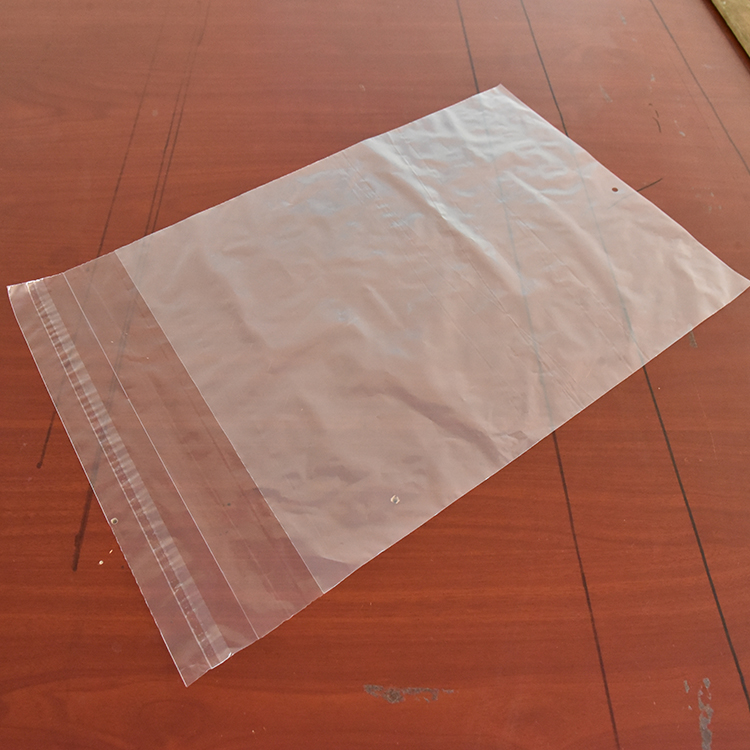
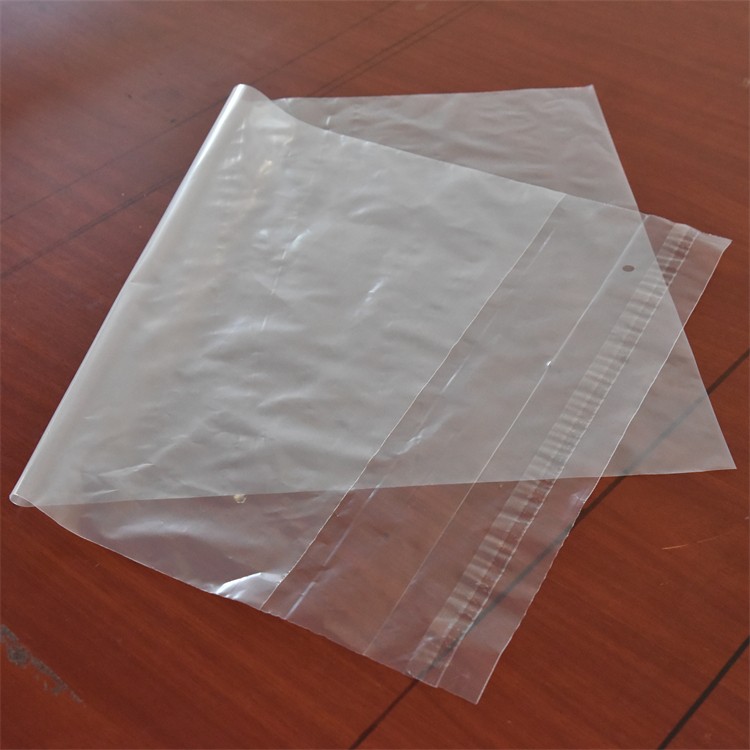
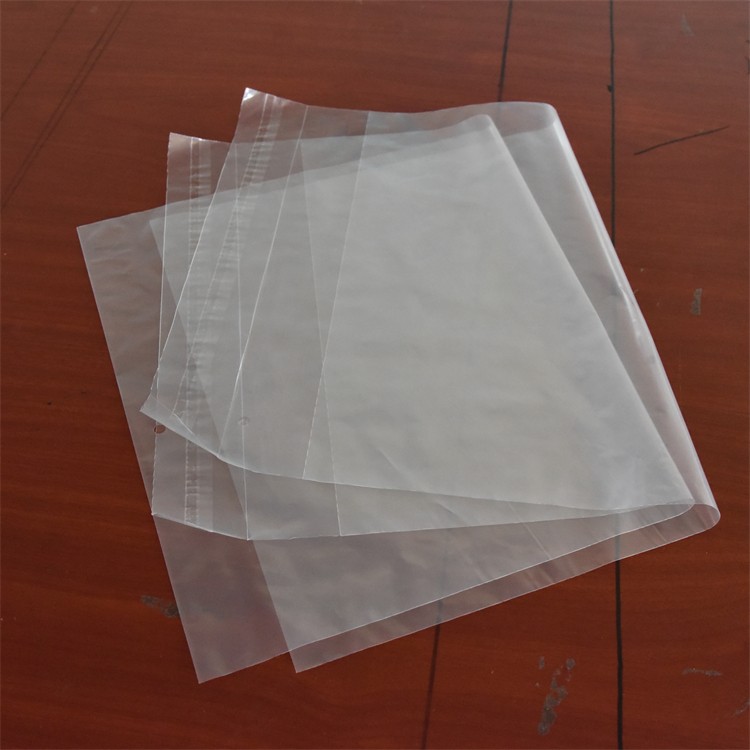
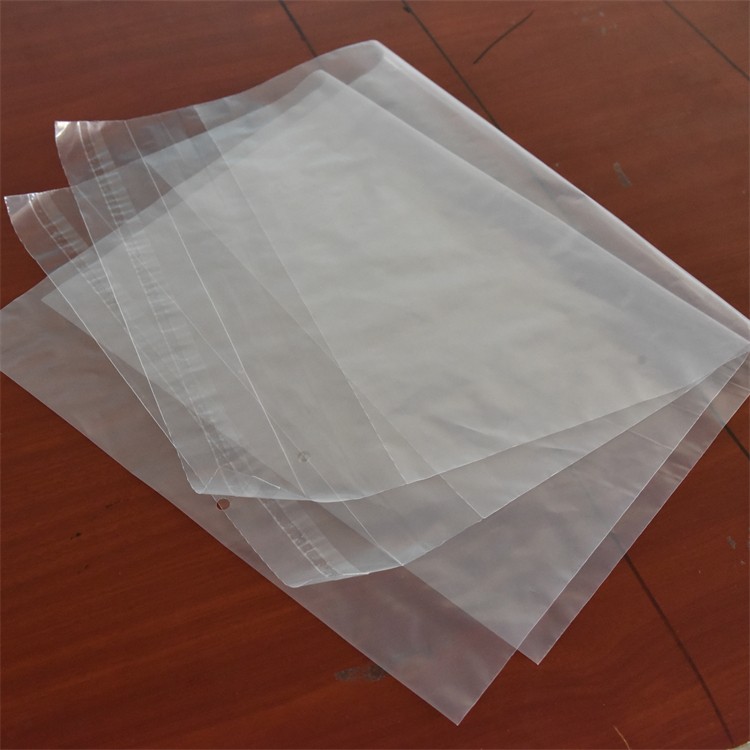









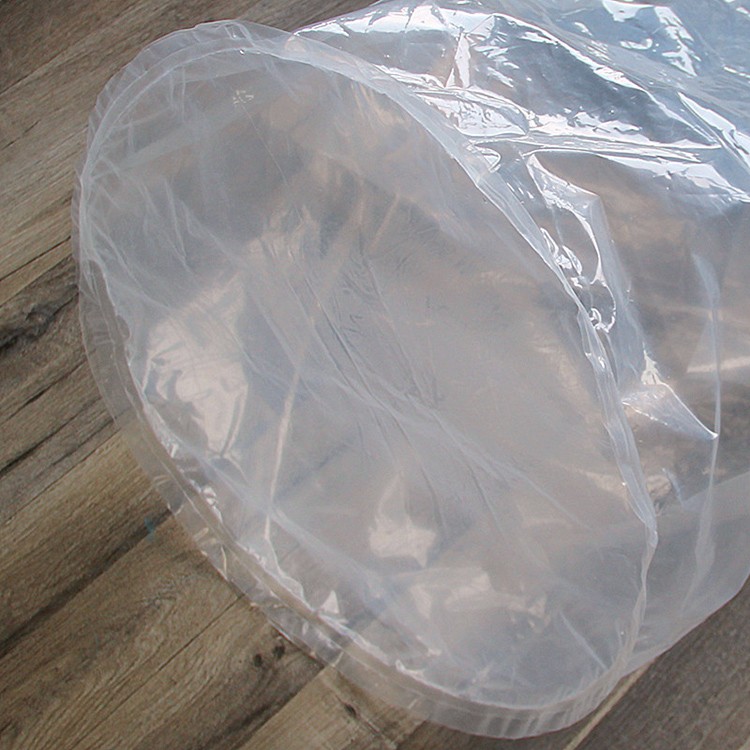
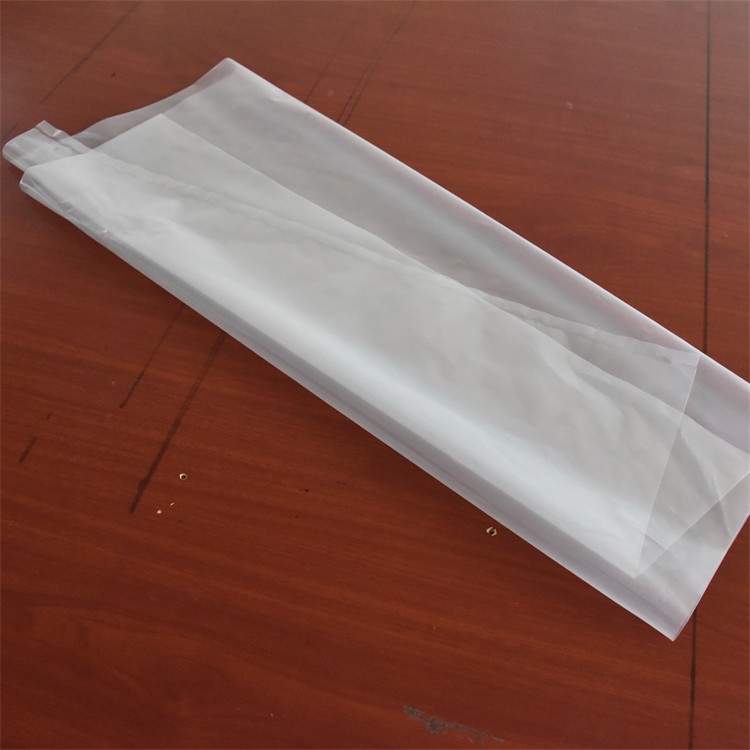

Self-seal bags typically consist of the body and the sealing portion. The body is designed to hold items, while the sealing portion is automatically closed through specific designs (such as a ziplock, ribbing, or zipper). These sealing mechanisms usually feature self-adhesive properties or locking structures, allowing users to simply press or pull to tightly close the bag opening.


The characteristics of self-sealing bags mainly include the following:


Automatic Sealing: Achieved through a press or zipper mechanism, automatic sealing without the need for additional tools or adhesives.
Reusability: The sealing mechanism is reusable, ensuring longer lifespan for self-seal bags.
Moisture and Water-Proof: A tight seal effectively prevents moisture and dampness from entering, safeguarding the packaged items from dampness.
Dust and Bug Proof: The self-sealing bags also prevent dust and insects from getting in, keeping the packaged items clean and hygienic.
High transparency: Most resealable bags are made of clear material, making it easy to observe the condition of the packaged items.