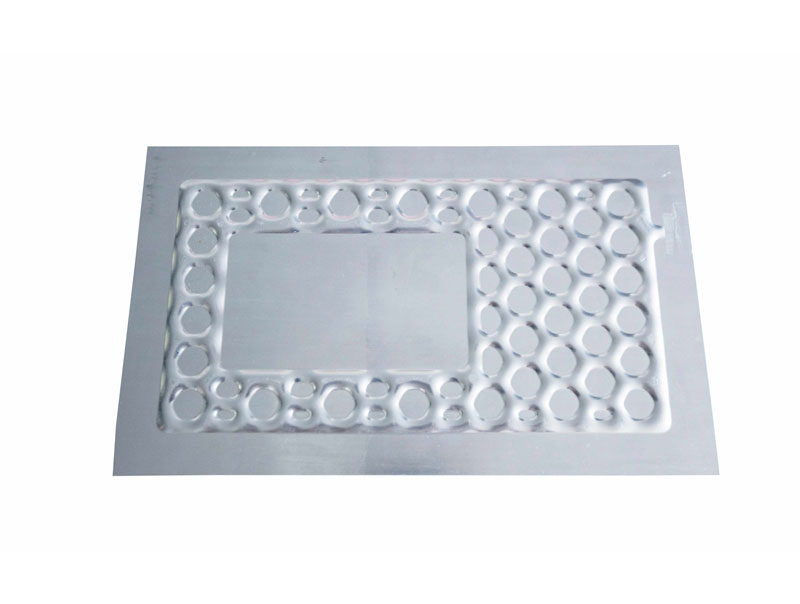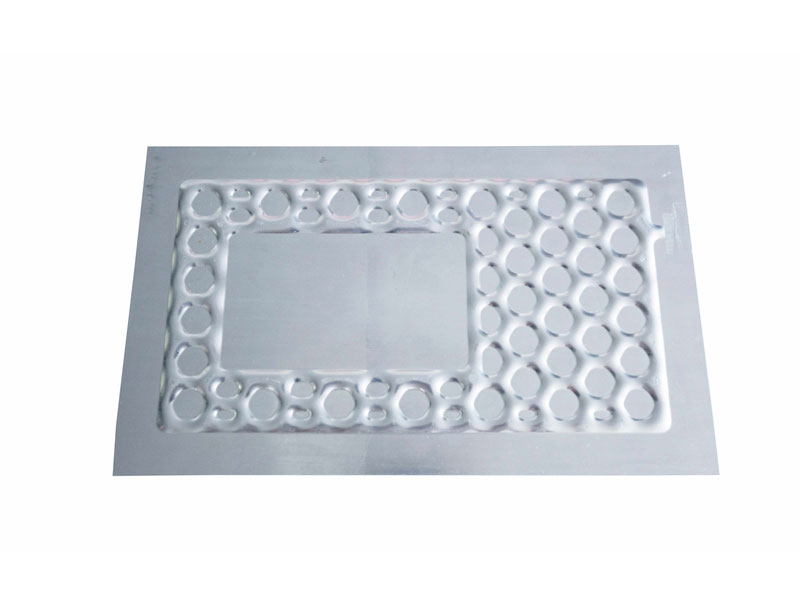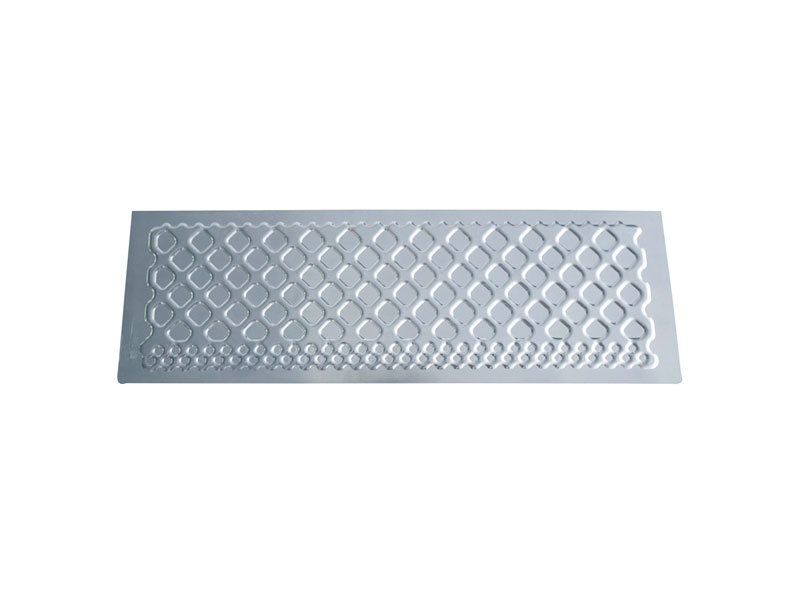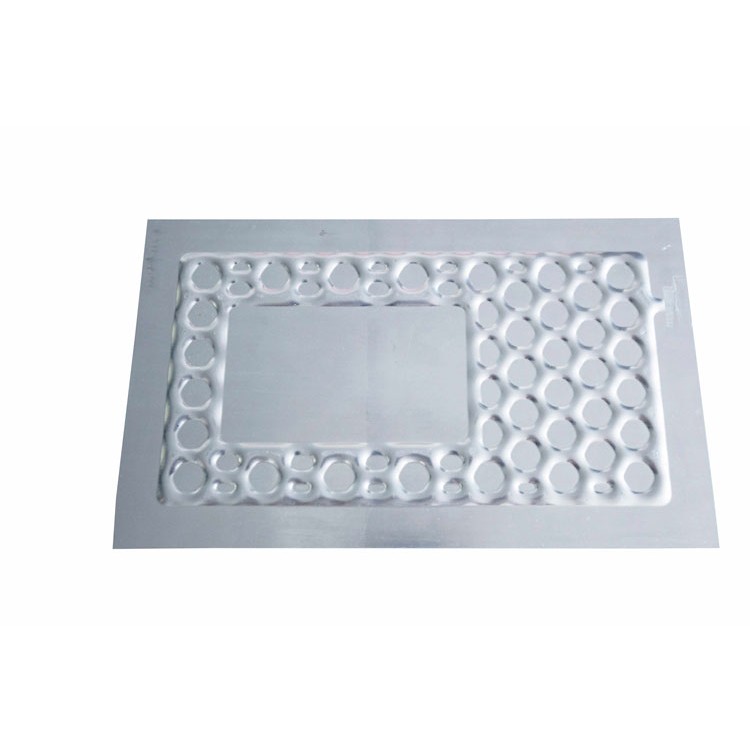
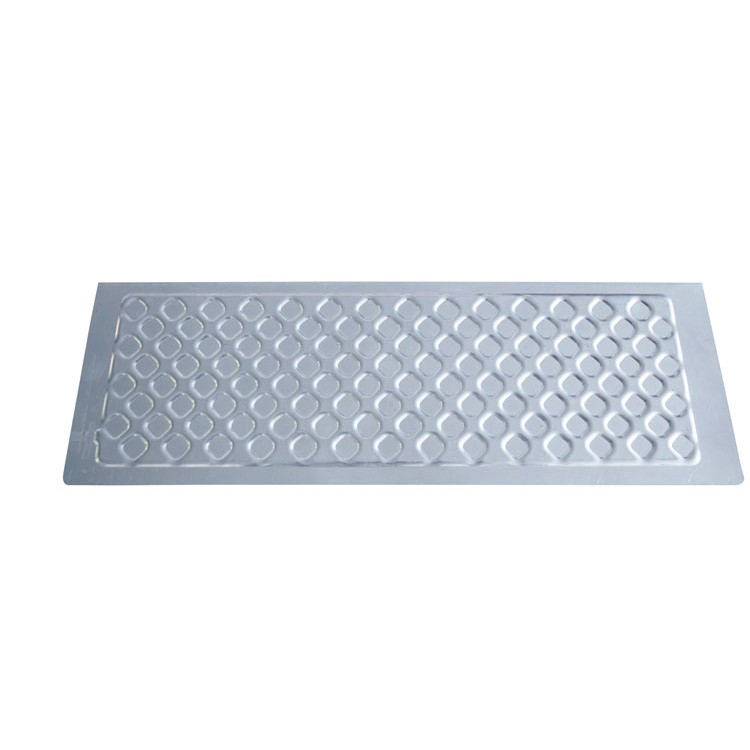
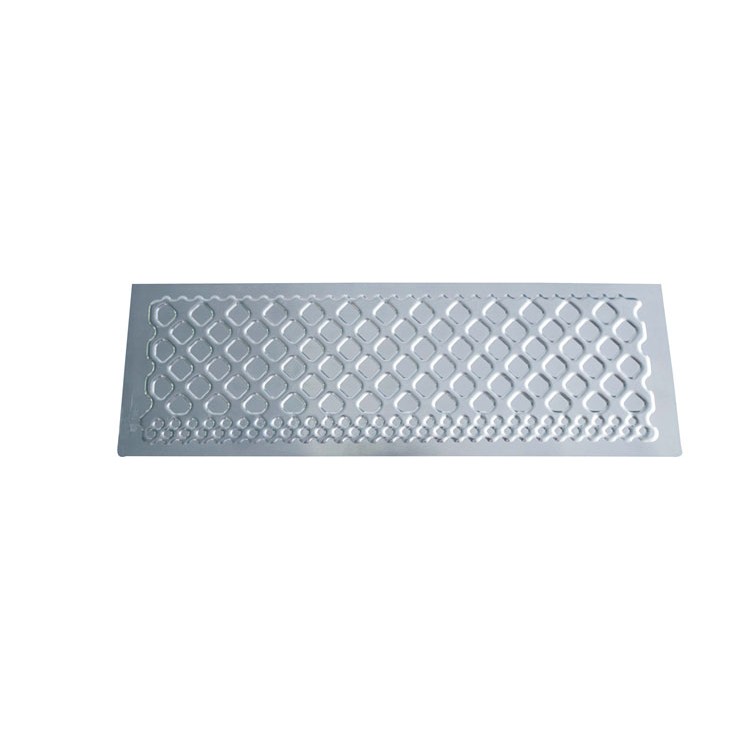









The working principle of the isothermal plate is to achieve rapid heat conduction and diffusion through phase change heat transfer. Its core mechanism is to utilize the phase change process from liquid to gas within the vacuum cavity to transfer heat. Specifically, when heat is applied to the heat source end of the isothermal plate, the working fluid absorbs heat and evaporates into a gas. Subsequently, these gaseous working fluids move to the condensation end, where they release heat and condense back into a liquid. Then, under the action of capillary structures, the liquid working fluid returns to the heat source end, forming a cycle.
Compared to traditional heat pipes, even-temperature plates offer higher thermal conductivity and heat dissipation efficiency. Heat pipes primarily operate through one-dimensional linear heat conduction, whereas even-temperature plates conduct heat over a two-dimensional surface, rapidly spreading point heat sources into surface sources, thus providing enhanced thermal conductivity and heat dissipation. Additionally, by reducing thermal resistance and increasing the capillary structure's adsorption, even-temperature plates can more effectively transfer heat, ensuring quick and timely heat transfer.