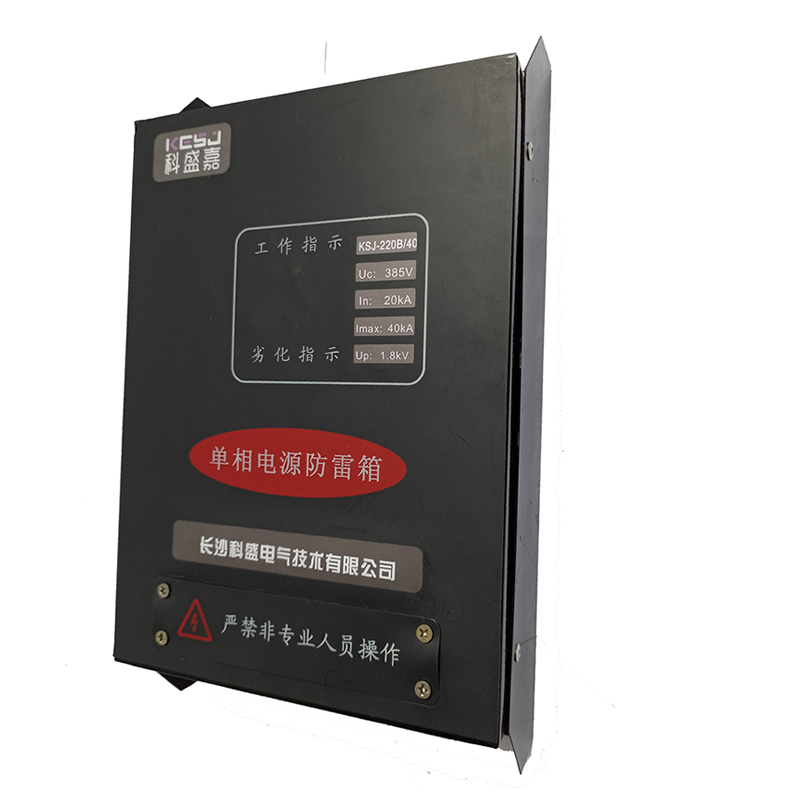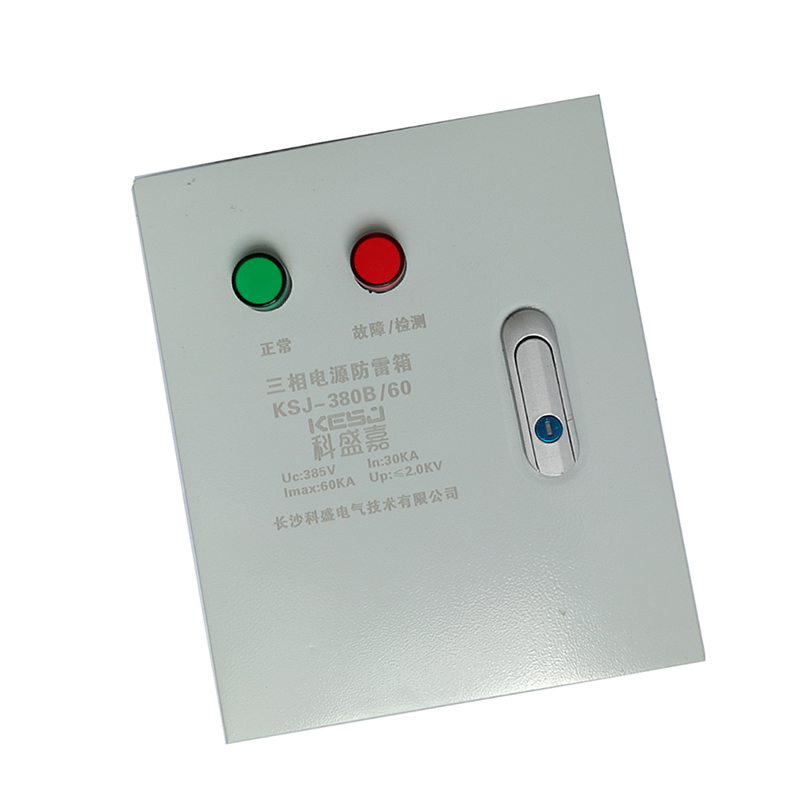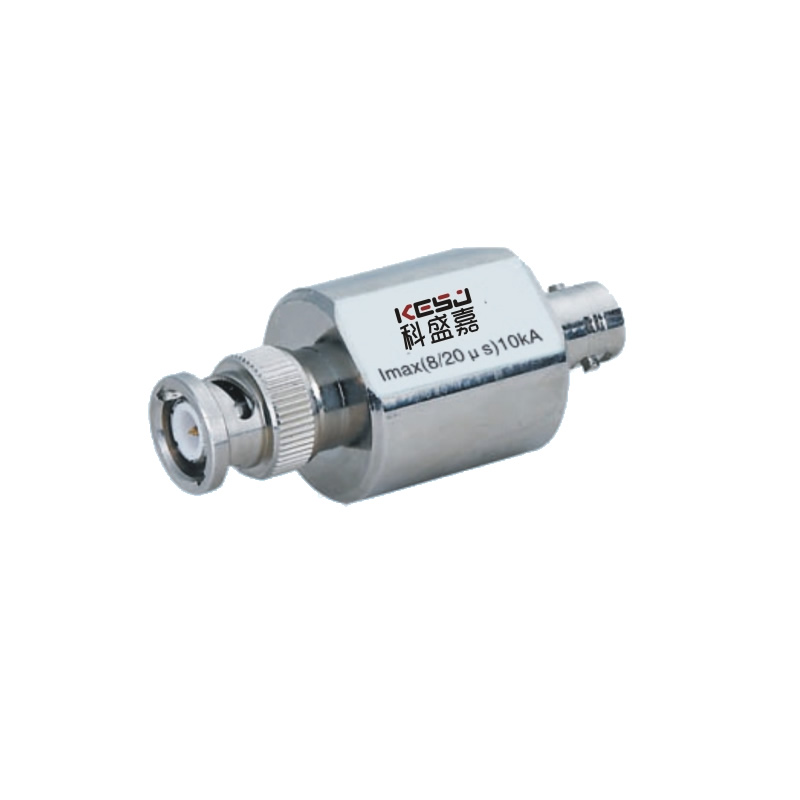




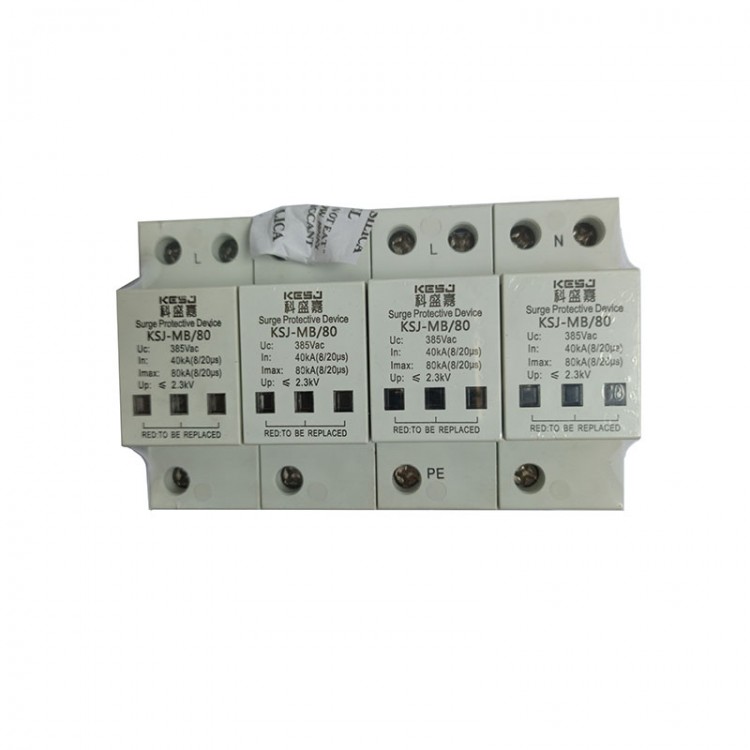
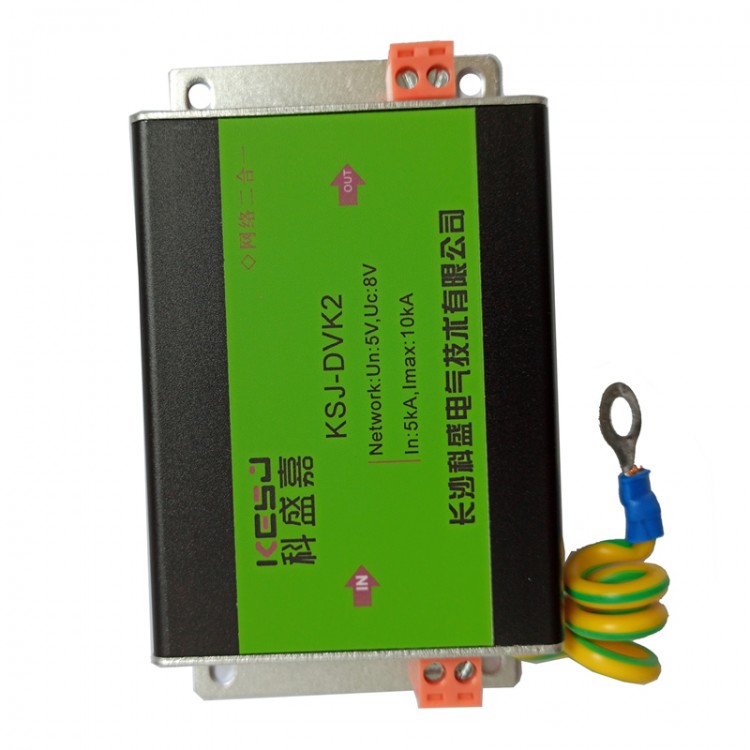
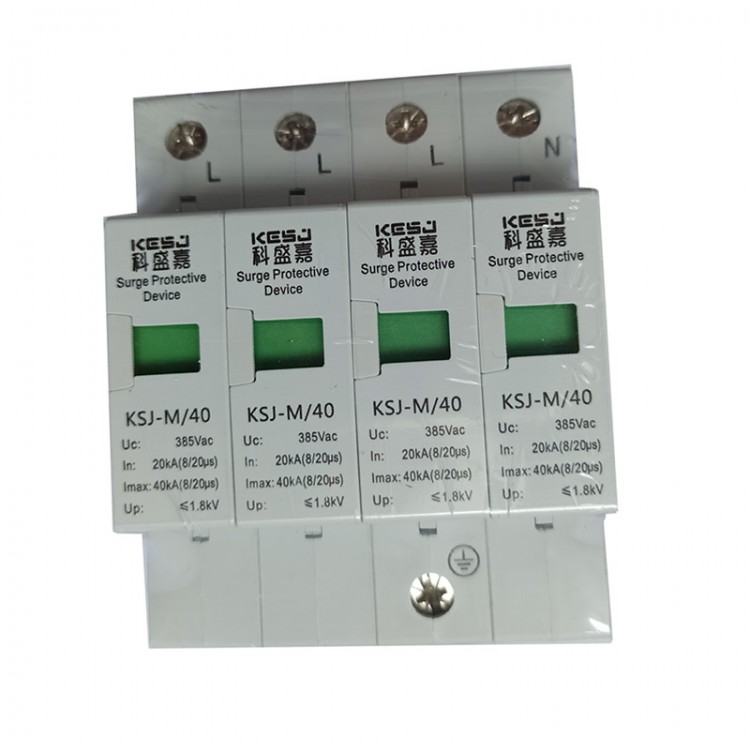






The lightning protection device is mainly composed of the following three parts:
One, Surge protectorIncluding lightning rods, lightning wires, lightning nets, lightning strips, and lightning arresters, which are the metallic parts directly struck by lightning.
Lightning rodGenerally located at the top of high-rise buildings and chimneys, it utilizes the principle of sharp-point discharge to avoid direct lightning strikes at the installation location. It is typically mounted on frameworks, pillars, or buildings, with its lower end welded to the grounding device via a down conductor.
Lightning RodCommonly used to be installed on high-voltage overhead transmission lines to protect the overhead lines from direct lightning strikes, and can also be used to protect longer single-story buildings. Since the lightning protection wire is both overhead and grounded, it is also known as overhead ground wire.
Lightning protection grid and lightning protection stripCommonly used to protect buildings from direct lightning strikes and induced lightning. Lightning rods are typically installed around the roof perimeter, elevated 100mm above the roof surface.150mm, supports 1m card spacing1.5 meters. In addition to being installed around the roof perimeter, the lightning protection mesh can be formed by connecting round or flat steel bars horizontally and vertically on the roof as needed.
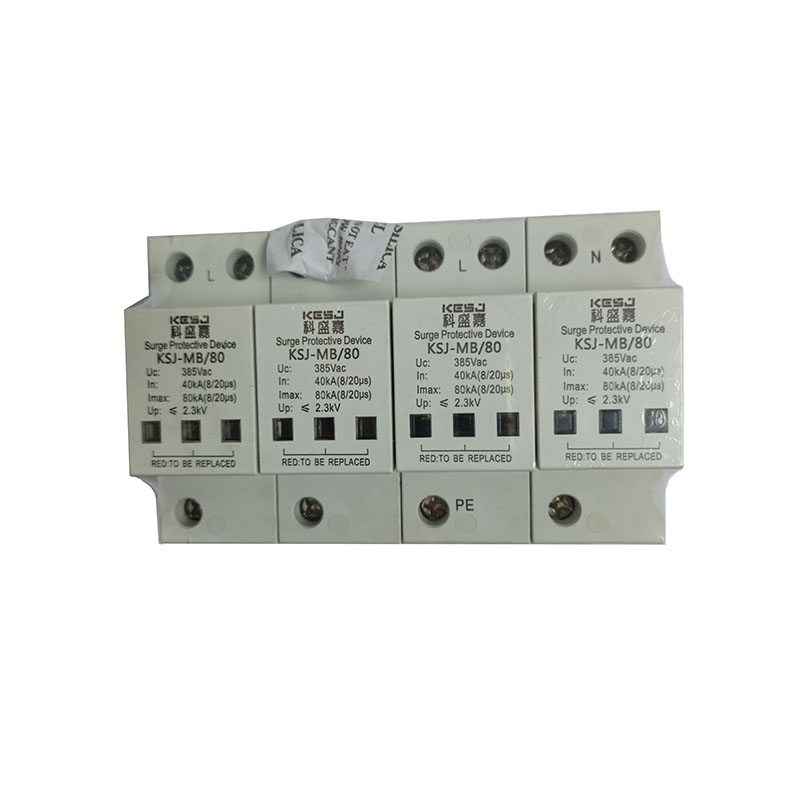
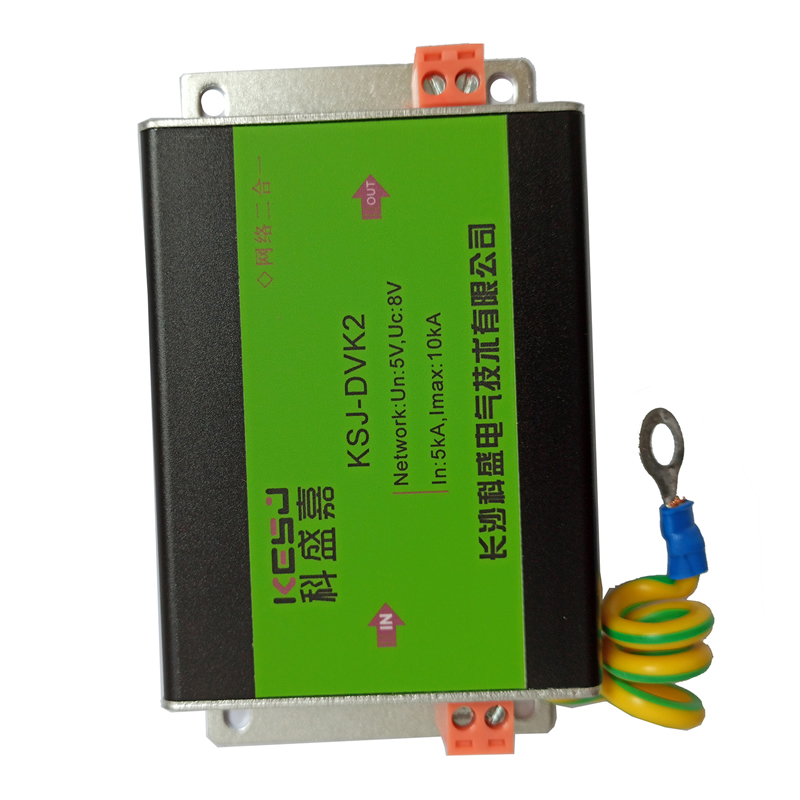
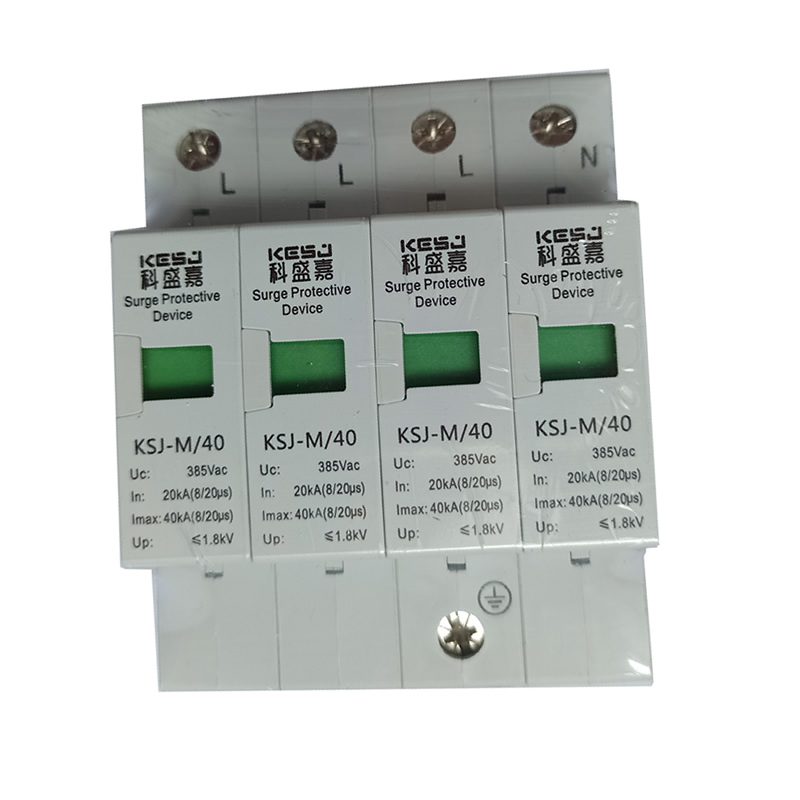
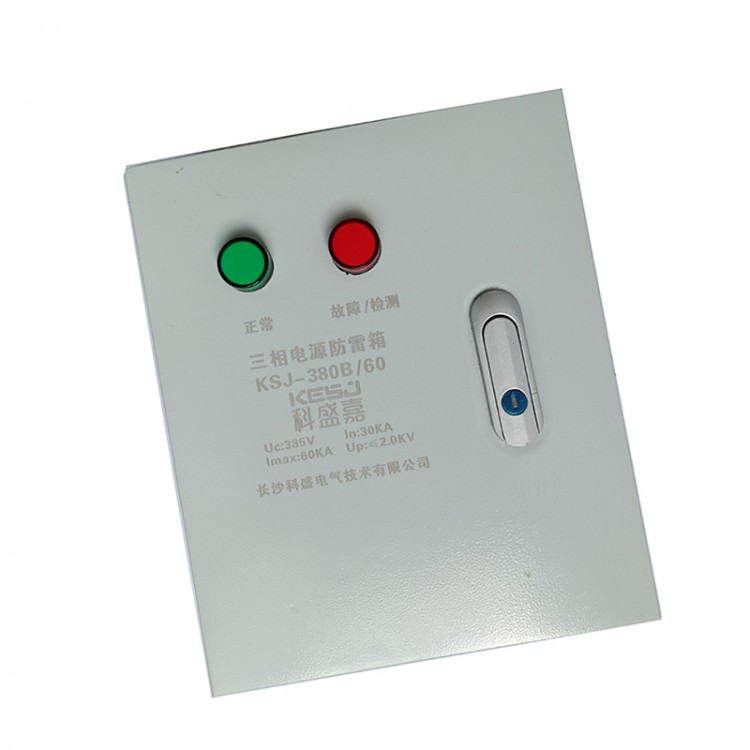
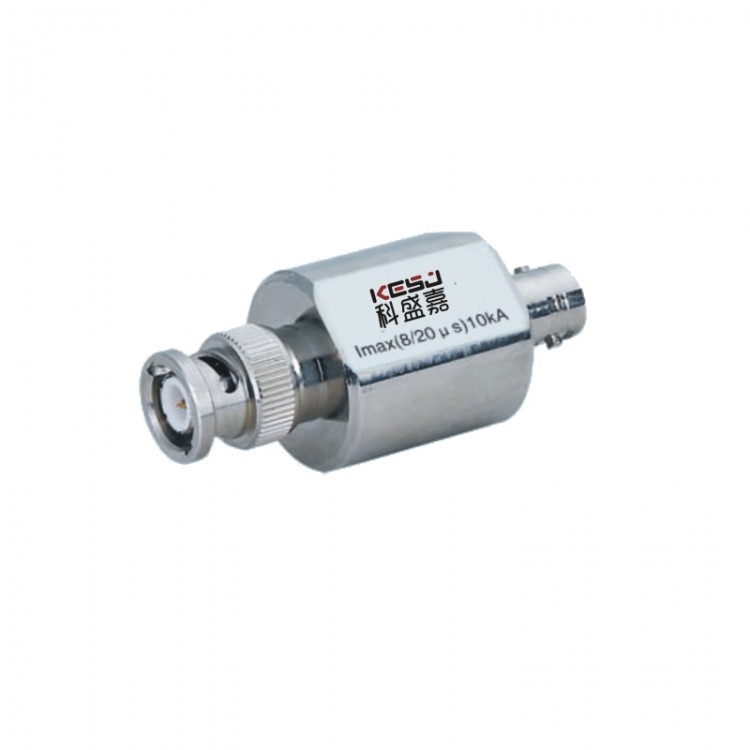
Surge protectorIt is a protective device against lightning overvoltage attacks on distribution and other electrical equipment, installed at the input end of the protected equipment, with its upper end connected to overhead transmission lines and the lower end grounded. Surge arresters are mainly used to protect electrical equipment, which is a type of specialized lightning protection equipment. Among them, valve-type surge arresters are a commonly used lightning protection device for transformers and distribution equipment; tubular surge arresters are generally used on transmission lines; protection gaps are simple and economical lightning protection devices, also known as simple surge arresters, usually installed at the entry point of the line to protect devices such as electricity meters.
Part Two: Lead DownThe middle section of the lightning protection device connects the air terminal above and the grounding device below. Typically installed on the exterior wall of buildings, it is grounded through a short circuit. The down conductor of each building usually consists of at least two conductors. The down conductor is a metallic conductor that connects the air terminal to the grounding device, commonly made of round or flat steel, with round steel being preferred. The diameter of the round steel should not be less than 8mm, and the cross-section of the flat steel should not be less than 12mm x 4mm. The down conductor should be laid along the exterior wall of the building or structure and grounded through the shortest path. When concealed, the cross-section should be increased by one grade, i.e., the diameter of the round steel should not be less than 10mm, and the cross-section of the flat steel should not be less than 20mm x 4mm. Metal components of the building or structure, such as fire ladders and steel columns, can also serve as down conductors, but electrical paths should be formed between all parts. The down conductor must meet the requirements for mechanical strength, corrosion resistance, and thermal stability.
III. Grounding EquipmentIncluding buried ground wires and grounding bodies, in soils with strong corrosiveness, anti-corrosion measures such as galvanizing or increasing the cross-section should be taken. The grounding system is an important part of lightning protection equipment, discharging lightning currents into the ground, and limiting the ground voltage of the lightning protection equipment to prevent it from being too high. In addition to independent lightning rods, as long as the grounding resistance meets the requirements, lightning protection grounding systems can be shared with other grounding systems. Generally, galvanized round steel, angle steel, flat steel, etc., are used to connect into horizontal grounding loops, grounding strips, or vertical grounding bodies, buried at a certain depth in wet soil. The reinforced concrete foundation of modern buildings can also serve as a grounding system.