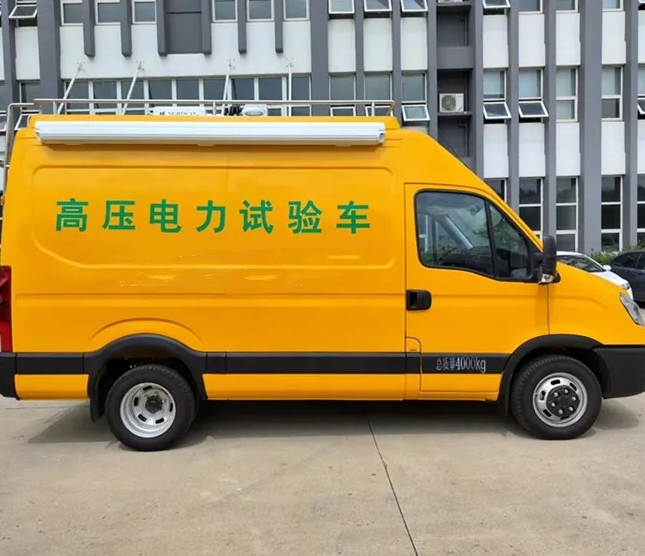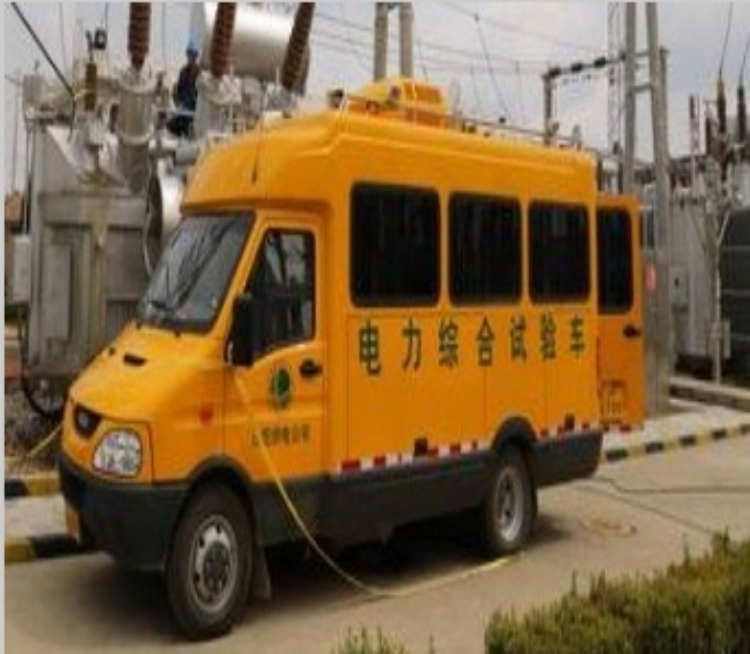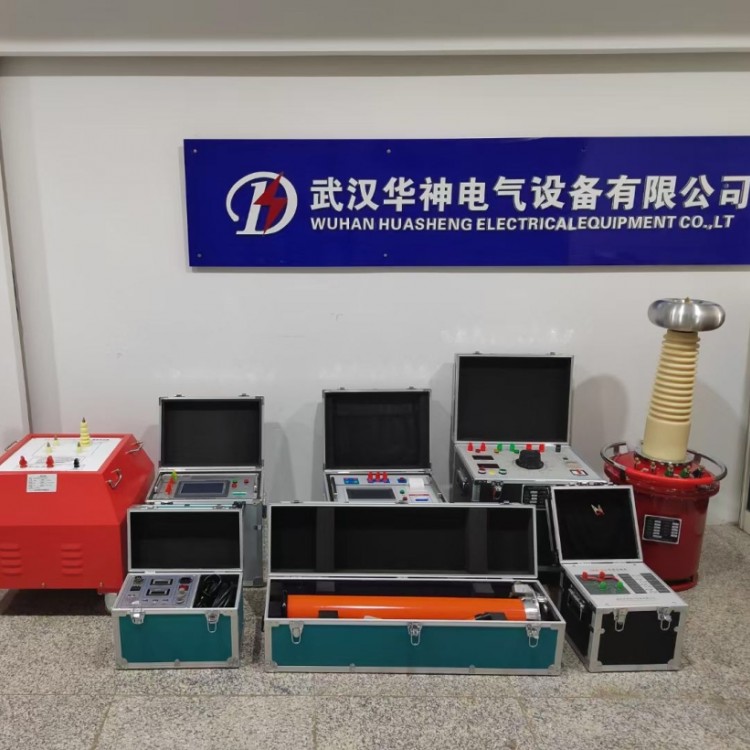


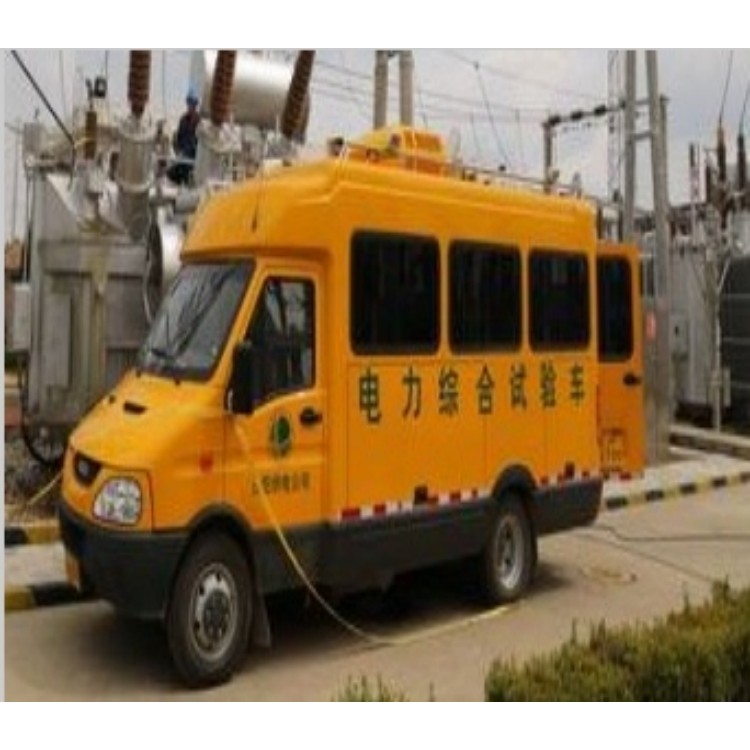
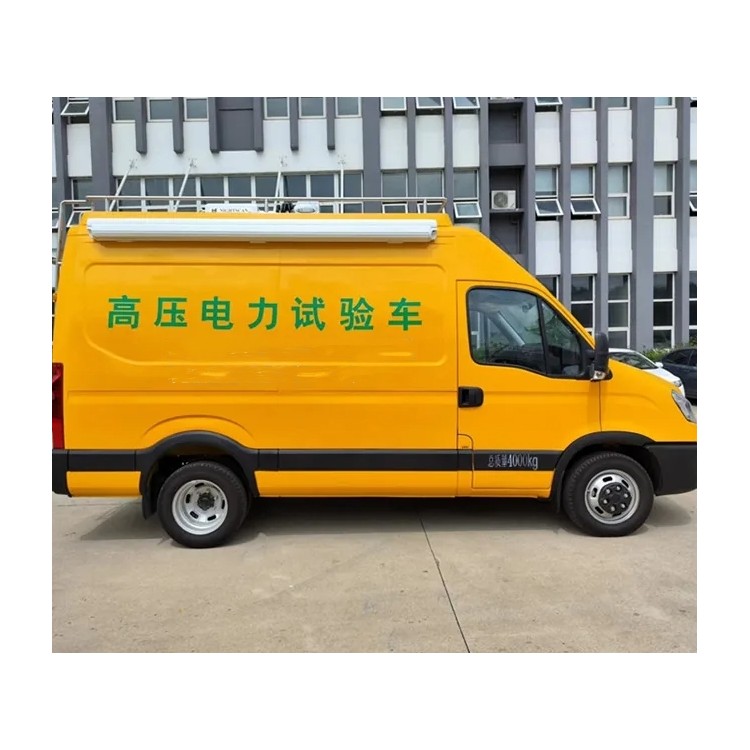
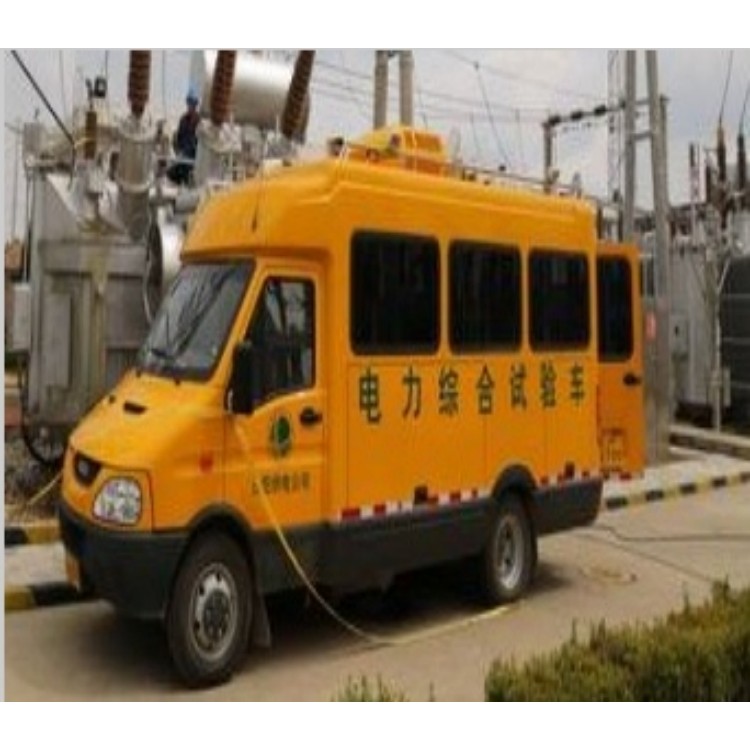







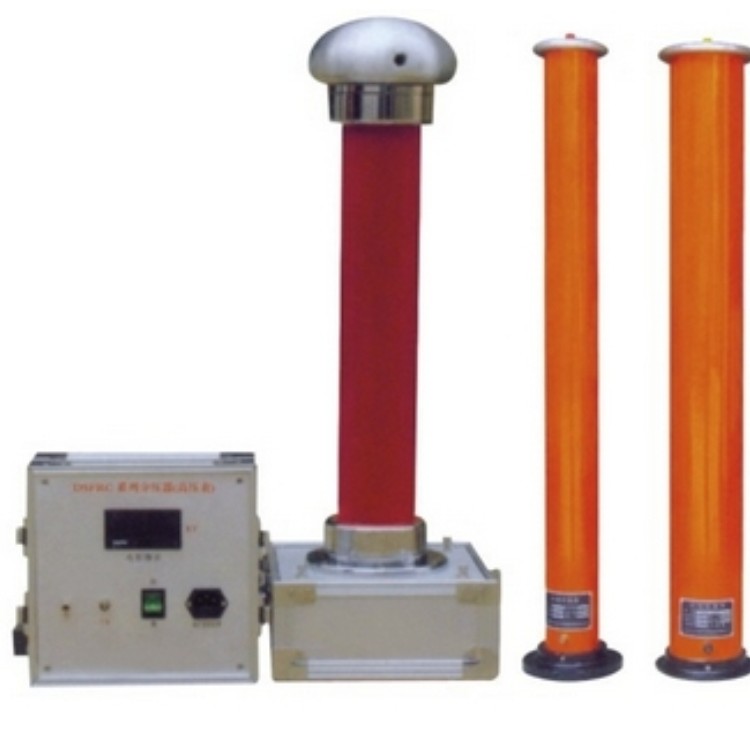
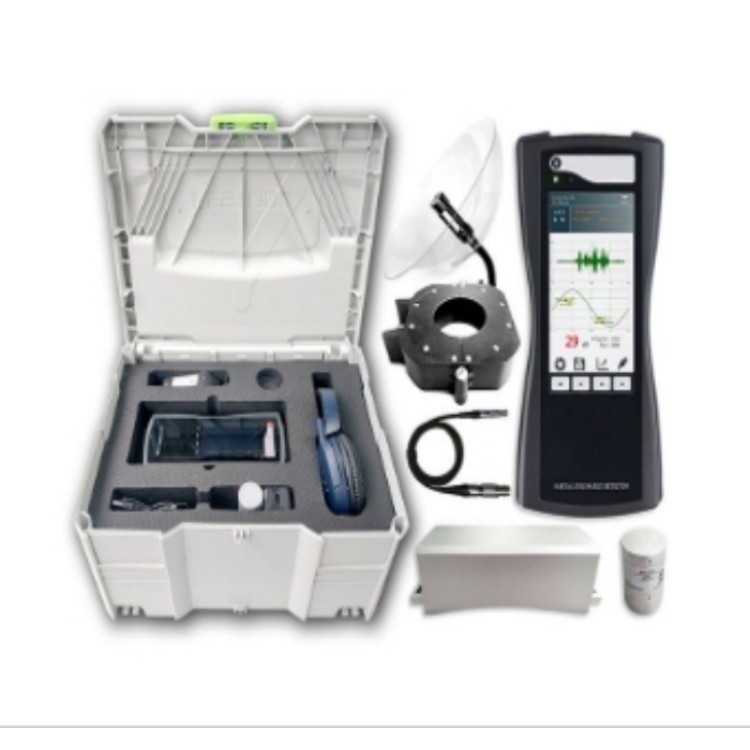
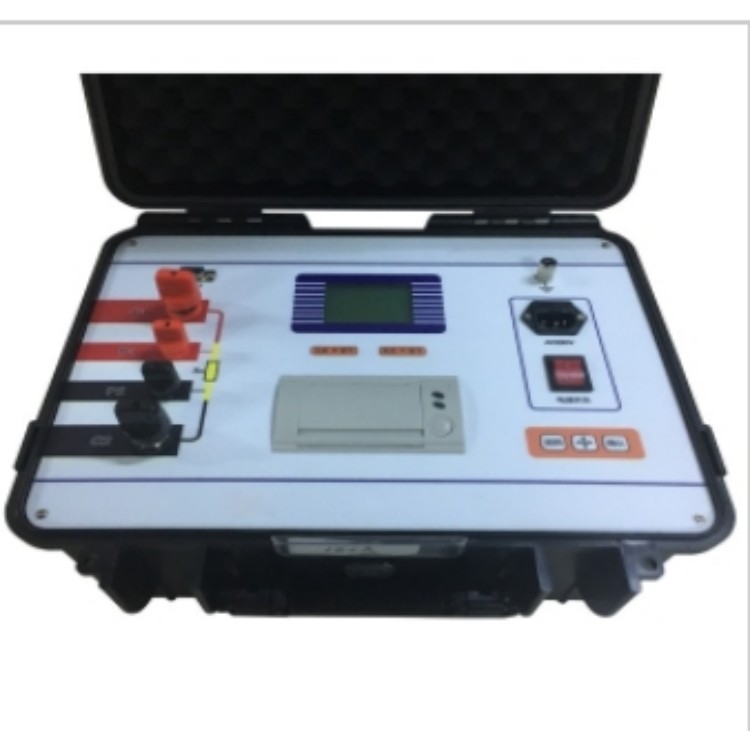
Electrical Test VehicleBased on different configurations, it can meet the preventive and condition-based maintenance tests for electrical equipment of transformer substations up to 220KV and below, including transformers, current transformers, circuit breakers, lightning arresters, capacitors, reactors, and cables, among other main equipment. The centralized control instruments can be mounted on the control racks inside the vehicle and controlled by a computer to complete the entire testing process; individual test units that are not convenient for on-vehicle testing can be tested nearby; each centralized control instrument is also suitable for indoor substation testing needs, can be used as independent instruments, and features an off-vehicle testing mode.
II. Technical Features:
2.3.1 Vehicle Information
2.3.1.1 Overall Vehicle Dimensions (mm): 5490×2000×2540 (subject to buyer's requirements)
2.3.1.2 Maximum Capacity: 3-6 persons
2.3.1.3 Wheelbase (mm): 3310
2.3.1.4 Body Color: Body lettering and color to be determined separately (as per customer's requirements).
2.3.1.5 Modified with an Iveco chassis as the carrier, equipped with the Development and Reform Commission's special vehicle registration announcement, ensuring the test vehicle can be registered at the local vehicle administration office.
2.3.1.6 The centralized control instruments feature a unified panel and standardized cabinets. The instruments are designed in a modular manner, ensuring a consistent overall appearance.
2.3.1.7 The centralized control software utilizes a virtual instrument operation interface and is equipped with a data management system.
2.3.1.9 Equipped with certain auxiliary systems such as air conditioning, lighting, intercom, surveillance, signage and exterior image, vehicle power supply, GPS positioning, etc.
2.3.2 Centralized control instruments are mounted on custom racks and secured in place. The instruments' rear end directly exports test lines, power lines, and communication lines. The racks are firmly installed on the vehicle frame and equipped with vibration-damping devices to enhance the instruments' safety and stability. Non-centralized instruments are placed in a dedicated cabinet and secured with straps.
2.4 Software Database
2.4.1 Software Operating System: The industrial computer controls the operation of each test instrument on the control rack, while the instruments themselves can also operate independently. Utilizing a simulated virtual instrument interface operating system, the cursor replaces manual operation, making it simple and easy to control instruments with the computer, thereby reducing the dangers associated with high-voltage testing.
2.4.2 Capable of managing factory, equipment, project management, and test data; capable of generating test reports.
2.4.3 Features data retention with marked test time and text formation time.
2.4.5 Key Parameters of Industrial Computers