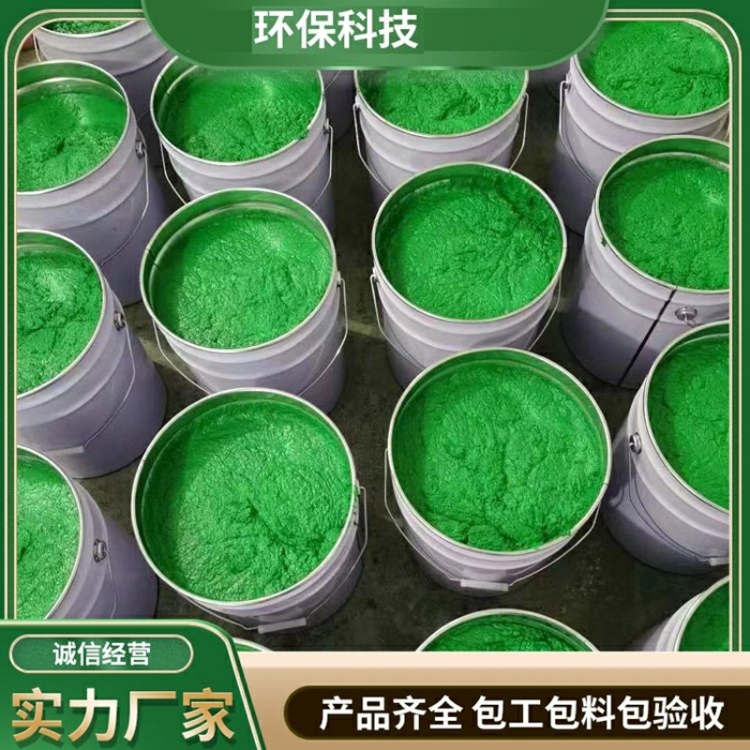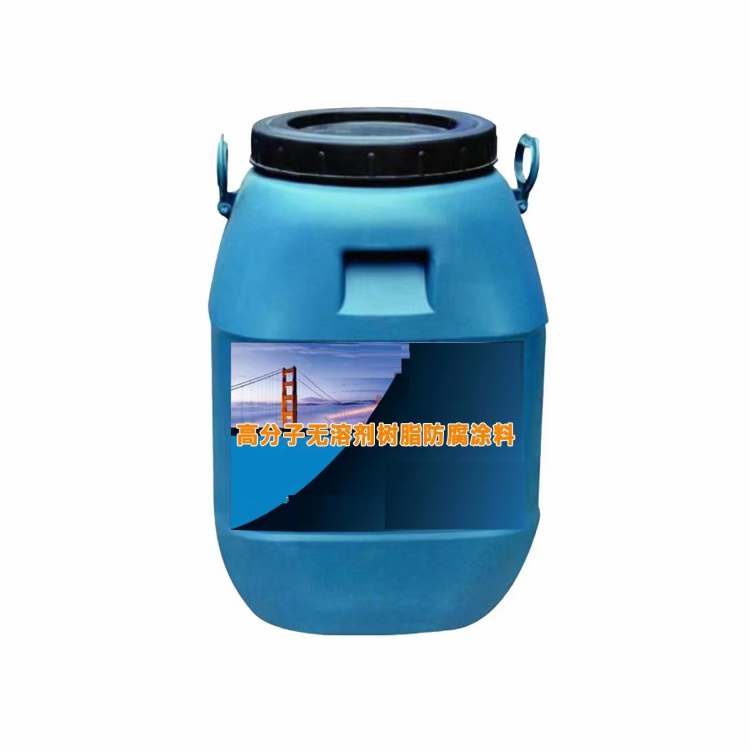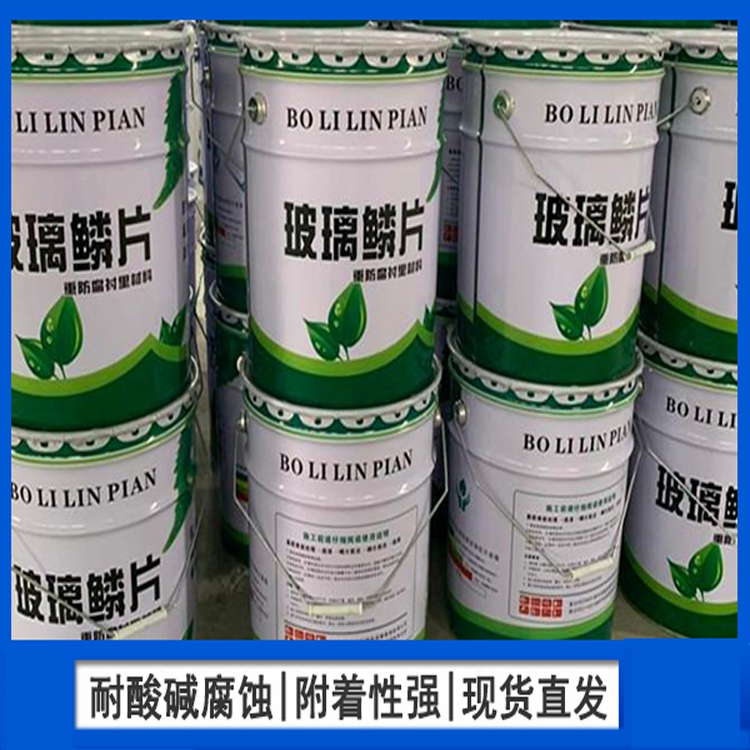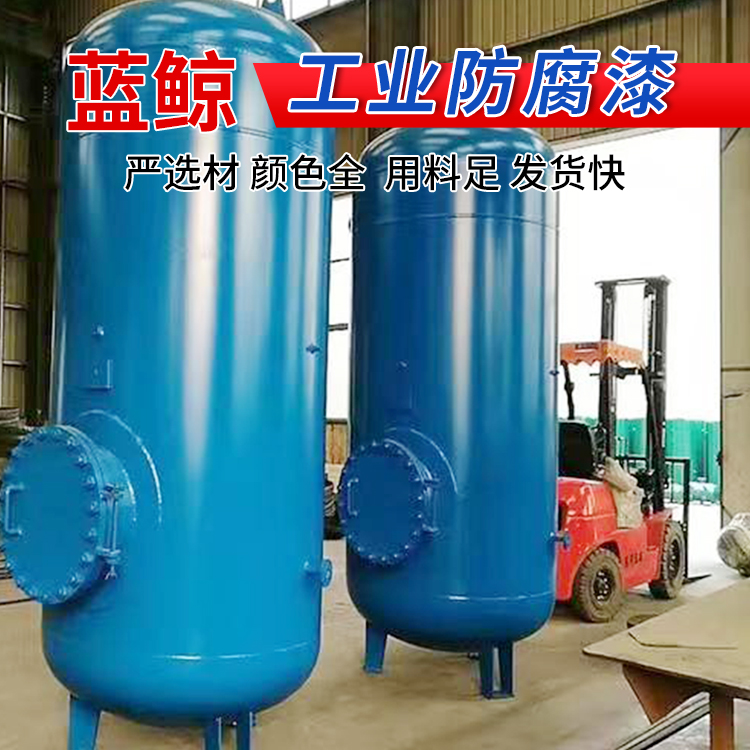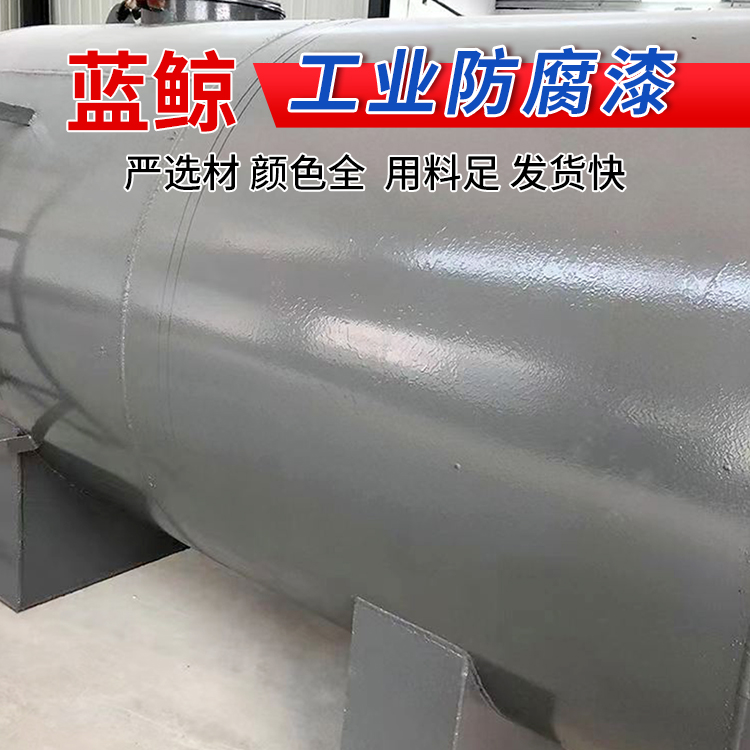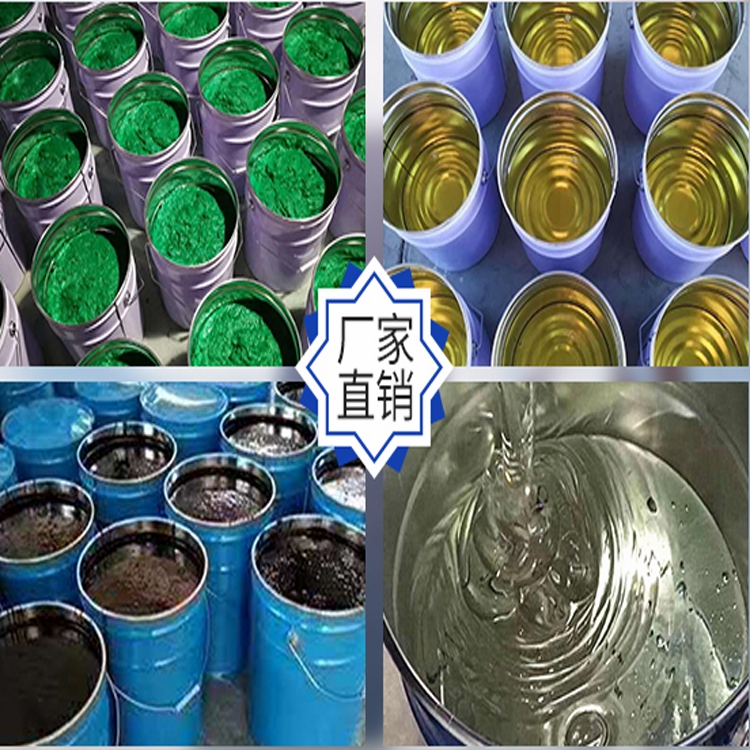

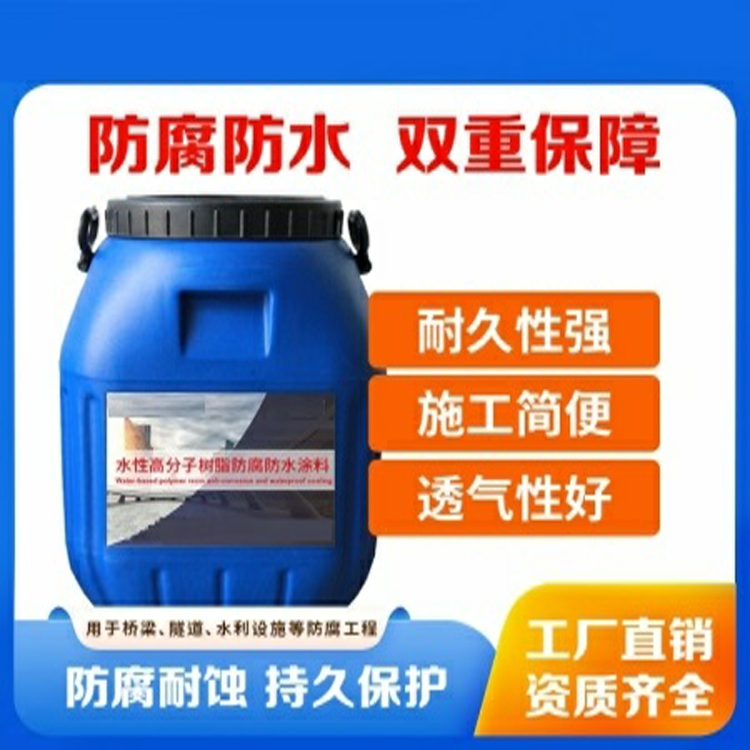



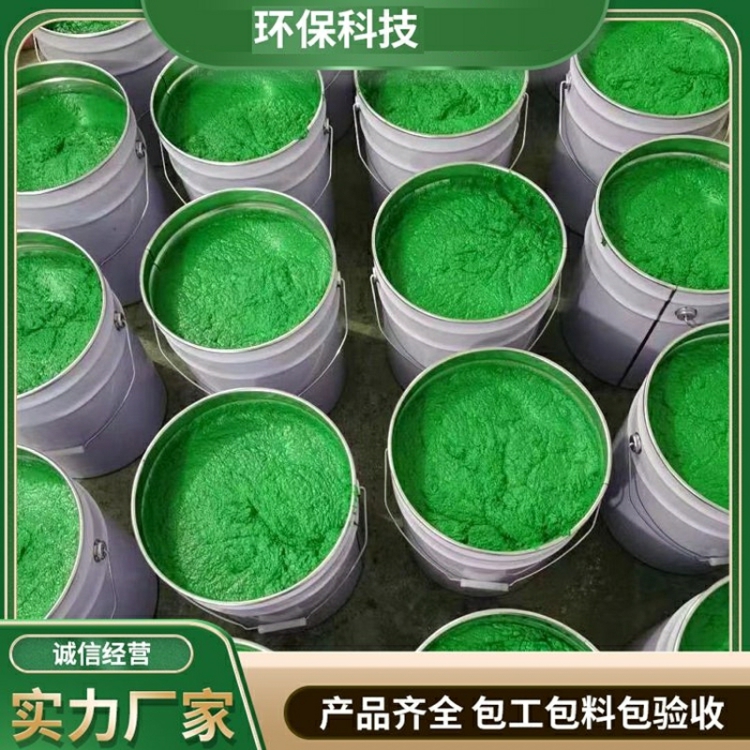
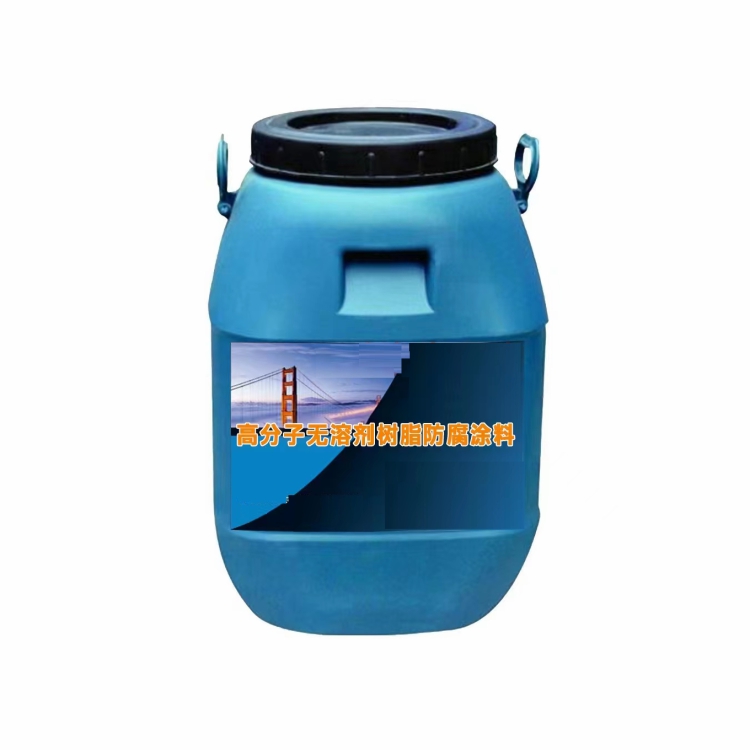
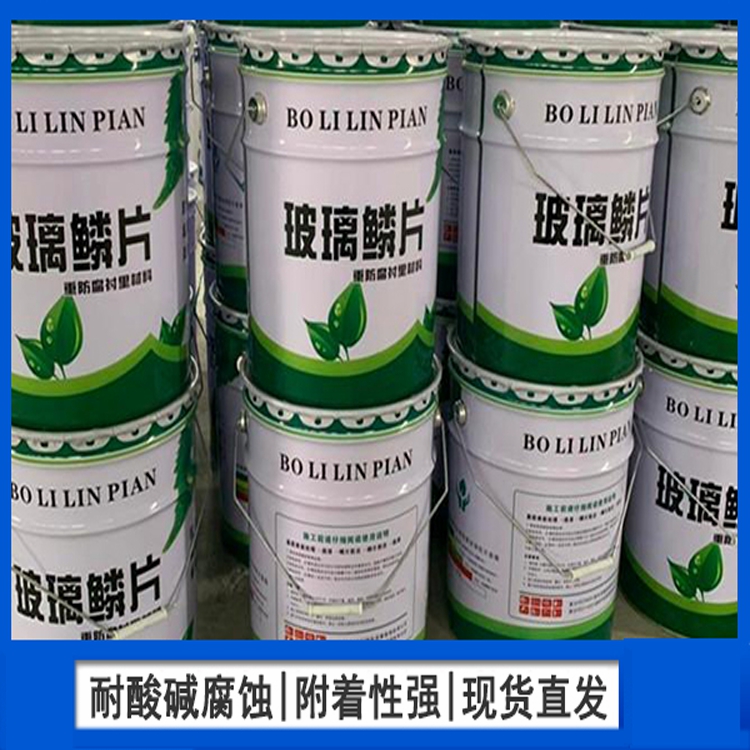






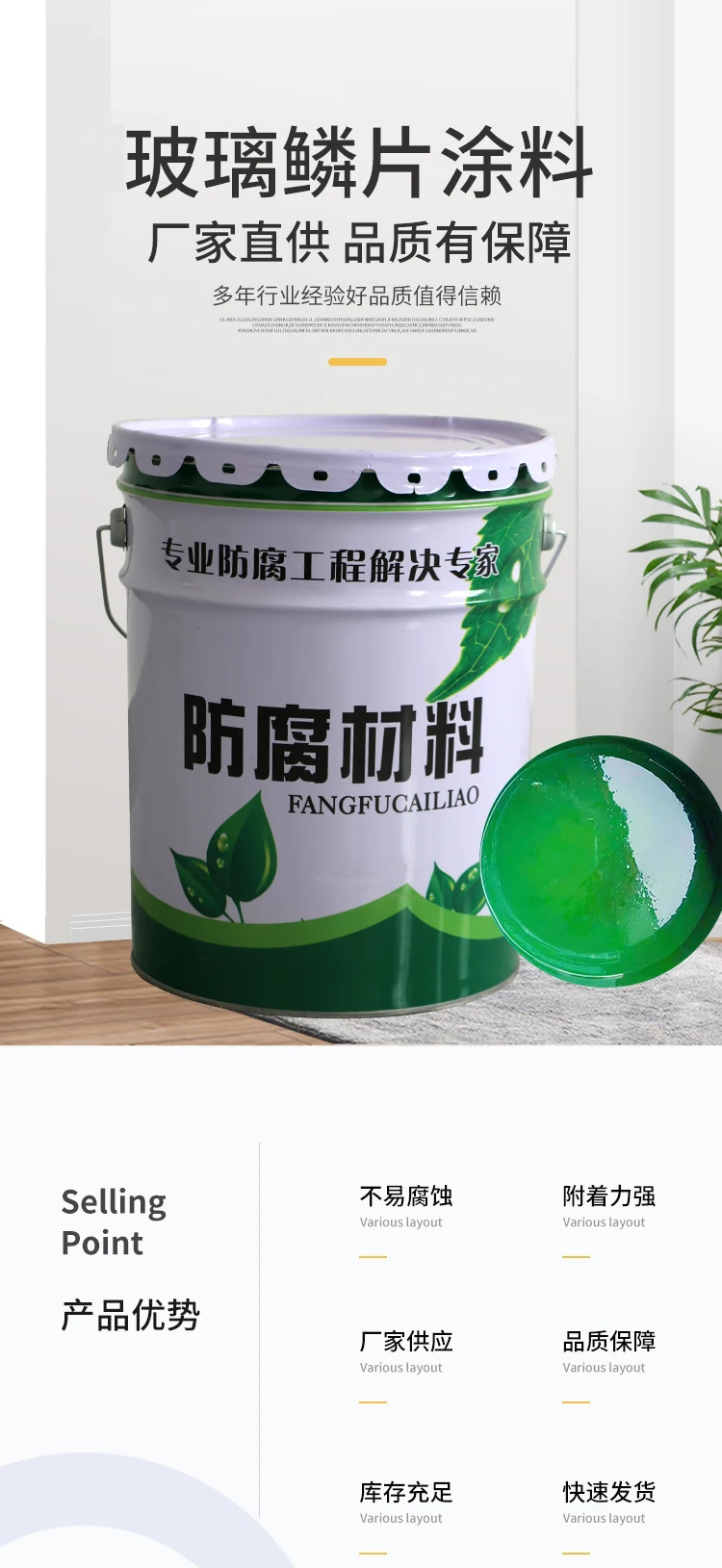


Epoxy Glass Flake Heavy Duty Anticorrosive Coating
Introduction: High solid content, environmentally friendly epoxy modified scale glass coating
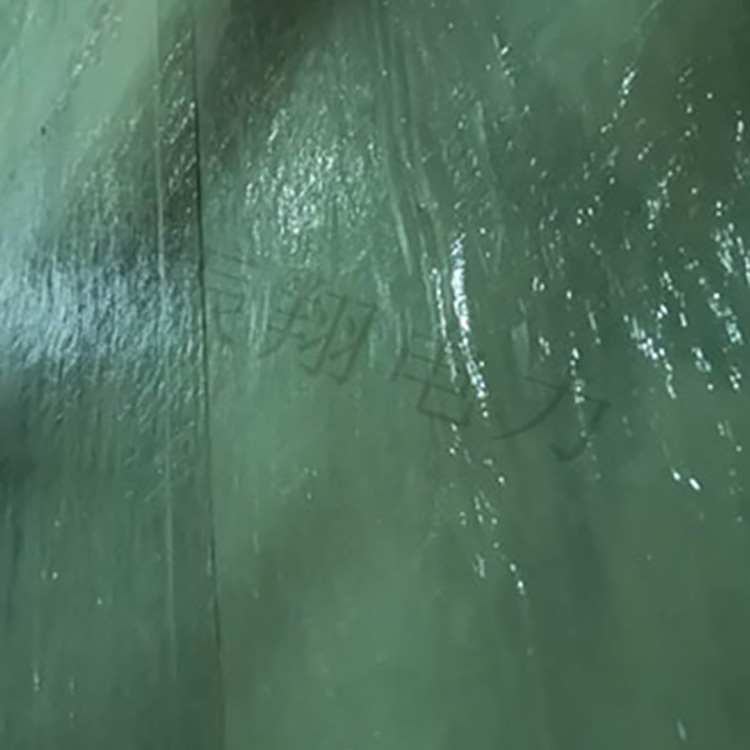
Main Performance: The lacquer contains finely arranged glass flake sheets stacked together.
— Acid, alkali, salt, water, and oil resistance properties
Excellent corrosion-resistant medium permeability
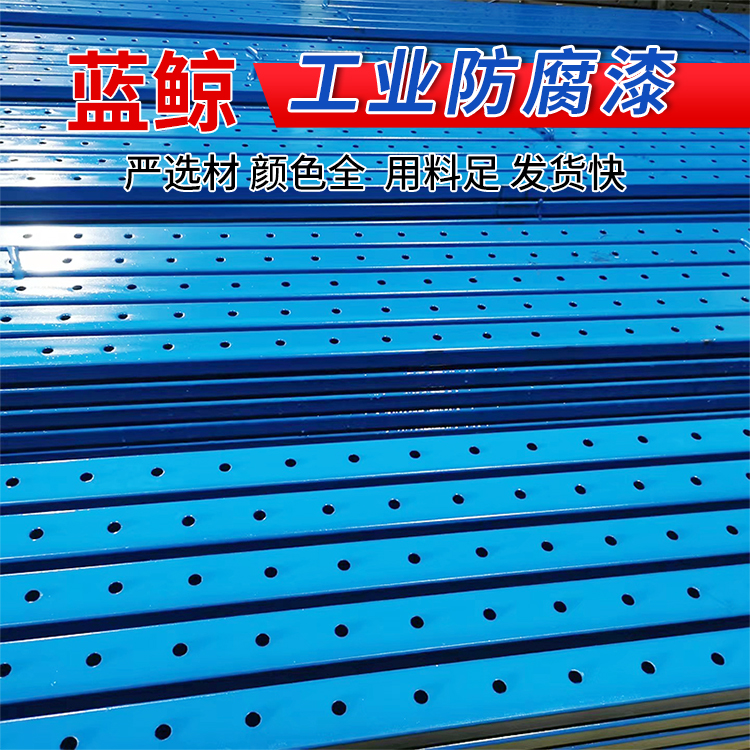
Design Purpose: Long-lasting corrosion protection for heavy-duty applications in the urea granulation towers, synthetic desulfurization towers, offshore platforms, wastewater treatment, and environmental protection, chemical, marine, oilfield, and shipbuilding industries.
— Corrosion and waterproof protection for facilities and equipment in environmental protection, construction, metallurgy, and chemical industries
Physical Parameters: Base Coat (Iron Red), Intermediate Coat (Gray), Top Coat (various colors)
Density: (1.2-14) g/m² (12-14) g/m² (1.0-12) g/m²
Installation Instructions
Flash Point: Not less than 26℃
Touch Dry: (20-30)℃(1.0-20)h
Completely Solidified: 7 Days
Curing Agent: G-05 (Base Coat) G-06 (Mid Coat) G-07 (Top Coat)
Blend Ratio Base Material: G-05 = 100:13 (Cured for 20 minutes) Base Number: G-06 = 100:13 (Cured for 20 minutes)
Base Material: G-07 = 3:1 (age for 20 minutes)
Application Method: Brush coating
Diluent: X-117
Bulk Quantity: 5%
Mixing Time: 8h
Recoat Interval: Less than 24h (20%), Large (see notes)
Installation Instructions: The construction surface must be clean and dry, with surface treatment for rust removal reaching CB standard T2 or B2 grade. The surface temperature should be above the dew point to prevent condensation of moisture. It should be noted that temperatures at or below the freezing point can cause the surface to freeze, affecting the adhesion of the paint film. The paint itself...
The temperature should be above 15°C to ensure normal construction performance. During construction in confined spaces and during the drying period, ample ventilation should be provided.
Coating: Epoxy glass flake heavy-duty anticorrosion coating.
Note: The film thickness can be adjusted as needed; however, this will accordingly alter the amount used and affect the drying time. The coating should not be exposed to direct sunlight during use.
In conditions of immersion, heavy fog, extreme temperature variations, chemical erosion, or abrasion, the extended recoating interval should not exceed 72 hours.
If the surface is contaminated, clean it thoroughly with high-pressure fresh water before recoating, allowing it to dry naturally. If the recoating interval exceeds the heavy weight, sanding is required.
Coarse surface to ensure adhesion between the paint films.
Note: This JINGJIA is suitable for metal structure surfaces that require high-temperature corrosion resistance after sandblasting or equivalent sandblasting treatment.